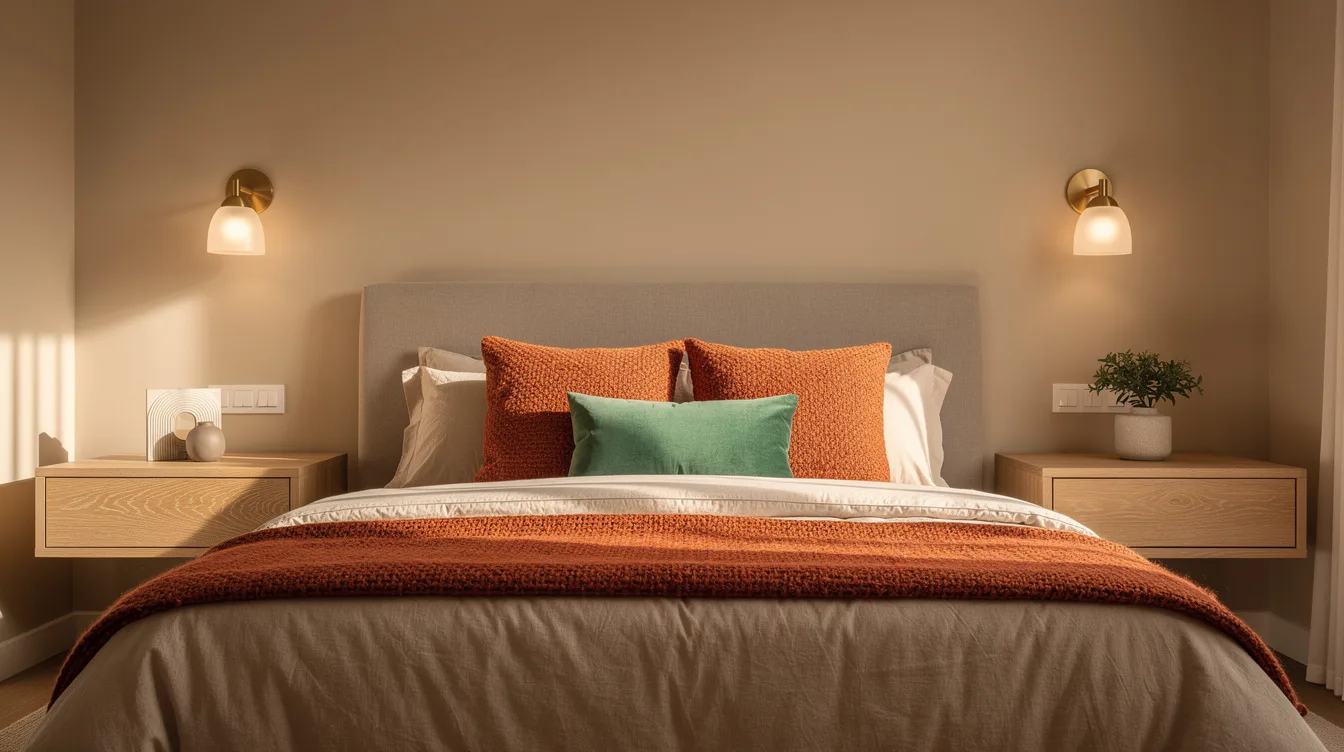
I learned this the hard way after mounting a pair of sconces above 18-inch floating drawers: the room looked polished at noon, then felt awkward every night when I reached for a book. The fix wasn’t a bigger fixture or a pricier finish, it was treating the lights as reading tools first.
Once I adjusted the height, aimed the shades, and cleared the surfaces below, the bed wall finally had the easy, tailored look I wanted. Here’s what held up after living with the setup.
Set the Centerline Before Buying a Fixture
My first attempt sat too high, and the light skimmed the wall instead of landing on my paperback. I remounted each brass sconce at around 48 to 54 inches from the floor to its center, which made reading in bed immediately more comfortable.
Floating furniture doesn’t change bedside geometry. Keep the top of a floating oak nightstand close to mattress height, then place the fixture where your seated eyes and hands can actually use it.
I also kept each light roughly 16 to 24 inches from the bed edge. That distance makes the pair feel connected to the headboard rather than stranded on a wide blank wall.
Choose a Shade That Gives Your Eyes a Break
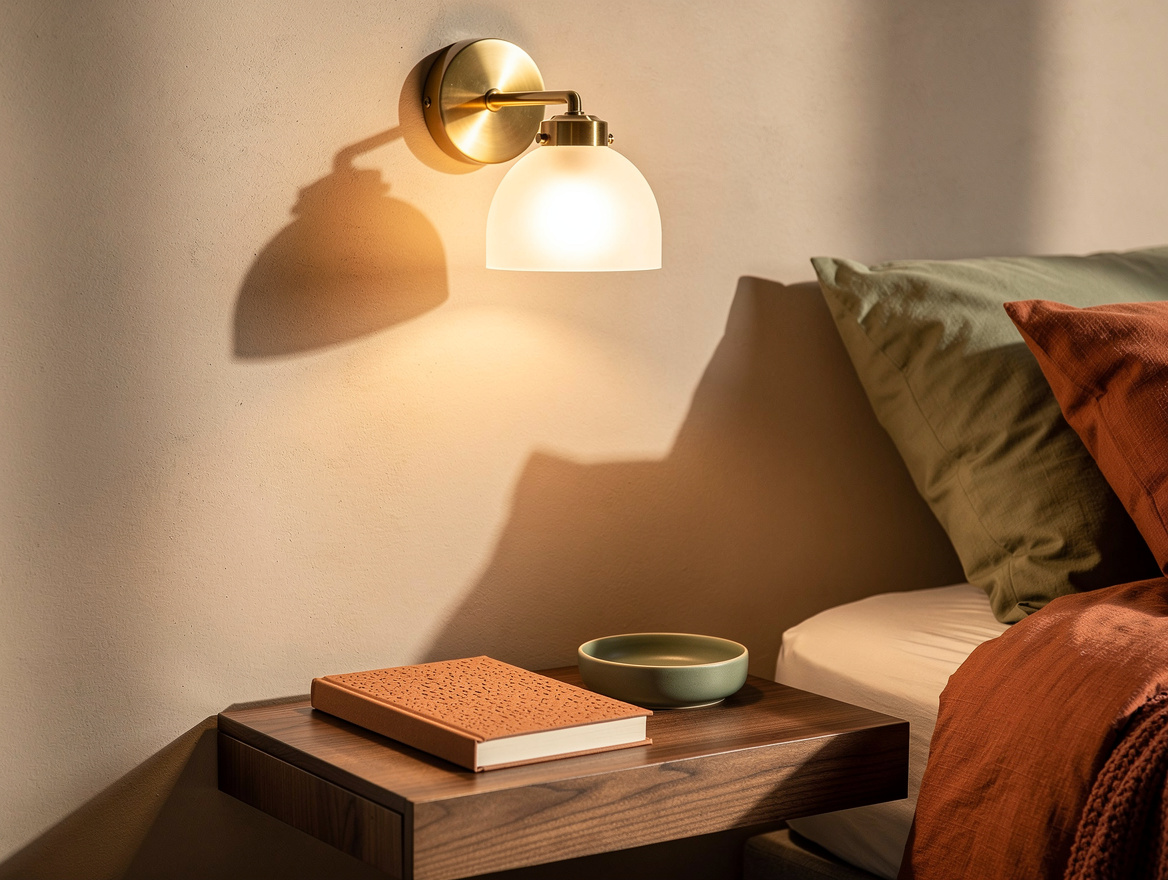
Exposed bulbs look sharp in photos, but they were too harsh for my bedroom after dark. A frosted-glass globe softens the glow and makes late-night scrolling less punishing.
Use warm bulbs in the 2700K to 3000K range for a bedroom. Cool white light can make creamy linens look gray, and nobody needs that clinical feeling at bedtime.
For a compact room, I prefer a small globe over a giant statement shade. The metal backplate should look proportionate above the drawer, not wider than the nightstand itself.
Aim Swing Arms at the Work You Actually Do
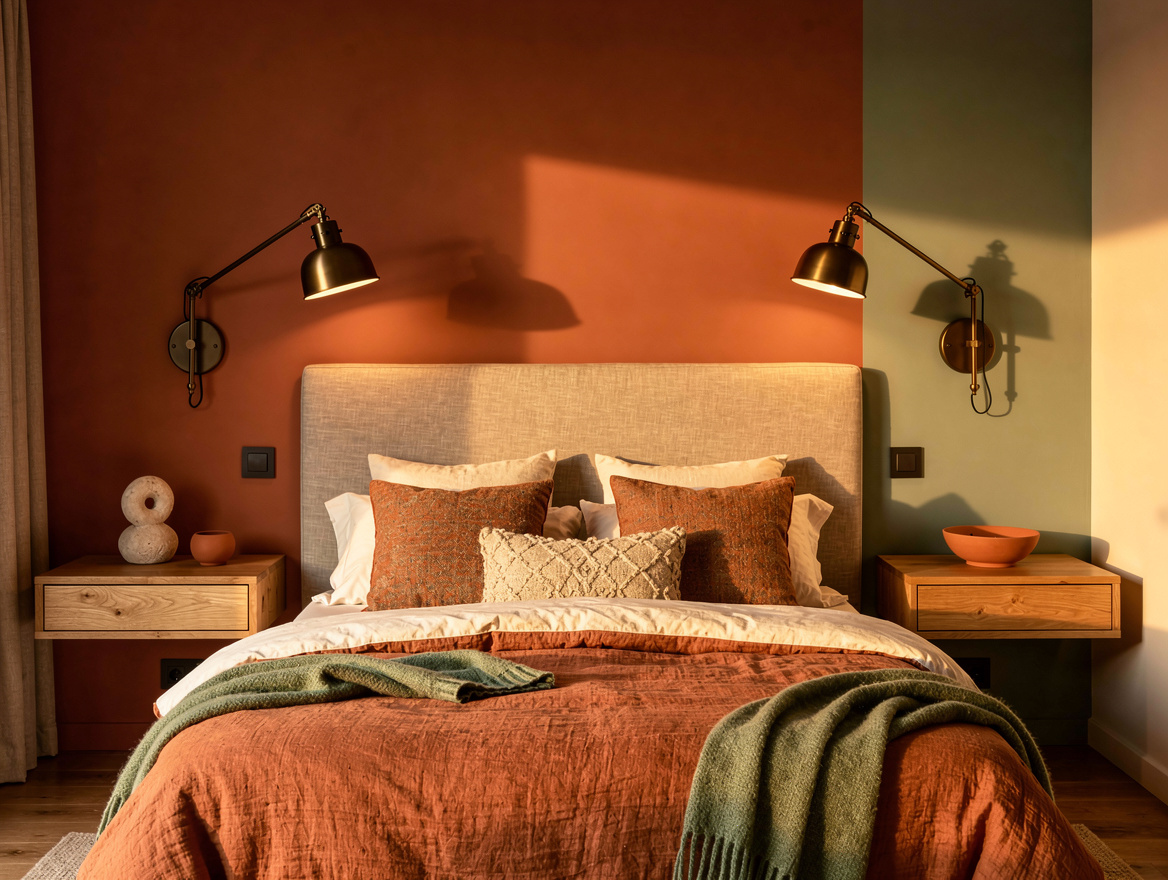
Reading lights earned their wall space in my room because they point light exactly where I need it. A dark bronze swing-arm sconce, typically around $120 for a 12-inch style, is a practical choice when one person reads and the other wants sleep.
Skip the fixed decorative fixture if your bedtime routine includes books, crosswords, or a laptop. A longer gold swing arm, often about $163 for a 20-inch option, gives a wider reach without stealing tabletop space.
Check the arm’s full extension before installation. It should clear pillows and sit comfortably above the nightstand, not hover in front of your forehead when you sit up.
Pair Warm Metal With the Nightstand Finish
Warm finishes made my floating nightstands feel intentional instead of pieced together. Brushed brass works especially well with walnut, white oak, and medium-toned wood because it adds warmth without turning sugary.
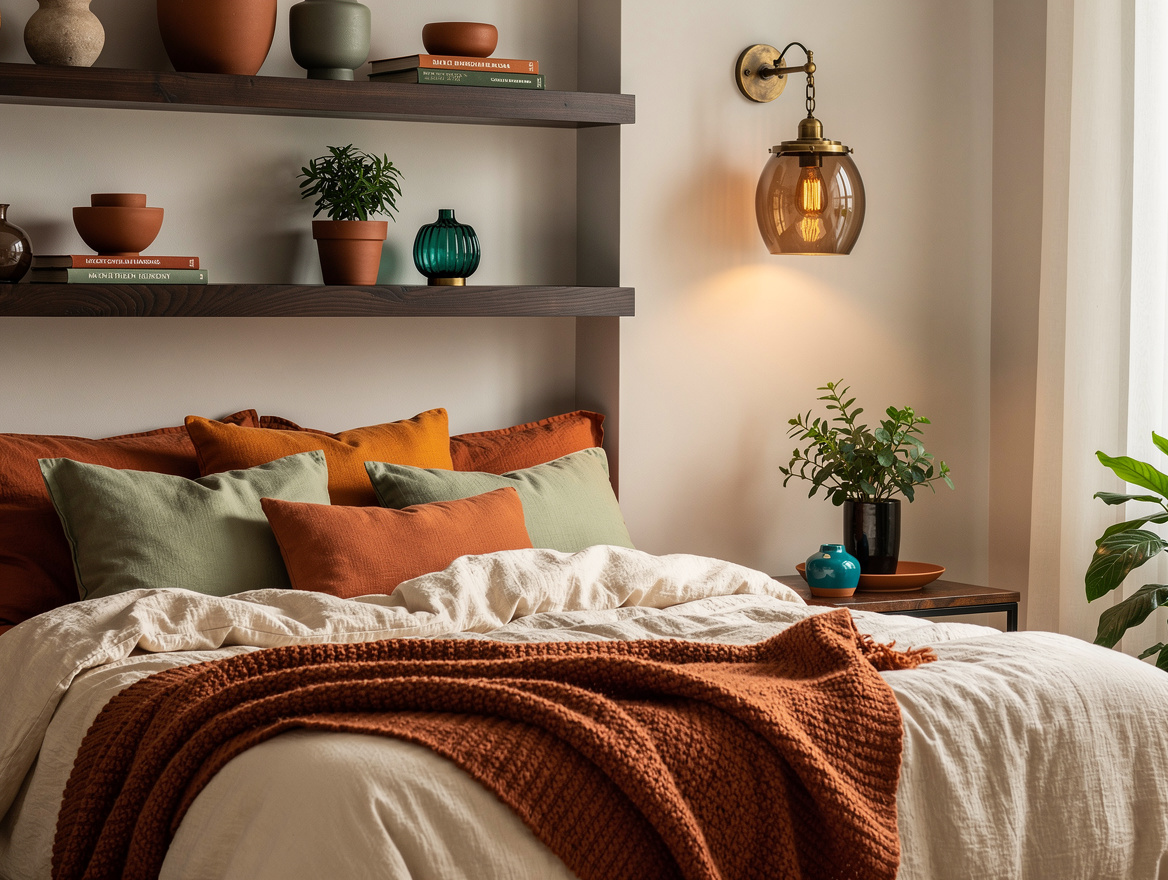
For a moodier bedroom, I’d choose antique brass with dark wood or a slim stone shelf. A smoke-glass arc sconce in that finish is typically about $175, and it brings a boutique-hotel note without requiring a full room makeover.
Matte black is the better call when the room already has black curtain rods or a black bed frame. Let the matte black metal create contrast, then keep the rest of the bedside styling quiet.
Hide the Cord When Hardwiring Is Off the Table
Renters don’t need to surrender the sconce look. I used a plug-in brass task light with a paintable cord cover, and the wall looked far more finished than a loose cable dropping toward the outlet.
Simple plug-in styles typically run about $30 to $75 per sconce, while brass task or frosted-glass versions often land around $105 to $116. Spend more on a dimmer switch or an inline dimmer before paying extra for ornate detailing.
Route the cover in one clean vertical line behind the nightstand. A visible cord loop breaks the crisp, floating effect faster than almost any other bedside mistake.
Edit the Surface So the Sconces Can Do Their Job
A floating nightstand has less room to hide clutter, which is exactly why I like it. Keep one practical item beneath each wall-mounted light: a water glass, a book, or a small dish for glasses.
My favorite combination is a rattan shade above a pale wood drawer, with one ceramic lamp-free accessory below. The texture keeps the wall from feeling flat, while the sconce leaves the surface useful.
Don’t crowd the shelf with framed photos and oversized decor. The whole point is a calmer bedside zone with light that works, a drawer that floats, and enough open space to breathe.
Start by marking an around 48-to-54-inch centerline with painter’s tape before ordering anything. That small wall test will tell you more than a product photo ever can.
Mia Carter writes about small-space living and budget home makeovers. She has restyled three rentals and tests most ideas in her own 45 sqm flat.