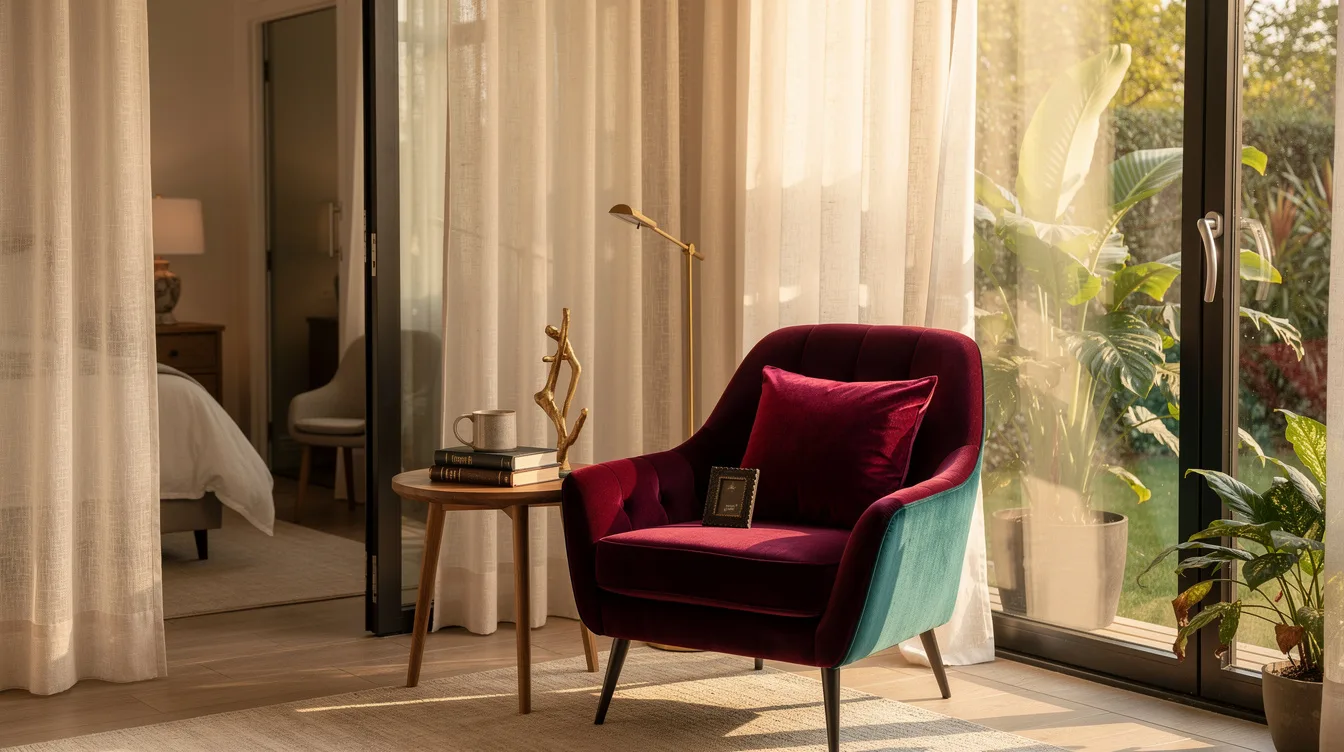
My bedroom-adjacent sunroom became useful only after I stopped treating it like a bonus living room. In a space about 10 by 12 feet, I made room for one deep seat, a small table, plants, and a quiet route to the garden.
Construction is the serious part: a simple enclosed sunroom can cost roughly €8,000 to €30,000 in some markets, while a typical U.S. Project may land around $22,000 to $75,000. The design should reward that investment with comfort, not clutter.
Carve Out a Morning Landing Zone
I planned the room as a buffer between sleep and the rest of the house, with one clear route from the bedroom opening to the garden view.
In a room about 10 by 12 feet, a round oak pedestal table gives coffee, books, and a lamp a home without creating a furniture bottleneck.
My rule is firm: this room gets one main purpose, such as reading, stretching, or waking slowly. A second living room would need more seating, storage, and visual noise than this retreat can handle.
Choose One Seat With Room to Breathe
I started with a single deep lounge chair rather than a matching set, then angled it toward the brightest view.
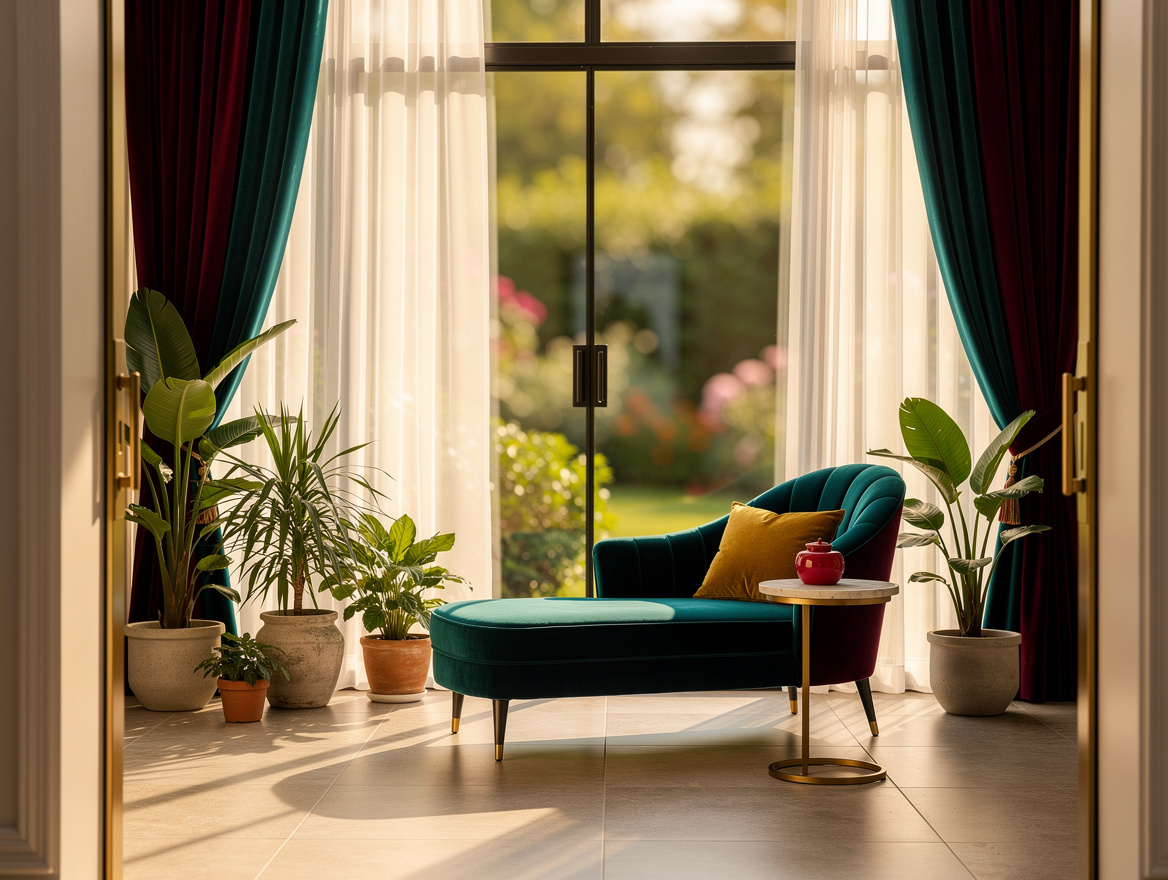
A Wayfair upholstered chaise or compact lounge chair can anchor the space, while a low-pile indoor-outdoor rug keeps the seating area visually grounded.
Leave about 30 to 35 inches for the main walking path. That small gap makes the room feel calm instead of carefully packed.
Build a Daybed Against the Solid Wall
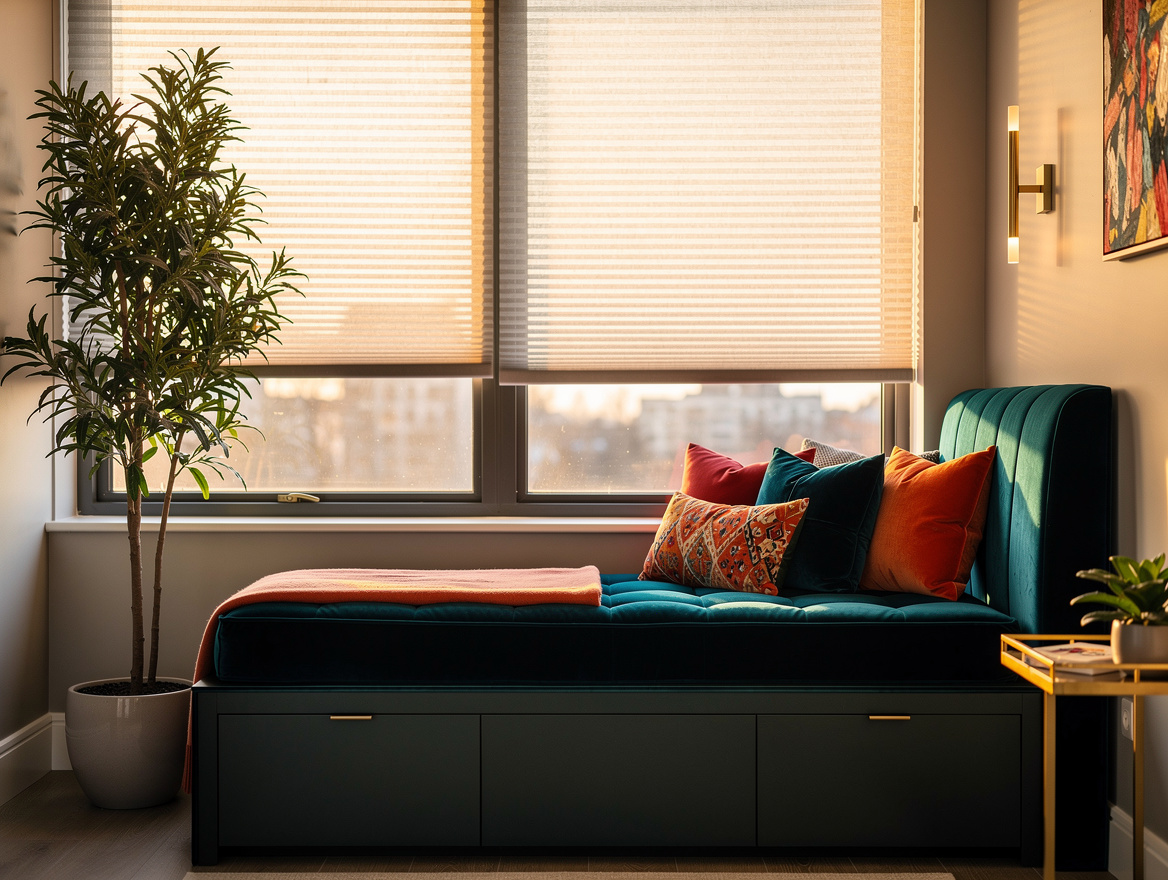
When a sunroom sits beside a primary bedroom, a daybed creates the strongest retreat layout because it supports reading, napping, and occasional guest sleep.
I would place a roughly 36- to 48-inch-deep upholstered window bench along the solid wall, with closed storage below for blankets and pillows.
A narrow side table, one wall sconce, and a compact sleeper loveseat are enough. Keep the glass side open so the room still feels connected to the garden.
Put Plants Where the Glass Works Hardest
Plants should gather in one intentional bay instead of appearing as scattered pots across every surface.
A sealed concrete floor, porcelain tile, or sunroom-rated luxury vinyl gives the plant zone a durable edge against water and soil.
Use taller greenery as a privacy screen, then keep the seating side simpler with one substantial plant. A small café table and two light chairs can complete the arrangement without turning the room into a greenhouse.
Control Heat Before Adding Decor
Full glass looks inviting in the morning and punishing by midafternoon, especially beside a bedroom where glare and heat can interrupt rest.
I would install cellular blinds from Home Depot or Lowe’s before choosing decorative accessories, then add operable windows and a quiet ceiling fan.
A solid insulated roof with selective skylights is often more comfortable for daily use than a fully glazed roof. In a plant-heavy room, ventilation matters as much as the view.
Layer the Room for Real Quiet
The most relaxing version of this space feels slightly softer than the bedroom, with materials that absorb sound and tolerate changing light.
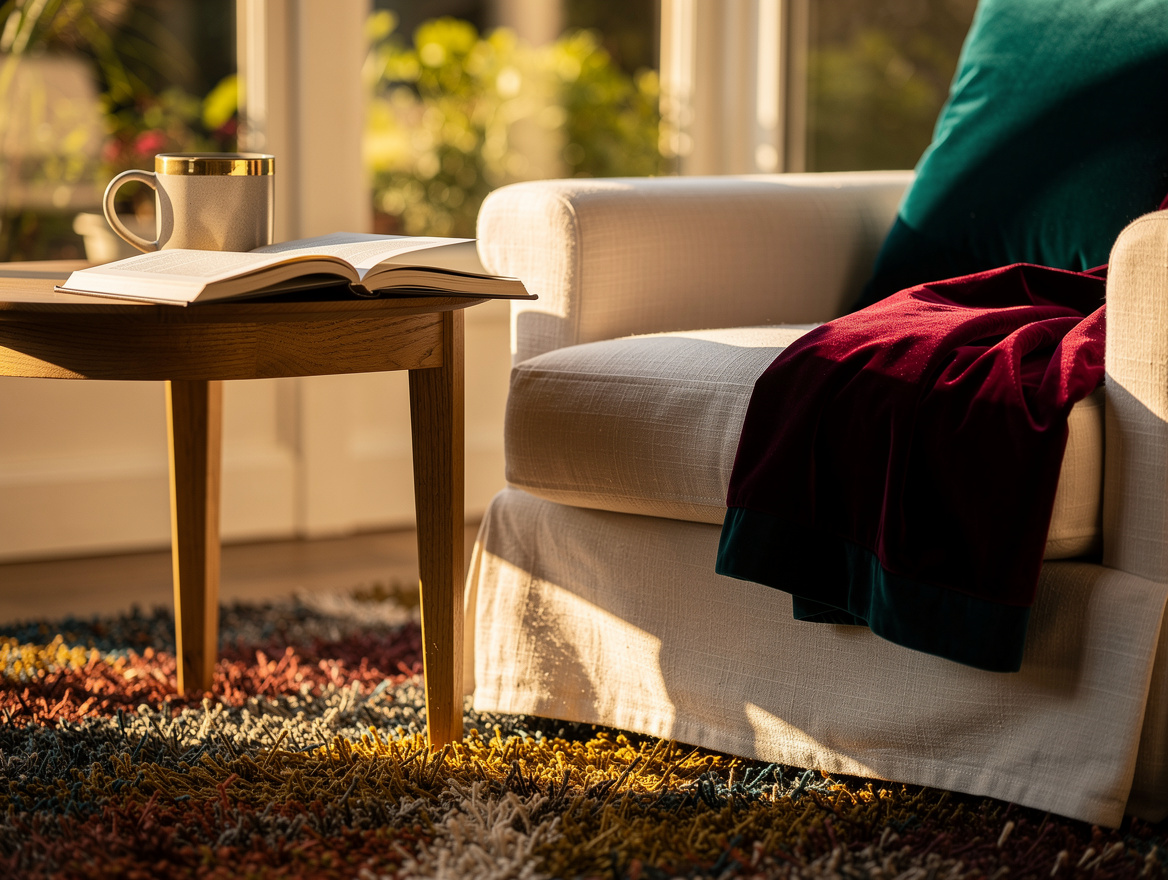
I like linen curtains with a blackout layer toward the bedroom, plus a washable rug and upholstered seating that reduce the hard echo of glass.
For a recovery-room version, add two reclining loungers, a slim towel cabinet, and a small drinks station. Textured porcelain tile is a safer choice than delicate hardwood where bright sun and humidity meet.
Set the Budget Around Comfort
Construction cost can determine whether the room feels like a retreat or a seasonal enclosure that becomes uncomfortable for half the year.
A simple enclosed sunroom or conservatory may run roughly €8,000 to €30,000 in some markets, while U.S. Benchmarks put a typical project around $22,000 to $75,000.
Labor often accounts for about 40% to 60% of the total, so I would protect the budget for insulation, shades, ventilation, and wiring before spending on decor.
For finishes, Target cotton throws, an IKEA side table, and a few well-chosen plants can finish the room without competing with the architecture.
Start with the seat, the shade plan, and the walking path before buying anything decorative. Once those three decisions work, the room can stay spare and still feel like the best place in the house to pause.
Mia Carter writes about small-space living and budget home makeovers. She has restyled three rentals and tests most ideas in her own 45 sqm flat.