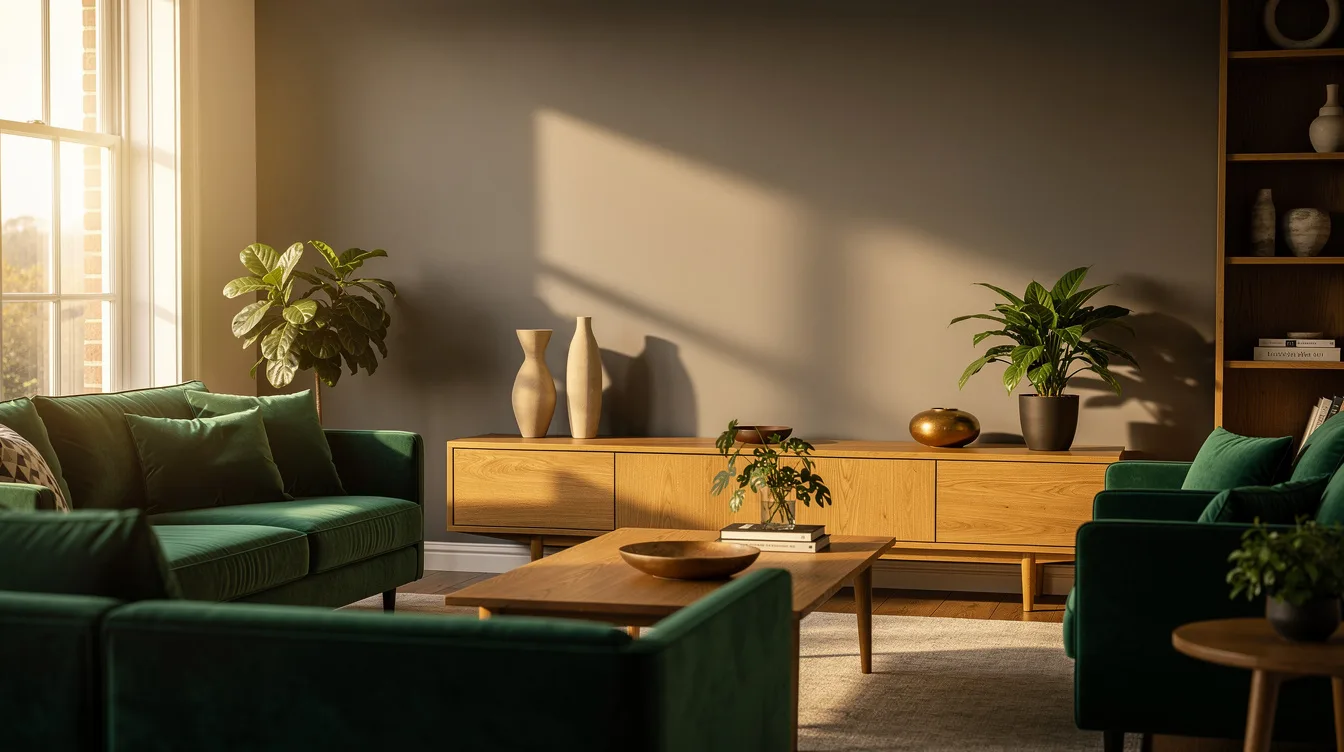
I once watched a soft greige wall look almost silver at breakfast, then turn noticeably warmer beside a 54-inch oak dining table by dinner. The pigment had not changed, but the light absolutely had. Before buying a full gallon, treat your room like a test site, not a showroom.
Track the Window Direction First
An east-facing room usually gets its clearest, brightest light early, then can feel quieter and flatter later in the day. A Behr soft white sample may read fresh in the morning and slightly gray after lunch, especially beside cool flooring.
West-facing rooms create the more theatrical version of this effect. Late-afternoon sun can pull warmth from greige, taupe, and muted green, so a color that looked restrained at noon may feel almost golden by sunset.
North-facing rooms often hold cooler, bluer daylight for longer, while south-facing rooms tend to show more consistent warmth. Designers plan around that reality because a paint card under store lighting cannot predict your actual walls.
Sample More Than One Wall
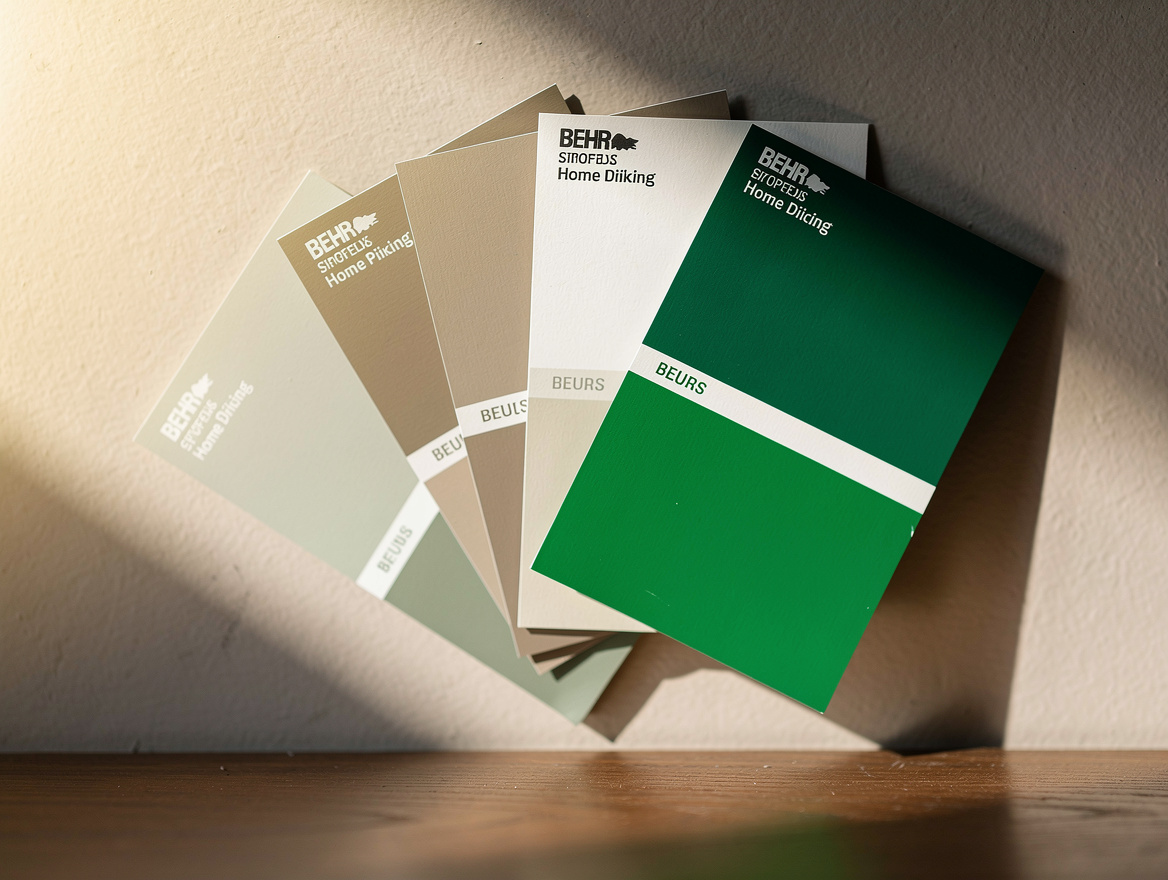
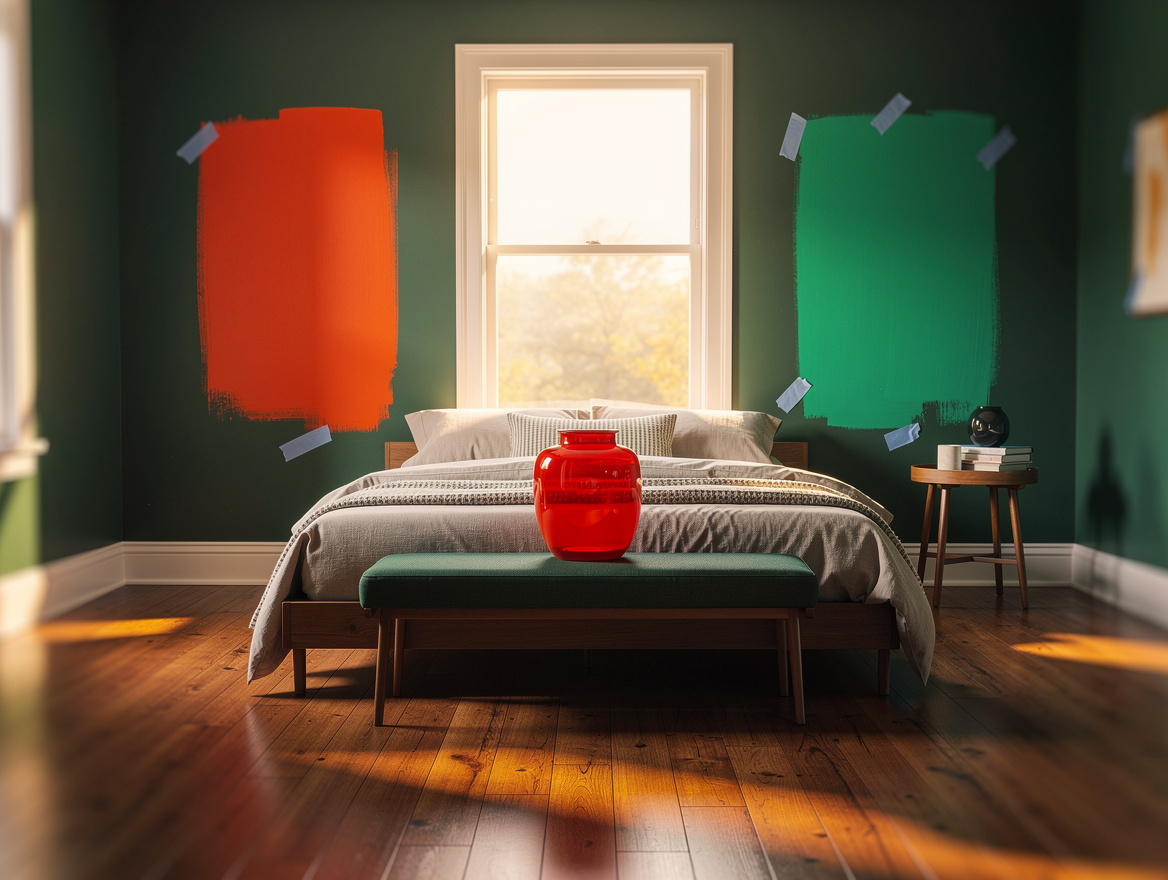
Paint at least two generous test areas on every wall you are considering. A Behr 8-ounce paint sample from Home Depot is typically about $5.98 and can cover up to 16 square feet, enough for useful patches instead of tiny swipes.
Put one test area close to the window and another deeper in the room. Direct sun, reflected floor color, cabinet finishes, and the ceiling can all make the same paint look surprisingly different.
A pale color near a dark sofa may seem muddier than that same color above a light rug. This is why one perfect-looking patch near the trim can become a disappointing whole wall.
Compare Sheens Before Calling It a Color Problem
Finish changes the way light lands on the wall, sometimes more than people expect. A satin acrylic-latex finish reflects enough light to make daytime shifts more visible, while flat paint absorbs more of it.
Eggshell is often the calm middle ground for living rooms and bedrooms. Semi-gloss and glossy paint create sharper reflections, which can be dramatic in a powder room but unforgiving on a large wall with uneven texture.
Test your chosen shade in the finish you will actually use. Falling for a flat sample and then painting the room in satin is an easy way to blame the color for a sheen decision.
Set the Bulbs Before Making the Final Call
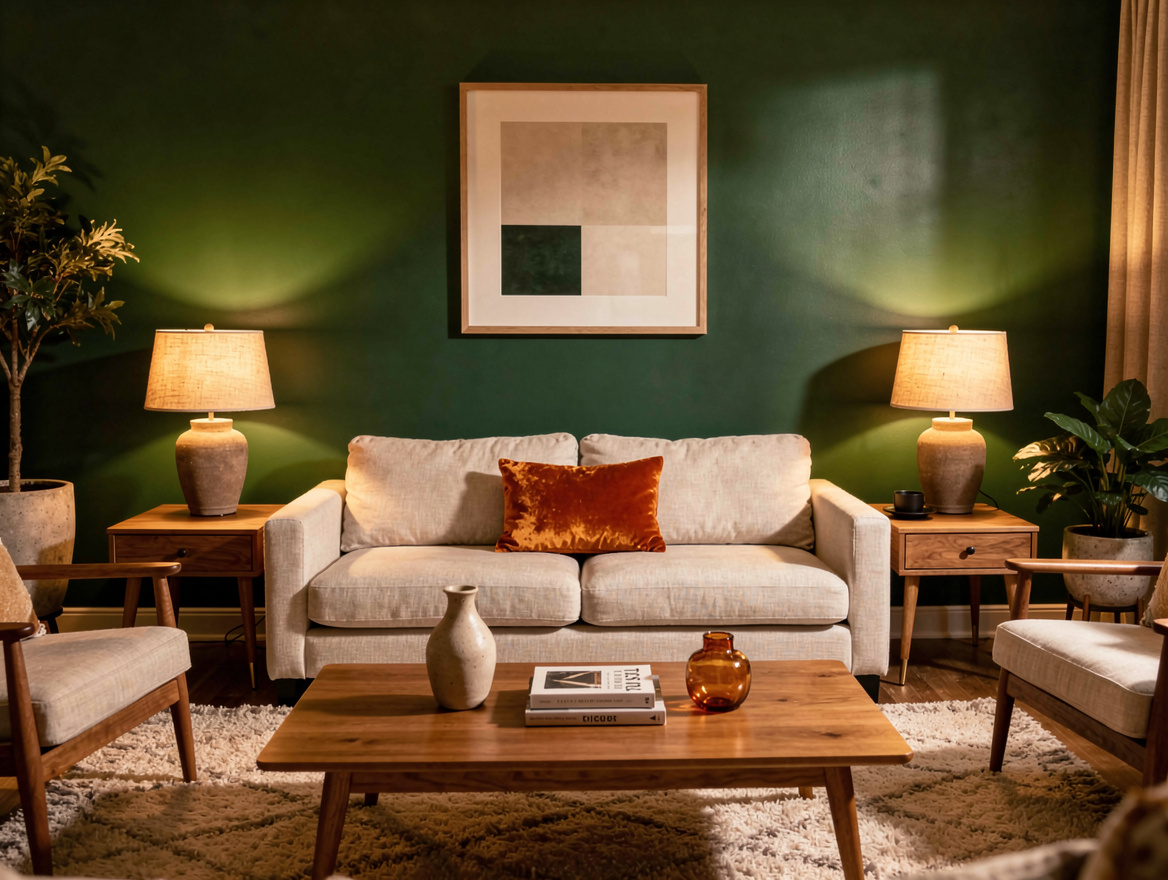
Warm bulbs tend to make wall colors feel richer, creamier, and more relaxed after dark. Cooler bulbs can push the same neutral toward a cleaner, flatter reading, particularly on a muted green wall.
Turn on the lamps you use every evening before approving a sample. A room that relies on 2700K bulbs should not be judged only in midday sun, because that is not how you will experience it most nights.
Keep bulb temperature consistent within an open room whenever possible. Mixed lighting can make one wall look yellowish while the adjacent wall looks gray, even when both have the exact same paint.
Choose Neutrals With Some Movement
Soft whites, greiges, taupes, and dusty greens are especially responsive to changing light because they contain subtle undertones. A taupe interior paint can feel mushroom-like in the morning, then warmer and more inviting when the sun drops.
That movement is appealing when it feels intentional. I favor a quiet neutral with a visible undertone over a supposedly safe beige that turns dull against every wood tone in the room.
Watch for what the color does at its least flattering hour, not only when the sunlight is perfect. If it goes icy at 4 p.m. Or oddly yellow at night, you will notice it every day.
Document the Room Across One Full Day
Photograph each candidate in morning light, around noon, and evening light before purchasing paint. Place the same sample board in each image, then compare the photos on the same screen rather than trusting a quick memory.
A practical sample budget for one room is typically about $10 to $30 when you combine free chips with one or two liquid samples. That small cost is easier to absorb than repainting a room after the furniture is back in place.
For a more thorough comparison, Home Depot color chips plus several sample patches can land roughly around $20 to $40. Spend the extra few dollars when the room has strong daylight or several competing finishes.
Start with one neutral sample on the wall that gets the strongest light, then live with it from breakfast through bedtime. The color you still like after dark is the one worth bringing home by the gallon.
Mia Carter writes about small-space living and budget home makeovers. She has restyled three rentals and tests most ideas in her own 45 sqm flat.