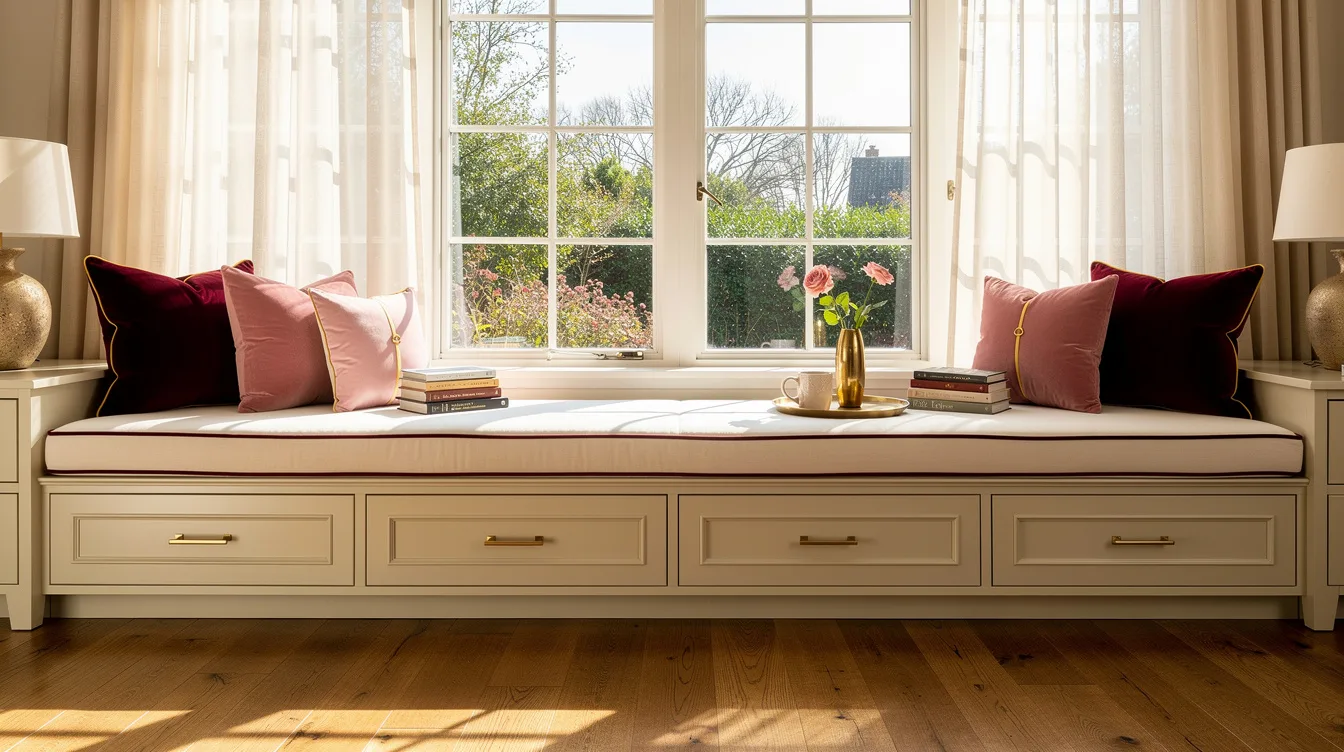
The view may be lovely, but a window-side banquette that is only 16 inches deep becomes a landing strip for laundry within a week. The best bedroom versions invite you to sit with a book, stretch out, and hide the bedding you do not want on display.
I like a built-in that feels closer to a small daybed than a formal bench: useful on an ordinary Tuesday, not just tidy for photos.
Build for Reading, Not Just Display
A window banquette earns its footprint when it works as a reading nook or daybed. A narrow perch that only holds decorative pillows is a costly use of a bedroom wall.
Choose a roughly 22-inch-deep plywood base for reading, or about 26 to 35 inches for a true lounge spot. A Target lumbar pillow and one washable throw are enough to make it feel lived-in.
Set the Platform Below the Finished Seat Height
The cushion changes everything. Designers generally aim for a finished adult seat around 17 to 18 inches high, so the timber platform must sit lower by the cushion’s compressed height.
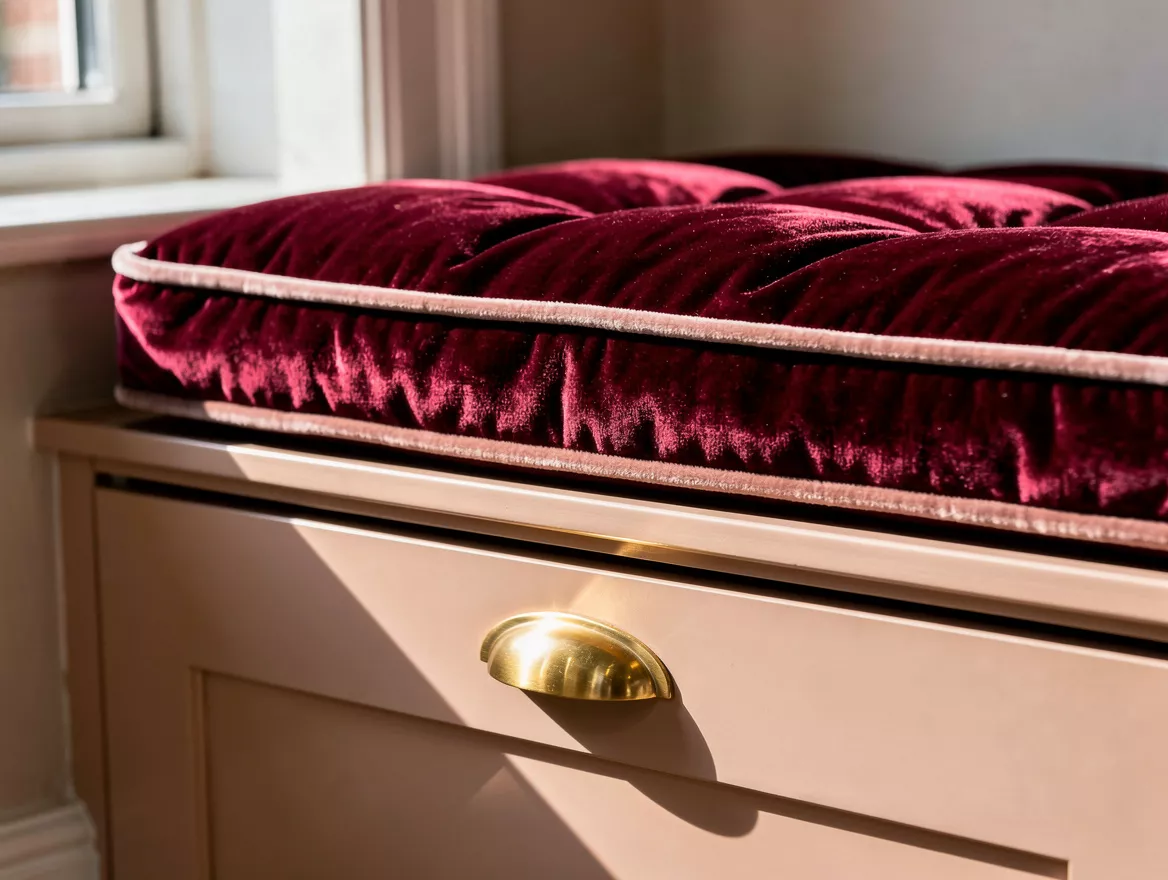
For daily use, specify roughly 3 to 4 inches of high-density foam, rather than a soft craft-store insert. A tailored cushion from Wayfair can help a semi-custom base look intentional, but measure before ordering.
Give the Nook Enough Depth to Recline
A 16-inch-deep bench is fine for setting down tomorrow’s clothes; it is uncomfortable for a paperback and a Sunday morning. Around 22 inches is a practical minimum for reading, while a daybed needs closer to 26 inches or more.
Under a wide window, a roughly 79- to 87-inch-long daybed cushion creates a real nap zone. Skip the oversized back pillow pile, which steals the depth you paid to build.
Hide Storage Behind a Serviceable Front
Concealed storage is the feature that makes a custom banquette sensible in a bedroom. Use lift-up lids for spare bedding, or front drawers for pajamas and books, with hardware you can reach without moving the cushion.
A painted MDF or birch plywood carcass is the smart value choice for a straight wall. For a 2026 made-to-order project, a painted built-in with drawers and a tailored cushion may run roughly €1,200 to €3,500 installed, depending on access and detailing.
Protect Windows, Outlets, and Heat Flow
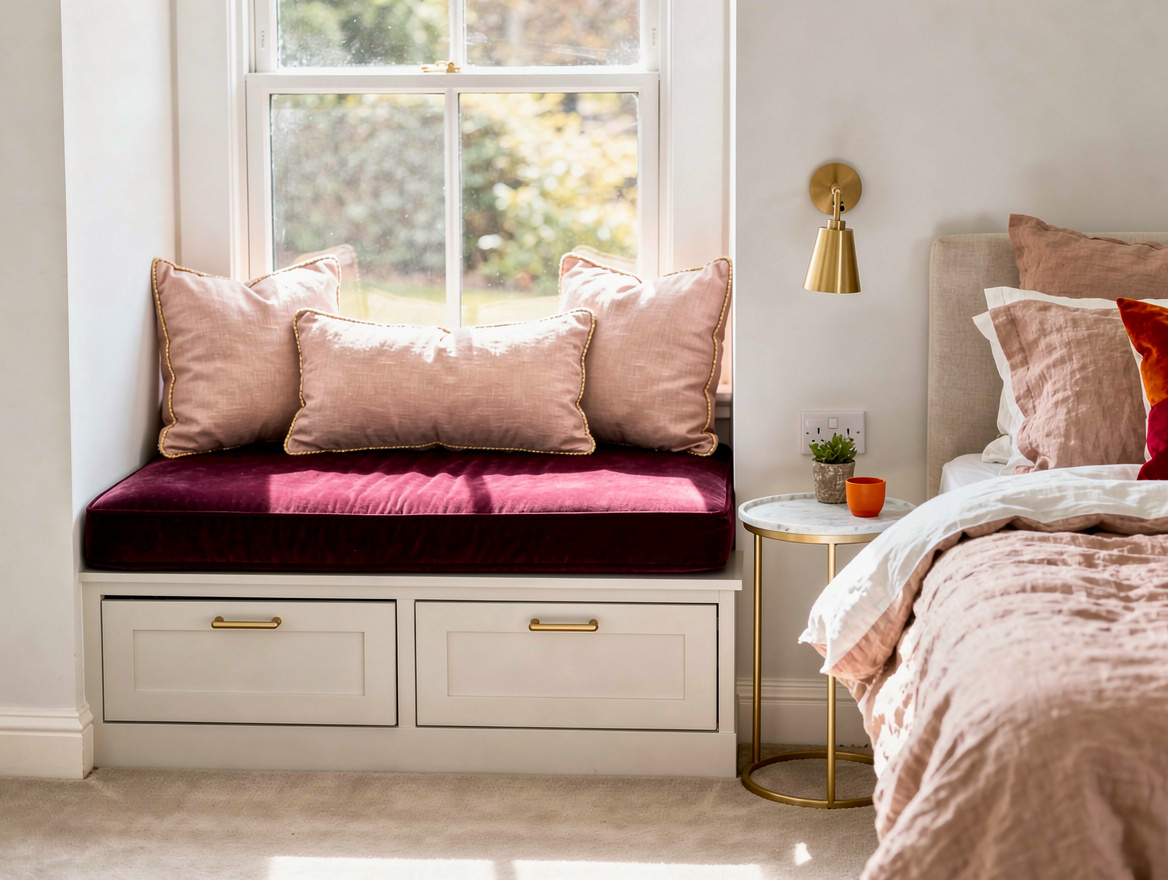
Measure the window handles before approving the joinery drawing. Leave roughly 28 to 32 inches of circulation in front when the room allows it, and keep electrical outlets accessible for a reading lamp.
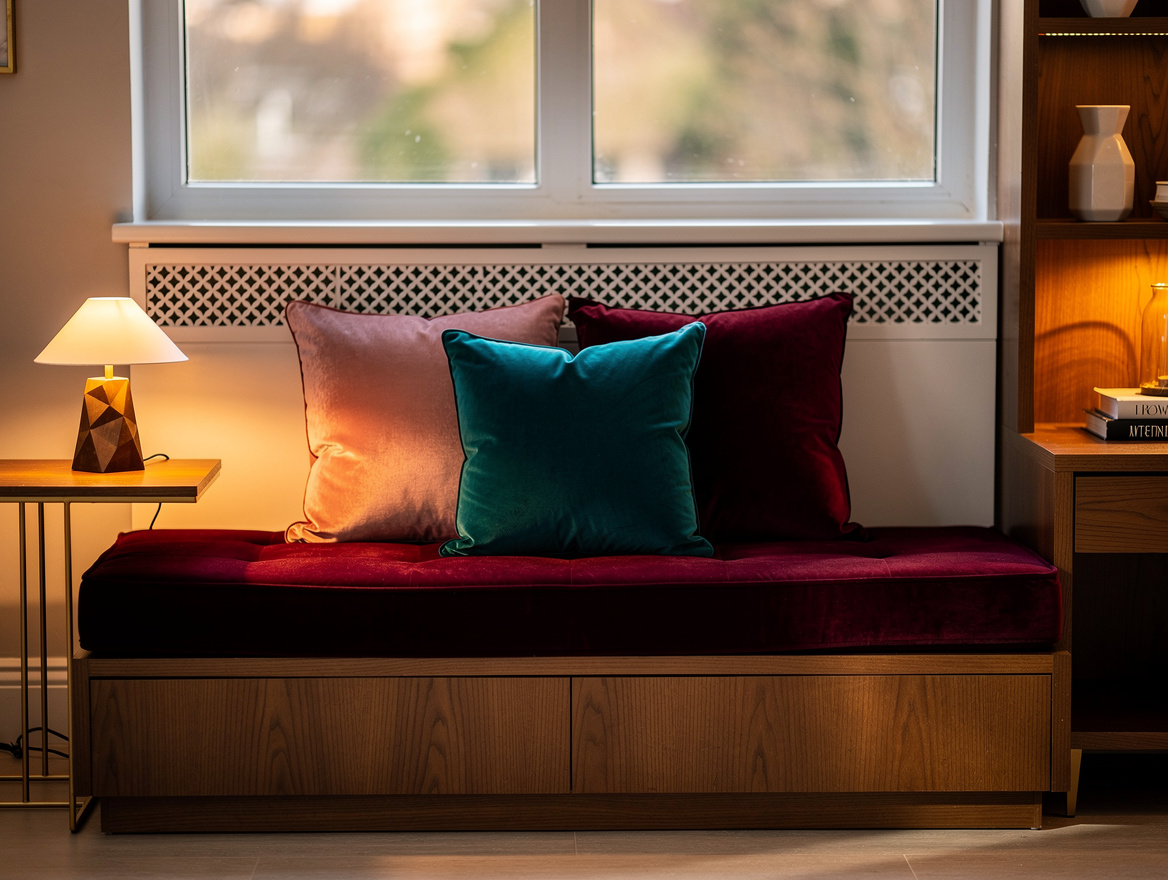
Never seal a radiator behind a solid box. A removable oak grille or vented panel preserves airflow and lets the system be serviced later, which matters more than a perfectly uninterrupted facade.
Spend on the Cushion Before Fancy Angles
Bay-window wraps look architectural, but every angled panel adds labor, upholstery complexity, and opportunities for awkward seams. A straight wall-to-wall seat with one excellent cushion usually has more staying power.
A modular route can begin around €600 to €1,000 before cushion and installation. Start with a simple IKEA storage base only when its dimensions genuinely fit, then spend the remaining budget on durable performance fabric and removable covers.
Begin with the finished cushion height and the window-handle clearance, then draw the storage below it. Those two measurements will tell you whether your room needs a bench, a reading nook, or a real daybed.
Mia Carter writes about small-space living and budget home makeovers. She has restyled three rentals and tests most ideas in her own 45 sqm flat.