
These Italian antipasto board ideas for an easy dinner can feed a weeknight table for about $20 to $40, depending on what you already have. I used to buy too many delicate cheeses and not enough filling food. Now I build each board around one hearty anchor, a bright bite, and something warm in flavor. It’s easier, faster, and far more inviting.
- How Do You Build the Five-Bite Compass for an Italian Charcuterie Board?
- Roman Snack Plate: Warm Focaccia at the Center
- Mix the Three-Texture Rule for a Calming Dinner
- Bright Mediterranean Mezze, Heavy Antipasto?
- Swap Crackers for a Rustic Antipasto Platter of Potatoes
- What Does the Color Echo Method Add to an Inviting Board?
- Fold Prosciutto into a Soft Cheese Dinner Board
- One Platter or Two? Build the Two-Board Rule
- Pickle-and-Pea Pairing: Frame an Easy Dinner
- The Three-Height Light Stack Over the Table
- Paint the Plate with a Bold Tomato and Burrata Pairing
- Olives or Another Meat? Choose the Lighter Antipasto Board
- Layer a Budget Antipasto Board with Smart Cheap Fixes
- Set the Dining Space around the Board, Not the Other Way Around
- Finish with the Italian Sunday Supper Board
1How Do You Build the Five-Bite Compass for an Italian Charcuterie Board?
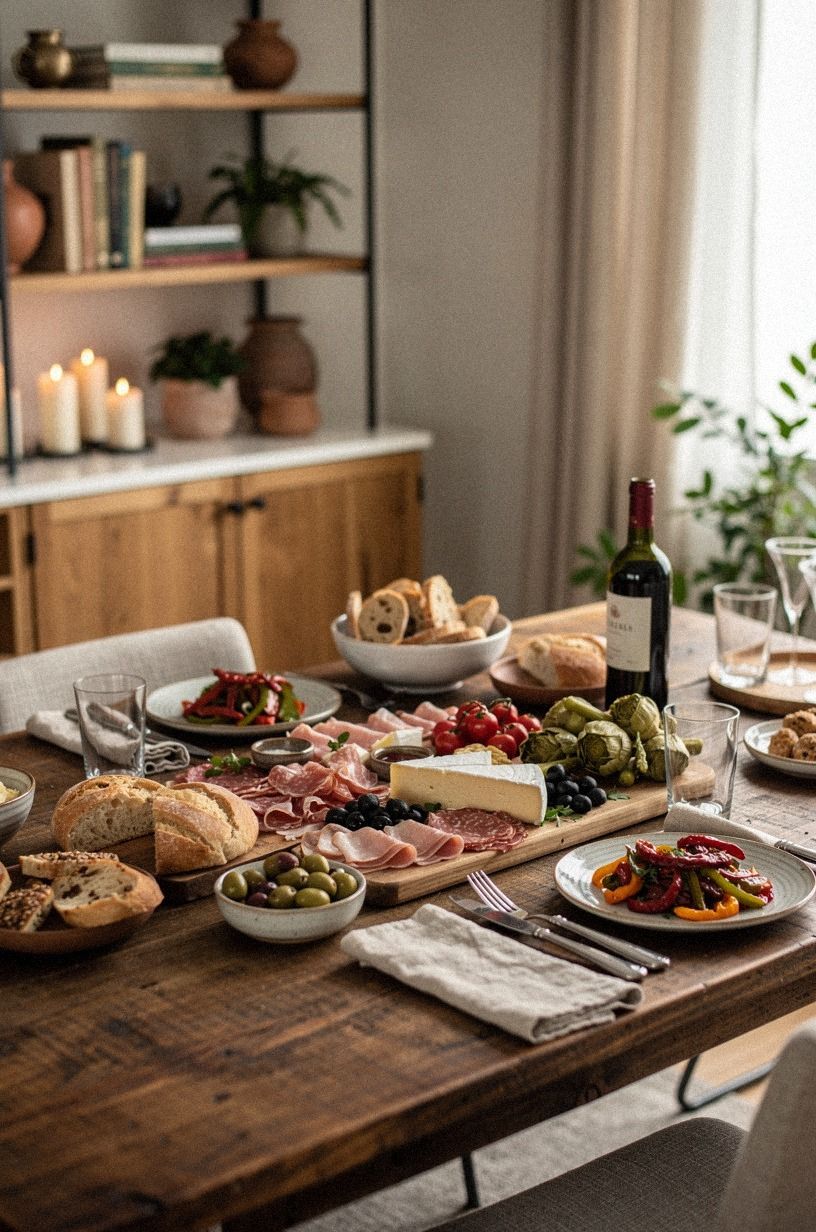
Start with prosciutto, then give your board four supporting directions: creamy, salty, sharp, and fresh. You’ll want one soft cheese, one briny bite, one cured meat, and one fruit or vegetable with enough acidity to wake everything up. That simple compass keeps your antipasto board from becoming a pile of beige snacks.
I like fresh mozzarella pearls beside marinated artichokes because you get a soft, milky bite followed by tangy herbs. Add seedless grapes or sliced pear for a cool, juicy contrast. If you’re feeding four people, use one large platter and let everyone build a plate without reaching across the table.
Don’t buy six cheeses just because the package looks inviting. You’ll get more variety from three cheeses with different textures.
For another beginner-friendly layout, see these easy charcuterie board ideas for total beginners, then borrow the spacing idea for your Italian board. You can also compare that relaxed arrangement with the pairing approach in this wine and cheese board guide.
2Roman Snack Plate: Warm Focaccia at the Center
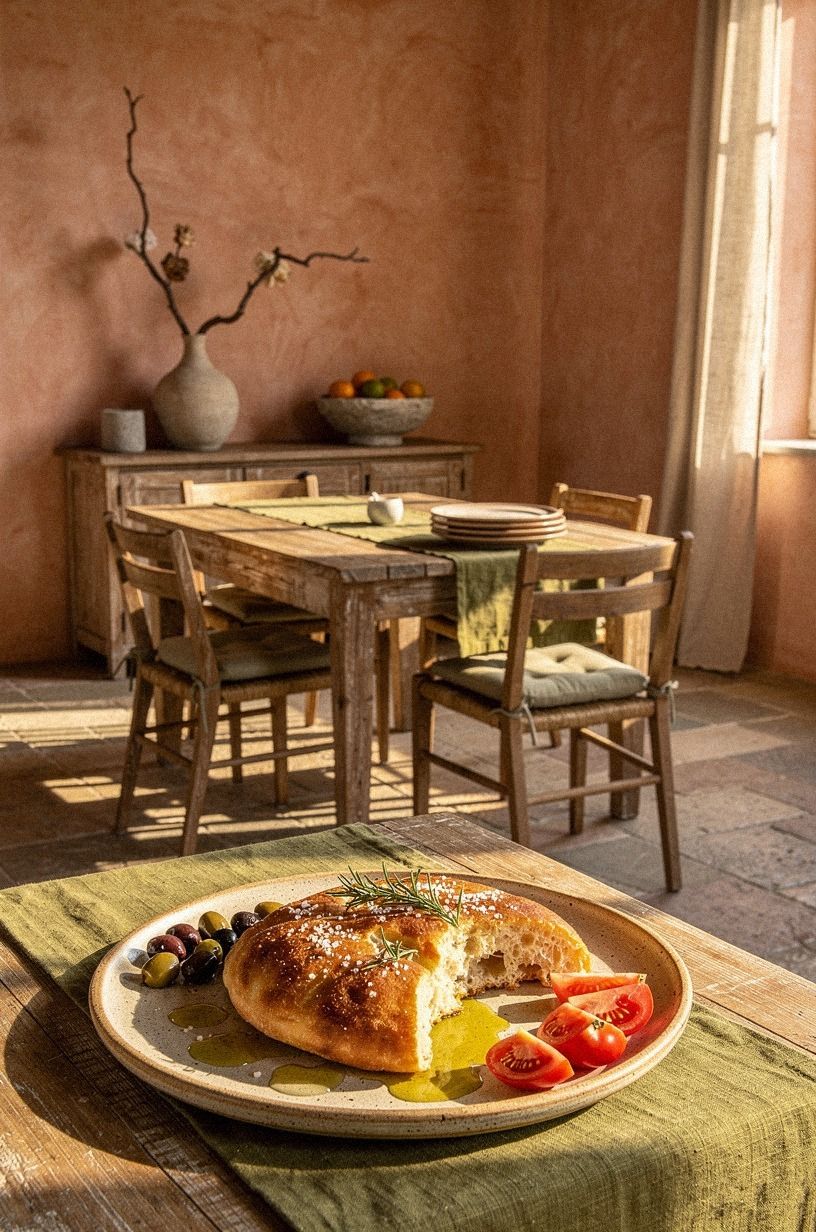
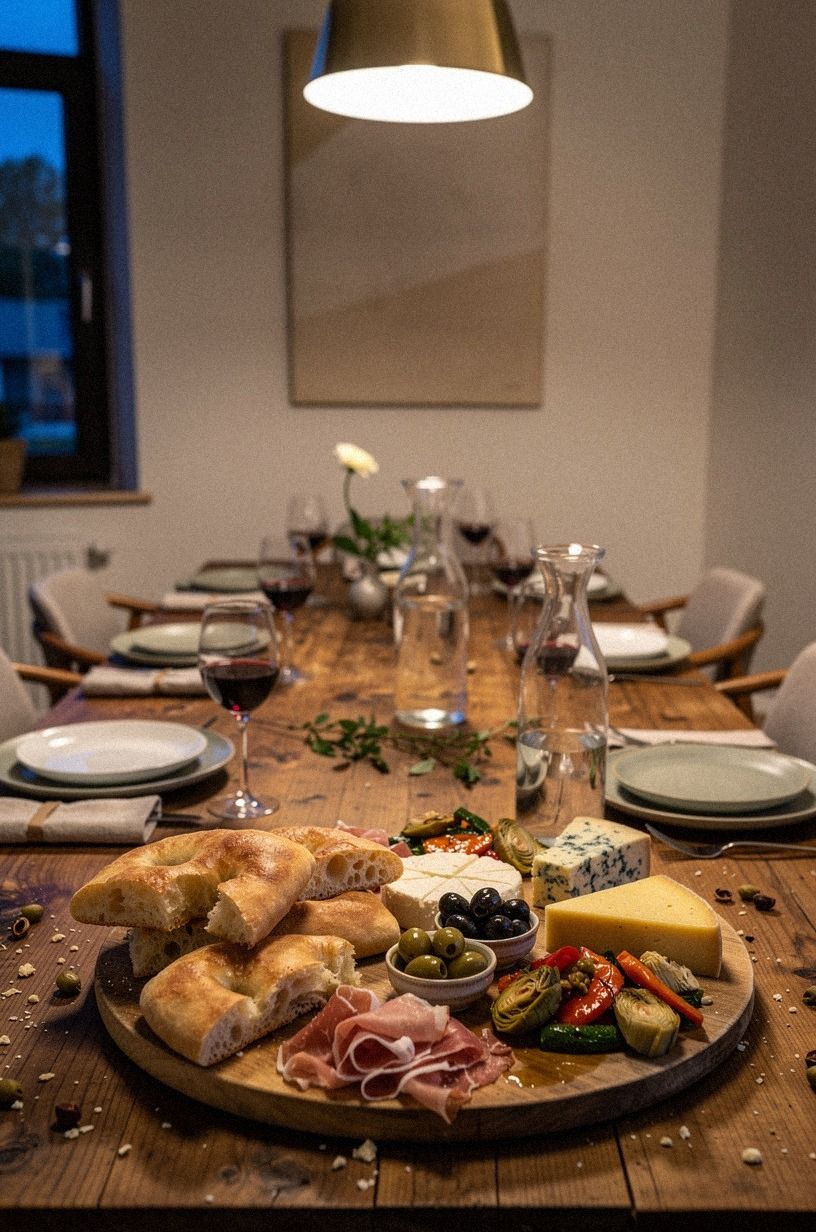
A wedge of rosemary focaccia can turn a snack board into dinner with almost no work. Tear it into irregular pieces instead of cutting neat squares, because the crisp corners and soft middle give your plate more interest. If you’re short on time, buy it from the bakery counter and warm it for a few minutes.
Set out Calabrian chili spread, burrata, and roasted peppers beside the bread. You’ll want the chili in a small bowl so its oil doesn’t run across the board, while the burrata can sit in the center like the soft anchor. Add a spoon, because nobody likes chasing creamy cheese with a butter knife.
And don’t underestimate warm bread. It makes the room smell inviting before anyone takes a bite, and it gives your dinner a rustic rhythm.
I’d choose focaccia over plain crackers here every time, because crackers disappear quickly while bread makes the whole board feel generous. Dinner is ready!
3Mix the Three-Texture Rule for a Calming Dinner
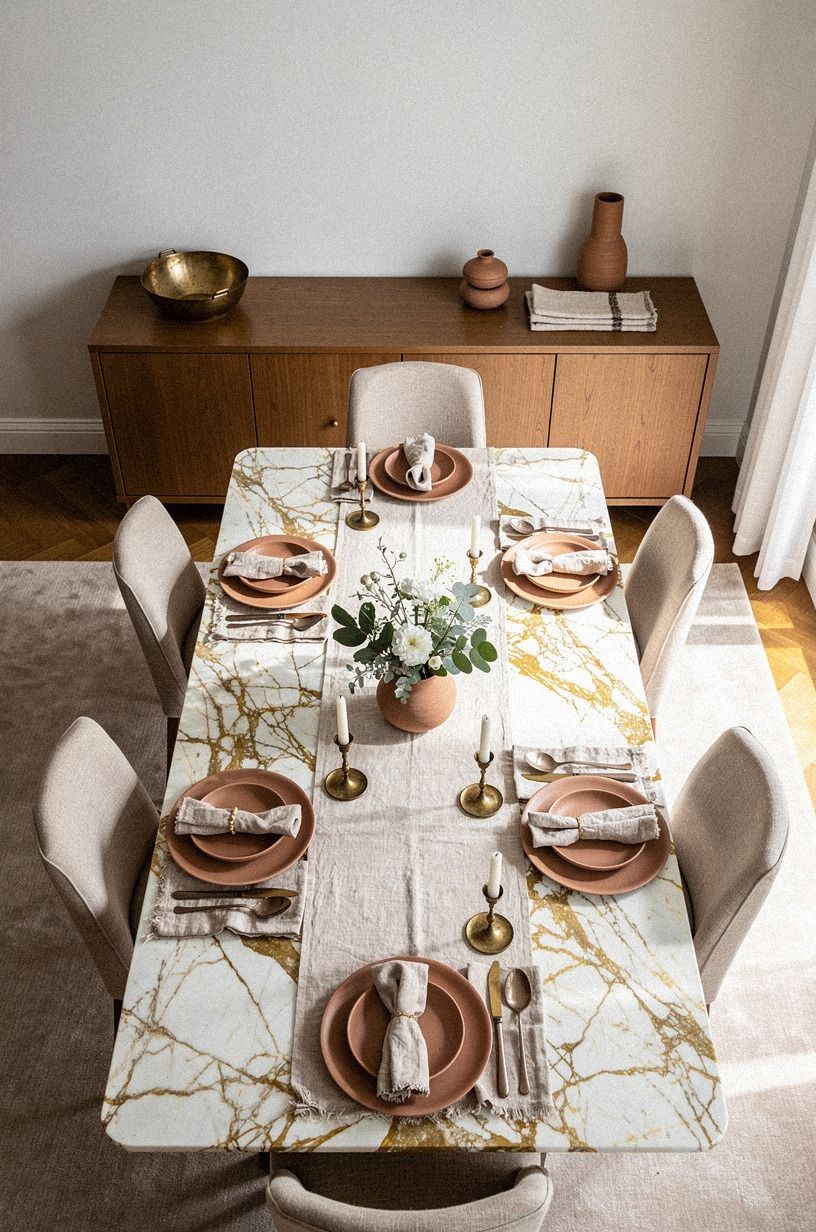
The Three-Texture Rule is my favorite way to keep a no-cook board from feeling flat. Choose one creamy item, one crisp item, and one chewy item, then repeat that pattern with different flavors. You’ll notice the difference immediately when your plate moves from soft cheese to toasted almonds to sun-dried tomatoes.
Use whipped ricotta for the creamy layer, grissini for the crunch, and sun-dried tomatoes for that dense, chewy bite. A little lemon zest over the ricotta makes it feel brighter without creating another recipe. If you’re styling for children, keep the sharp ingredients in a separate corner.
I made the mistake of putting every ingredient in tiny bowls once. It looked tidy, but you had to assemble every bite like a puzzle. Spread some food directly on the platter, leave breathing room around the cheese, and you’ll get a more relaxed, elegant board.
If you want a visual starting point, these easy charcuterie board ideas for total beginners show how a few varied textures can look abundant. You can borrow the same idea without copying the ingredients.
4Bright Mediterranean Mezze, Heavy Antipasto?
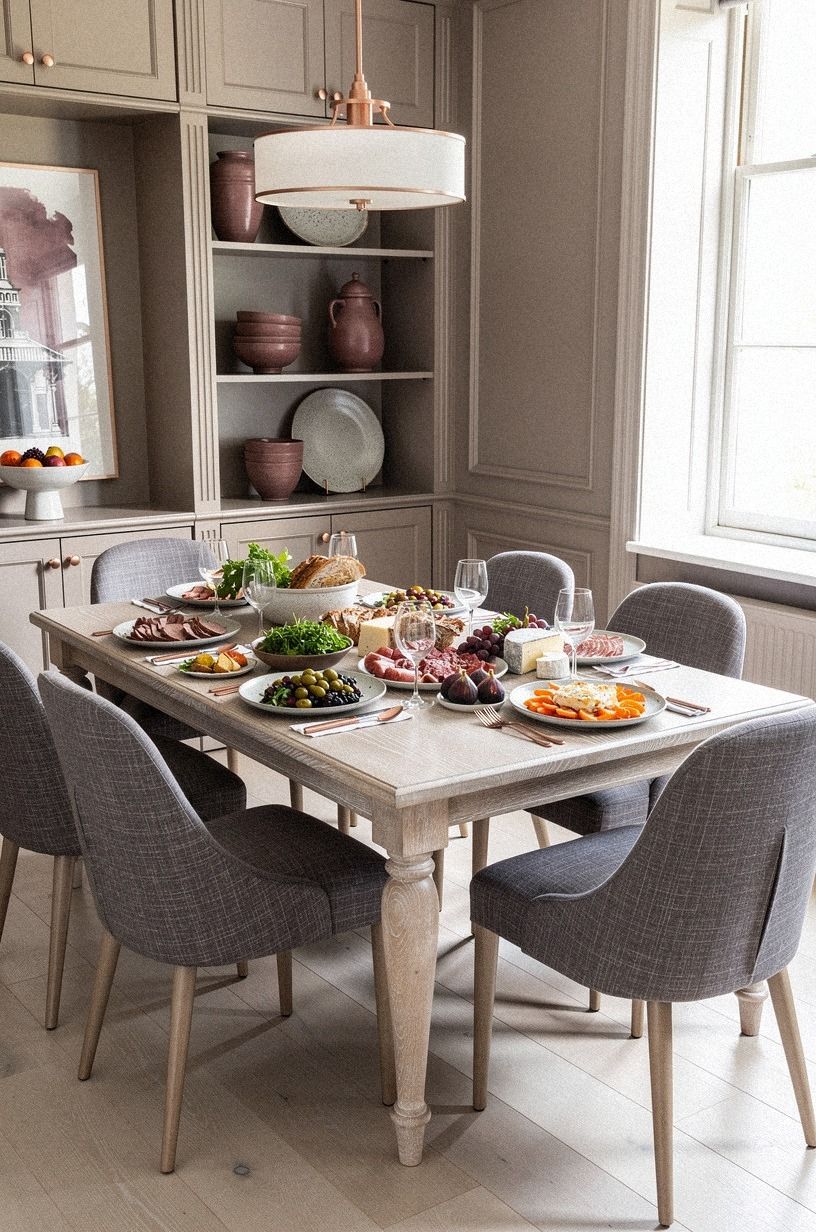
A Mediterranean mezze board works beautifully when you want dinner to feel bright rather than heavy. Start with lemon-marinated olives, then add hummus, sliced vegetables, and one substantial cheese. You’re building contrast, so don’t let every ingredient arrive in the same brown or red color family.
I’d use Greek feta with cucumber, radishes, and roasted red peppers. The feta brings a salty crumble, while cucumber keeps each bite cool and crisp. Add fresh basil or parsley in loose handfuls, not tiny decorative sprigs, so the herbs can be eaten instead of merely admired.
But skip a sweet fruit bowl here. You’ll get a cleaner flavor from citrus and herbs, especially if your board is replacing a full meal. If you’re planning a larger spread, this wine and cheese board guide has useful pairing ideas you can adapt without making the dinner formal.
When I make this version, I keep the hummus slightly off-center and leave the vegetables close to the edge. That way, you can reach the crisp, refreshing bites first. It feels lively without becoming chaotic.
5Swap Crackers for a Rustic Antipasto Platter of Potatoes
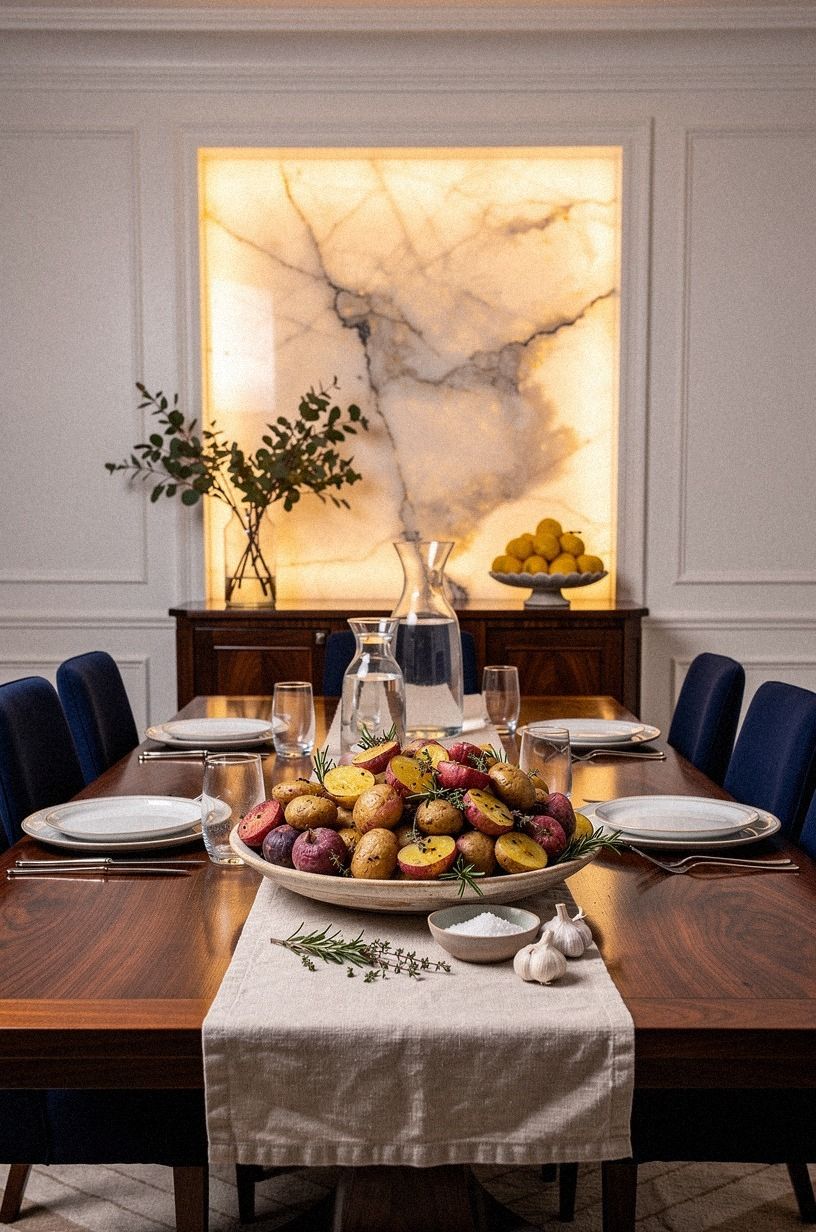
Cold potatoes can sound plain until you pair them with the right salty ingredients. Use baby potatoes, cooked ahead and chilled, then halve them and toss them with olive oil, parsley, and a little vinegar. You’ll get a filling base that makes the board feel like dinner instead of happy hour.
Place the potatoes beside Italian tuna, marinated green beans, and pickled onions. If you’re feeding two people, a small bowl of potatoes is enough; for four, spread them across one side of the platter so everyone can reach them. Add toothpicks for the onions and beans.
I’d skip plain potato chips in this arrangement. They’re crisp, sure, but they go stale quickly and don’t carry the meal. The chilled potatoes hold their texture longer, and you can make them earlier in the day when your evening is still calm.
For more affordable inspiration, these easy Thanksgiving appetizer and charcuterie board ideas use the same generous principle. You can make the platter feel abundant with sturdy ingredients rather than expensive extras.
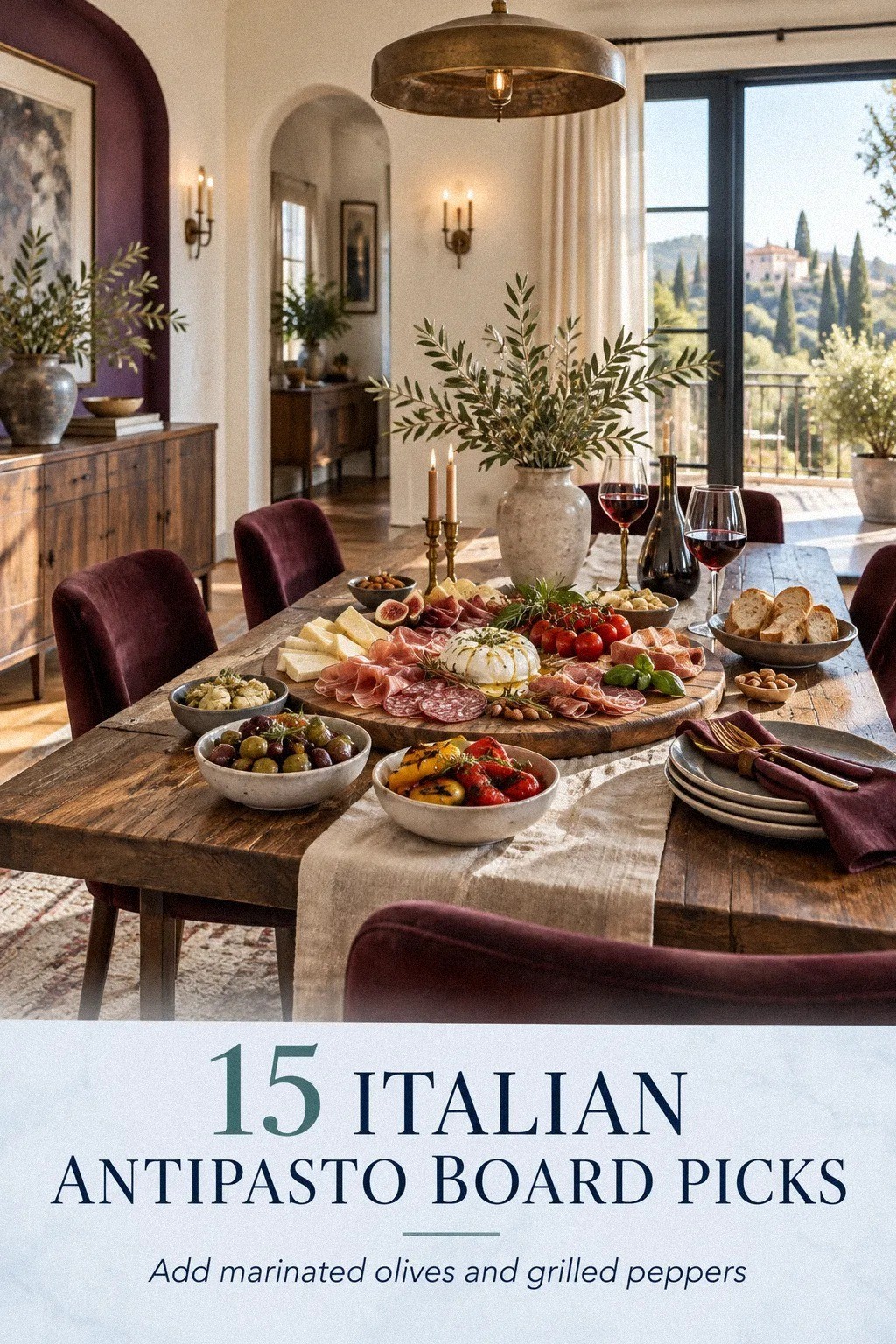
6What Does the Color Echo Method Add to an Inviting Board?
The Color Echo Method means repeating one color at least three times so the platter feels intentional without becoming fussy.
7Fold Prosciutto into a Soft Cheese Dinner Board
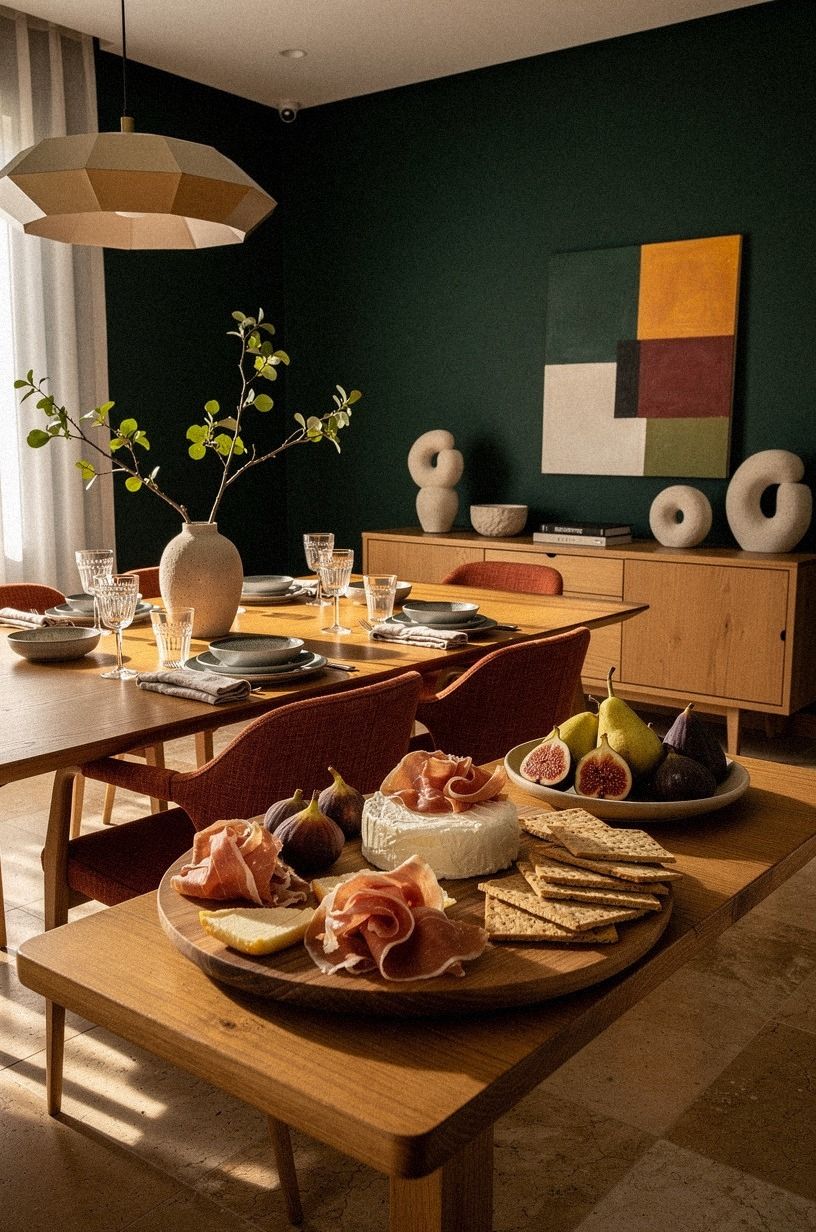
Folding prosciutto into loose ribbons gives your board height and keeps the meat from appearing like a flat sheet. You’ll want to fold each slice twice, then tuck the pieces beside the cheese. That tiny change makes the platter feel abundant, even when you haven’t bought much.
Pair it with taleggio, fig preserves, and sliced apples. The cheese is rich and soft, so the apple’s snap keeps the bite from becoming too heavy. If you’re not a fan of washed-rind cheese, use fontina or a mild goat cheese instead, but I’d avoid a second salty cured meat.
The sweet element should stay restrained. One small spoonful of fig jam goes farther than a large bowl, and you’ll still have room for olives and bread. For a holiday variation, borrow the fruit-and-cheese balance from these easy Christmas charcuterie board ideas.
I like this board when I want something luxurious but easy. You can fold the meat, slice the apples, and set out the cheese before anyone arrives. No fuss!
8One Platter or Two? Build the Two-Board Rule
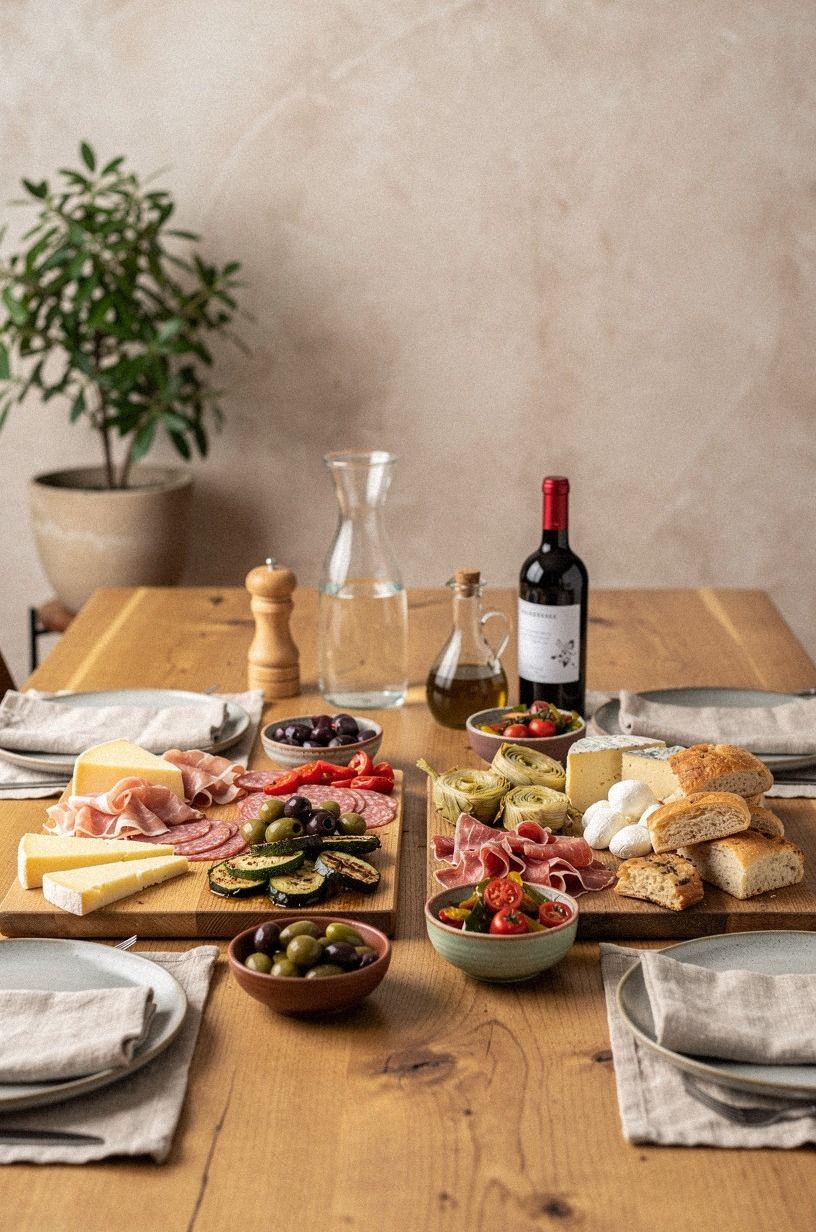
The Two-Board Rule is useful when your table is small or your group has different tastes. Put hearty ingredients on one board and fresh ingredients on another. You’ll have more room to arrange everything, and people won’t knock over the olives while reaching for tomatoes.
On board one, place mortadella, cheese, bread, and roasted nuts. On board two, use marinated vegetables, grapes, cucumber, and basil pesto in a shallow bowl. If you’re serving six people, this layout keeps traffic moving from both sides of the table.
But don’t make the second board a decoration-only board. You’ll want enough food on it to build a complete plate, especially for anyone who prefers vegetables over meat. I’d rather see two generous boards than one overloaded platter where every ingredient touches.
The same balance appears in this wine and cheese board guide. You can separate strong flavors while keeping the whole meal connected.
9Pickle-and-Pea Pairing: Frame an Easy Dinner
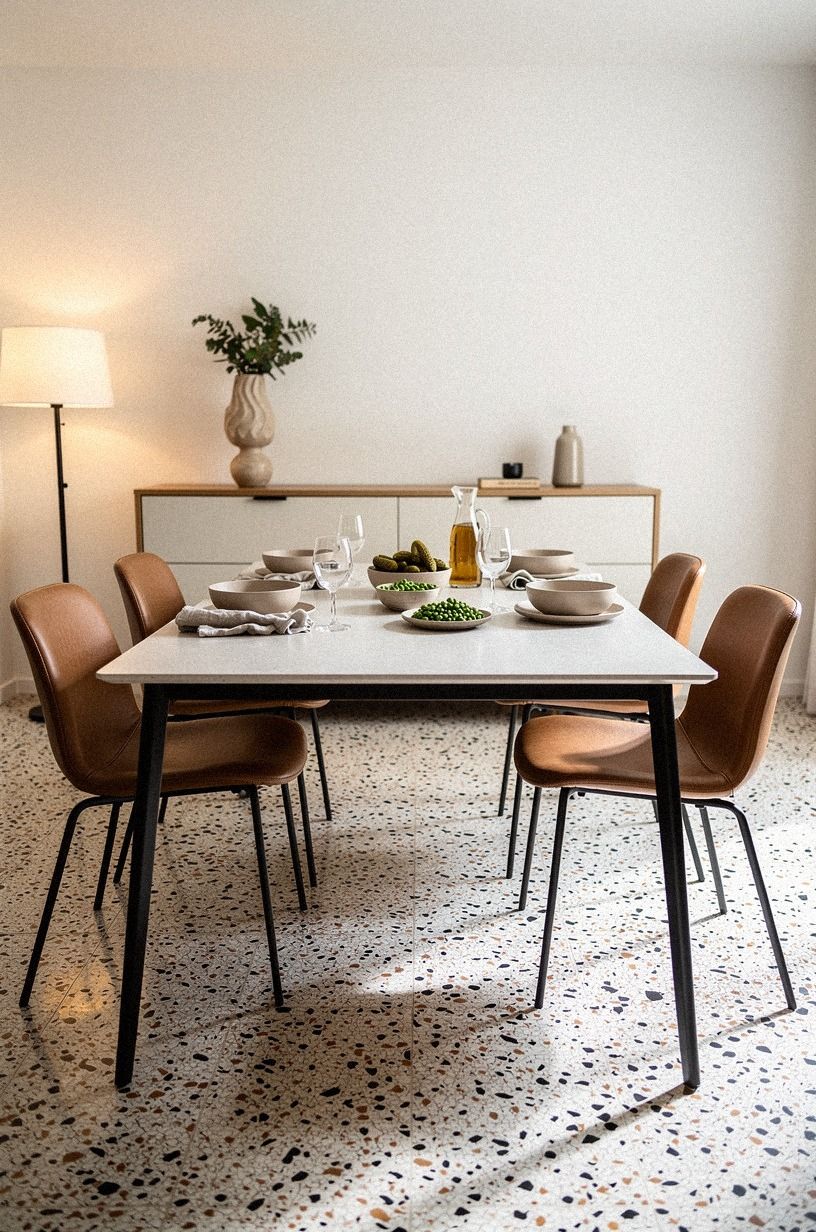
Pickles and peas sound like an odd pairing until you taste them beside creamy cheese. Use marinated peas or a thawed frozen variety dressed with lemon, then add cornichons or caper berries for a sharp, crunchy note. You’ll get a fresh bite that cuts through salami and rich spreads.
Add smoked scamorza and thin slices of soppressata. The smoky cheese gives the board depth, while the peas keep it from feeling too dark or winter-heavy. If you’re preparing this for children, swap caper berries for sweet gherkins and keep the peas in a bowl.
I wouldn’t add a second smoked item here. You’re already getting that flavor from the scamorza, and another smoked meat would flatten the contrast. A few lemon wedges are enough to make the whole plate taste lighter, especially if your dining room is warm.
If you’re serving this at a holiday gathering, these easy Thanksgiving appetizer and charcuterie board ideas offer practical portion ideas. You can keep the spread bright, tangy, and memorable.
10The Three-Height Light Stack Over the Table
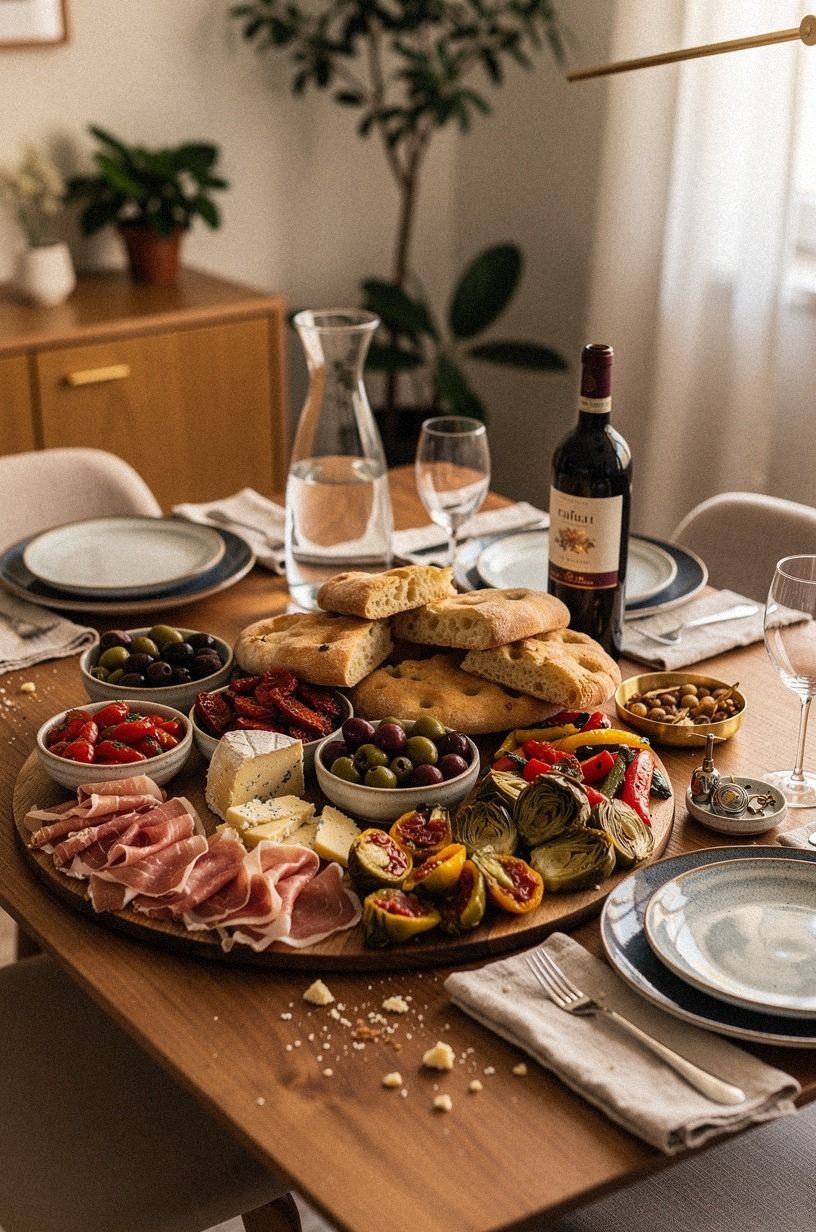
The Three-Height Light Stack is about the food, but it also changes how your dinner feels.
11Paint the Plate with a Bold Tomato and Burrata Pairing
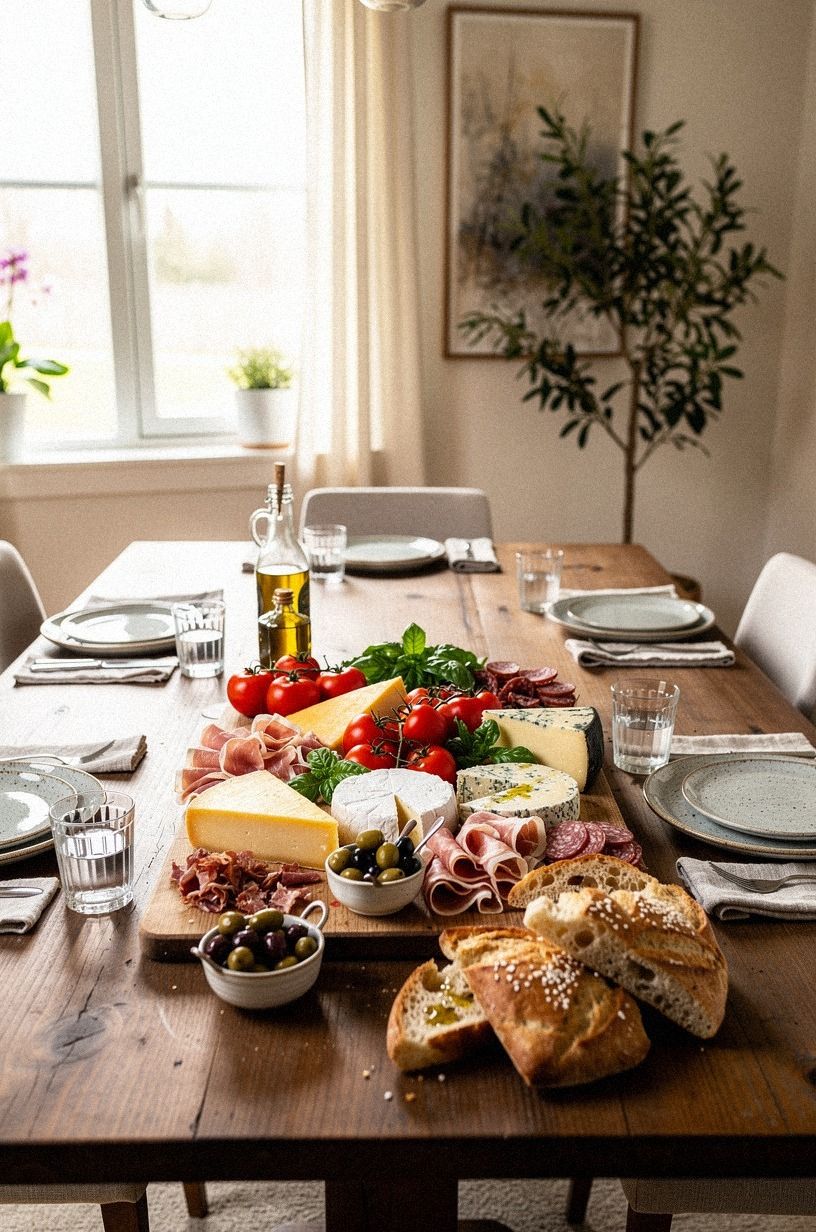
A tomato and burrata board is the fastest route to a dramatic dinner when tomatoes are good. Slice large tomatoes, add cherry tomatoes for a second shape, and keep the burrata whole until everyone sits down. You’ll get a soft center that feels special without cooking.
Use burrata, basil, flaky salt, and toasted ciabatta. A few drops of balsamic glaze are enough, so don’t drown the tomatoes and make the bread soggy. If you’re serving outdoors, keep the burrata chilled until the last minute and place it in a shallow bowl.
I’d skip pre-sliced sandwich cheese here. It won’t give you the creamy contrast you’re after, and the tomato juice will make it look tired. If you’re making the board in winter, use roasted peppers instead of pale tomatoes and let extra-virgin olive oil carry the flavor.
For pairing inspiration, this wine and cheese board guide can help you choose a crisp, refreshing drink. I’d keep the rest of the meal simple so the tomatoes stay vivid.
12Olives or Another Meat? Choose the Lighter Antipasto Board
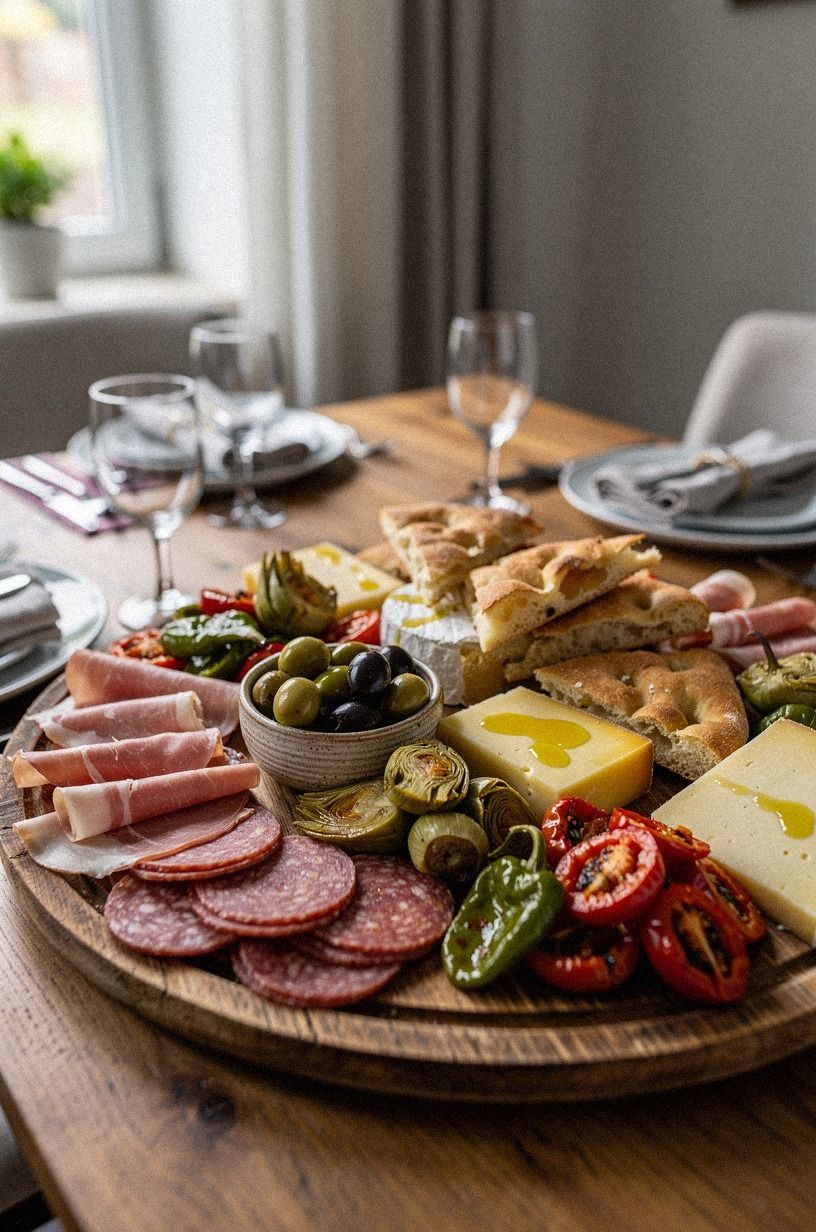
When your board already has one cured meat, choose more olives instead of adding a second. You’ll keep the dinner lighter, and the brine gives cheese and bread a sharper edge. You can use Castelvetrano olives for a mellow bite and Kalamata olives for something deeper.
Add cannellini beans, roasted peppers, and a small bowl of tuna or white bean spread. If you’re feeding two people, this is enough to feel substantial without leaving a mountain of leftovers. You’ll want a spoon for the beans and a small fork for the olives.
But don’t rinse every ingredient until it tastes bland. A little marinade is useful because it dresses the board as people eat. I’d add one neutral item, such as plain focaccia or unsalted almonds, so the salt has somewhere to land.
If you’re planning a festive version, these easy Christmas charcuterie board ideas can help you add color without piling on more meat. You’ll have a cleaner, brighter dinner.
13Layer a Budget Antipasto Board with Smart Cheap Fixes
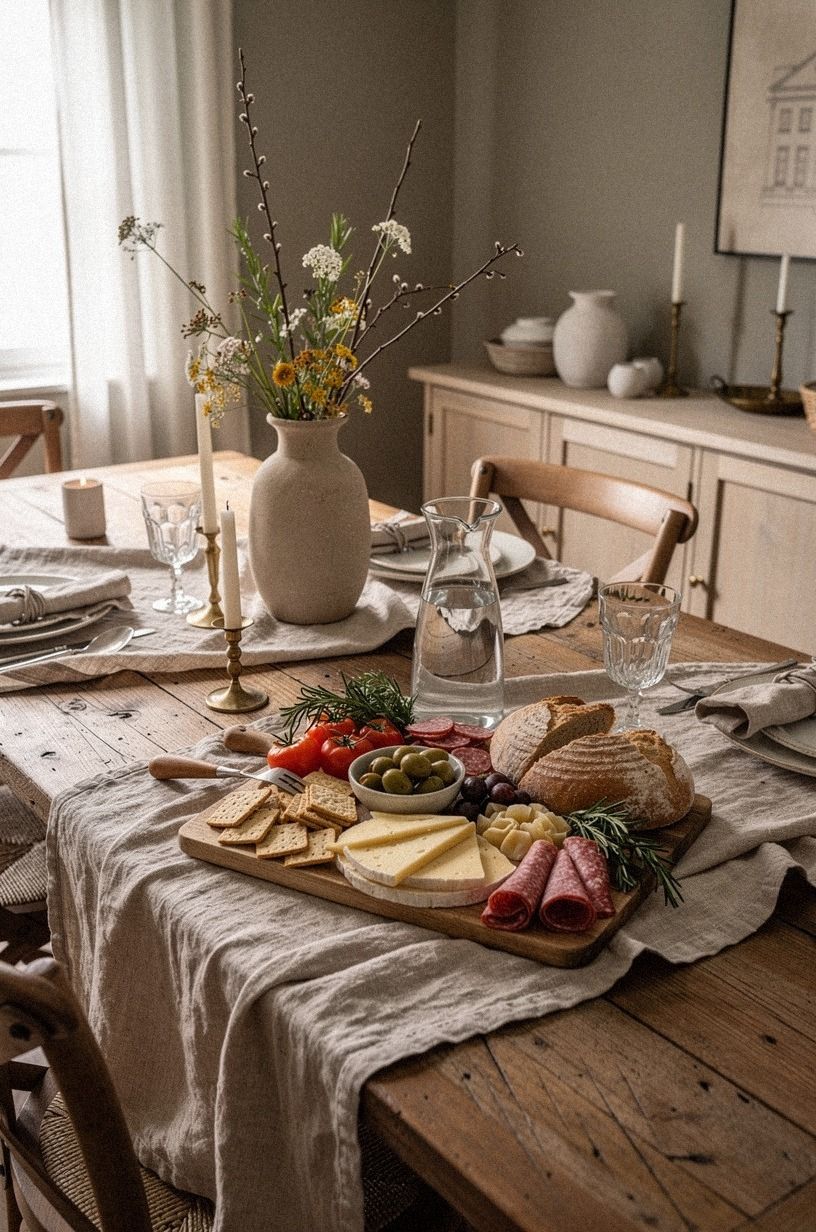
You can build a generous board without buying premium ingredients across the entire platter. Choose one investment item, such as Parmigiano Reggiano, then fill the gaps with eggs, bread, fruit, and vegetables you already have. You’ll spend less while keeping the dinner interesting.
Zero cost: leftover bread, pantry crackers, herbs from the windowsill, and fruit that needs using. Budget-friendly: store-brand olives, roasted peppers, and a wedge of provolone. Worth the splurge: one small piece of Parmigiano, because its salty, crystalline texture makes simple ingredients taste more complete.
If you’re watching your grocery bill, don’t buy a decorative board first. Use a baking sheet, cutting board, or large dinner plate. For more low-cost inspiration, these easy Thanksgiving appetizer and charcuterie board ideas show how to stretch a spread without making it look sparse.
You can also borrow the flexible layouts from these easy charcuterie board ideas for total beginners. I’d spend your money on fresh bread and one excellent cheese before buying special serving pieces.
14Set the Dining Space around the Board, Not the Other Way Around
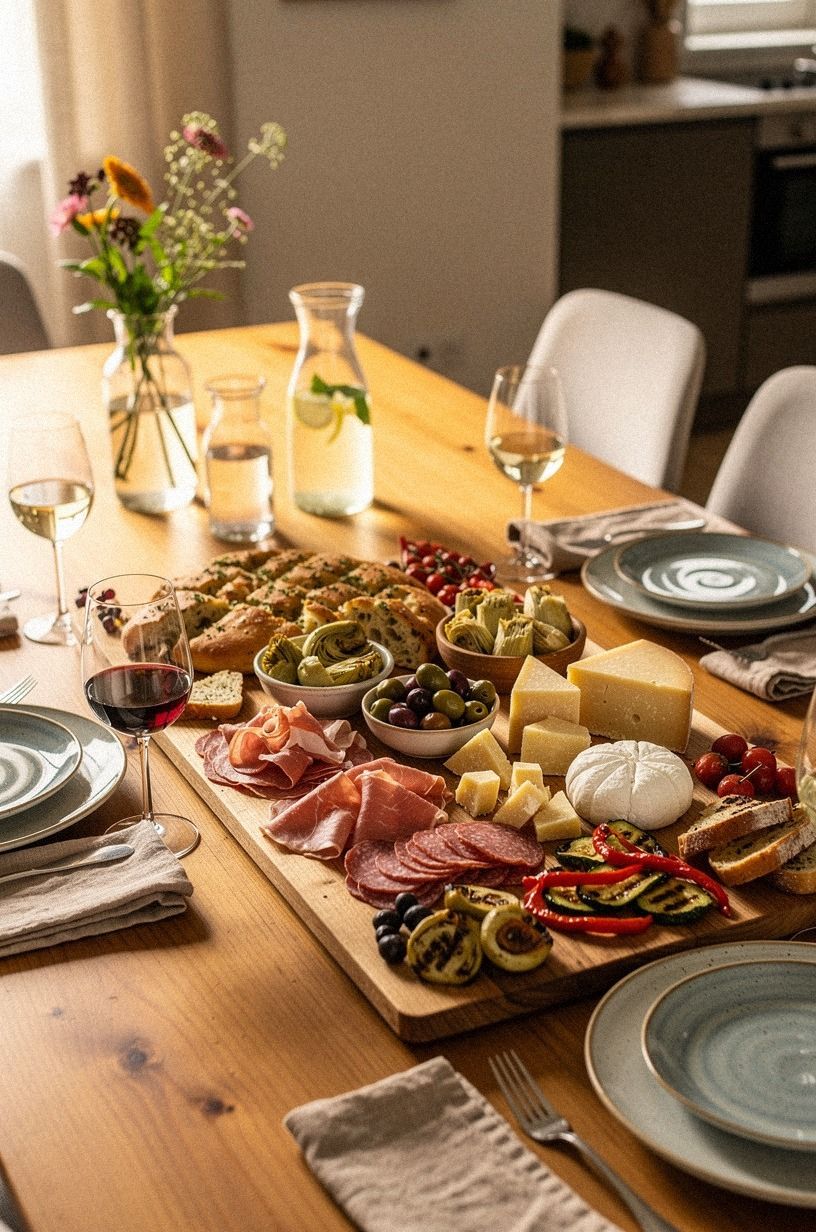
Your board needs enough room for people to serve themselves, so clear the center of the table before you shop. A standard dining table is about 30 inches high, and allowing 24 inches of table width per guest gives everyone a comfortable place to eat. You’ll notice the difference when nobody has to balance a plate on their lap.
Here are typical US dining-room setup costs if your no-cook dinner is part of a larger refresh:
For the board itself, use linen napkins and one low bowl rather than a tall centerpiece. If you’re renting, a removable table runner gives you color without changing the room. I’d skip a bulky sideboard if your space is narrow, because the board should make dinner easier, not create a traffic jam.
If you’re refreshing the room gradually, the serving principles in this wine and cheese board guide are useful beyond cheese. Leave clear paths, keep utensils close, and make every bite easy to reach.
15Finish with the Italian Sunday Supper Board
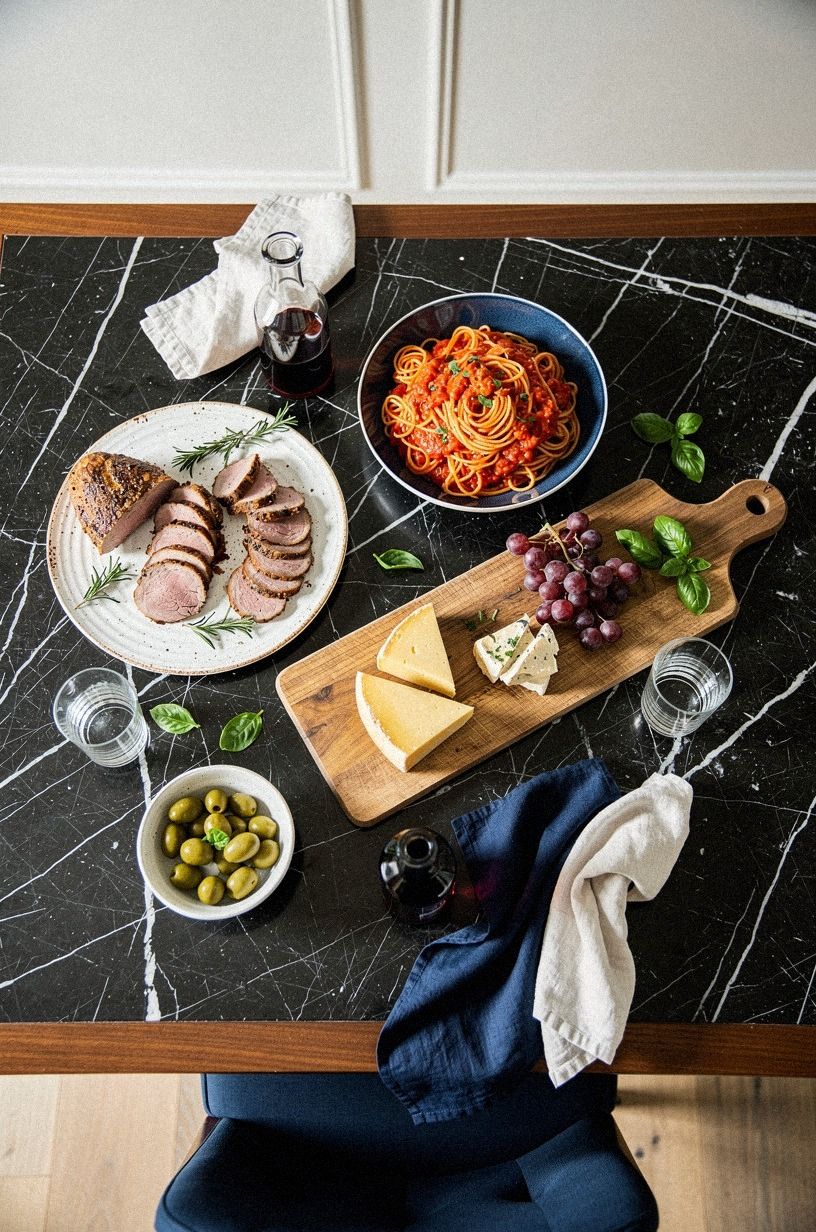
The Italian Sunday Supper board is the most filling version, and it’s the one I’d make when nobody wants to cook.
What I’d Change About Antipasto Boards Now
I used to think a generous antipasto board meant buying more. More meats, more cheeses, more little jars, more decorative pieces that looked impressive before dinner and confusing once everyone sat down.
The part that worked better was choosing a clear center. One hearty item gives your guests something to build around, while two bright ingredients keep the board from becoming heavy.
My other mistake was treating presentation as separate from comfort. A board can look elegant and still be awkward to eat if the bread is too far away, the olives have no spoon, or the cheese is cut into pieces that are too large.
Now I test the board with one plate before serving. If I can’t build a balanced bite without reaching across the table, I move something.
The best boards also leave room for appetite. You don’t need every inch covered.
A little visible wood, linen, or white plate gives your eye a place to rest, and you’ll find that people eat more confidently when the food isn’t piled into one crowded mound. That’s why I prefer a few strong ingredients over twelve forgettable ones.
And I’m firmly against buying special serving pieces for every dinner. A baking sheet can look warm with a linen towel underneath. A dinner plate can hold olives and cheese.
If your budget is limited, spend it on one excellent cheese and fresh bread, not on a board that will live in a cabinet. That choice gives you better flavor tonight, and you’ll use it again next week.
If you want another relaxed starting point, the beginner layouts in these easy charcuterie board ideas for total beginners are easy to adapt. I’d also revisit the seasonal combinations in these easy Christmas charcuterie board ideas when you need a more festive direction.
What People Always Want to Know
What is the best antipasto board idea for a small dining room?
The two-board layout works best because you can separate hearty and fresh foods without crowding the table. Use one small wooden board for bread, cheese, and meat, then a plate for vegetables and fruit. You’ll keep the center open, and guests can reach everything without standing.
Where can I buy antipasto board pieces on a budget?
Look at IKEA, Wayfair, Target, Facebook Marketplace, and local thrift stores for serveware and small bowls. You’ll often find useful wooden trays secondhand. Choose pieces that can go in the dishwasher, and don’t buy a large board unless your table has room for it.
How much does an antipasto board dinner makeover cost?
About $100 to $300 can cover a modest board, serving pieces, linens, and pantry ingredients, depending on what you own. Bread, fruit, herbs, and a dinner plate may already be free for you. The food matters more than the board itself.
Can I create an antipasto board dinner on a budget?
Yes, and you can start with three cheap moves: use leftover bread, choose one premium cheese, and fill the gaps with fruit or vegetables already in your refrigerator. Smart portions keep the board generous. You don’t need five meats or imported jars.
Is an antipasto board worth it in a small space?
Yes, because one board replaces several serving dishes and keeps cleanup simple. Use a 12-inch plate or a narrow tray, then leave room for each person’s drink. You’ll get a more comfortable meal when the food stays within easy reach.
Is an antipasto board a good idea for a rental?
Yes. Use a removable linen runner, a tension-rod curtain for visual separation, and freestanding storage instead of wall-mounted pieces.
You won’t need to drill or paint. A small tray also makes it easy to move dinner when your table has another use.
Where I’d Start First
If I had to pick one, I’d start with the focaccia, burrata, and roasted pepper board. Warm bread gives the dinner substance, while the creamy cheese and peppers keep every bite from tasting repetitive. Pin it for later, and make it the night you’ve got no energy left.