
The best indestructible dog beds for chewers rely on tough shells, hidden edges, and washable layers rather than thick plush padding. Practical designs use nylon, Cordura, rubber, steel, and marine plywood. A chew-proof dog bed doesn’t need to look industrial, either. With the right finish, it can feel warm and welcoming!
- Reinforce the Seams With Heavy Nylon Webbing: The Nylon-First Rule
- Raise the Platform With Powder-Coated Steel: The Elevated Dog Bed Choice
- Add a Washable Mattress Inside a Ballistic Shell: The Three-Layer Cover
- Anchor the Bed to the Floor With Straps: The No-Slide Setup
- Layer Tear-Resistant Canvas Over the Cushion: The Emerald Shell
- Sew Rounded Corners to Limit Grips: The Rounded-Edge Principle
- Swap Foam for Dense Rubber, Not Another Plush Puppy Bed
- Build a Wire Structure Around the Mattress: The Open-Grid Method
- Can Cordura Turn a Puppy Bed Into a Chew Proof Dog Bed?
- Tuck the Bed Beneath a Protected Bench: The Built-In Nook
- Edge the Openings With Thick Leather: The Leather Guard
- Build a Varnished Marine Plywood Base: The Moisture-Ready Platform
- Choose an Open Slat Tray for Easier Cleaning: The Airflow Tray
- Hide Closures Behind a Reinforced Flap: The Covered-Zip Method
- Anchor the Cushion Inside a Wall Niche: The Recessed Bed
- Hang a Padded-Free Hammock: The Accessible-Fill Rule
- Double the Base With a Honeycomb Panel: The Lightweight Core
- Treat the Edges With Silicone Protection: The Soft-Bumper Finish
- Compare Three Chewed Models Side by Side: The Three-Bed Proof
1Reinforce the Seams With Heavy Nylon Webbing: The Nylon-First Rule
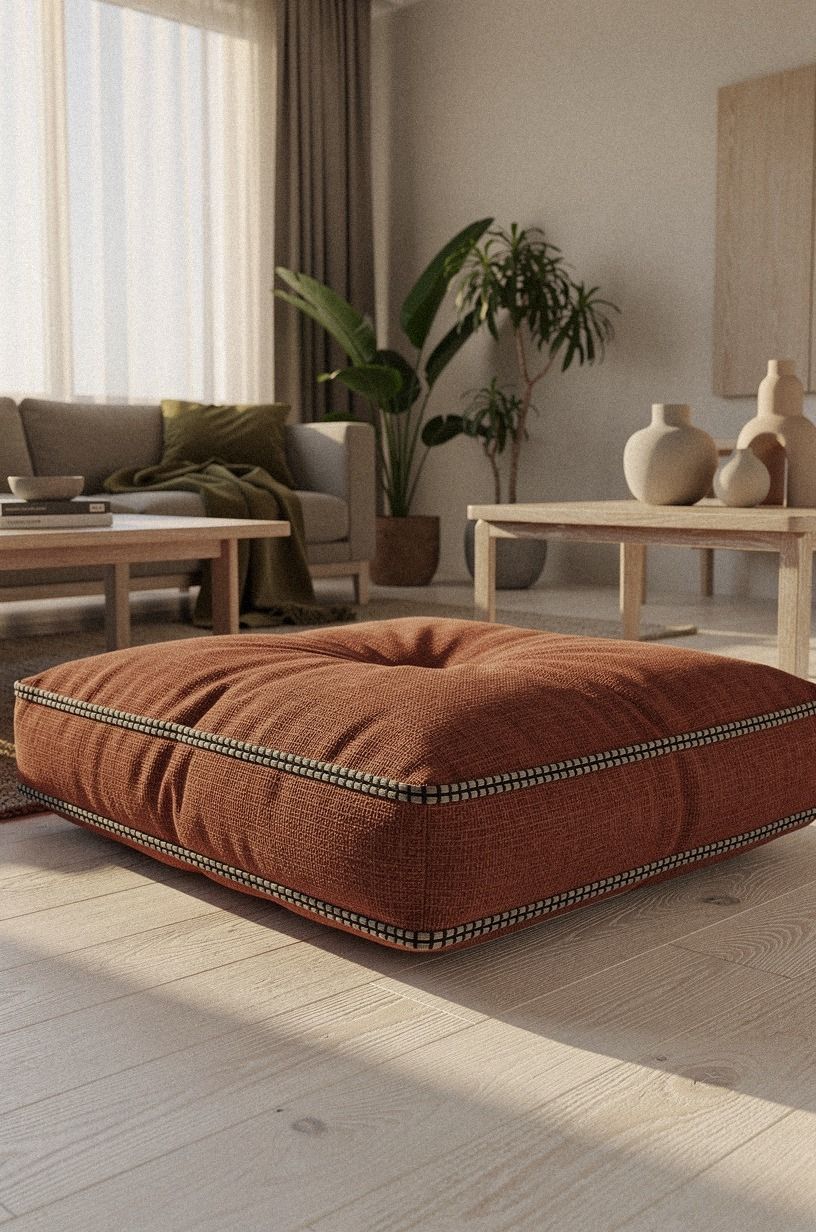
Heavy nylon webbing takes pressure away from exposed fabric seams, where determined puppies often begin. Stitch it over the outer perimeter of your durable dog bed, especially along corners and entry points. If your puppy targets one particular edge, cover that area first rather than reinforcing the entire bed evenly.
Choose dense, tightly woven webbing in terracotta, stone, or olive so the repair looks intentional. A cerused white oak base can keep the surrounding finish warm and refined while the bed handles daily chewing. A 600-denier nylon outer layer gives your puppy fewer loose threads to grab, and cleaning stays easier than with fuzzy upholstery.
Useful construction details include:
– Flat nylon binding. – Reinforced corner stitching. – Removable inner cushion. – Washable cotton canvas liner.
Don’t use thin ribbon or decorative trim. It’s too easy for teeth to lift, and your dog will quickly find the loose edge.
Typical dog bed cost by tier:
2Raise the Platform With Powder-Coated Steel: The Elevated Dog Bed Choice
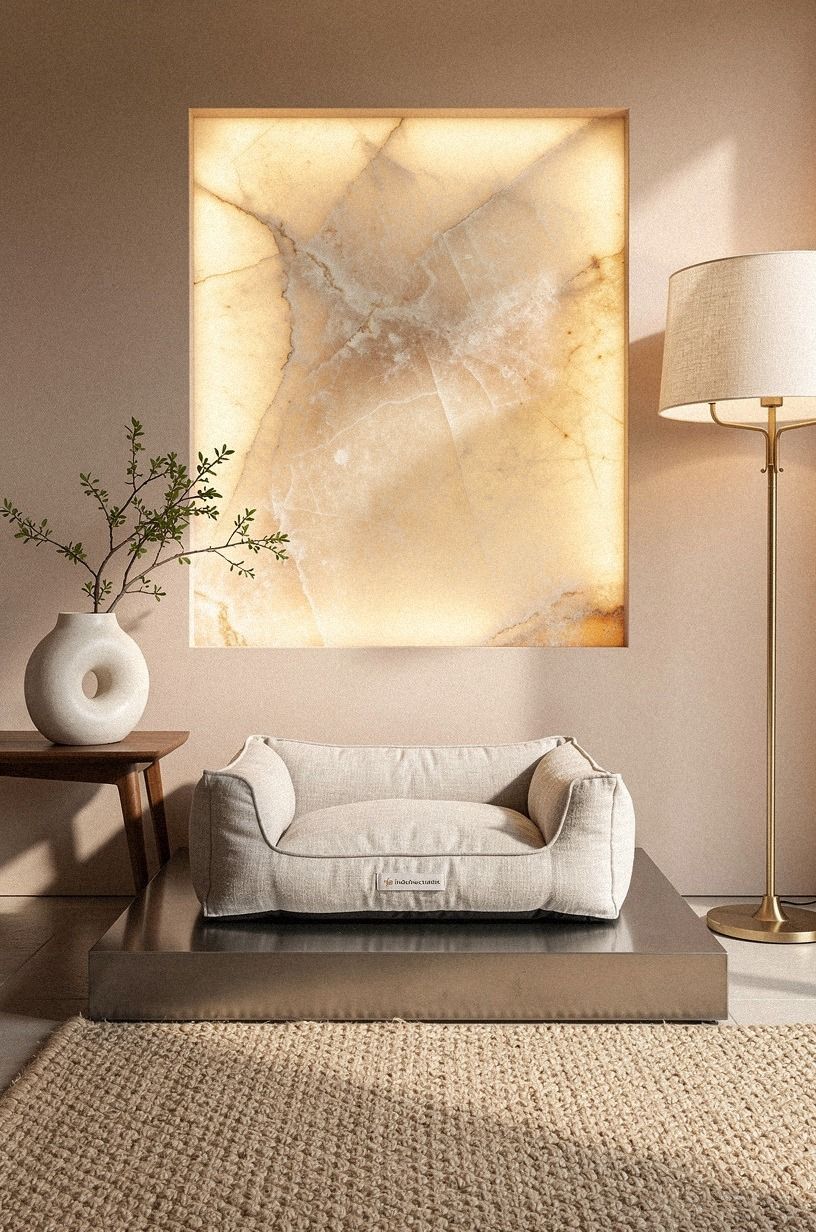
A raised steel platform keeps the sleeping surface away from cold floors, spilled water, and mouth-level edges that attract chewers. Powder-coated steel also gives you a smooth, easy-to-wipe structure without exposed rust-prone metal.
Choose a platform with rounded feet and welded joints rather than decorative bends or thin screw-on brackets. Your dog should be able to climb on and off without the platform wobbling. If the bed shifts each time your puppy settles down, the movement may become more interesting than the sleeping surface.
A backlit translucent onyx panel nearby can soften the industrial material mix without affecting the platform’s practical function. A breathable sling can replace a thick mattress when airflow matters.
You’ll want enough tension for support without creating a sagging pocket that traps moisture. Check the structure weekly, especially around bolts, feet, and corners.
3Add a Washable Mattress Inside a Ballistic Shell: The Three-Layer Cover
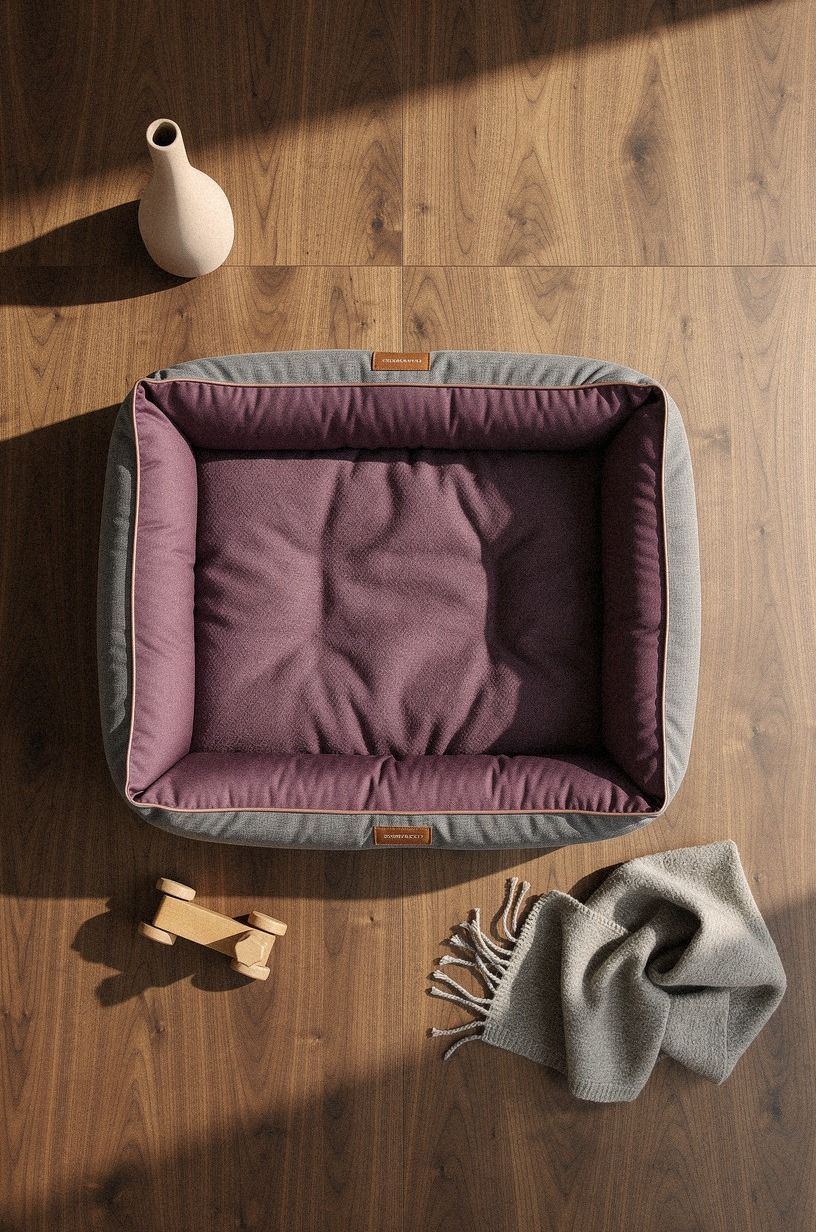
A removable mattress works best when it sits inside a ballistic nylon shell rather than directly inside a decorative cover. The outer shell takes the chewing, the washable cover handles dirt, and the inner pad provides comfort. Your dog gets softness without access to loose batting or exposed foam.
Plum, grey, and rose-gold accents can make the bed feel sophisticated in a living room. Book-matched walnut nearby adds warmth without requiring a fuzzy bed surface. Choose a low-pile textile with a smooth hand, since fluffy textures invite pulling.
If your puppy is sensitive to heat, pair the mattress with breathable mesh instead of dense memory foam.
A layered design is easier to repair than a one-piece cushion. You’ll replace one cover, not the entire bed, when a corner finally gives way.
Don’t leave the zipper facing outward. A hidden closure keeps your puppy from working at the pull tab during unsupervised moments.
For insert comparisons, browse the memory foam mattress differences before choosing a dense pad.
4Anchor the Bed to the Floor With Straps: The No-Slide Setup
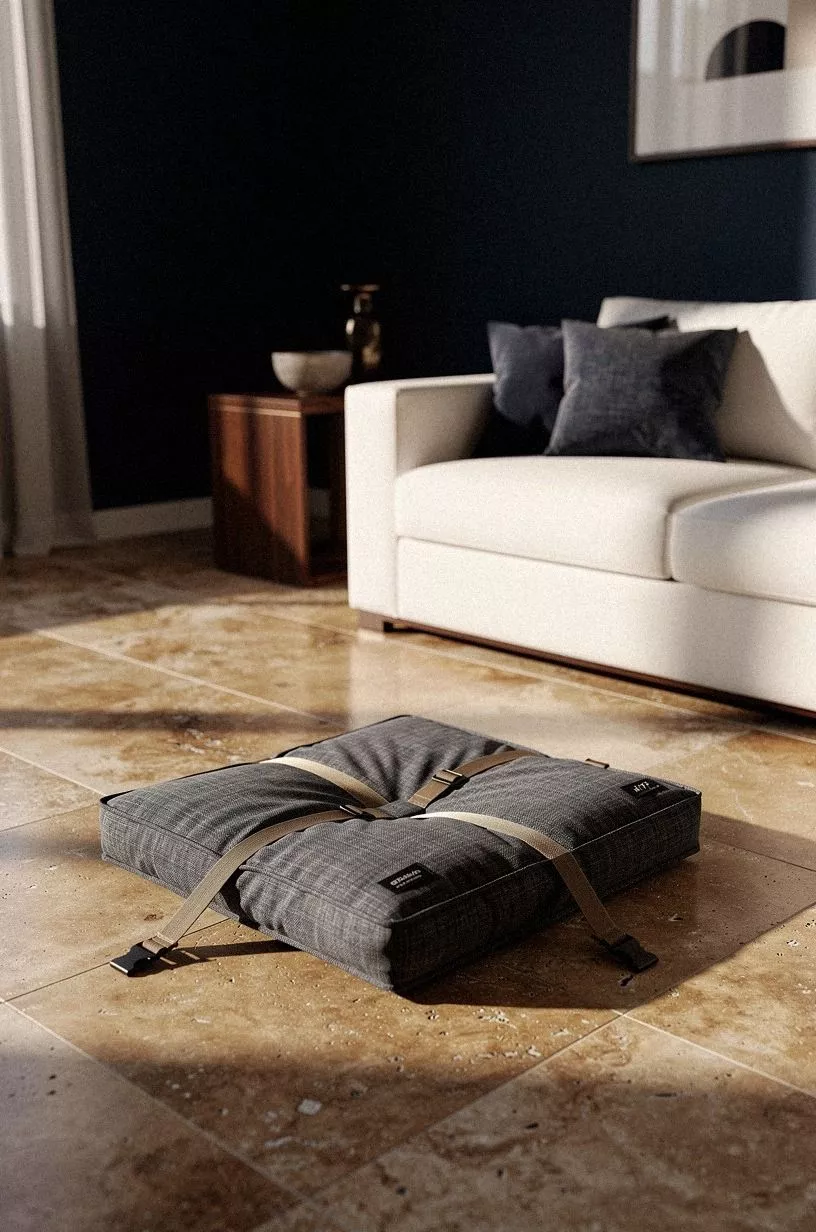
Some puppies chew because the bed slides, flips, or makes noise across a warm travertine floor.
5Layer Tear-Resistant Canvas Over the Cushion: The Emerald Shell
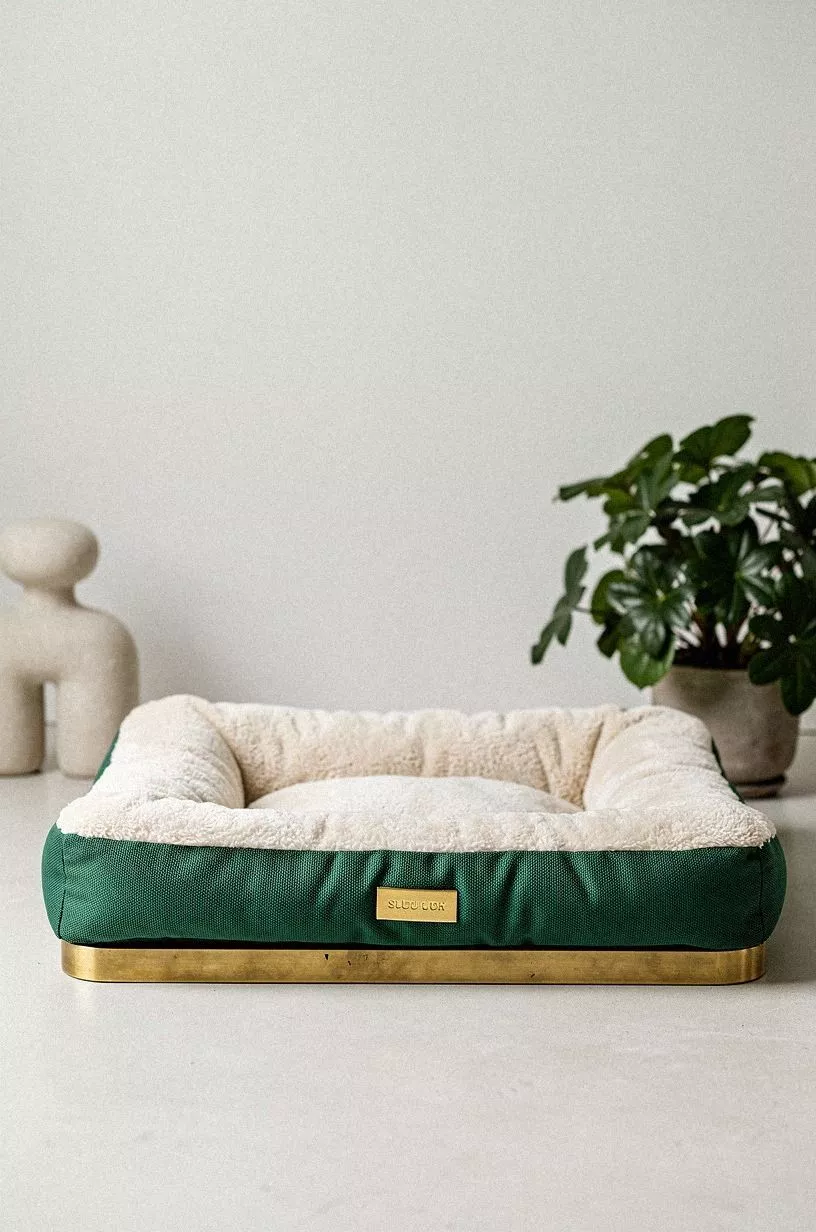
Tear-resistant canvas gives a soft sleeping surface without the fragile finish of velvet, faux fur, or loosely woven boucle. Performance canvas also dries faster than thick upholstery when accidents or muddy paws become part of the routine.
An emerald shell with gold hardware and cream accents can blend with plants, dark wood, and unlacquered brass developing a natural patina. You’ll want a fabric weight that stays flat around the corners. Excess material creates folds that teeth can catch.
Add a washable liner beneath the main cover if the cushion sits directly on the floor. The liner protects the underside, catches loose hair, and makes weekly cleaning easier. Don’t rely on color alone as evidence of durability; inspect the weave and stitching before buying.
6Sew Rounded Corners to Limit Grips: The Rounded-Edge Principle
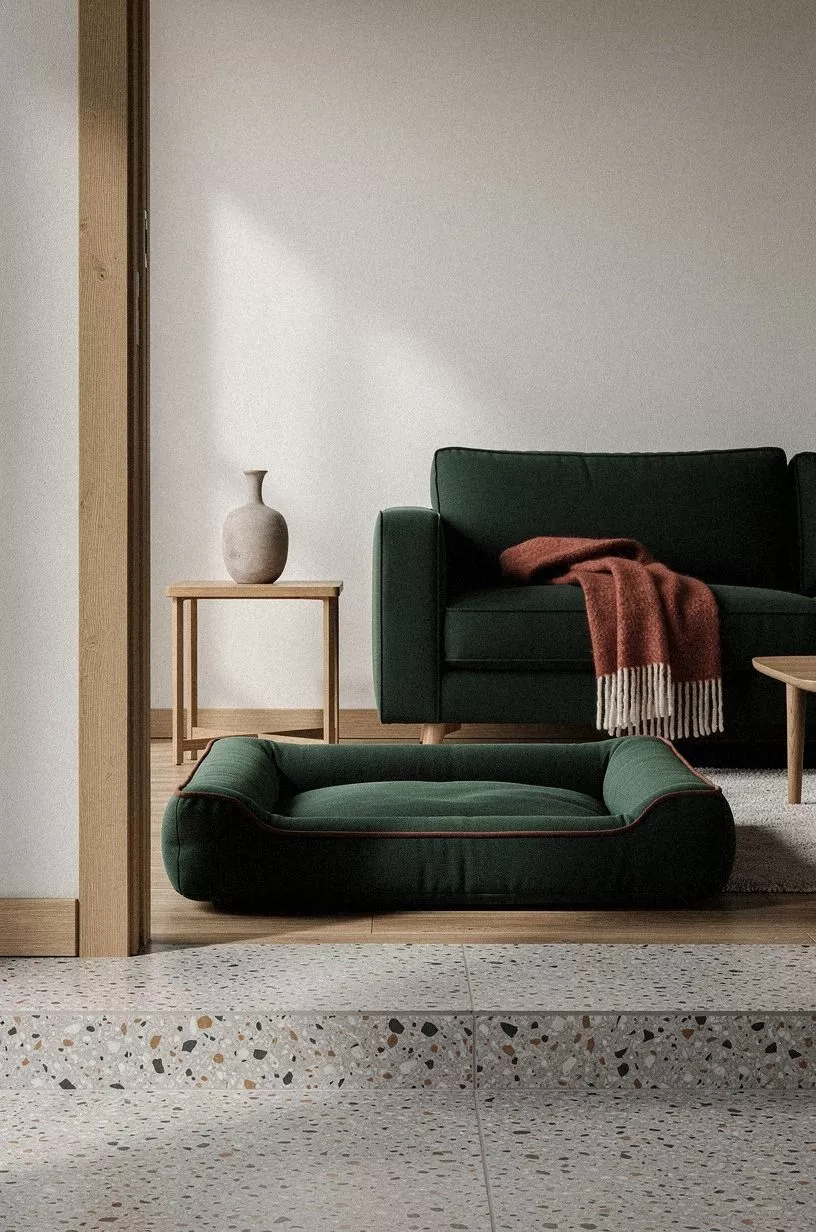
Square corners create little handles. Rounded corners remove that easy starting point, particularly when the bed has a forest green cotton canvas shell and rests near an oversized-chip terrazzo surface. Sew a continuous curve instead of folding fabric into a sharp box corner, and your puppy will have fewer loose layers to catch.
Rust accents and pale natural oak keep the design warm rather than severe. Your room can look rustic and inviting while the bed stays practical.
If you’re making a cover from scratch, test the paper pattern around an existing cushion first. A smooth curve matters more than decorative piping.
Don’t add thick rope trim around the edge. It looks charming, but it can become the most interesting part of the bed for a young chewer. A flat seam with double stitching is quieter, cleaner, and easier to inspect after washing.
7Swap Foam for Dense Rubber, Not Another Plush Puppy Bed
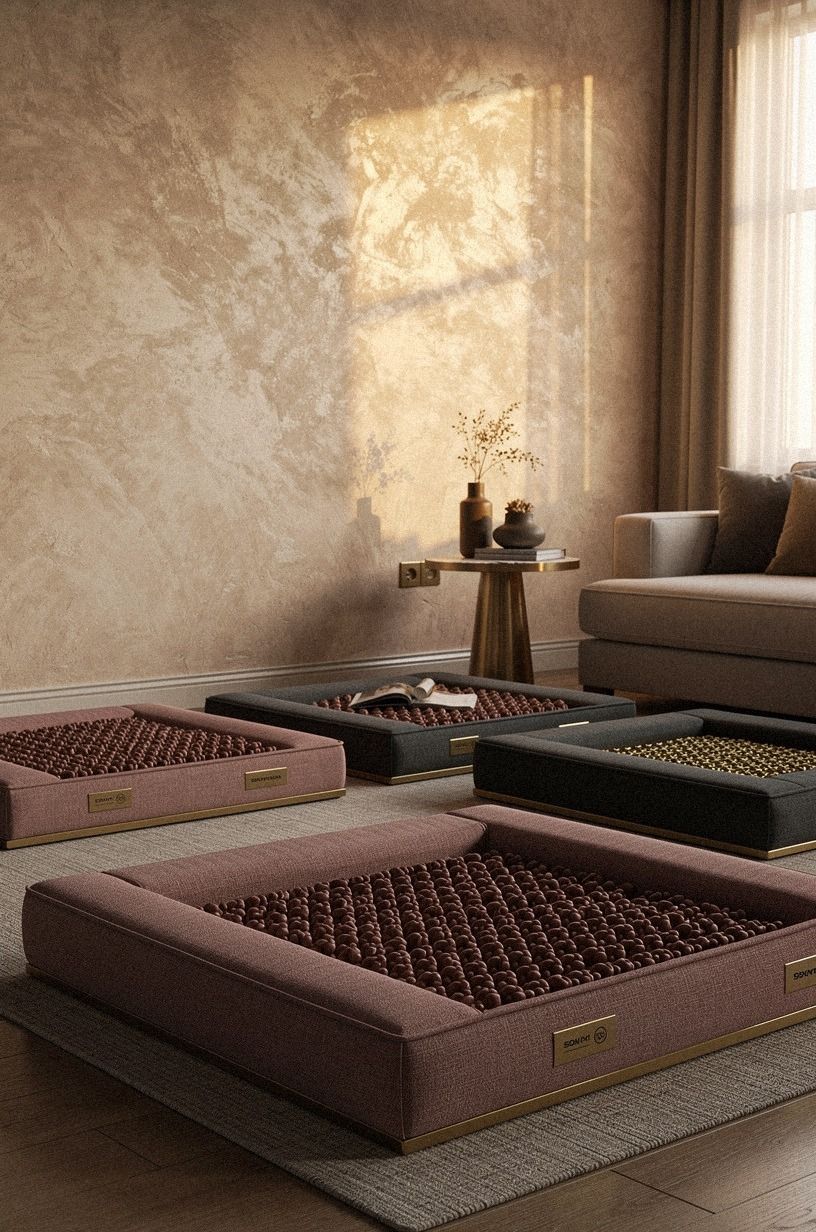
Dense rubber creates a firm base that resists tearing, compression, and exposed foam damage. A hand-applied Venetian plaster wall in dusty rose can bring softness to the setting, balanced by charcoal and brass accents.
8Build a Wire Structure Around the Mattress: The Open-Grid Method
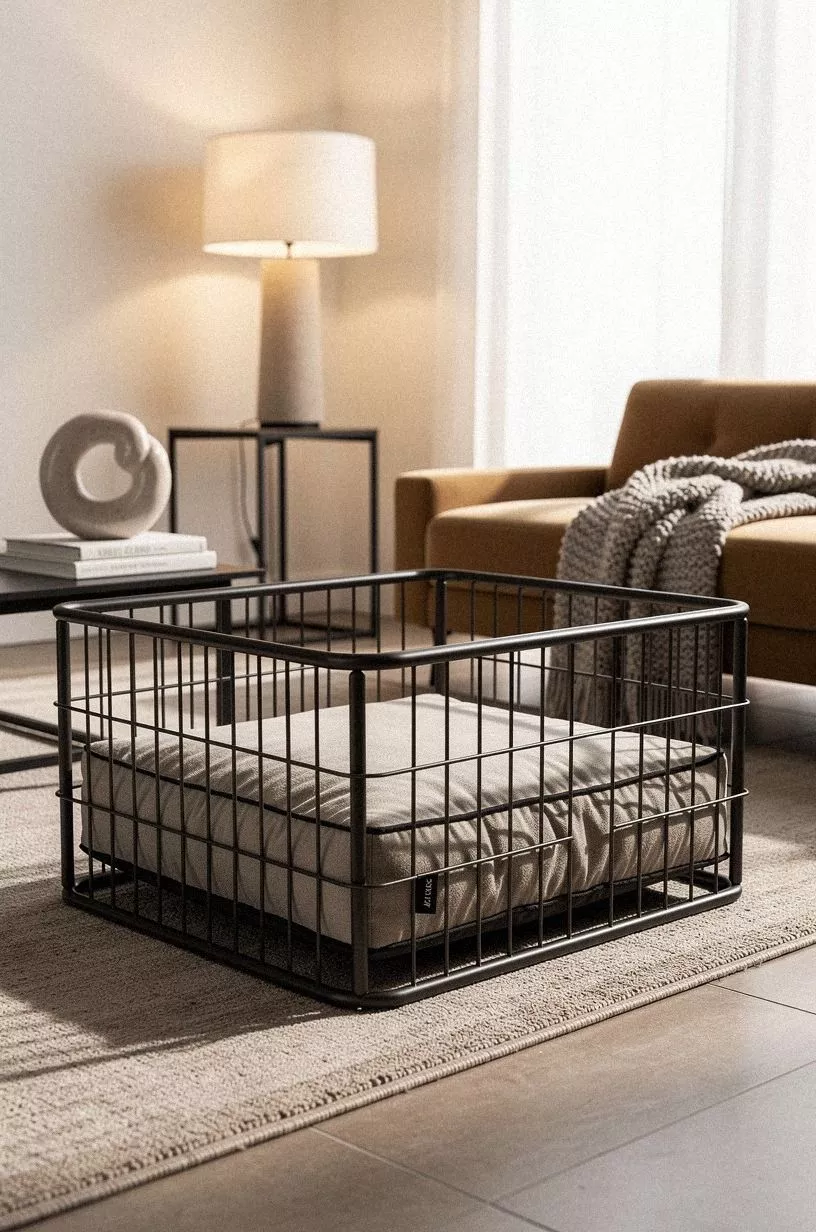
A wire structure can protect the mattress while preserving airflow around the sleeping area. Choose black-coated steel mesh with smooth welded joints and openings small enough that paws can’t become trapped.
Shagreen accents elsewhere in the room can soften the utility-focused material mix. Your dog should be able to enter, turn, and leave without rubbing against exposed fasteners.
Warm white walls, camel upholstery, and black accents make the structure feel like part of the room. Place the mattress inside a fitted shell rather than allowing fabric to press through the grid. You’ll want a small gap between the metal and the cushion so your puppy can’t pull the cover through the openings.
This design suits dogs who prefer a defined nook but dislike closed crates. It’s also easier to sweep beneath than a low upholstered bed.
Don’t use unfinished wire or sharp decorative mesh. A calm, airy structure is the goal, not a cage-like visual!
9Can Cordura Turn a Puppy Bed Into a Chew Proof Dog Bed?
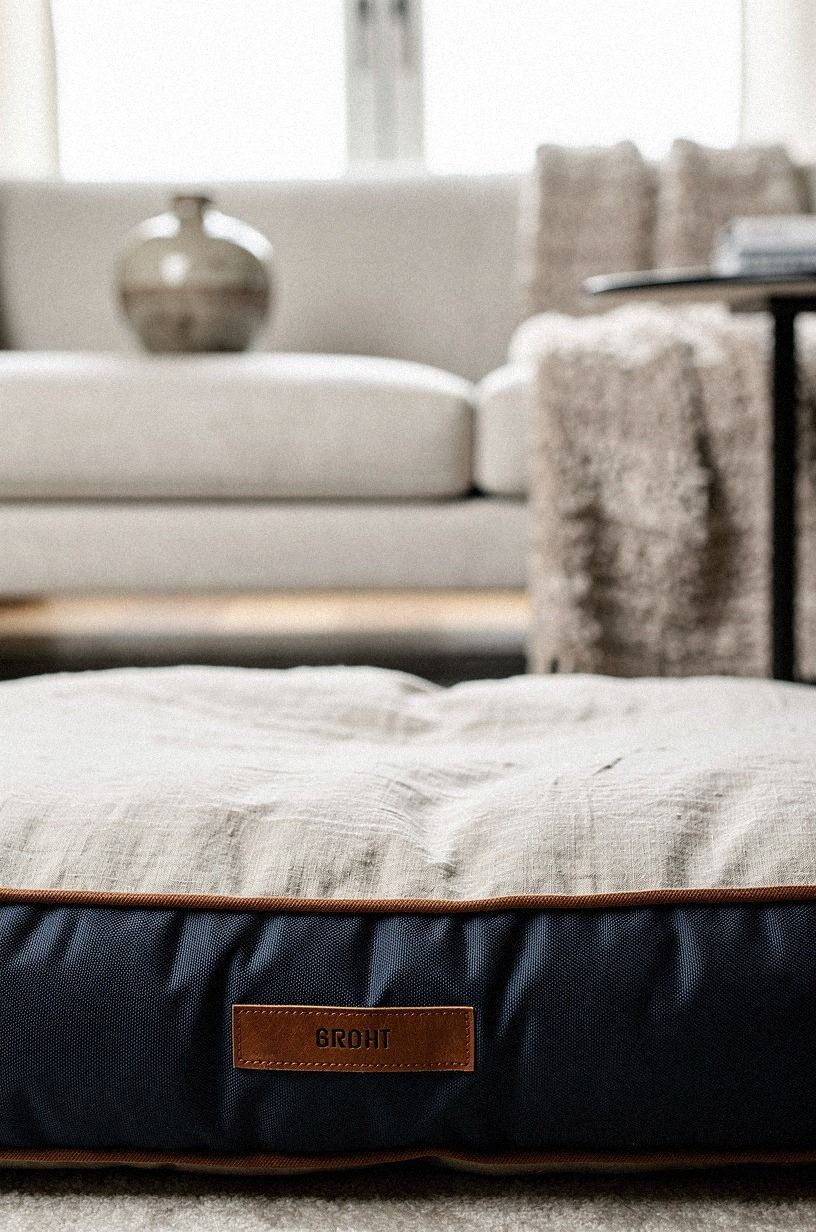
Cordura can create a durable outer cover when the stitching and closures are equally strong. Midnight blue, copper, and ivory details can give the bed a polished look, while washed Belgian linen adds a lived-in texture to the surrounding space.

10Tuck the Bed Beneath a Protected Bench: The Built-In Nook
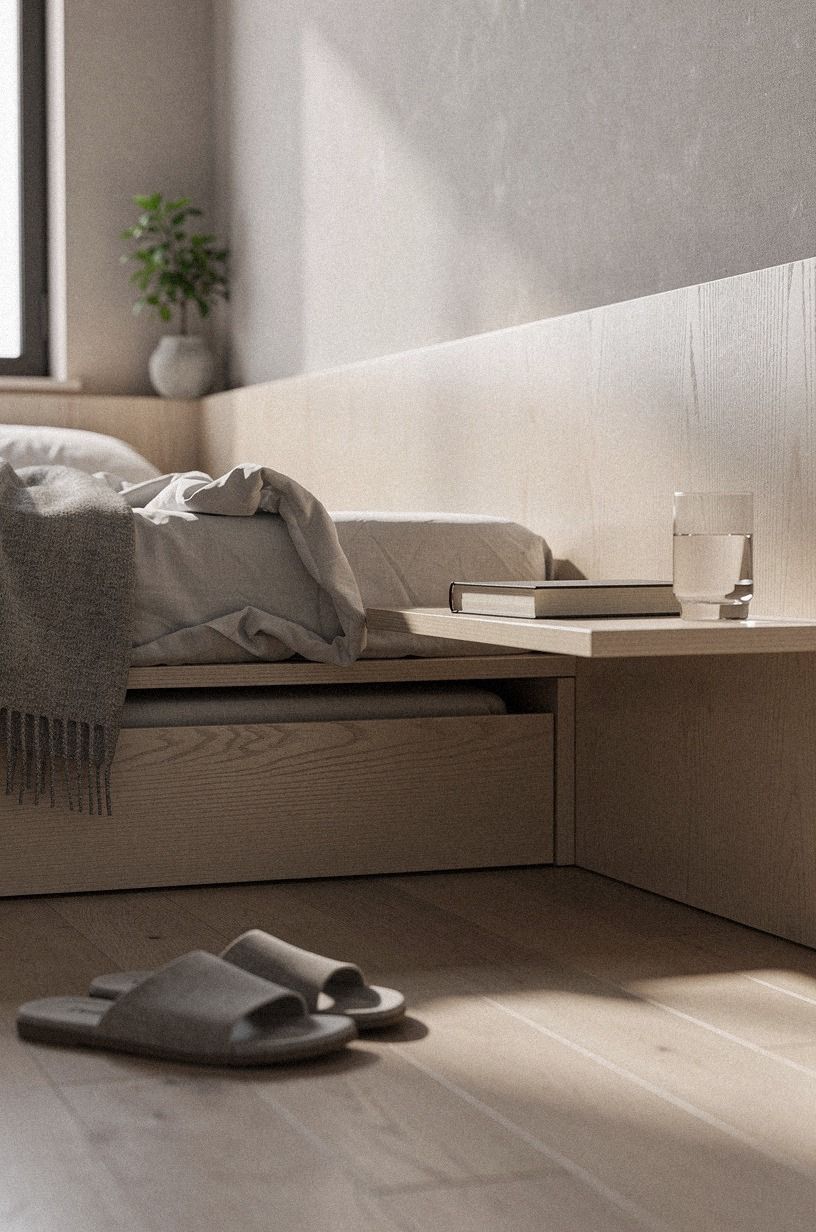
A protected bench can hide the bed’s edges while giving your dog a dedicated resting zone. Slide a low-profile cushion beneath a banquette and cover the opening with sage green performance fabric.
Organic bouclé on the bench above can add softness without becoming part of the sleeping surface. Your puppy sees a clear entrance, but the most tempting corners stay out of reach.
Warm cream walls and natural wood keep the nook serene and lived-in. Your dog gets a quiet retreat, and your room gains useful seating above it. Leave enough clearance for your dog to turn comfortably, and avoid filling the opening with baskets or loose blankets.
This is a strong choice for homes where floor space is limited. You’ll gain a puppy bed without adding another large object to the room.
Don’t block ventilation beneath the bench, and don’t treat the nook as a storage cavity. The bed needs to remain easy for you to remove and clean.
11Edge the Openings With Thick Leather: The Leather Guard
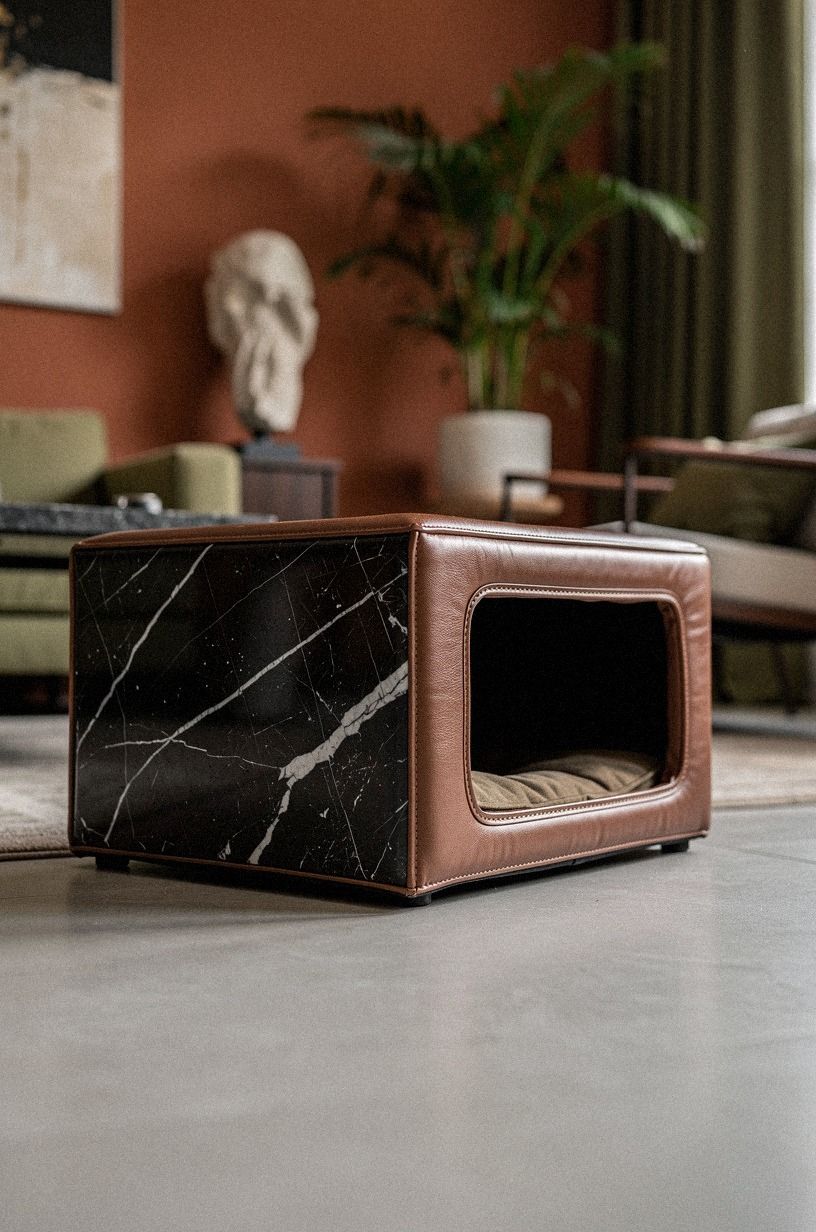
Leather can protect exposed openings around a bed structure, especially where fabric meets wood or metal. Use full-grain leather with smooth, rounded edges and broad stitching. Your puppy may still investigate the material, but a firm leather guard gives fewer loose fibers to pull.
Terracotta, stone, and olive tones pair well with Nero Marquina black marble used elsewhere in the room. A darker leather edge can look refined instead of patched, particularly when the rest of your furniture has aged bronze or walnut details.
Avoid thin faux leather that cracks at the fold. You’ll want a flexible but substantial strip that bends without splitting.
If the bed has a removable cover, attach the guard to the support rather than the washable fabric. That keeps laundering simple and reduces the chance of a loose edge returning after every wash.
12Build a Varnished Marine Plywood Base: The Moisture-Ready Platform
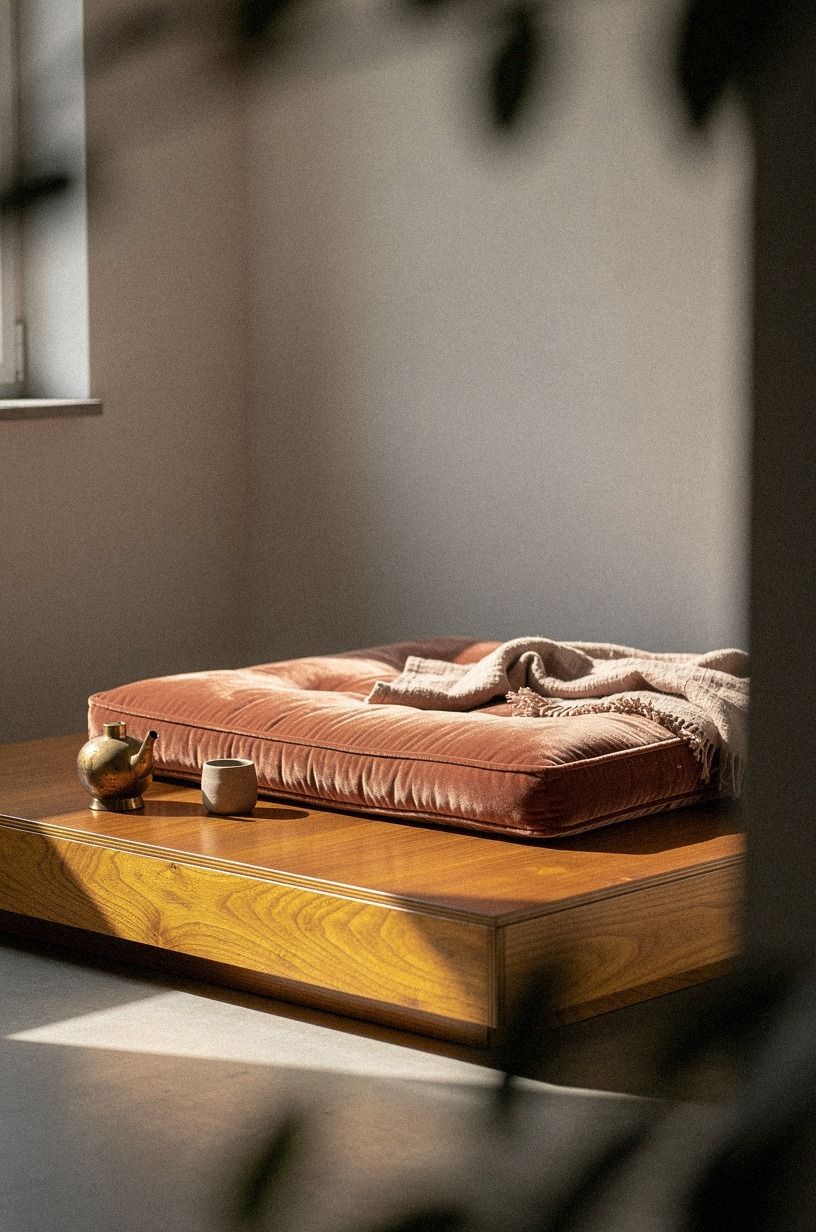
Marine plywood offers a stable base for a dog bed when every exposed edge receives a smooth finish. A clay, linen, and aged brass palette can make the platform feel intentional, while deep-pile mohair velvet belongs on nearby seating rather than within chewing range.
13Choose an Open Slat Tray for Easier Cleaning: The Airflow Tray
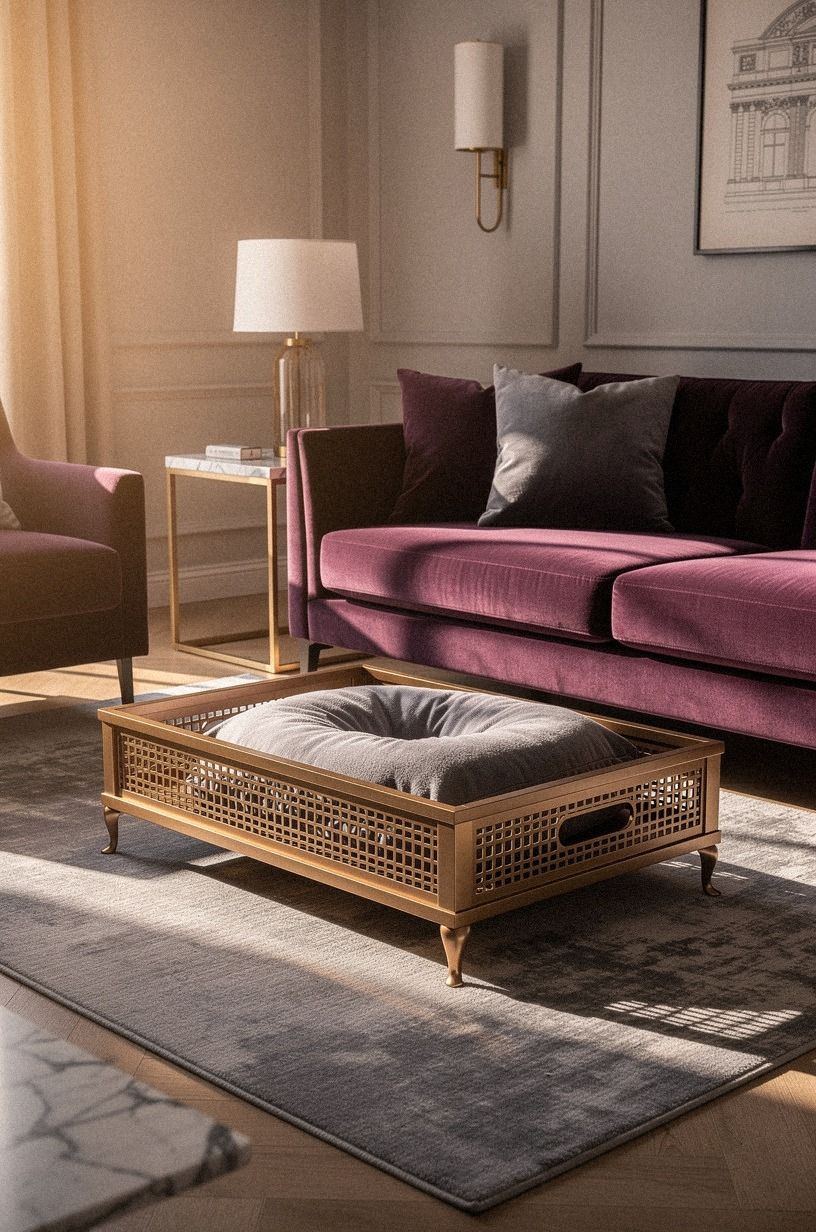
An open slat tray lets crumbs, dust, and loose hair fall away from the sleeping surface. Choose sealed hardwood slats with rounded edges and narrow, consistent spacing. Your dog gets a raised platform, while your cleaning routine becomes faster and less frustrating.
Plum, grey, and rose-gold accents can make the tray feel polished beside Carrara marble with subtle grey veining or pale plaster. You’ll want the cushion to sit inside a fitted base so it doesn’t shift between slats. A removable liner gives your puppy comfort without hiding moisture beneath the bed.
This design suits a dog who overheats or carries dirt indoors. It won’t suit a puppy who chews every exposed wood edge, so inspect the tray often. For warmer rooms, compare the cooling dog bed options before adding thick padding.
14Hide Closures Behind a Reinforced Flap: The Covered-Zip Method
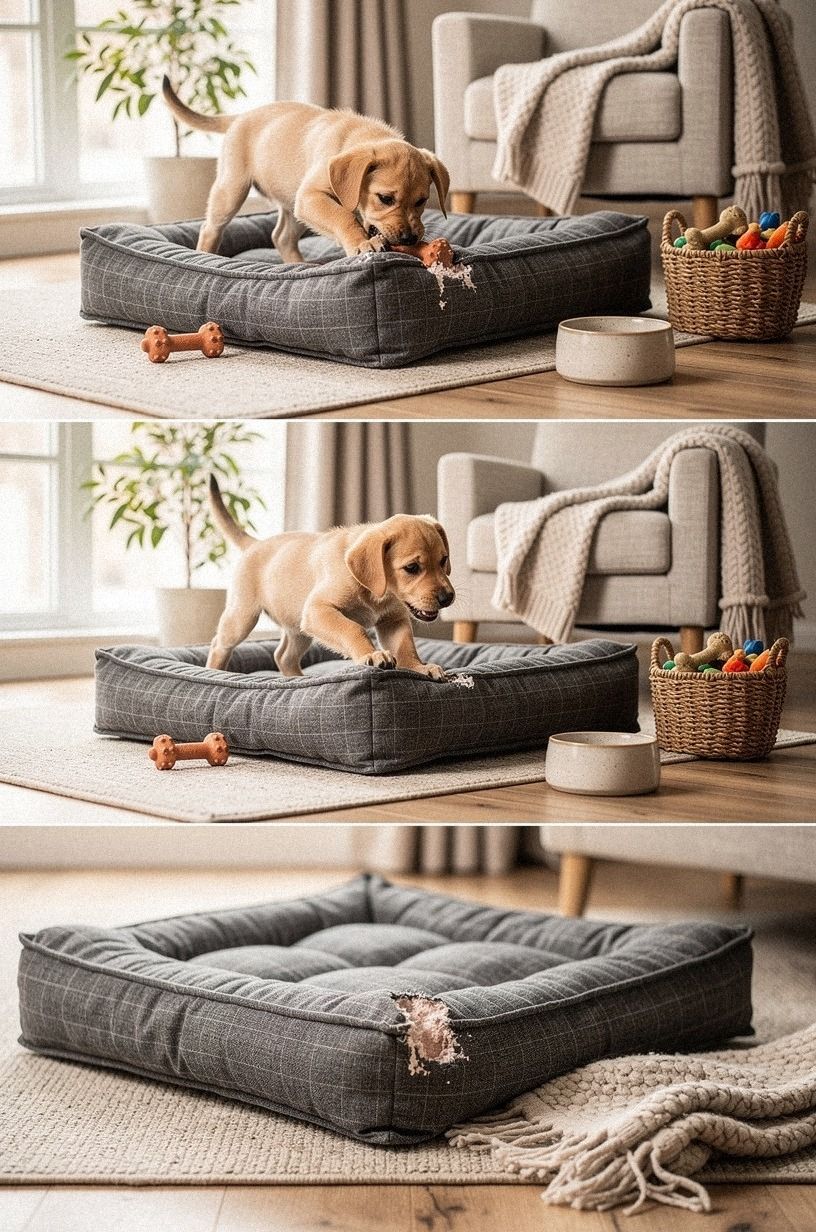
Exposed zippers are small, bright, and easy for a puppy to locate. A reclaimed weathered teak support in navy, white, and walnut surroundings can conceal the closure while adding a durable natural finish.
15Anchor the Cushion Inside a Wall Niche: The Recessed Bed
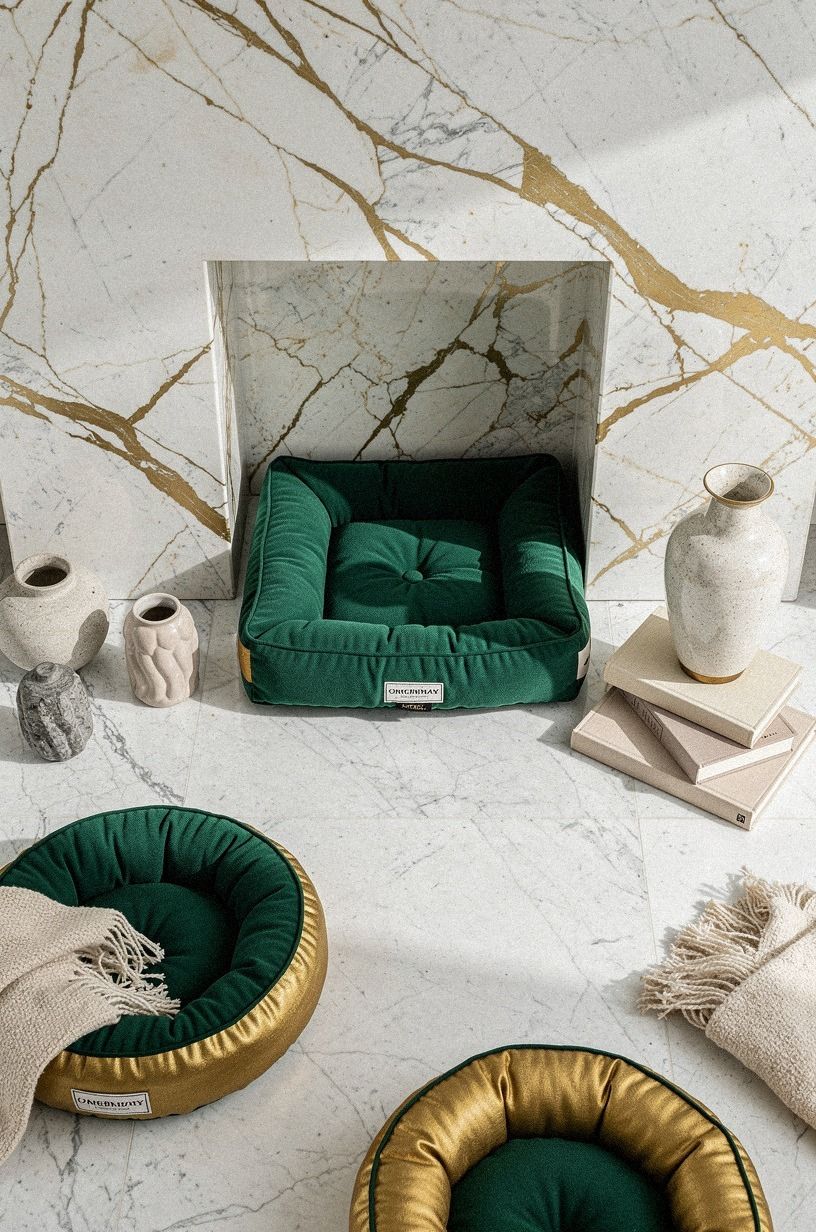
A wall niche can keep the cushion contained and make a small room feel more organized. Recessed storage also reduces the number of exposed edges available for chewing. Emerald upholstery, gold details, and cream surfaces can complement a Calacatta marble surround with delicate gold veining.
Measure the opening carefully before choosing the insert. Your dog needs enough room to turn, stretch, and leave without scraping against the support. A fitted canvas cover can soften the interior while keeping the cushion removable.
For a rental, use a freestanding cabinet or bench recess instead of drilling into the wall. You’ll preserve the same contained layout without creating repair work later. Keep nearby cords out of reach and avoid storing loose items in the sleeping cavity.
16Hang a Padded-Free Hammock: The Accessible-Fill Rule
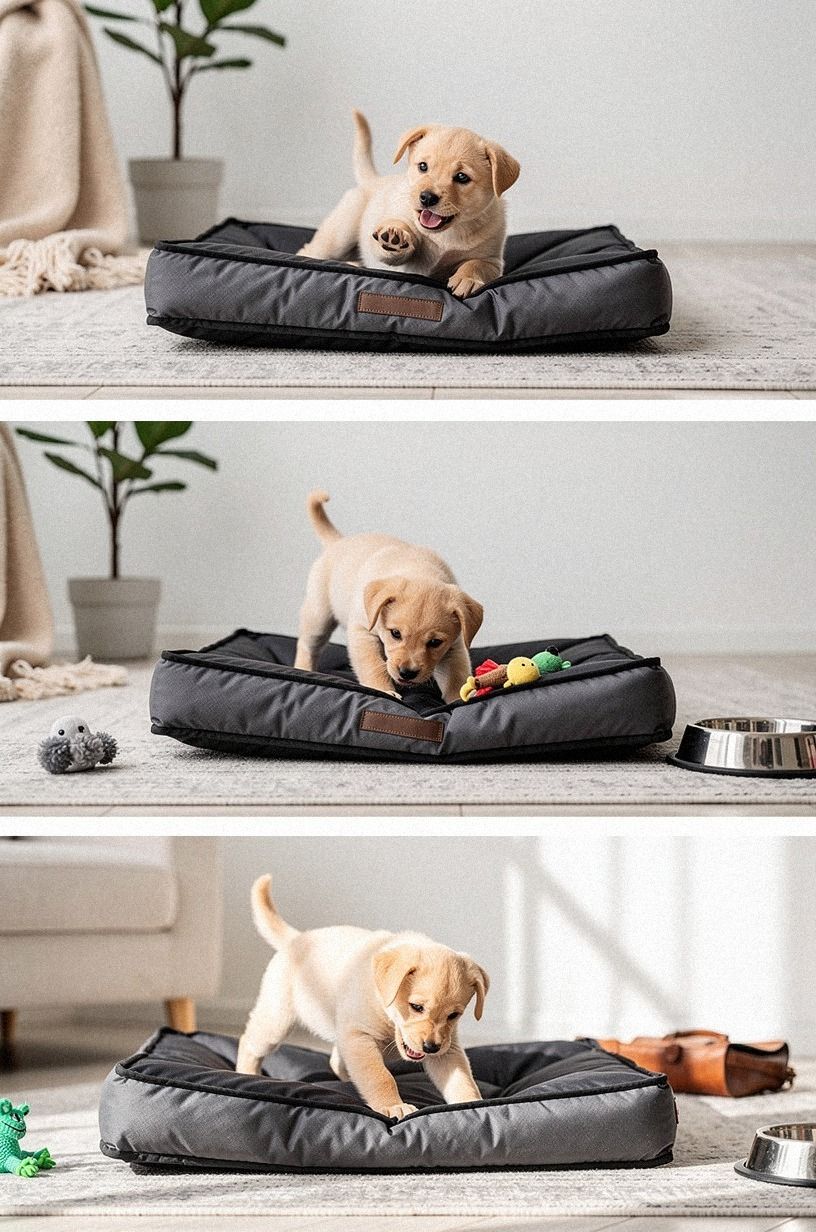
A hammock without exposed padding removes the stuffing that many puppies love to pull. Use woven cotton webbing or coated polyester straps attached to a stable support made from cerused white oak. Your dog rests on a suspended surface, and your puppy gets fewer seams, corners, and foam layers to attack.
Forest green, rust, and natural oak create a relaxed rustic palette. You’ll want the hammock fabric to remain taut but not rigid, with enough support for your dog to settle without sagging onto the floor. A washable sling is easier to rinse than a thick mattress.
This choice works best for dogs who enjoy an open, slightly elevated surface. It isn’t ideal for every senior dog or puppy with uncertain balance.
Start with short supervised sessions, and check each attachment point regularly. The simplest hammock often lasts longer because there’s less material to damage.
17Double the Base With a Honeycomb Panel: The Lightweight Core
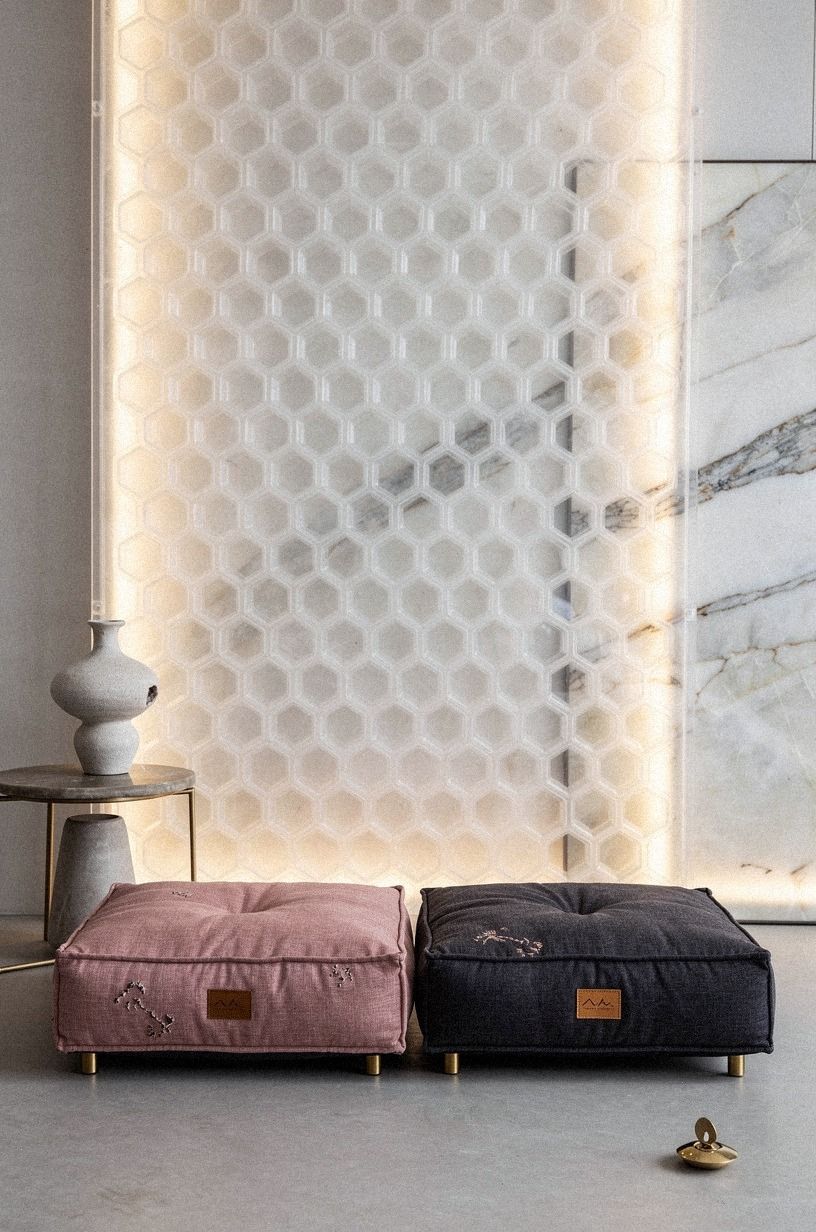
A honeycomb panel adds structure without turning the bed into a heavy block. Cover the panel with closed-cell polypropylene and place it inside a fitted shell.
A backlit translucent onyx detail nearby can echo the lightweight geometry without leaving the bed surface exposed. Your dog gets a stable sleeping surface, while your puppy has no loose foam to excavate.
Dusty rose, charcoal, and brass accents give the design a modern edge. You’ll want sealed edges and a cover that doesn’t stretch beyond the panel.
This method works well for travel beds and lightweight platforms. Don’t leave the panel exposed, since ridges can become chew targets and may catch claws. Add a thin washable pad above it, then inspect the cover after every energetic play session.
18Treat the Edges With Silicone Protection: The Soft-Bumper Finish
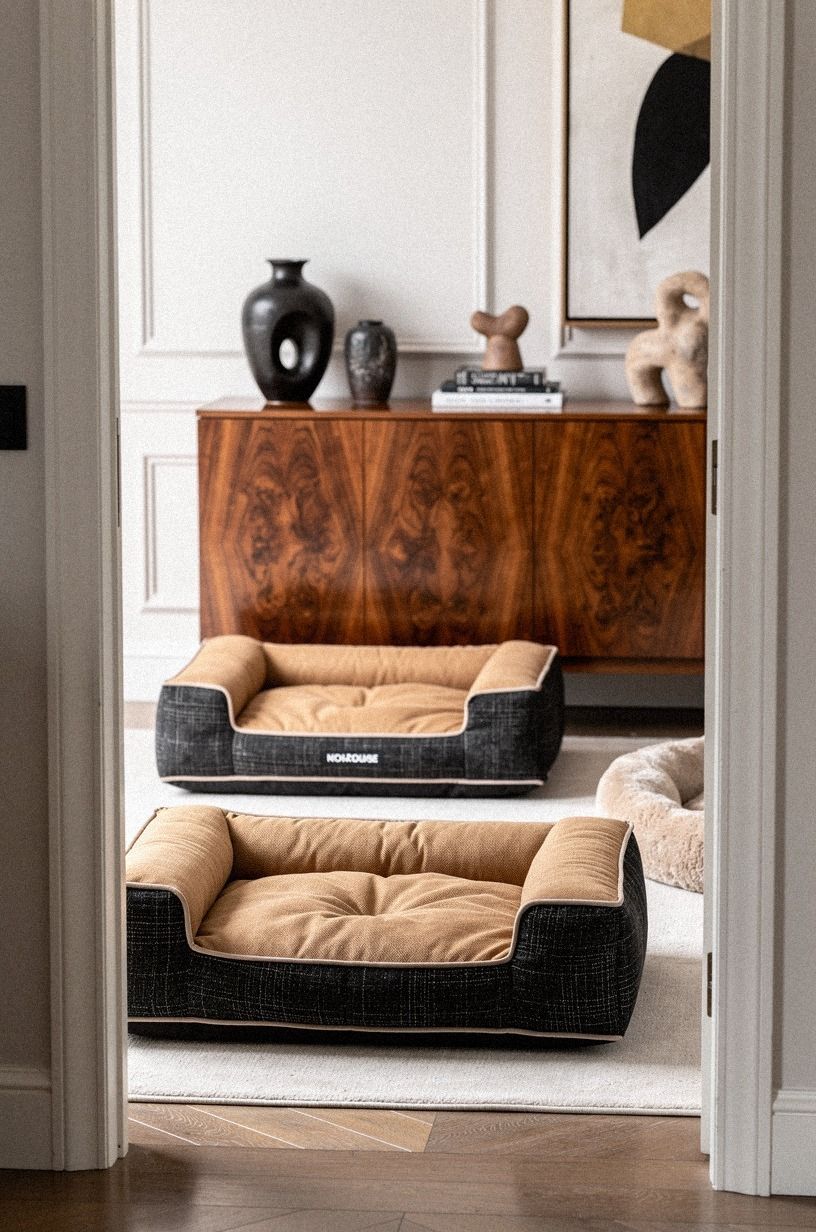
Silicone edging can soften hard contact points around wood, metal, and plastic. Book-matched walnut nearby can add warmth to a palette of warm white, camel, and black accents without changing the bumper’s practical role.
19Compare Three Chewed Models Side by Side: The Three-Bed Proof

Three worn beds can reveal more than a product label. Place them together on warm travertine and compare the chew damage around seams, corners, closures, and undersides. Midnight blue, copper, and ivory details can make the comparison area feel considered rather than temporary.
Look for patterns. Did the puppy reach the zipper first? Did the rubber peel at the edge?
Did moisture collect beneath the cushion? A simple comparison helps you choose the next construction detail with greater confidence.
The most useful evidence is practical rather than dramatic. A bed that shows one repairable seam may be a better long-term choice than one with hidden damage beneath a plush cover. Your next purchase should address the weakest point visible in the older beds.
The Practical Rule Behind a Chew Proof Dog Bed
A durable dog bed is rarely defined by one heroic material. The strongest setup combines a firm base, a tightly fitted cover, hidden closures, rounded corners, and a cleaning plan that makes regular inspection easy. Your puppy will search for the weakest point, so the design needs to treat every edge as part of the structure.
The most expensive option isn’t automatically the strongest. A luxurious bed with loose piping can fail sooner than a plain platform with reinforced seams. Modular cube storage may help organize blankets nearby, but it shouldn’t replace a purpose-built sleeping support.
Your dog needs a bed designed for weight, movement, moisture, and repeated cleaning.
Color still matters. Benjamin Moore White Dove OC-17, Farrow & Ball Pigeon No.25, and Sherwin-Williams Agreeable Gray SW 7029 can keep the surrounding room calm while tougher materials do the practical work. You’ll want three light sources around the zone, such as ceiling, task, and ambient lighting, so the bed doesn’t become a dark corner.
Appearance can influence consistency. A bed that fits your room is more likely to stay in one useful location rather than being pushed behind furniture.
But durability comes first. If a puppy can reach a zipper, foam edge, loose thread, or dangling strap, that detail deserves attention before decorative styling.
The best approach is simple: inspect, wash, tighten, and replace worn parts early. A bed doesn’t need to promise endless life. It needs to make damage visible before a small weakness becomes a complete failure.
The Questions Worth Answering First
What is the best indestructible dog bed for a small space?
A raised steel platform or recessed cushion usually works best because it uses less visual floor area. A washable fitted shell keeps the profile tidy, while a rubber base prevents sliding. You’ll want rounded corners and no loose trim.
Modular cube storage can keep supplies organized without crowding the room.
Where can you buy durable dog bed pieces on a budget?
Wayfair and Target are practical places to compare platforms, canvas, storage, and washable textiles. Facebook Marketplace and thrift shops can also provide sturdy supports at lower prices. You’ll need to inspect every edge, fastener, and surface before use.
Choose materials that can be cleaned, repaired, or replaced separately.
How much does a durable dog bed makeover cost?
A basic setup can cost about $100 to $300, depending on the platform, cover, and base. Free improvements include moving the bed away from sliding furniture, hiding closures, and trimming loose threads. You’ll spend more when adding marine plywood, Cordura, steel, or custom stitching, but those materials can make repairs more manageable.
Can you create an indestructible dog bed on a budget?
Yes, and you can begin with a dense rubber mat, a secondhand steel platform, and a fitted canvas cover. Use hidden closures instead of buttons, round the corners, and inspect the underside weekly. Existing blankets can add warmth during supervised rest, but remove any loose textile once chewing begins.
Is an indestructible dog bed worth it in a small space?
Yes, because a stable bed can prevent cushions, blankets, and loose foam from spreading across the room. Your best layout keeps the bed near a wall but leaves a clear entrance. An elevated platform or tucked bench design can give your dog a defined resting zone without taking over the floor.
Is a durable dog bed a good idea for a rental?
Yes. Choose a freestanding platform, a removable silicone bumper, or a tension-supported nook that doesn’t require drilling.
Peel-and-stick cable covers can hide nearby cords, while removable fabric protects the surrounding furniture. You’ll want every change to lift away cleanly when the lease ends.
Where to Start First
If one choice deserves priority, start with the reinforced Cordura cover. It protects the surface your puppy can reach, hides the closure, and can be washed without replacing the base.
Choose a fitted shape with rounded corners, then pair it with dense rubber underneath. Pin the cover idea for later and compare it with these luxury dog bed materials.