A grounding mat at a desk can fit a two-week routine when placement, bare-foot contact, outlet checks, and stopping time stay consistent. The most useful observations concern setup and habit, not dramatic promises. A simple workday pattern makes changes easier to notice.
- ✓ Grounding Mat Placement Changed Desk Routine
- ✓ Grounding Mat Benefits Appeared During Work Breaks
- ✓ Grounding Mat Stayed Under Bare Feet
- Grounding Mat Placement Changed Desk Routine
- Grounding Mat Benefits Appeared During Work Breaks
- Grounding Mat Stayed Under Bare Feet
- Grounding Pad Connected Before Starting Desk Work
- Grounding Mat Use Fit Into Morning Emails
- Two Weeks Revealed Grounding Mat Consistency Patterns
- Grounding Mat Worked Best During Focus Blocks
- Grounding Pad Needed Regular Outlet Checks
- Grounding Mat Sessions Ended With Foot Reset
- Work From Home Wellness Included Grounding Mat Breaks
- Grounding Mat Position Shifted With Desk Tasks
- Grounding Mat Use Stopped Before Evening Routine
The essentials for a calmer bedroom
The five pieces we recommend for a calmer bedroom.

Premium Grounding Sheet
Premium Grounding · woven 316L stainless-steel fibers, goes under your fitted sheet
See the woven 316L grounding sheet →
Save 10% with code mattressnut
Through Nov 30: buy one sheet, get one free (per the brand)
 THE MATTRESS
Saatva Classic
Saatva
- THE TOPPER
Graphite Topper
Saatva
- THE PILLOW
The Saatva Pillow
Saatva
- THE COMFORTER
Down Alternative Comforter
Saatva

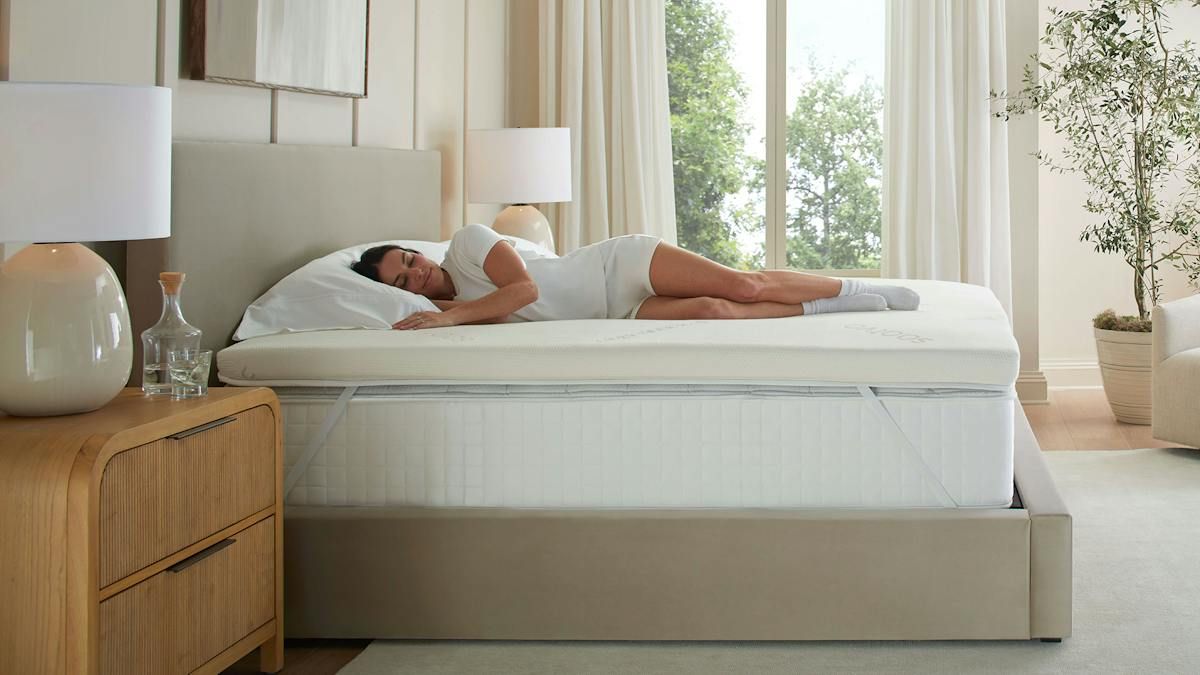

1Grounding Mat Placement Changed Desk Routine
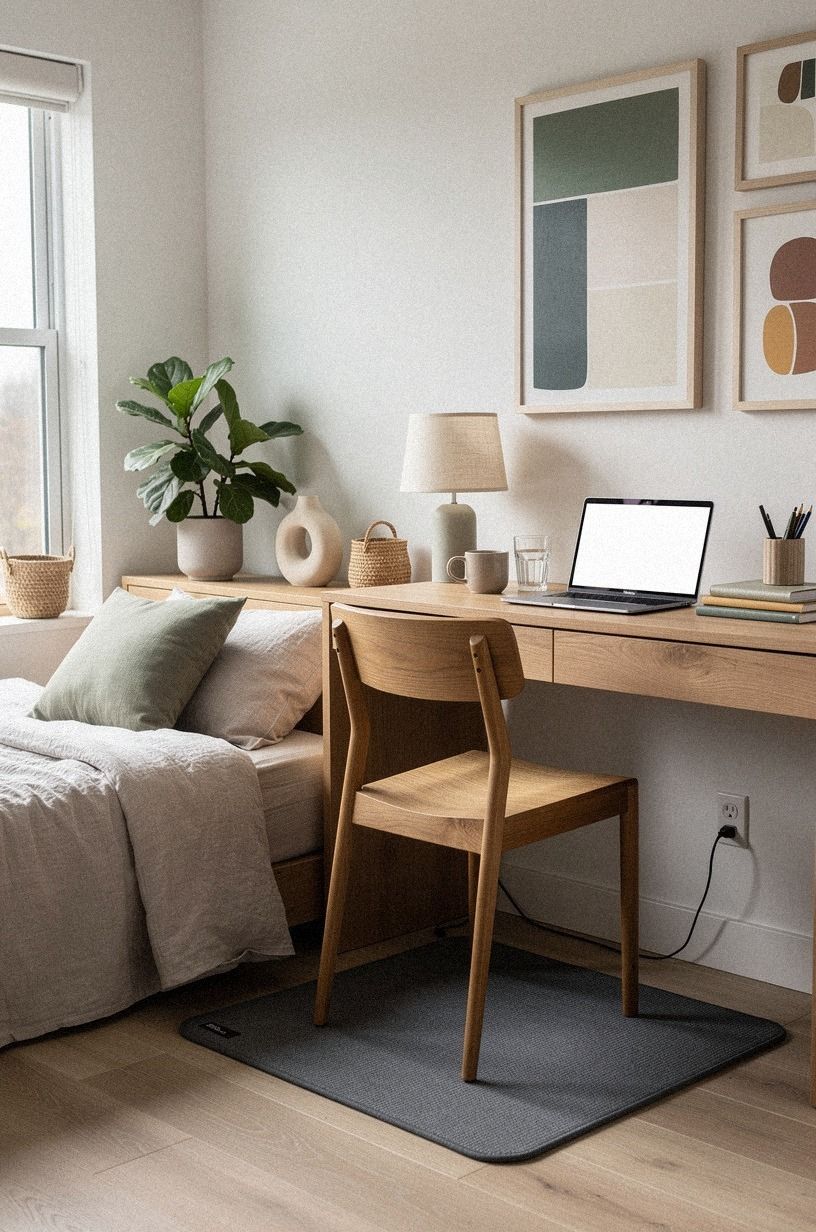
Place the grounding mat where both feet can rest on it without reaching forward. Under the desk, the front edge should sit close enough for relaxed contact, while the chair should still roll freely. Stable placement matters more than a large surface.
Keep the mat away from tangled charging cables, chair wheels, and areas that collect dust. A flat position prevents curling at the corners and makes daily use less distracting.
If the desk has a footrest, place the mat on top only when the manufacturer allows that arrangement. Otherwise, a clear floor area is the better choice.
Use the same location during each work block. Moving the mat from one side of the desk to another creates an inconsistent routine, especially during busy mornings. A small mark beneath the desk can help identify the preferred position without adding clutter.
This setup works best for seated tasks that last at least 20 minutes. It may feel awkward during frequent movement, standing calls, or tasks that require constant shifting. You’ll know the placement needs adjustment if feet keep sliding off or the chair bumps the mat edge.
2Grounding Mat Benefits Appeared During Work Breaks
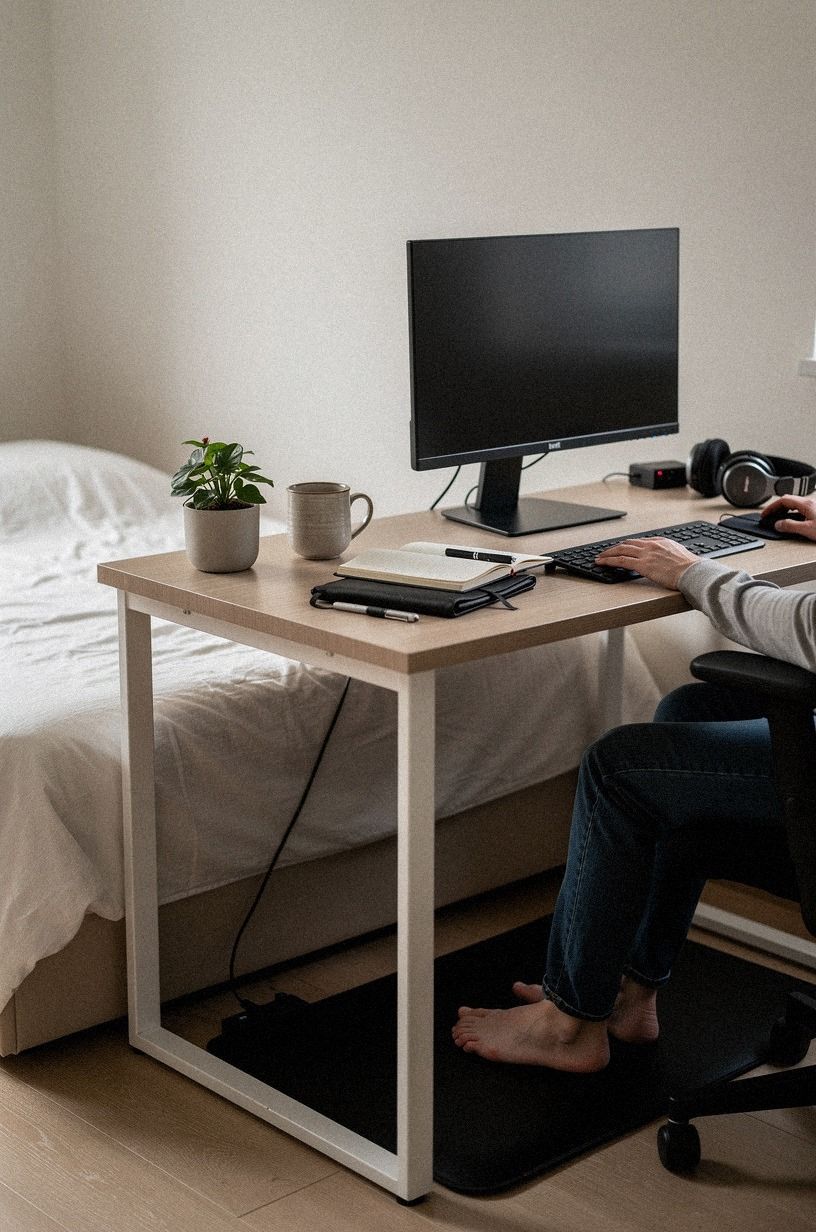
Use the grounding mat during planned breaks instead of leaving it under the feet for every desk task. Five minutes after a long email session creates a clear start and finish, making the routine easier to track. Break consistency offers a more useful observation than vague all-day use.
Set a quiet timer for 5 to 10 minutes, then return to normal work. During the break, keep both feet still and notice ordinary details such as pressure, warmth, tingling, or distraction.
These sensations can change with socks, floor temperature, and posture. They don’t prove a health effect, but they can show whether the setup feels comfortable.
Short breaks suit people who dislike sitting still for long periods. A longer session may feel inconvenient during packed schedules, especially when meetings begin without warning. Keep a note with three simple details: start time, duration, and comfort level.
That record can reveal whether the mat fits naturally into the workday.
The practical benefit may be routine awareness. A scheduled pause interrupts automatic scrolling and gives the body a defined change of position. If the break creates more distraction than calm, shorten it or use the mat only during low-pressure tasks.
3Grounding Mat Stayed Under Bare Feet
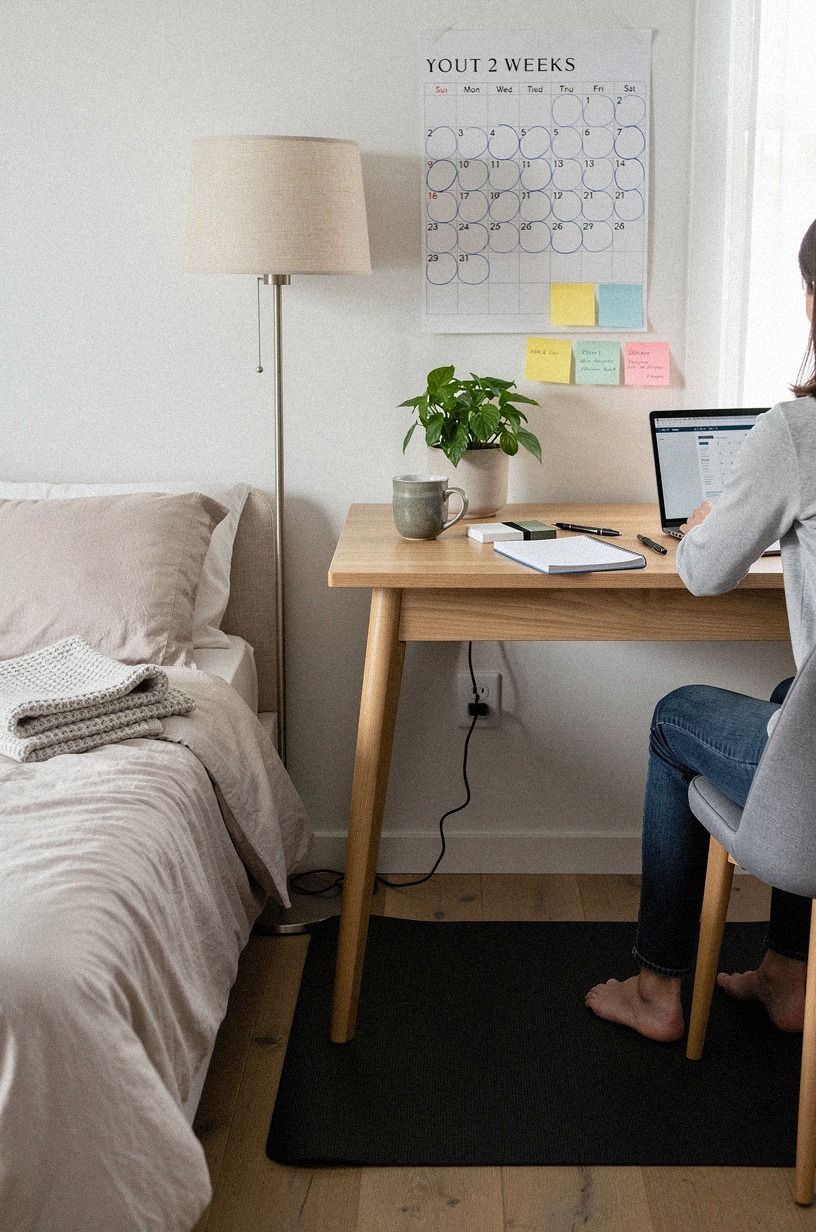
Place bare feet on the mat only after checking the product directions and cleaning the contact surface. Bare-foot contact usually gives a clearer physical reference than thick socks, but comfort comes first. Feet should rest naturally, without pressing down or curling toes.
Wash and dry feet before use if lotion, sweat, or dust creates a slippery surface. Avoid applying creams immediately before a session because residue can alter the texture and make the mat harder to clean. A damp cloth is often enough for routine care, while stronger cleaners should be used only when approved by the manufacturer.
This approach works well during quiet reading, email review, or short planning blocks. It’s less practical during cold mornings, shared offices, or tasks that require frequent movement. A thin sock can be more comfortable, but the sensation may change and the contact may not match the product instructions.
Stop if there’s burning, sharp discomfort, numbness, or skin irritation. A grounding mat should feel neutral and manageable, not intense.
People with foot sensitivity, circulation concerns, or skin conditions can ask a qualified clinician whether bare-foot use is appropriate. The mat is an optional desk accessory, not a substitute for professional guidance.
4Grounding Pad Connected Before Starting Desk Work
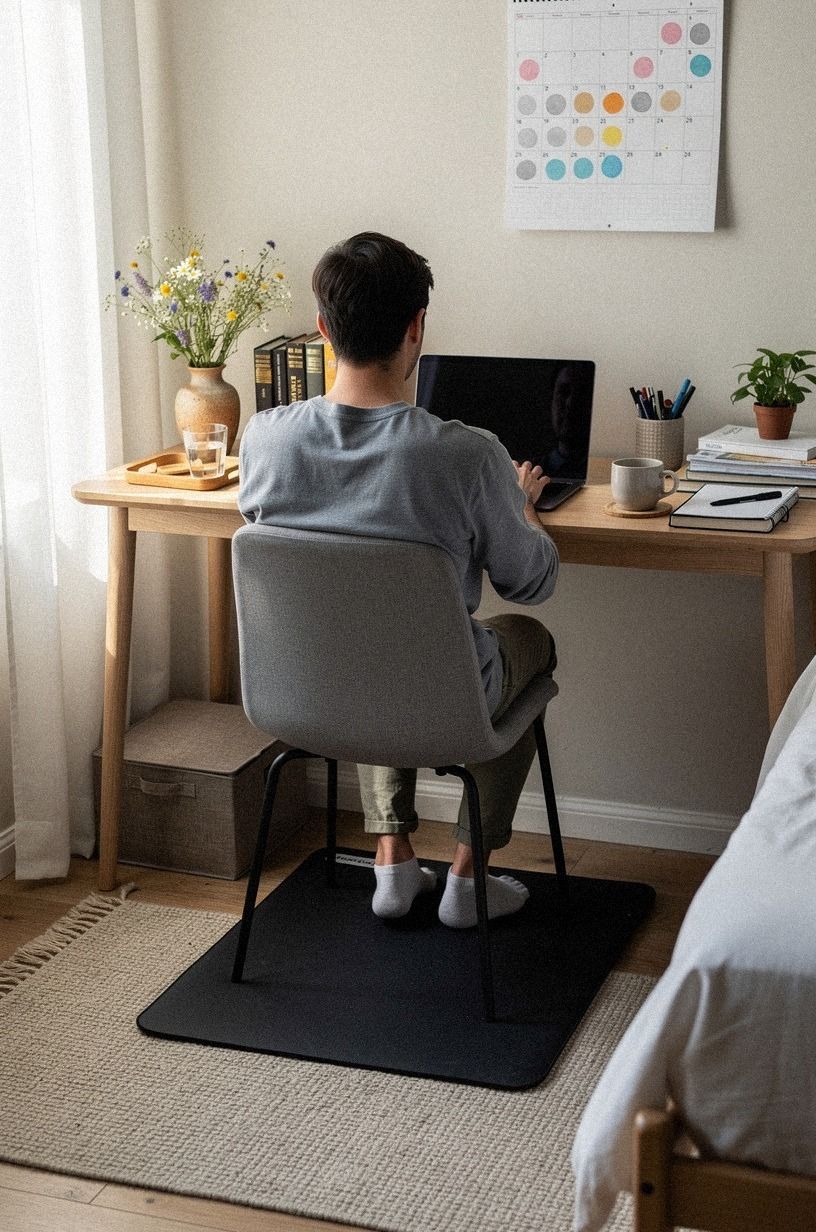
Connect the grounding pad before opening the first work application, then check that the cord isn’t stretched across a walking path. Outlet verification belongs at the beginning of the routine because a loose connection can go unnoticed once work starts.
Follow the product instructions for connecting the cord and grounding port. If a tester is supplied or recommended, use it as directed.
Don’t improvise with adapters, damaged cables, extension cords, or outlets that feel loose. Keep the connection away from spilled drinks and inspect the cord regularly for fraying.
This setup suits a fixed desk where the mat remains in one position. A portable workstation requires an extra check each time the desk moves. People who work in older buildings may want an electrician to evaluate a questionable outlet rather than relying on a mat to solve an electrical problem.
The first connection can become a simple cue: sit down, check the cord, place both feet, then begin. That sequence takes less than a minute when the area stays organized.
If the setup requires repeated troubleshooting, the routine may become more stressful than useful. Convenience is a valid reason to pause or discontinue use.
Why We Recommend This Product
If the ideas in this article speak to you, here is why this one product belongs next to them.
- 1
Nothing to charge or switch on.It is a woven layer with a cord, with no screen and no battery, according to the seller.
- 2
Set up once.The connection cord and plug are included, and the seller describes setup as a matter of minutes.
- 3
Easy to try without a long commitment.The product page states a 120-night trial. Read the terms for your country.
- 4
Your own bedding stays on top.You keep the sheets, pillowcases and blankets you already like.
What you get: a woven 316L stainless-steel sheet that goes under your fitted sheet, and the connection cord and plug.
Save 10% with code mattressnut
Through Nov 30: buy one sheet, get one free (per the brand)
5Grounding Mat Use Fit Into Morning Emails
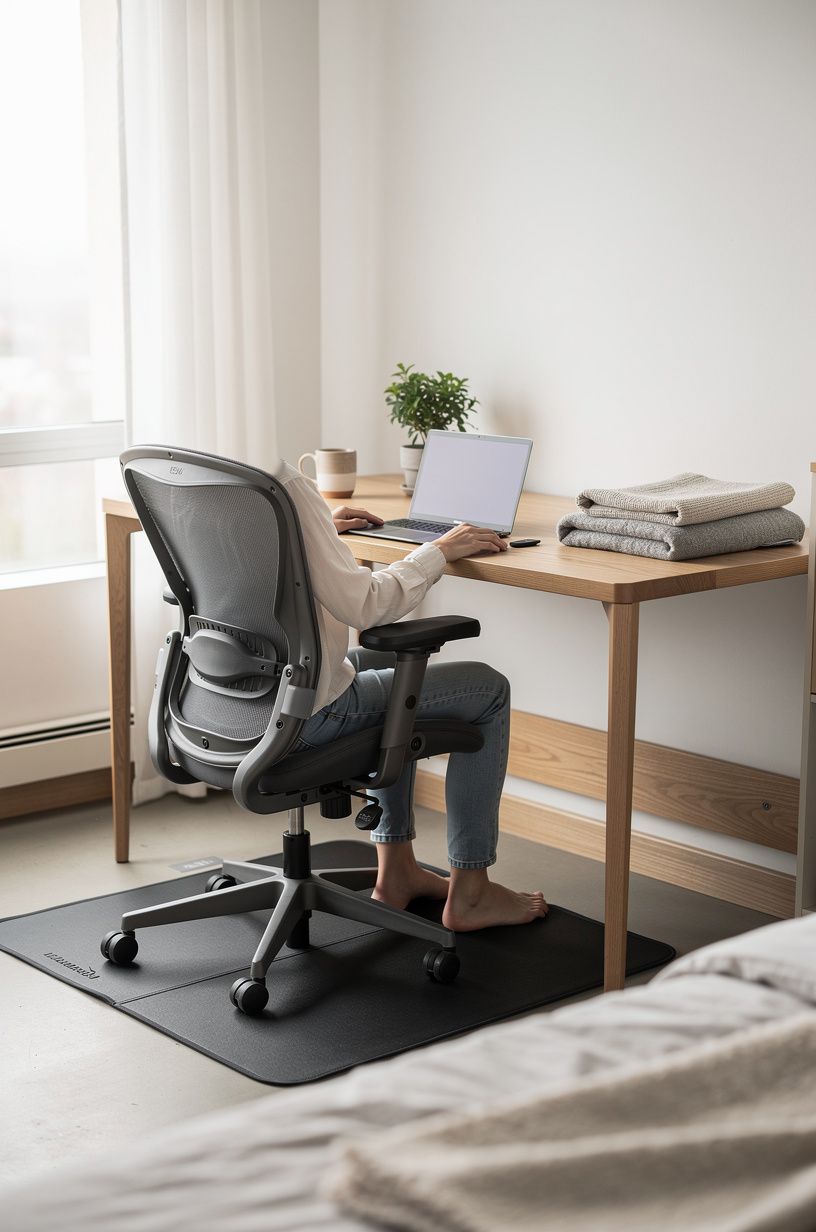
Begin the morning email block with the mat already positioned beneath the desk. Email timing works well because the task has a clear beginning, yet it can also stretch far beyond the planned duration. Set a reminder so the mat doesn’t become an unnoticed all-morning habit.
Keep the first session brief, such as 10 to 20 minutes, while reading messages or writing routine replies. Feet can remain flat, ankles relaxed, and knees aligned with the chair. Avoid leaning forward for long periods, since poor desk posture can create discomfort that has nothing to do with the mat.
This routine suits people who want a predictable cue at the start of work. It may not suit anyone who begins the day with urgent calls, commuting, childcare, or frequent standing tasks. A calendar block can help, but the routine should stay flexible when priorities change.
The useful observation is whether the mat fits without slowing the first task. If email responses take longer because attention keeps shifting toward foot sensations, move the session to a quieter block.
Morning use isn’t automatically better. A comfortable afternoon routine can be more sustainable than an ambitious morning plan that gets skipped.

6Two Weeks Revealed Grounding Mat Consistency Patterns
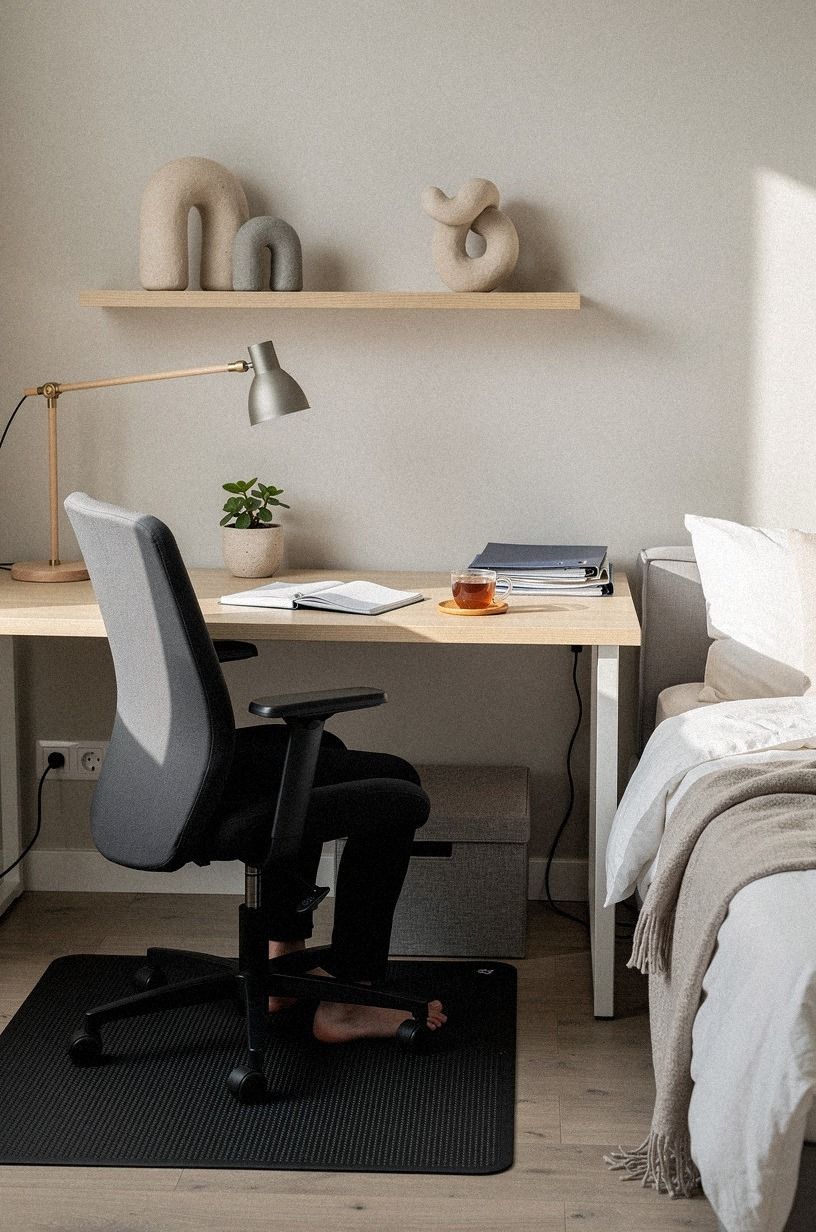
Record each session in a short two-week log with the date, approximate duration, footwear, desk task, and comfort rating from 1 to 5. Consistency tracking makes ordinary patterns easier to separate from assumptions. Keep the notes factual and brief.
A useful entry might read: “Tuesday, 20 minutes, bare feet, spreadsheet work, comfortable.” Avoid writing conclusions such as “worked better” after a single session. Compare several similar work blocks instead. If the mat feels different on cold mornings, note the room temperature or flooring condition rather than treating the sensation as a fixed result.
Two weeks can show whether use happens most often during email, focused work, or breaks. It can also reveal skipped sessions caused by meetings, travel, or awkward placement. Those details matter because a routine that is rarely used cannot provide a meaningful personal comparison.
The limit is obvious: a home log isn’t a controlled study. Sleep, workload, stress, hydration, and posture can all change during the same period.
Use the record to judge convenience and comfort, not to make medical claims. If notes become obsessive or increase worry, stop tracking and return to normal desk habits.
7Grounding Mat Worked Best During Focus Blocks
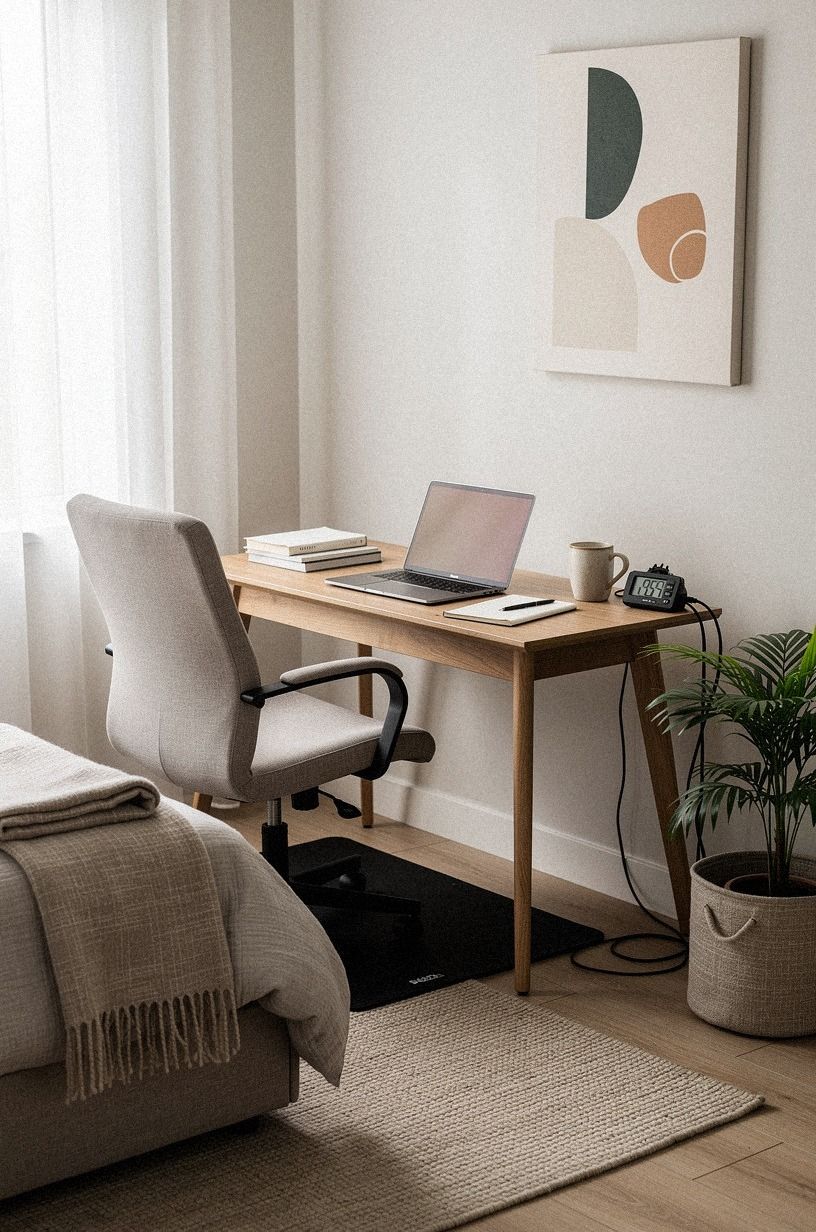
Place the mat beneath both feet during a defined focus block, then remove it from the routine when the block ends. Focus-block timing gives the setup a clear boundary and reduces the chance of sitting in one position for hours.
Choose a task that requires steady attention but doesn’t involve constant movement, such as drafting, data review, or reading. A 25-minute work period followed by a short movement break is one practical structure. During the break, stand, walk, or change position rather than staying seated with the mat.
This method suits people who already use a timer for desk work. It may feel unnecessary for creative tasks that involve frequent pacing or switching between screens. The mat should not become a reason to ignore stiff hips, tired eyes, or a chair that needs adjustment.
Notice whether the setup fades into the background or keeps demanding attention. Low distraction is the better sign for a workable routine.
If every focus block includes repeated checking, repositioning, or concern about sensation, shorten the session. A desk tool earns its place by fitting the task quietly.
8Grounding Pad Needed Regular Outlet Checks
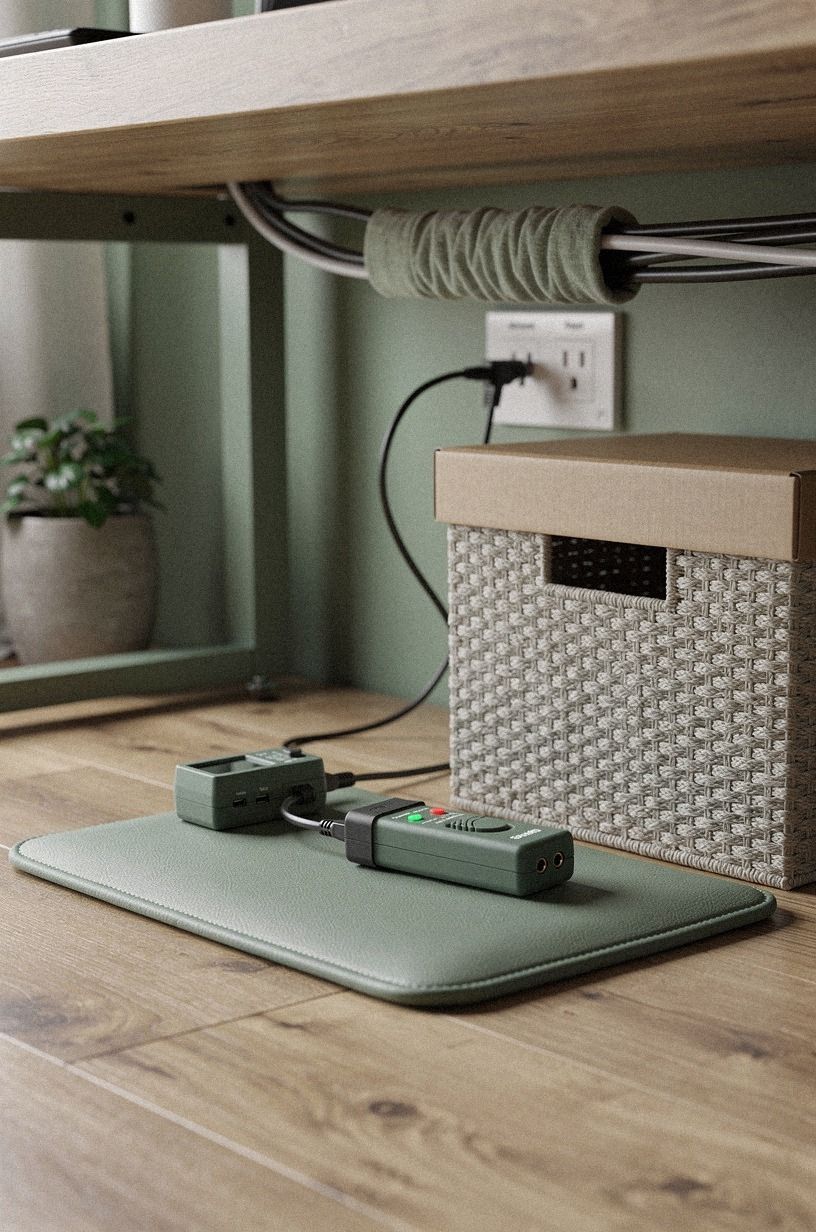
Check the outlet and connection once before the first session, then inspect them again whenever the desk, cord, or furniture moves. Regular outlet checks matter because grounding equipment depends on the electrical setup described by the manufacturer.
Look for loose plugs, bent prongs, visible damage, heat, unusual odor, or moisture near the connection. Don’t use the pad if any part appears damaged.
Avoid placing cords under chair wheels or beneath heavy furniture. A cable channel can reduce movement, but it should not hide damage from view.
People using a shared office or temporary rental should ask permission before changing outlet hardware. Anyone unsure whether an outlet is properly grounded can request an electrician’s assessment. A basic outlet tester may provide information, but it doesn’t replace professional evaluation when wiring is old or uncertain.
The mat should never be treated as electrical protection. It doesn’t make an unsafe outlet safe, and it shouldn’t be used near spills or exposed wiring.
If outlet checks become inconvenient, unplug the setup and store it until the workspace can be assessed. A brief pause is preferable to forcing a questionable connection.
9Grounding Mat Sessions Ended With Foot Reset
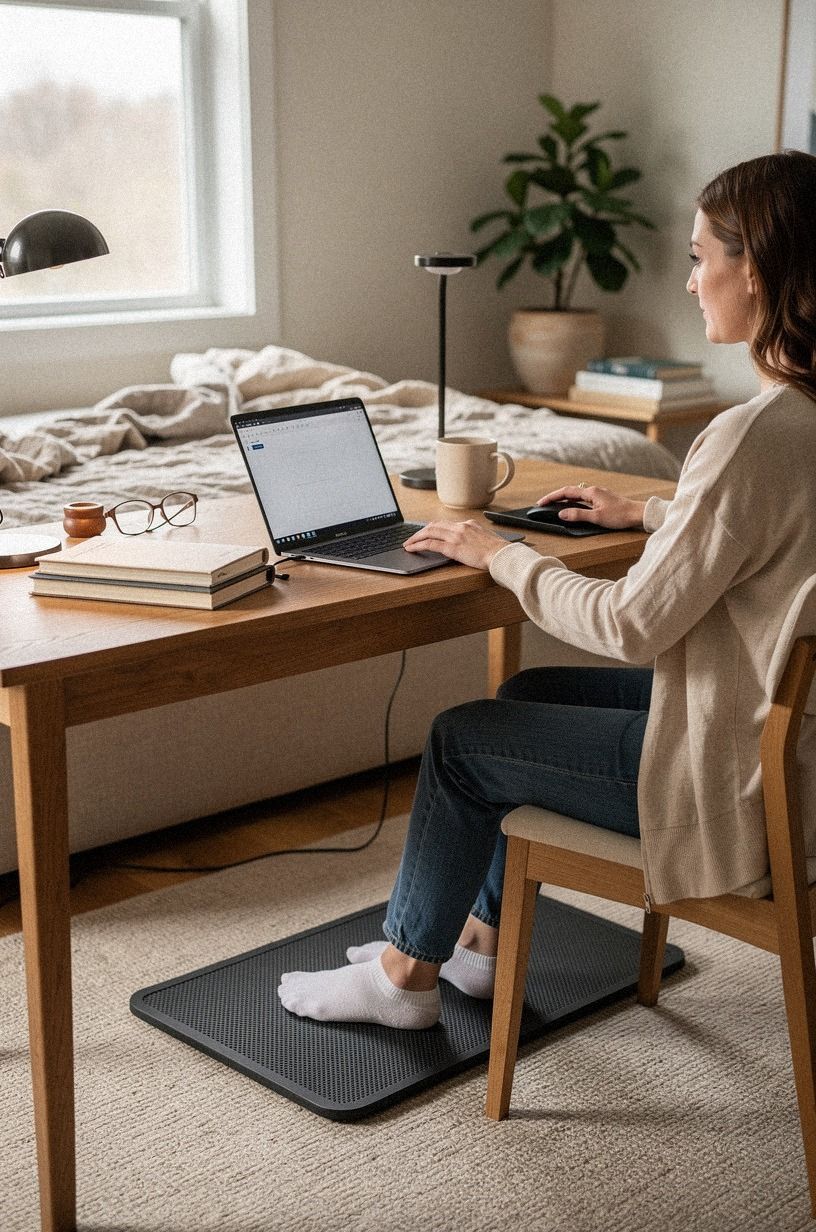
End each grounding mat session by lifting both feet, standing slowly, and taking a short walk before returning to the next task. Foot reset prevents the session from becoming another long period of stillness.
Notice whether the feet feel warm, cool, stiff, or unchanged. These are simple comfort observations, not proof of a therapeutic result. Stretch the calves gently if that normally feels comfortable, then check that the chair and desk remain at a workable height.
This closing step suits people who tend to forget movement once a timer ends. It’s especially useful after reading, spreadsheet work, or long video calls. A 1-minute reset may be enough, though longer movement breaks can fit better after a demanding block.
Stop immediately if numbness, pain, dizziness, or unusual skin changes appear. A mat session should not create a need to push through discomfort. People with known foot or circulation concerns can request individual advice from a qualified clinician.
The point of the reset is simple: end the session deliberately and return attention to the whole workstation.
Premium Grounding Sheets: what you get
Specifications as stated by the manufacturer.
| Material | Woven 316L stainless-steel fibers |
|---|---|
| Fit | Beneath your existing fitted sheet |
| In the box | Connection cord and plug |
Save 10% with code mattressnut
Through Nov 30: buy one sheet, get one free (per the brand)
10Work From Home Wellness Included Grounding Mat Breaks
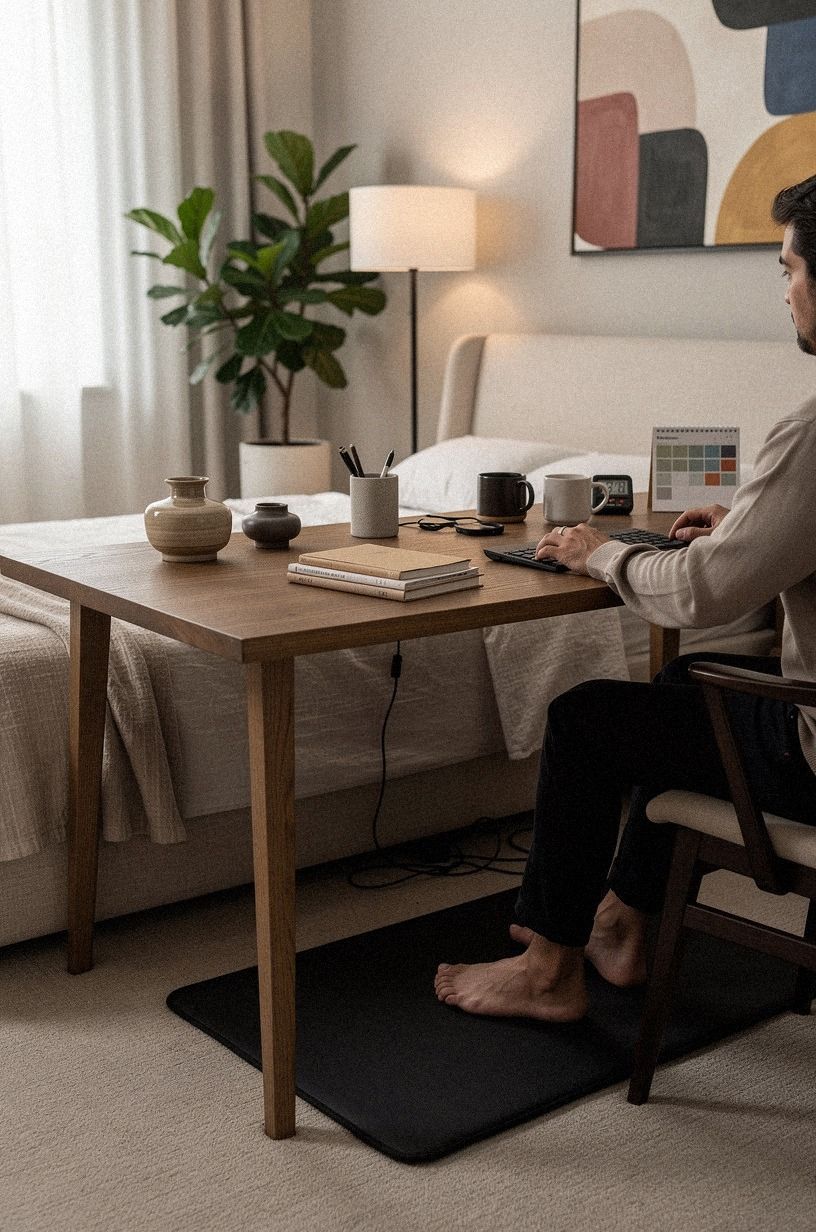
Add the grounding mat to an existing work-from-home wellness break, such as standing, walking, stretching, or drinking water. Work from home wellness works better as a flexible group of habits than as a single device-centered routine.
Choose one break each day for mat use, then spend the remaining breaks away from the desk. This prevents the mat from replacing movement, fresh air, posture changes, or ordinary rest. A short walk to another room can be more useful for variety than repeating the same seated pattern.
The routine suits people with a stable home workspace and predictable breaks. It may be less practical in a shared room, during caregiving, or when workdays change daily. Keep the mat easy to store, but don’t leave it where it can become a trip hazard.
Track whether the mat makes breaks easier to remember or simply adds another task. If it supports a calm pause, keep the habit modest.
If it creates pressure to follow a perfect schedule, remove that expectation. Wellness routines work best when they leave room for ordinary interruptions.
11Grounding Mat Position Shifted With Desk Tasks
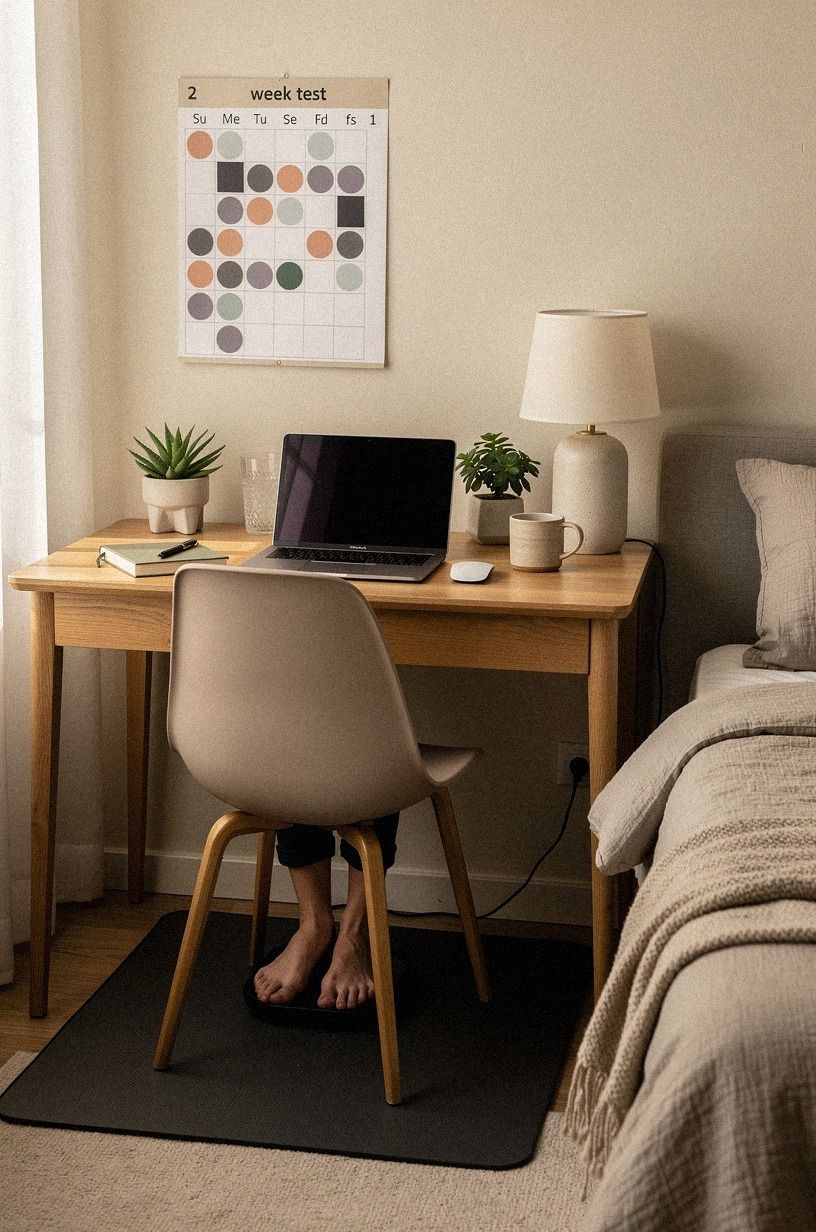
Move the grounding mat only when the task genuinely requires a different foot position, then return it to the same reference point. Task-based positioning can support changing work demands without turning every transition into a setup project.
For keyboard work, center the mat beneath both feet and keep the chair close enough that knees remain relaxed. For reading, shift the mat slightly only if the chair angle changes.
During standing work, follow the product directions rather than placing the mat wherever the body happens to land. Not every mat is designed for standing use.
This approach suits desks used for writing, calls, and screen work throughout the day. It’s less useful when the mat slides, curls, or catches against chair wheels. A non-slip surface beneath the mat may help only if the manufacturer permits it and the added layer doesn’t affect contact.
Notice which position feels easiest to maintain. That position can become the default, while less comfortable arrangements can be skipped. A grounding mat doesn’t need to serve every desk task.
Limiting use to one or two reliable situations often makes the habit clearer.
12Grounding Mat Use Stopped Before Evening Routine
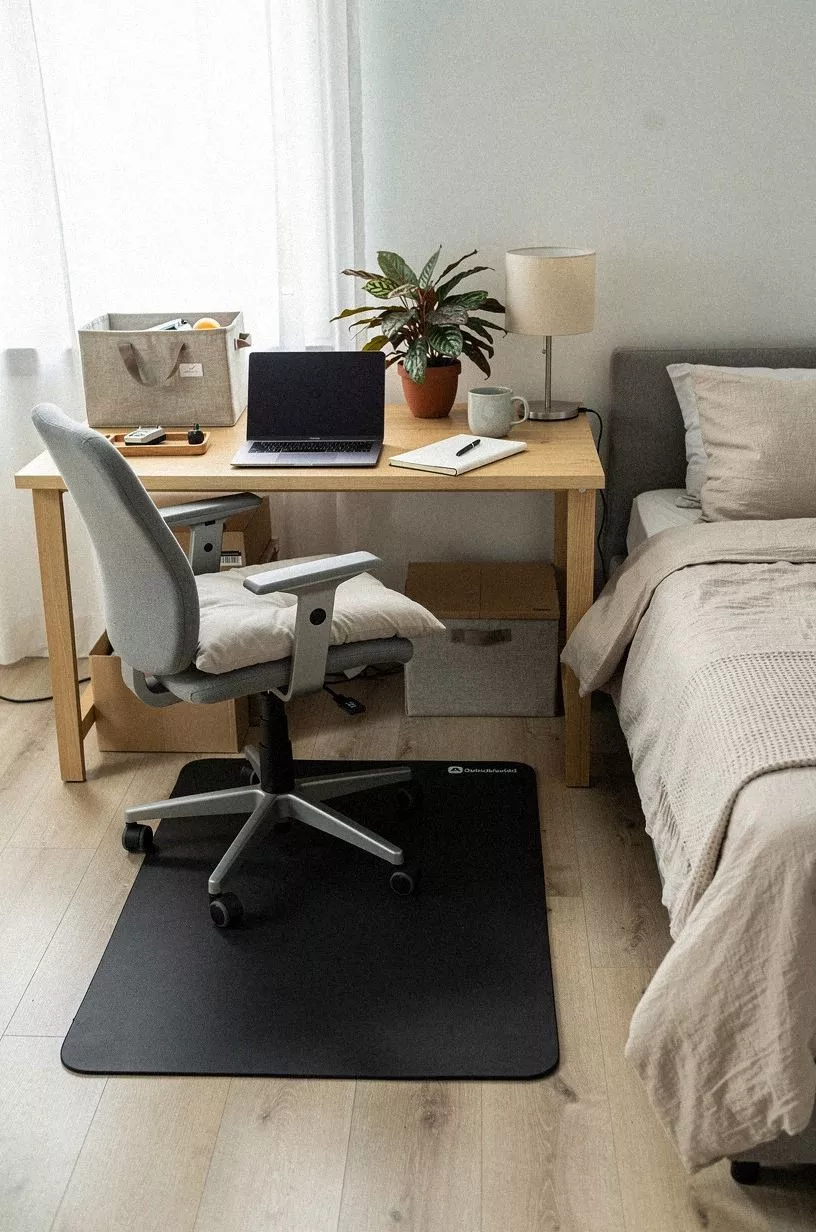
Stop using the grounding mat before the evening routine begins, then unplug and store the cord if the workspace remains accessible. A clear stopping point keeps the desk habit separate from dinner, household tasks, and personal downtime.
Choose a consistent cutoff based on the workday rather than a rigid clock. For some schedules, that means after the final email.
For others, it means after a late work block ends. The important detail is that use doesn’t continue simply because the mat remains under the desk.
This boundary suits people who want a defined transition away from work. It may not fit rotating shifts or late-night study, so the cutoff can follow the actual schedule. Store the mat flat or according to product instructions, and keep the cord away from pets, children, moisture, and walking routes.
A grounding mat should remain optional after work ends. No session is required when fatigue, discomfort, or household demands make the setup inconvenient. Ending use deliberately leaves the next workday easier to organize and prevents the tool from taking over the entire routine.
What Two Weeks Actually Clarified
A grounding mat fits most easily into a desk routine when placement, bare-foot contact, outlet checks, and session length stay simple. Two weeks can reveal convenience patterns, but the record cannot prove a medical effect. Comfort, safety, and a clear stopping point matter more than extending each session.
Where to Start First
Start with consistent grounding mat placement under both feet during one short focus block, because a repeatable setup makes every later observation easier to judge. Keep the routine optional and stop whenever discomfort or electrical concerns appear.
Affiliate link: this article contains affiliate links. The site may earn a commission if you purchase through them.