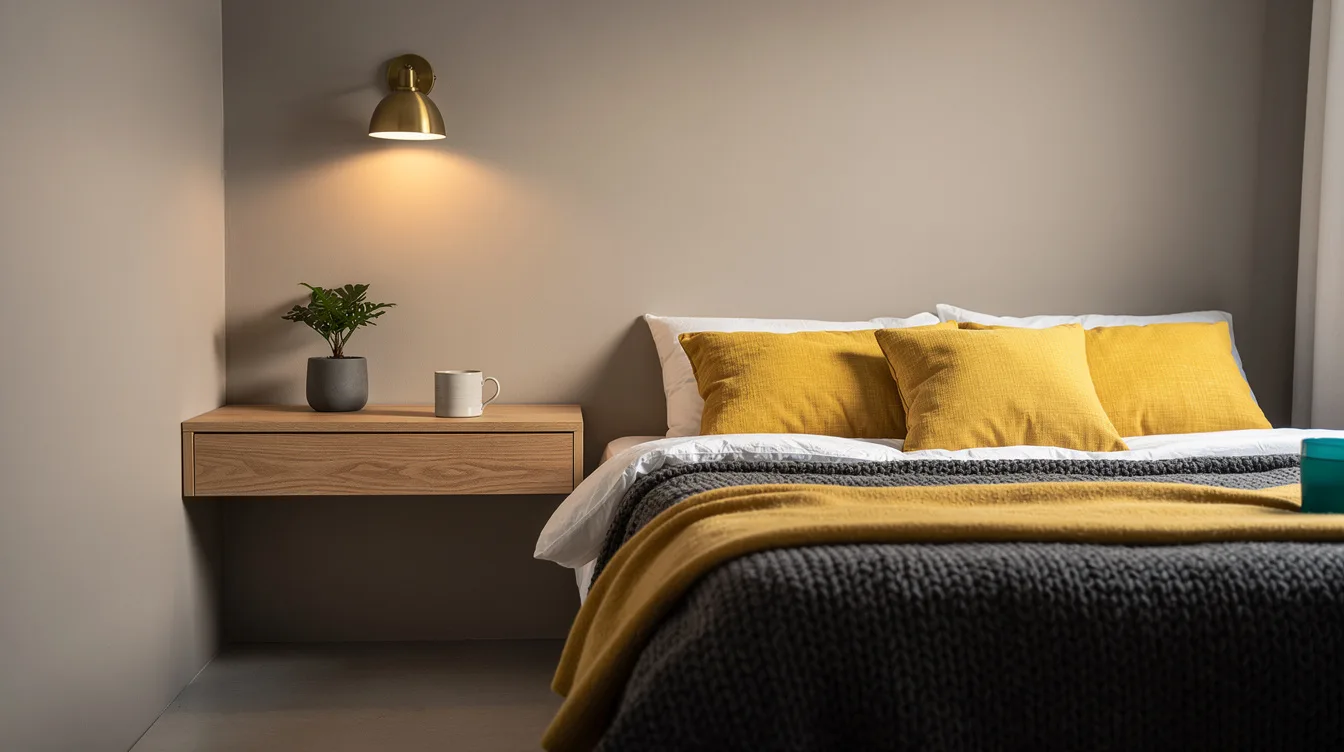
I once watched a 54-inch bed turn a narrow rental bedroom into an obstacle course because two tiny tables claimed the last inches of floor. The smarter move is usually to remove floor furniture first, then give the essentials one deliberate landing spot.
Designers favor bedside surfaces that protect the walking path instead of pretending a cramped room needs matching furniture on both sides. A phone, water glass, paperback, and charging cable need far less square footage than most nightstands provide.
Float a Shelf at Mattress Height
A solid oak floating shelf is the cleanest answer when the bed nearly touches the wall. Choose one roughly 12 to 18 inches wide and 6 to 10 inches deep, installed level with the mattress, so it feels like furniture rather than a random ledge.
Typical ready-made shelves run about $60 to $250, while custom walnut or ash versions cost more. Leave the floor open beneath it for a soft basket, and the room immediately reads wider.
Pair a Tiny Ledge With a Sconce
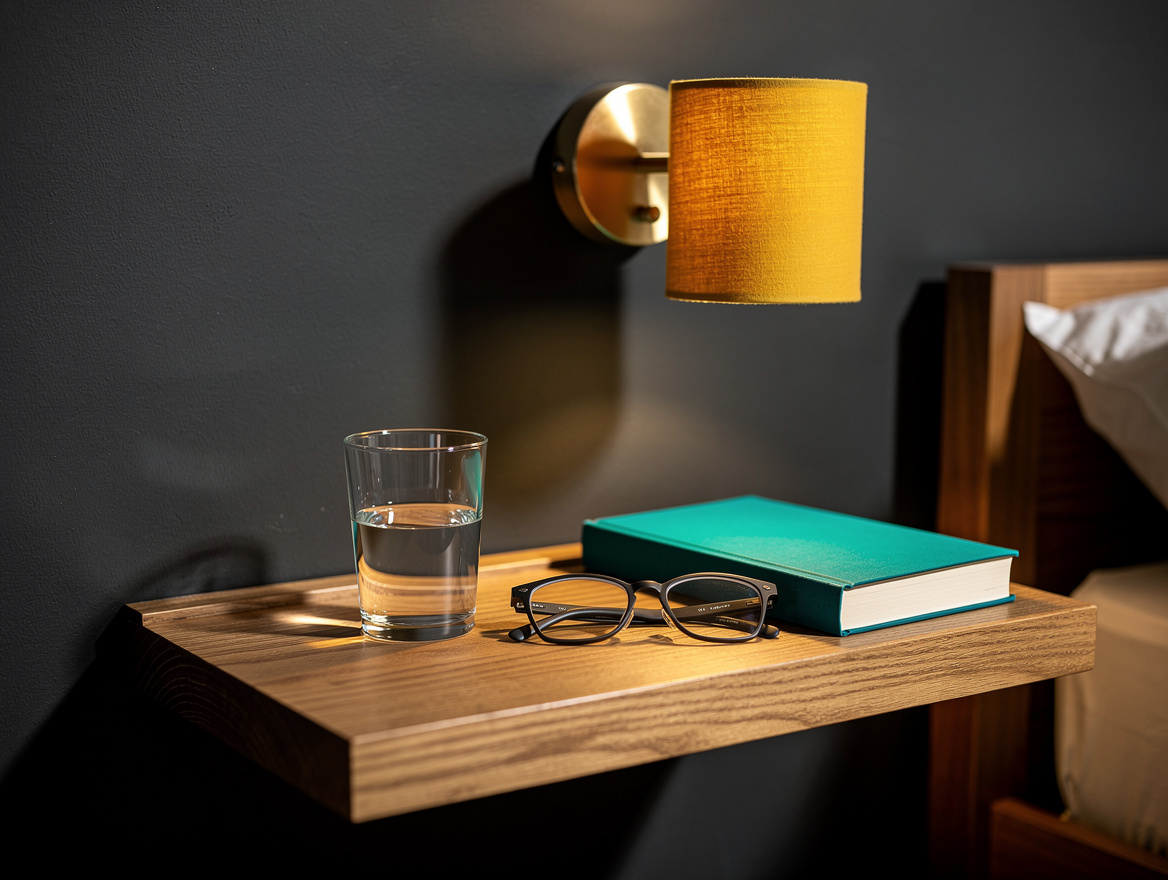
Use a brass wall sconce above a ledge when your bedtime inventory is minimal. A 10-to-16-inch ledge with roughly 5 to 8 inches of depth holds the useful stuff without inviting a pile of receipts and cords.
Typical combined costs are around $100 to $450 per side for a plug-in sconce and simple ledge. I prefer a plug-in model from Home Depot in a rental, because the cord can be managed neatly and the wall stays easier to restore.
Let a Small Dresser Do Both Jobs
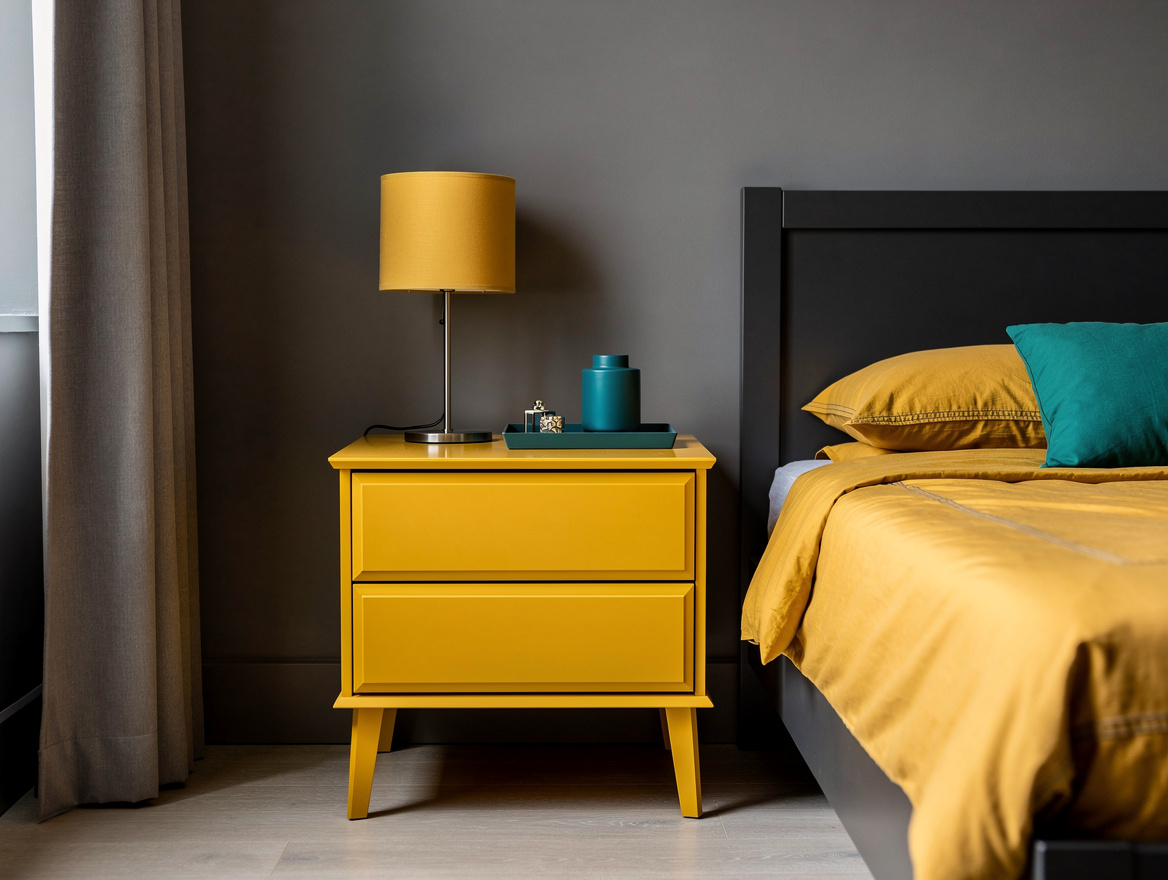
A painted wood dresser earns its footprint when the bedroom has no real closet storage. Look for a piece roughly 18 to 24 inches wide, 16 to 20 inches deep, and 24 to 30 inches high, which gives you drawers without overwhelming the mattress.
Mass-market options typically land around $150 to $700. A compact IKEA MALM dresser can work, but keep the top almost empty: one lamp, one book, and a tray make it look intentional rather than overworked.
Put a Compact Desk to Work at Night
A narrow walnut veneer desk makes sense in a guest room that occasionally becomes a work zone. Aim for roughly 18 to 24 inches wide and 16 to 20 inches deep, and confirm that the chair tucks completely underneath before you commit.
Typical compact desks cost about $180 to $900, depending on material and drawers. A small Wayfair writing desk is more convincing beside a bed than a large office desk, especially with a low-profile lamp and concealed charging block.
Claim the Window Ledge You Already Have
A deep wood window sill is the most satisfying no-footprint solution when the bed sits beside it. You need roughly 6 to 8 inches of usable depth and 12 to 18 inches of clear width for a drink, reading glasses, and a book.
The existing sill costs nothing, while a custom hardwood cap typically runs about $100 to $500. Keep moisture-sensitive items away from a drafty window, and use a small coaster so the surface still looks cared for.
Move Storage to the Foot of the Bed
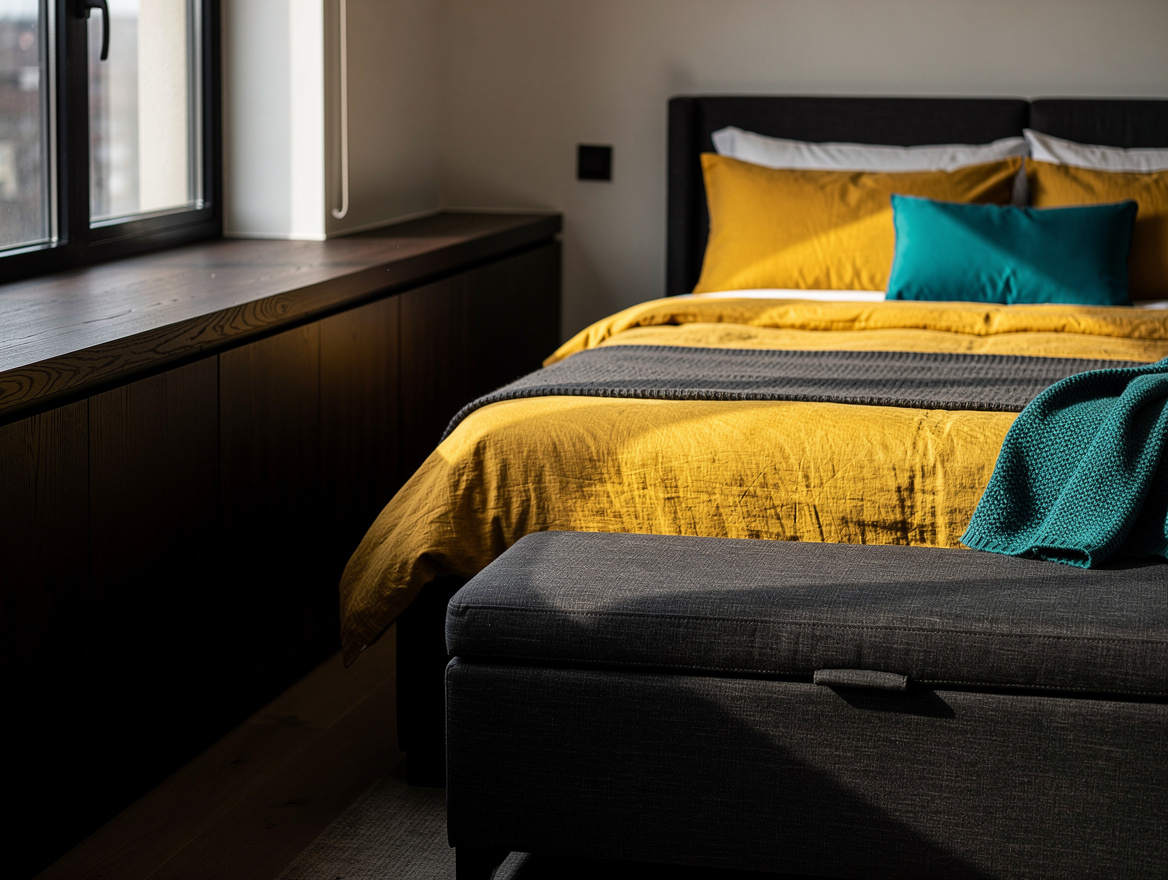
When neither side has clearance, a linen storage bench at the foot of the bed solves the actual problem: where blankets, cables, and extra books go. A bench roughly 40 to 60 inches wide, 14 to 18 inches deep, and 17 to 20 inches high adds capacity without narrowing the bedside route.
Typical options run about $120 to $800. A Target upholstered bench is a strong practical choice for a soft bedroom, but skip bulky arms and tall backs, which make a small room feel blocked from the doorway.
Start with the side of the bed that has the tightest passage. A shelf and sconce there will make the room function better before you spend a dollar on a second piece of furniture.
Mia Carter writes about small-space living and budget home makeovers. She has restyled three rentals and tests most ideas in her own 45 sqm flat.