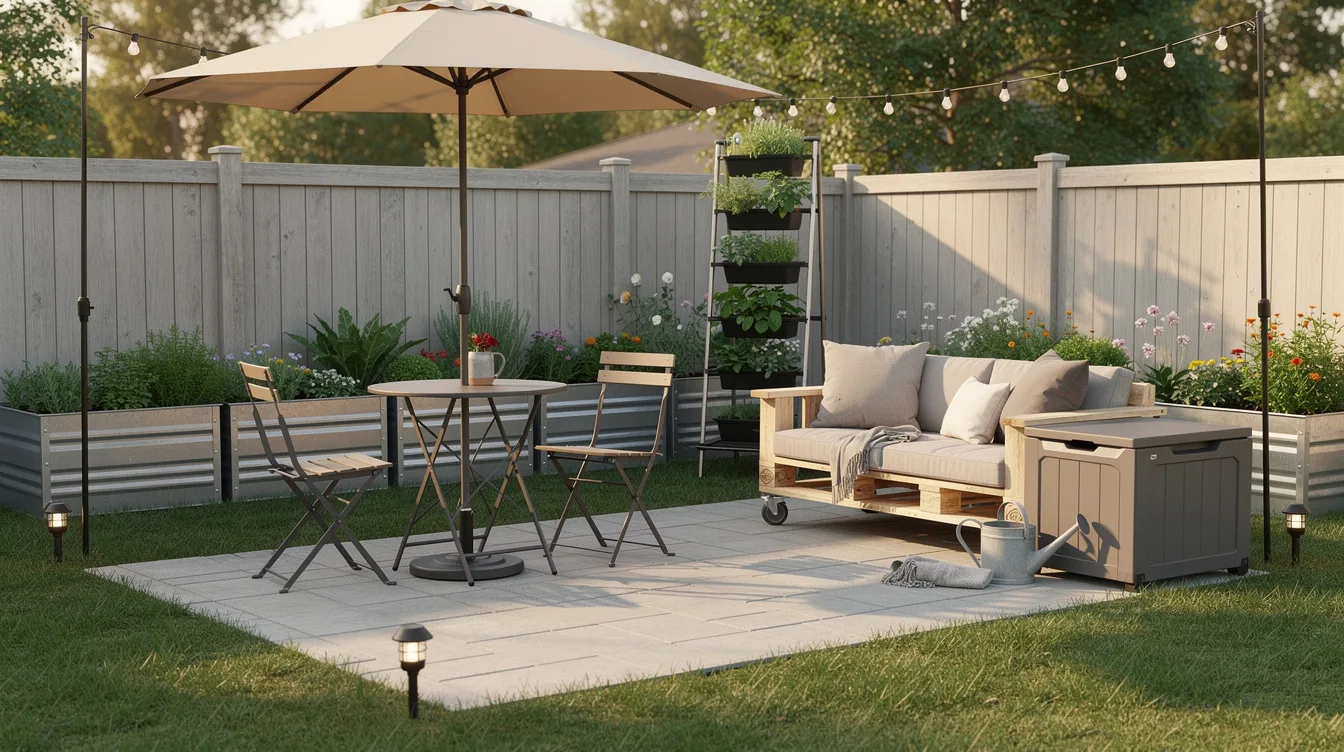
The first summer in my rental, I kept dragging the same two flimsy chairs across a patchy lawn and pretending it counted as a backyard setup. By August, the cushions were damp, the grill path was blocked, and I realized I did not need a makeover, I needed a kit.
That changed how I bought everything. I looked for pieces I could move, store, and reuse when the season ends, with no digging, no drilling, and no awkward repairs before move-out day.
Start With a Folding Set You Can Carry Alone
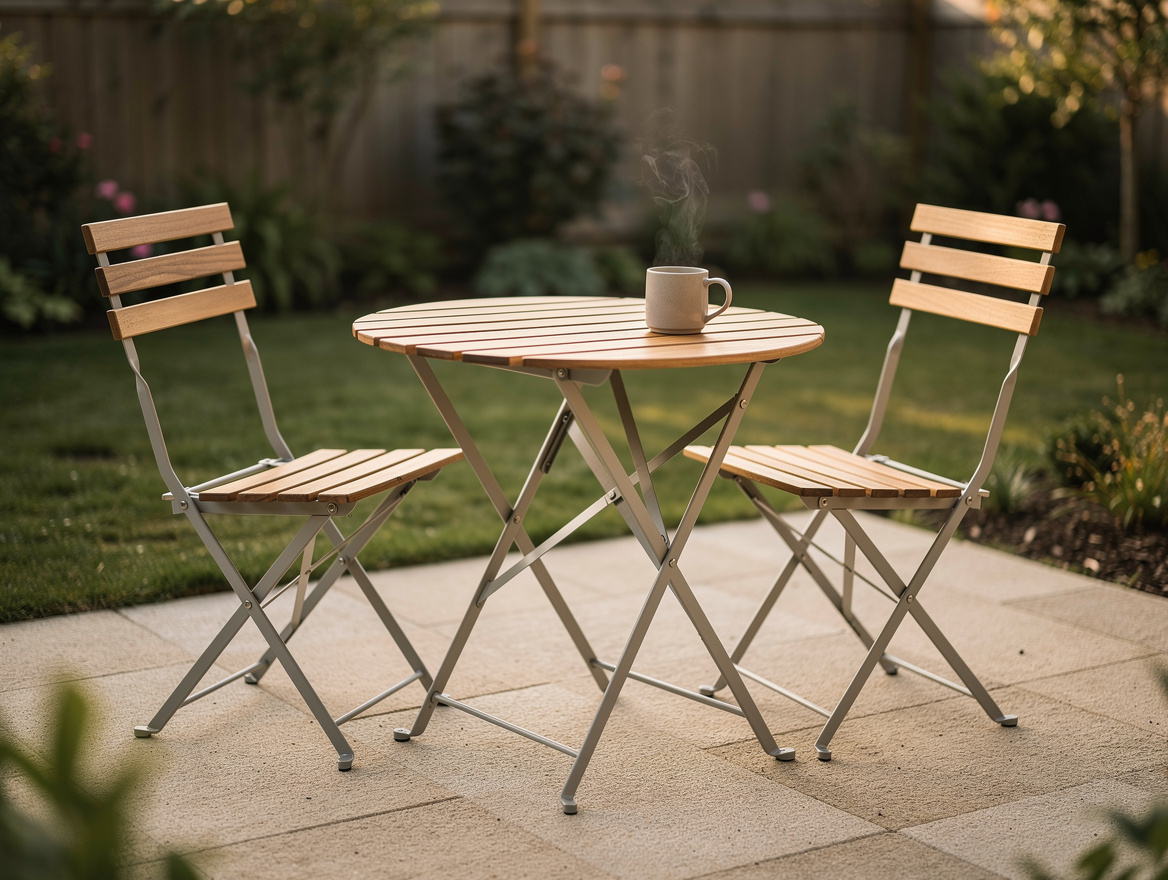
The first thing I bought was an IKEA TÄRNÖ table and two chairs because I needed somewhere to sit that did not feel like a commitment. The table is about 21.5 by 21.5 inches, and the whole set typically lands around $70 to $100 depending on sales and location.
I like it because it folds flat in under a minute and fits against a wall in a shed or even a coat closet. For a rental, that matters more than a heavy dining set that looks better for one month and becomes dead weight every time you move.
A small seating zone changes how a backyard gets used. A mug, one plate, two chairs, done.
Build One Rolling Bench Instead of Buying Bulky Seating
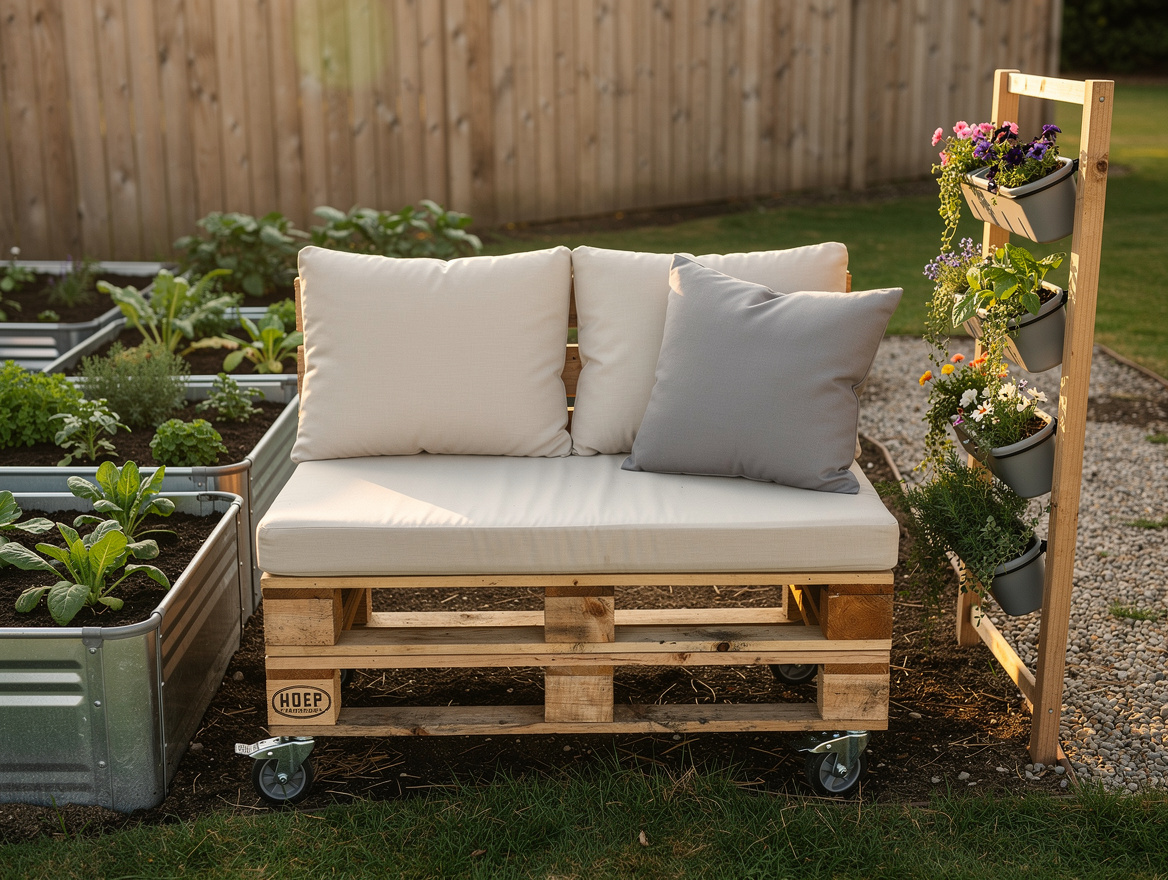
I skipped a big sectional and made one bench from wood pallets, locking casters, and outdoor cushions. A typical pallet is about 47 by 31 inches, and a two-pallet bench usually ends up around 63 to 71 inches wide with a seat height near 18 to 20 inches once the cushion is on.
The price is friendly if you keep it simple: used pallets often run $0 to $20 each, a set of four heavy-duty casters is typically $30 to $45, and cushions can add another $50 to $90. That is still cheaper than a lot of outdoor sofas at Target or Wayfair, and it moves when the sun shifts.
This is the piece that made my yard feel flexible instead of fixed. I can roll it toward the fence for movie night, then push it back so the main path clears in about ten minutes.
Use Raised Beds That Unbolt and Move Flat
I wanted a garden, but digging into a rental yard is where good intentions usually meet the lease. Freestanding metal raised beds solved that fast, especially the powder-coated styles sold through Home Depot, Lowe’s, and gardening brands like Birdies.
A small bed is typically around 48 by 24 inches and 12 to 18 inches high, with average prices around $100 to $160 for better steel models and $40 to $70 for budget versions. I think the mid-range steel beds are worth it because they hold shape better, and the panels can be unbolted and nested flat when you move.
I put mine on a weed-barrier layer so it works on grass or gravel without turning into a permanent project. That one choice kept the whole setup renter-safe and a lot less messy at the end of the season.
Grow Upward With a Tower or Trellis Planter
Vertical gardening gave me the biggest visual payoff per square foot. A GreenStalk planter tower, or a freestanding planter-and-trellis combo from Amazon or Ace Hardware, gives you height without a shovel.
A tower usually has a base around 16 to 20 inches across and stands roughly 43 to 60 inches tall, while planter trellis units are often 24 to 32 inches wide with a trellis around 60 to 72 inches high. Typical pricing is about $80 to $150 for a sturdy tower or trellis planter, and fabric pocket versions can drop to roughly $25 to $40.
I prefer the trellis planter near a fence because it adds privacy and greenery at the same time. Herbs in the lower section, a climbing vine up top, and the yard suddenly has a real backdrop.
Add Shade and Privacy With Weighted Pieces, Not Hardware
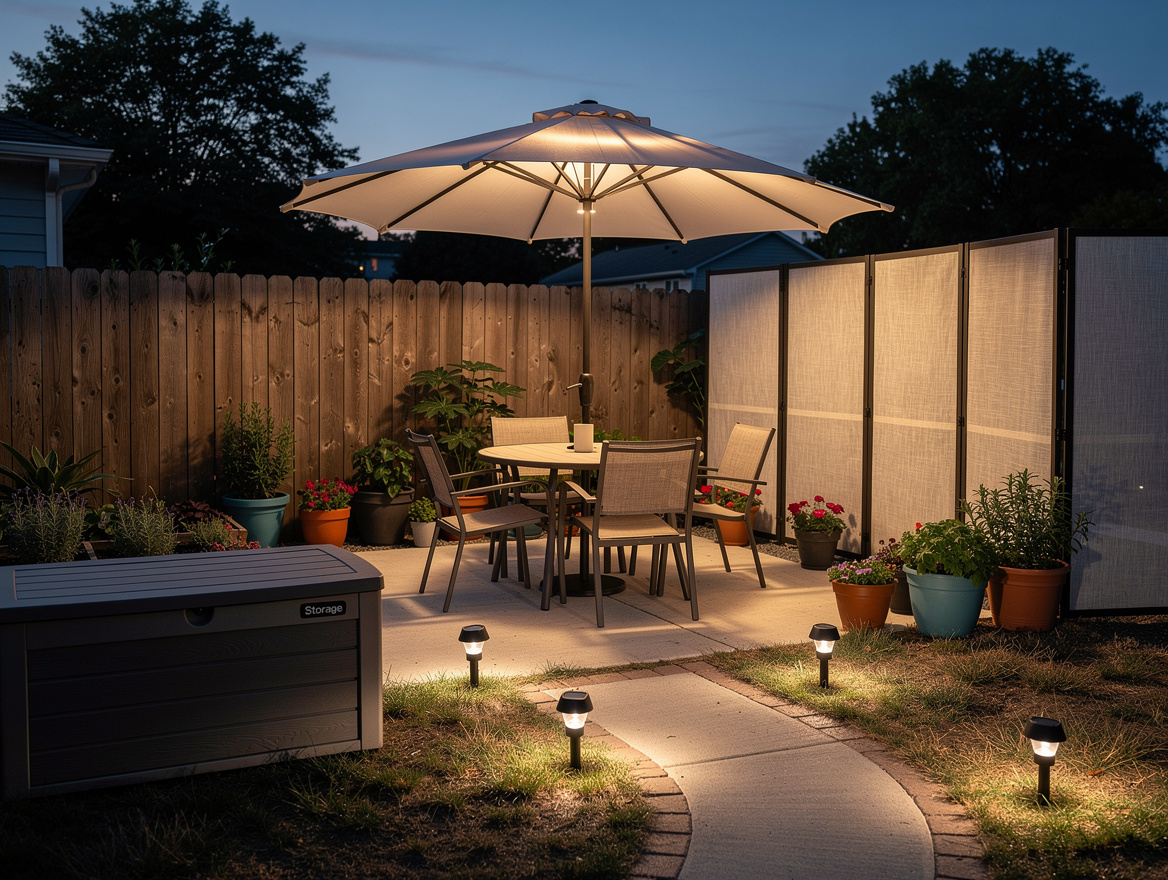
This was the category that kept me from wasting money on things my landlord would hate. I stuck to a freestanding patio umbrella, tall planters, and a portable outdoor screen instead of anything that needed drilling into siding or a fence.
A basic 9-foot umbrella from Walmart, Target, or Costco usually runs about $50 to $130, and the base often costs another $40 to $90 depending on weight. Portable privacy screens and foldable dividers commonly land around $60 to $180, which is a lot less painful than replacing damaged fence boards or patching holes later.
I have a strong opinion here: use weight, not attachment, as your default rule. If a privacy idea only works once it is screwed into something, it is probably the wrong idea for a rental backyard.
Finish With Solar Light and Storage That Earn Their Footprint
Lighting and storage are the last layer, but they are what make the whole setup reusable instead of chaotic. I like a solar path light set, one portable lantern, and a weather-resistant deck box from Home Depot, Costco, or Wayfair.
Solar stake lights usually cost about $20 to $50 for a multipack, and a lidded deck box around 80 to 150 gallons typically ranges from $100 to $220. That storage space matters because cushions, covers, hand tools, and string lights all need a home if you want the yard to reset fast.
I also added a small mini greenhouse with a steel frame and PVC cover for seedlings. Those portable units are usually about 28 to 31 inches wide, 16 to 20 inches deep, 59 to 67 inches tall, and typically cost $50 to $100, which is a fair price for something that breaks down into poles and a folded cover.
This section is not glamorous, but it is what keeps the rest of the yard usable. A backyard kit only works if you can pack it up without turning the garage into a pile of wet fabric and tangled cords.
If you are starting from scratch, buy the folding seating first, then add one planter, one shade piece, and one storage box. Once those four parts work together, the rest of the backyard gets a lot easier to build without locking yourself into the property.
Mia Carter writes about small-space living and budget home makeovers. She has restyled three rentals and tests most ideas in her own 45 sqm flat.