
A grounding sheet wins over a skeptical husband when the setup is visible, testable, and limited to one clearly assigned side of the bed. The practical answer isn’t a debate about promises; it’s a shared routine covering cord placement, connection checks, and respectful space rules. Each step below helps couples share a bed without turning earthing into a nightly argument.
- Grounding Sheet Boundaries Stop Bedside Mockery
- Husband Tests the Grounding Sheet Connection
- Grounding Sheet Stays on the Original Side
- Earthing Grounding Agreement Protects Each Sleep Side
- Husband Shares the Grounding Sheet Tonight
- Grounding Bed Sheets Require Equal Bed Space
- Couples Sleep Rules Follow Grounding Sheet Placement
- Grounding Sheet Theft Ends With Clear Boundaries
- Husband Returns the Grounding Sheet Before Bedtime
- Earthing Grounding Setup Separates Each Sleep Side
- Couples Sleep Together Without Taking Grounding Space
- Grounding Bed Sheets Need Respectful Side Switching
The essentials for a calmer bedroom
The five pieces we recommend for a calmer bedroom.

Premium Grounding Sheet
Premium Grounding · woven 316L stainless-steel fibers, goes under your fitted sheet
Save 10% with code mattressnut
Through Nov 30: buy one sheet, get one free (per the brand)
 THE MATTRESS
Saatva Classic
Saatva
- THE TOPPER
Graphite Topper
Saatva
- THE PILLOW
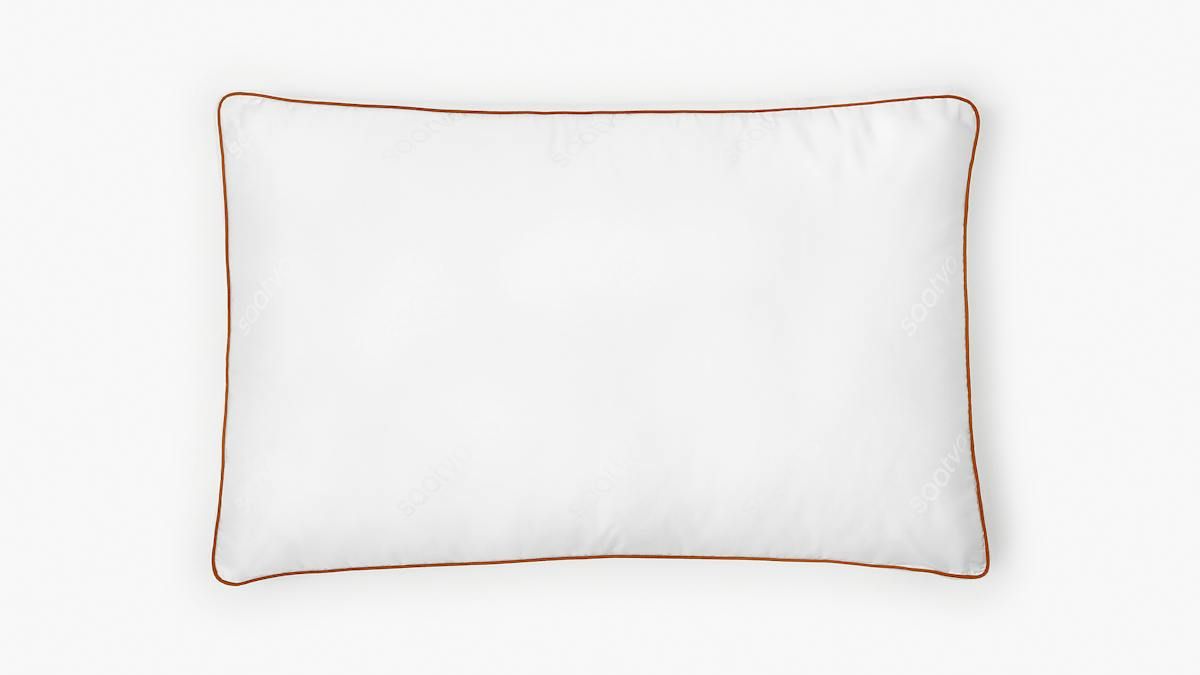
The Saatva Pillow
Saatva
- THE COMFORTER
Down Alternative Comforter
Saatva



1Grounding Sheet Boundaries Stop Bedside Mockery
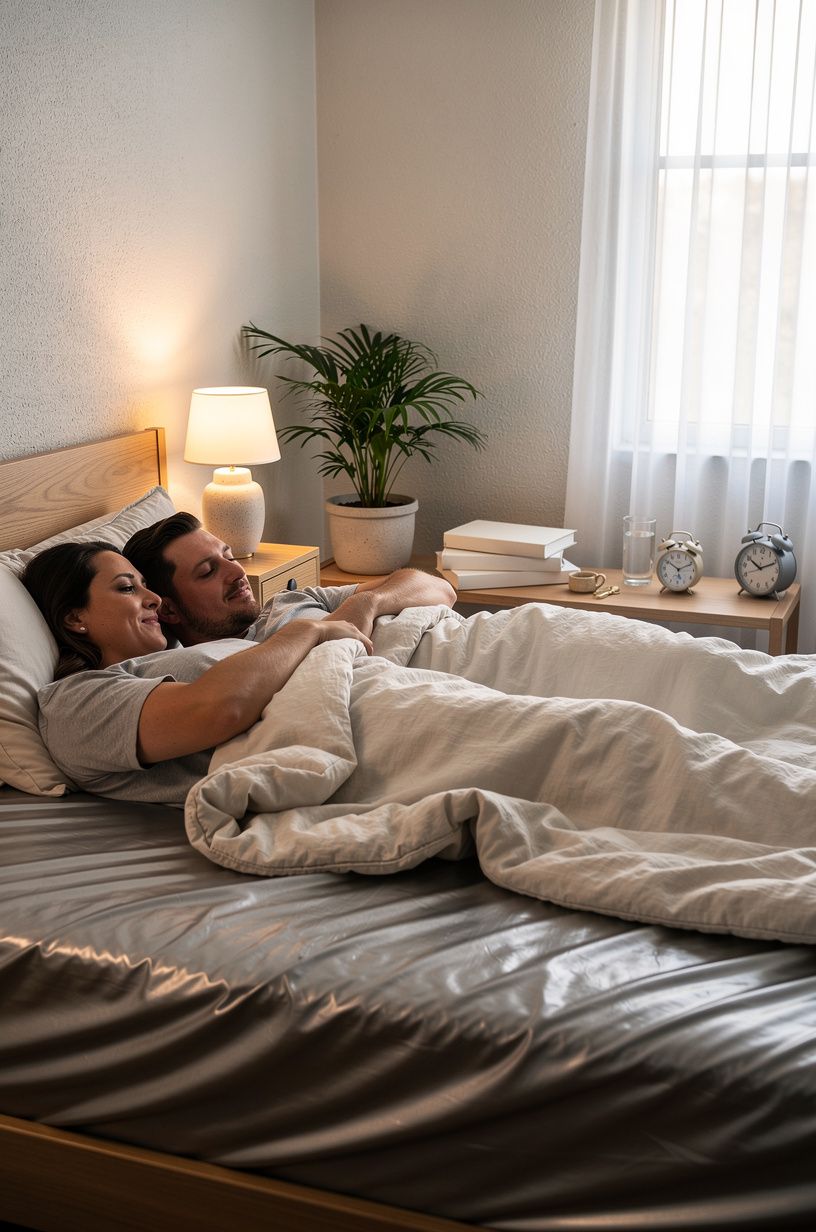
Set one clear rule before bedtime: jokes are acceptable, but touching, unplugging, or pulling the grounding sheet away isn’t. Explain that the sheet belongs to one defined sleeping position, just like a pillow or blanket corner. Keep the grounding cord along the outside edge so it doesn’t cross the center of the mattress.
A short conversation works best when nobody is already tired. Say what the sheet does, where the connection sits, and which actions are off-limits.
A skeptical husband doesn’t need to agree with every claim to respect the arrangement. He only needs to understand that the sheet is personal equipment, not a shared prop.
If the sheet causes irritation, keep the conversation practical. No health promises are necessary, and no argument needs to settle the science tonight.
The boundary is about consent, access, and routine. Couples who need a firmer visual reminder can mark the assigned half with a small washable label beneath the fitted sheet. That keeps the discussion calm and the sleeping position obvious.
2Husband Tests the Grounding Sheet Connection

Test the grounding sheet connection before the first full night, using the tester recommended by the manufacturer. Plug the cord into the sheet, connect the other end to the grounding port, and check the reading while the mattress remains undisturbed. A five-minute check can prevent hours of doubt later.
Keep the cord loose enough to avoid tension, but short enough that it won’t trail across a walking path. If the tester shows no connection, try a different properly grounded outlet rather than guessing. A wall outlet tester may help identify a wiring issue, but it doesn’t replace the product’s own instructions.
Show the result to a skeptical husband without turning the test into a challenge. The useful question is simple: does the connection register or not?
This how to test a grounding sheet explains the checking process in more detail. If the reading changes when the cord moves, stop using the setup until the connection is inspected.
A grounding sheet should be easy to verify, not mysterious.
3Grounding Sheet Stays on the Original Side
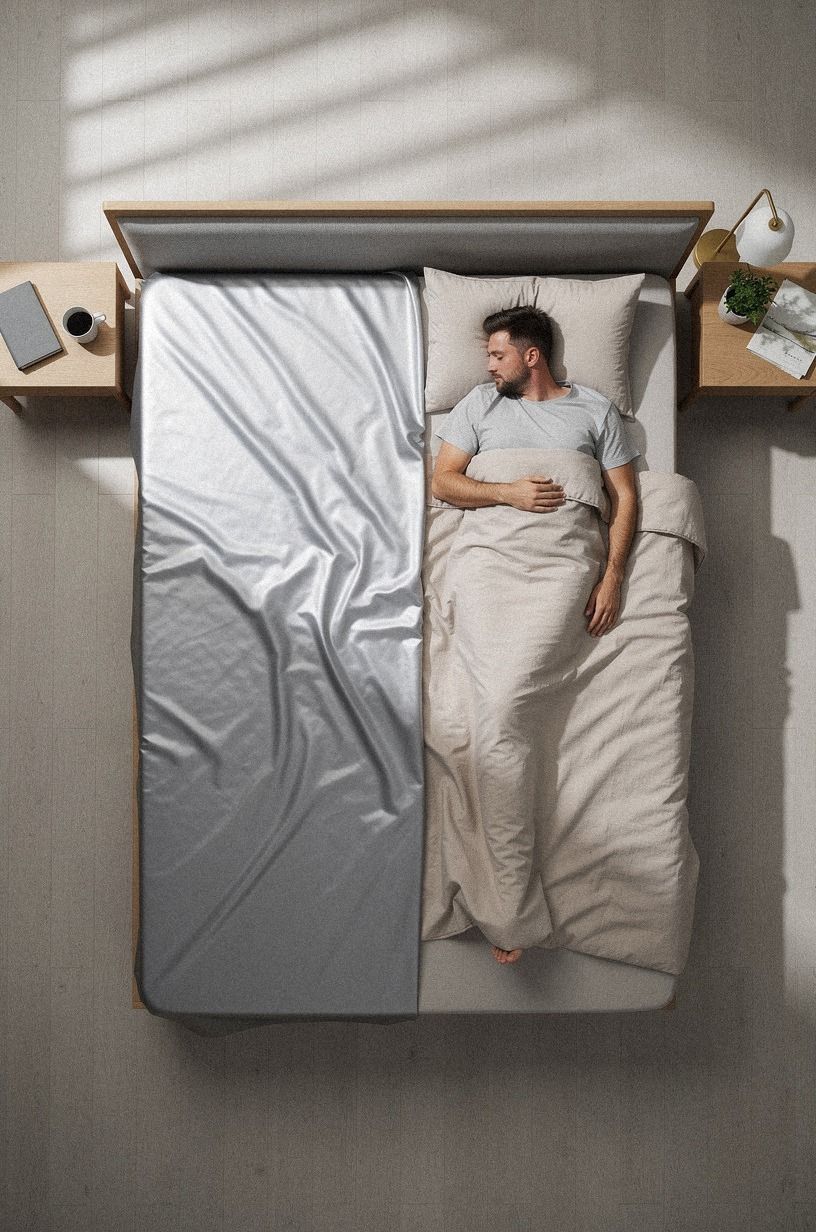
Assign the grounding sheet to one side of the bed and keep that position unchanged for at least several nights. Align the conductive section with the sleeper’s torso and legs, then place the fitted sheet over it so shifting remains limited. The cord should exit toward the assigned bedside, never through the center.
This arrangement removes the feeling that one person is taking over shared space. A husband can sleep beside the sheet without stepping around it, pulling it loose, or wondering whether the connection has moved. If the mattress is split into two adjustable sections, the sheet must match the correct section rather than stretching across both.
The setup works best when the side assignment follows the existing sleep routine. Switching sides casually creates confusion, especially when the cord is hidden under bedding. A short note on the bedside table can help during the first week: left side, right side, cord connected.
The grounding sheet bed frame 2026 guide may help when the bed structure affects cord routing. Keep the arrangement boring and repeatable.
Why We Recommend This Product
If the ideas in this article speak to you, here is why this one product belongs next to them.
- 1
Nothing to charge or switch on.It is a woven layer with a cord, with no screen and no battery, according to the seller.
- 2
Set up once.The connection cord and plug are included, and the seller describes setup as a matter of minutes.
- 3
Your own bedding stays on top.You keep the sheets, pillowcases and blankets you already like.
- 4
The cord is the only new part.You make the bed as usual and plug the cord into a grounded outlet.
What you get: a woven 316L stainless-steel sheet that goes under your fitted sheet, and the connection cord and plug.
Save 10% with code mattressnut
Through Nov 30: buy one sheet, get one free (per the brand)
4Earthing Grounding Agreement Protects Each Sleep Side

Agree on three rules before using earthing grounding: which side receives the sheet, who checks the connection, and what happens if either sleeper wants it removed. Write the agreement in one sentence if necessary. For example, the sheet stays on the left side, the cord remains outside the mattress, and either person can request a pause.
This approach prevents a small sleep accessory from becoming a relationship test. A skeptical husband doesn’t have to participate, touch the sheet, or share its assigned space.
The other sleeper doesn’t have to defend the setup every night. Both people retain control over their own side of the bed.
Keep the agreement separate from temperature preferences. One person may want cooler air, while the other wants warmer bedding.
Those concerns can be handled with separate blankets or a thermostat adjustment, without moving the sheet. The agreement also needs a review point.
After three or four nights, ask whether the cord is annoying, whether the sheet bunches, and whether side boundaries remain clear. If the arrangement creates more tension than value, pause it.
5Husband Shares the Grounding Sheet Tonight

Share the grounding sheet only if both sleepers agree on the arrangement and the product is designed for shared use. Start by centering the conductive area across the mattress, then confirm that the cord can reach the grounding connection without crossing either person’s legs. A shared setup should feel neutral, not like an unannounced takeover.
Check the instructions for coverage limits before placing two sleepers on one sheet. Some designs are intended for one person, while others allow broader contact. The sheet also shouldn’t be folded, pinned, or tucked so tightly that the conductive area no longer lies flat.
If a husband wants to try the setup for one night, agree on a simple trial. Keep the room temperature unchanged, avoid adding new bedding variables, and decide in advance when the sheet will be removed.
That keeps the trial limited and easier to evaluate. A skeptical response is reasonable when the arrangement feels unclear.
Shared use should be voluntary, and no one needs to sleep on the sheet merely to prove a point.

6Grounding Bed Sheets Require Equal Bed Space
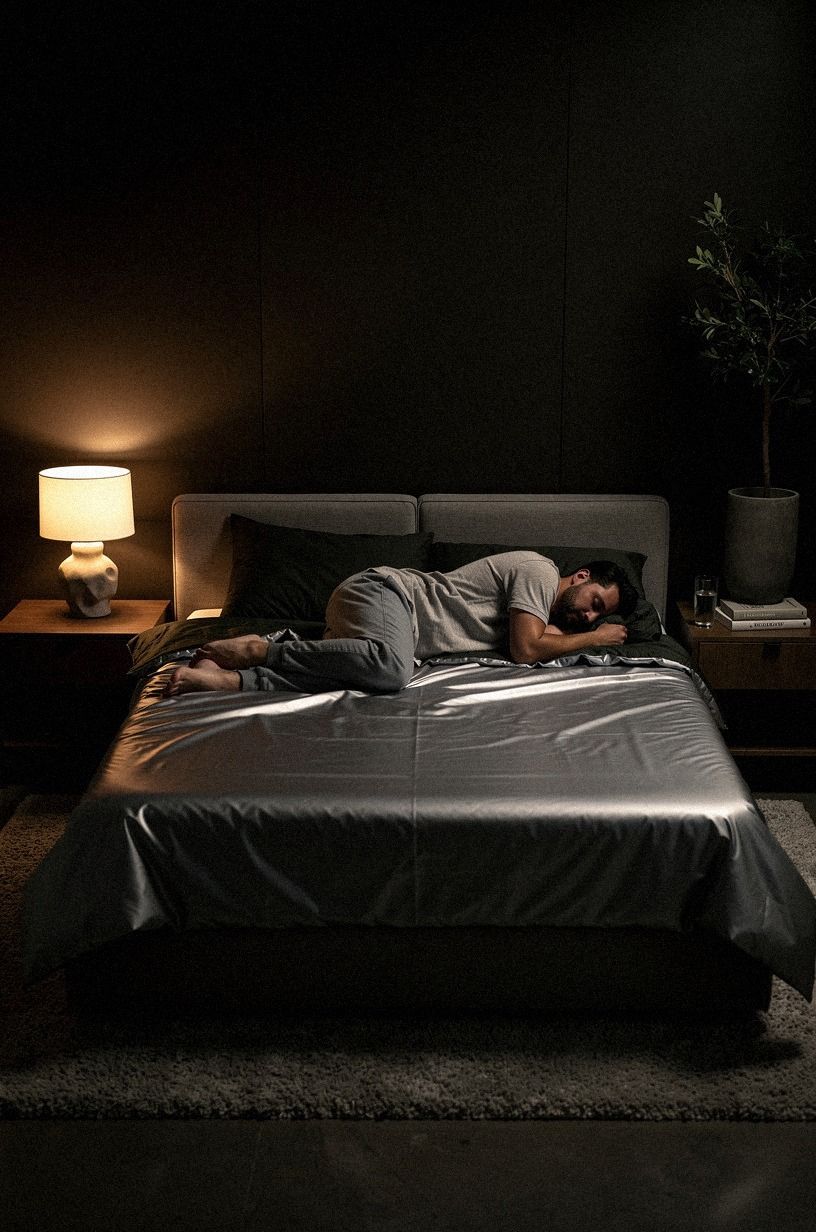
Protect equal bed space by dividing the mattress down the center before placing grounding bed sheets. Each sleeper should have a clear zone for shoulders, hips, knees, and feet, with no cord running through the middle. Mark the division under the fitted sheet if the sides keep drifting during the night.
A useful rule is to keep personal bedding on personal territory. The grounded sheet stays within its assigned half, while shared blankets can remain separate from the electrical connection. This distinction matters when one sleeper moves often or pulls covers toward the center.
Measure the available width before choosing a sheet. A standard mattress can feel crowded when one person uses oversized bedding, pets occupy the foot, or the bed frame limits movement.
The 30-inch bed access rule offers a practical reference for keeping each side reachable. No grounding arrangement should block an exit or create a tripping hazard.
Equal space isn’t about perfect symmetry; it means both sleepers can change position without disturbing the other person.
7Couples Sleep Rules Follow Grounding Sheet Placement
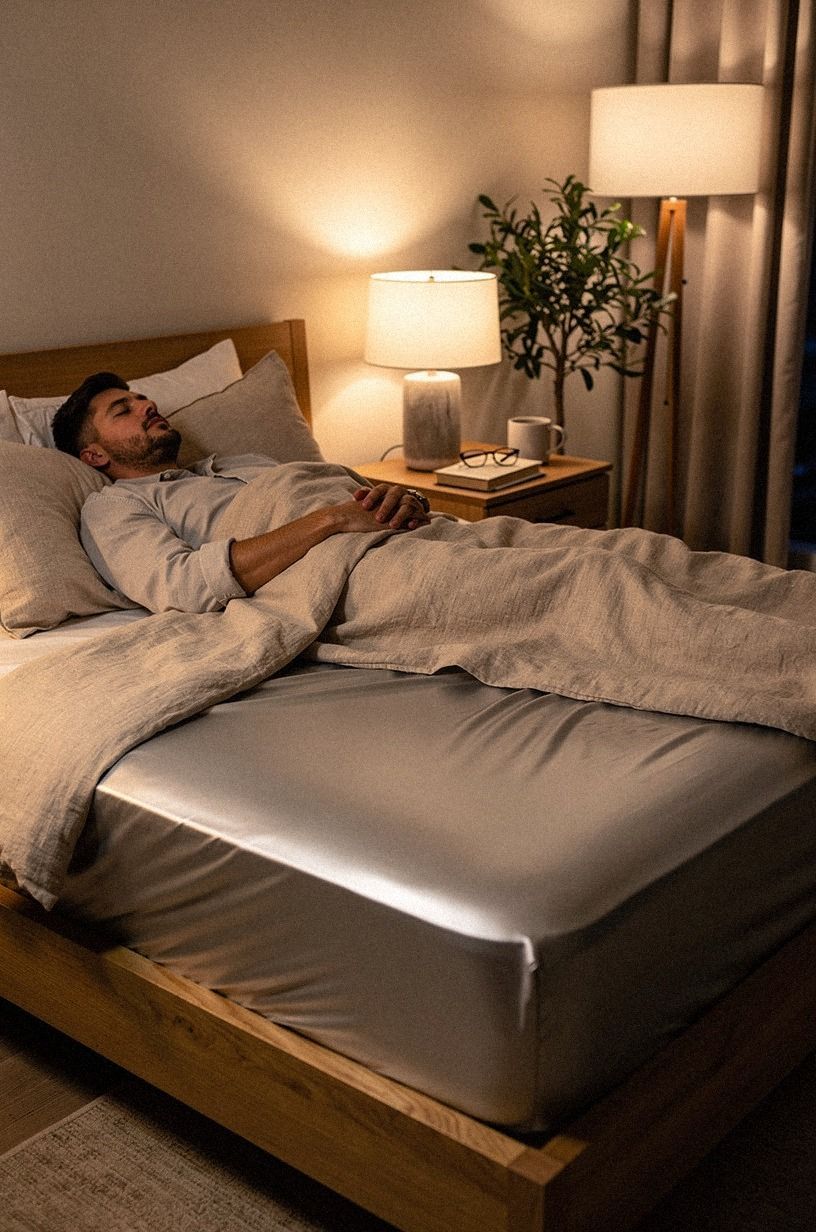
Create couples sleep rules around placement, movement, and cleanup. The first rule should state whether the grounding sheet stays under the fitted sheet or rests above it.
The second should identify where the cord runs. The third should explain who disconnects it during washing, travel, or maintenance.
Put the rules where both sleepers can see them during the first week. A small note is enough.
Avoid a long list that turns bedtime into a technical inspection. The goal is a routine that takes less than a minute once everyone understands it.
Grounding sheet placement should also account for ordinary movement. If the sheet bunches near the knees, smooth it flat before lying down.
If the cord pulls when the sleeper turns, reroute it along the mattress edge. If either person wakes because of the setup, remove the source of discomfort and reassess in daylight. Couples can keep the routine workable when the rules respect comfort, privacy, and easy access.
No device should outrank a clear request to stop.
8Grounding Sheet Theft Ends With Clear Boundaries
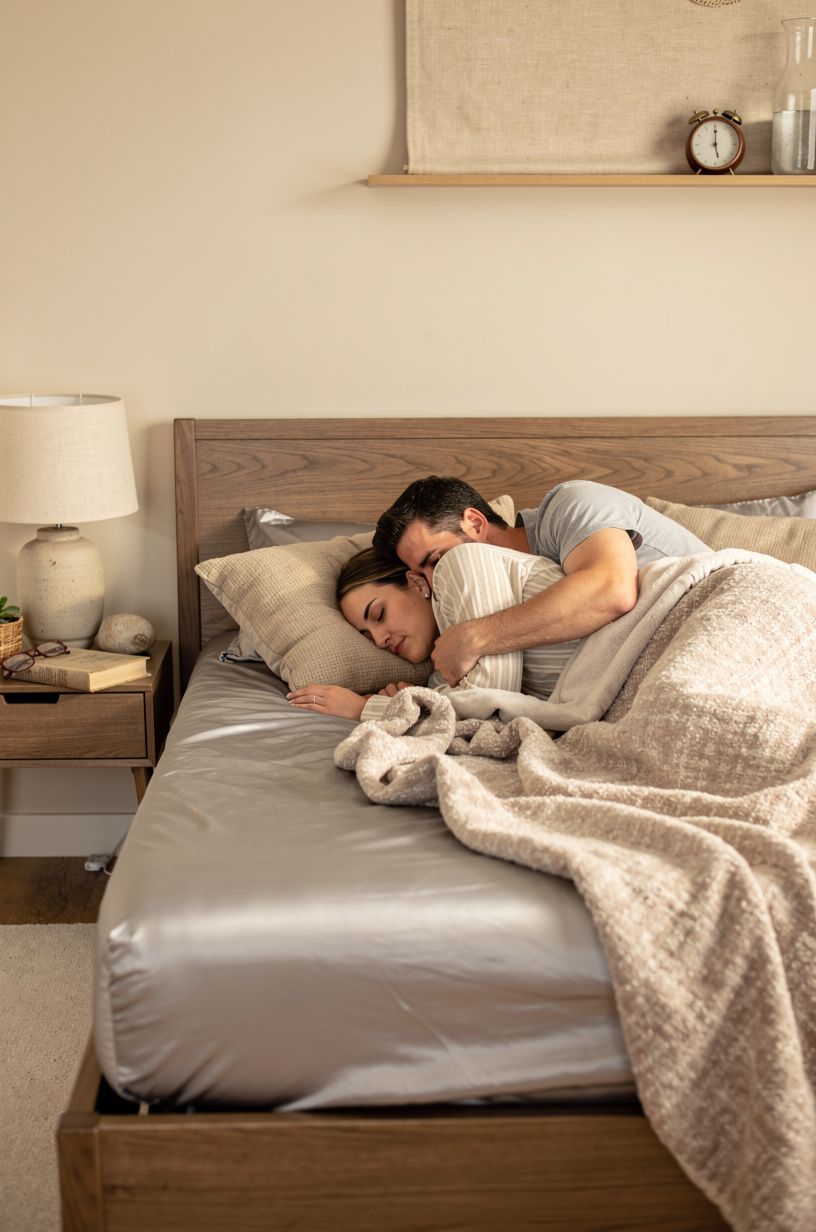
End grounding sheet theft by naming the behavior plainly: taking the assigned sheet, pulling it across the mattress, or using the connected side without permission isn’t acceptable. Keep the wording calm and specific. “That side is assigned, and the sheet stays there” is more useful than accusing someone of stealing.
Then provide a practical alternative. A husband who wants to test grounding can use a separate sheet, request a shared trial, or wait until the connection setup has been explained.
If the issue is warmth, add a separate blanket rather than shifting the grounded layer. If the issue is curiosity, schedule a daytime test instead of experimenting after lights-out.
The grounding sheet comparison may help when a second sheet is the simplest solution. Don’t treat a duplicate as mandatory, though.
The stronger boundary is mutual permission. If one sleeper repeatedly ignores the agreement, pause the setup and discuss the larger respect issue away from bedtime.
A grounding sheet can be replaced; a sleep routine needs trust.
9Husband Returns the Grounding Sheet Before Bedtime
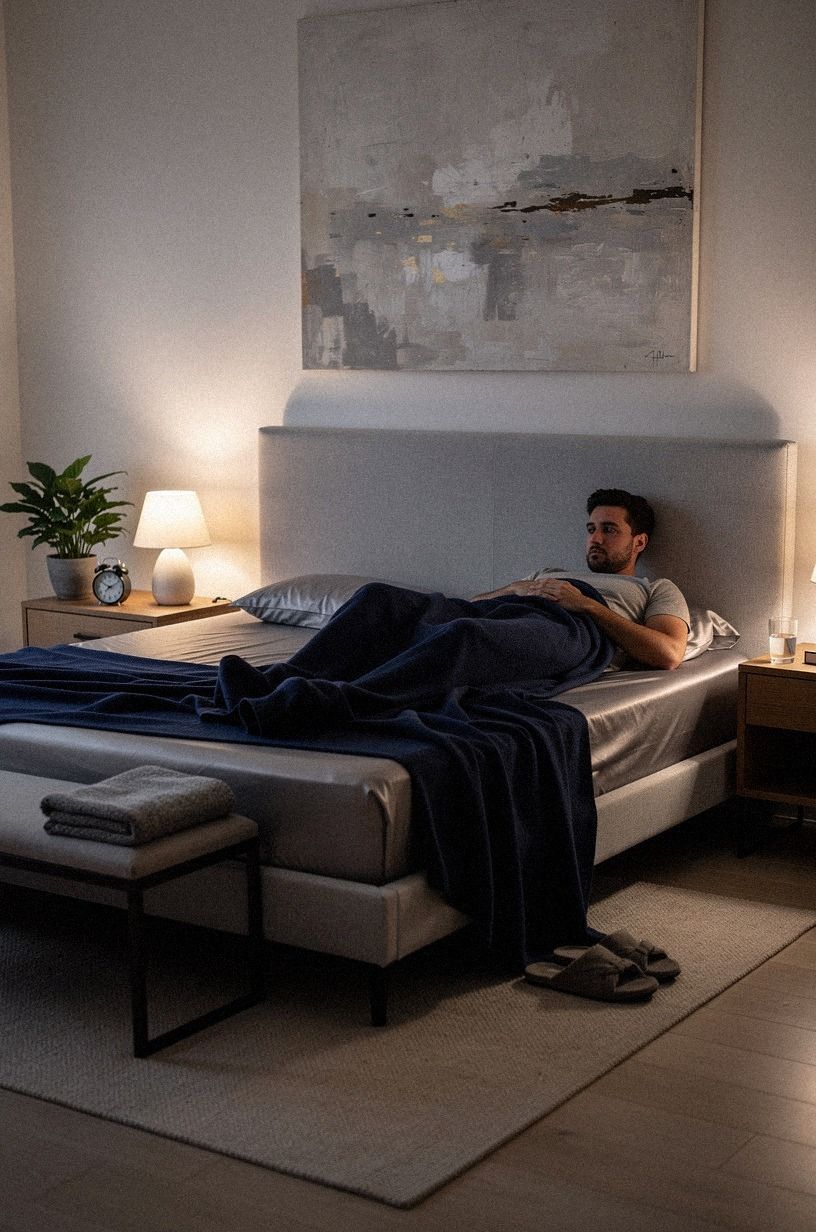
Return the grounding sheet to its assigned position before bedtime by smoothing the conductive area, checking the cord route, and confirming that the connection remains reachable. Make this a shared reset that takes about two minutes. The person who moved the sheet during washing or changing bedding should return it, unless both sleepers agree otherwise.
Keep the sheet away from sharp hardware, rough fasteners, and places where the cord can be pinched. If the fabric is washed, follow the care instructions and allow it to dry completely before reconnecting anything. Do not hide a disconnected cord under bedding and assume the setup still works.
This reset matters because small changes can create repeated arguments. A sheet that sits several inches off-center may leave one sleeper feeling crowded, while a cord routed across the bed can disturb both people. Check the position before the room goes dark, not after frustration starts.
If the sheet no longer lies flat or the connection behaves differently, use the when to replace grounding sheet guidance before continuing.
Premium Grounding Sheets: what you get
Specifications as stated by the manufacturer.
| Material | Woven 316L stainless-steel fibers |
|---|---|
| Fit | Beneath your existing fitted sheet |
| In the box | Connection cord and plug |
Save 10% with code mattressnut
Through Nov 30: buy one sheet, get one free (per the brand)
10Earthing Grounding Setup Separates Each Sleep Side
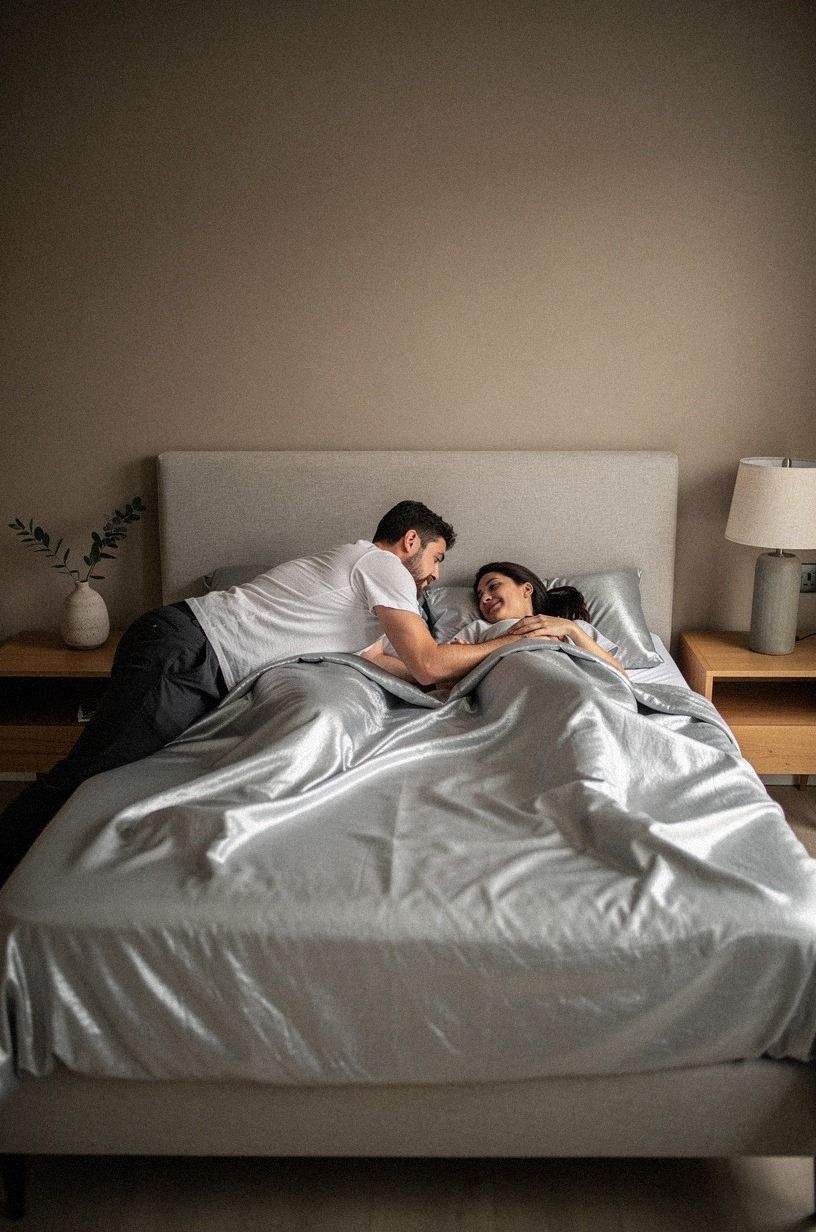
Separate each sleep side by routing the earthing grounding setup along the outside edge of the mattress. Keep the cord away from the center seam, foot traffic, and any adjustable hinge. If the bed has two separate bases, confirm that movement on one side won’t pull the cord from the other.
For a fixed bed, a loose path beside the mattress usually works better than a cord tucked tightly underneath. For an adjustable bed, leave enough slack for the head or foot section to move without tension. The adjustable bed grounding setup guide can help identify placement concerns specific to moving bases.
The separation also protects sleep habits. One person can turn, read, or get up without dragging the sheet across the other side.
Keep the grounding connection out of reach of children and pets, and inspect the cord if it becomes warm, damaged, or crushed. A clean route is easier to check, easier to explain, and less likely to create conflict between couples.
11Couples Sleep Together Without Taking Grounding Space

Sleep together without taking grounding space by treating the assigned side as a fixed boundary, then adjusting shared bedding around it. Use separate blankets if cover pulling is the main issue. Keep pillows, chargers, and personal items outside the grounded section so the sheet remains flat and accessible.
A skeptical husband may want more room simply because the sheet changes how the bed is divided. Solve that concern with a clear center line and an agreed position, not by sliding the sheet back and forth. If the mattress is narrow, consider whether the current size allows two adults to move comfortably while keeping the connection safe.
The routine should also include morning maintenance. Disconnect the cord if the product instructions call for it, then fold the sheet without sharp creases.
During travel, store the sheet and cord separately from damp clothing or heavy objects. Couples can share a bed without sharing every item on it.
Respecting one person’s grounded space protects both sleepers from unnecessary negotiation at night.
12Grounding Bed Sheets Need Respectful Side Switching
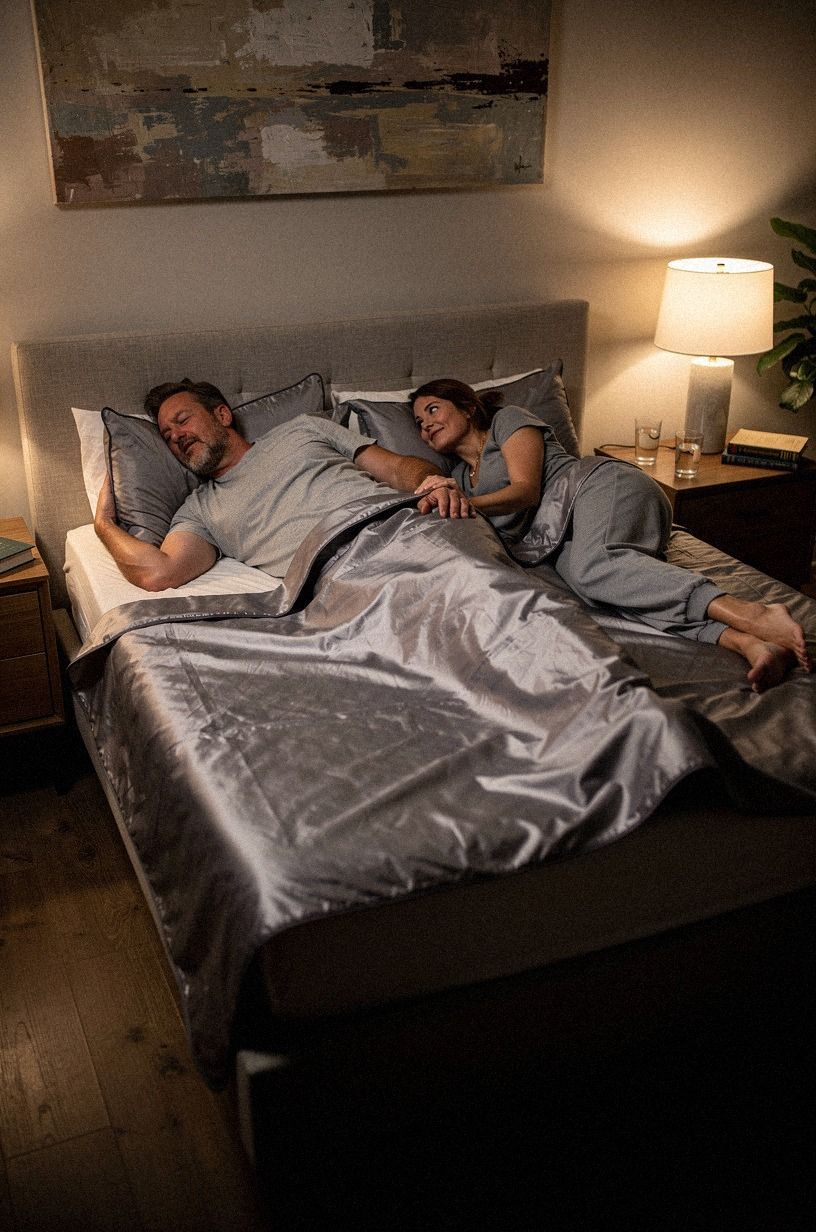
Allow side switching only during a planned daytime reset. Disconnect the grounding bed sheets according to the instructions, move the sheet to the new side, reroute the cord, and test the connection before bedtime. Never drag a connected sheet across the mattress while someone is lying down.
Side switching may make sense after an injury, a change in sleep schedule, or a temporary need for easier access to the door. It shouldn’t happen as a prank or because one person wants the grounded side without asking. Agree on the switch before changing the bedding, then return to the usual arrangement when the reason ends.
Write down the new side for the first few nights if the change feels unfamiliar. Check that the cord remains outside the walking path and that both sleepers still have enough room.
If switching creates repeated confusion, keep one permanent side and use another solution for comfort. Respectful side switching is a small habit, but it shows that shared sleep space belongs to both people.
Keep the Grounding Sheet Agreement Simple
A grounding sheet works best when placement, connection, and personal space are agreed on before bedtime. Testing the setup and keeping the cord outside the shared center removes much of the uncertainty. If either sleeper feels uncomfortable, pause the routine and discuss the issue during the day.
Where to Start First
Start with one fixed side and a verified connection. That single boundary makes every later conversation easier because the sheet has a clear place, purpose, and limit.
Affiliate link: this article contains affiliate links. The site may earn a commission if you purchase through them.