
Store bought charcuterie shortcuts from Aldi and Trader Joes can make easy hosting feel warm, generous, and personal without turning your kitchen into a work zone. I’ve bought too much cheese, sliced fruit too late, and learned the board needs contrast more than quantity. These 18 ideas keep your spread inviting, earthy, and simple.
- Build the Three-Bite Aldi Charcuterie Board
- Cold Cheese, Warm Welcome
- The Color-Block Method for Store Bought Charcuterie Ideas
- Mix Aldi Crunch With Soft Cheese
- Trader Joe’s Fig Butter Is the Bold Center
- A Full Wheel or Two Small Wedges?
- Border the Grocery Store Cheese Board With Fresh Herbs
- The Six-Texture Stack
- Why Olives Beat Another Meat
- Dried Fruit’s Second Act
- Fresh Fruit Over Another Cracker
- Trader Joe’s Sandwich Bite
- How Warm Should the Board Be?
- Sweet-Savory Corner, Not a Dessert Plate
- What Should Your Hosting Budget Cover?
- Ask What Your Guests Will Reach For First
- Paint the Backdrop, Then Let the Food Lead
- One Memorable Bite, Not Five Extras
1Build the Three-Bite Aldi Charcuterie Board
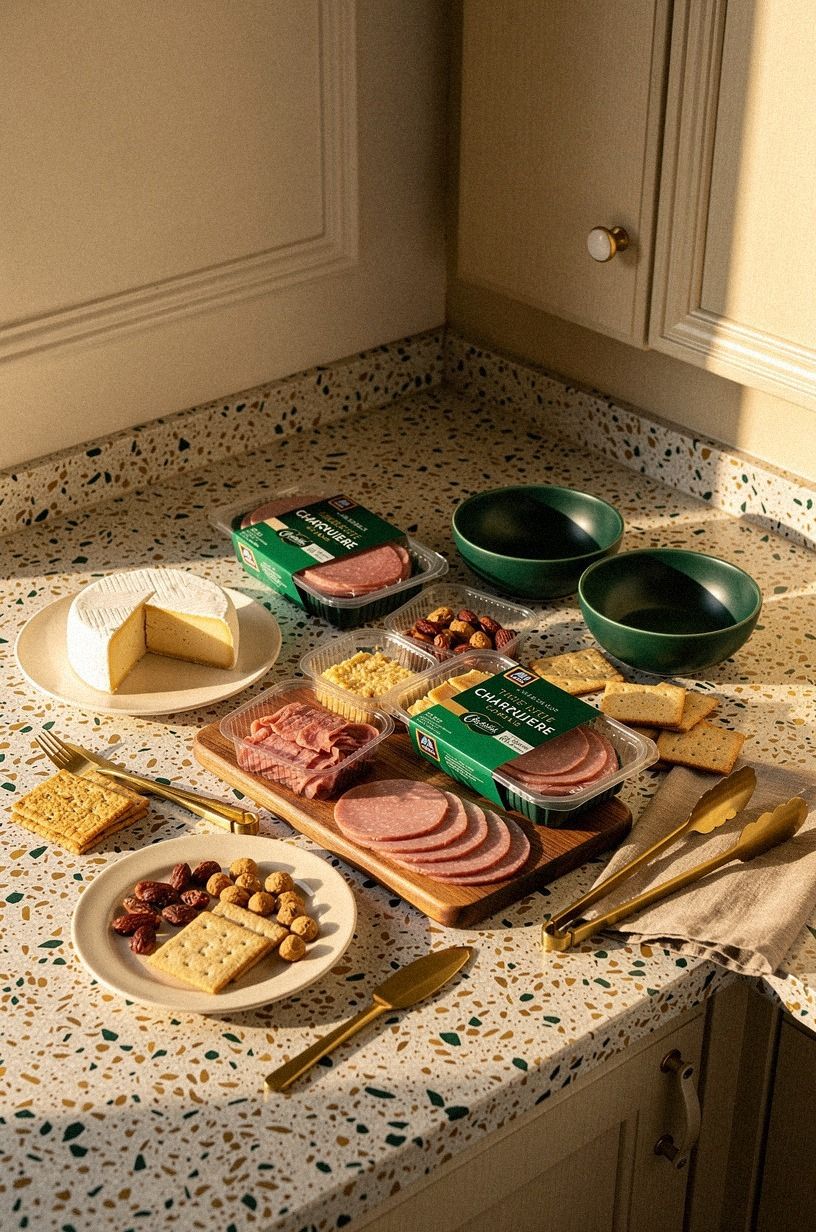
Start with three bites guests can understand immediately: something creamy, something salty, and something crisp. Aldi Specially Selected cheese gives you an affordable anchor, while seeded crackers and green grapes keep the board bright. If you’re feeding people who graze slowly, you’ll want each bite to offer a different texture instead of presenting six versions of the same cheddar.
I’d skip piling every package onto one tray. It looks crowded, and your guests won’t know where to begin.
Give your board breathing room around the main wedge, then tuck in cornichons, roasted almonds, and a small spoon for preserves. The result feels charming because you’ve edited it.
If you’re comparing grocery options, this IKEA and Amazon basics review is a useful reminder to choose fewer pieces that earn their space.
A simple board usually needs less than you think:
2Cold Cheese, Warm Welcome
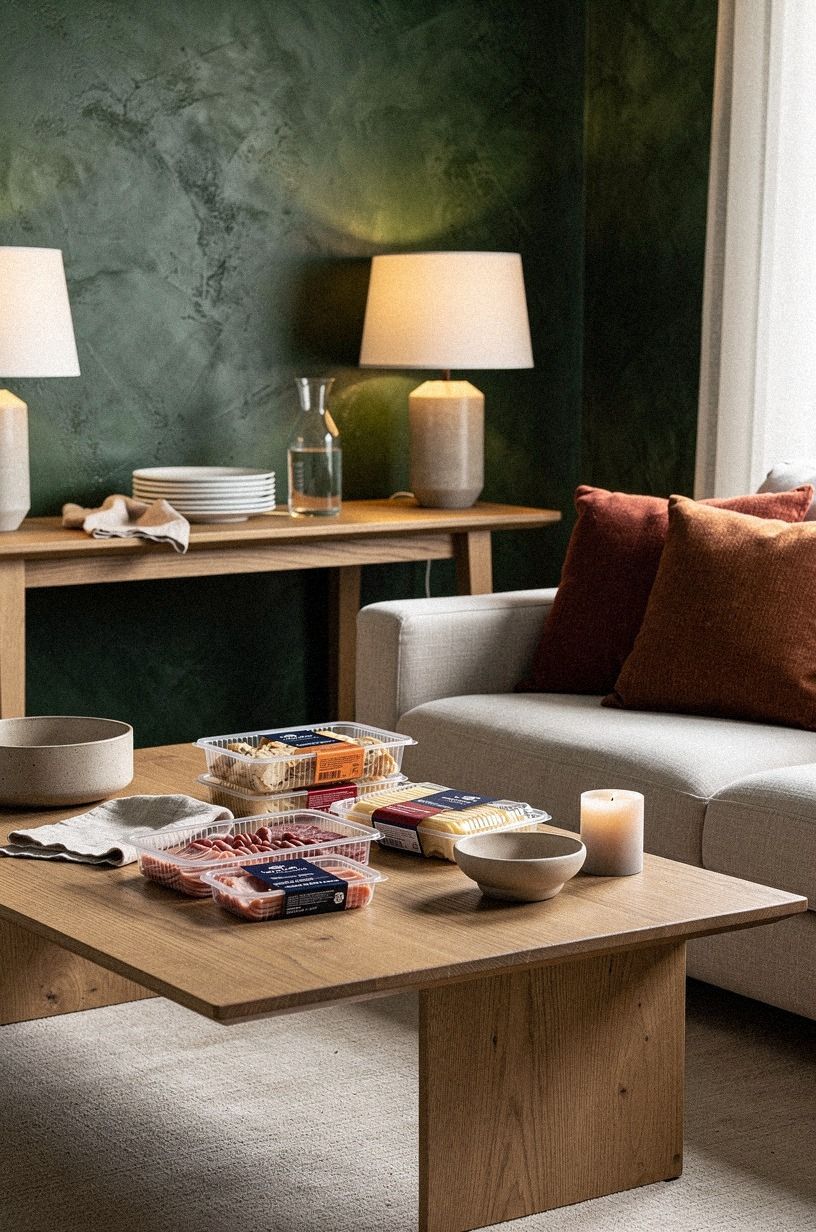
Trader Joe’s charcuterie gets easier when you stop treating every ingredient as refrigerator-cold.
3The Color-Block Method for Store Bought Charcuterie Ideas
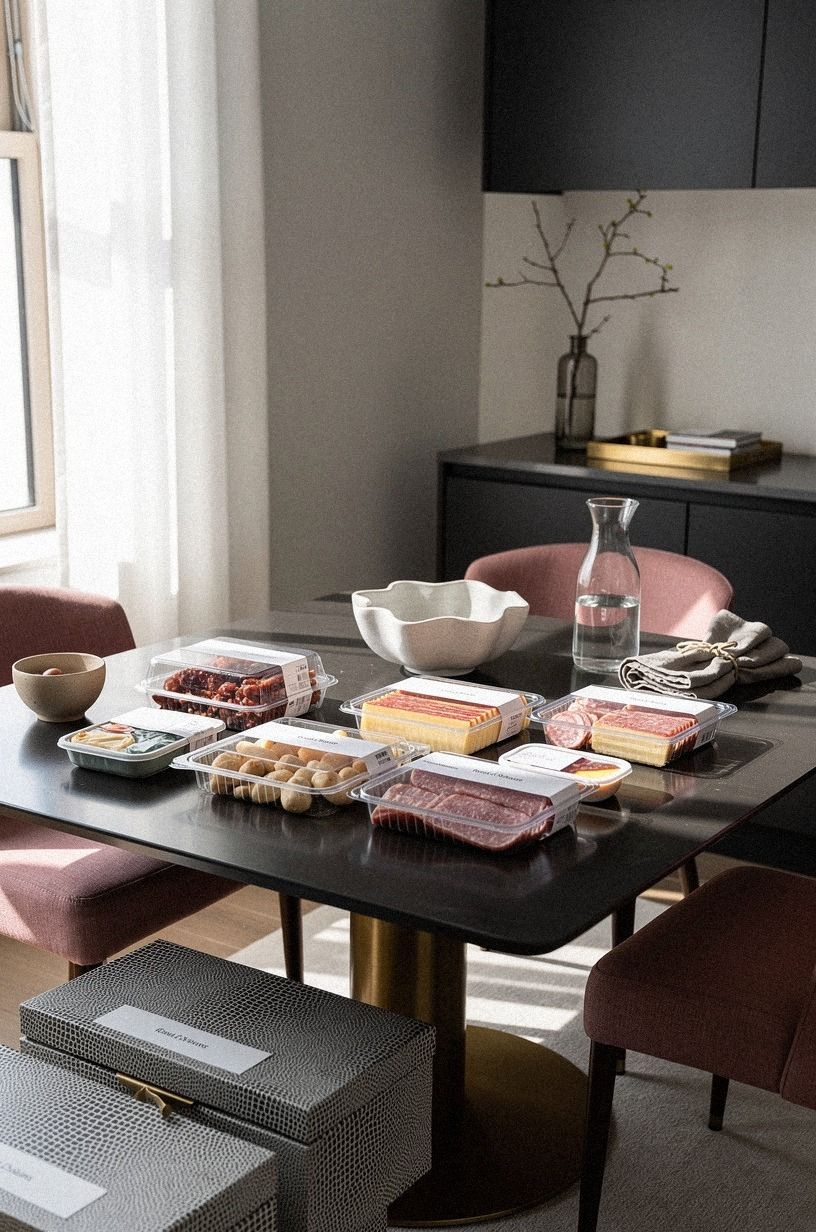
The Color-Block Method is my favorite way to make a grocery store cheese board look intentional. Put pale cheese beside dark grapes, then place vivid fruit or jam across from something green.
Dried apricots create a warm orange block, while rosemary, basil, or snap peas add an earthy edge. You don’t need a designer serving piece when the colors are doing the work.
I’ve made the mistake of scattering ingredients evenly, and the board looked flat. Group your colors in small clusters instead. Your eye will move around the tray, and you’ll create little stopping points for conversation.
A charcoal board with shagreen accents works especially well with bright citrus and creamy cheese. If you’re styling a full table, save this three-ingredient sparkling infusion for the drinks area so the colors repeat without looking matched.
A little repetition feels polished. Repeat one color twice, then let the other shades stay unexpected.
4Mix Aldi Crunch With Soft Cheese
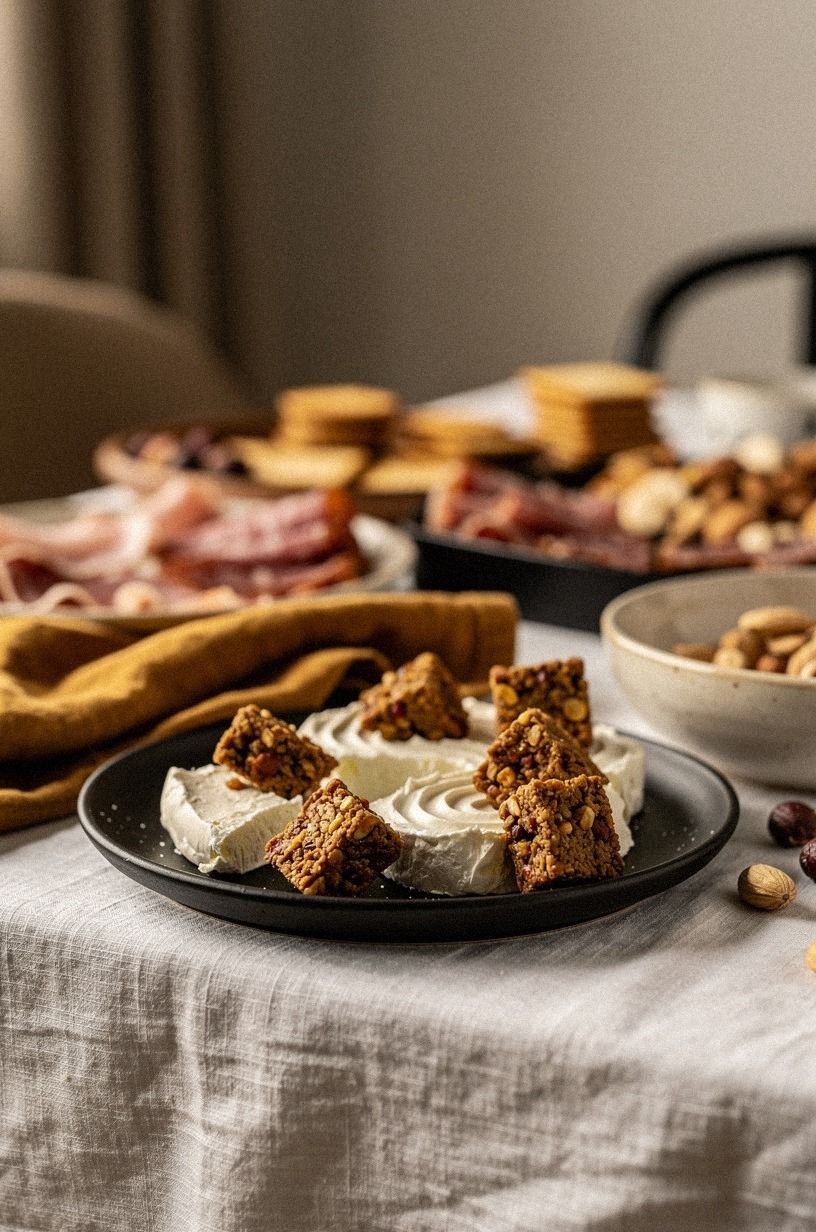
Aldi charcuterie needs a strong crunch beside anything soft. Try Specially Selected pita crackers, toasted almonds, and thin apple slices around a creamy cheese. The crisp edges keep each bite lively, and you won’t need a complicated spread of toppings to make the texture feel generous.
But don’t buy three crunchy snacks that taste alike. Choose one salty cracker, one nut, and one fresh fruit instead.
Your guests can build a bite that feels crisp, juicy, and rich in the same mouthful. I’d skip oversized hard pretzels because they take up too much room and break awkwardly over the board. If you’re making a larger grazing table, this chocolate ice cream temperature guide offers another useful lesson: timing changes the experience more than extra ingredients.
5Trader Joe’s Fig Butter Is the Bold Center
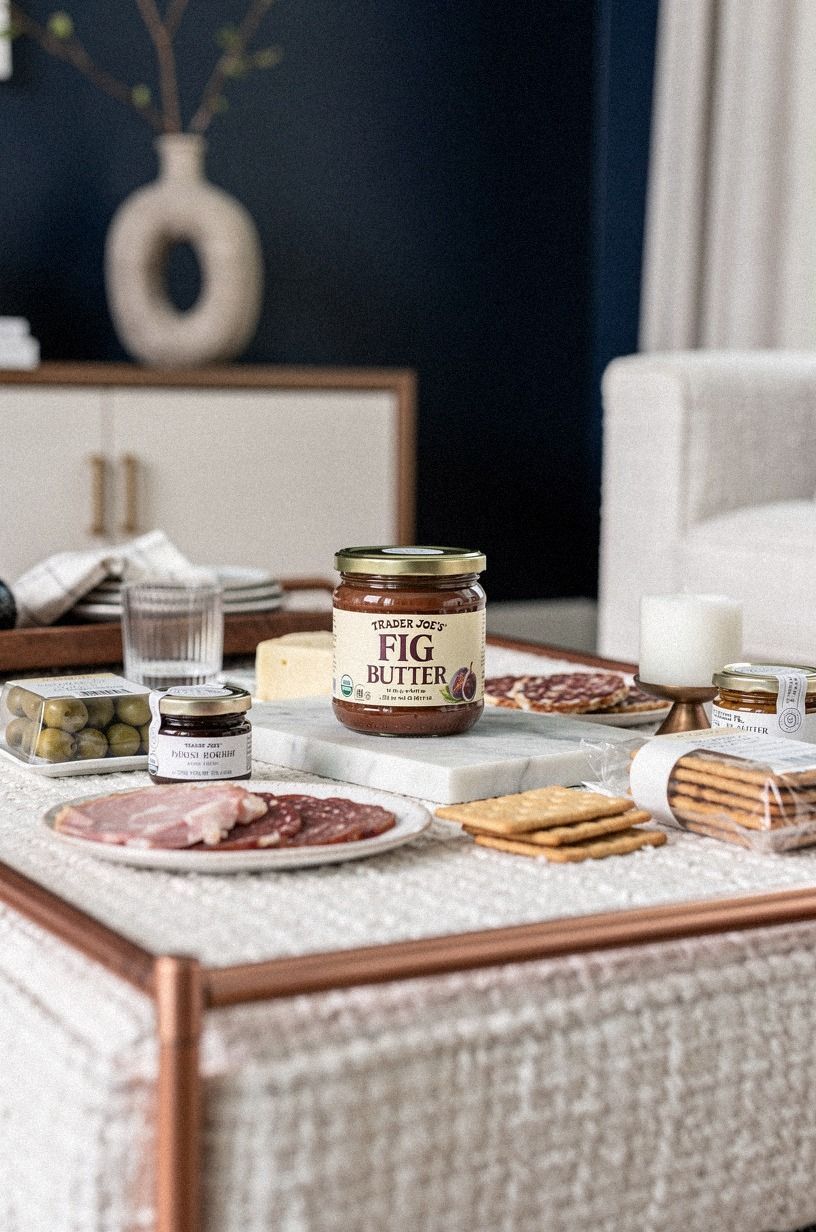
Choose one bold spread and let it become the board’s center of gravity. Trader Joe’s fig butter brings a dark, jammy sweetness that works with sharp cheddar, manchego, and salty cured meat.
Put it in a small ivory bowl on an organic bouclé runner rather than leaving the jar on the table. That single change makes your spread feel more polished.
You’ll want a spoon that reaches the bottom without scraping the bowl, especially if your guests are serving themselves. Add a few dried figs nearby so the flavor appears twice, but don’t repeat the same sweetness everywhere. I’d avoid honey, fig butter, and candied nuts together because the board loses its savory tension.
For a handmade detail beside the food, these gifts made by hand can inspire the same gathered, personal feeling. One thoughtful accent is enough.
6A Full Wheel or Two Small Wedges?
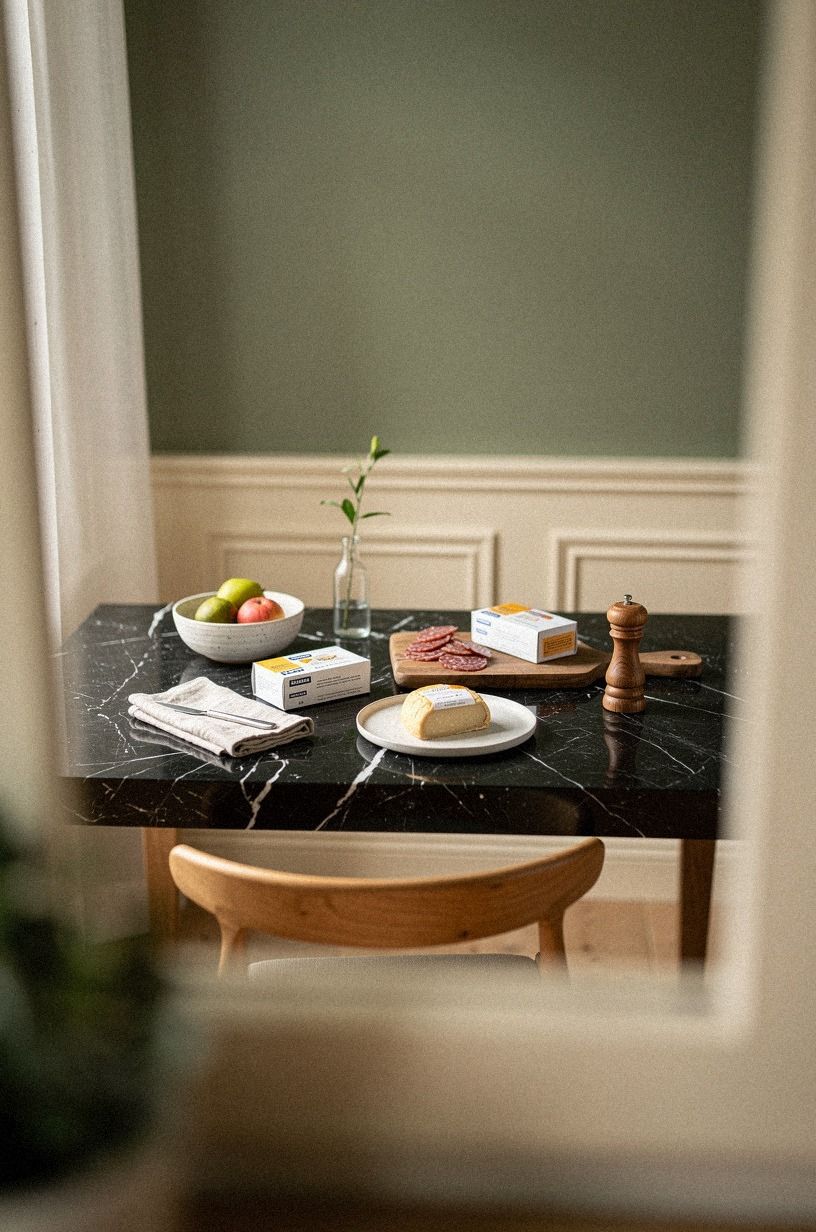
A full wheel looks generous in the store, but two small wedges give you more flexibility at home. Use one firm cheese and one soft cheese, such as Trader Joe’s Toscano cheese with a small brie. Guests get contrast, and you’ll have an easier time arranging the board around the shapes.
Cut only part of the firm wedge, then leave the rest intact so the board doesn’t look picked over. For the soft cheese, add a small knife with a rounded blade. If you’re serving children, place a few plain crackers beside the sharper cheese so nobody has to negotiate a complicated bite.
And if your tray is narrow, wedges are much easier to fit than a whole wheel. The board will feel airy instead of stuffed, which makes the whole table more welcoming.
7Border the Grocery Store Cheese Board With Fresh Herbs
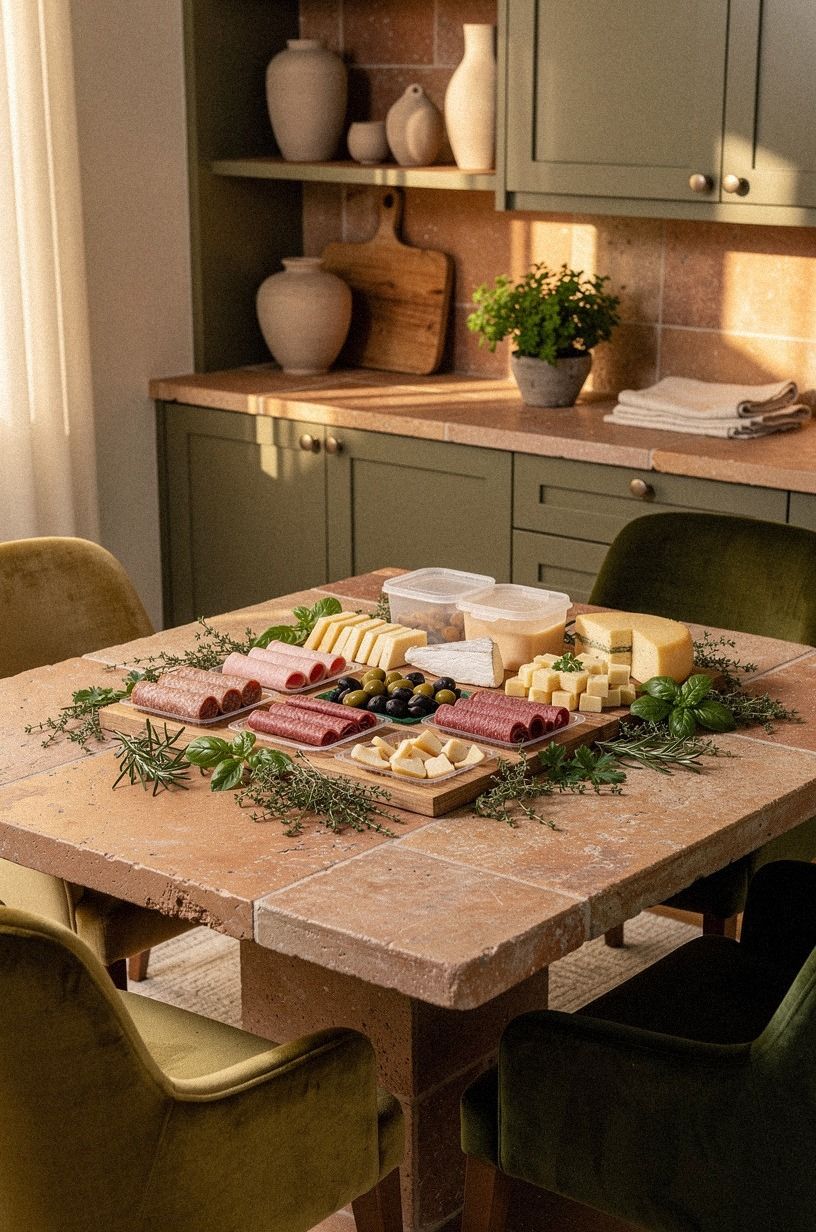
Fresh herbs can border a grocery store cheese board without becoming a garnish nobody eats. Flat-leaf parsley, rosemary, and thyme bring a green, fragrant edge around pale cheese and golden crackers. Use a few short sprigs at the corners, then let the food remain the focus.
I’d skip long stems crossing the center because they make serving awkward. You’re aiming for a soft border, not a wreath. If you’ve got leftover herbs, place them in a narrow glass beside the board, set on a deep-pile mohair velvet runner so your table carries the scent without hiding any food.
A dark green herb also makes bright fruit look more vivid. This DIY Christmas ornament project follows a similar principle: a simple handmade-looking detail can make a purchased base feel more considered.
8The Six-Texture Stack
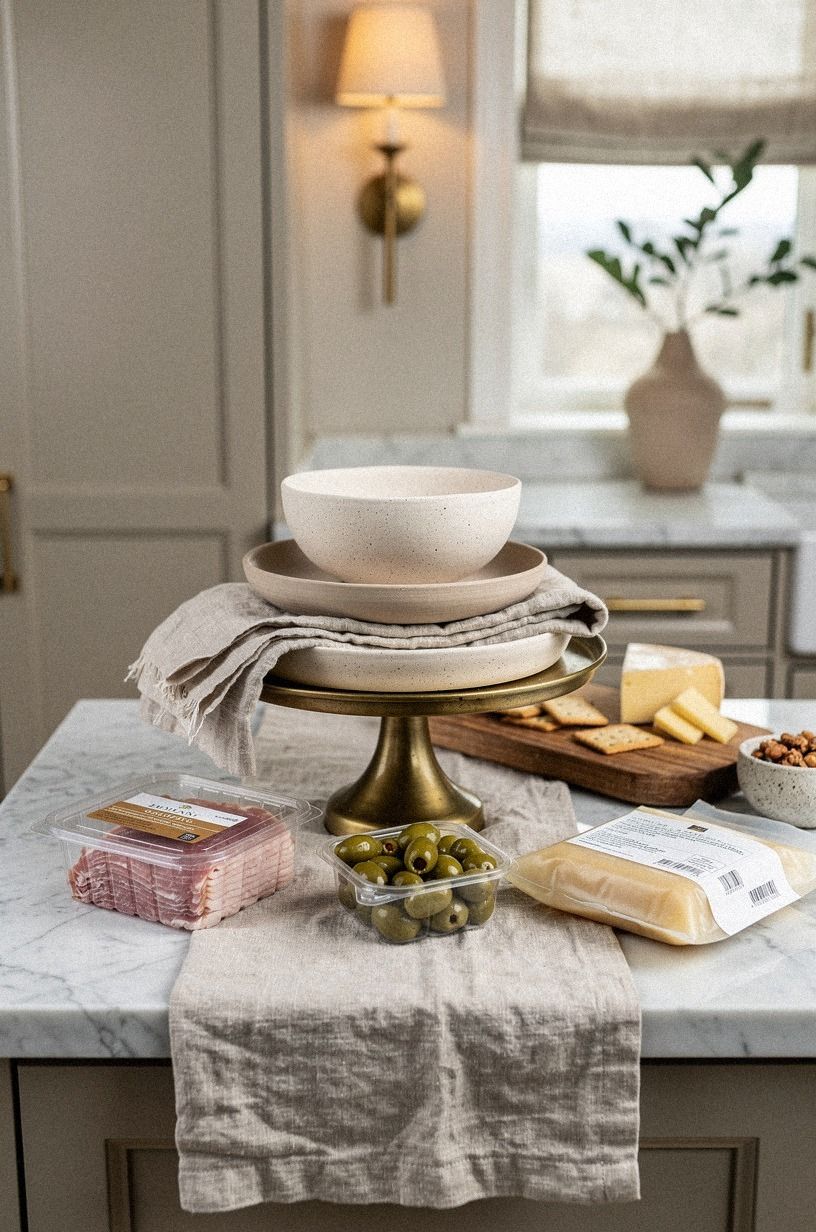
The Six-Texture Stack gives your store bought charcuterie ideas a clear rhythm: creamy, crumbly, crisp, chewy, juicy, and crunchy. 18-month aged gouda covers the firm, savory note, while grapes, dried cherries, crackers, olives, and almonds fill the other roles. You don’t need six cheeses because texture matters more than label count.
Write the six textures on a scrap of paper before you shop. You’ll notice what’s missing, and your basket won’t fill with duplicate snacks.
I once brought home four crisp items and almost nothing soft. Nobody complained, but the board felt thirsty and sharp.
If you’re building the spread in a small kitchen, arrange one texture at a time so your eye can check balance before the tray gets crowded. The final result feels abundant without becoming chaotic.
9Why Olives Beat Another Meat
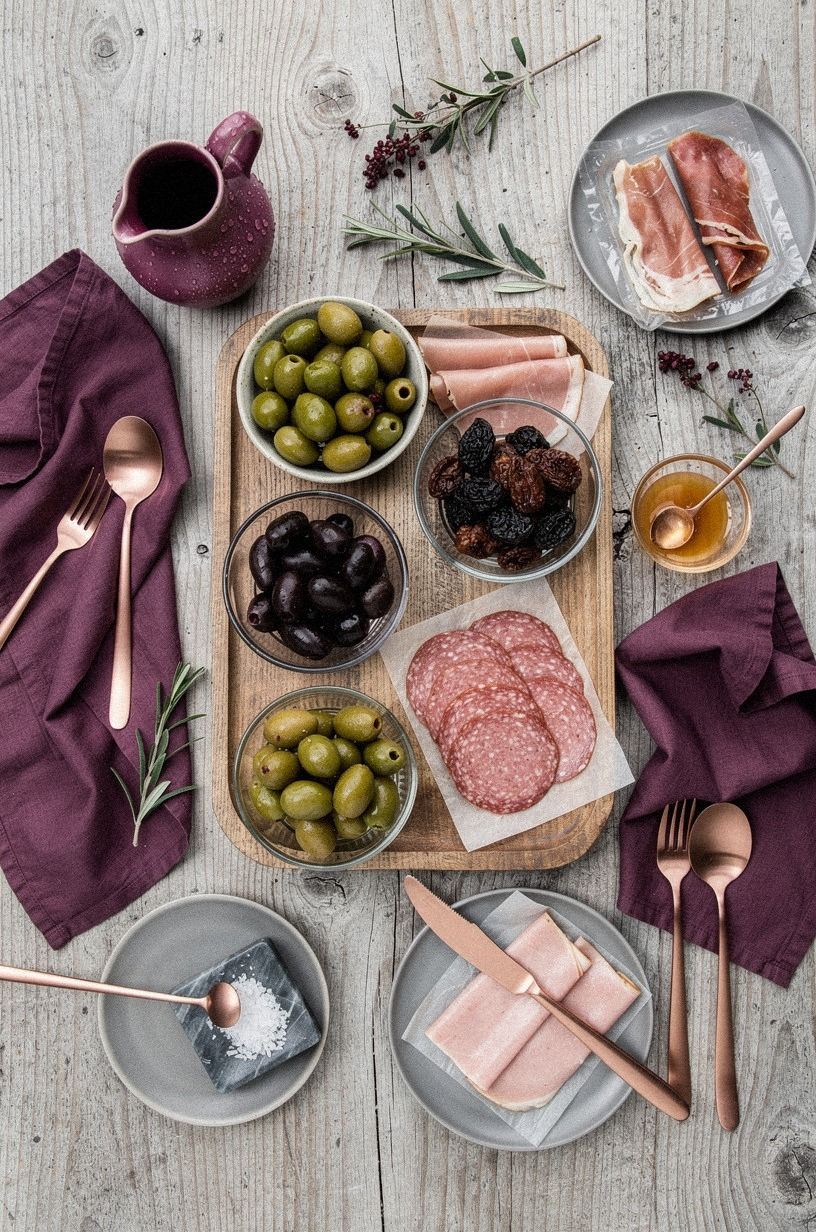
Briny olives can do more for a board than another package of sliced meat. Castelvetrano olives are mild, buttery, and approachable, while a darker kalamata variety gives you a more dramatic bite. Put them in a small bowl so the liquid doesn’t soak your crackers or stain the wood.
You’ll want one salty item with a clean flavor and one with more intensity. I’d choose olives over a second salami when your board already has plenty of rich food. The sharp brine wakes up your palate, and your guests can return to the cheese with a fresh mouth.
Add a small fork, because fingers and olive liquid are a miserable combination. If you like seasonal grocery finds, these Trader Joe’s pumpkin foods show how one focused flavor can carry a whole shopping trip.
10Dried Fruit’s Second Act
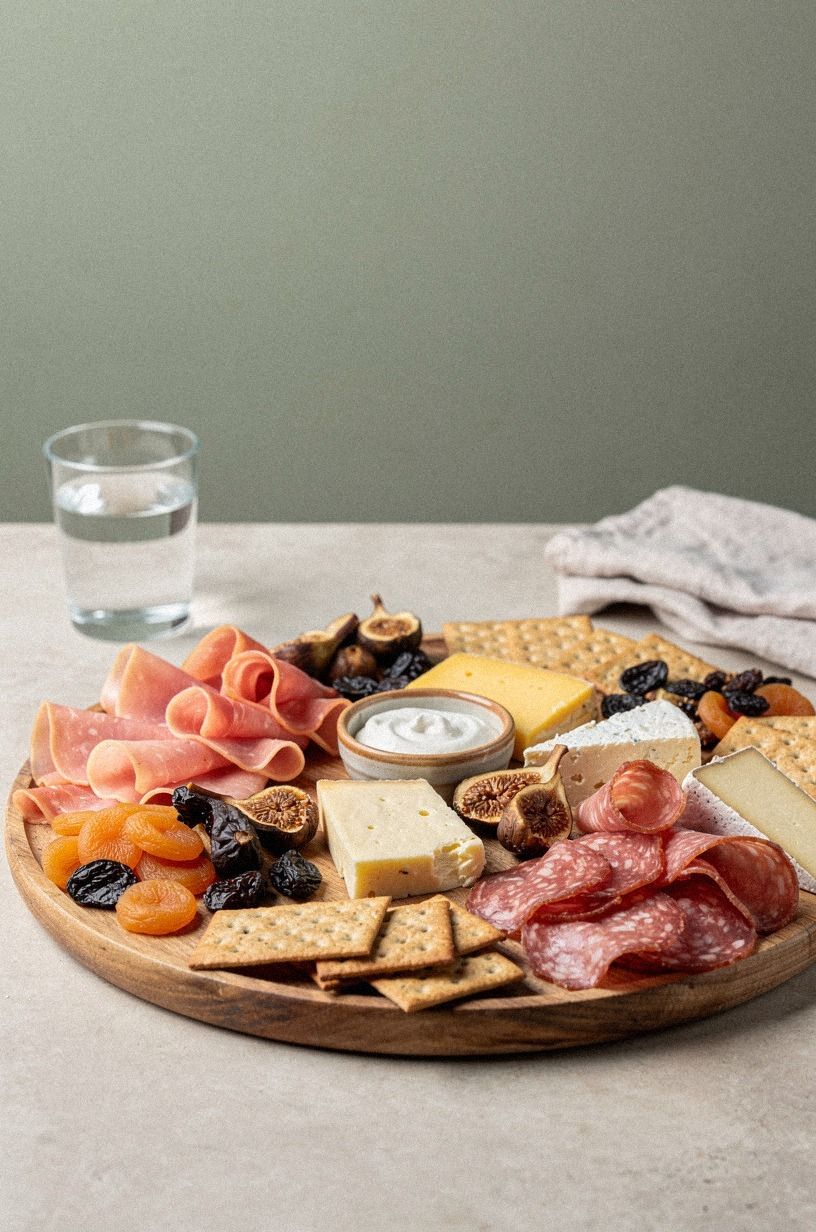
Dried fruit shouldn’t sit in one lonely pile.
11Fresh Fruit Over Another Cracker
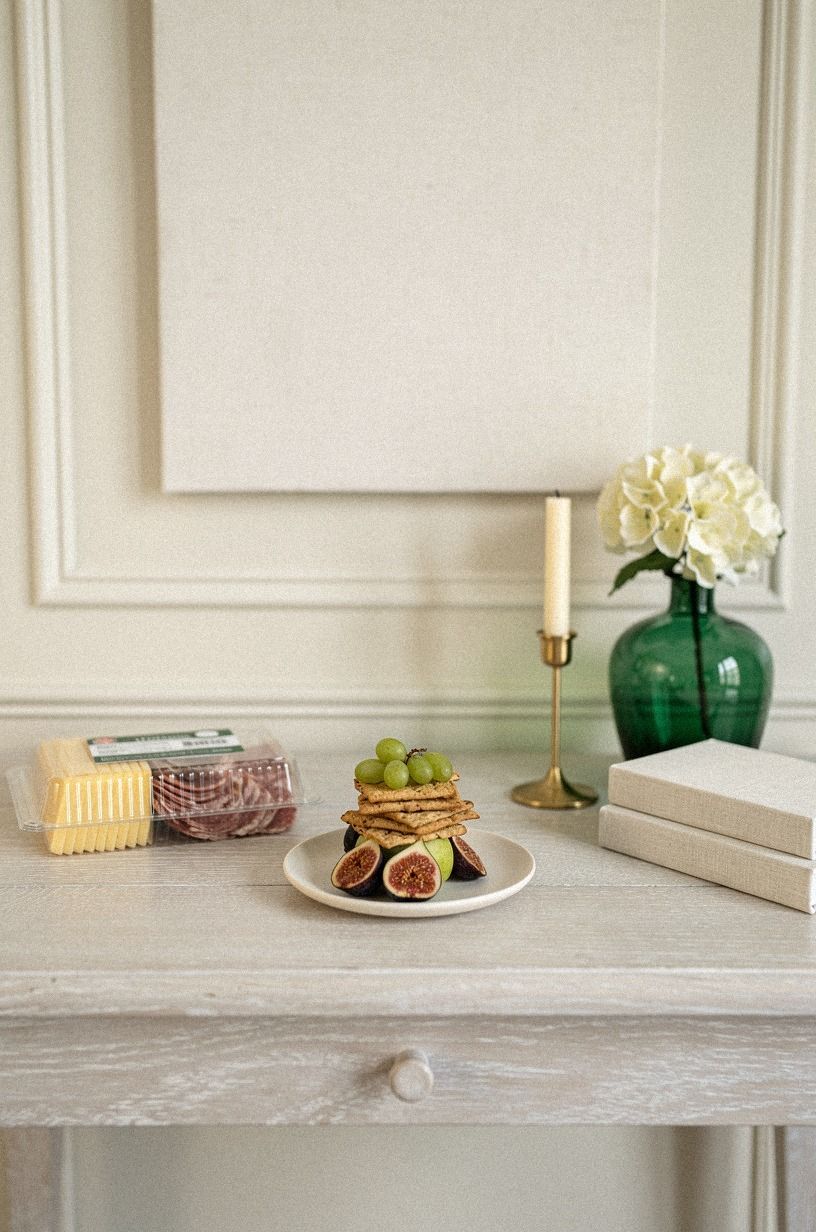
Fresh fruit over another cracker is the better choice when your board already has plenty of crunch. Honeycrisp apple slices bring snap, brightness, and a gentle sweetness beside sharp cheddar. Rub the cut surfaces lightly with lemon juice, then arrange the slices in a fan so your guests can grab one without disturbing everything else.
You’re not trying to create a fruit platter inside the board. Two fruits are enough, especially if one is juicy and one is firm.
I’d skip banana because it bruises quickly and makes the tray look tired. Pears are softer and more elegant, but they’ll need a little attention if your party lasts several hours.
And if you’re hosting during fall, this pairing feels warm and picturesque without requiring seasonal decorations. The fruit adds a fresh, joyful note that another dry snack simply can’t provide.
12Trader Joe’s Sandwich Bite
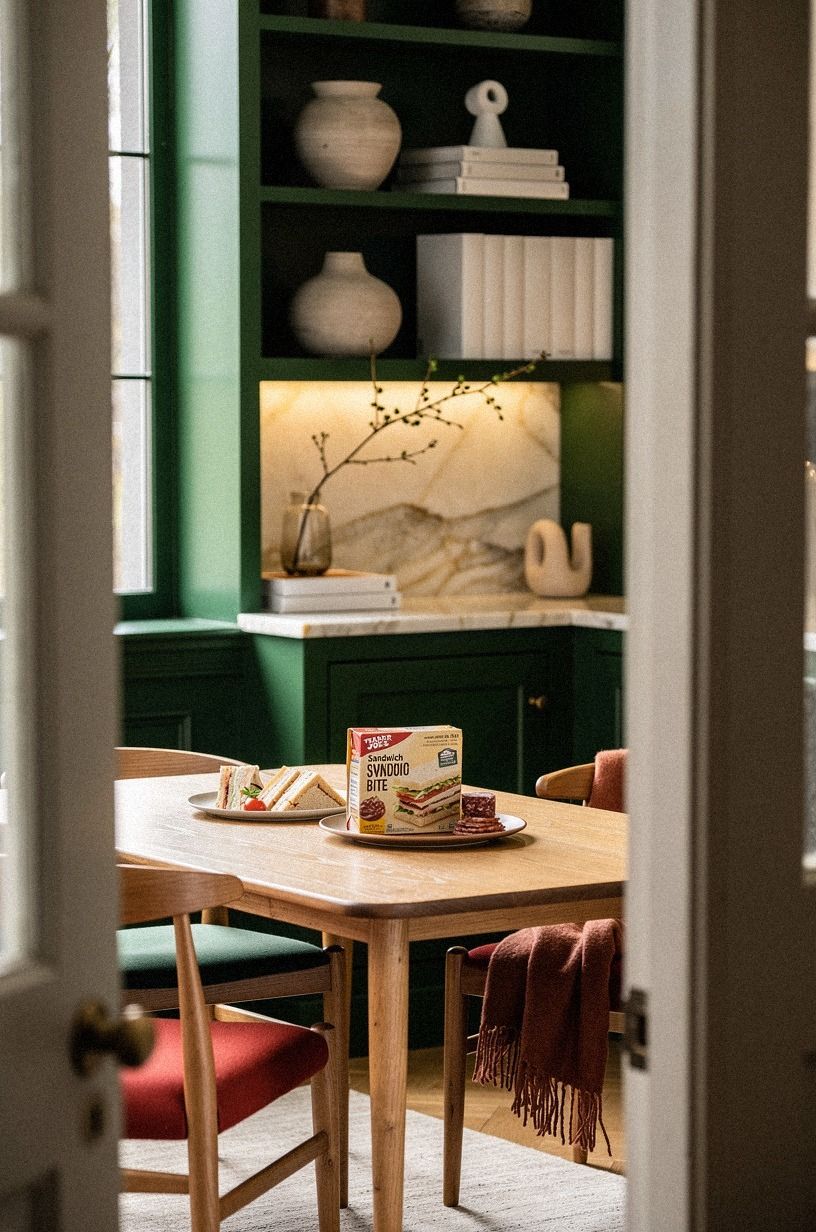
Turn a few store bought ingredients into small sandwich bites, and your board will feed people more reliably.
13How Warm Should the Board Be?
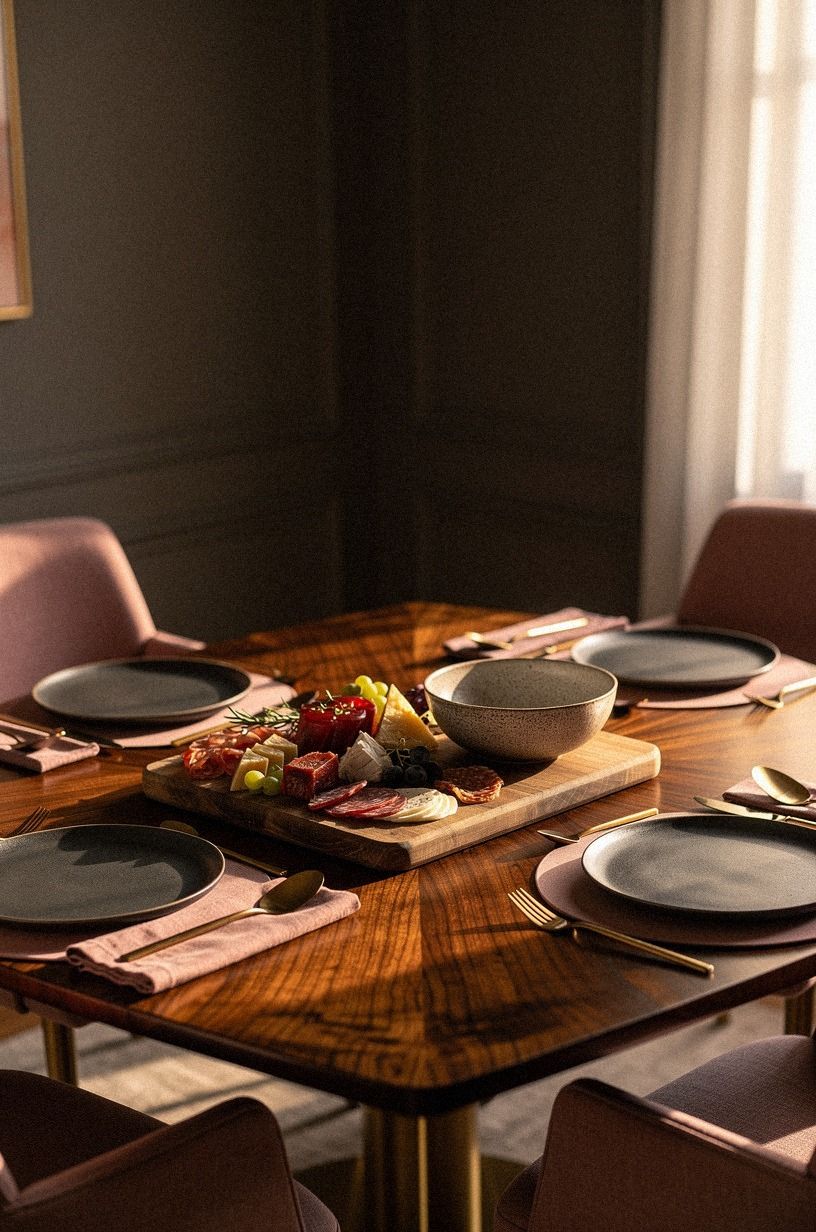
The Two-Temperature Rule keeps your board comfortable to eat. Serve firm cheese and cured meat close to room temperature, but keep soft cheese, sliced fruit, and anything delicate cooler until guests arrive. A book-matched walnut board can anchor the serving table without crowding the food.
You’ll want to time the setup backward from the first guest. Put out the durable ingredients early, then add brie and fruit shortly before the doorbell. I’ve left soft cheese out too long, and the center turned loose while the rind stayed awkwardly firm.
That texture isn’t charming.
If your dining area also needs a practical refresh, this IKEA and Amazon basics article is a good reminder to favor useful pieces that can handle real life.
14Sweet-Savory Corner, Not a Dessert Plate
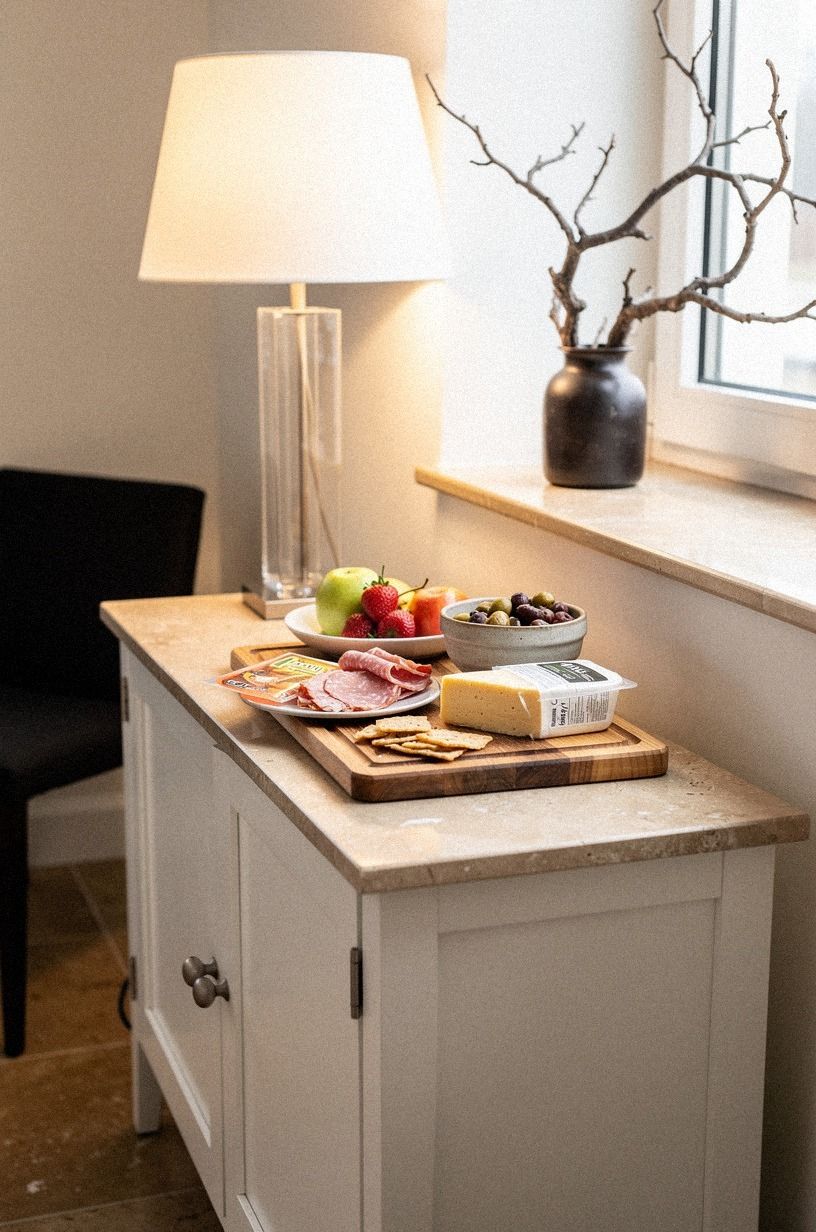
A sweet-savory corner gives your Trader Joe’s charcuterie board a finishing note without adding a separate dessert plate. Arrange dark chocolate sea salt almonds, dried cherries, and one sharp cheese together. The salt keeps the corner from becoming sugary, while the chocolate makes the whole spread feel more indulgent.
Don’t place chocolate beside a very soft cheese because crumbs and moisture create a messy bite. Give the corner its own little dish or folded parchment. Your guests will understand that it’s a different path across the board.
I’d choose this over adding cupcakes or cookies, which often make the table feel crowded. For another low-effort seasonal accent, these DIY cauldron planters show how a strong dark shape can ground brighter details. One moody accent can feel surprisingly dramatic.
15What Should Your Hosting Budget Cover?
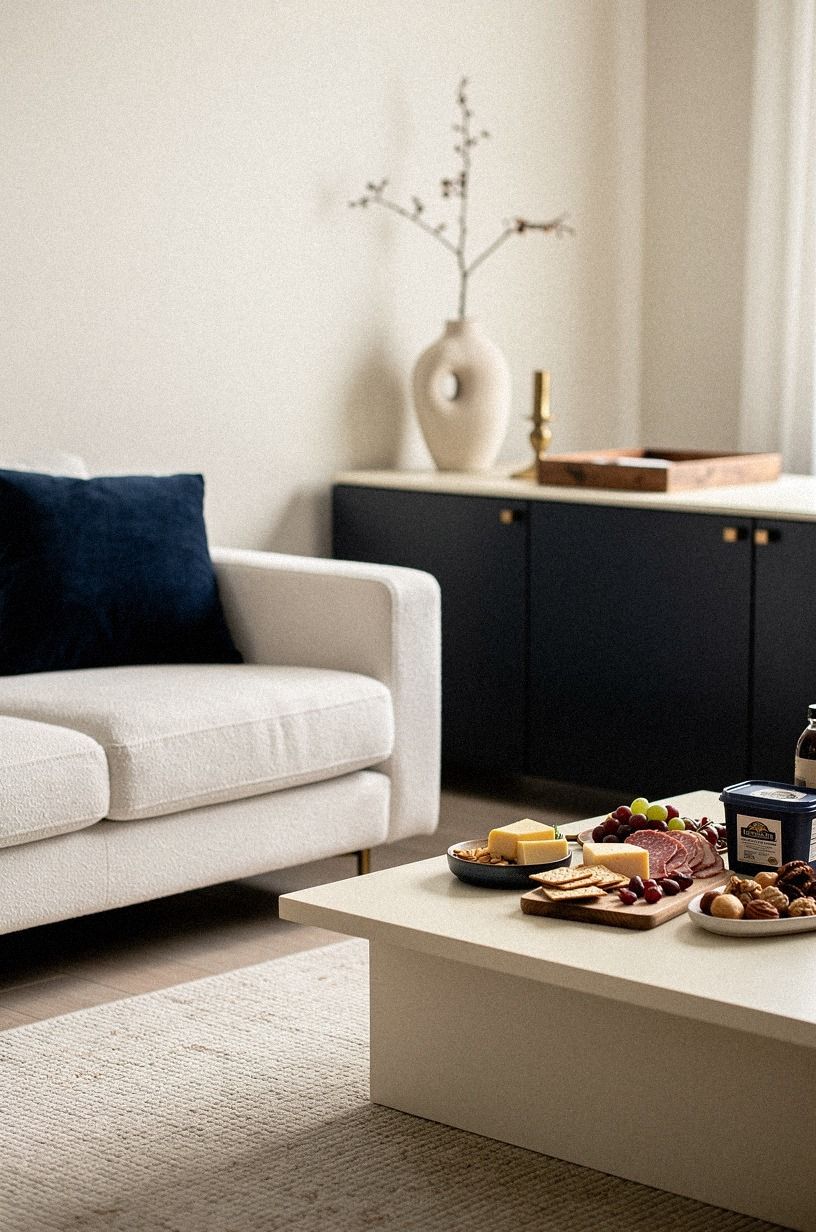
If you’re styling the food, table, and surrounding room at once, set a limit before you buy decorative extras.
16Ask What Your Guests Will Reach For First
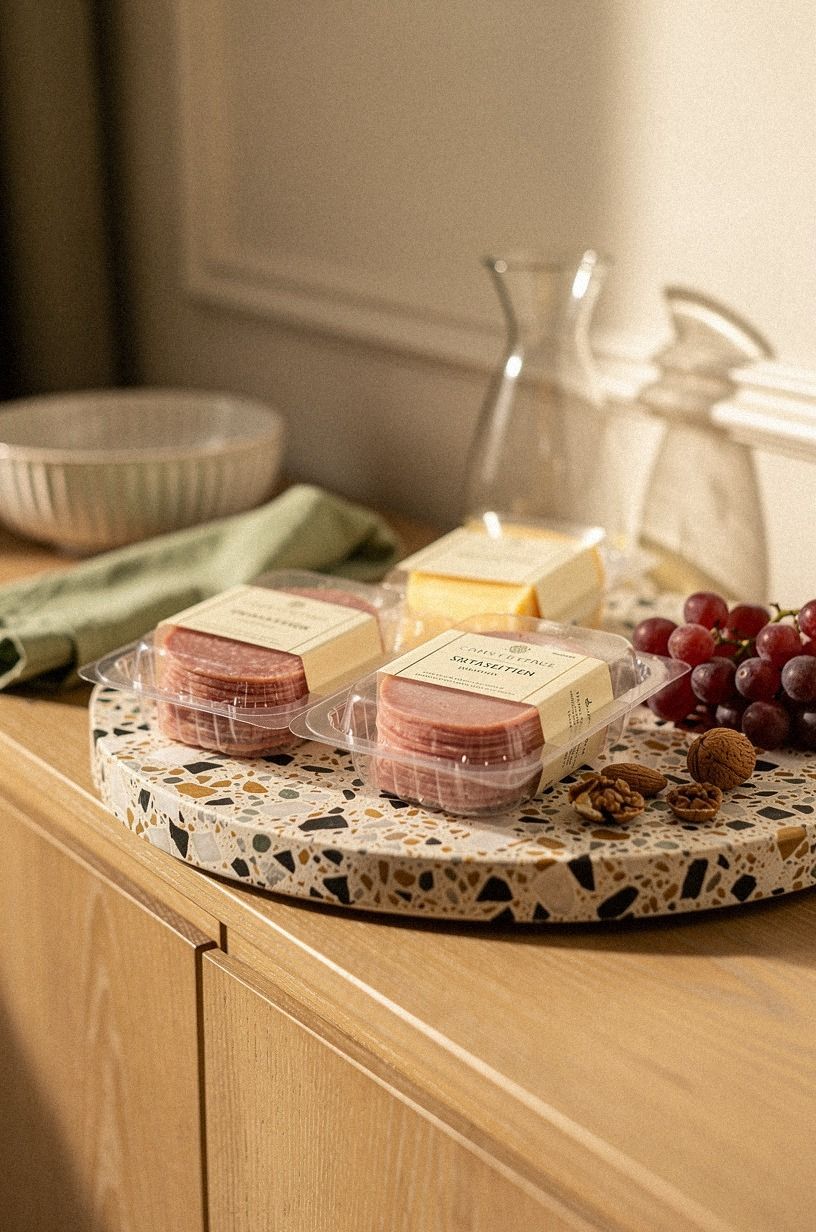
What should you put closest to the edge of the board? Place the most approachable ingredients there, including plain crackers, mild cheese, and grapes. Sage green on a nearby wall can make the food colors read cleanly, but the serving arrangement still matters more than the backdrop.
You’ll want stronger flavors toward the center, where guests can explore after they’ve made a safe first bite. Ask yourself what you’d reach for while holding a drink. That answer usually belongs near the edge.
I’d keep very spicy mustard or pungent blue cheese in a separate dish because one intense flavor can take over the whole tray. If your room needs a simple staging idea too, browse these handmade gift suggestions for ways to make a gathering feel personal.
17Paint the Backdrop, Then Let the Food Lead
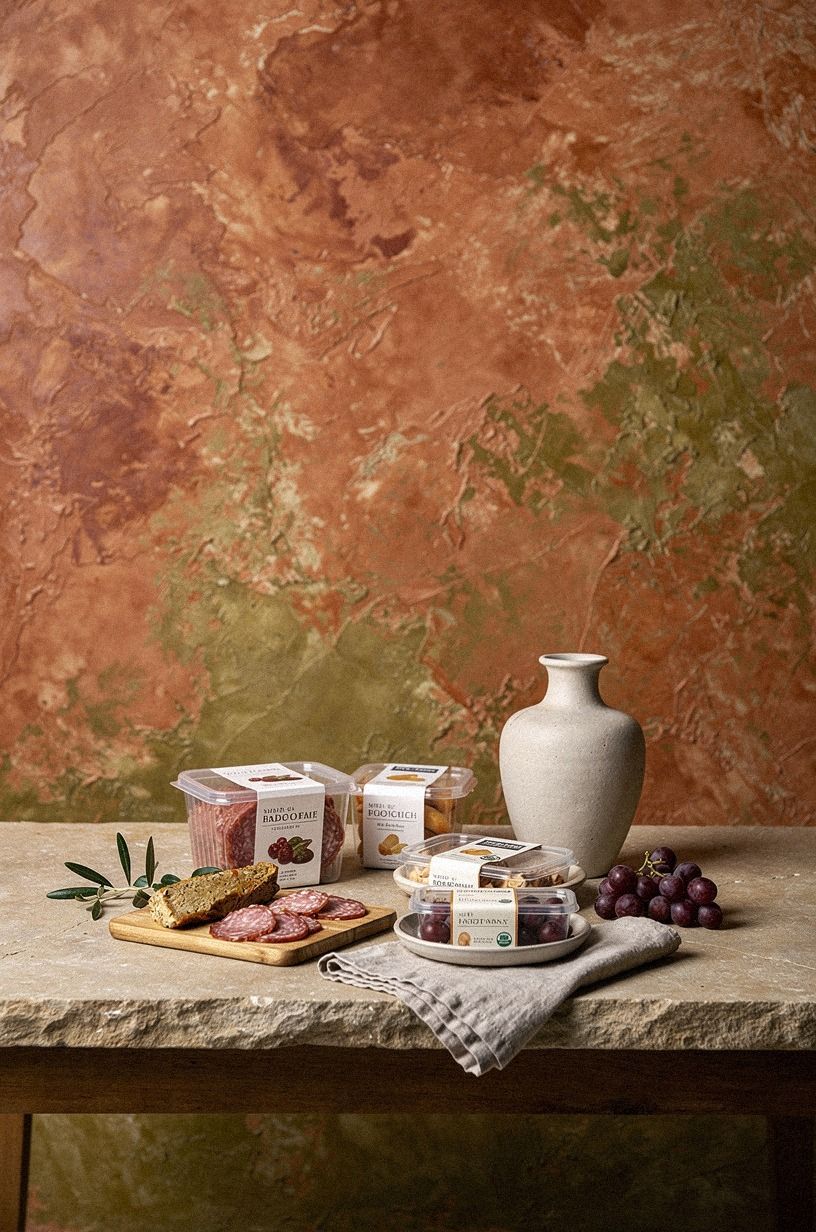
A hand-applied Venetian plaster backdrop can make a modest board feel more dramatic, but keep the food in charge. Farrow & Ball Red Earth No.64 adds a muted terracotta tone that works with cream cheese, green olives, and amber fruit. If you prefer a lighter wall, Sherwin-Williams Natural Linen SW 9109 creates a quiet stone background without competing for attention.
I’ve styled a table against a busy wall before, and the table looked noisy. You don’t need another pattern behind a board that already has many shapes. Choose one calm color, one textured runner, and warm lighting from three sources when possible: a pendant, a task light, and ambient glow.
If you’re preparing a fall gathering, this pumpkin food guide can help you carry one seasonal color through the menu. A restrained backdrop makes the food look more vivid.
18One Memorable Bite, Not Five Extras
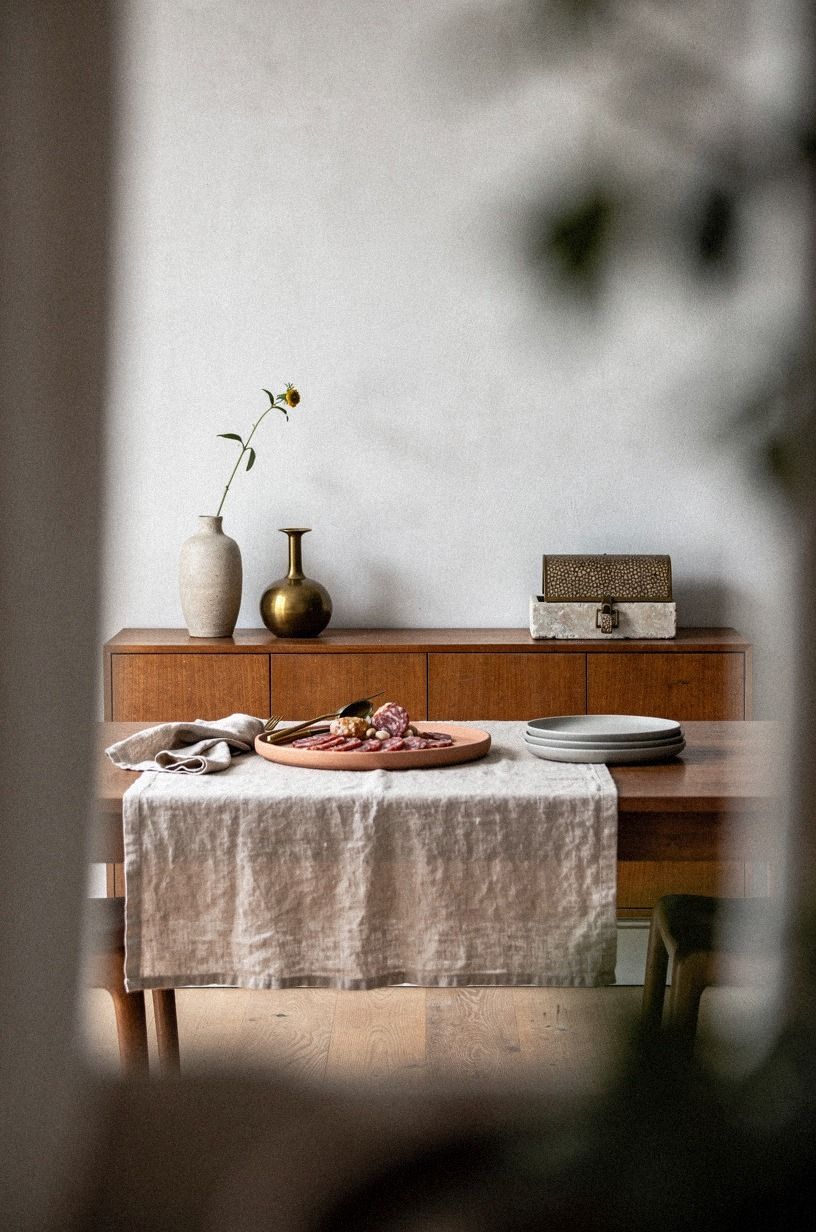
End your grocery store cheese board with one memorable bite instead of adding five more ingredients.
Why I Prefer Store Bought Charcuterie for Real Hosting
I used to think a good charcuterie board required a long shopping list and a special wooden tray. That idea didn’t survive many parties.
The boards people remember aren’t necessarily the most expensive ones. They’re the ones where the host can stay in the room, refill a glass, answer a question, and eat something before it disappears.
That’s why I prefer Aldi and Trader Joe’s for the foundation. The food is already portioned, labeled, and easy to replace, so you can spend your attention on balance. I’ll buy one memorable cheese, then let familiar crackers and fruit do the supporting work.
A board made entirely of unusual ingredients can feel impressive, but it can also make guests hesitate. Hosting should invite people in, not test their vocabulary.
I’ve also learned that visual restraint matters. A tray with six cheeses and twelve garnishes often looks less generous than one with three cheeses, two fruits, one briny item, and enough empty space for a hand to reach in.
The best shortcut is editing. Remove the ingredient that repeats a texture, color, or flavor. Your board will look calmer, and you’ll have fewer containers to wash later.
There’s a practical reason this approach works. Store bought ingredients give you a reliable starting point, while your arrangement supplies the personality.
You can use a vintage plate, a folded Belgian flax linen napkin, or a little bowl from your kitchen without pretending the entire spread came from a boutique market. I’d skip the performance of making everything from scratch.
The warmest gathering is the one where you’re present enough to enjoy it too!
The Questions I Get Asked Most
What is the best store bought charcuterie option for a small table?
A small board needs one firm cheese, one soft cheese, fruit, crackers, and one salty accent. Trader Joe’s Unexpected Cheddar and mild olives work well because they offer clear flavor without taking over. Keep everything in compact groups, and your table will feel more spacious.
Where can I buy charcuterie pieces on a budget?
Look at Aldi, Trader Joe’s, Target, IKEA, and Wayfair for food-safe boards and serving pieces. Facebook Marketplace and thrift stores can also turn up useful trays. You don’t need a matching set, and this IKEA shopping guide supports a useful rule: buy only what you’ll use often.
How much does a charcuterie makeover cost?
A simple food refresh can stay modest, while a larger gathering may run about $20 to $120 for groceries, linens, and small serving pieces. Use what you own first. Spend more on one excellent cheese or spread if you want the board to feel especially generous.
Can I create a charcuterie board on a budget?
Yes, and you can start with a dinner plate, one cheese, crackers, fruit, and olives. Aldi and Trader Joe’s make the grocery part simple. Use herbs from your kitchen, fold cloth napkins, and skip decorative purchases until you know what your board actually needs.
Is store bought charcuterie worth it in a small space?
Yes, because a small space rewards editing. Use one narrow board, place the most approachable food near the edge, and keep refills in the refrigerator. You’ll avoid crowding the table, and guests can still build varied bites from a compact arrangement.
Is store bought charcuterie a good idea for a rental?
Yes. Use a removable runner, a tension rod for a temporary backdrop, and freestanding lighting instead of wall changes.
Farrow & Ball Red Earth No.64 can inspire a color palette without requiring paint. For removable seasonal styling, these DIY ornaments offer a renter-friendly direction.
Where I’d Start First
If I had to pick one, I’d start with the Three-Bite Board. It keeps your shopping focused, gives every guest an easy first choice, and stops the tray from becoming a pile of duplicates. Pin this guide for later and save the board idea before your next Aldi or Trader Joe’s run.