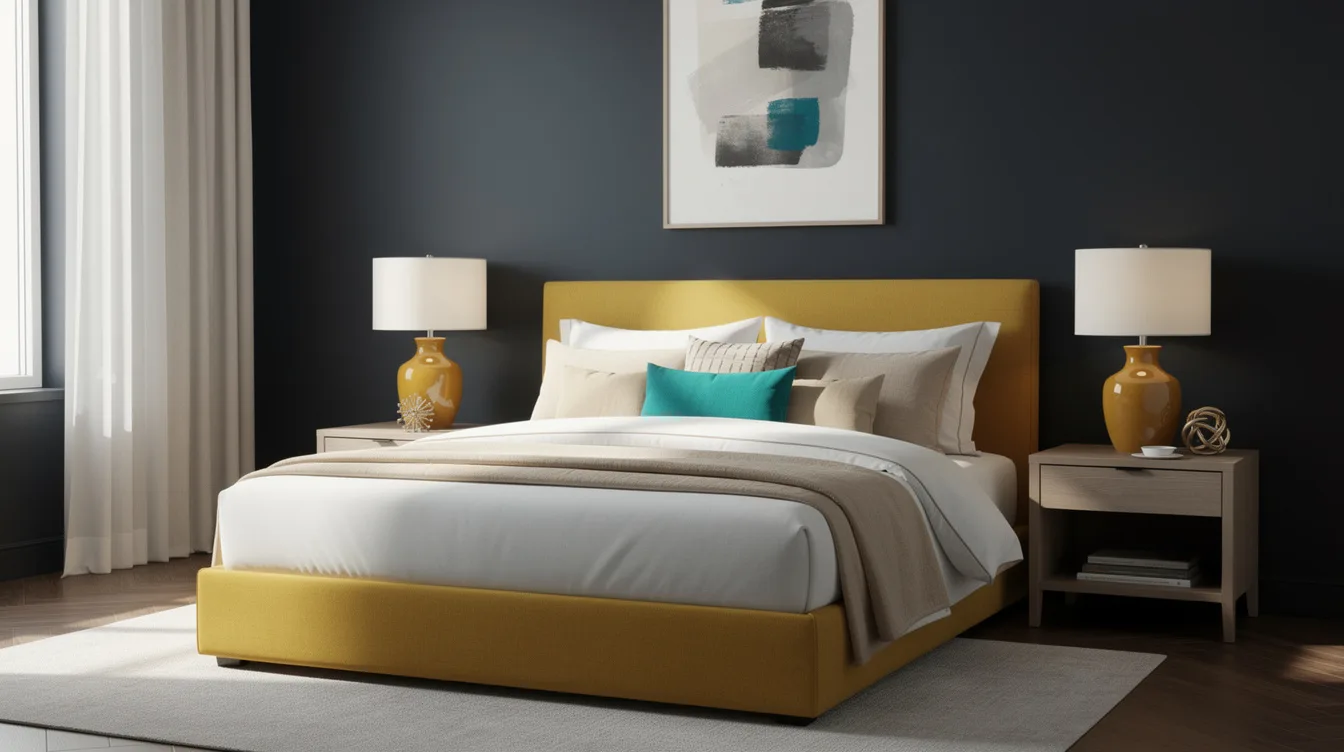
The wrong lampshade can make an expensive bedroom look oddly assembled. On a 13-inch-wide bedside shade, the difference between a drum, empire, or oval shape is visible from the doorway.
Shape controls more than style: it changes how the lamp relates to its base, how much table space remains, and where the light travels. Choose the outline first, then settle on fabric color.
The most reliable rooms repeat one main silhouette at the bedsides and reserve stronger shapes for a dresser, reading corner, or ceiling fixture.
Match the Shade to the Base
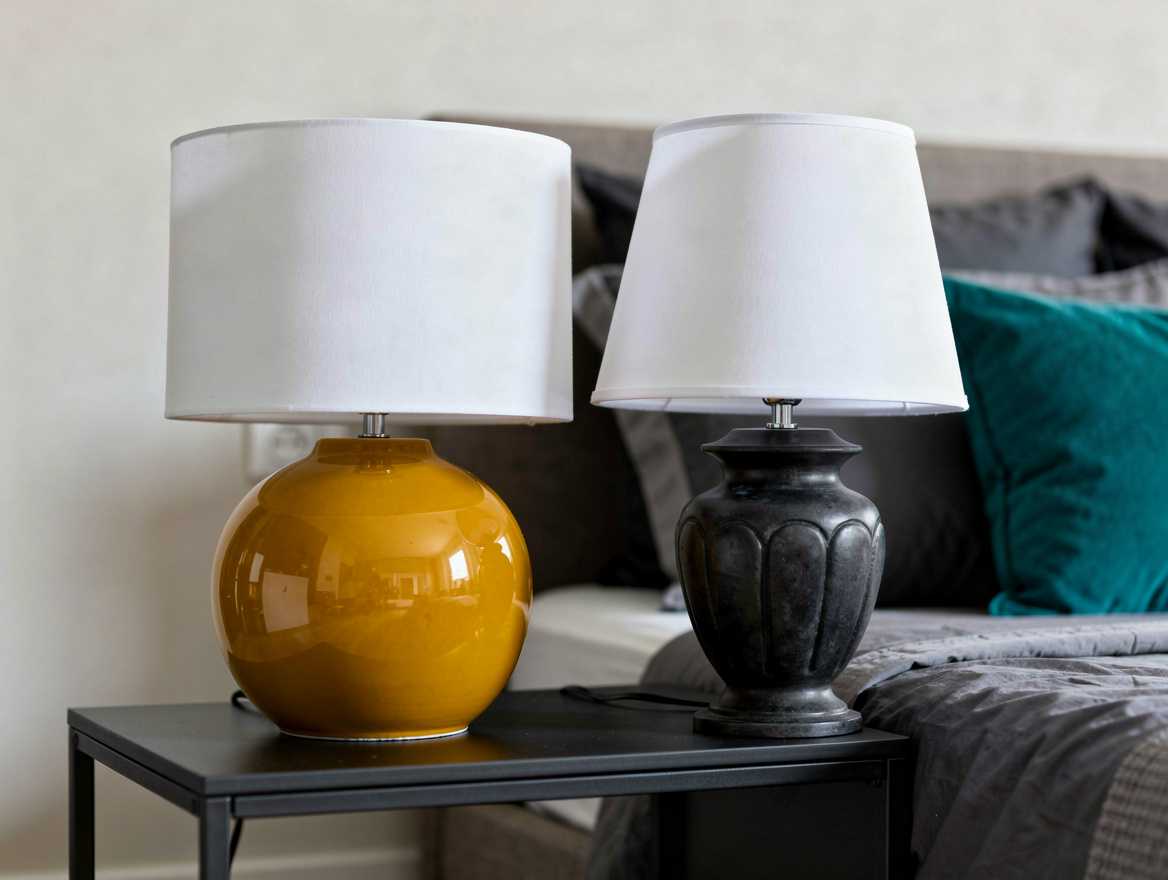
Start with the lamp base, because its outline should explain the shade above it. A straight-sided drum shade feels right on a substantial round base, while a tapered empire shade belongs on a bottle-shaped or urn-shaped ceramic base.
For a polished bedroom, repeat the same basic silhouette on both bedside tables. A pair of round ceramic bases with matching ivory shades looks intentional, even when the bedding and artwork are more relaxed.
Keep the visual weight balanced. A narrow base under a very wide shade can look top-heavy, while a large base under a tiny shade feels unfinished.
Use a Drum to Calm a Modern Room
A drum shade has straight sides with a circular top and bottom, making it the safest contemporary choice. An oatmeal drum shade softens a minimalist room without adding a fussy pattern.
This shape works especially well with a round or wider base, including a simple white ceramic lamp on a wood nightstand. The broad opening also gives the room a pleasant spread of light.
For a typical low-cost refresh, IKEA RINGSTA is listed at US$19.99 and measures 13 inches in diameter by 9 inches high, roughly 33 by 23 centimeters. The frame uses steel, while the shade includes polystyrene and PET plastic, and the base or cord set is sold separately.
Let an Empire Shade Direct the Glow
An empire shade is narrower at the top and wider at the bottom, so it naturally sends more light downward. That makes a natural linen empire shade useful beside a bed where you want a focused reading glow.
Pair it with a classic ceramic or urn-shaped base, especially in a bedroom with painted wood furniture. A restrained patterned cotton shade can also work when the base is plain, but the pattern should stay quieter than the headboard.
Remember that the tapered form will not throw the same amount of light toward the ceiling as an open drum. My opinion is firm here: choose an empire shade for direction and character, not for maximum ambient brightness.
Fit an Oval Beside a Shallow Table
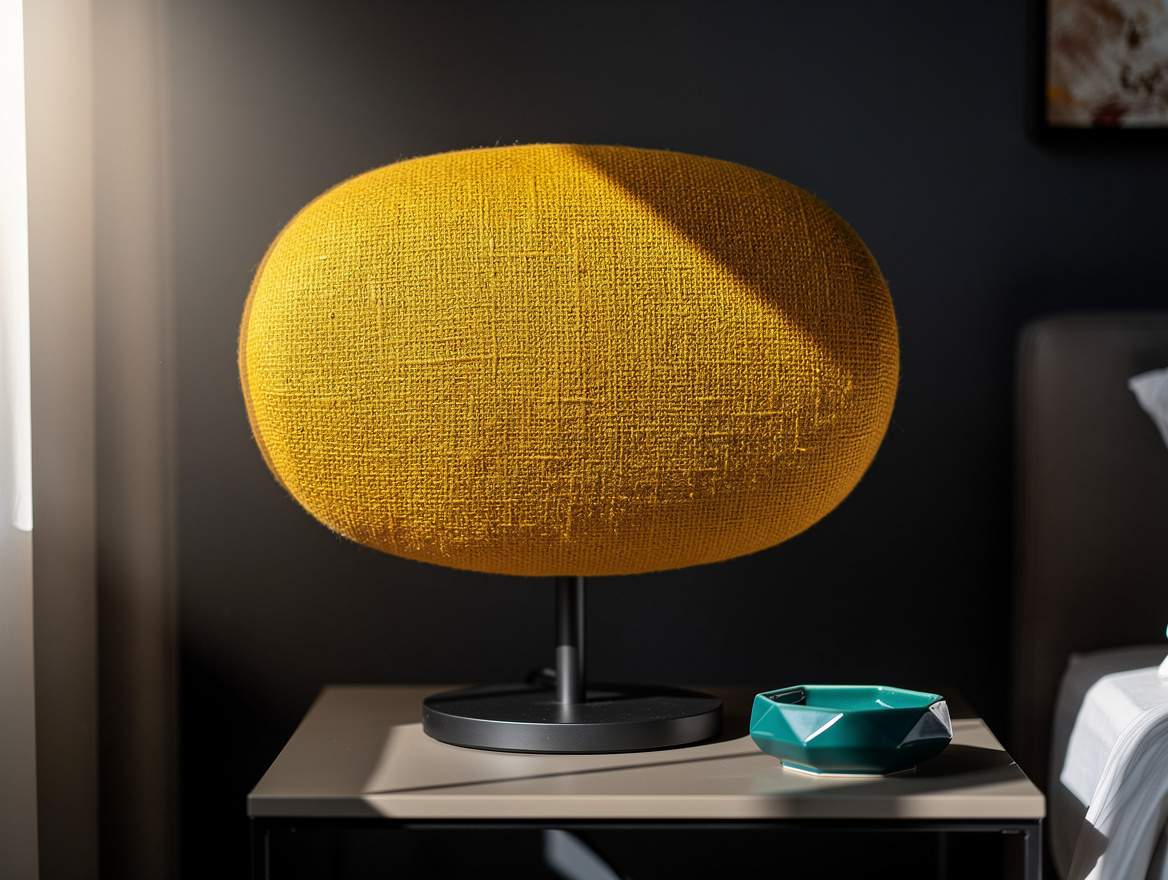
An oval shade looks generous from the bed while using less front-to-back space than a round shade. That makes a linen oval shade a smart solution for a narrow nightstand, a window ledge, or a lamp placed close to the wall.
Check width and depth before ordering, because a listing that only says 30 centimeters does not describe the full footprint. A slim column lamp base gives the oval enough height and keeps the arrangement from looking crowded.
Oval shades also help a small bedroom feel more tailored. They offer a broad face from the main viewing angle, yet leave more room for a book, water glass, or alarm clock.
Relate Angular Shades to Angular Bases
Square and rectangular shades suit architectural rooms, angular furniture, and lamp bases with a strong geometric outline. A plain rectangular cotton shade can make a square stone or timber base feel deliberate rather than mismatched.
Keep the relationship obvious: a narrow contemporary base deserves a narrower shade, while a chunky geometric base can carry more width. A square stone lamp paired with a very soft, rounded shade usually creates unnecessary tension.
Use this shape sparingly on bedside tables because its corners can make a tight arrangement feel harder. It is often better on a dresser or reading-corner table where the lamp has more breathing room.
Repeat the Silhouette, Then Vary the Scale
Matching the main shade shape across the bedside tables creates the polished effect people usually want. Two ivory drum shades can quietly anchor the room while a sculptural ceiling fixture supplies contrast above.
Contrast belongs elsewhere, not in a collection of competing bedside silhouettes. A black metal pendant or sculptural wall light can bring angular energy without forcing the nightstands to carry every design idea.
Before buying, place a paper template over the table to test width and depth. If the shade crowds the lamp, trim, or wall, move down in scale or choose an oval shape; a polished room needs clear space around each object.
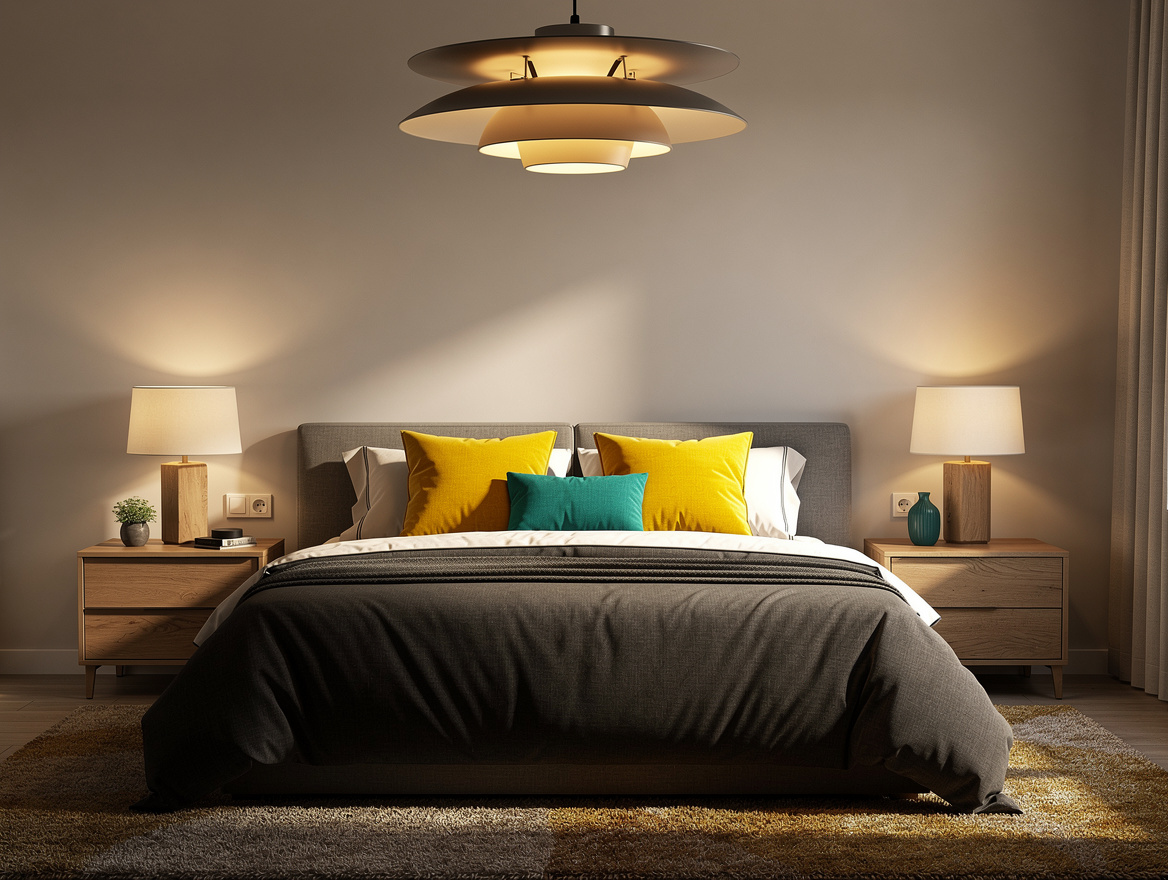
Measure the table, identify the base shape, and test a paper outline before shopping. That small check will tell you whether a drum, empire, oval, or angular shade gives the bedroom the cleaner finish.
Mia Carter writes about small-space living and budget home makeovers. She has restyled three rentals and tests most ideas in her own 45 sqm flat.