
Vegan charcuterie board ideas without any meat can feel party-ready with $20-$80 in produce, spreads, and bread. I learned that after building one overloaded with beige crackers and sad grapes. The fix was contrast: smoky bites, bright fruit, crisp vegetables, and one warm element. Your board needs rhythm.
- Layer the Three-Texture Welcome
- Build The Two-Wood Rule
- Can Your Board Carry the Room?
- Swap Meat for Smoked Color
- Anchor the Board with Something Warm
- Mix The Five-Bite Rhythm
- Paint the Backdrop Before You Plate
- Choose Wood Over White Plastic
- Use The Three-Height Light Stack
- Make a Vegetarian Board That Travels
- Pair Sweet Fruit with Sharp Heat
- Set a Moody Fall Board
- Frame the Food with Soft Light
- Add a Rental-Friendly Serving Zone
- What Does This Party Corner Cost?
- Finish the Meatless Snack Board with a Host’s Pour
1Layer the Three-Texture Welcome
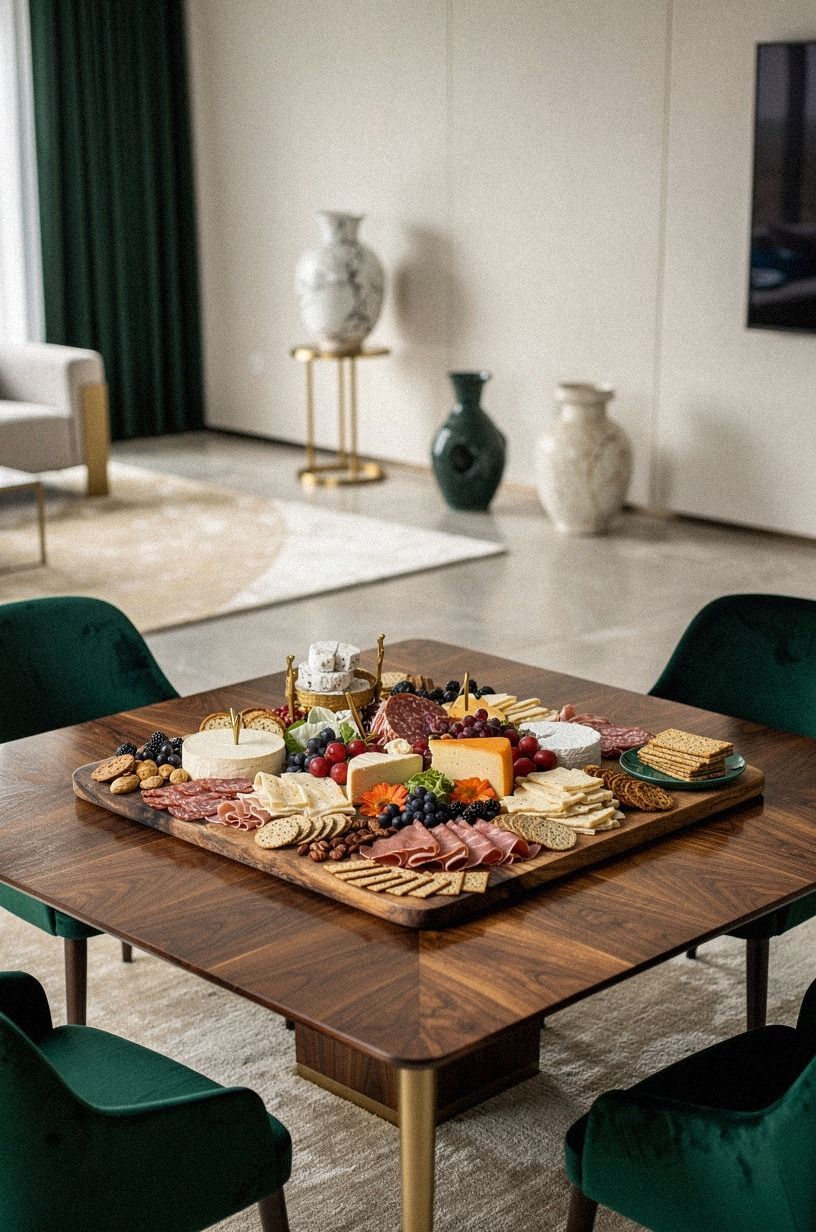
Start your vegan charcuterie board with three textures: crisp, creamy, and chewy. I like roasted almonds, whipped white bean dip, and dried apricots because your guests can move from a sharp crunch to something soft without searching for the next bite. That mix feels generous, not fussy.
Set the creamy item near the center, then let your crisp pieces point toward it. Your eye will follow those little paths. A small bowl of hummus, a fan of cucumber, and torn sourdough create an inviting first impression, and you won’t need a dozen ingredients.
And don’t make every item the same color. Your board will look more captivating with emerald olives, pale crackers, ruby grapes, and one deep walnut-brown element. If you’re planning a larger spread, borrow ideas from these easy Christmas charcuterie board ideas for any party, then swap dairy for plant-based spreads.
Typical cost by tier (US averages):
2Build The Two-Wood Rule
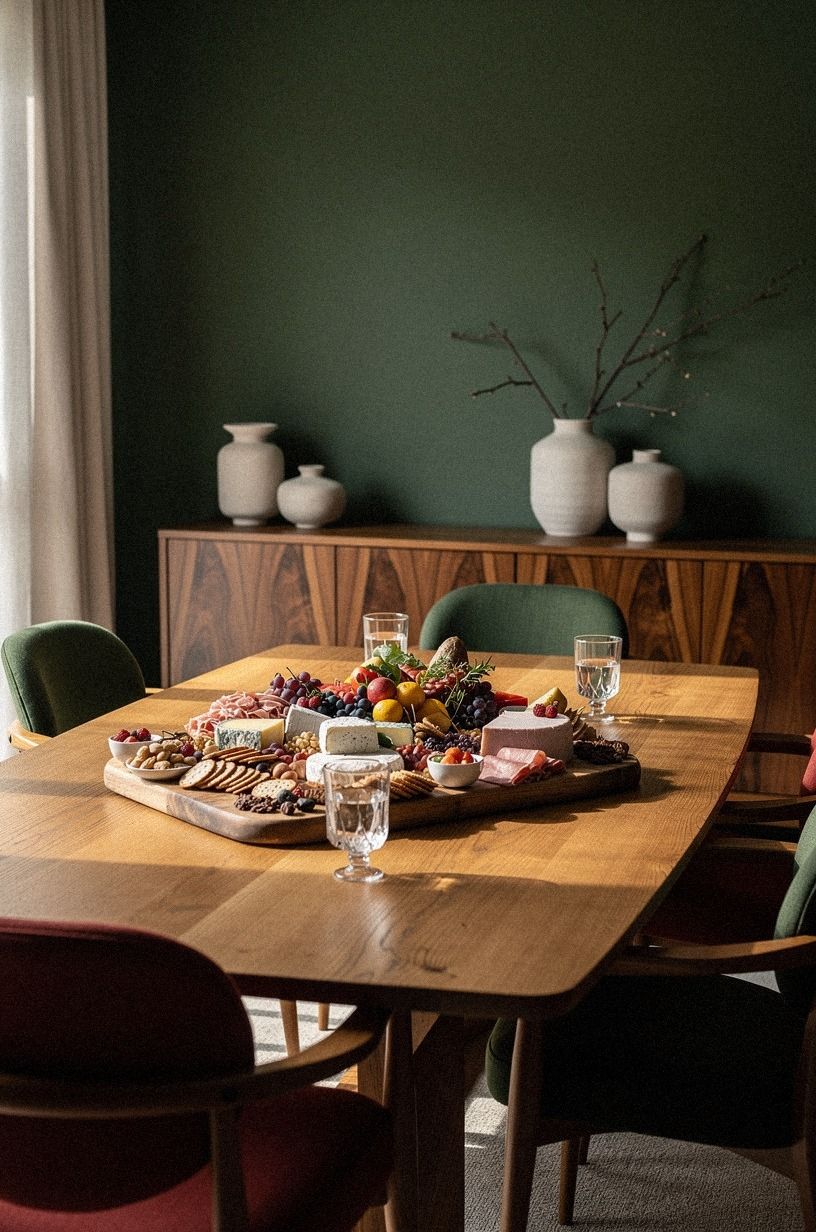
Use two wood tones when your serving board is also part of the room. A natural oak board keeps the food bright, while a book-matched walnut bowl gives your vegan grazing board enough earthy depth.
I wouldn’t use three woods here. Your table can start looking like a furniture showroom.
Put the darker bowl beside pale foods such as cashew cheese, sliced pear, and sesame crackers. The contrast makes your spread feel refined, even if you bought everything at a regular grocery store. If you’re styling a console or kitchen island, keep the board close to the edge so guests don’t have to reach across candles.
Your second texture can come from linen napkins in a warm oat shade. They soften the hard wood and catch crumbs without looking precious. You can find more plant-based flavor combinations in my guide to vegan recipes that converted a meat-loving family, especially if your guests expect something substantial.
3Can Your Board Carry the Room?
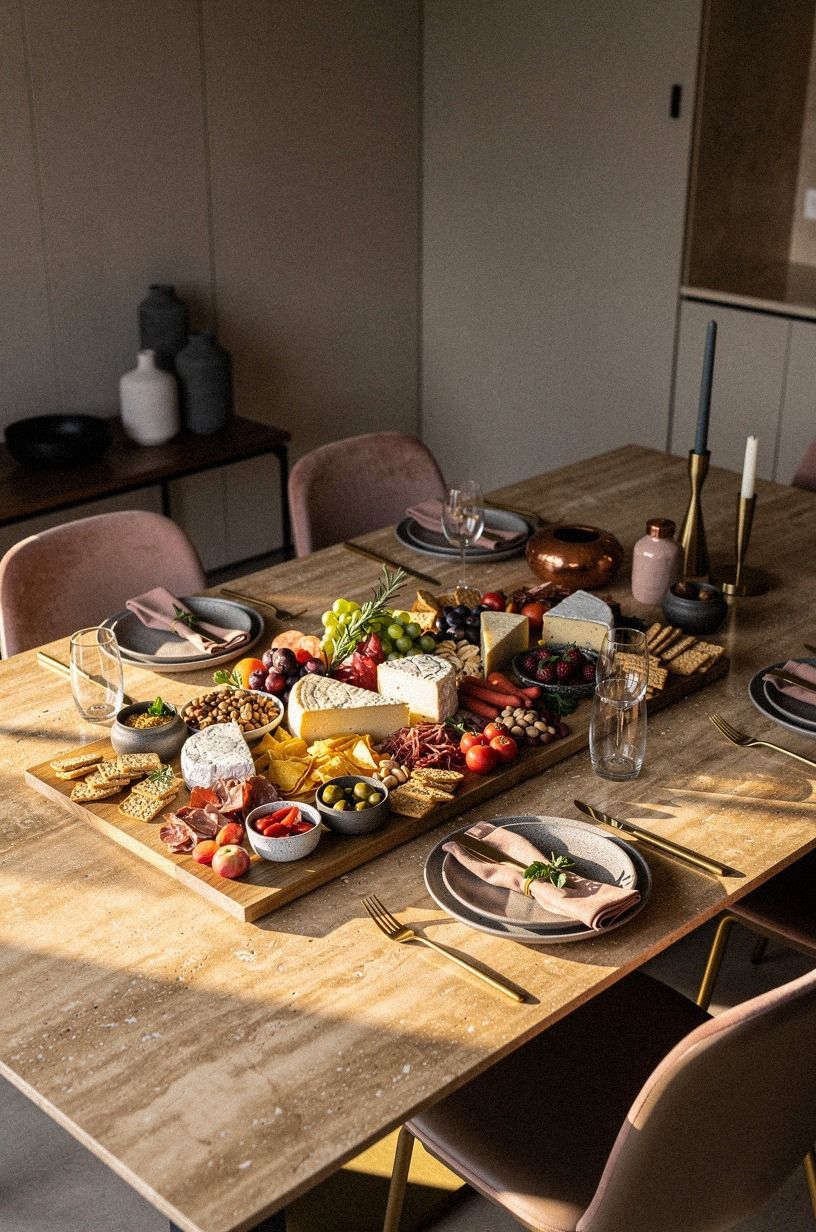
Yes, if you treat the board as a focal point instead of a leftover plate.
4Swap Meat for Smoked Color
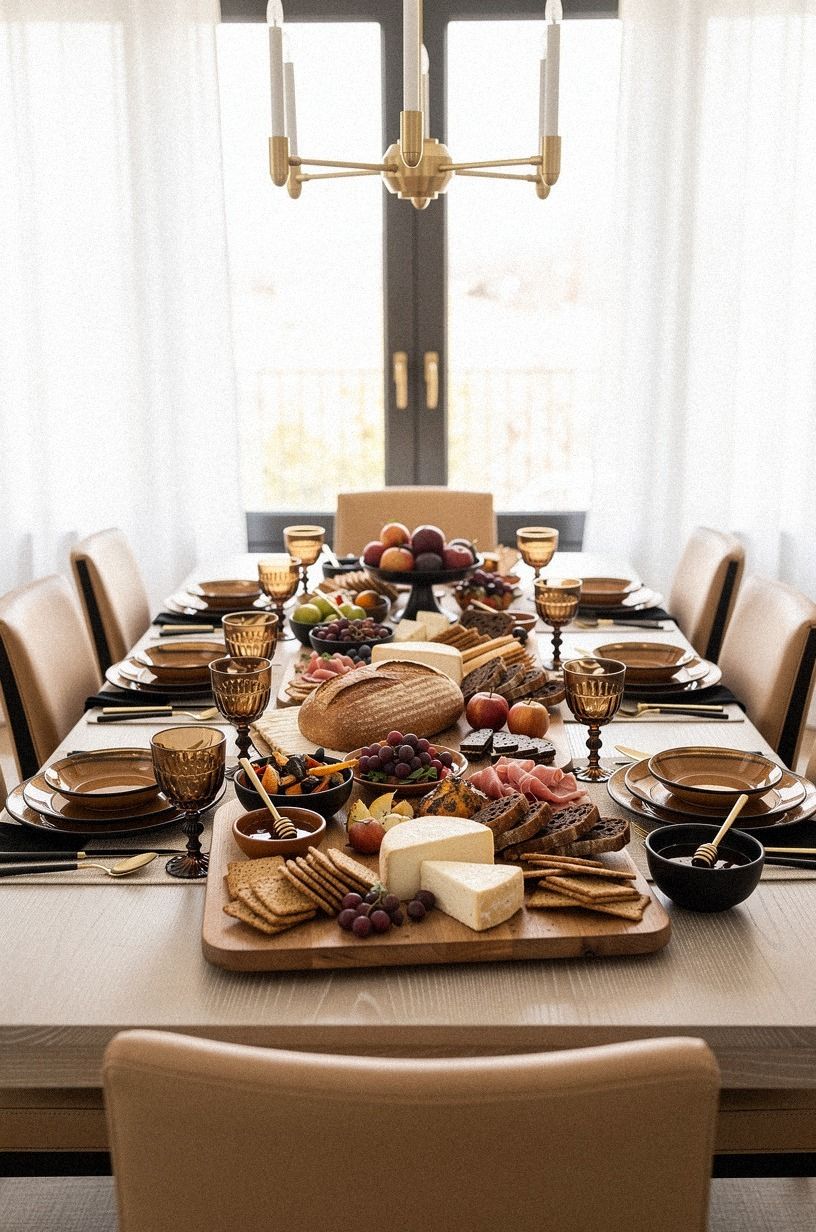
Replace the visual weight of salami with smoked ingredients that bring deep color. Thin slices of smoked eggplant curl beautifully beside dried figs, and roasted red peppers give your plant-based grazing board a warm, dramatic stripe. You don’t need imitation meat to make the board feel abundant.
Add smoked almonds, paprika hummus, and a few black olives. Your guests will get salt, sweetness, heat, and that faint campfire note people usually expect from cured meat.
I’d skip a pile of plain vegetables here. They’re fresh, but they won’t give your board enough flavor or visual weight.
But keep one bright food in the mix. Your green Castelvetrano olives will cut through the smoky ingredients, while lemon zest lifts the whole plate. That balance feels bold without becoming heavy, and you can repeat the same palette in your napkins or flowers.
5Anchor the Board with Something Warm
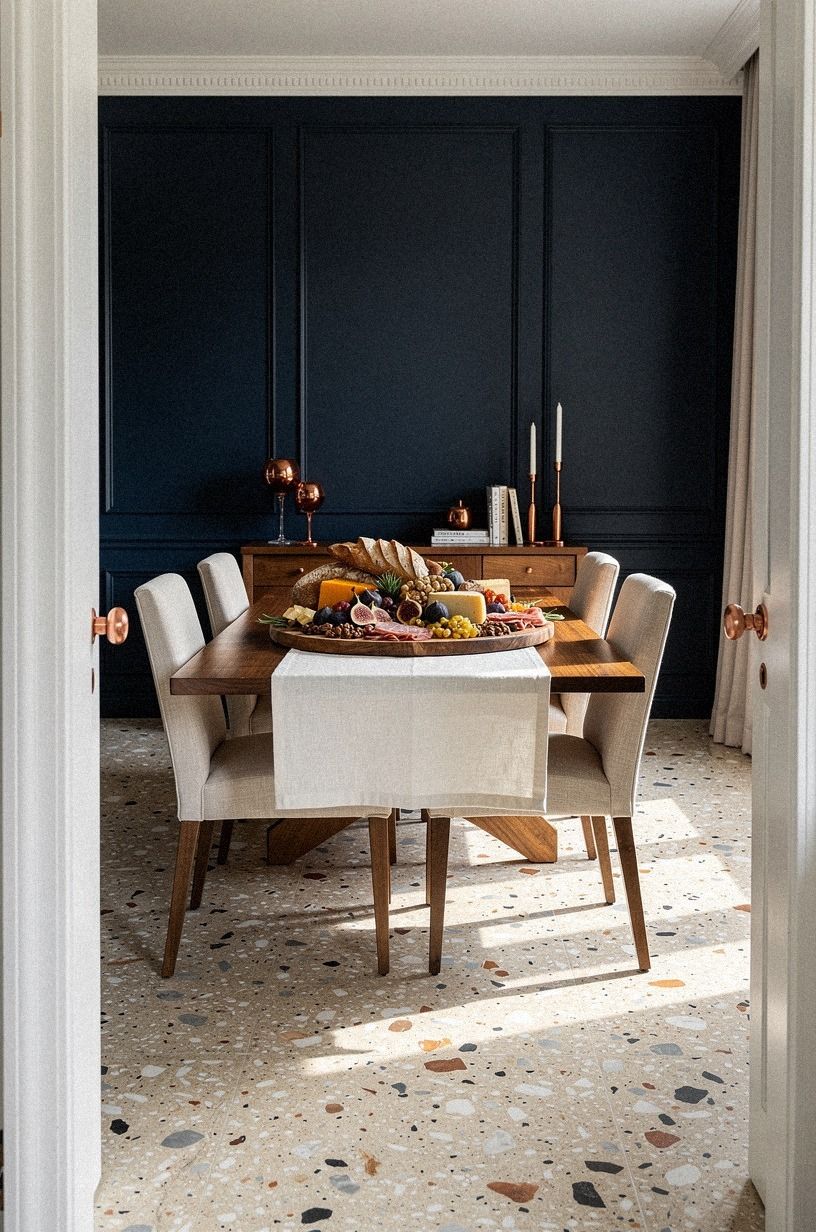
A warm element changes everything. For a comforting vegan charcuterie board, serve small pieces of toasted focaccia, roasted garlic, or warm rosemary potatoes in a shallow bowl on an oversized-chip terrazzo tray. Your guests will notice the smell before they notice the styling, which is exactly why this idea works.
I like to warm the bread shortly before people arrive, then wrap it in a cotton towel. You won’t need a complicated centerpiece when the board is giving off rosemary, olive oil, and toasted crust. The result feels welcoming, especially during a fall gathering.
Keep the warm item away from delicate fruit so condensation doesn’t soften it. Your 600gsm Turkish cotton towel can handle the job and still look polished on the terrazzo surface. For a larger meal, pair the board with this 75-minute lentil meat holiday centerpiece and let the snacks stay casual.
6Mix The Five-Bite Rhythm
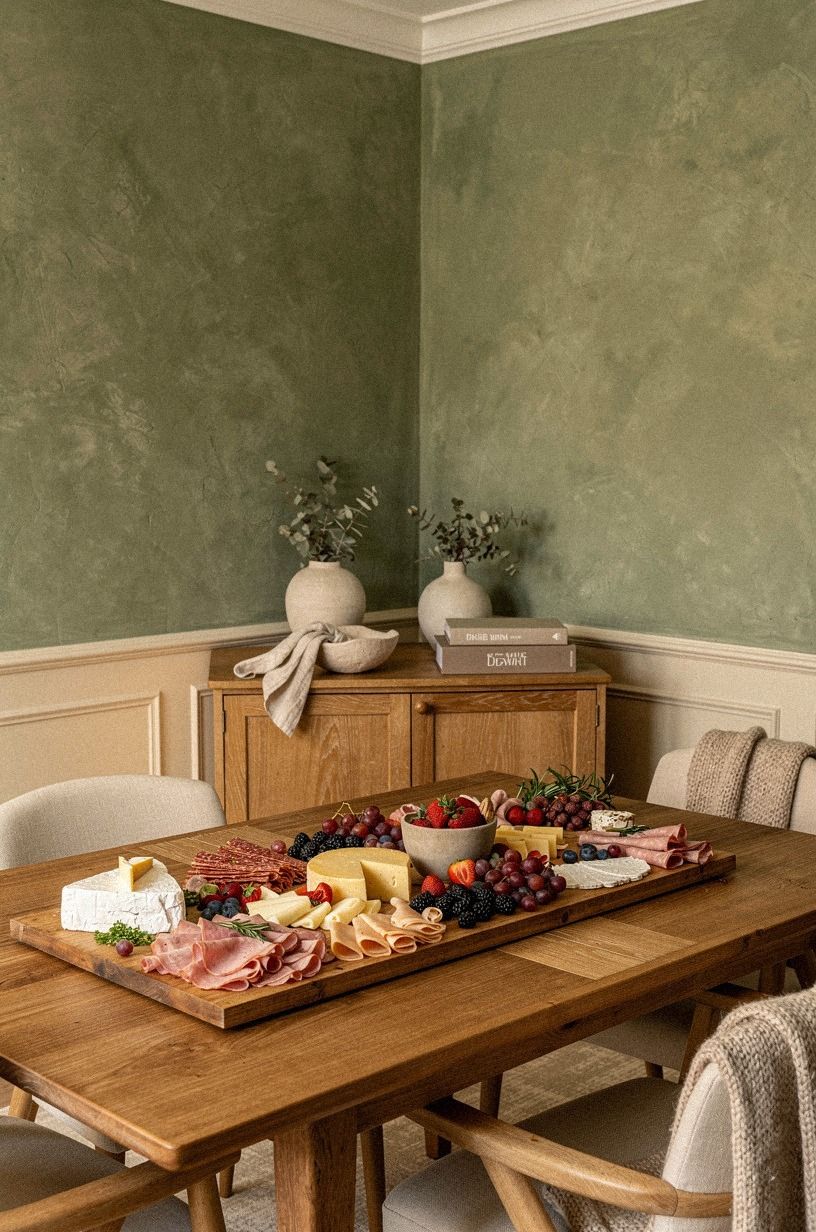
The Five-Bite Rhythm means your board should offer five kinds of eating: scoop, spread, crunch, sip, and pick.
7Paint the Backdrop Before You Plate
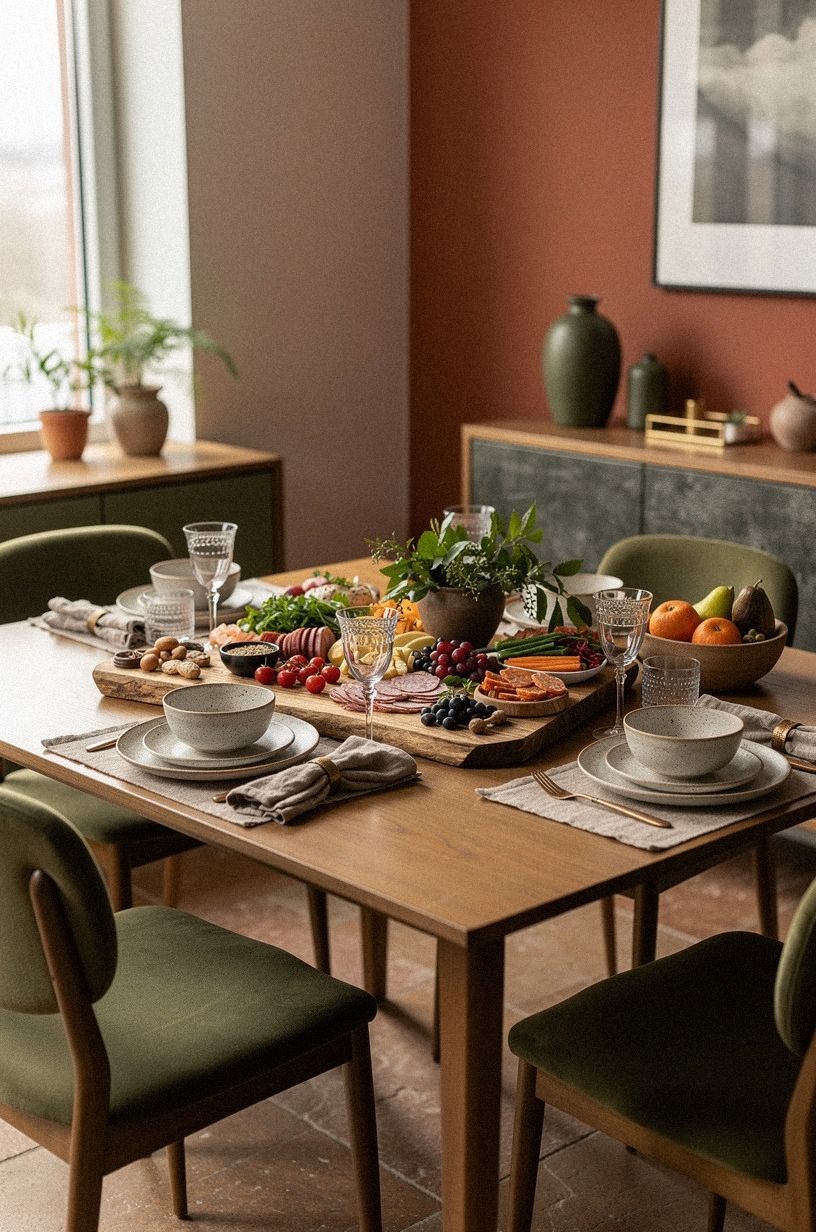
Your serving board will look more intentional against a considered wall or table color. Farrow & Ball Olive No.13 gives citrus, herbs, and red grapes an earthy backdrop, while Sherwin-Williams Cavern Clay SW 7701 brings out the warmth in roasted vegetables. I prefer the olive when you’re hosting in the evening.
You don’t need to repaint the whole room for one dinner. A small painted tray, linen runner, or paper backdrop can give your vegan board a more sophisticated setting. If you’re using a dark table, keep the napkins light so your food doesn’t disappear into the surface.
A muted stone shade is another safe option, but I’d skip it if your room already has a lot of gray. Your shagreen serving bowl and terracotta accents will bring more life to that palette than another cool accessory. The right background does quiet work, and your food gets to lead.
8Choose Wood Over White Plastic
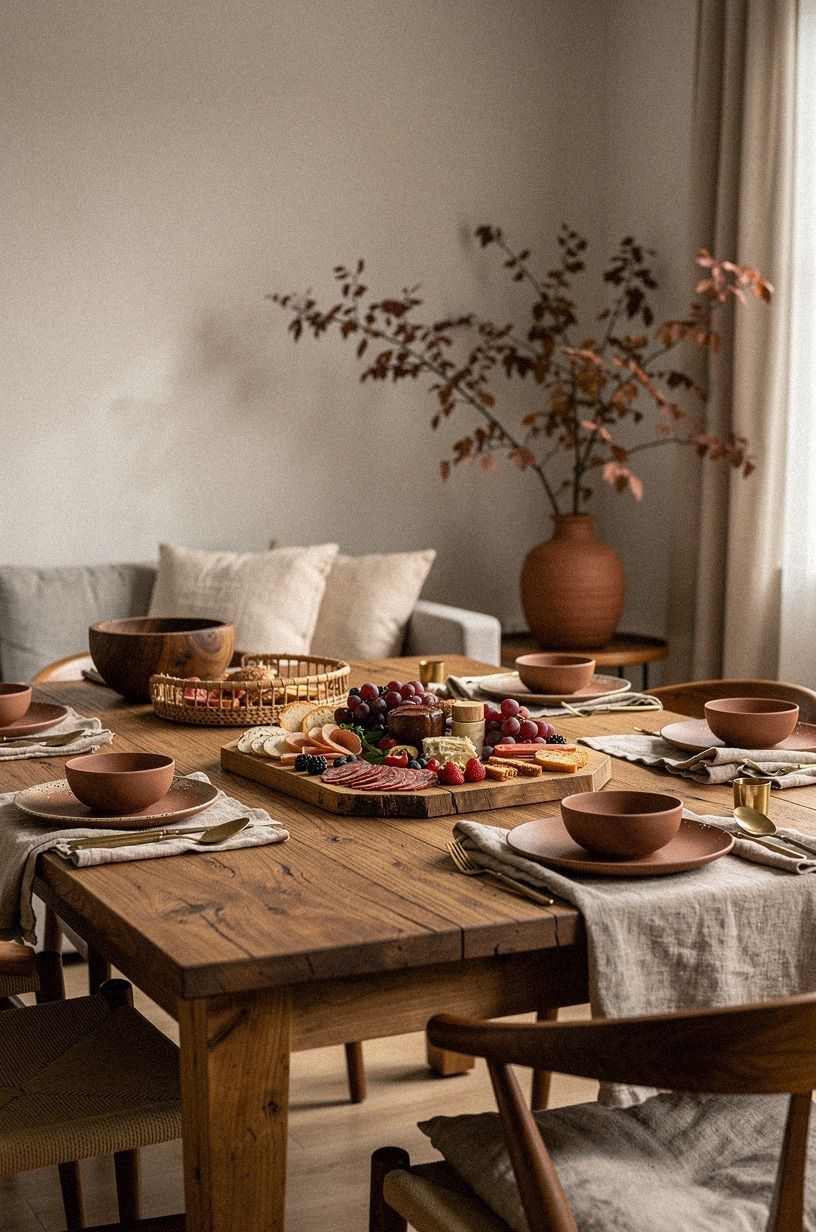
A wooden board usually makes a meatless snack board feel warmer than a white plastic platter. Choose washed Belgian linen beneath the board if your room leans relaxed, or use smooth acacia when your table is more modern. I wouldn’t mix a shiny plastic tray with delicate fruit and handmade dips.
Place the board on a low stack of books or a folded textile if your table needs height. Your guests will see the spread sooner, and you can create a small presentation moment without buying a riser. The surface should feel stable, not like it might slide when you reach for a cracker.
But don’t over-style the base. A stoneware pedestal is enough if you want height, and your board should still be easy to carry. If your gathering includes a small patio or balcony, the louvered screen solution for patio privacy can help keep the serving area comfortable outdoors.
9Use The Three-Height Light Stack
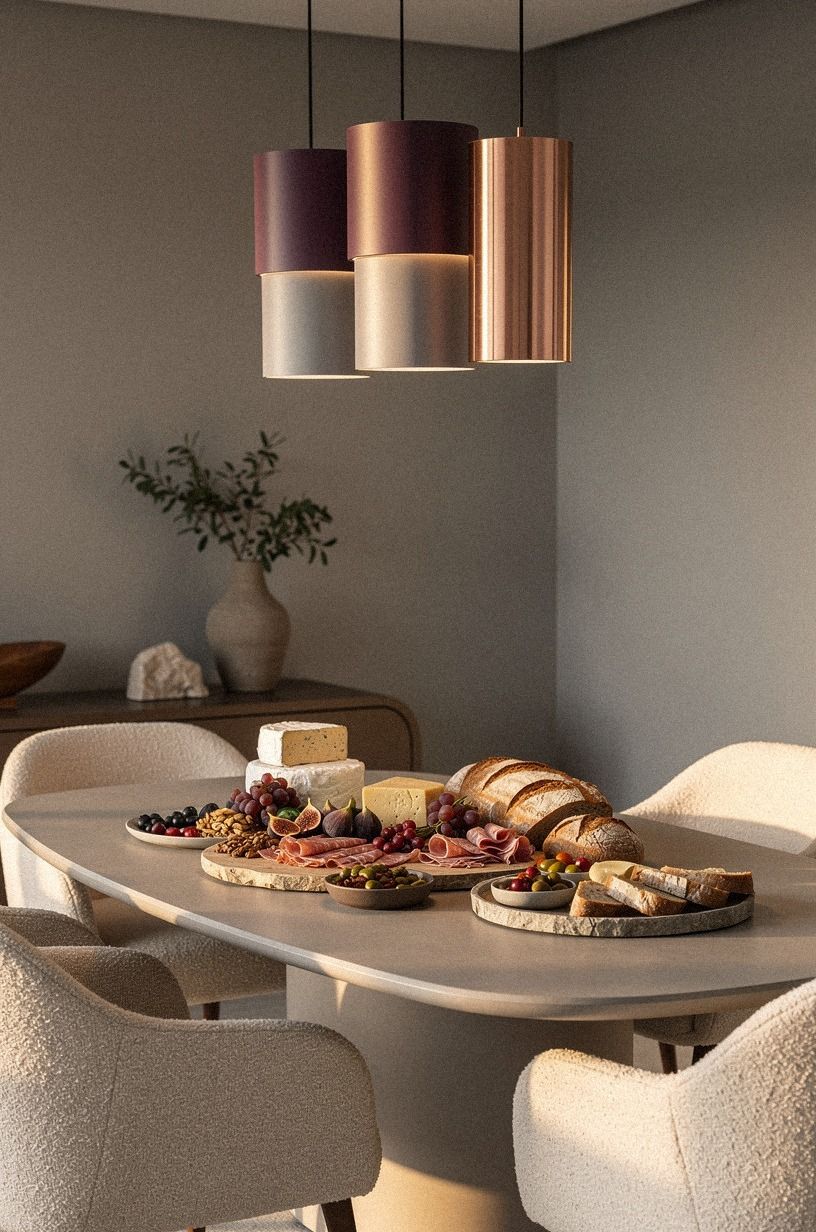
The Three-Height Light Stack uses overhead, task, and ambient light. Your board needs all three because food looks flat under one bright ceiling fixture. Turn down the overhead light, add a lamp nearby, and place one battery candle behind the board.
I tested this with a dark lentil dip, and the difference was immediate. Under the ceiling light, it looked gray.
Under a warm lamp, the paprika and olive oil caught the light, and the spread felt more moody and generous. You don’t need expensive lighting to get that effect.
Keep the candle far enough from napkins and dried fruit to feel safe. Your organic bouclé runner can provide the soft visual warmth without adding a real flame. If you’re styling a narrow table, let the lamp sit behind the serving area so guests still have elbow room.
10Make a Vegetarian Board That Travels
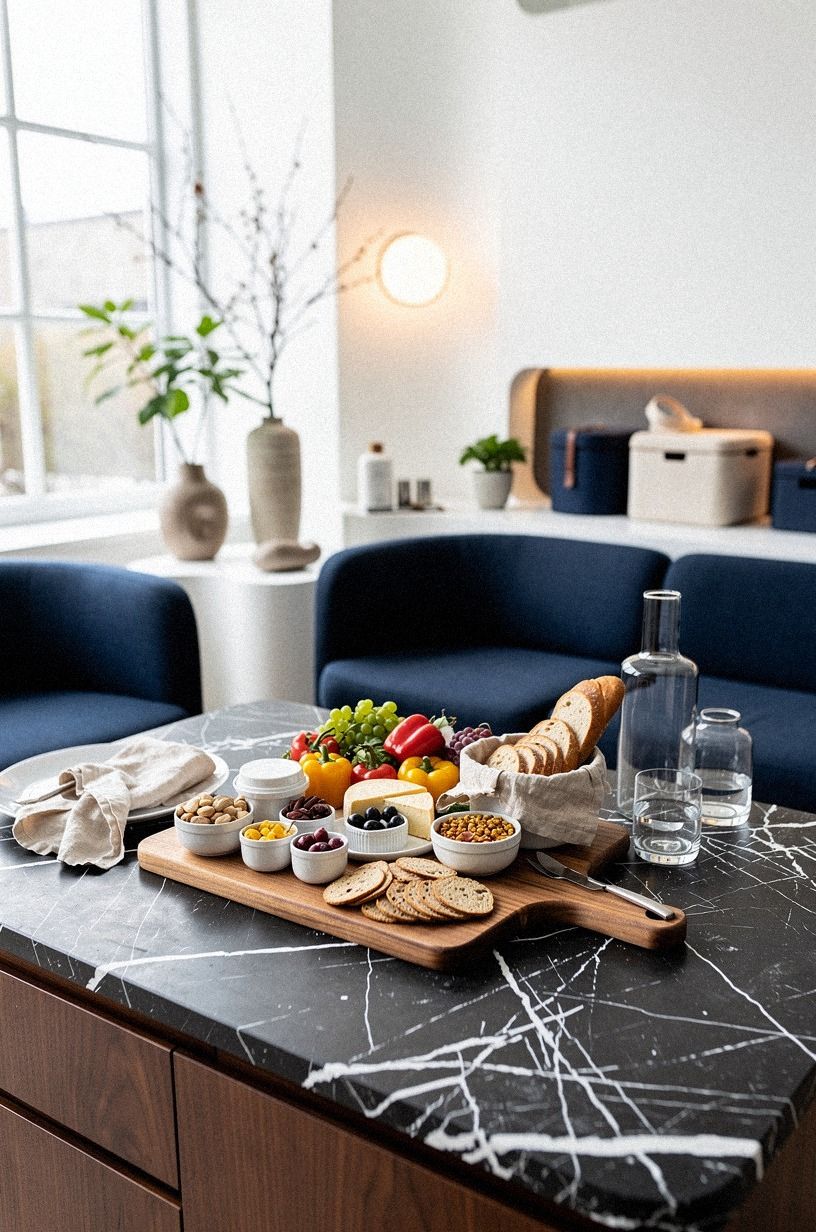
A vegetarian charcuterie board can travel well if you separate wet ingredients from crisp ones.
11Pair Sweet Fruit with Sharp Heat
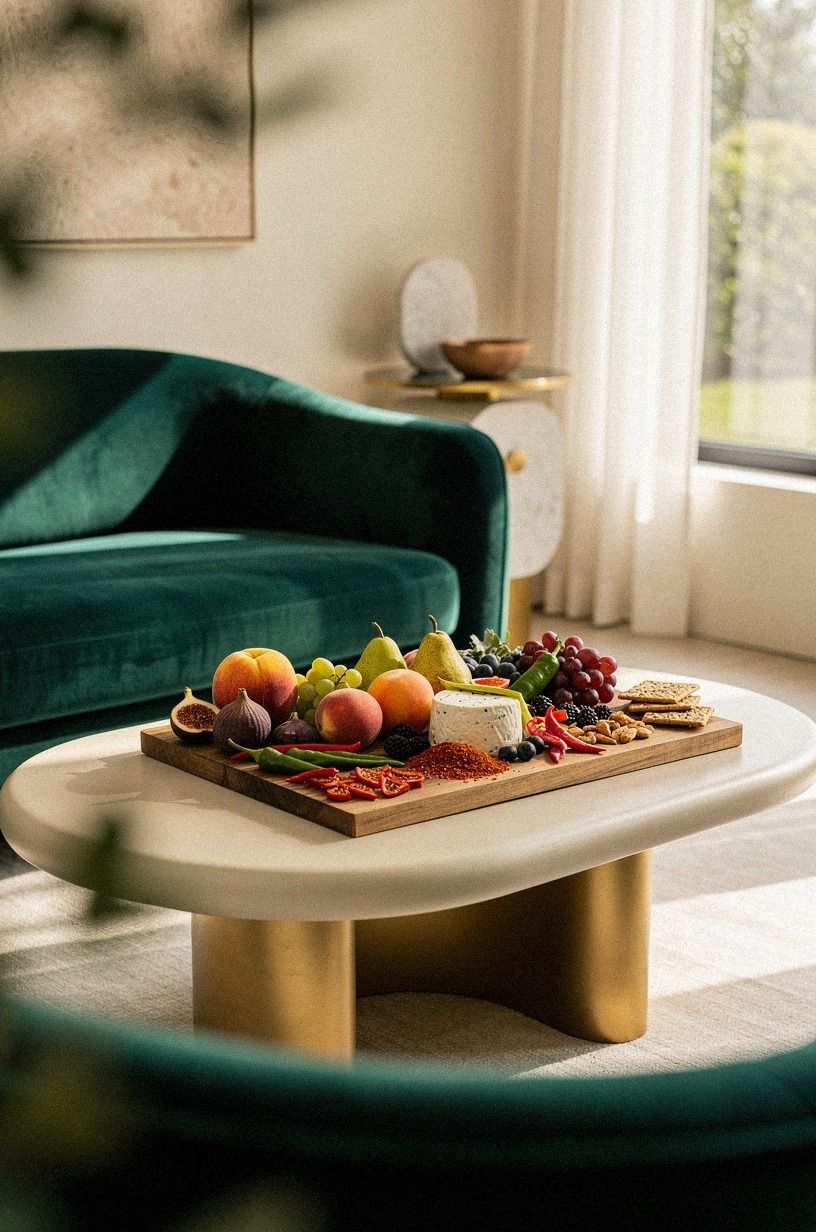
Sweet fruit keeps a plant-based board from tasting like a row of salty snacks. Try pear slices with chili jam, grapes with smoked almonds, and dried mango beside lime-dusted cashews. Your guests can build a bite that shifts from sweet to sharp without needing another course.
I like to cut one fruit and leave another whole. The sliced pear invites people in, while a small cluster of grapes makes the board feel abundant. Your arrangement doesn’t have to be symmetrical.
A little looseness makes the food look more natural and less staged.
Add fresh herbs only where they’ll stay fresh. Mint leaves work near fruit, but basil can darken if it sits too long. If you’re serving a holiday crowd, borrow the fruit-and-spice mood from these Christmas charcuterie ideas and keep the heat gentle enough for every guest.
12Set a Moody Fall Board
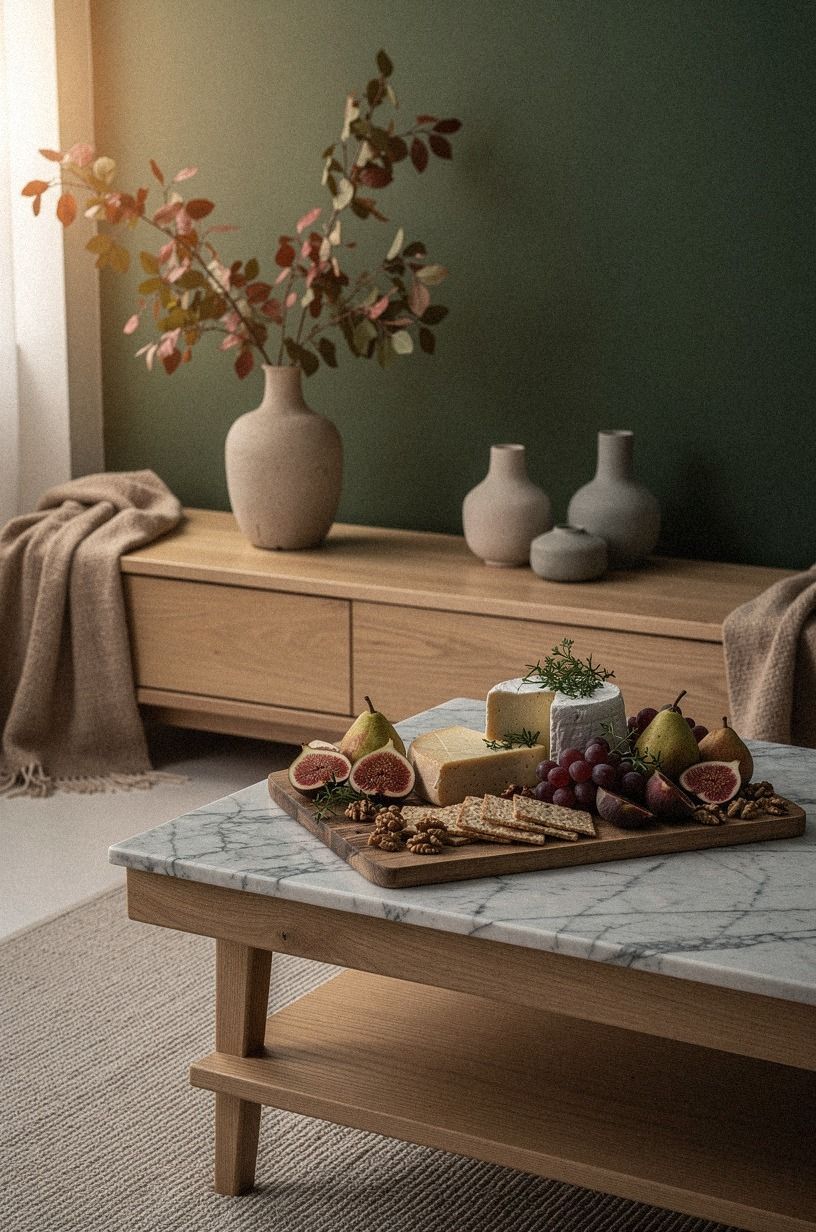
For a fall vegan charcuterie board, use roasted squash, black grapes, hazelnuts, and a natural oak board as the base. The warm wood adds a soft, seasonal note that makes the entire table feel considered.
Your color story can stay simple: burnt orange, olive green, cream, and brown. I wouldn’t add bright red plastic berries or glittery decorations. They pull your board toward a theme, while natural ingredients make it feel timeless and warm.
Place the board beside a Carrara marble side plate so the pale veining echoes the squash and keeps the arrangement grounded. For more autumn inspiration, start with these Thanksgiving appetizer and board ideas and replace every animal-based item with roasted or marinated produce.
13Frame the Food with Soft Light
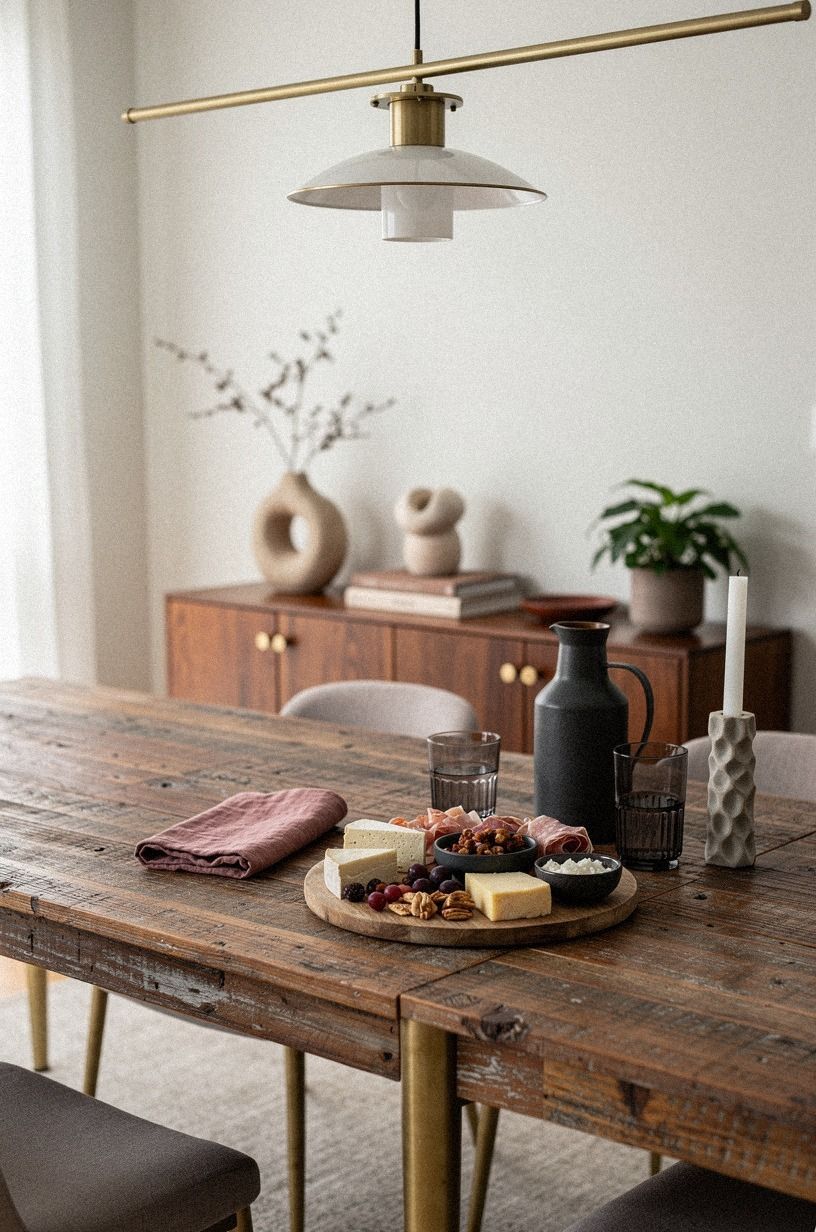
Frame your board with low, warm light instead of placing decorations directly on the food.
14Add a Rental-Friendly Serving Zone
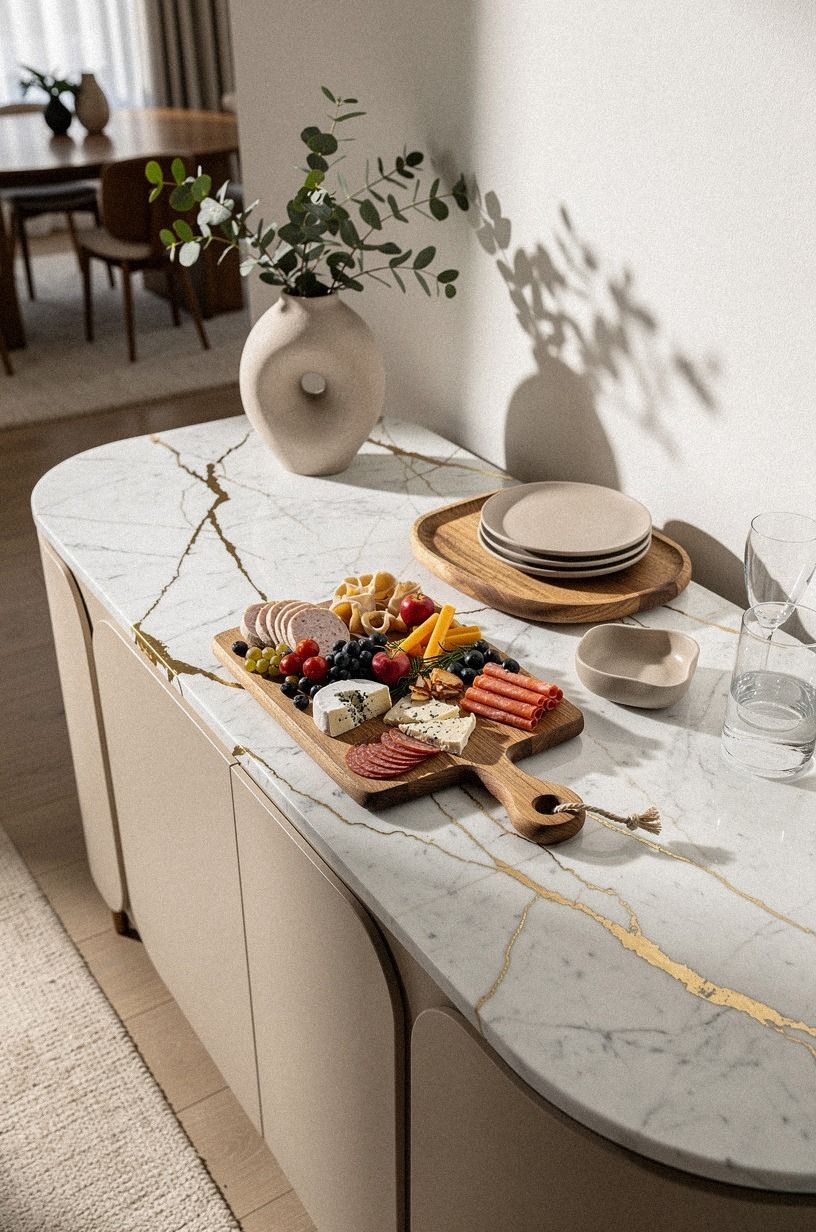
Renters can create a permanent-looking serving zone without drilling into the wall. Use a narrow console, removable hooks, and a Calacatta marble-look removable panel behind the area. Your vegan charcuterie board will feel connected to the room instead of appearing on a random folding table.
A tension rod can hold a linen curtain under the console, giving you hidden storage for napkins and extra plates. I wouldn’t use a heavy shelf with removable strips unless the wall system is rated for the load. Your safety matters more than a styled table.
Keep the palette soft with a warm white removable panel or framed board. The color looks calm beside olives, pears, and bread. If you’re working with a tiny patio, the privacy ideas in this light-friendly screen guide can help your hosting corner feel less exposed.
15What Does This Party Corner Cost?
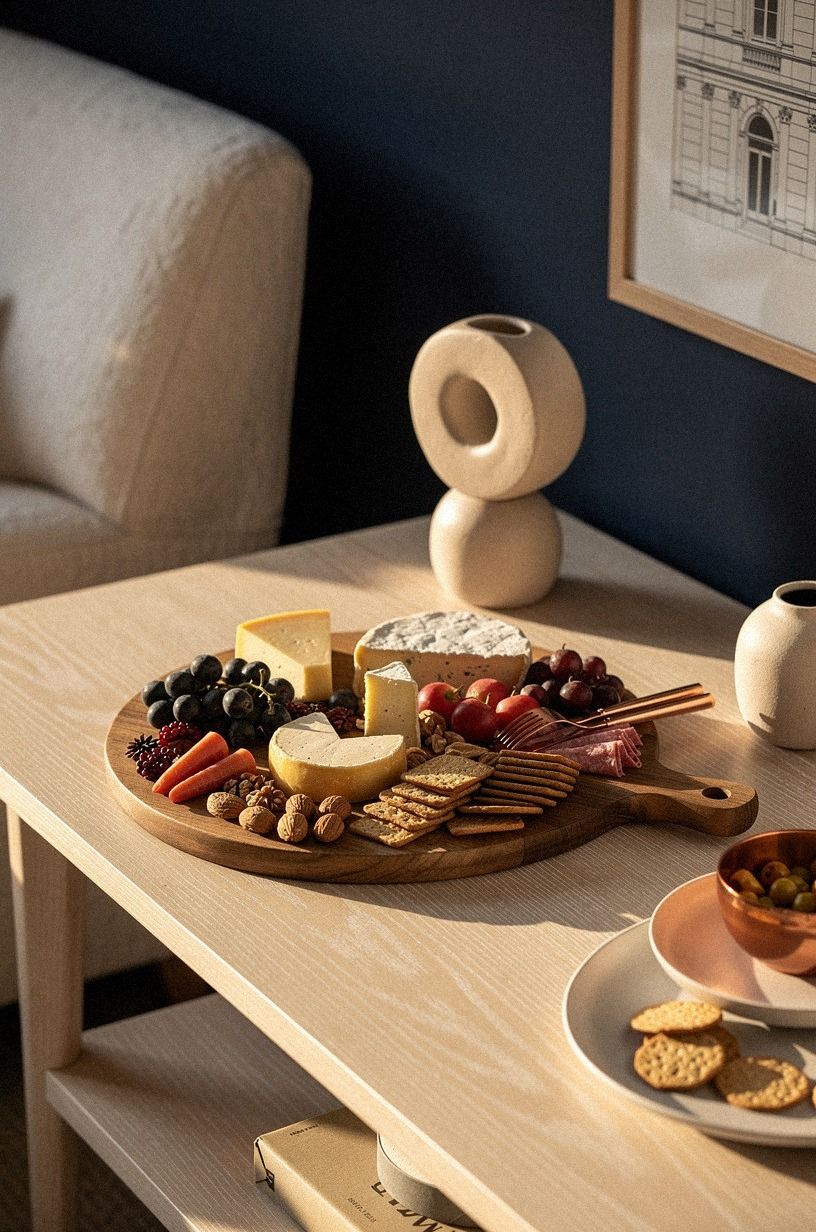
Your board can stay affordable, but the room around it may follow a wider decorating budget.
16Finish the Meatless Snack Board with a Host’s Pour
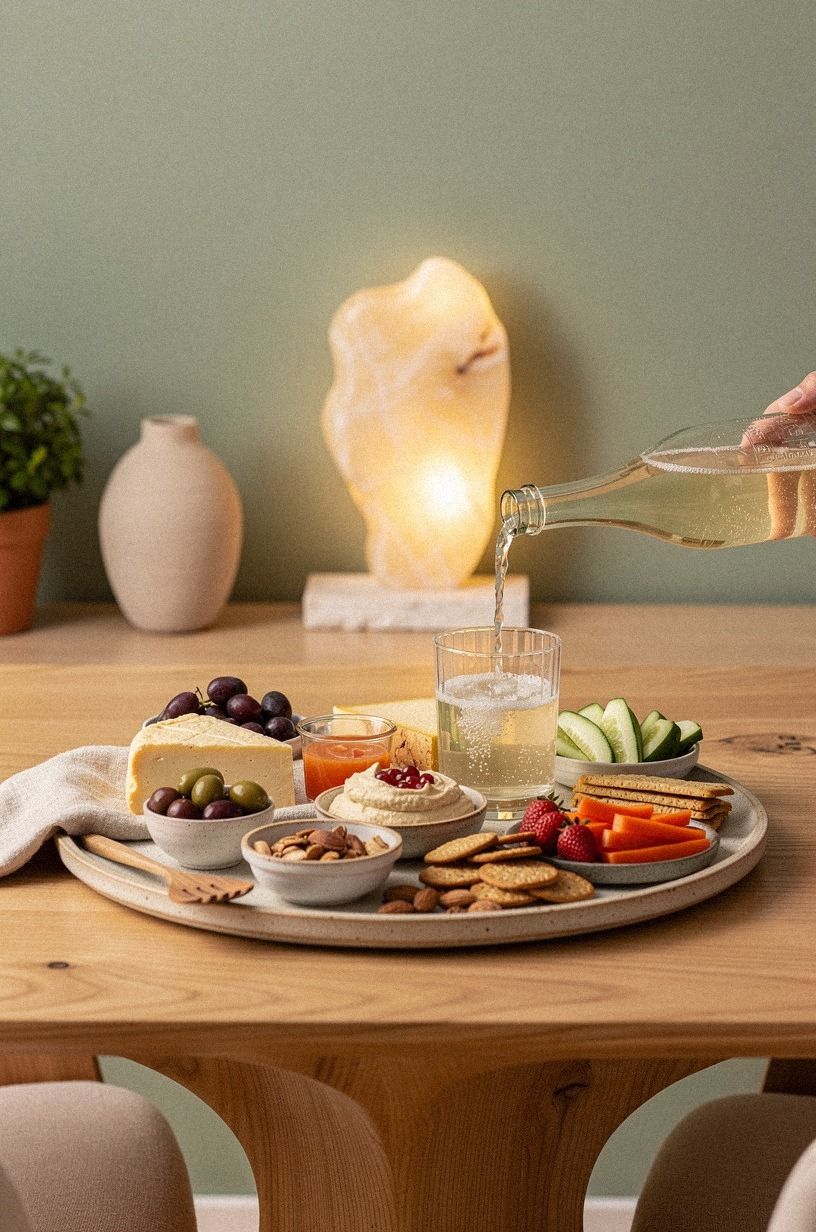
Finish your board with one drink that echoes its strongest flavor. A tart cranberry spritz works with smoked vegetables, while sparkling water with rosemary keeps the table bright and refreshing.
Your drink doesn’t need to be elaborate. It needs to give guests a reason to pause between bites.
Use a clear pitcher with a small backlit translucent onyx accent beneath or behind it so the color becomes part of the display. Place glasses at the end of the table, not around the food, and your guests will have more room to reach. I like to add a small bowl of lemon wedges because people appreciate a choice.
And leave one small empty space on the board for late arrivals. Your spread will look more relaxed when it isn’t packed edge to edge, and you can add another handful of grapes without rebuilding everything. A generous host leaves room for the evening to change.
The Host’s Point of View
I used to think a meat-free charcuterie board had to imitate a traditional one closely. That led me toward beige crackers, dense plant-based slices, and too many tiny bowls.
The table looked busy, but the food didn’t feel alive. Once I stopped trying to recreate a meat board, I started building around temperature, texture, and color instead.
That shift matters because guests don’t need a replica. They need an easy path through the meal.
A crisp bite, a creamy bite, something smoky, something sweet, and one warm element will carry more personality than a crowded platter of substitutes. I still use a packaged plant-based slice sometimes, but it gets one supporting role.
It doesn’t get to define the whole board.
My other mistake was ignoring the room. I focused on the ingredients and left the table under a harsh ceiling light, with napkins that slid everywhere and no place for used picks.
The board was technically full, yet the evening felt awkward. Now I think about the host’s movement first.
Can you reach the serving spoon? Can your guest set down a glass?
Does the light make the food look fresh?
That’s why I favor a smaller, more edited display. Your board should invite people to linger, not make them study a grocery receipt.
I want the roasted pepper dip to glow, the bread to smell warm, and the herbs to look like they were gathered five minutes ago. If a simple wooden board and a good bowl do that, you don’t need a dramatic centerpiece.
A Few Things Worth Answering
What is the best vegan charcuterie board for a small space?
A low wooden board with one central dip and four surrounding ingredients is the best choice. Compact styling keeps your table usable, and an IKEA tray can give you a stable base without taking over. Choose foods that don’t need separate serving dishes.
Where can I buy vegan charcuterie board pieces on a budget?
Look at IKEA, Target, and Wayfair for trays, bowls, and textiles, then check Facebook Marketplace or a thrift shop for wood boards. Second-hand pieces often have better character, and you can wash them thoroughly before serving.
How much does a vegan charcuterie board makeover cost?
A food-only setup can cost about $20 to $80, depending on what you already own. A room refresh may reach the typical $200-$800 budget tier. Free ingredients include your existing dishes, books for height, cloth napkins, and herbs from your kitchen.
Can I create a vegan charcuterie board on a budget?
Yes, and you can start with three free or cheap moves: use a cutting board, make white bean dip, and roast vegetables you already have. Smart editing matters more than expensive ingredients, so choose one special item and keep the rest simple.
Is a vegan charcuterie board worth it in a small space?
Yes, because a small table gives your arrangement natural focus. Use one board, one bowl, and one drink station. Less crowding helps guests reach everything, and you won’t need a large dining room to make the gathering feel special.
Is a vegan charcuterie board a good idea for a rental?
Yes. Use a removable runner, a tension rod for storage, and peel-and-stick tile or framed art instead of permanent changes. No-damage styling can still feel polished, especially when your colors and serving pieces repeat throughout the room.
Where I’d Start First
If I had to pick one, I’d start with the warm rosemary potatoes. They give your vegan charcuterie board aroma, color, and substance before anyone takes a bite. Pin the warm board idea for later and pair it with more vegan recipe inspiration.