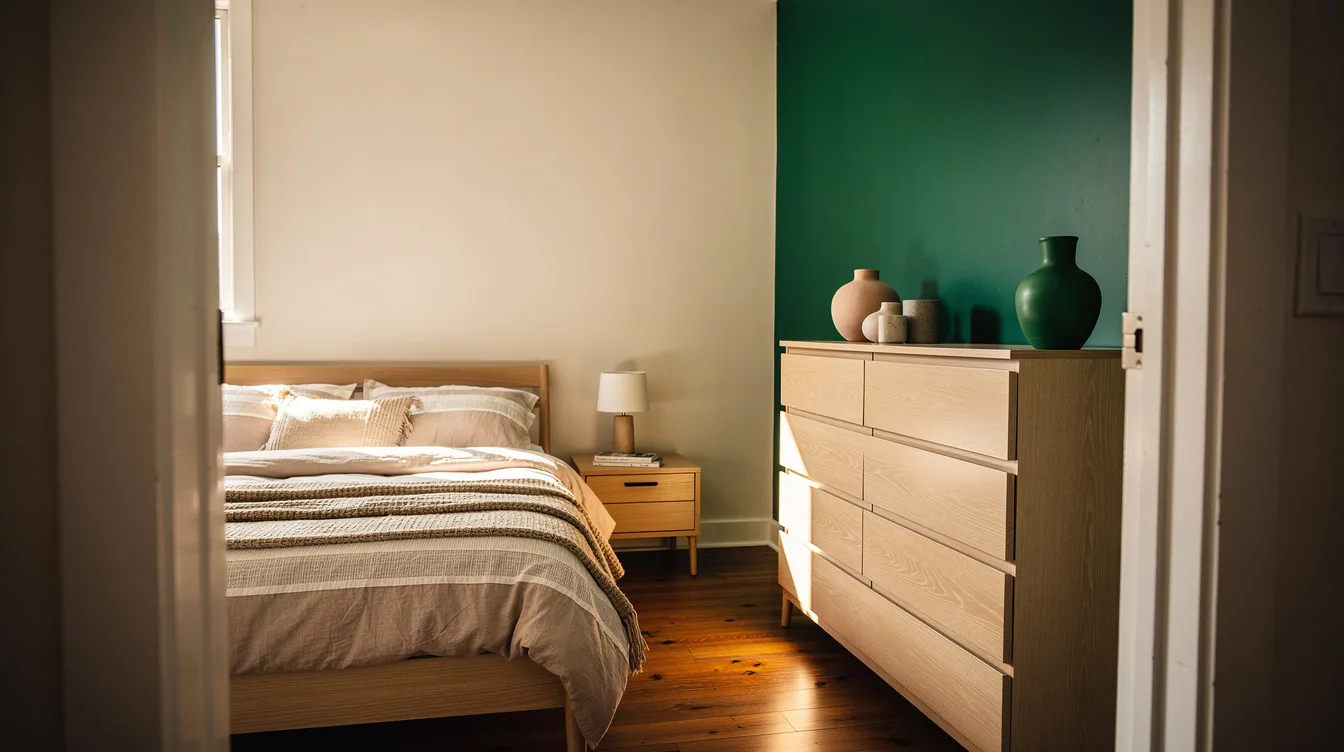
In a bedroom about 10 feet wide, the wrong dresser can make the first step through the door feel like an obstacle course. The problem usually starts with a piece that fits the wall but interrupts the route to the bed, closet, or window.
Placement matters more than adding another storage basket. A few careful measurements can keep the entry open and make the entire room feel easier to use.
Measure the Door Swing First
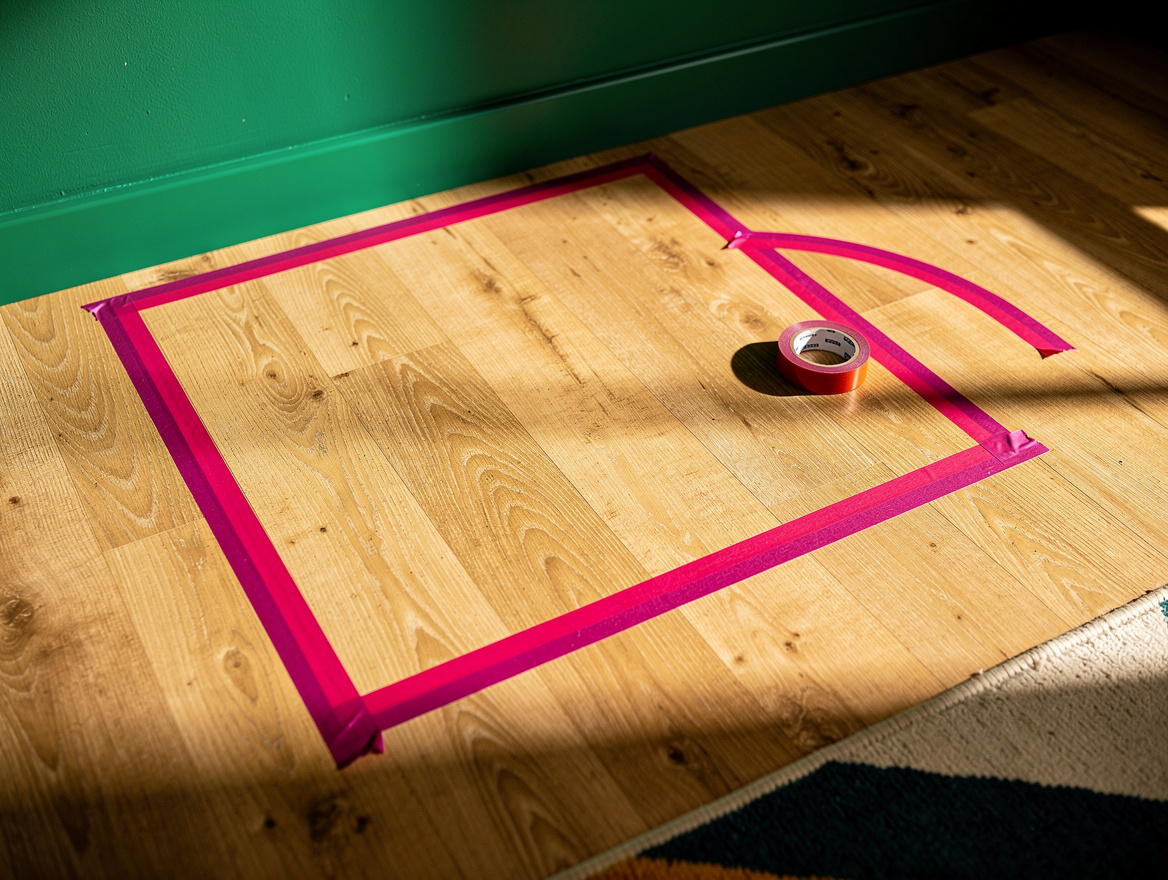
Open the bedroom door fully, then trace its swing with painter’s tape. A dresser placed inside that arc creates a daily obstacle, even when the furniture technically fits.
Keep roughly 30 inches of clear passage between the door edge and the nearest corner of the dresser. A slim IKEA MALM dresser can work well here because its straight profile gives the entry zone a cleaner boundary.
Use the Longest Unbroken Wall
Place the dresser on the wall that lets you walk directly from the doorway to the bed. This simple alignment keeps the entry path readable and prevents the room from feeling chopped into narrow lanes.
Before moving heavy furniture, mark the dresser’s full width with tape and walk the route several times. A warm oak veneer finish adds visual weight, so reserve it for a wall with enough breathing room around the piece.
Keep Drawers Away From the Path
Measure the open drawer depth, not only the closed footprint. In a small room, a dresser that clears the walkway with its doors shut can still block the route when you reach for socks.
Favor shallow drawers or a narrower chest when the bed sits opposite the entry. A Target six-drawer chest can offer useful storage, but its placement should leave roughly 24 to 30 inches of working space in front, depending on the room’s shape.
Turn a Corner Into Storage
If the longest wall is interrupted by a window or closet, angle a compact dresser into a corner beside the bed. The goal is to keep the first few steps from the door open while using space that would otherwise sit empty.
Choose a rounded edge or a softly finished rattan-front dresser where the walkway turns. Sharp corners near the entry feel especially aggressive in a tight bedroom, and no styling detail makes that collision worthwhile.
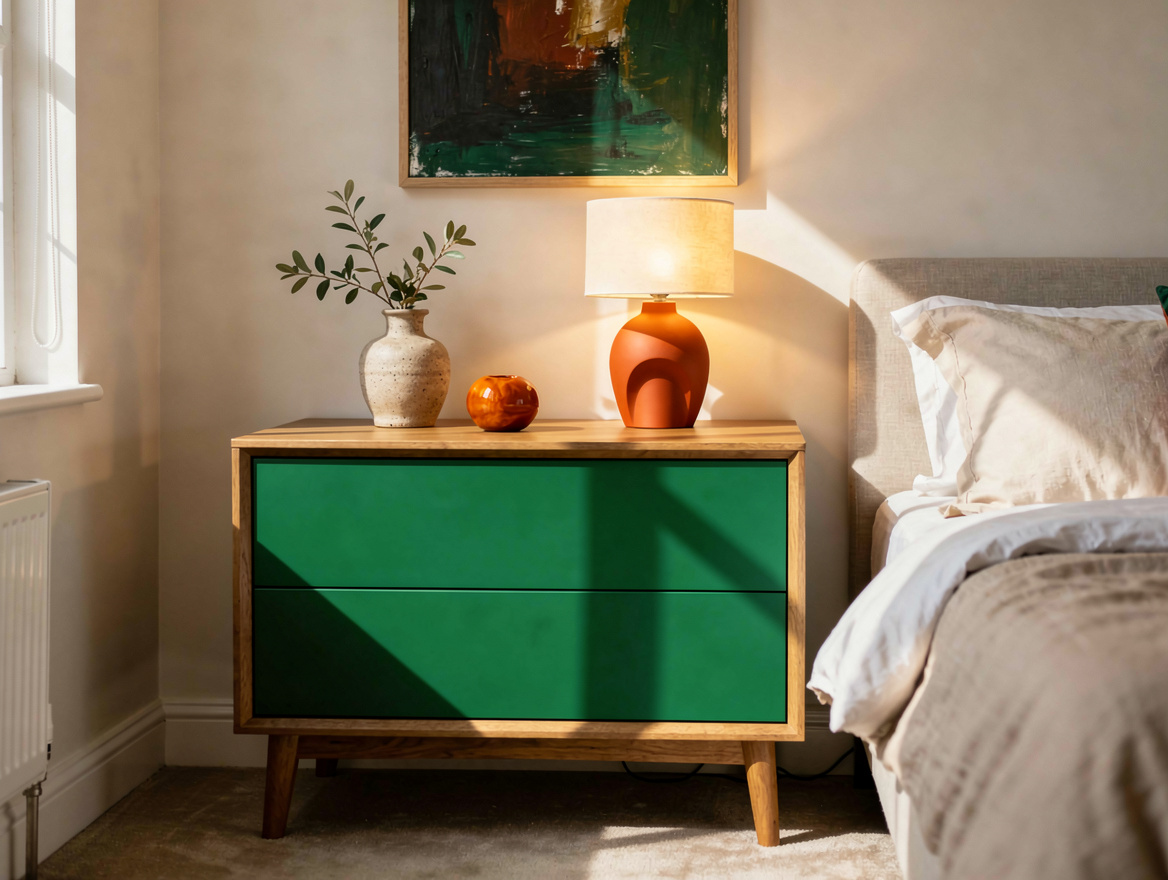
Protect the Closet Approach
A clear entry path is wasted if the closet door cannot open. Stand inside the closet and swing the door outward, then check whether the dresser, its drawers, or your own body would occupy that zone.
For sliding closet doors, keep the dresser low enough to préservé access to both panels. A compact Wayfair bedroom dresser may fit the wall, but the usable clearance matters more than filling every available inch.
Finish With a Quiet Visual Anchor
Once the route works, style the dresser with restraint. One mirror, a small lamp, and a shallow tray are enough to give the wall purpose without pushing objects into the walking lane.
A matte black table lamp can sharpen a pale room, while a light wood surface keeps the area calmer. Leave a section of the top open so the dresser reads as furniture rather than a second hallway shelf.
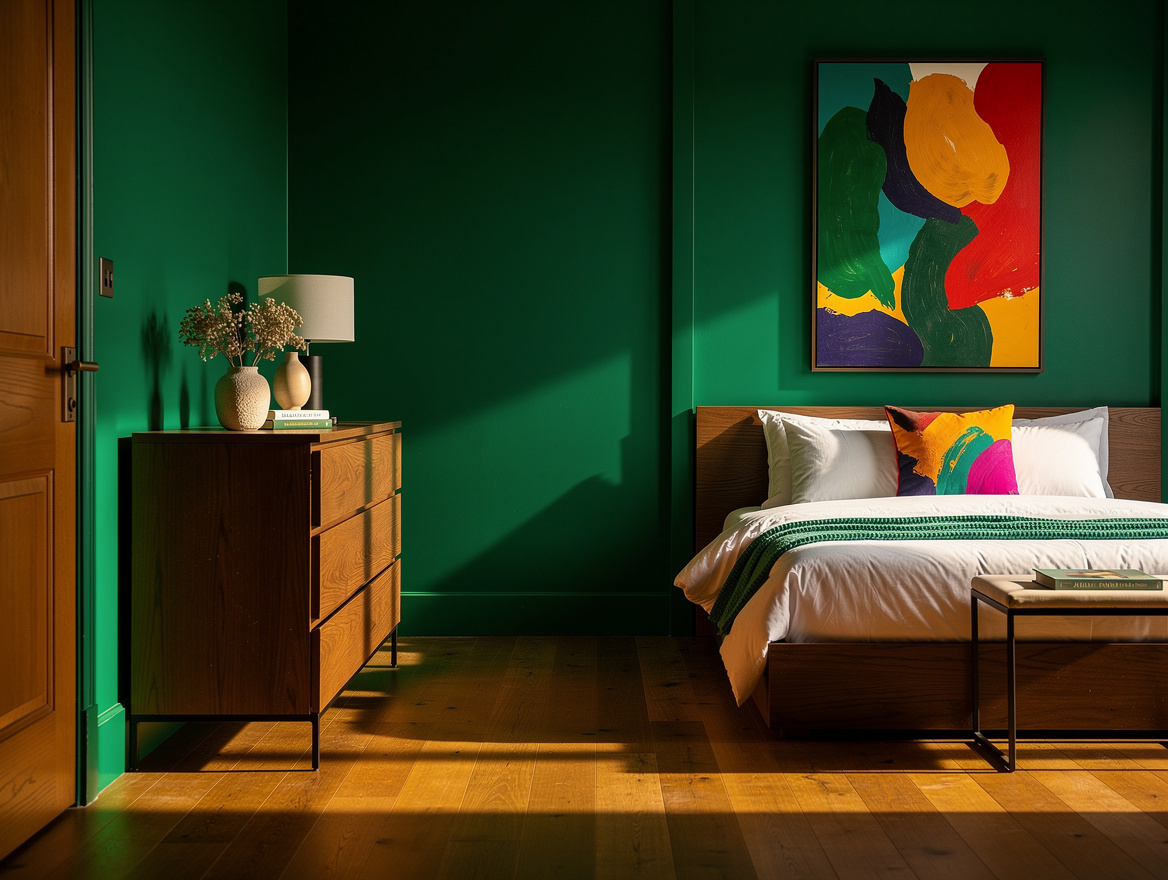
Start by taping the door swing and the dresser’s full footprint on the floor. If that route feels comfortable before the furniture arrives, the room will have a much better chance of staying open after the drawers are filled.
Mia Carter writes about small-space living and budget home makeovers. She has restyled three rentals and tests most ideas in her own 45 sqm flat.