When a 63-by-79-inch mattress is parked in the middle of a couple’s room, the blank wall opposite can feel oddly demanding. A television used to give that wall a job, even when neither person really wanted another glowing screen at bedtime.
A screen-free bedroom needs a new destination: a place to read, get dressed, talk, or wind down together. The payoff is a room that asks less of both people after a long day.
Anchor the Bed on the Longest Clear Wall
Put the bed’s headboard on the longest uninterrupted wall, preferably away from a window. A 63-by-79-inch mattress usually needs roughly 67 to 71 inches of total width once a substantial upholstered bed frame is included.
Centering it on a roughly 118- to 134-inch wall gives each partner a believable bedside zone instead of one person squeezing behind a nightstand. A padded headboard in wool-blend upholstery earns its footprint because it makes reading and lingering in bed genuinely comfortable.
Protect Each Person’s Route Around the Bed
Leave at least about 24 inches beside each side of the bed, with roughly 28 to 31 inches feeling far easier in daily life. Couples notice this more at 7 a.m. Than they do while admiring a floor plan.
Keep around 30 to 35 inches clear at the foot of the bed for dressing and opening drawers. A thick wool rug can soften the route, but it should slide well under the bed rather than stopping where feet need to land.
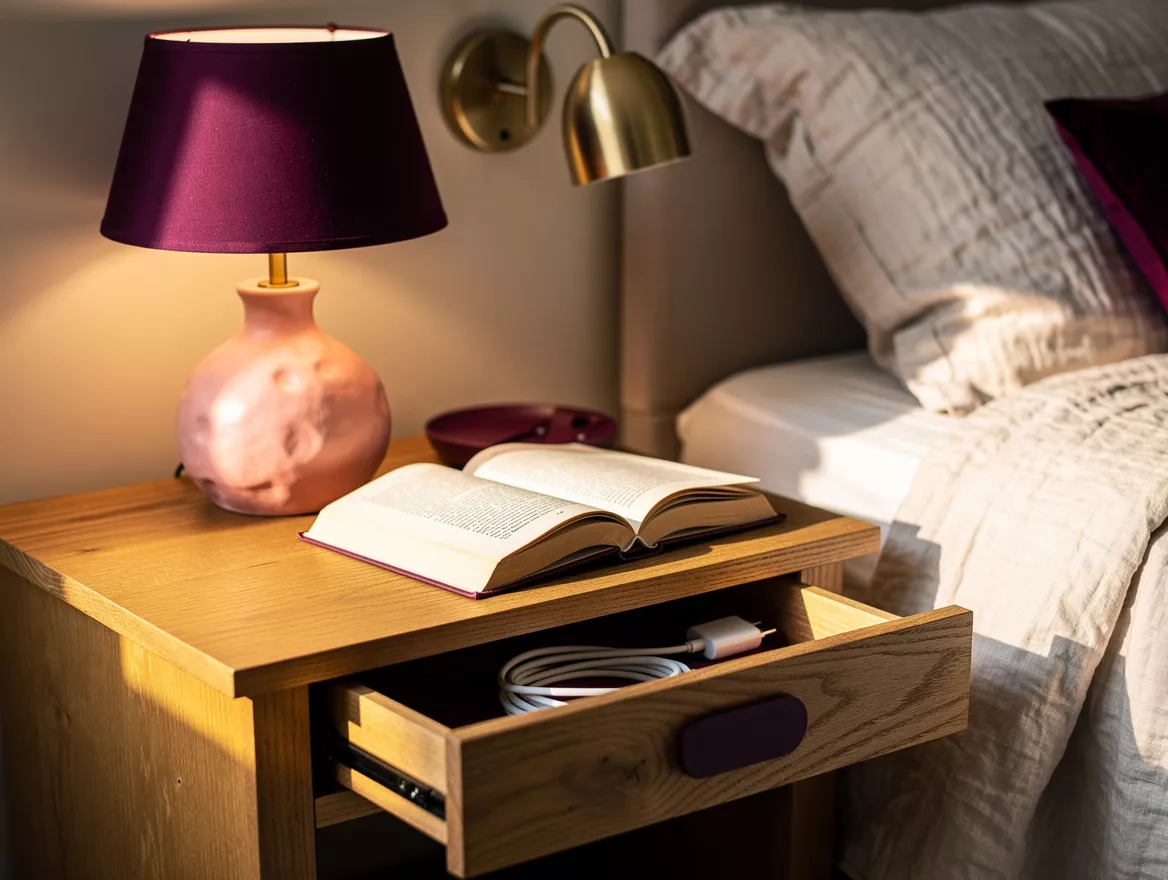
Build Two Bedside Stations That Work
Skip the tiny decorative table that holds one water glass and nothing else. Bedside tables are typically about 14 to 20 inches wide, and a roughly 16- to 18-inch-wide IKEA nightstand with a drawer gives each person room for a book, charger, glasses, and the inevitable overnight clutter.
Matching tables look calm, though intentionally different pieces can work when their heights align. Add separately switched brushed brass sconces or plug-in reading lamps, so one person can finish a chapter without lighting up the entire room.
Give the Former Screen Wall a Real Purpose
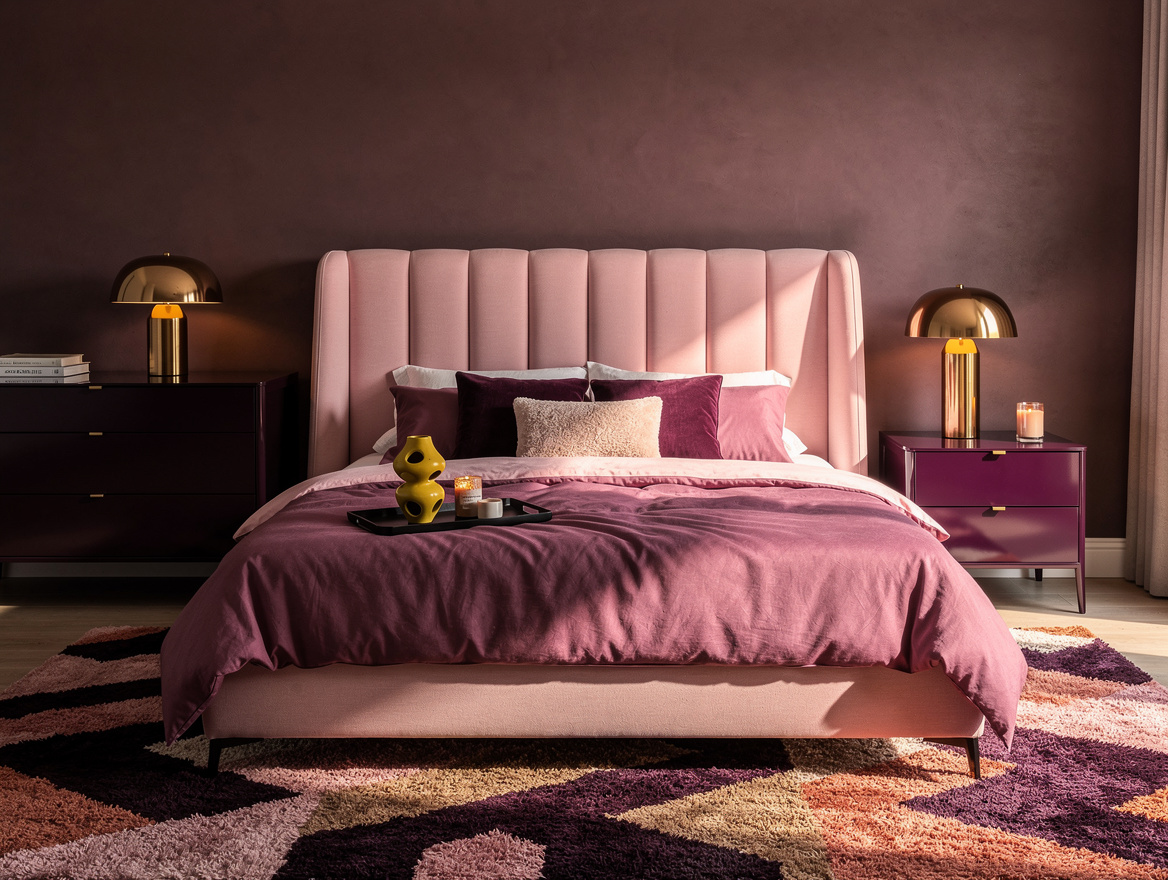
A media console left under an empty wall makes the missing television feel louder. Use a low closed dresser, a full-height framed artwork, or a quiet linen-textured wallpaper treatment that gives the eye somewhere to rest.
For a room around 129 to 151 square feet, a low storage piece about 14 to 18 inches deep is usually the smart limit. Choose oak veneer doors over open cubbies, because visible cables, folded laundry, and random chargers quickly turn a restful wall into visual noise.
Add a Shared Ritual Instead of a Screen
A television-free layout succeeds when it replaces passive watching with a habit both people will actually use. In a room around 172 to 215 square feet, make a decompression corner with two compact chairs, or one generous boucle chair and a small table for tea or books.
Reserve about 59 by 59 inches including approach space for a proper chair zone. If that route does not exist, do not force furniture into the room: a Home Depot dimmable floor lamp beside the bed can create the same slower evening cue without blocking circulation.
Hide the Storage That Ruins the Mood
Clothes are often the reason a bedroom still feels busy after the television disappears. Choose a wardrobe with a hanging depth of about 24 inches, or at least roughly 22 inches, so shirts and jackets are not pressed flat against the doors.
A storage bed with lift-up wood slats is especially useful when floor space is tight, since seasonal bedding can disappear below the mattress. At the end of the bed, use a roughly 43- to 55-inch-long upholstered bench only if it still leaves about 30 to 35 inches of passage in front of it.
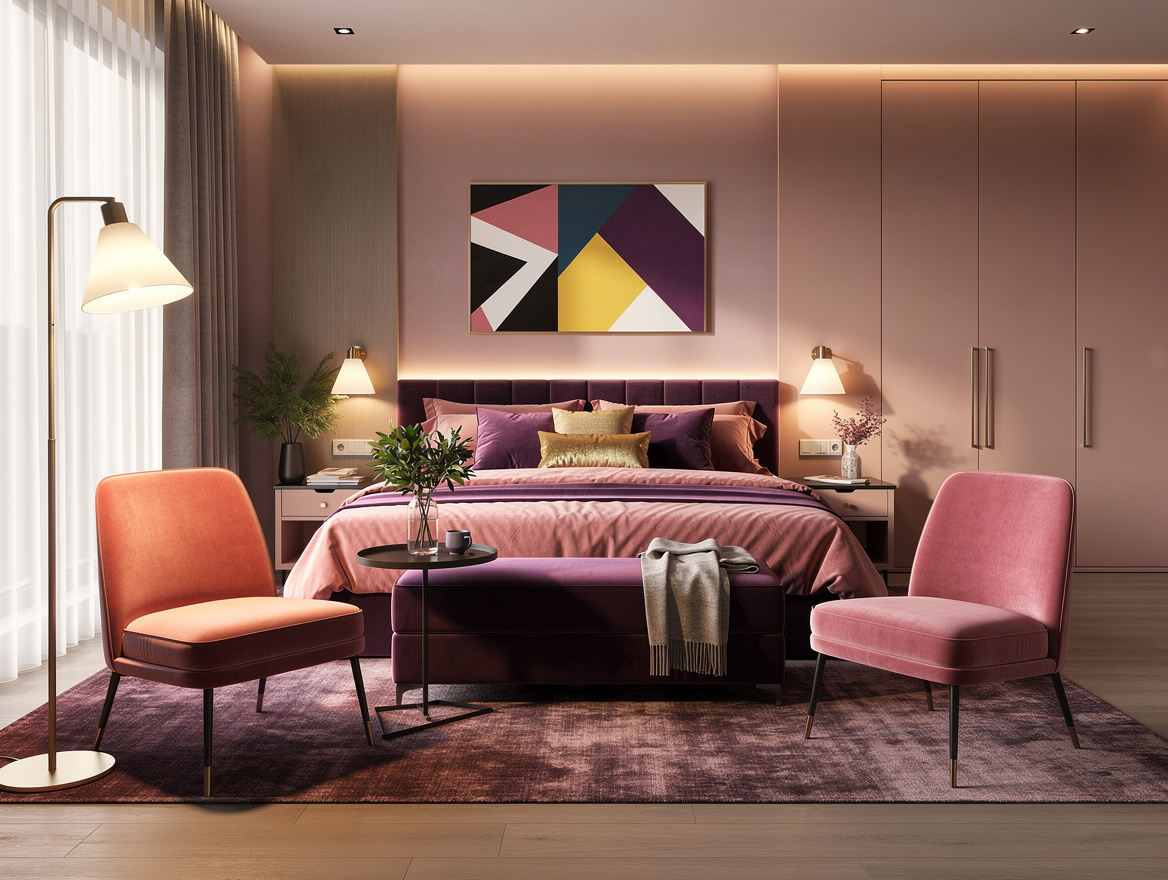
Start by measuring the clearance beside the bed before buying a single accent piece. Once both partners can move, read, and put things away comfortably, the missing television stops looking like an absence.
Mia Carter writes about small-space living and budget home makeovers. She has restyled three rentals and tests most ideas in her own 45 sqm flat.