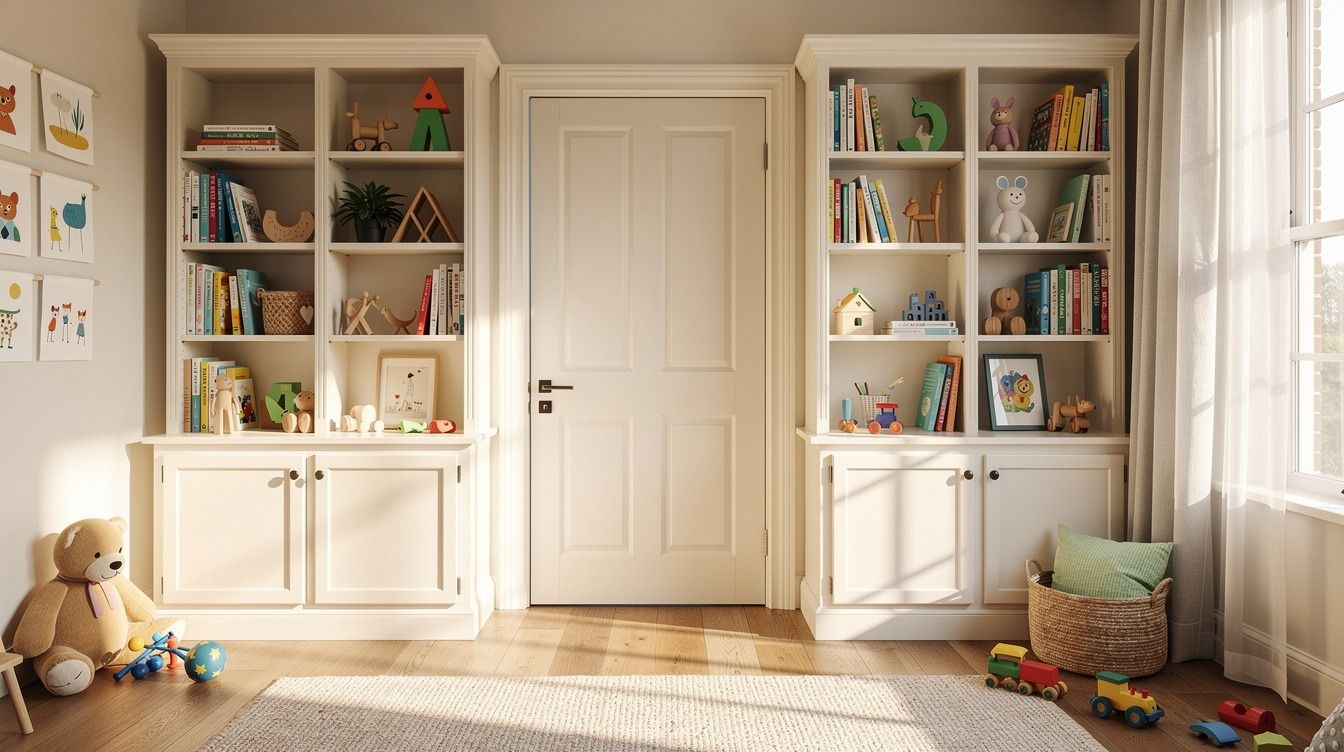
A detail door between kids’ rooms works best when it feels like part of the room, not a theme-park prop. I once treated one like a novelty, painted it too dark, and made both bedrooms feel pinched. The better move is simpler: give siblings a shared passage that still lets each child keep their own corner.
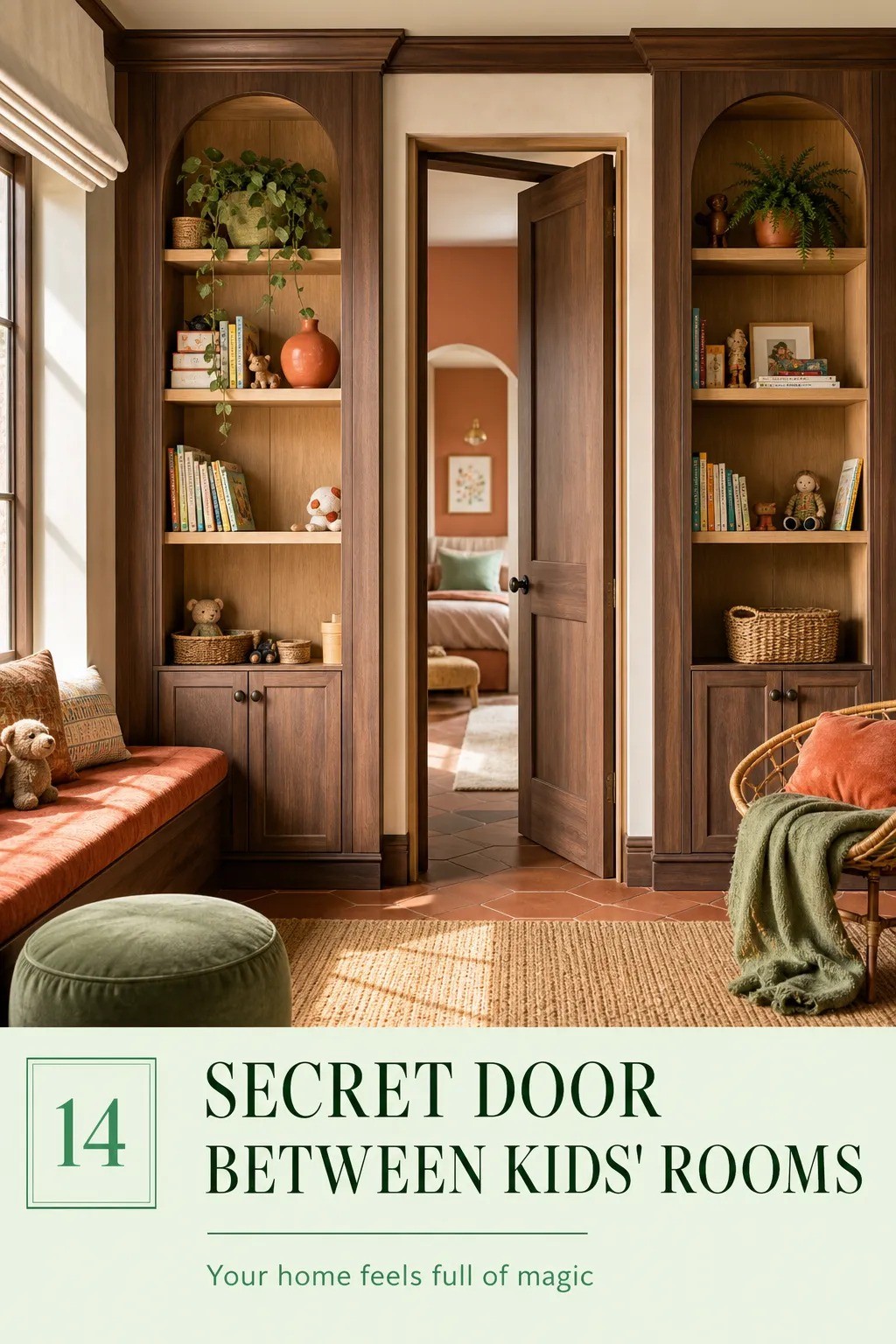
- Frame a kids detail door with matching bookcases
- Use a Dutch door for the shared-room compromise
- Build The Shared Storybook Portal
- Slide a painted barn panel instead of swinging inward
- Can a mural hide the doorway without making it busy?
- Hang a curtain wall for the softest reveal
- Try The Two-Wood Rule around the opening
- Put bunk beds near the opening, but protect the clearance
- Paint the passage darker than both bedrooms
- Make The Three-Height Light Stack work on both sides
- Choose a disguised panel over a themed castle door
- Create a low reading nook beside the doorway
- Add a transom window above the shared doorway
- Let one side be playful and the other side calm
1Frame a kids detail door with matching bookcases
Start with two shallow IKEA BILLY bookcases flanking the opening, then run the same shelf height across both rooms. You get storage, a believable architectural frame, and a spot for books that children can reach without climbing furniture.
Keep your open shelves between 36 and 48 in high, especially if your kids choose bedtime books themselves. I’d skip tall, top-heavy towers here. They look grand in a photo, but they make the doorway feel like a cave.
Paint the back panels a soft sage green, with warm cream walls and natural wood nearby to keep the opening easy on the eyes. A French village with a hidden passage has the same lesson: the reveal matters more when the frame feels real.
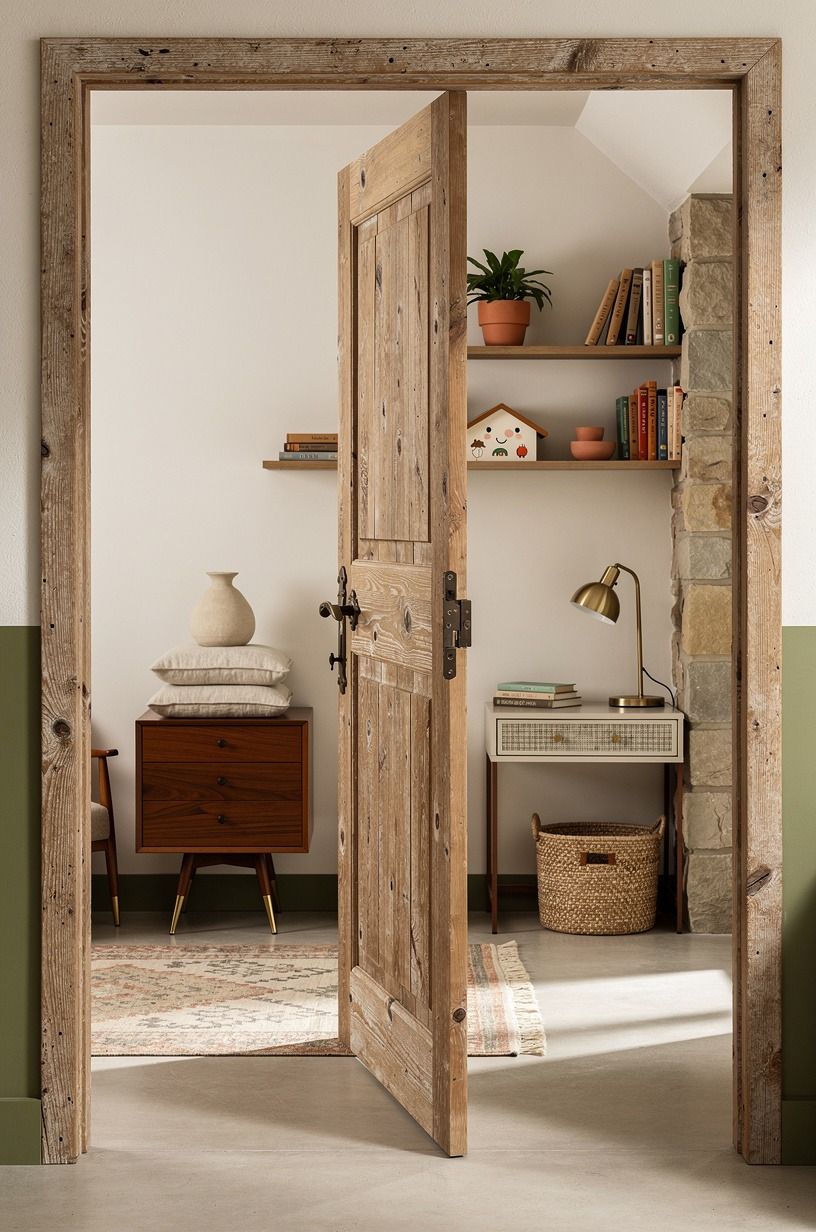
2Use a Dutch door for the shared-room compromise
A half door gives you a connection without turning bedtime into a free-for-all. The top can stay shut while the bottom opens for a whispered goodnight, a stuffed animal exchange, or the classic “I can’t find my water bottle” emergency.
Choose a reclaimed weathered teak Dutch door with rounded edges and a soft-close latch. You’ll want the hardware high enough that younger children can’t work it unsupervised, while older siblings can still pass notes and LEGO builds through.
But don’t paint each half a different color. It’s cute for about a week, then it reads like a preschool set. One calm shade across both panels keeps it warm and intentional.
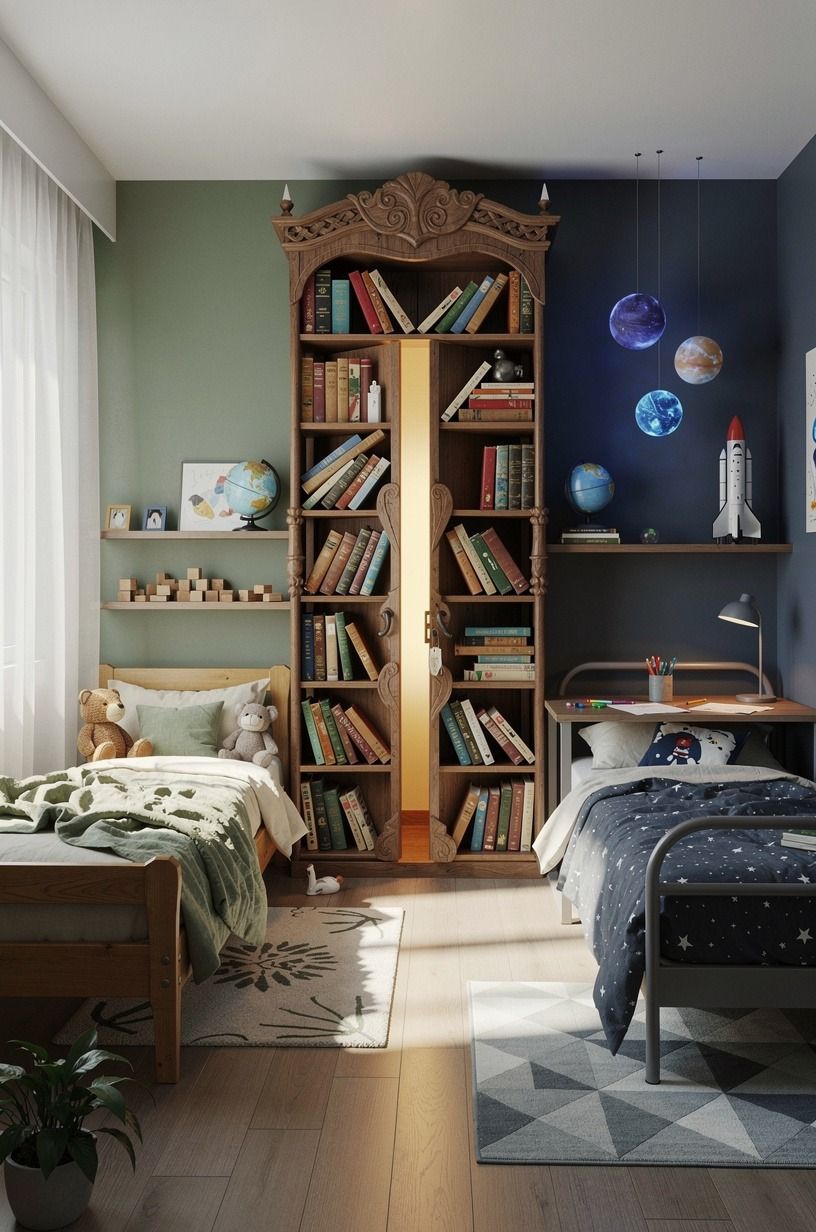
3Build The Shared Storybook Portal
Turn the room detail door into a miniature library entrance with a low arched surround, a tiny brass number, and shelves that hold the books your kids reread until the spines split.
4Slide a painted barn panel instead of swinging inward
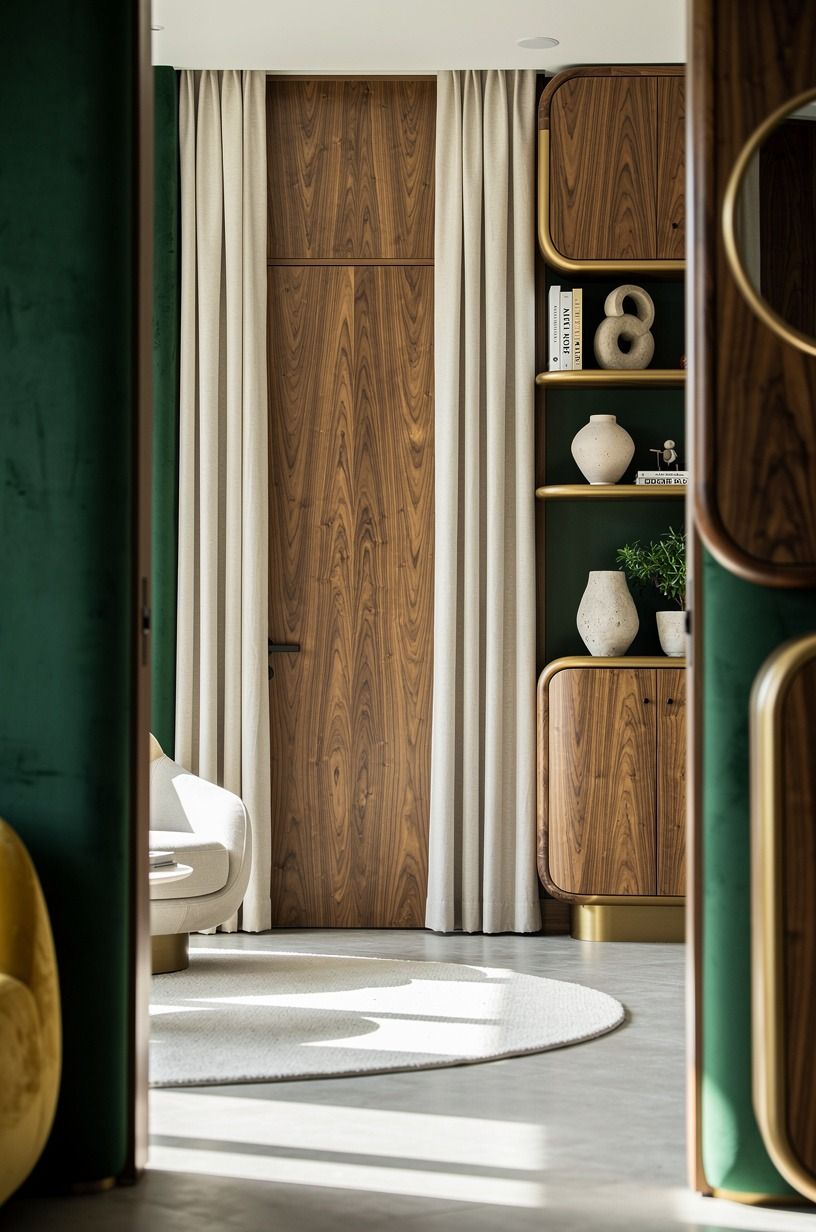
A sliding panel solves the annoying door-swing problem in tight sibling rooms. If a twin bed is 38×75 in, you already know how quickly a clear path disappears once you add a nightstand, hamper, and a pile of clothes that “weren’t mine.”
Choose a slim rose-gold rail and a flat cerused white oak panel with no protruding cross braces. You’ll save floor space, and your child won’t catch a backpack strap on a decorative X every morning.
Paint the panel a muted plum for a gentle, warm link between rooms. And yes, plum can work with navy bedding, green bins, and oak furniture. It doesn’t need to become a princess room.
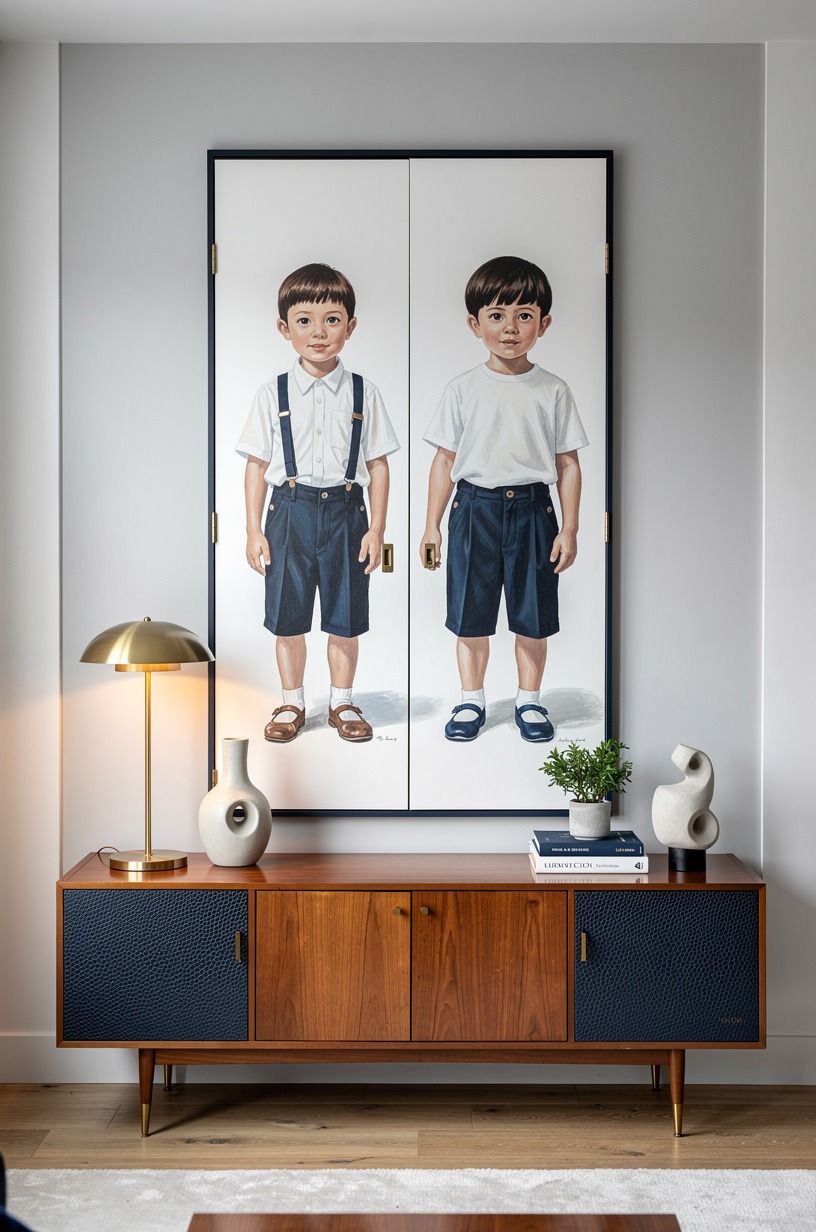
5Can a mural hide the doorway without making it busy?
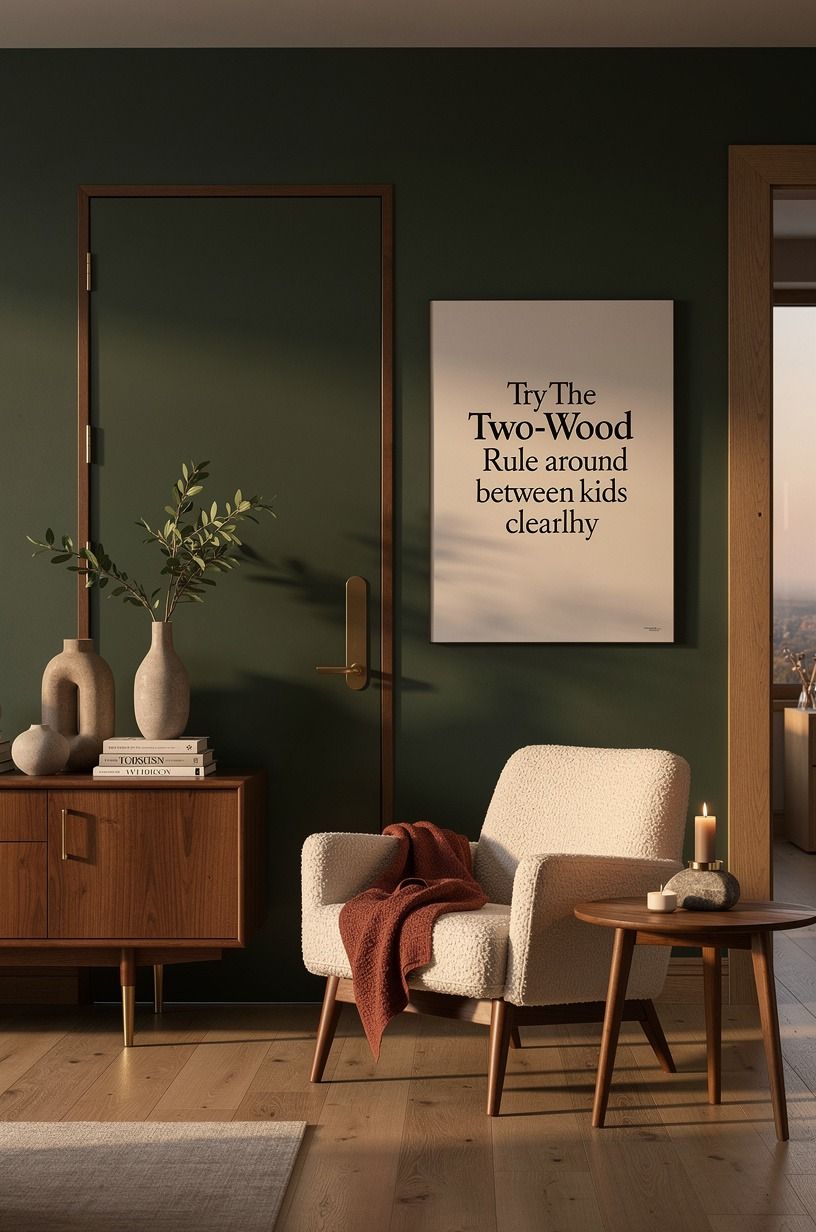
Yes, if you treat the opening as one part of the mural rather than outlining it.
6Hang a curtain wall for the softest reveal
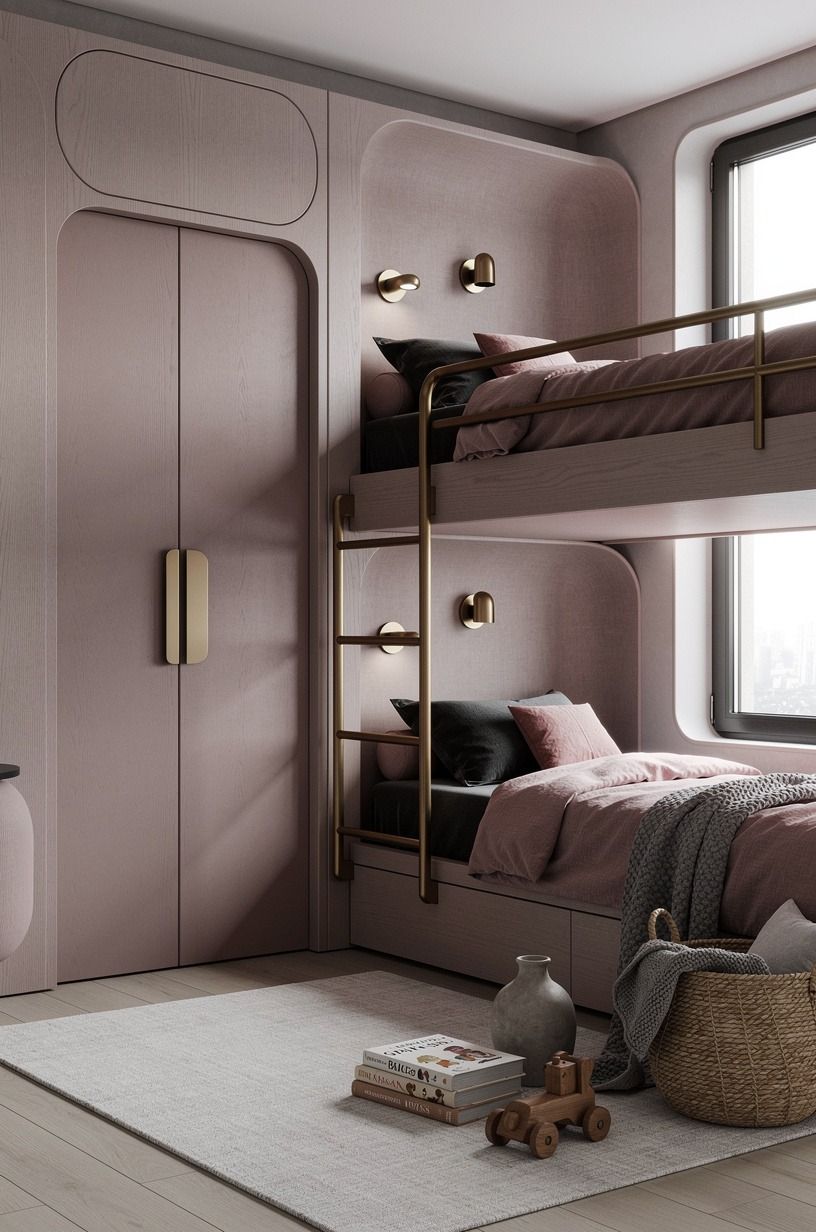
A curtain is the easiest version for renters or for children who change their minds every six months. Run a ceiling-mounted track across the shared wall, then use two panels so either sibling can open their side without dragging the whole thing along.
Use washable cream panels beneath a book-matched walnut pelmet, not shiny polyester. The fabric gives the doorway a soft, slightly rumpled look that feels lived-in, and it muffles some of the chatter between rooms.
You can use a tension rod inside the opening if drilling isn’t allowed. It’s not soundproof, obviously, but it’s a comforting visual boundary. This coastal tunnel-of-love story proves a passage gets more charming when the entry feels tucked away.
7Try The Two-Wood Rule around the opening
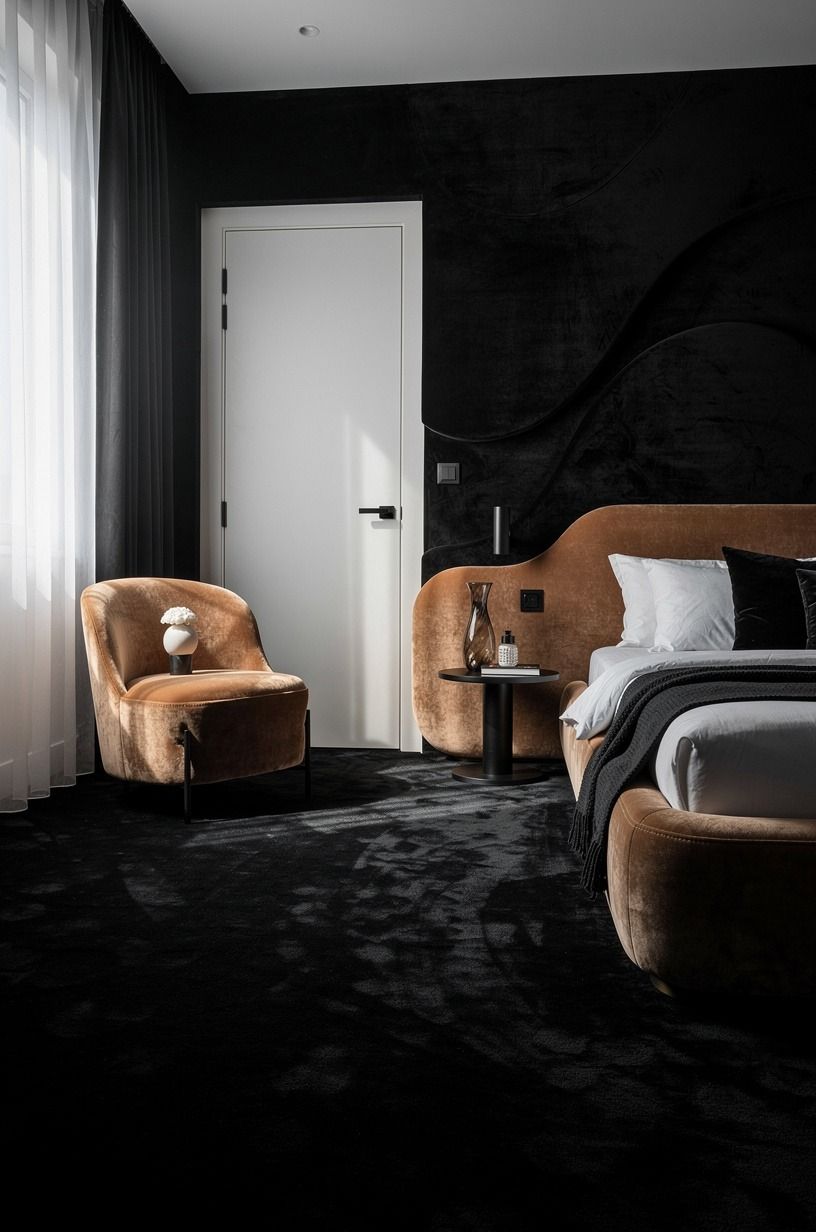
Use only two wood finishes across both bedrooms: one for the door surround and one for the furniture legs or shelves.
8Put bunk beds near the opening, but protect the clearance
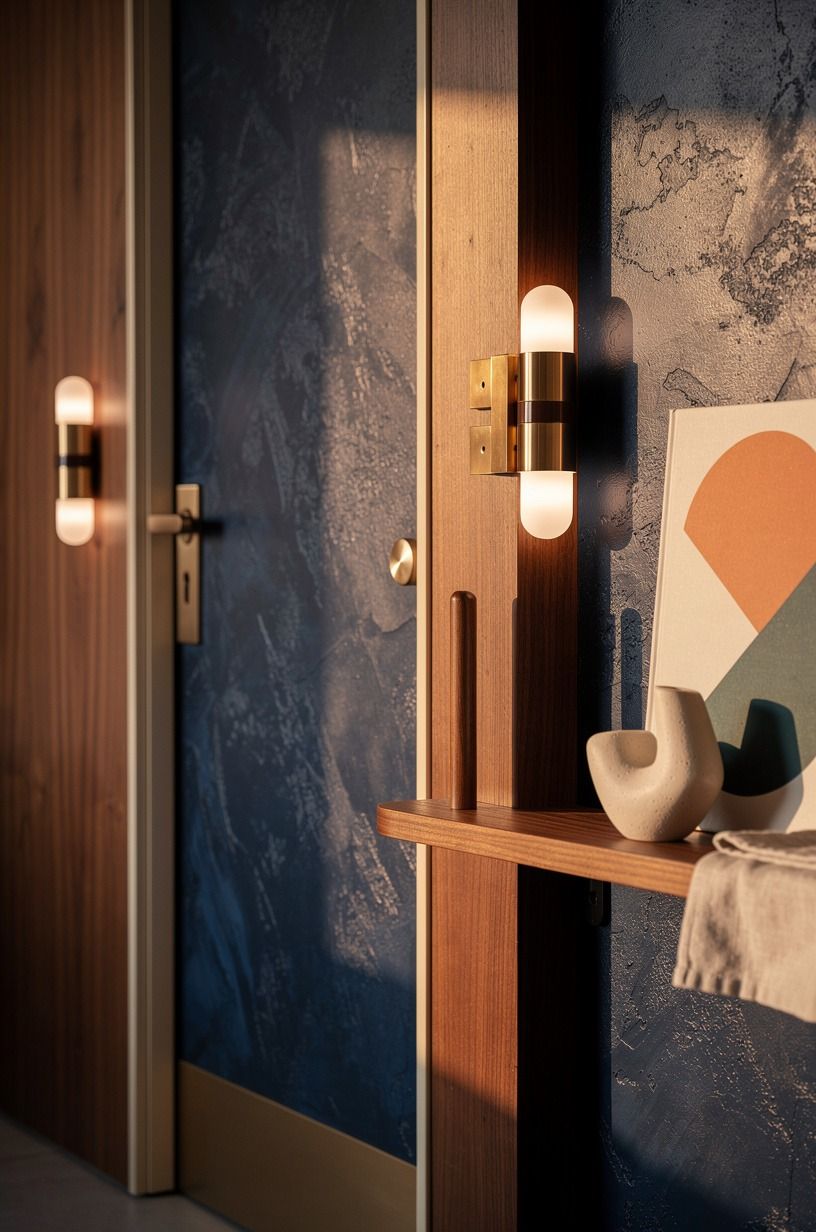
If siblings share late-night stories, bunk beds near the passage can make the whole setup feel like a tiny sleepaway camp. Keep the opening clear, though. A top bunk needs 33 in of clearance to the ceiling, and the door path can’t become a ladder zone.
Choose a Target Pillowfort twin bunk bed with a guardrail that faces away from the doorway. Your kids still get the fun of a connected room, while you avoid a scramble of blankets and feet near the opening.
Place a 5×7 ft play rug on the opposite side to pull traffic away from the beds. It’s a small planning move, but it gives the room a more peaceful rhythm. Nobody wants to wake up by stepping on a brick.
9Paint the passage darker than both bedrooms
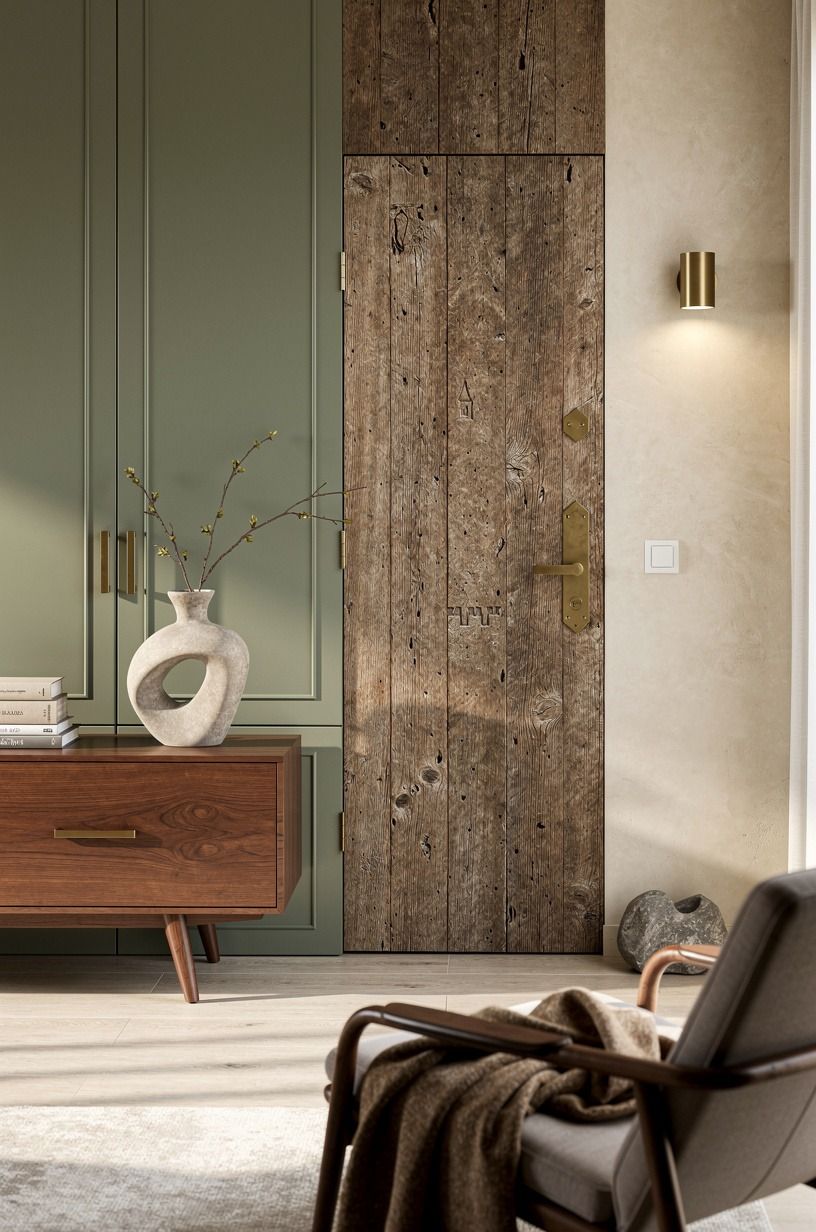
A darker doorway creates a pause between two lighter spaces. Think of it as a little tunnel, not a black hole. The contrast makes the connection feel deliberate and gives each bedroom its own identity once the child steps through.
Try a deep warm black on the jamb, casing, and inside edge of the door. It gives the camel and warm-white surroundings a sharper outline without making the passage feel harsh.
You’ll want warm bulbs on both sides. Cool white light can flatten warm neutrals, and then you’re blaming the paint for a bulb problem. The Red Sea passage story is a good reminder that color changes when light changes.
10Make The Three-Height Light Stack work on both sides
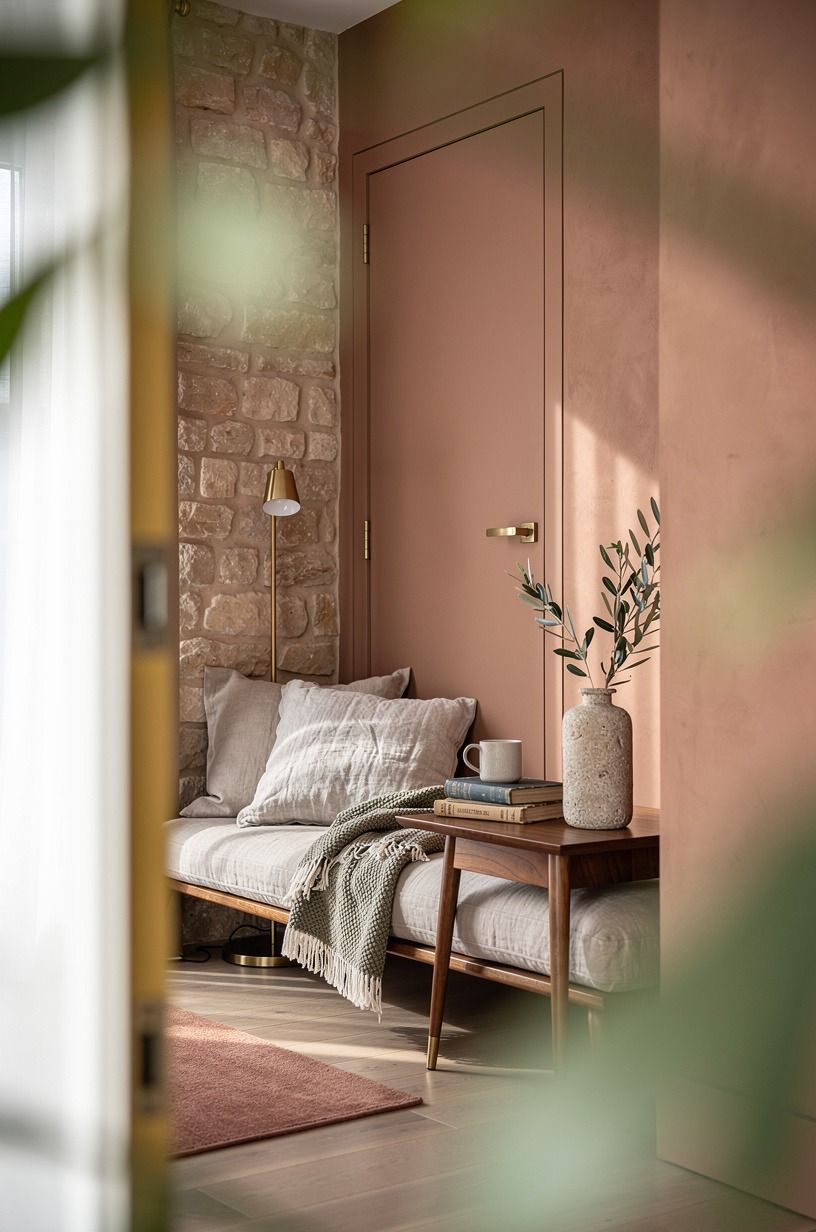
Give each room three levels of light: ceiling, bedside, and low-level path light near the opening. This setup matters more than a fancy door because it lets one child cross over without blasting the other child awake.
A small copper plug-in sconce at child-safe height can throw an amber pool onto the floor. Add a dimmable ceiling fixture and a low night-light tucked behind a bookcase. Quiet glow.
That’s the goal.
But skip color-changing strips around the frame. They’re exciting at first, then the room starts looking like a gaming desk. A warm, subtle path feels more grown-up and lasts longer.
11Choose a disguised panel over a themed castle door
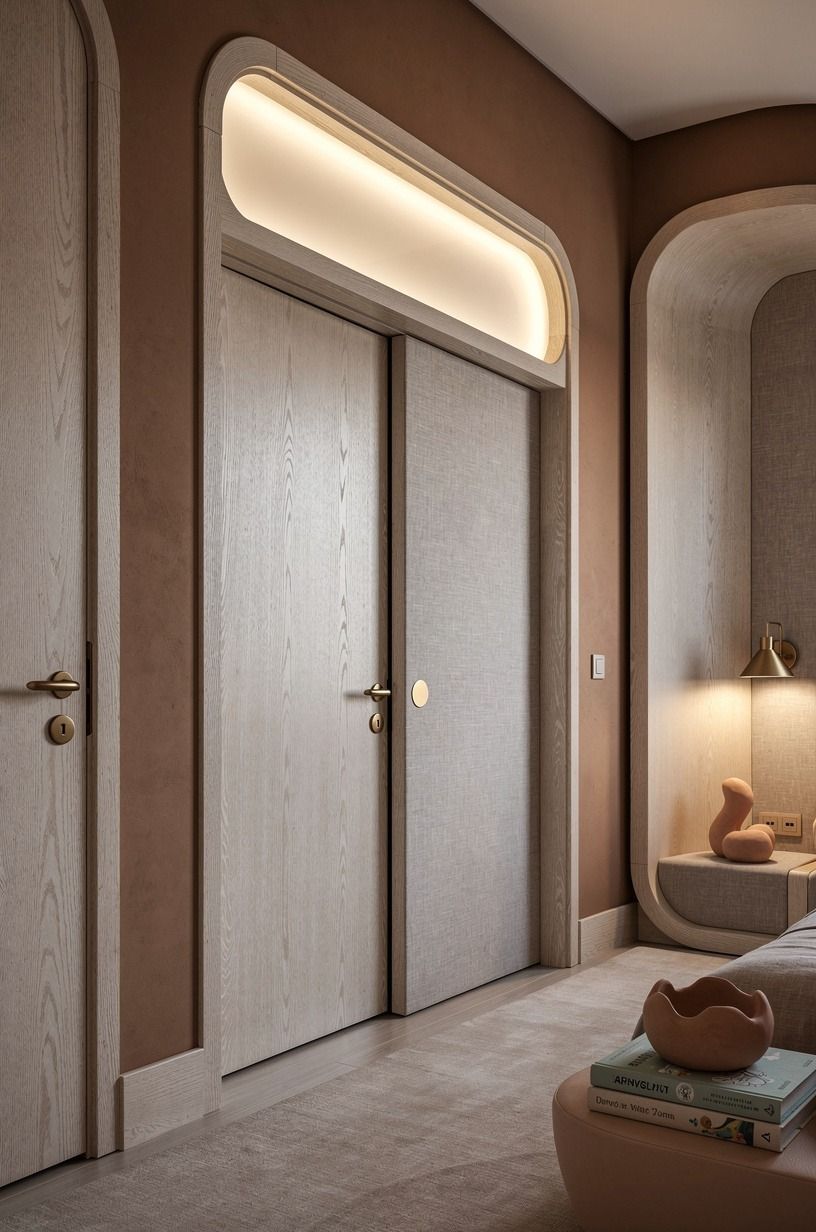
A flush panel hidden inside vertical slats or wallpaper is more flexible than a castle façade. Your six-year-old may adore a turret today, but you don’t want to rebuild the wall when they suddenly decide they’re “too old” for dragons.
Use narrow reclaimed weathered teak slats around a paint-grade door, keeping the grooves aligned across the seam. You can add a simple leather pull, then let the panel vanish when it’s closed.
This is where restraint pays off. A disguised panel gives your kids the thrill of a hidden route without locking the whole room into one age. It’s refined, but still fun.
And it photographs beautifully!
12Create a low reading nook beside the doorway
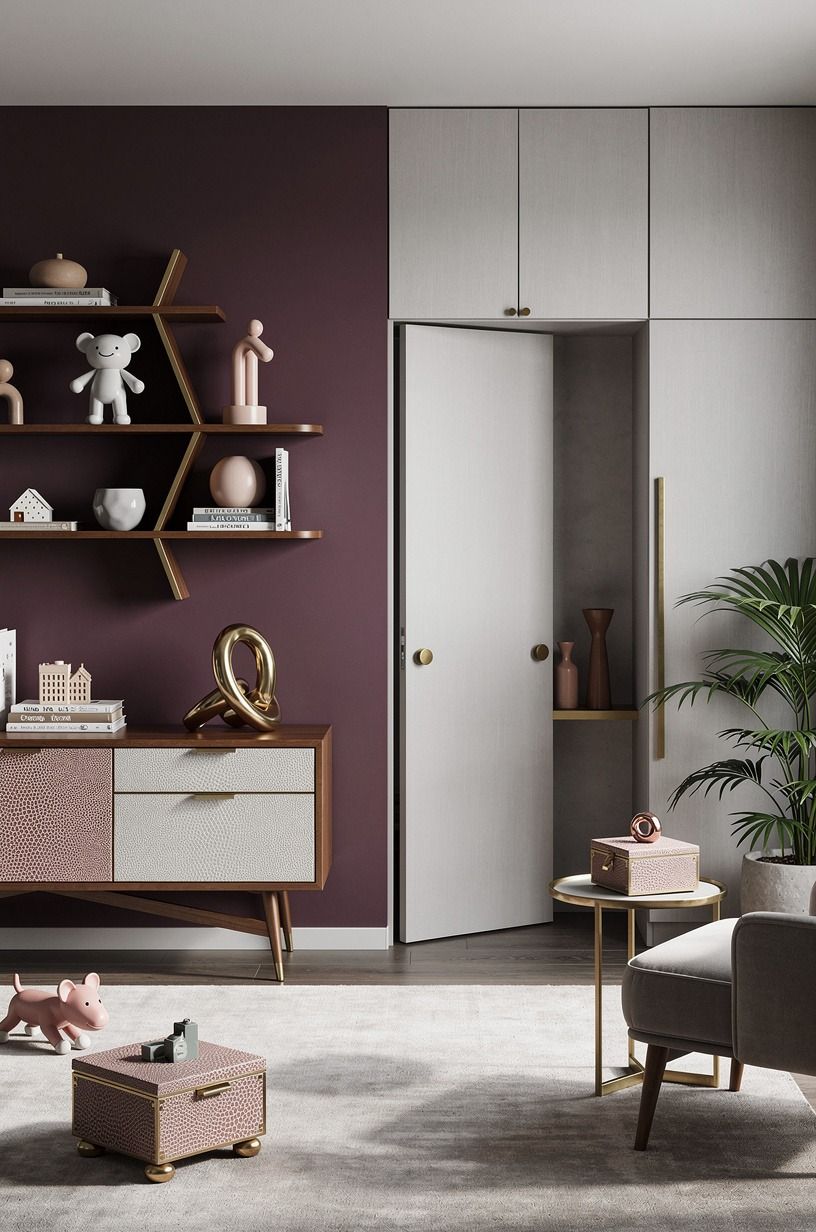
A low bench beside the opening gives kids a reason to linger near each other without needing to invade the other room.
13Add a transom window above the shared doorway
A fixed transom window brings daylight through without sacrificing privacy at eye level. It works especially well when one bedroom gets morning sun and the other feels dim by 3 p.m.
Choose frosted acrylic held in a cerused white oak surround rather than clear glass. You’ll share the light, not every messy shelf and every late-night lamp.
The panel doesn’t need to be huge. Even a narrow strip above the frame can make both rooms feel brighter and more airy. I’d take this over a giant open arch every time because children still need the option to close a door.
14Let one side be playful and the other side calm
The connection should unite the rooms, not clone them. Give one child a bold checkerboard rug and the other a quieter striped quilt, then repeat one material at the doorway so the spaces still speak to each other.
Try a CB2 plum floor cushion on one side and a Pottery Barn Kids cotton blackout panel on the other. The shared element might be oak trim, rose-gold hardware, or the same warm lamp shade.
You don’t have to make siblings match. In fact, I wouldn’t. The whole point is that each child has a place that feels like theirs, with a welcoming route to the person they know best.
The honest cost of making the connection work
A shared doorway can be a modest furnishing project or a full construction decision, depending on whether an opening already exists. If you’re only styling an existing passage, bedding, bins, paint, and a curtain can do plenty. If you’re moving walls, talk with a qualified local contractor before you buy the cute hardware.
For a typical update, I’d spend first on the path, the latch, and the lighting. A solid-core interior door costs more than a hollow panel, but it gives both children a little more quiet. That’s money you’ll feel every night, not just in photos.
Why connected sibling rooms feel different now
I think these doorways are having a moment because families want rooms to work harder without making children share every inch. Bedrooms aren’t only sleep spaces anymore. They’re reading corners, LEGO headquarters, homework zones, and the place where siblings disappear after dinner to build a blanket fort.
I’ve seen parents overdo the theme, and I get it. A hidden opening sounds like permission to make everything magical.
But the best versions aren’t loud. They’re useful, warm, and a little mysterious.
You give kids a route between worlds while still letting each one shut their own door when they need a breather. That tension is the whole appeal.
There’s also a practical side. When you use one connected wall for bookcases, lighting, or a shared reading bench, you free up the better walls for beds and storage.
Your kids get more floor for play, and you get fewer furniture collisions. Not glamorous.
Very helpful.
And honestly, a doorway can become a family memory without becoming a permanent gimmick. The scuffed threshold, the bedtime calls, the small hand reaching through with a favorite book. Those details stick around longer than any mural trend.
A Few Things Worth Answering
What is the best detail door between kids’ rooms for a small space?
A sliding flush panel is usually the best choice because it protects your floor space. Pair a flat-panel door with slim hardware and a shallow IKEA BILLY bookcase frame, so your kids get storage and a usable route between rooms.
Where can I buy pieces for a connected kids’ room on a budget?
Start with IKEA, Target Pillowfort, and Wayfair for bins, curtains, and low storage. Facebook Marketplace can turn up solid wood bookcases cheaply. You’ll save the most by buying the frame secondhand and adding fresh paint yourself.
How much does a detail door between kids’ rooms makeover cost?
A styling-focused makeover usually runs about $150 to $600 when the doorway already exists. Paint, bedding, wall decals, and bins are the lower-cost pieces. Rearranging furniture and using what you own are free.
Can I create a detail doorway on a budget?
Yes, and you don’t need custom millwork. Use a tension-rod curtain, paint the existing door to match the wall, and move a bookcase beside it for a framed look. Your kids will notice the new feeling immediately!
Is a detail door between kids’ rooms worth it in a small space?
Yes, it can be worth it because a small room benefits from a shared circulation plan. Keep the bed wall clear, use a 5×7 ft rug to define play space, and make sure your children can still close the door for quiet.
Is a connected kids’ room a good idea for a rental?
Yes, if you choose reversible materials. Try peel-and-stick wallpaper, removable wall decals, and a curtain track or tension rod. You get a playful passage without changing the structure, which makes move-out much less stressful.
Where I’d Start First
If I had to pick one, I’d start with a sliding painted panel. A swinging door steals the exact floor space kids use for play and laundry piles. Pin the sliding-panel idea for later and revisit this hidden-room inspiration.