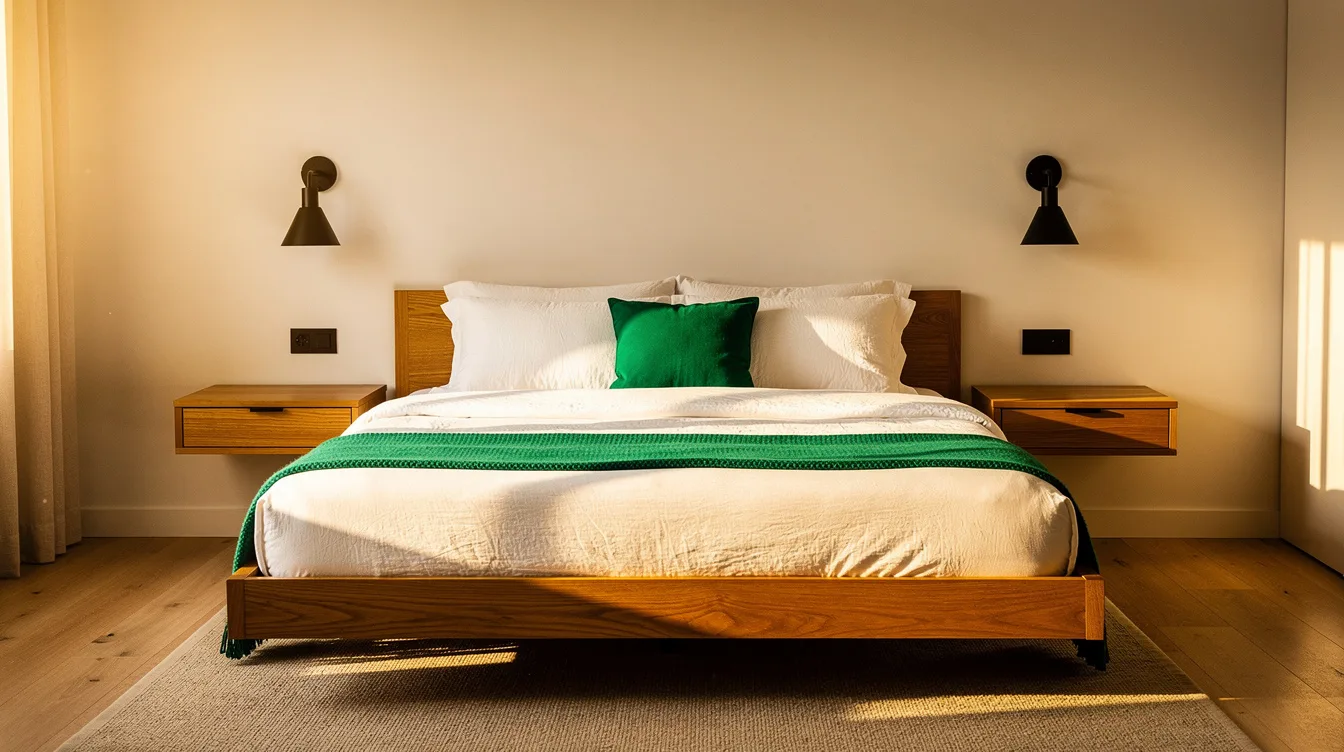
I learned this after squeezing a guest room into roughly 10 by 10 feet: a full-size bed can feel inviting, but only when every inch around it has a job.
The 54 × 75-inch mattress gave my solo visitors a proper place to sleep without swallowing the room, and it forced me to stop buying furniture out of habit.
Start With the Real Footprint
A full mattress is 54 inches wide and 75 inches long, but the frame takes more space. The IKEA MALM full frame measures roughly 59 by 78 3/8 inches outside, which is the dimension that matters when you are taping out a layout.
I leave around 24 to 30 inches on the open side for getting in and out. A narrow aisle feels far better than a room with no place for a suitcase.
For guests taller than roughly 6 feet, I would choose a Full XL mattress. It keeps the 54-inch width but adds five useful inches of length.
Push the Bed Into a Calm Wall
I centered the bed on the least interrupted wall, then let the window wall stay clear. That choice made the room read as a bedroom instead of a spare corner packed with furniture.
A low oak veneer platform bed keeps the sightline quiet, especially in a compact room. Tall, fussy headboards consume visual space before a guest has even set down a bag.
If the room is also an office, place the bed where a door opening cannot expose rumpled bedding. Privacy makes a modest room feel considered.
Use Storage Under the Mattress
Guest rooms collect extra sheets, blankets, and the items nobody knows where else to put. I prefer a bed that contains that overflow rather than adding a bulky dresser.
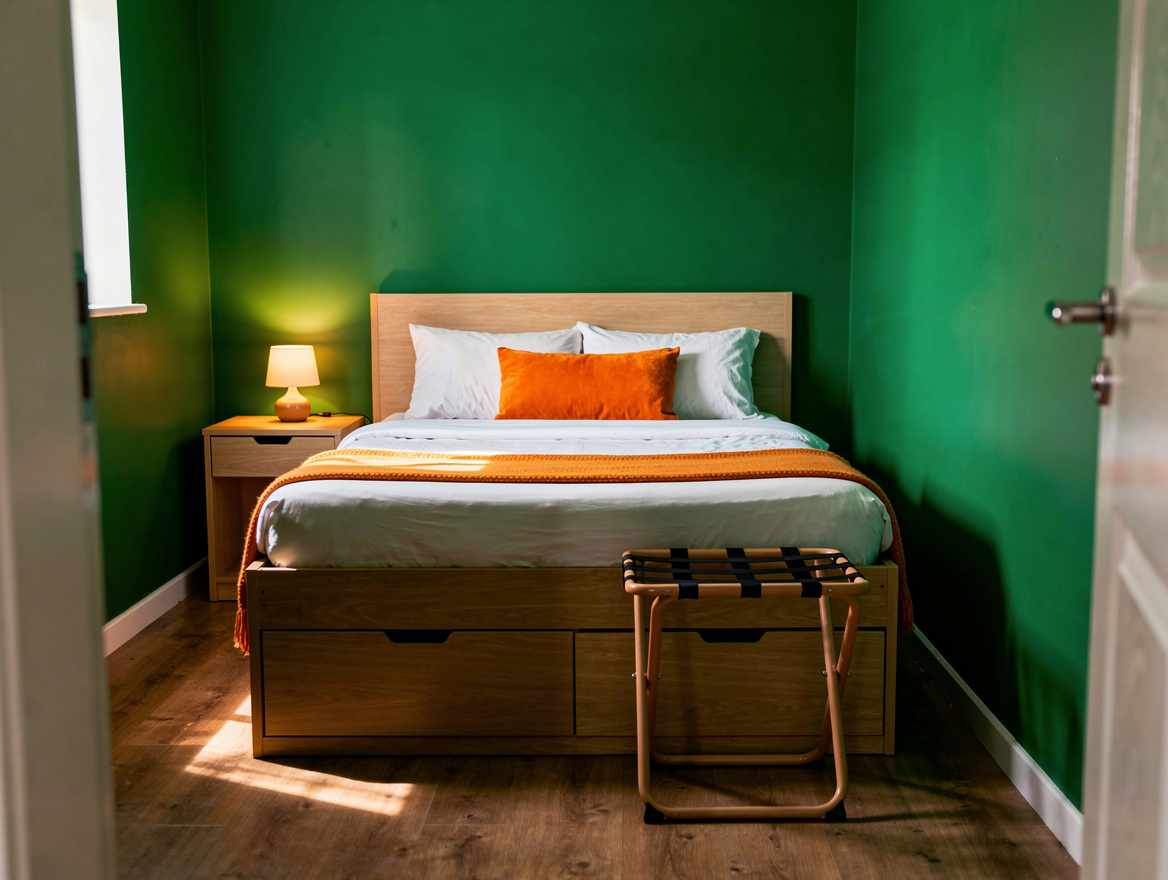
The IKEA BRIMNES full storage frame is listed around $299 and gives linens a permanent home. Keep at least roughly 30 inches in front of drawers, or the storage becomes a daily annoyance.
For a cleaner look, slide matching under-bed storage bins beneath a platform frame. Label them for sheets and blankets, then leave one empty for a visitor’s shoes.
Choose Bedding That Can Take Real Use
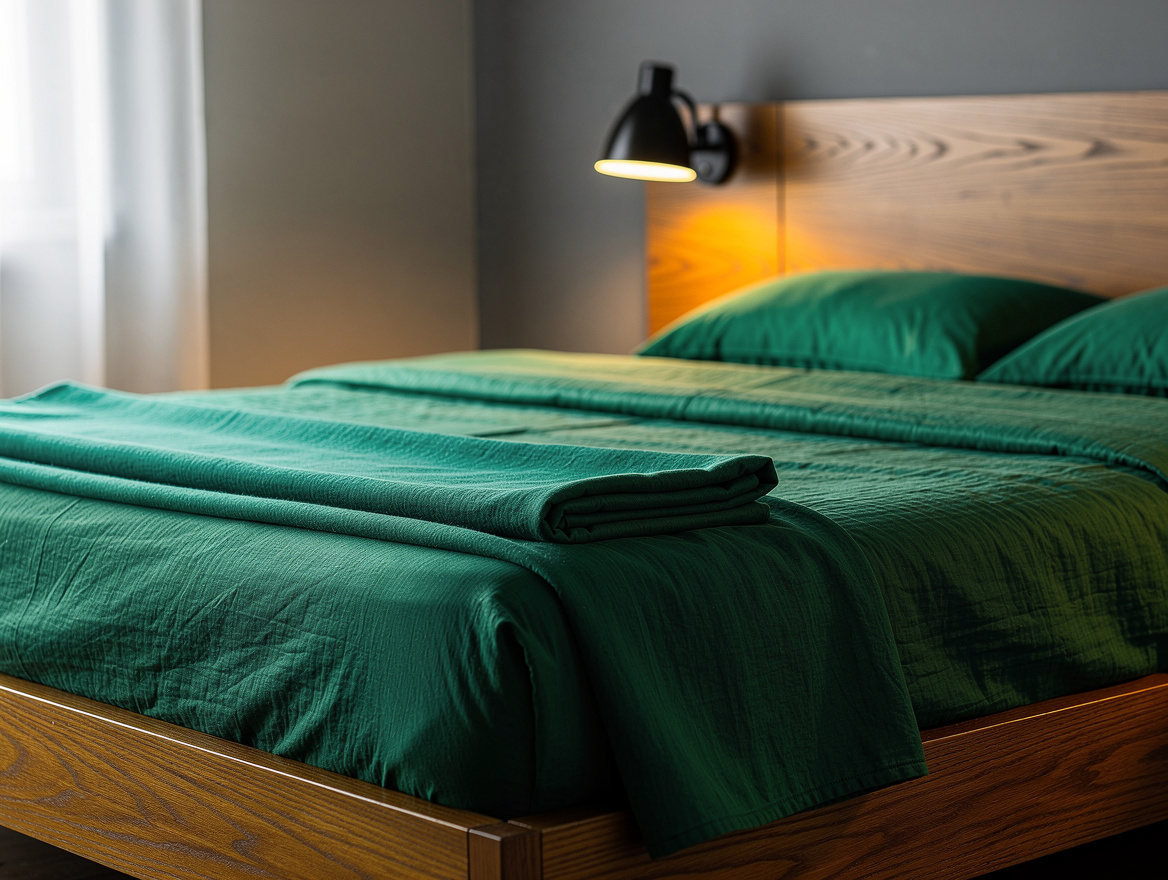
I skip delicate white comforters in a room that may sit unused for weeks. A washable cotton quilt has more charm and far less maintenance anxiety.
A medium-firm hybrid mattress is the sensible middle ground for occasional guests with different sleep preferences. A typical minimal hotel-style full-room setup, including the frame, mattress, and two small nightstands, runs about $500 to $1,100 before delivery and upgraded bedding.
Two standard pillows, one extra blanket, and a folded throw are enough. Guests need comfort, not a decorative pile they have to remove before sleep.
Mount Light Instead of Adding Clutter
Small nightstands work when the lighting is off the tabletop. I use a wall-mounted black reading lamp on each accessible side, or one centered above a slim table when the bed sits near a wall.
The IKEA MALM low profile works particularly well with mounted lights because it leaves the wall visible. A lamp with an easy switch matters more than a sculptural base that steals landing space.
Give guests an outlet or charging access within reach. That tiny convenience makes the room feel more welcoming than another framed print.
Give Visitors One Place to Unpack
The room changed when I added a single luggage perch rather than another accent chair. A simple wood luggage rack keeps a suitcase off the floor and preserves the walking path.
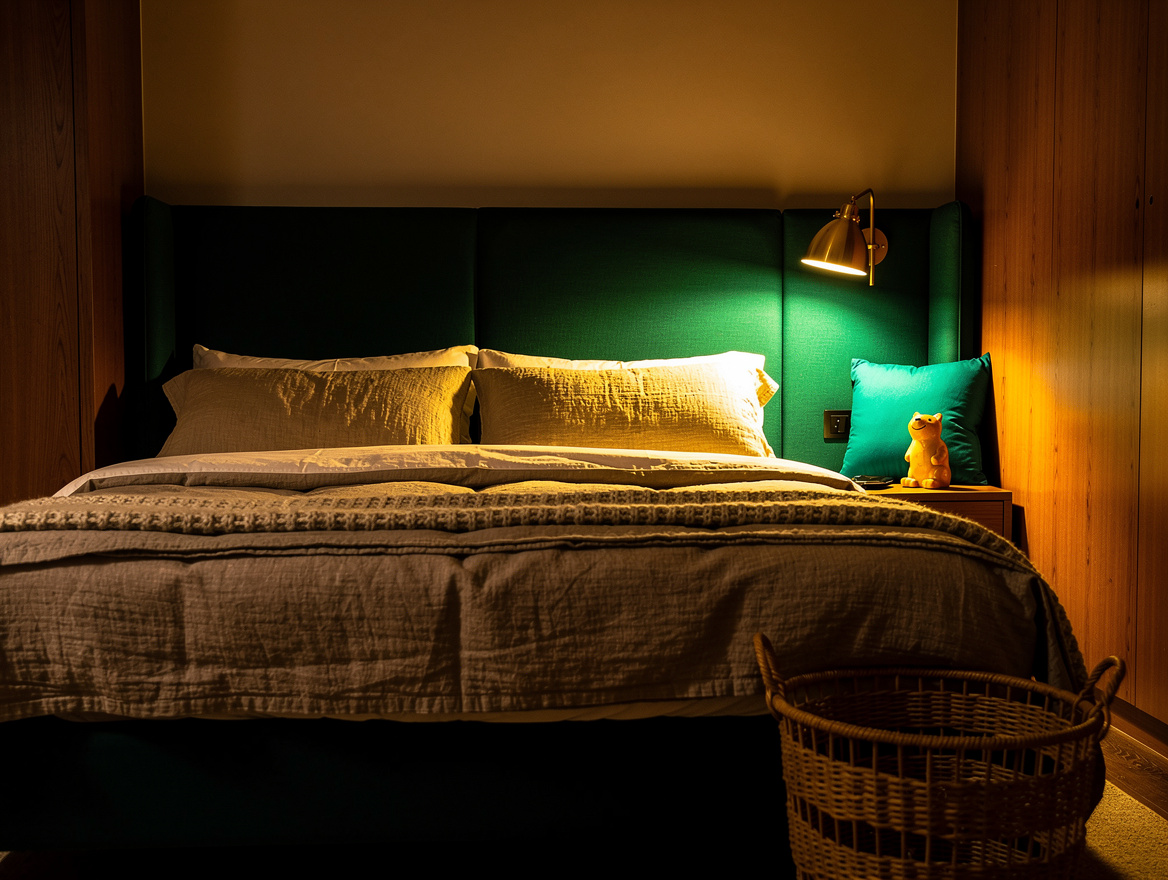
In a more polished setup, an upholstered full bed with performance fabric can make the compact scale feel intentional. Typical soft upholstered guest-room packages cost about $800 to $1,800, depending on the mattress and bedside pieces.
Keep one drawer, shelf, or basket empty for the guest. A room only feels generous when its storage is not already spoken for.
Measure the wall behind the bed first, then mark the full frame footprint on the floor with painter’s tape. Protecting the walkway is the move that makes a compact guest bedroom work.
Mia Carter writes about small-space living and budget home makeovers. She has restyled three rentals and tests most ideas in her own 45 sqm flat.