I used to think a bedroom only needed a decent mattress and matching lamps. Then I slept in a room with a 54-inch-wide bed squeezed onto a too-small rug, and every morning started with my feet on cold flooring.
The bedroom trends worth keeping now favor warmth, scale, and materials that make an ordinary room feel intentional. The expensive-looking result usually comes from better proportions, not more decor.
Warm Up the Minimal Base
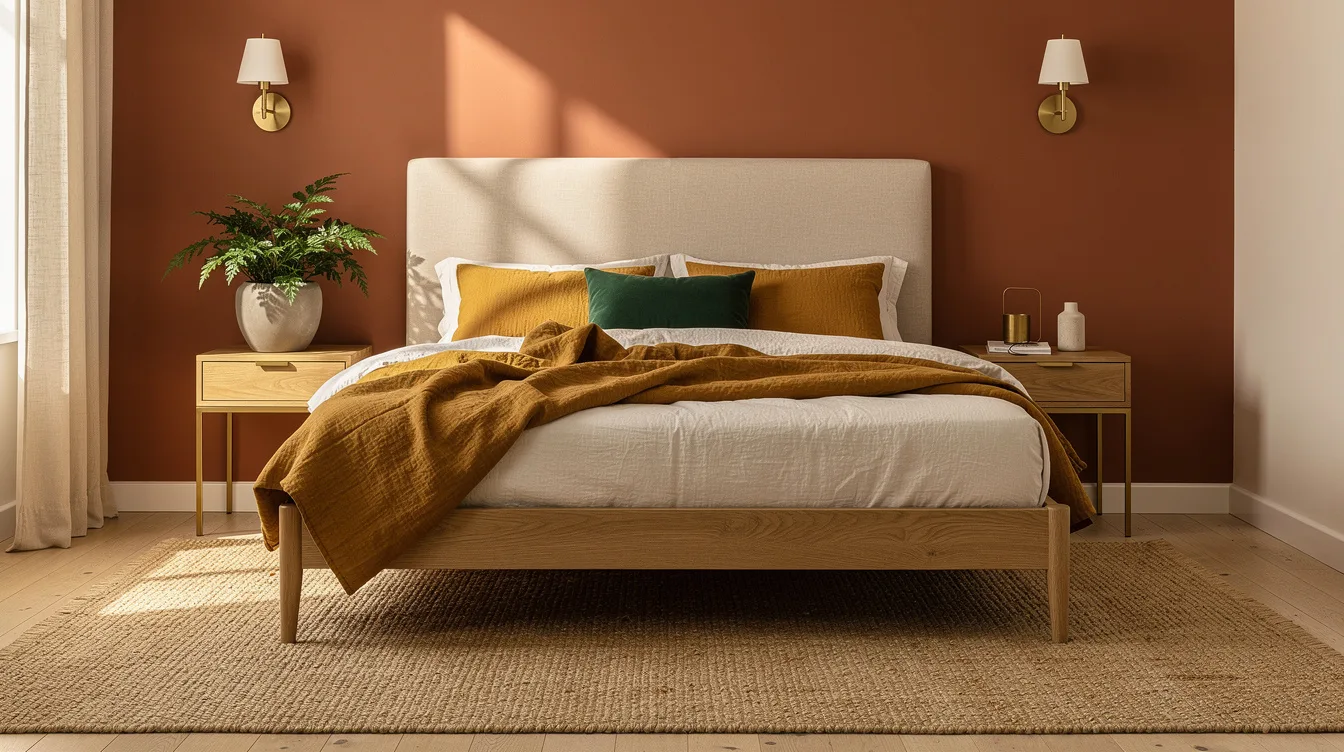
Cool gray bedrooms are losing ground because they flatten morning light. Start with warm off-white walls, then bring in clay, taupe, or muted terracotta through one wall or the bedding.
A gallon of BEHR paint at Home Depot typically costs about $35 to $60, an easy reset compared with replacing furniture. Keep the finish matte so the color feels quiet rather than polished.
Choose a simple oak or ash bed with low nightstands. A solid-wood queen frame at IKEA or Wayfair typically lands around $600 to $1,500, depending on construction.
Warm minimalism needs texture or it looks unfinished. A linen duvet, wool rug, and one velvet pillow do more work than a crowded shelf.
Scale the Headboard Like Architecture
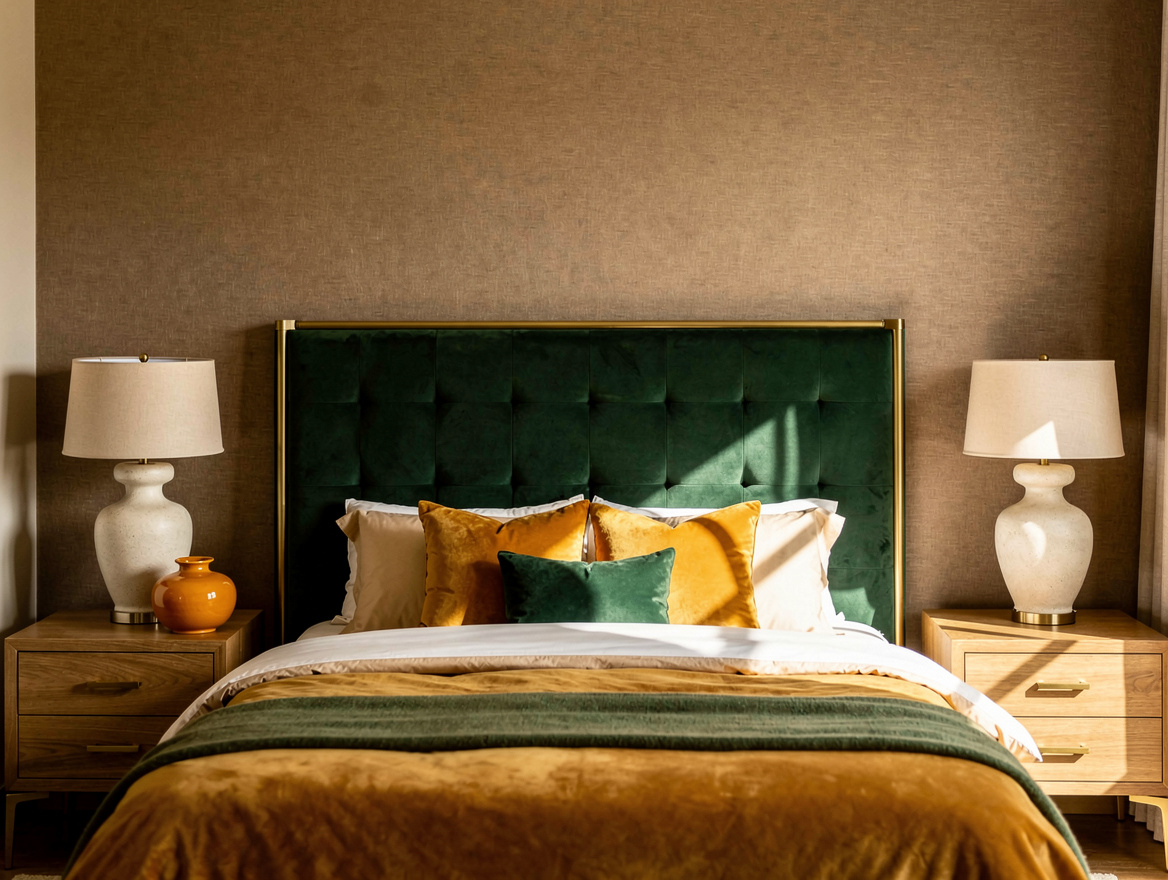
A small headboard on a large wall makes the whole bed look temporary. Designers are favoring upholstered or sculptural wood headboards that reach at least 48 to 60 inches from the floor.
Let the headboard extend roughly 8 to 12 inches beyond each side of the mattress. That extra width gives nightstands a visual connection to the bed.
A custom upholstered option can typically run about $500 to $1,200, while a DIY version with plywood, foam, and fabric may cost roughly $200 to $400. The homemade route is worthwhile only when the fabric is substantial.
Skip thin faux leather. A nubby linen blend or cotton velvet from IKEA, Target, or Wayfair has more depth and ages more gracefully.
Layer Natural Materials Underfoot
Bedrooms are moving away from slick, matching furniture sets. A jute rug, oak frame, linen drapes, and a ceramic lamp create a room that feels settled without looking themed.
For a queen bed, use an area rug that is at least about 6 by 9 feet. An 8 by 10-foot rug is the better choice when the room allows it, because your feet land on softness on both sides.
Large jute or wool-blend rugs at IKEA, Wayfair, and Costco typically range from about $200 to $600. Put a thin rug pad underneath, since jute can slide and feel scratchy on bare floors.
One honest material beats a stack of imitation finishes. Real wood grain and woven fiber bring more character than faux marble furniture ever will.
Build Bedding in Tactile Layers
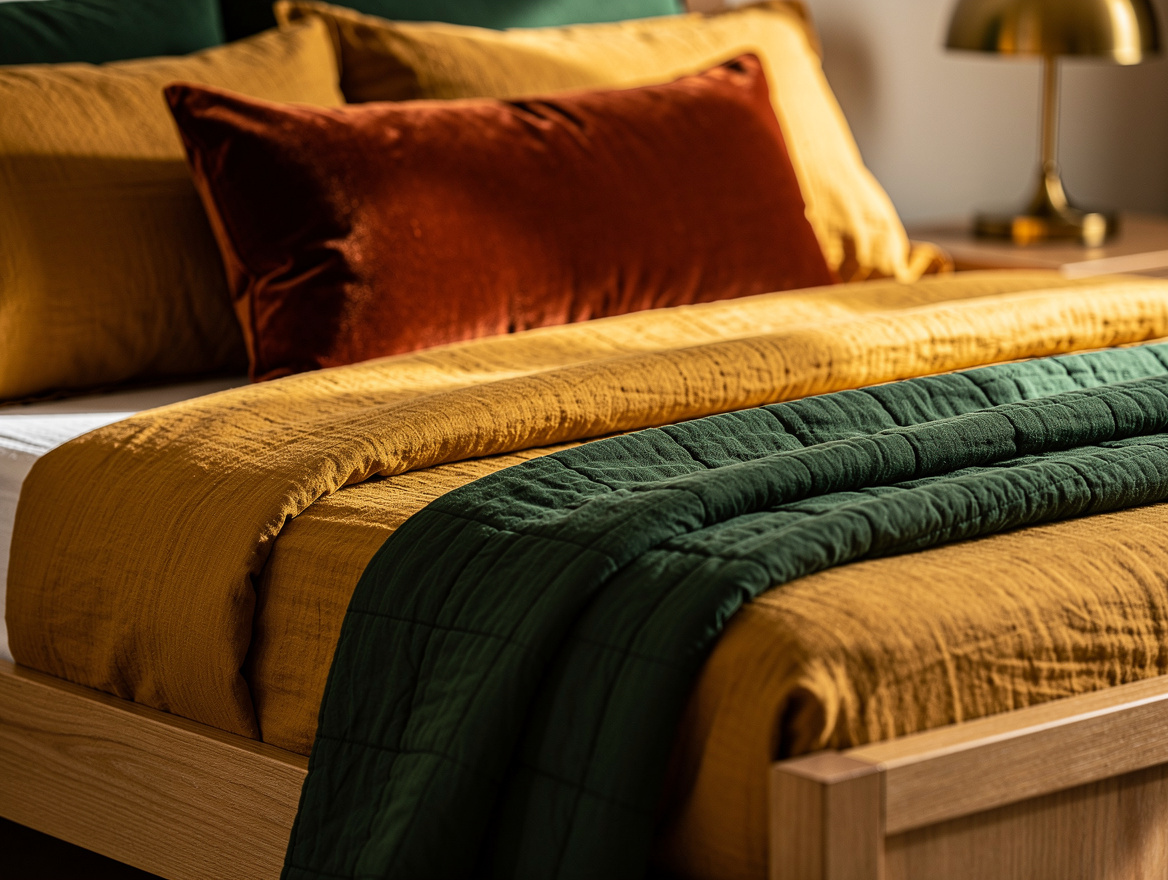
A bed dressed in one flat comforter looks more like a showroom display than a place to sleep. Use a crisp sheet set, a duvet, a folded quilt, and one throw with a different hand feel.
A queen linen or percale bedding set from Target, Amazon, or Costco typically costs around $120 to $300. Spend on the sheets first, because they are the layer you actually feel every night.
Mix linen with cotton, not five competing patterns. Two sleeping pillows, two larger back pillows, and a lumbar pillow are usually enough for a polished queen bed.
Keep the colors within one warm family. Sand, tobacco, faded green, and rust work especially well against creamy walls.
Give the Bed a Textured Backdrop
The wall behind the bed deserves more than a random print hung too high. A limewashed look, raked plaster effect, or color-drenched wall gives the room a clear focal point.
A professional textured feature wall typically costs roughly $25 to $60 per square foot for labor and materials, so test the look with paint rollers from Lowe’s or Home Depot before committing. A soft, imperfect finish is the point.
Use a muted earth tone rather than a dark accent wall that swallows daylight. The goal is depth, not drama for its own sake.
Leave about 30 to 36 inches between the bed and the opposite wall when possible. Good circulation makes even a modest bedroom feel more deliberate.
Add Living Green Without Making a Jungle
Nature-forward bedrooms feel current because they soften all the hard edges around a mattress. A snake plant beside a dresser or a trailing pothos on a high shelf is enough to change the mood.
Start with two medium plants and one small trailing plant, then stop. A ceramic planter from Target or Walmart typically costs about $15 to $40 and looks better than a plastic nursery pot.
Pair greenery with bamboo, rattan, stoneware, or warm oak. Those materials support the plant instead of turning it into a lonely decorative prop.
Keep plants away from the pillow zone if you are sensitive to soil or fragrance. A bedroom should feel fresh, not high-maintenance.
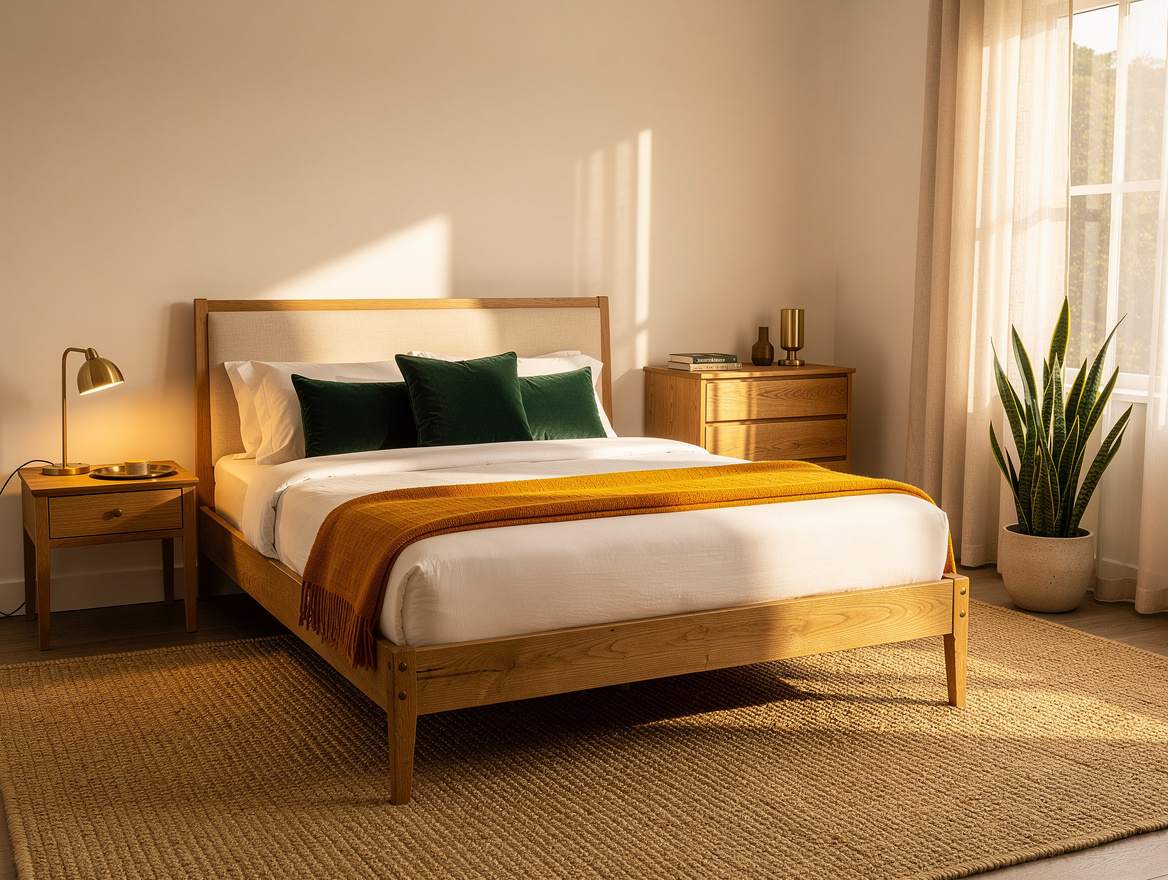
Begin with the floor: measure for the largest rug your room can comfortably hold, then build the bed layers and wall color around it. That single decision makes every later purchase easier to judge.
Mia Carter writes about small-space living and budget home makeovers. She has restyled three rentals and tests most ideas in her own 45 sqm flat.