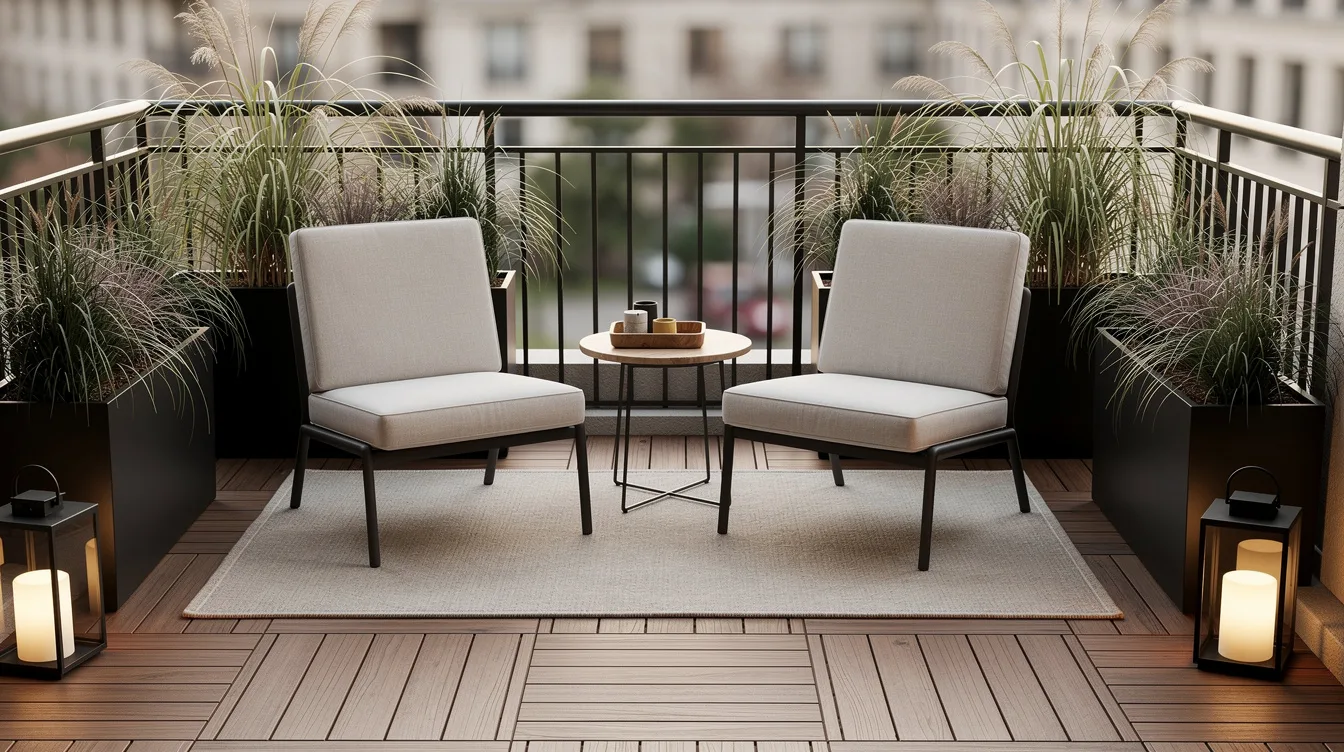
The first thing I saw from my living room was a stained balcony slab and two plastic chairs that screeched every time I moved them. I wanted that view to feel like a boutique hotel terrace, but my lease was clear about one thing: no drilling, no mounting, no excuses.
So I treated the balcony like a temporary set with better materials. Everything had to lift, fold, click together, or slide into place without leaving a mark.
Cover the floor first
The fastest shift came from the floor, because bare concrete always reads cold and temporary. I wanted the balcony to feel like an outdoor suite, not an apartment afterthought.
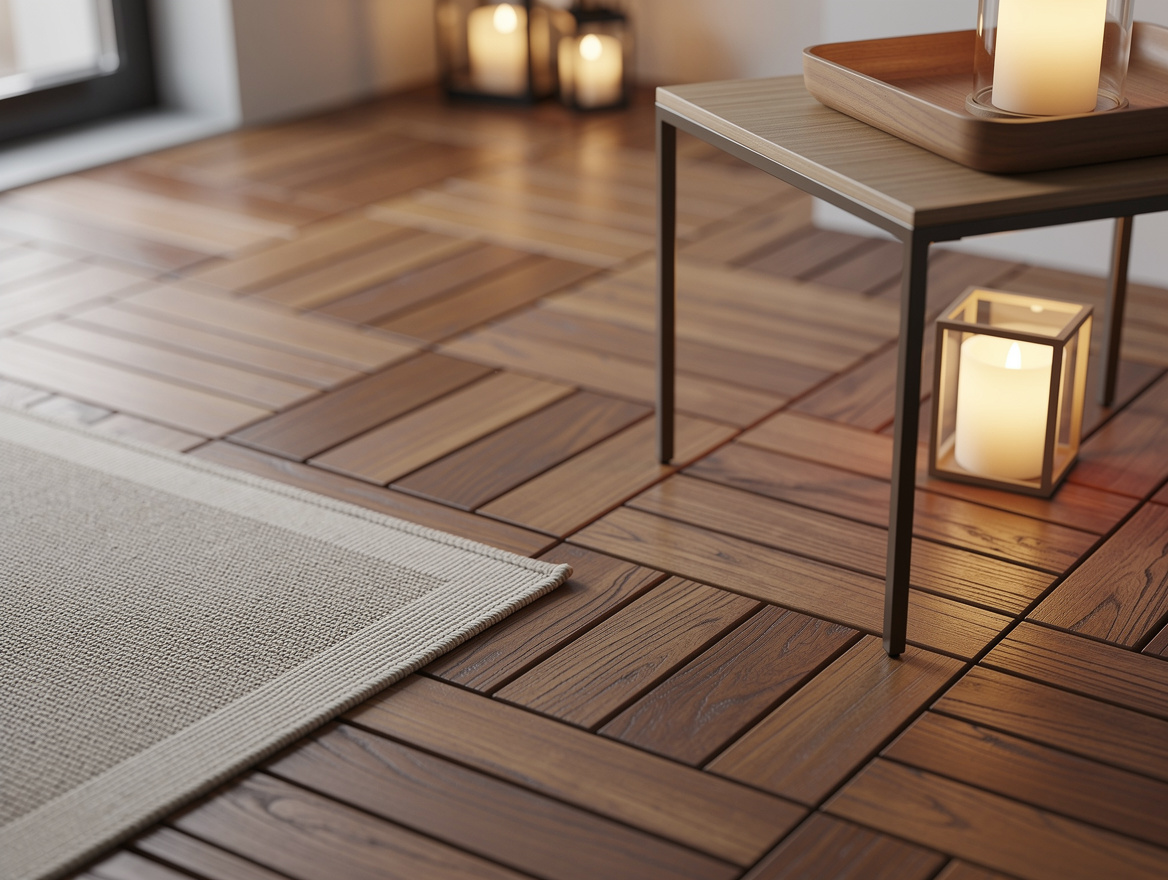
I used IKEA RUNNEN deck tiles because they click together and lift right back up when a lease ends. A typical pack covers about 9 square feet and usually lands around $30, which is far cheaper than pretending a thin rug alone will fix ugly flooring.
If deck tiles are too much for your layout, a Wayfair indoor-outdoor rug in a 5-by-7 size usually runs about $45 to $90. I still think a hard surface underfoot looks more expensive, especially on a narrow balcony where every inch shows.
Anchor the seating with one low, deep zone
I stopped trying to fit a full dining setup and built one compact lounge area instead. That single decision made the space feel intentional.
A pair of Target sling chairs or folding acacia chairs works better than bulky sectionals on most rentals. Typical balcony-friendly chairs are around 22 to 28 inches wide, and that scale matters more than chasing some oversized resort look you cannot actually walk around.
I added one Walmart outdoor pouf as a footrest and extra seat, usually about $35 to $60. A pouf is more useful than a second side table, and it keeps the layout loose instead of crowded.
Layer textiles that look expensive in daylight
Hotel energy comes from soft layers, but outdoor versions need a little discipline. Too many patterns start looking like patio clearance stock.
I kept the base neutral with a polypropylene rug, then brought in two oversized cushions in sand and tobacco. Outdoor floor pillows from Amazon or Target often cost $25 to $50 each, and going slightly oversized always feels richer than buying a stack of tiny accent pillows.
Then I added one striped throw blanket for late evenings. It does not need to be expensive, but it should look weighty, because limp fabric kills that boutique feeling fast.
Use portable lighting instead of fighting the walls
The biggest rental problem is always the same: the wall where you want a sconce is the one you cannot touch. I skipped anything that needed screws and treated lighting like table decor.
A small LED lantern from IKEA or Target gives you that warm pool of light without cords crossing the floor. Battery lanterns typically cost $15 to $40, and the glow is softer than most plug-in balcony string lights that end up looking harsh.
For height, I grouped two solar pathway lights inside a planter instead of staking them into the ground. It sounds improvised, but at night it reads like custom ambient lighting, especially if the fixtures have a black or antique brass finish.
Hide the railing with plants, not screens
I almost bought a privacy panel, then backed out because most of them look cheap by week two. Plants do the same job and make the balcony feel alive.
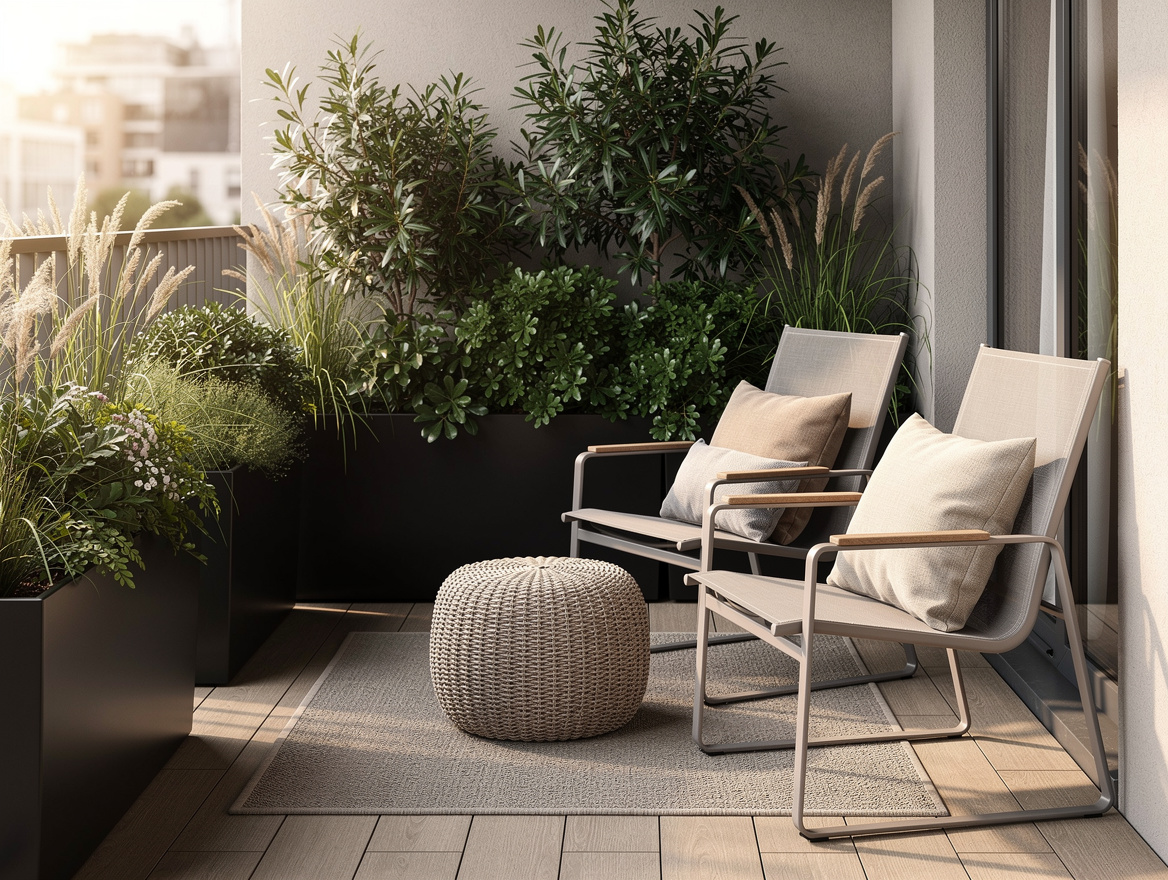
I lined the edge with narrow Lowe’s planters in matte black and filled them with ornamental grasses and trailing ivy. A typical rectangular planter for a balcony rail zone runs about $20 to $40, and the vertical shape gives you softness without eating your walking path.
For corners, a tall Home Depot faux olive tree or a real snake plant in a heavy pot works better than filling the whole space with small pots. One strong plant has more presence than five random ones, and it keeps the look clean.
Finish with a tray setup that feels like room service
This was the detail that made the whole balcony click. Once I added a surface that looked ready for drinks and a book, the space stopped feeling staged and started feeling usable.
I used a compact acacia side table from Amazon, the kind that is usually 16 to 20 inches wide and folds flat. Small is better here, because a balcony lounge should feel easy to move through, not like a puzzle you regret every time you step outside.
On top, I kept a wood tray, two smoked-glass tumblers, and one candle in a ceramic holder. A tray is the easiest hotel cue to copy, and it gives even cheap furniture a finished point of view.
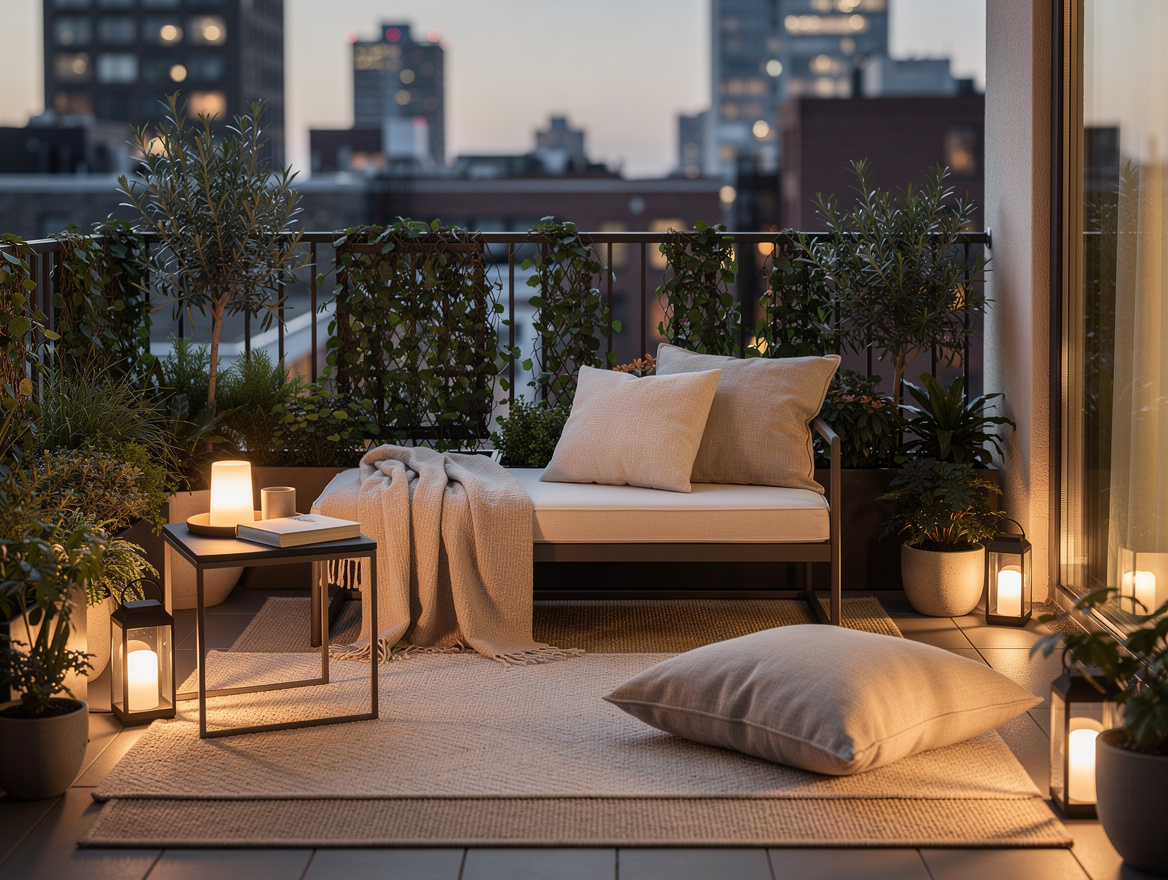
Start with the floor, then add seating, then lighting. That order gives you the biggest visual payoff first, and it keeps you from wasting money on decor that cannot rescue a bad base.
Mia Carter writes about small-space living and budget home makeovers. She has restyled three rentals and tests most ideas in her own 45 sqm flat.