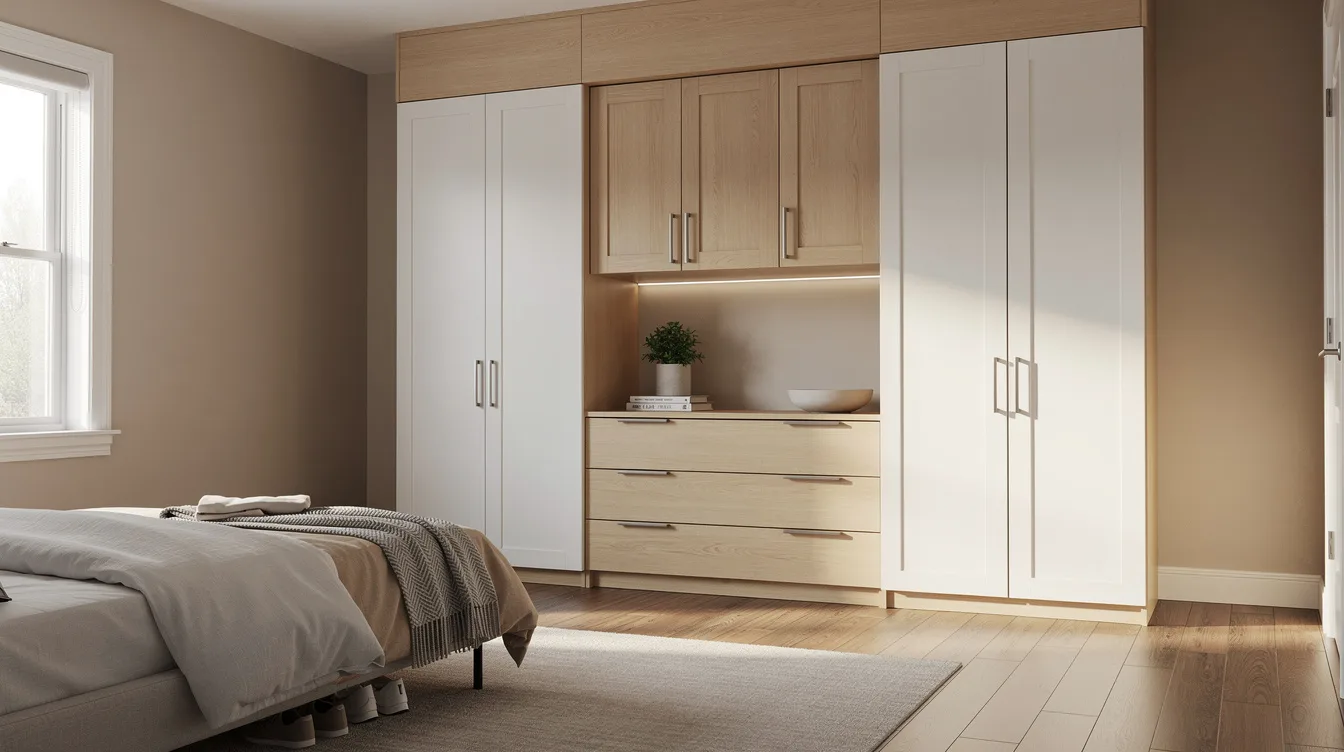
I’ve seen this happen in small bedrooms over and over: the closet doors barely open, the dresser blocks the outlet, and the bed ends up floating in the middle like it lost an argument. When every wall has a job, random furniture stops working fast.
The cleanest fix is usually a built-in style layout using IKEA PAX for tall storage and IKEA MALM for drawers. The modules are simple, but the right combination can make a tight bedroom feel planned instead of patched together.
Build One Storage Wall First
I like starting with a full run of IKEA PAX on the longest wall because it fixes the room in one move. In a small bedroom, that matters more than chasing cute nightstands.
A practical setup is one 100 x 58 x 236 cm frame plus one 75 x 58 x 236 cm frame, for 175 cm total width. That size usually fits a wall in the 2.4 to 3.0 meter range and still leaves breathing room for the bed or the door swing.
If the wall is tighter, two 75 cm frames give you 150 cm of closed storage without making the room feel top heavy. I’d choose the 236 cm height every time, because the tall line reads far more custom than a shorter box with dead space above it.
Use MALM to Break Up the Bulk
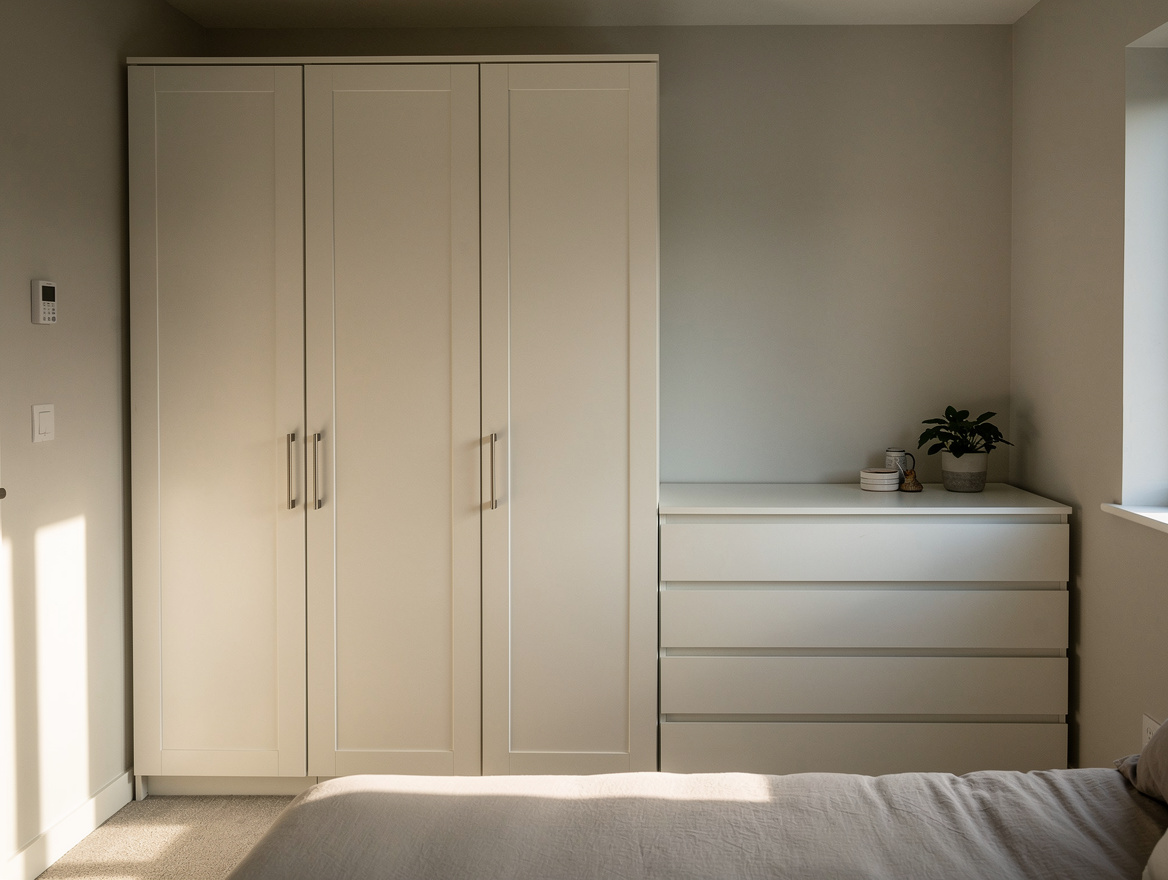
A solid wall of wardrobes can feel heavy, so I’d interrupt it with a MALM 3-drawer chest or a wide MALM if you need folded storage. The 80 x 48 x 78 cm chest is especially useful because it keeps the line low enough for art, a mirror, or a shelf above.
The depth match is close enough to work visually. PAX at 58 cm and MALM at 48 cm look intentional once you add filler strips, a top shelf, and matching trim.
If you have more wall width, the MALM 6-drawer wide chest at 160 x 48 x 78 cm gives a lot of drawer storage without forcing another tall wardrobe into the room. That mix feels smarter than going all hanging space and then running out of room for T-shirts and sweaters.
Frame the Bed With Shallow Wardrobe Towers
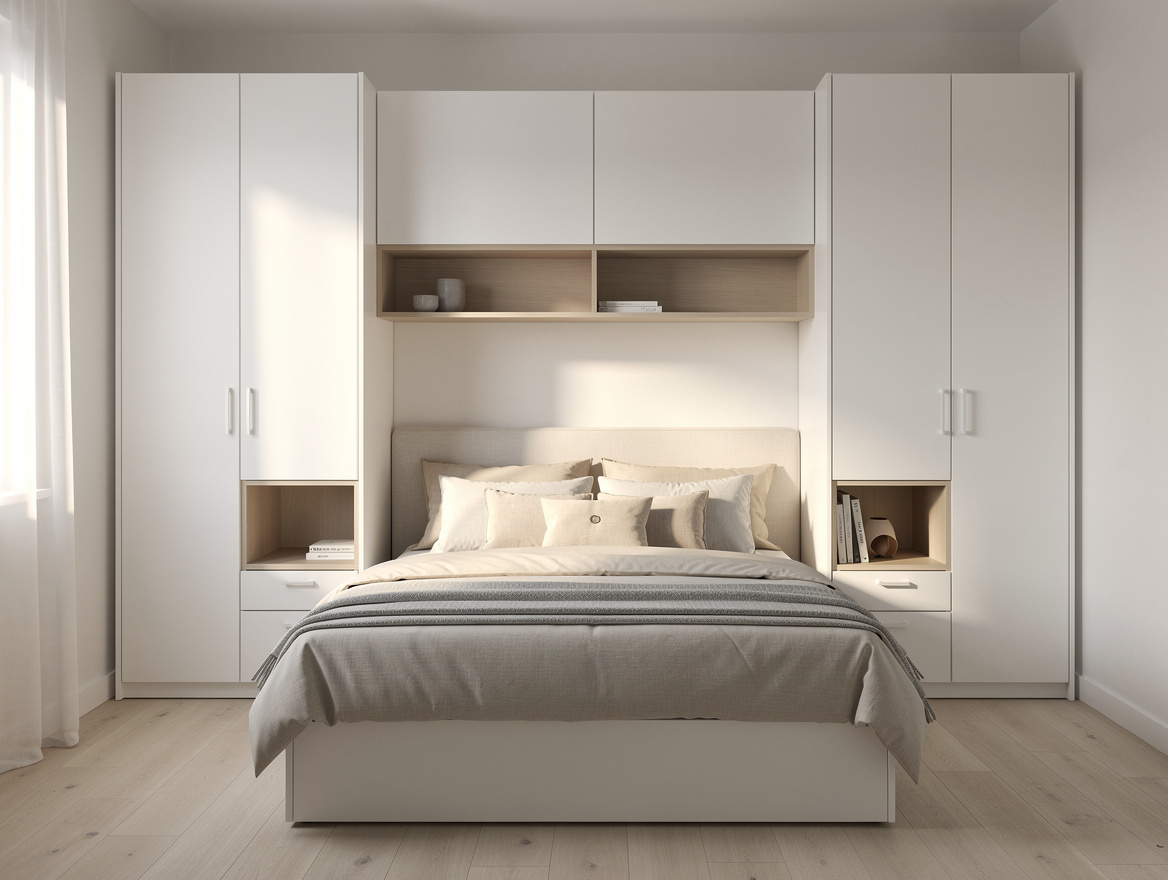
In a narrow room, I’d move the bed to the short wall and flank it with two PAX 50 x 35 x 236 cm frames. The 35 cm depth is the whole point here, because it keeps the passage from getting pinched.
This layout works especially well with a 140 x 200 cm bed. The wardrobes act like a headboard wall, and the room suddenly looks planned instead of squeezed.
Add a bridge shelf overhead in MDF or use a shallow cabinet line if you want enclosed storage above. I’m picky about this detail: keep the bridge light and simple, or the bed wall starts to feel like a tunnel.
Fake the Built-In Look With a Plinth and Fillers
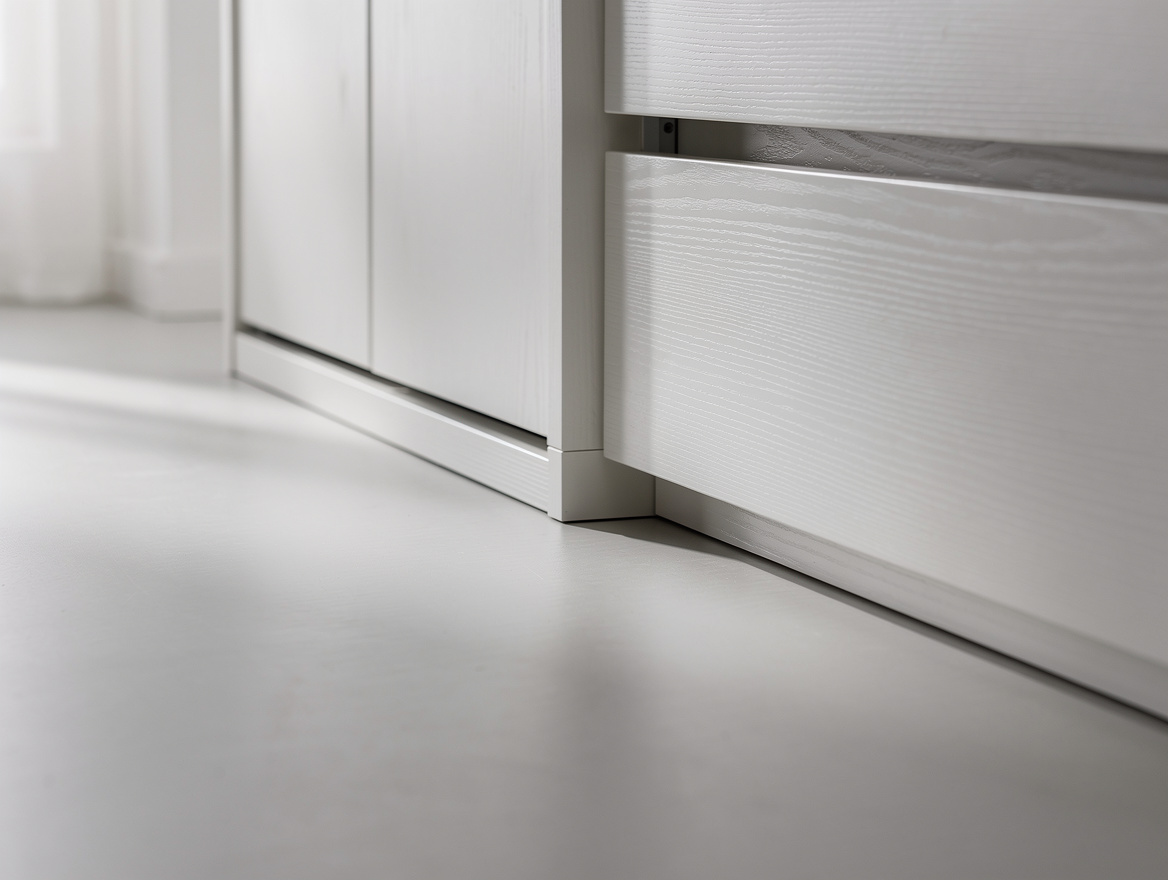
The custom look does not come from the boxes alone. It comes from the parts most people skip, a 5 to 7 cm plinth, side fillers, and top trim in 18 mm MDF.
Set both PAX and MALM on the same base so the whole run lands on one clean line. Then close the side gaps with painted filler strips and carry a simple top panel across the span.
This is where the room starts reading like architecture instead of flat-pack furniture. I’d paint the trim to match the wall if the bedroom is tiny, because same-color cabinetry calms the edges and makes the ceiling feel taller.
Mix Depths Where the Door Needs Relief
Not every wall can handle a full 58 cm wardrobe. Near a tight entry, I prefer a shallow PAX 35 cm frame for folded clothes or lighter hanging pieces, then place a deeper MALM chest on the next wall.
That 35 to 48 cm depth range is often the sweet spot in a compact bedroom. You get usable storage without clipping the door trim or making the first step into the room feel awkward.
I’d reserve the 58 cm PAX depth for the main hanging zone and use the shallow section where circulation matters most. It’s a more honest plan than forcing full-depth wardrobes everywhere and pretending the walkway still works.
Plan the Walking Space Before You Buy Anything
The layout only works if you protect clearances. In a typical 2.7 x 3.3 meter bedroom, a 140 x 200 cm bed opposite a PAX wall usually leaves around 70 to 80 cm of walking space, which is tight but workable for daily use.
That number should guide the whole design. If your bed plus wardrobes crush the aisle below that range, switch to shallow towers, drop one module, or use a lower MALM 4-drawer chest at about 80 x 48 x 100 cm on the side wall instead.
I’m pretty firm on this: a room that looks custom but forces you to sidestep around the bed every morning is a bad layout. A slightly smaller storage run that opens the floor wins every time.
Start with the wall measurement and the walking aisle, then choose the biggest PAX run your room can handle without choking the bed zone. Once those two numbers are right, the trim, shelf, and MALM placement are the easy part.
Mia Carter writes about small-space living and budget home makeovers. She has restyled three rentals and tests most ideas in her own 45 sqm flat.