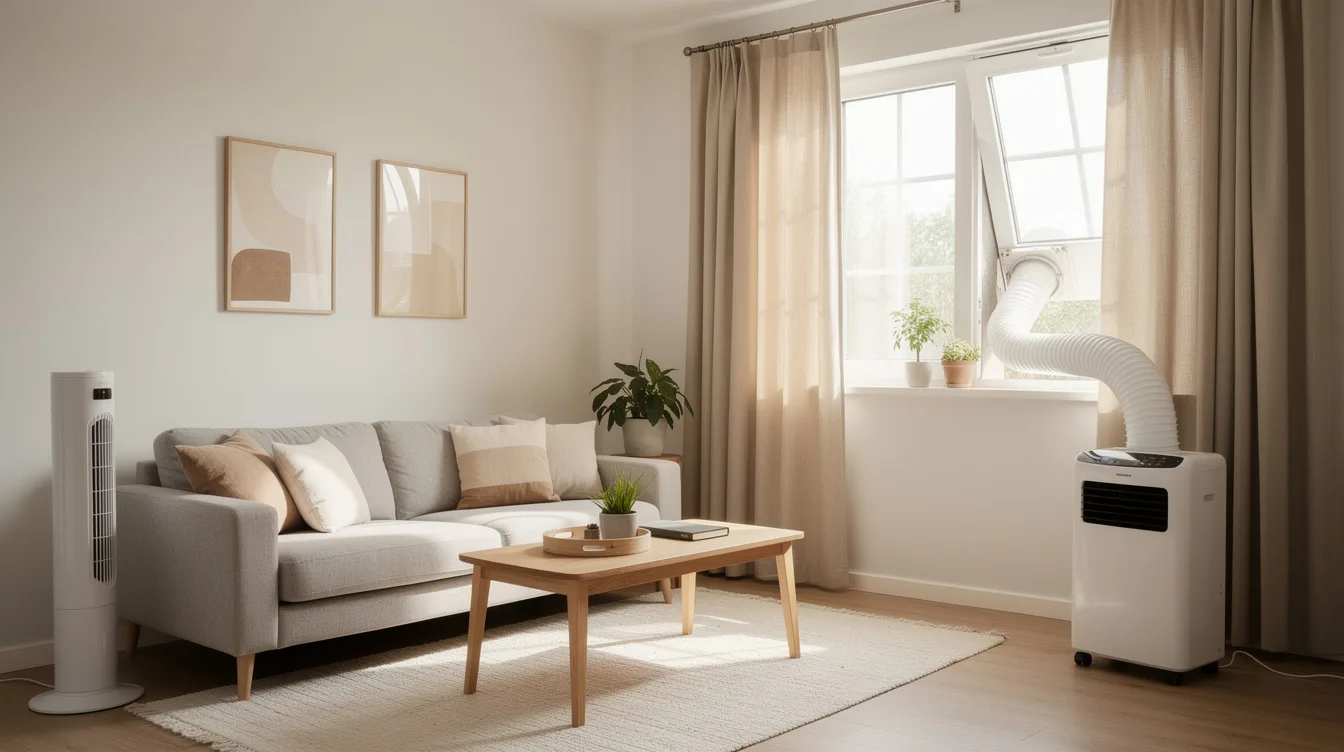
By August, my apartment always gets that stale late-day heat where the window glass feels warm and the hallway air somehow seems cooler than the living room. I like cold air, but I like my security deposit more.
That’s why renter-friendly cooling in 2026 really comes down to plug-in or tension-mounted upgrades, things you can install without major changes and pull back out before fall. The best options are practical, not flashy.
Roll In a Portable AC Where Heat Actually Builds
I still think a portable AC is the least annoying answer for most renters, especially in a bedroom that traps heat after 4 p.m.
The useful range is typically 8,000 to 14,000 BTU on a standard 115 V outlet, with average power draw around 900 to 1,300 W.
At Amazon, 10,000 BTU models usually land around $350 to $500, and the common footprint is roughly 28 to 34 inches high, 14 to 17 inches wide, and about 13 to 14 inches deep.
That size matters because it will eat floor space fast. I’d still take that trade if the room is humid, because these units pull moisture better than most fan-based options.
The part people get wrong is the window vent. A loose plastic insert and a leaky hose setup can make an expensive unit feel mediocre.
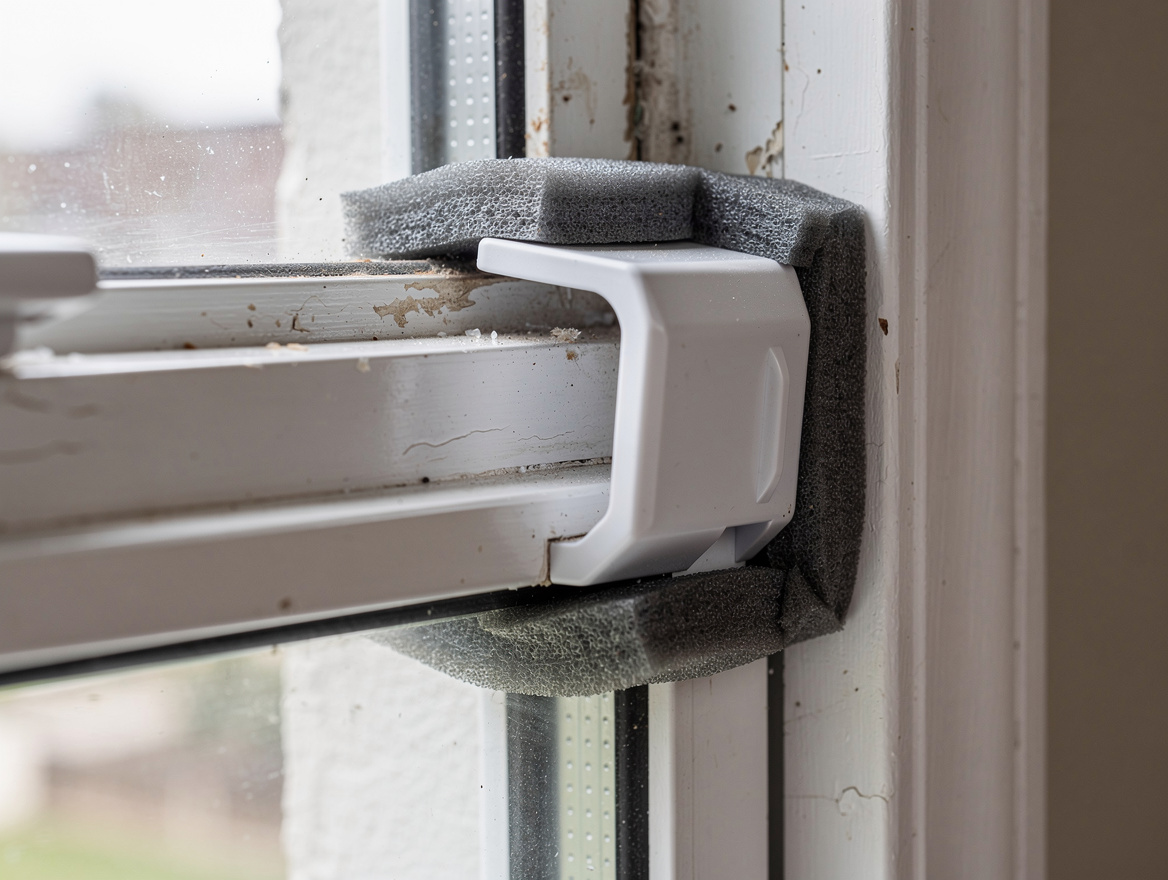
Use the included kit, then tighten the edges with foam weatherstripping so the hot exhaust doesn’t creep back inside.
Clamp In a U-Shaped Unit Instead of Sacrificing Floor Space
If you hate losing a chunk of the room to a wheeled appliance, a U-shaped window AC is the smarter move.
These units usually fit windows about 22 to 36 inches wide with a minimum opening around 13 to 14 inches, and many models rely on foam seals and brackets rather than permanent changes to the frame.
At Home Depot or Lowe’s, the typical price for an inverter-style 8,000 to 12,000 BTU model is about $380 to $550.
A common unit body is around 21.9 inches wide, 19.2 inches deep, and 13.3 inches high, which is compact enough to feel less clumsy than older boxy window units.
I’m firmly on the side of this style if your lease allows removable window ACs. It’s quieter than many portable units, and you get your floor back.
Check the sash fit before buying, and check local code and your lease language too. Most places treat removable units differently from structural alterations, but I would never assume.
Pick an Evaporative Cooler Only if Your Air Is Dry
An evaporative cooler can feel like a bargain or a mistake, and your climate decides which one it is.
In dry regions, room models often move about 500 to 1,500 CFM while using only 60 to 150 W, which is a huge energy difference compared with compressor AC.
At Walmart and Amazon, compact indoor towers usually cost around $100 to $200, often standing 35 to 41 inches tall with narrow bases around 12 to 15 inches wide.
Larger wheeled versions for open rooms or garages can run about $250 to $400 and use much bigger water reservoirs, sometimes 10 gallons or more.
I only recommend this route if you live somewhere arid and you can crack a window for airflow. In sticky weather, extra moisture makes the room feel worse, not better.
If you want the cheapest plug-in cooling upgrade with zero building impact, this is the one to test first. Just don’t expect it to behave like refrigerated air.
Block Solar Gain Before You Spend More on BTUs
The hottest room in an apartment usually has a window problem before it has an equipment problem.
A west-facing pane with thin blinds can turn the sofa arm, the rug edge, and even the TV stand warm by early evening.
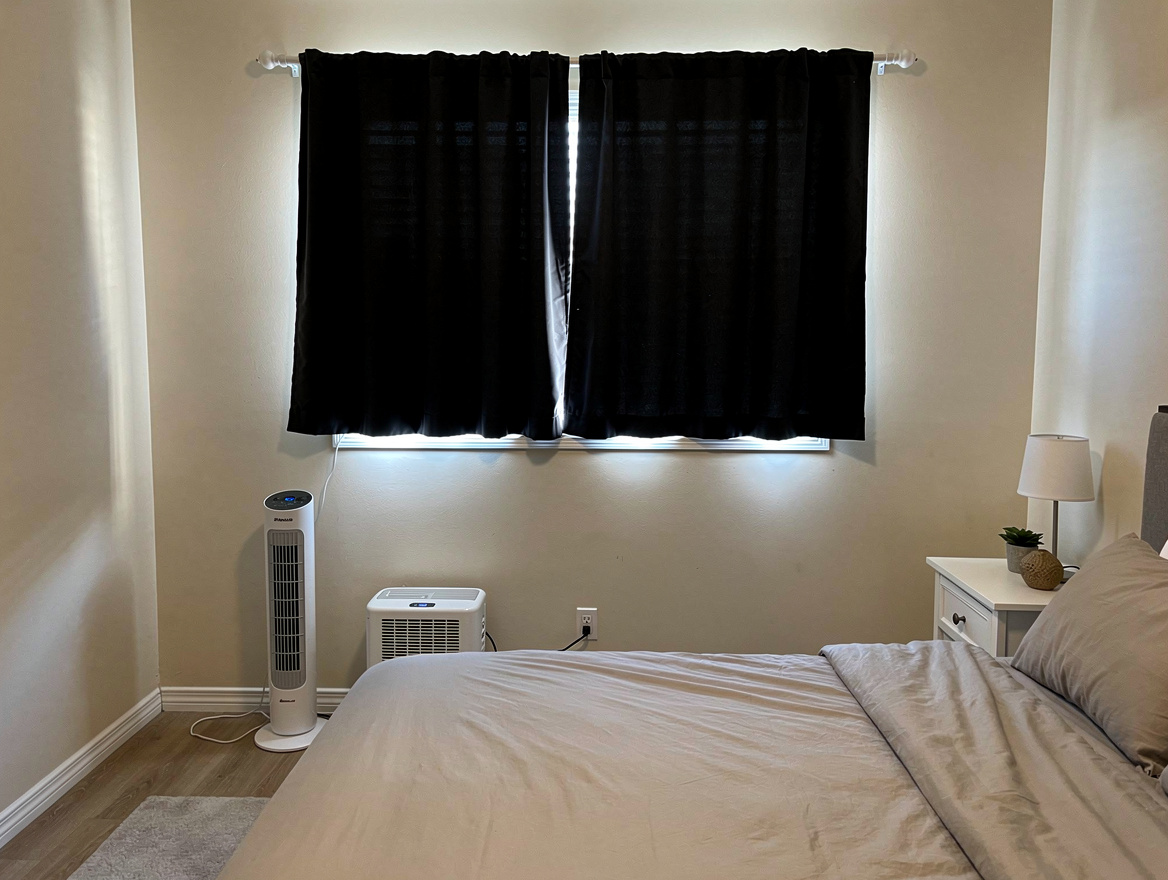
I’d start with a blackout curtain panel or a reflective liner from Target, IKEA, or Wayfair before upsizing an AC.
Typical blackout panels for a standard window often cost about $25 to $60 per pair, and tension-mounted curtain rods usually sit in the $15 to $35 range.
The key is keeping it removable. A tension rod or no-drill rod lets you add insulation and glare control now, then pull everything down before fall without patching holes.
I’m less excited about flimsy decorative curtains that only darken the room. Thick fabric or a reflective backing does the real work here.
If you already own a portable AC, this upgrade helps it run less often. That’s the cheapest kind of cooling improvement, the one that cuts runtime instead of adding another machine.
Use a Smart Fan to Make the Cold Air Reach You
A good fan will not lower the room temperature, but it can absolutely make an average AC setup feel more competent.
That matters in rentals with awkward layouts, where the cool air dumps near the window and never quite reaches the bed or desk.
At Costco, Target, or Amazon, a solid tower or pedestal fan usually runs about $50 to $150, depending on smart features, timer settings, and oscillation range.
I like placing one across from the AC instead of right beside it. That creates a cleaner air path and avoids the loud, pointless blast people aim straight at the vent.
A tower fan also stores easily in a closet once summer breaks, which makes it a better renter purchase than bulky seasonal gadgets that become floor clutter by October.
If you’re trying to cool a small bedroom on a budget, I would buy the fan before I bought a second cooling appliance. Air movement is often the missing piece.
Plan the Fall Exit Before You Install Anything
The best renter upgrade is the one you can remove in twenty minutes without a hardware scavenger hunt.
Before setup, I’d decide where the hose, panels, foam, remote, and screws will live once the weather shifts.
Keep every accessory in one storage bin from Walmart or Target, ideally something in the 40 to 60 quart range so the small parts do not vanish into random drawers.
Most removable cooling setups fail on the second season, not the first, because the bracket is missing, the foam strips are torn, or the window kit got tossed during a closet cleanout.
I’d also skip anything that requires you to drill into masonry, trim, or exterior framing unless your landlord gives clear written approval. The whole point is easy removal and no ugly surprise when move-out time comes.
Start with the sunniest room first: one sealed portable AC or one clamp-in window unit, then add blackout panels if that window still cooks the space by late afternoon.
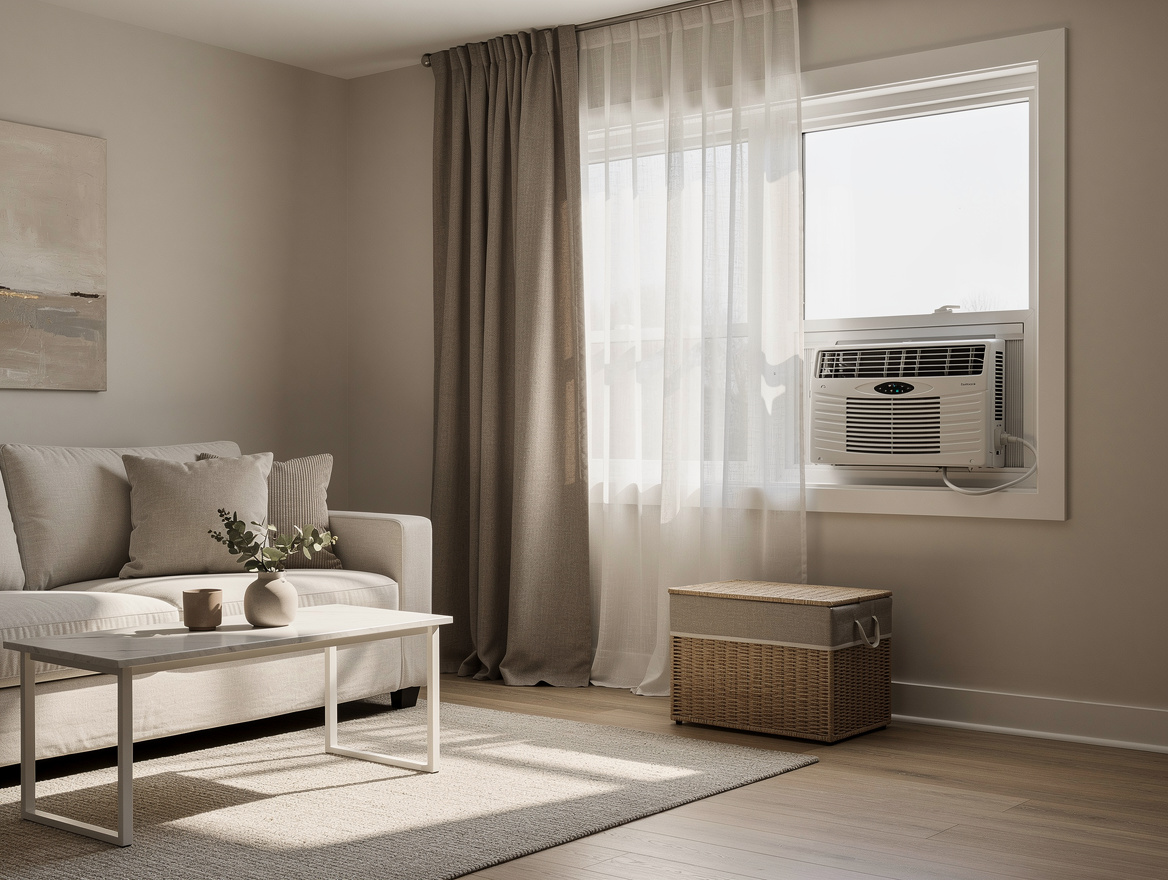
If you want the cleanest starting point, measure the hottest window tonight and decide whether you need floor-saving window AC power or the flexibility of a wheeled unit. Buy for your actual room and climate, not for the box with the biggest number on it.
Mia Carter writes about small-space living and budget home makeovers. She has restyled three rentals and tests most ideas in her own 45 sqm flat.