
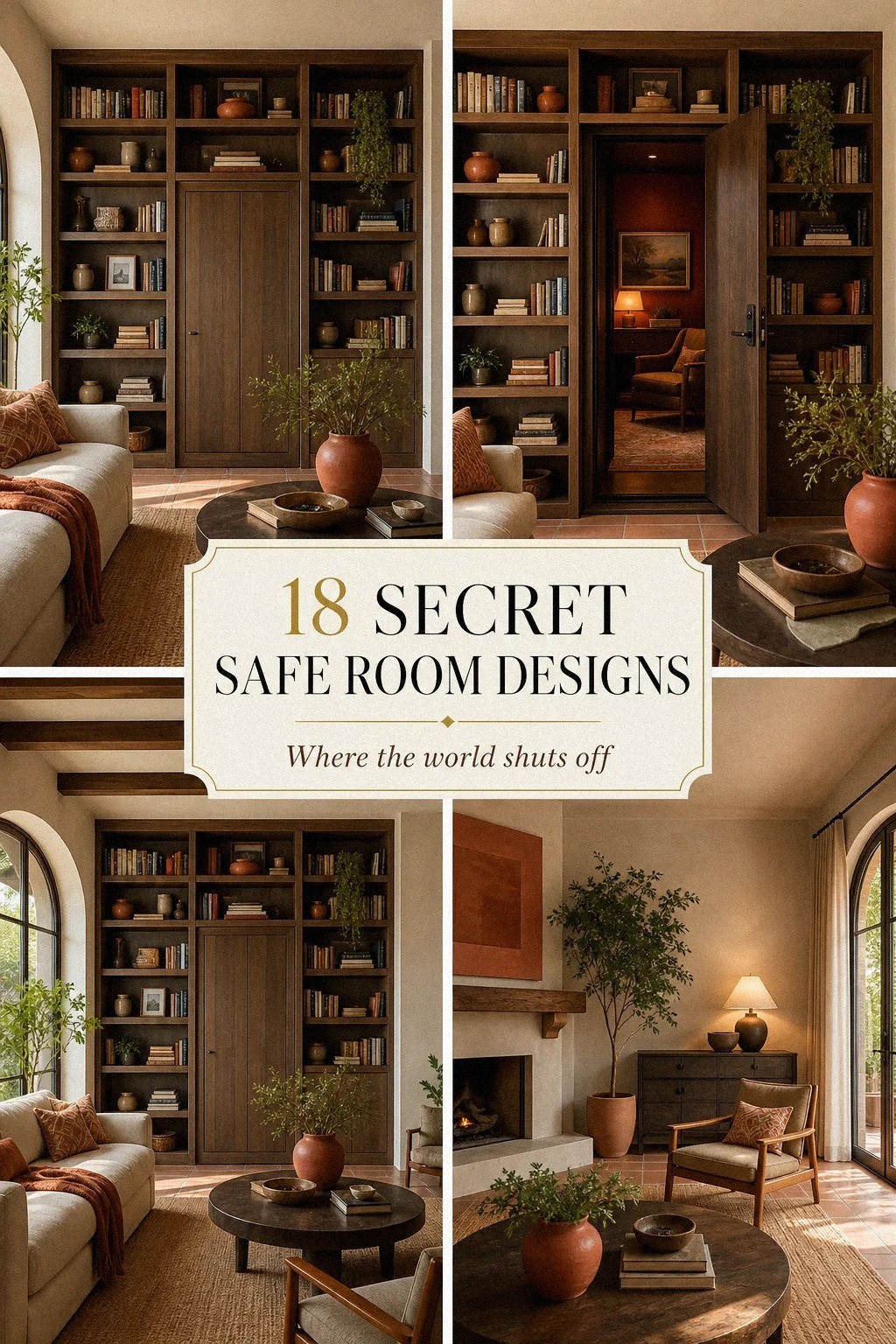
detail safe room ideas do not have to mean tearing into brick, wiring a bunker, or making your living room look nervous. I learned that the hard way after helping style a hidden door that screamed for attention the second you walked in. The part that worked was not more hardware. It was better disguise, better proportion, and a room you’d want to sit in anyway. And honestly, the value of a believable disguise is what makes the whole project worth it.
- Disguise a panic door behind library shelving
- Panel the safe room wall in walnut millwork
- Mount a mirror portal beside the fireplace
- Should the television or the door take center stage?
- Wrap the door seam with grasscloth wallpaper
- Frame a vault entry with Farrow & Ball Studio Green picture molding
- Install touch-latch panels behind wall sconces
- Blend a steel door into fluted wood
- Conceal the handle inside brass trim
- Create a false chimney breast passage
- Big art on the wall vs. small art beside it
- Build banquette storage around the hidden wall
- Anchor a swivel bookcase near the sofa
- Layer acoustic panels as decorative wall art
- Tuck keypad access inside a shadow box
- Why curve the entry instead of squaring it off?
- Camouflage hinges behind vertical slat panels
- Finish the inner refuge with velvet seating
1Disguise a panic door behind library shelving
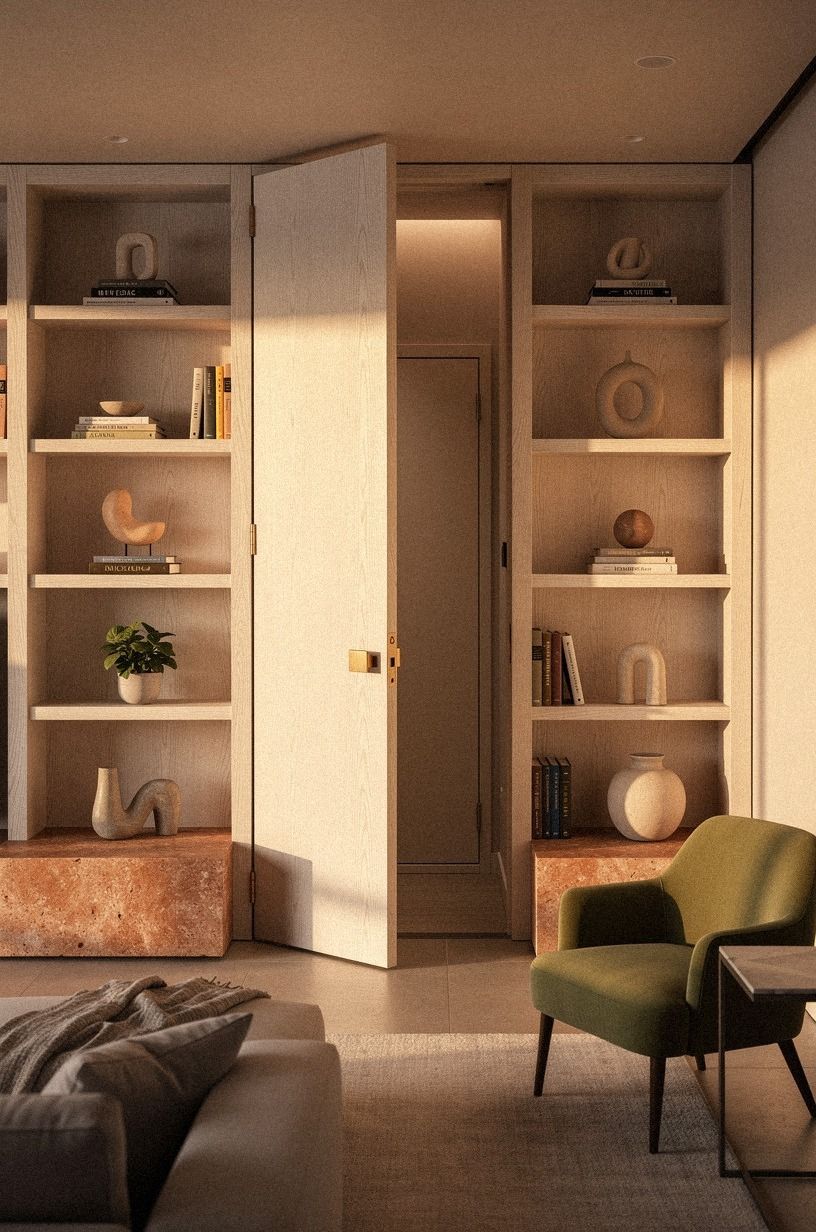
Start with a full-height cerused white oak bookcase wall, not one lonely shelf pretending to do a big job. When you center the storage and let one bay sit slightly proud, your eye reads it as furniture first.
That is what you want. If you’re collecting more entry ideas, this roundup of hidden bookshelf doors that keep the classic look is a smart place to compare mechanisms.
Keep the styling quiet. A few art books, a smoked glass bowl, warm white spines, and one matte black box.
No clutter. I would not use shiny laminate here because the seam catches light too fast and gives the whole move away.
If you’re planning a room privacy ideas upgrade, let the shelf depth land around 12 inches so it feels believable and still clears the swing. And yes, you can make it handsome!
The reveal works because the whole wall feels settled, not gimmicky. For most homes, this is where the value lands first.
Typical cost by tier (US averages):
2Panel the safe room wall in walnut millwork
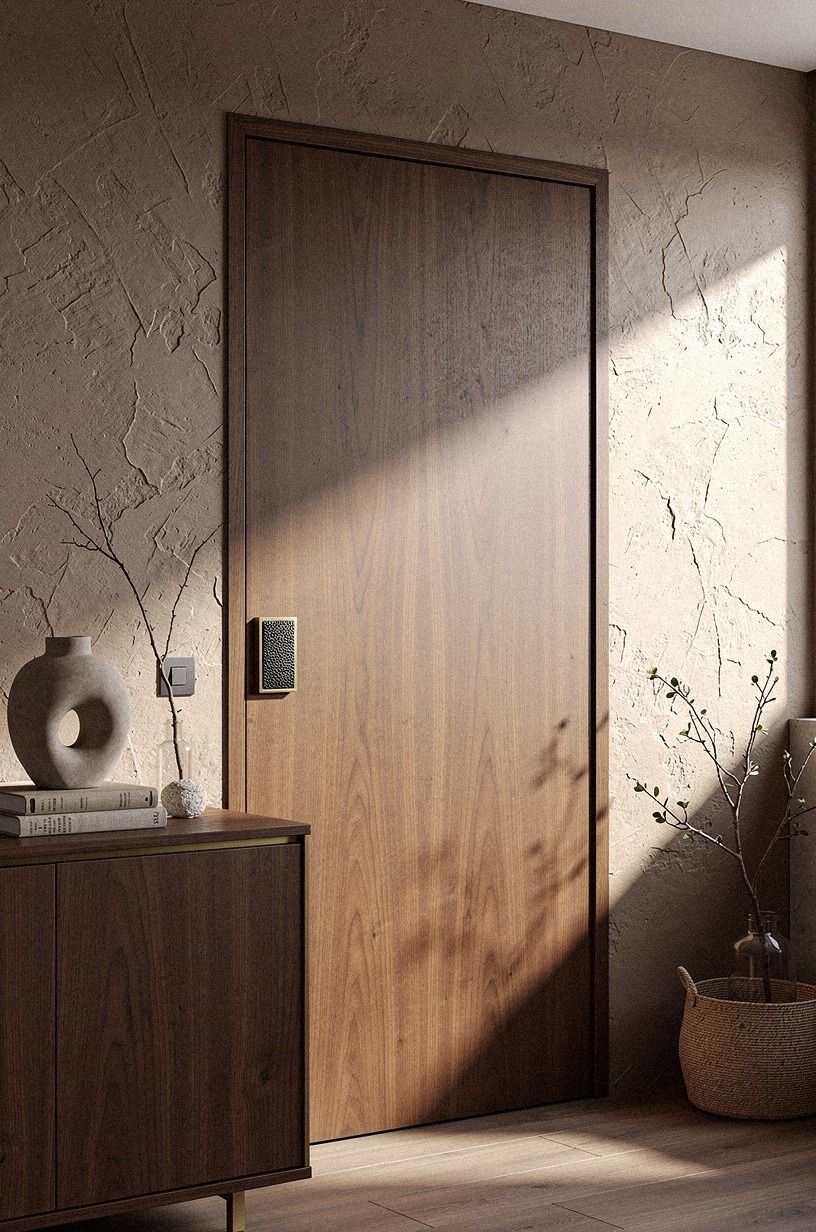
Go darker if you want the wall to disappear. American walnut veneer has enough movement to feel rich, but it won’t flash every seam the way high-gloss paint will. You get warmth, you get depth, and you do not get that cold commercial vibe that ruins a living room.
I like narrow vertical panels with a shadow gap you can repeat across the entire span. That rhythm keeps the concealed door from becoming the one odd rectangle in the room. If you’re weighing another hidden entry route, this guide to a closet hideout with a believable built-in look shows the same principle in a smaller footprint.
Skip orange stain. Seriously. A softer walnut next to Benjamin Moore Revere Pewter HC-172 reads calmer, and your room privacy ideas will feel designed instead of defensive.
The grain does most of the heavy lifting, so the cost stays reasonable.
3Mount a mirror portal beside the fireplace
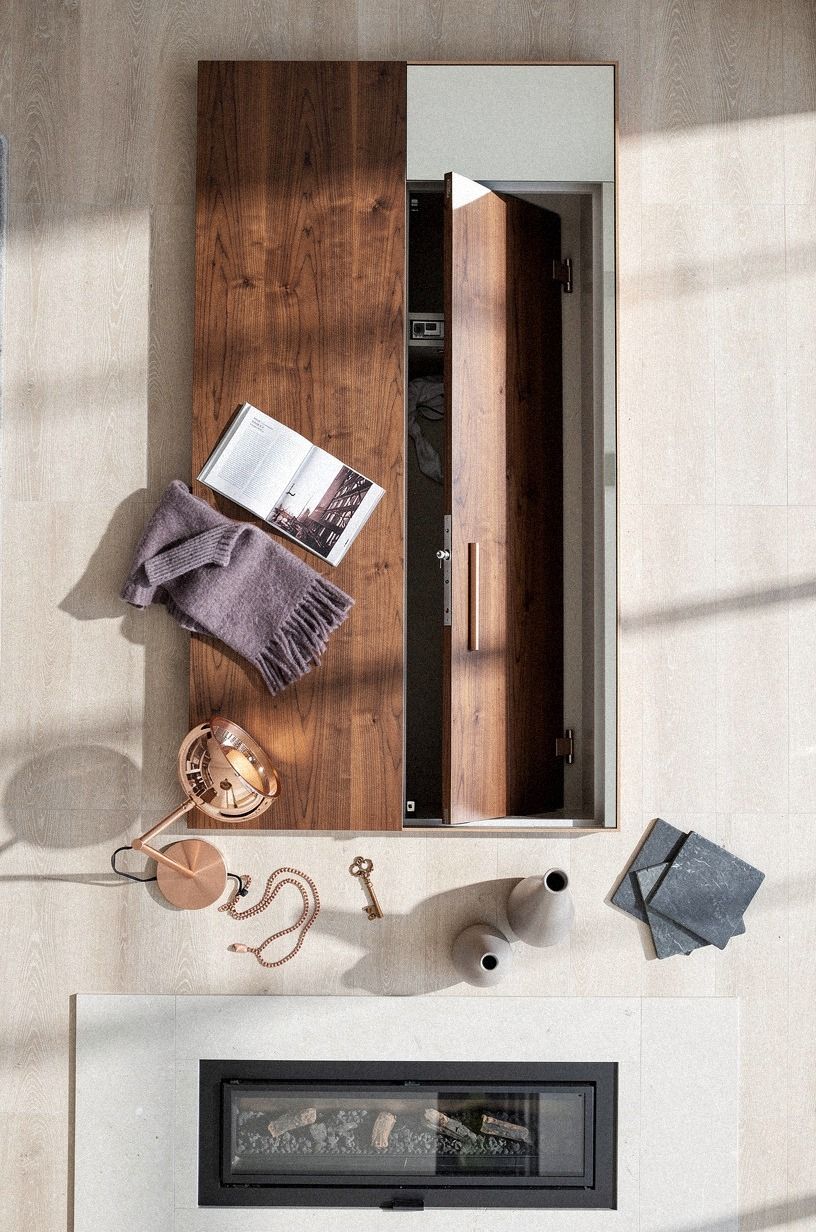
A tall rose gold mirror beside the hearth gives you cover because the eye already expects a vertical accent in that zone.
4Should the television or the door take center stage?
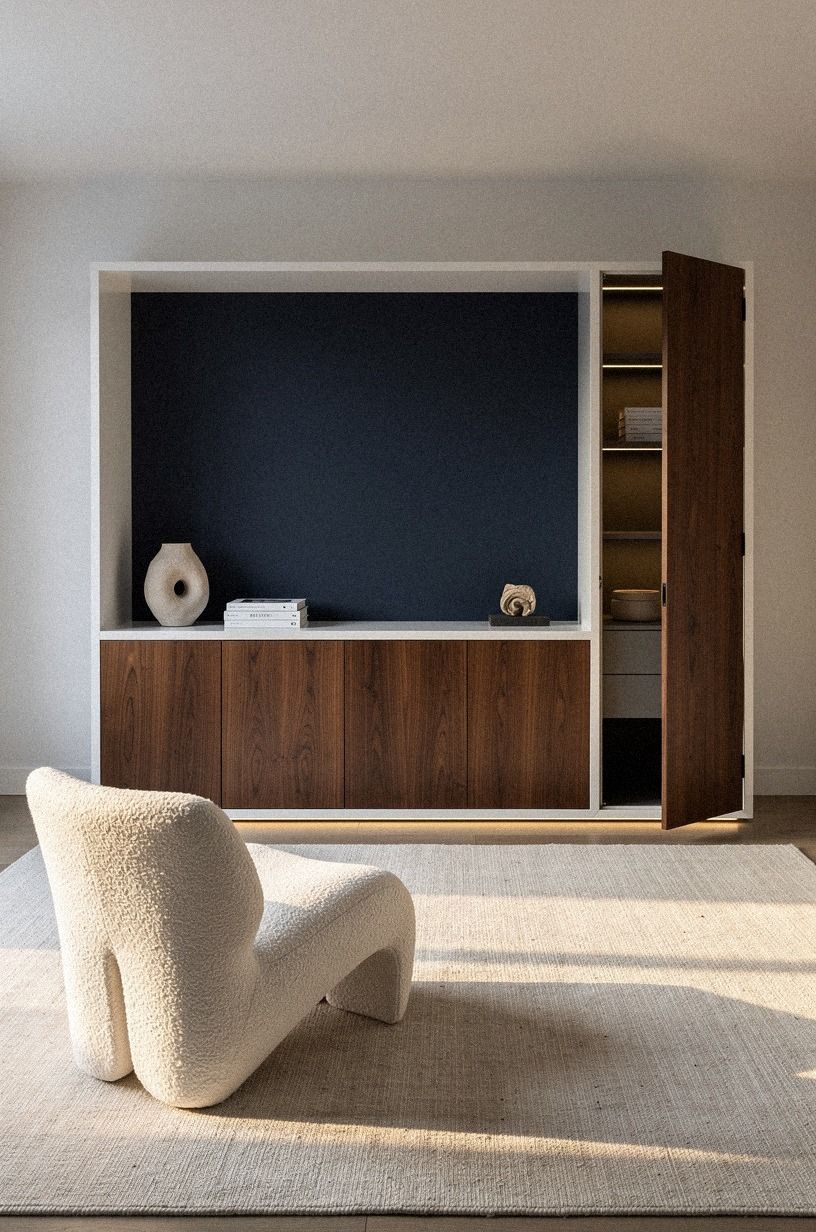
Build the wall as if the television matters less than the storage around it. A navy lacquer media cabinet with walnut framing gives you that tailored, front-on look where every panel belongs. And when every door line repeats, the concealed opening quits trying to be special.
Watch your proportions here. The screen should sit about 1.5 to 2.5 times its diagonal from the main sofa, so you don’t end up pushing the whole unit too shallow or too deep just to protect the opening. Function first.
If you need another example of disguise through furniture, these hidden room doors that blend with real storage are worth a look. I’d also rather see one IKEA BESTA frame hacked well than a custom wall stuffed with pointless trim. The cost difference is real, and the result can be just as composed.
5Wrap the door seam with grasscloth wallpaper
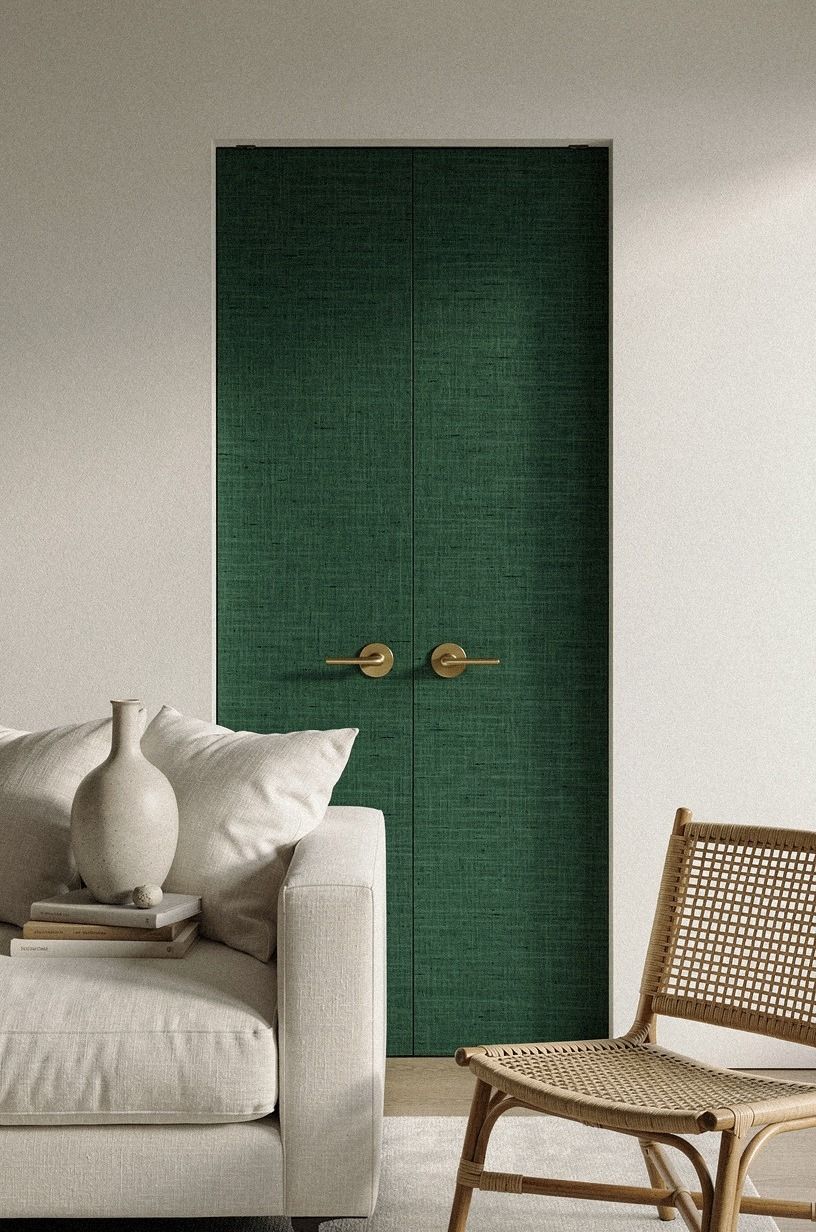
Wallpaper is your friend when the wall needs texture more than contrast. Emerald grasscloth breaks light into tiny shifts, which means the seam goes soft instead of crisp. That is exactly what you want when you’re trying to hide a cut line in plain sight.
But alignment matters more than the color. If the horizontal fibers jump at the opening, you will spot it from the sofa every single time. I always ask for an extra panel so you can keep the weave consistent across the latch side.
Pair it with Sherwin-Williams Evergreen Fog SW 9130 on surrounding trim if you want a room that feels hushed instead of dark. For more wall-covering logic in concealed spaces, see these bedroom hideaway ideas that lean on texture and soft disguise.
6Frame a vault entry with Farrow & Ball Studio Green picture molding
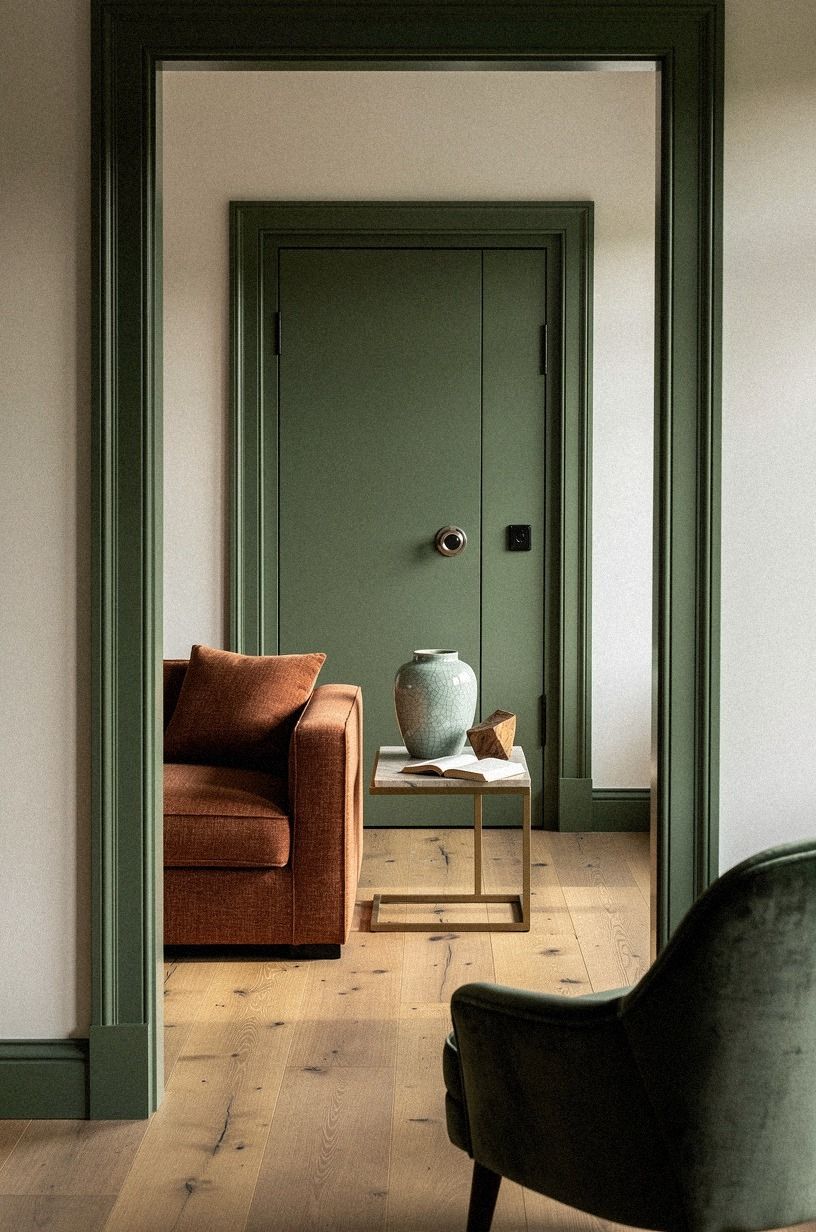
This is where a little theater helps. Farrow & Ball Studio Green No. 50 in a semi-gloss picture molding can make a concealed door feel deliberate because the frame gives your eye a reason to stop there without asking questions. It’s ornament doing cover work, and that deep botanical tone is doing the heavy lifting.
Use molding that repeats elsewhere in the room, maybe around a window wall or over a console, so the opening isn’t the only formal note in the space. If it’s the lone fancy detail, you’ve lost the game before you start.
I like this approach when your living room already leans classic and your sofa sits at 35 to 40 inches deep. That kind of grounded furniture can carry a bit of trim. If you want more envelope ideas, these underground room layouts with hidden access points show how framing can calm a bigger reveal.
7Install touch-latch panels behind wall sconces
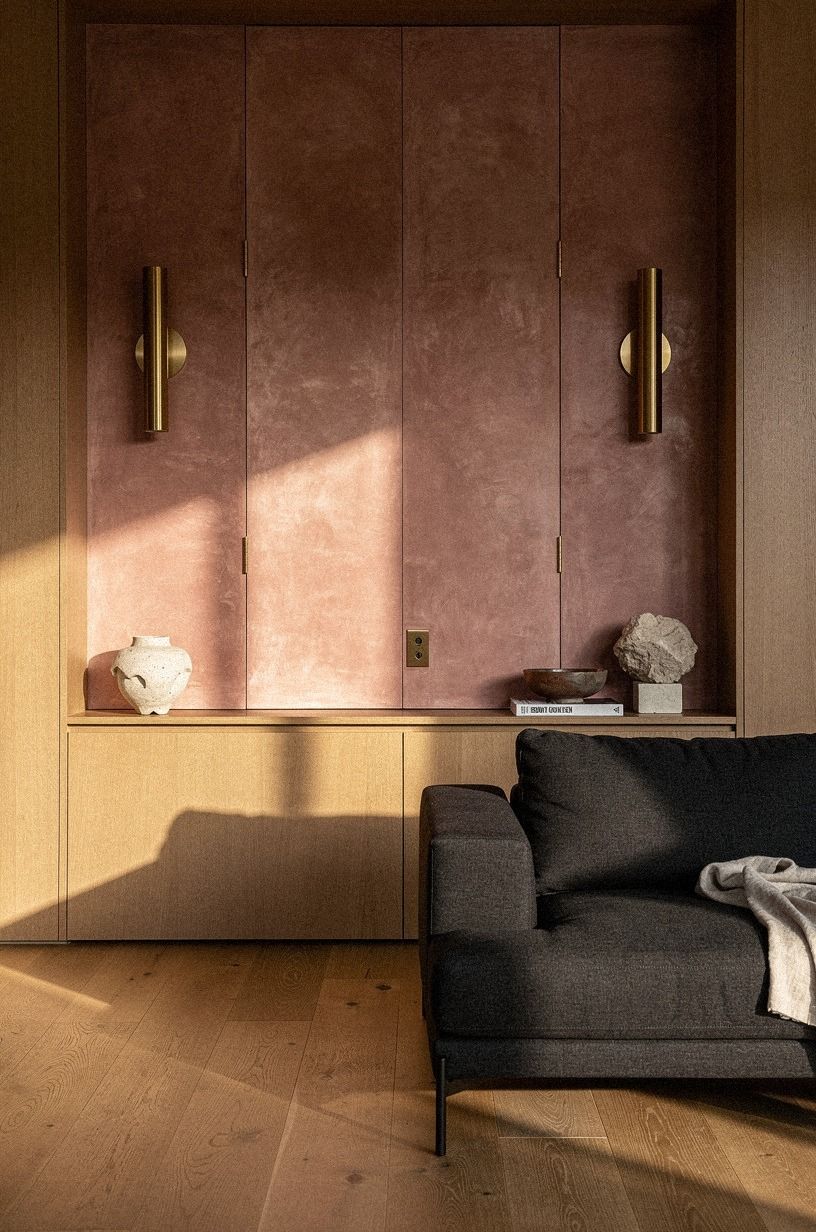
The best hardware is the hardware nobody notices. A touch-latch mechanism mounted behind a pair of wall sconces keeps the opening finger-tip clean, no visible pull, no keyhole, no giveaway.
Pick warm dimmable bulbs only, nothing blue, and let the sconce weight anchor the seam so the eye lands on the glow and not on the edge. A pair of brass swing-arm sconces in the $90 to $180 range does it without looking precious. Worth it for the calm alone.
8Blend a steel door into fluted wood
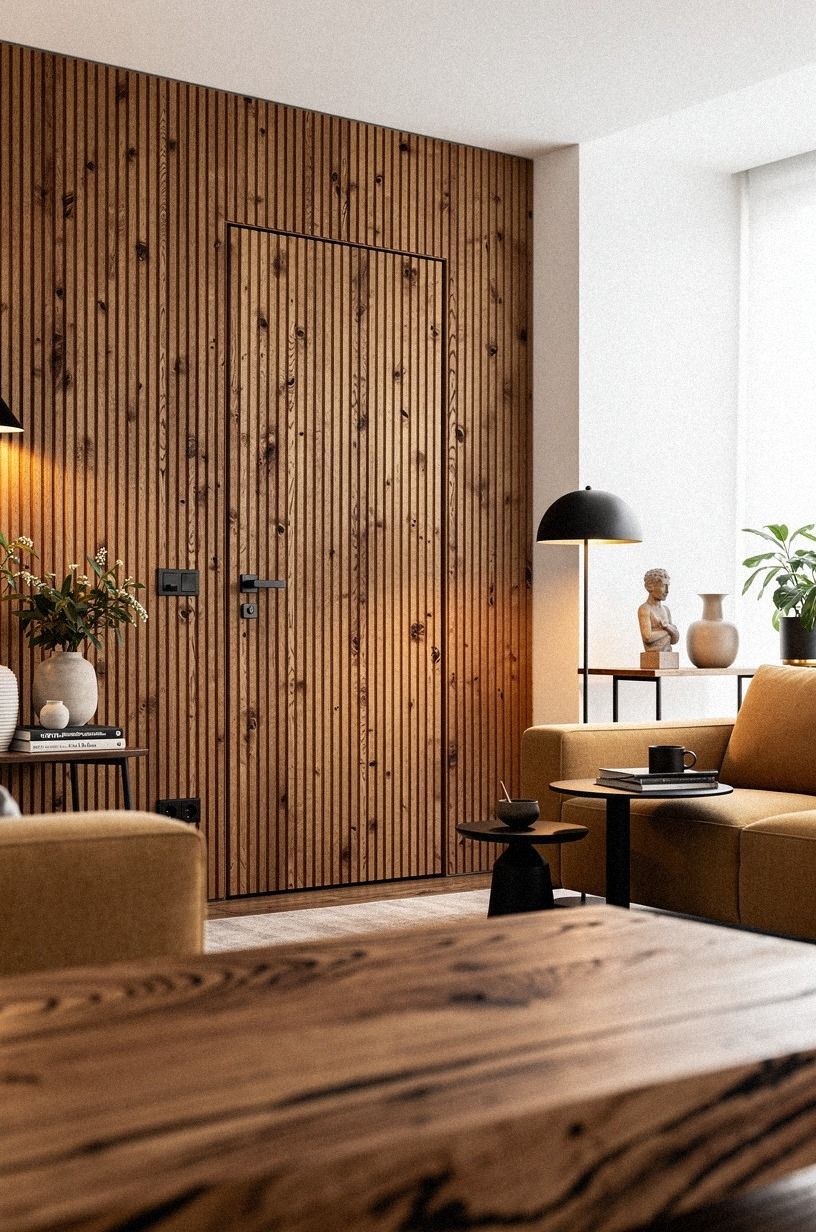
Steel gives you the security; cladding gives you the peace.
9Conceal the handle inside brass trim
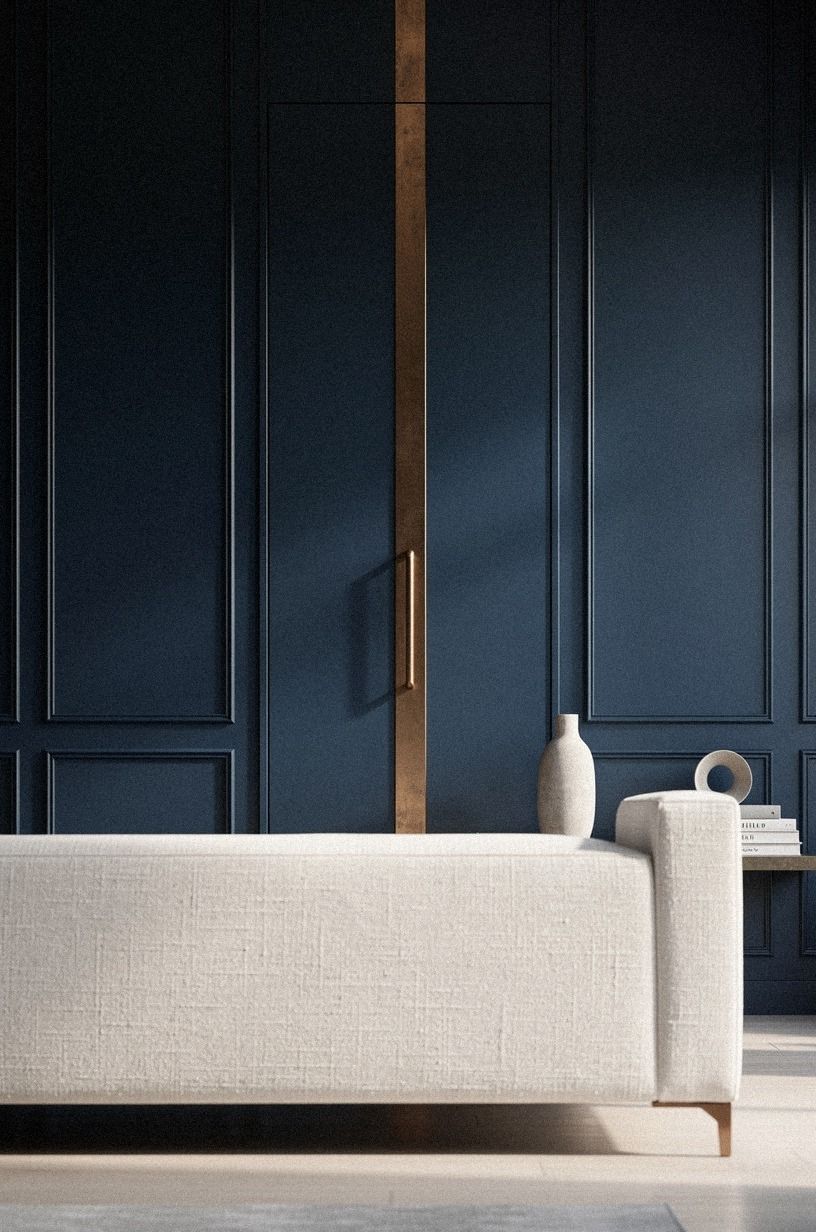
This is one of my favorite moves because it feels almost rude in its restraint. A recessed pull hidden inside unlacquered brass trim gives you the function without the giveaway.
You know it is there. Nobody else needs to.
Use a trim profile wide enough to feel intentional, especially against midnight blue panels. Thin brass reads decorative. A broader line reads architectural, and that difference is the whole point.
I also like brass here because it patinas. Small scratches disappear into the finish instead of sitting on top like bright chrome marks. If you’re comparing concealment strategies, these door ideas that hide the hardware more gracefully will sharpen your eye for the good versions.
10Create a false chimney breast passage
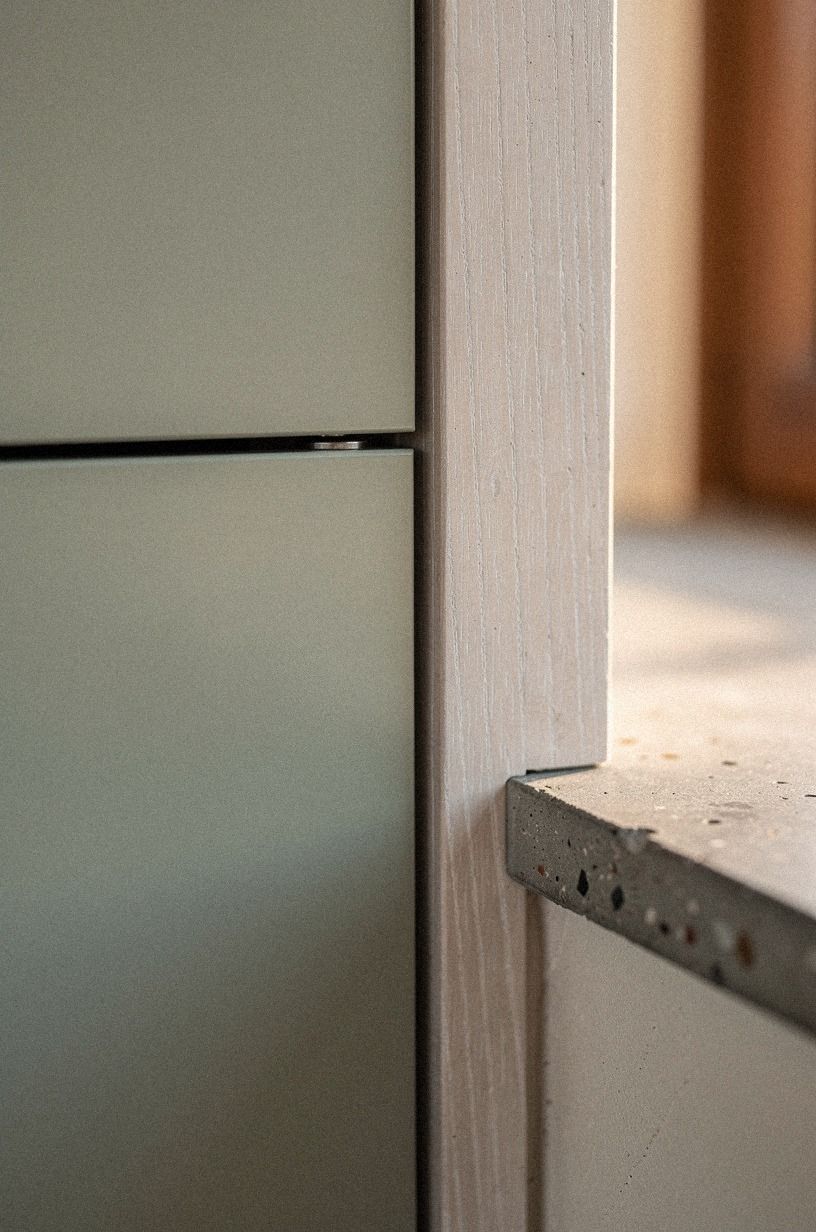
A chimney breast already has permission to project into the room, so it’s a smart place to hide depth.
11Big art on the wall vs. small art beside it
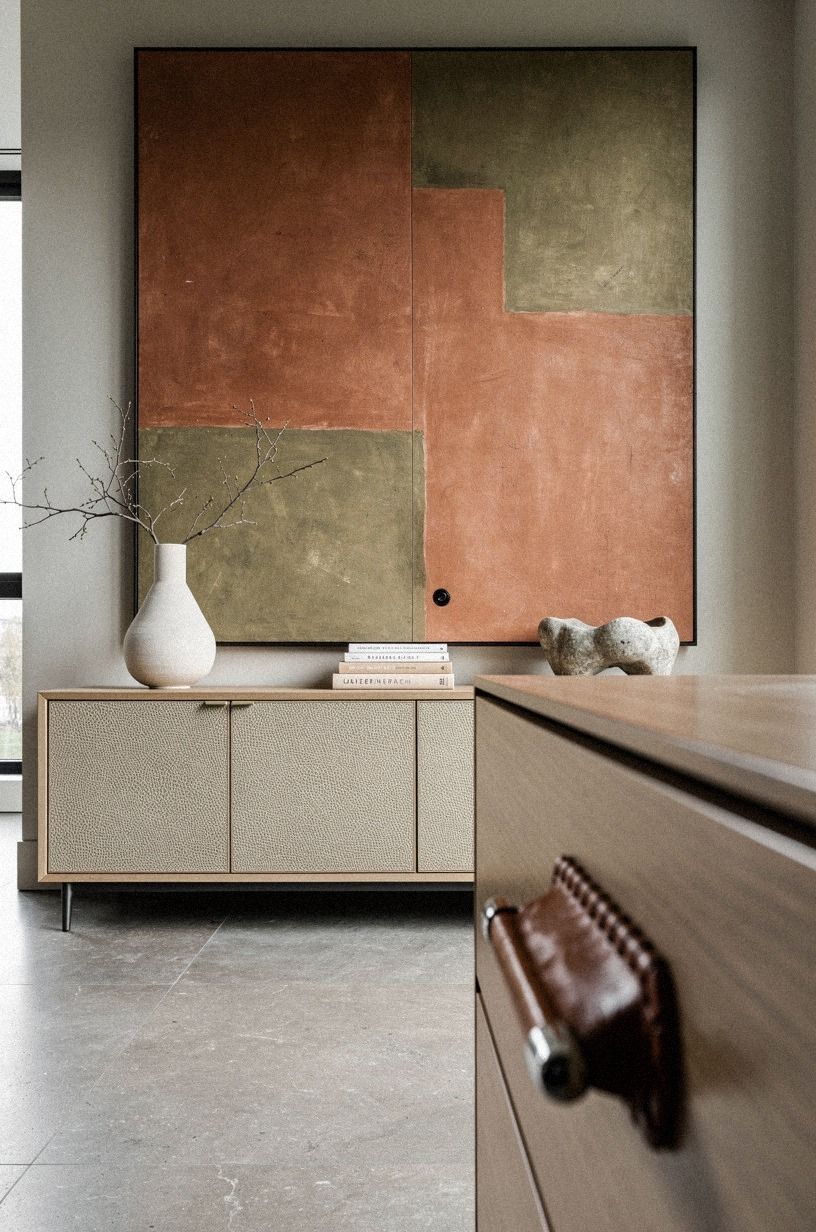
Go big. Really big.
Terracotta and olive abstract canvas works because the piece can span the visual noise of the opening and pull your eye to color instead of edges. Why let the wall do the talking when the art can take all the attention?
A smaller framed piece beside the opening is the easy move, and it usually fails. The proportions give the seam away, and the eye reads the gap between frame and door as a tell. A single oversized canvas, hung so it just clears the swing, lets the door vanish into the canvas shadow.
Give the art room to breathe above a low stone-toned console, and let the handle vanish behind the swing path. If you’re curious how art cover works in tighter plans, these bedroom hideaway examples with concealed entries are useful for scale.
12Build banquette storage around the hidden wall
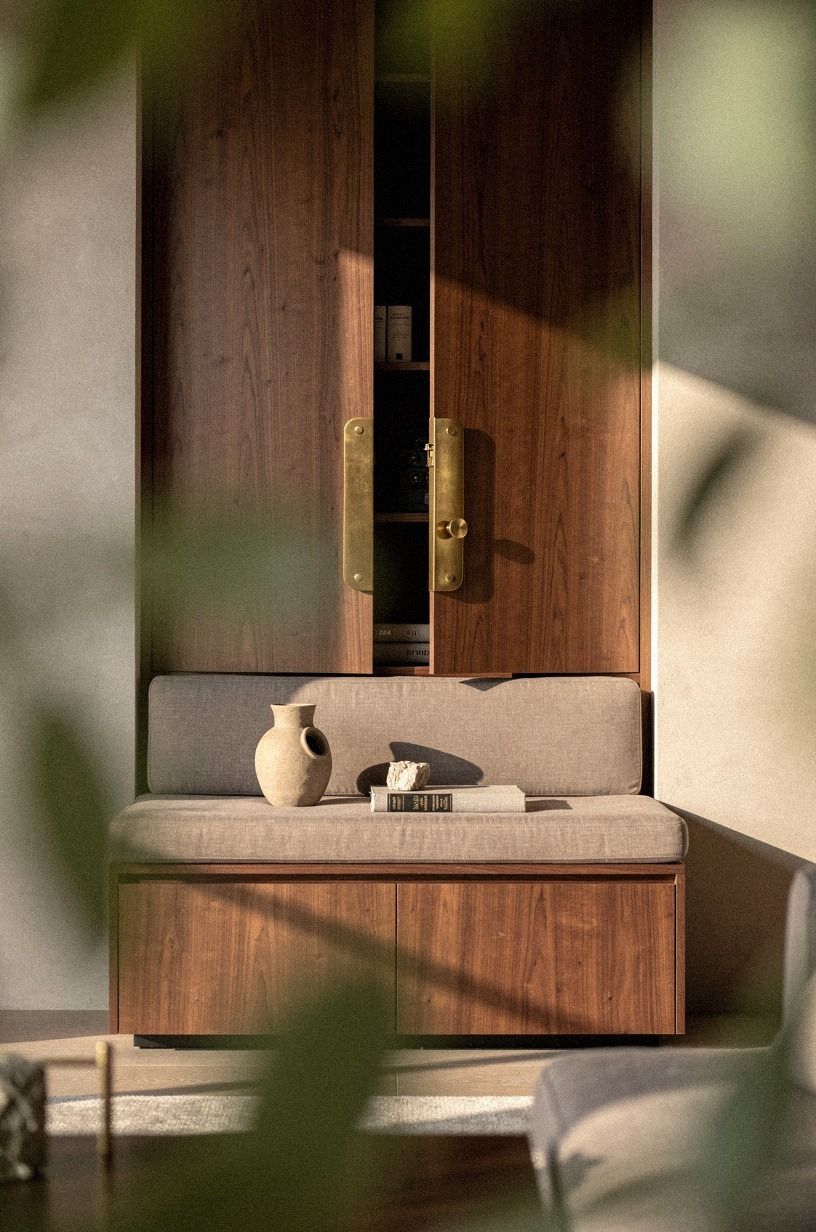
This idea earns its keep because the seating does more than one job.
13Anchor a swivel bookcase near the sofa
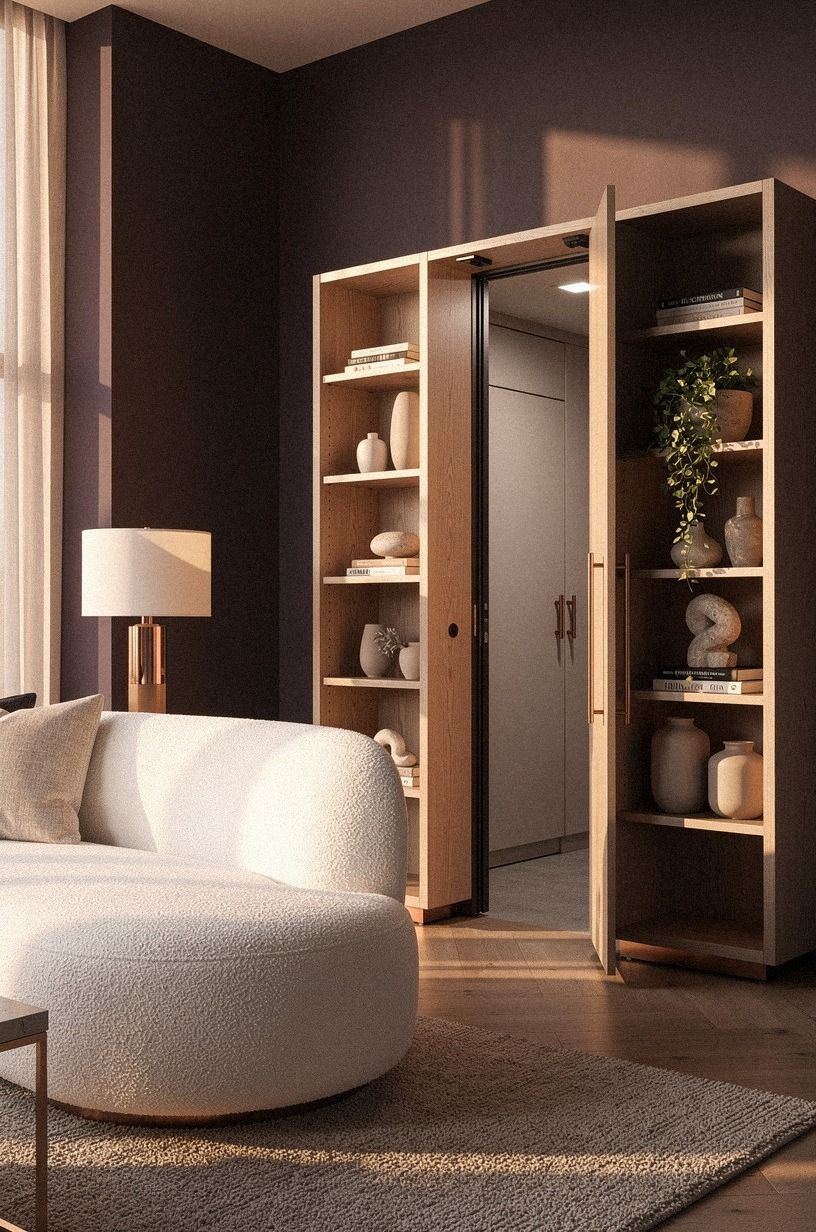
A pivoting case works best when it feels heavy enough to belong there even when nobody knows it moves. Organic bouclé upholstery nearby helps because the soft, rounded sofa shape balances the visual weight of the shelf.
I like to place the case near, not on top of, the main seating group so you keep a conversational layout. Front legs on the rug. Clear walkway.
A believable living room still has to function when the reveal isn’t happening.
For a panic room design that doesn’t read like a theme set, load the shelves with real things you touch: albums, linen boxes, framed photos, one ceramic lamp. This companion guide to bookshelf entrances with better proportion shows the same principle in a more classic shell.
14Layer acoustic panels as decorative wall art
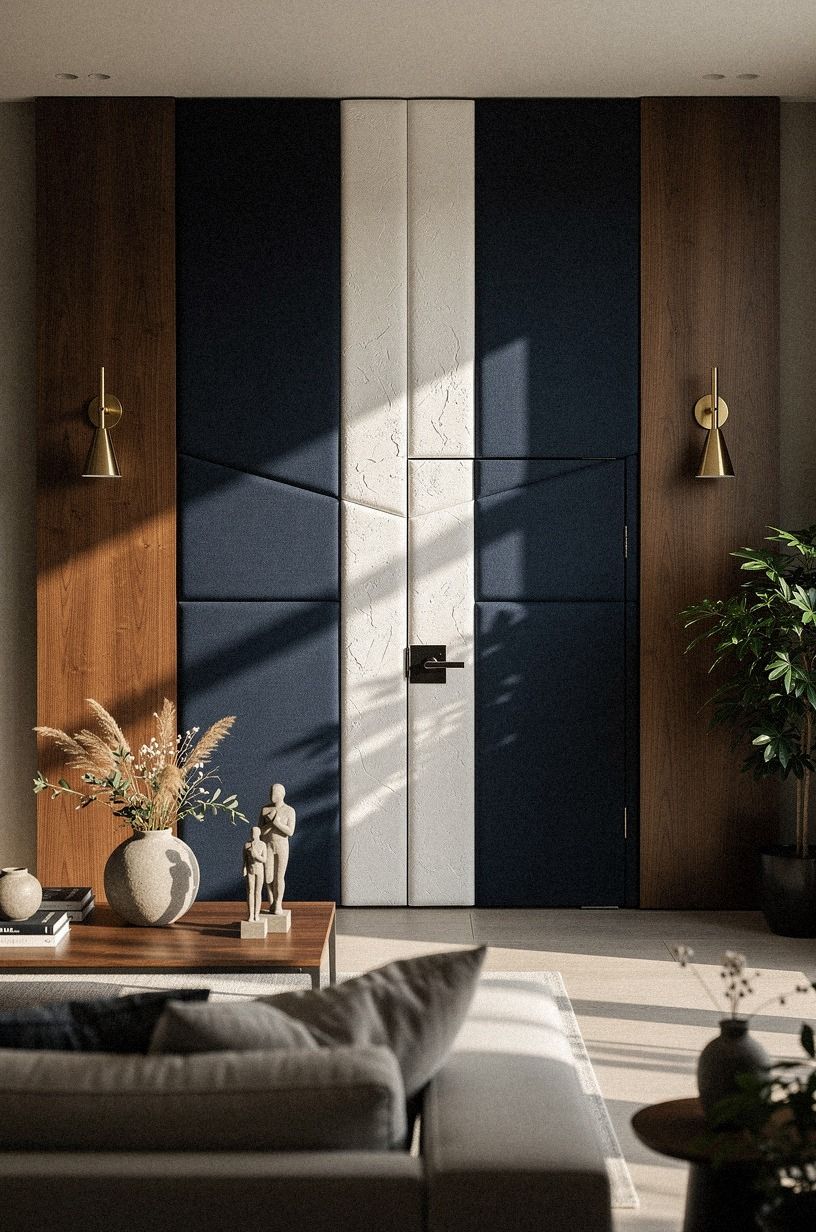
This is the practical version of stealth, and I respect that. Upholstered acoustic panels can read like a custom art wall while also softening sound, which matters if the room beyond the wall is meant to feel calm.
Security is nice. Quiet is nicer!
Keep the layout symmetrical and the padding tailored so it looks intentional from the first glance. Navy, warm white, and walnut is a combination that rarely misses because each element keeps the others from trying too hard.
If you’re planning a detail storage room for gaming gear, documents, or anything noisy, borrow ideas from these hidden gaming room layouts with better sound control. I’d skip cheap foam squares. They look temporary because they are.
15Tuck keypad access inside a shadow box
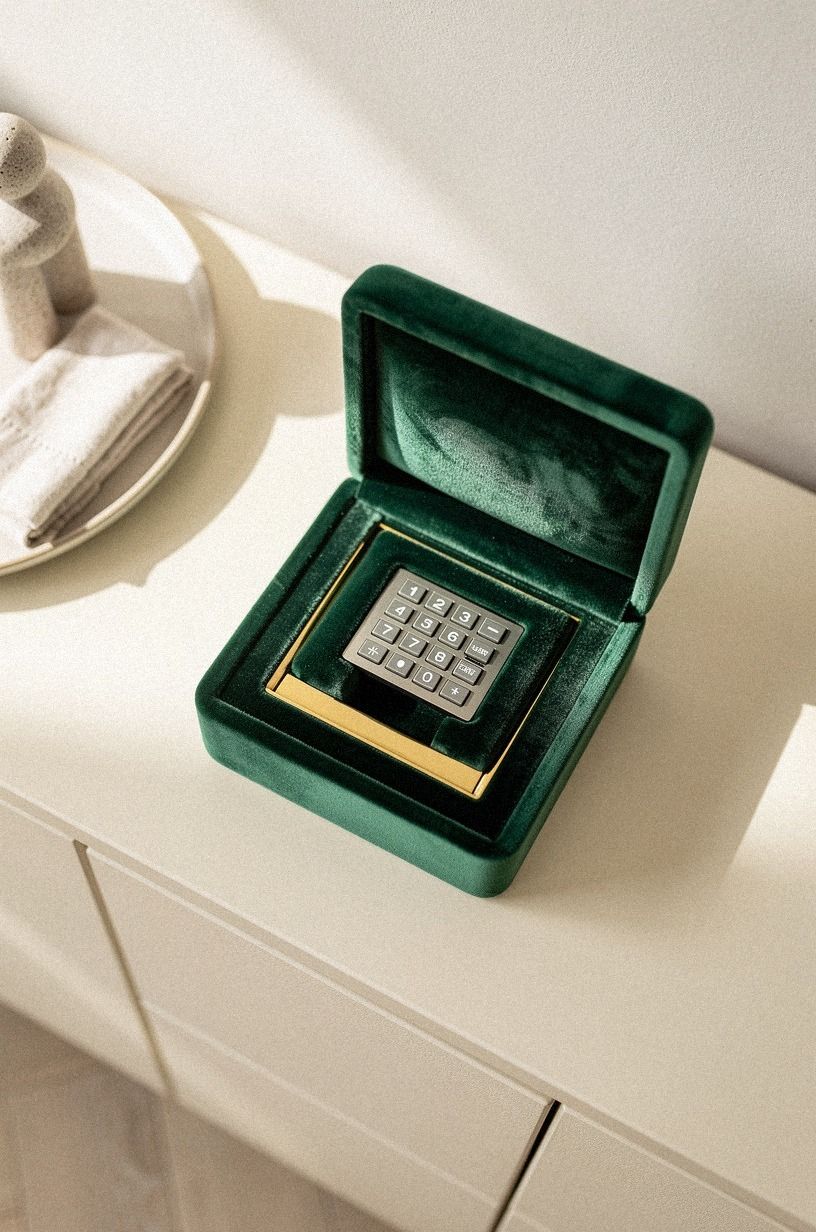
You don’t need the keypad shouting from the wall. A shadow box frame mounted at wainscot height gives the keypad a quiet home, hides the backlight glow, and keeps the entry line clean.
Wire it into a smart lock with a Z-Wave or Matter module so you can revoke codes from your phone, and pick a frame in the same walnut or oak finish as the surrounding millwork. The cost is modest, usually $40 to $120 for the frame plus the keypad, and the calm it adds is generous.
16Why curve the entry instead of squaring it off?
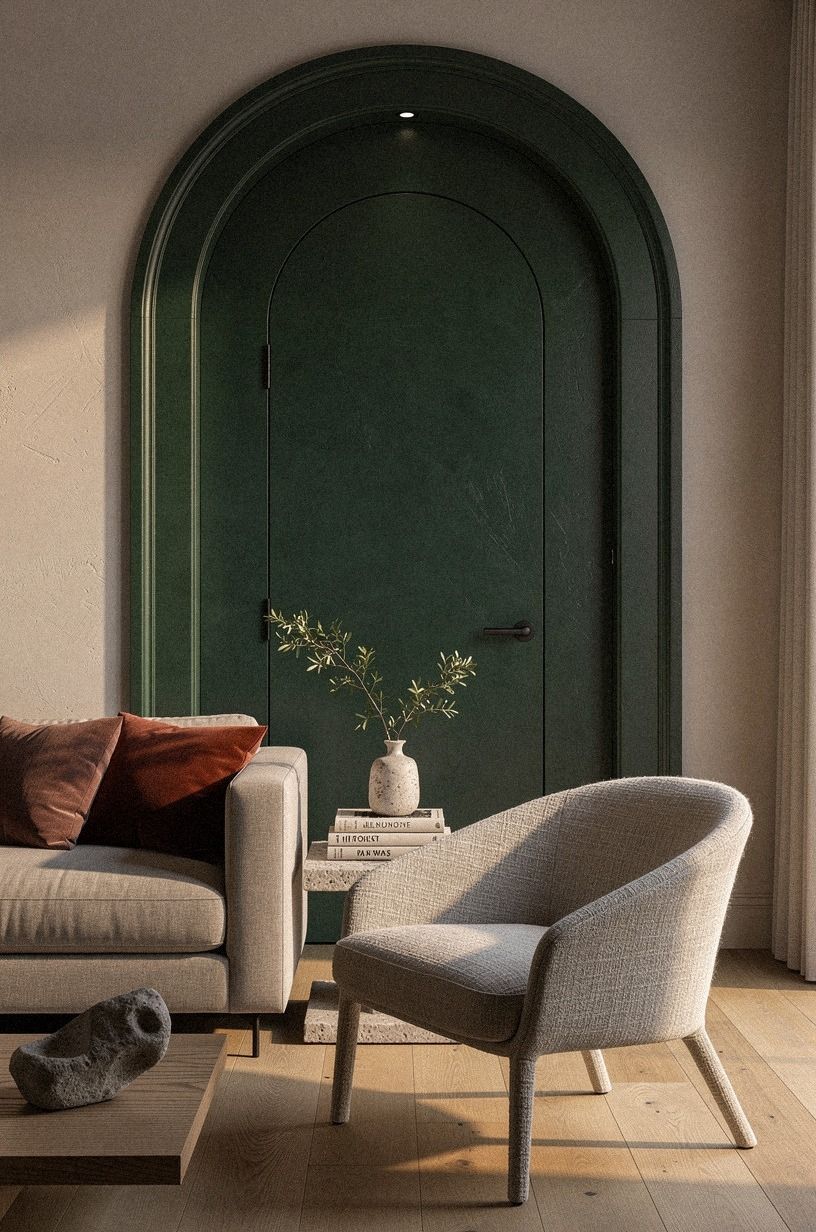
An arch softens suspicion. Venetian plaster molding in a forest green finish gives the opening a graceful line, and grace is useful when you’re trying to make a protective feature feel generous instead of tense.
A squared opening reads as a doorway first, every time, and the brain files it under “secure door” before it files it under “wall.” The curve skips that mental shortcut. It’s the same reason arched windows feel settled and rectangular ones feel functional.
But the curve needs to repeat somewhere else, maybe in a mirror, a lamp, or the sofa silhouette, or it looks borrowed from another room. That’s the kind of mismatch people feel even if they can’t explain it.
If your palette already includes Farrow & Ball Hague Blue No. 30 nearby, the green arch can feel moody without going muddy. And if you’re studying hidden circulation, these underground room concepts with stronger architectural cues are useful homework.
17Camouflage hinges behind vertical slat panels
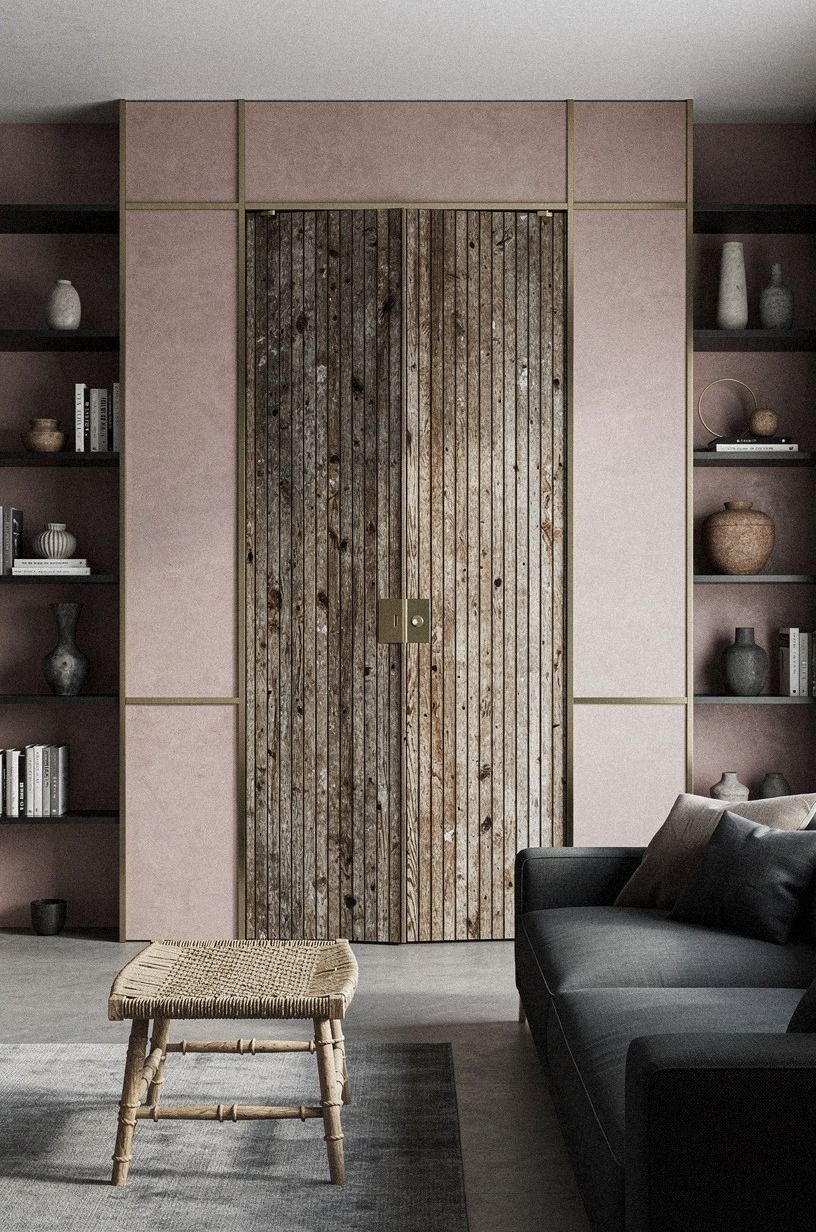
The hinge side is where many good walls fall apart. Cover that zone with weathered teak slat cladding and the shadows between each board do the visual cleanup for you. Suddenly the moving edge isn’t the loudest thing in the room.
Use charcoal upholstery and dusty rose walls to keep the slats from feeling too rustic. I know that sounds fussy, but contrast matters. If every finish is brown, the whole wall gets heavy and your eye goes hunting for relief.
For a hidden entry that still feels current, keep the slats narrow and evenly spaced. You can see a related balancing act in these door ideas that disappear into wall rhythm. Worth it if you want clean lines, and worth the cost if your sightline runs straight at the seam.
18Finish the inner refuge with velvet seating
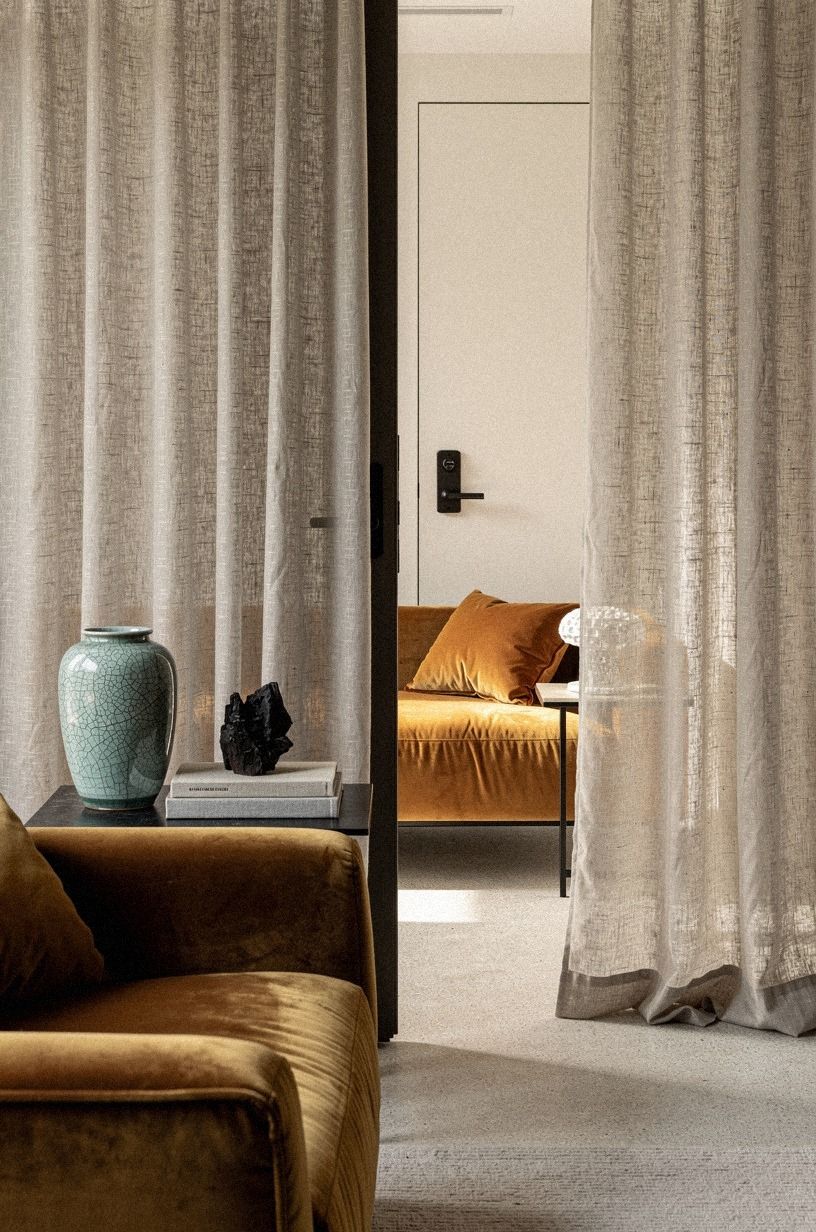
Once you’re inside, the room can’t feel like the leftover box behind the reveal. Give it real comfort. Camel velvet seating with black accents and warm white walls makes the refuge feel intentional, and that emotional shift matters more than people admit.
I would rather see one generous chair and a small side table than a packed room with nowhere to exhale. A performance-fabric sofa usually runs about $1,200 to $4,000, but a smaller upholstered chair can bring the same softness for less if you don’t need sleeping space.
And yes, the inside should connect visually to the living room outside it! That’s how the reveal feels seamless without looking staged.
For more hidden-room inspiration that keeps the destination usable, these closet hideout ideas with real lounging potential are a strong reference. It’s worth it to spend a little on the inner seating because that’s where you actually live.
Why Hidden Security Works Better When It Looks Like a Real Home
I have seen people get this almost right and still miss the feeling. They focus on the door rating, the latch, the keypad, the steel, and then they stop there.
The room becomes a product demo. You may feel impressed for a second, but you won’t want to sit in it, and that matters more than most people think.
A hidden refuge inside a living room has to solve two problems at once. It has to keep you protected, and it has to keep the main room from feeling on edge all day.
That is why I keep coming back to normal domestic cues: bookshelves that look loaded over time, walnut that has a little softness to it, brass that ages, plaster that diffuses light instead of bouncing it back hard. People relax around materials that behave like home.
They tense up around surfaces that look tactical.
I also think many people overspend in the wrong place. They’ll chase a custom mechanism and ignore the room composition around it. The honest cost of a believable disguise is mostly material and patience, not the lock. I would do the opposite.
Get the disguise right first. Make the built-in look believable. Use furniture with proper scale, an Article Sven sofa or a deep bench, a rug that actually reaches the front legs, and lighting that turns the wall into atmosphere rather than evidence.
The hidden part is not the star. The room is!
The mistake I made once was trying to prove the idea. I added too much contrast, too many obvious clues, too much drama near the opening.
And that was exactly why people noticed it. Hidden security gets better when you stop performing security and start designing for calm. If the room feels grounded, layered, and a little indulgent, the concealment works harder without asking for credit.
That is the version I would want in my own house. And that is where the value really lives.
A Few Things Worth Answering
What is the best option for a small living room?
A bookcase wall is usually the best call because it gives you storage and cover in one move. In a tight room, I’d look at an IKEA BILLY or a slimmer custom oak unit, then compare spacing with these bookshelf entrance ideas. For most small rooms, it’s worth it.
Where can I buy pieces on a budget?
Start with IKEA, Target Threshold, and Wayfair for the basics, then check Facebook Marketplace for solid wood cases and framed art. One good secondhand cabinet often beats a cheap new one, and these closet hideout examples can help you judge what shapes work. The cost stays low if you start with paint and layout.
How much does a hidden-room living room makeover cost?
A light refresh usually lands around $300 to $1,200, and a bigger furniture-and-lighting pass can reach $2,500 to $8,000. The honest cost depends on whether you’re painting over existing millwork or starting from scratch.
The free move is better editing. Remove the visual clutter first, then spend where the disguise needs credibility.
Can I do this on a budget?
Yes, and you probably should start there because paint, art, and layout do a lot of the hiding. Try removable wall covering, a larger canvas, and deeper styling on shelves before you order custom millwork.
That sequence saves money and shows you what the room really needs. The value compounds as the disguise gets more believable.
Is it worth it in a small space?
Yes, because a small room often makes camouflage easier. You control sightlines faster, you need fewer materials, and the opening can live closer to existing furniture.
Use one strong focal point, then keep the rest of the wall calm. For most renters and small-home owners, it’s the highest-value move per square foot.
Is this a good idea for a rental?
Yes, if you stick with low-damage disguise. Think freestanding shelves, removable wallpaper, large art on secure hooks, and a decorative box for access. For more low-commitment inspiration, these bedroom hideaway ideas translate well to rentals.
The cost stays low, and nothing has to be permanent.
Where I’d Start First
If I had to pick one, I’d start with library shelving. You can’t fake a believable wall with hardware alone, and books give you instant visual noise in the best way.
The cost is reasonable, the value shows up immediately, and the rest of the disguise builds on top of it. Pin the shelving idea for later and study your sightlines before you buy anything.