By 3 p.m., some patios feel hotter under the roof than they do in open sun. I’ve sat under dark covers that trapped heat so badly the chair arms were warm and the air barely moved.
That’s why I’m picky about pergolas in hot climates. The goal isn’t just shade, it’s shade that breathes, vents, and covers enough square footage to be useful.
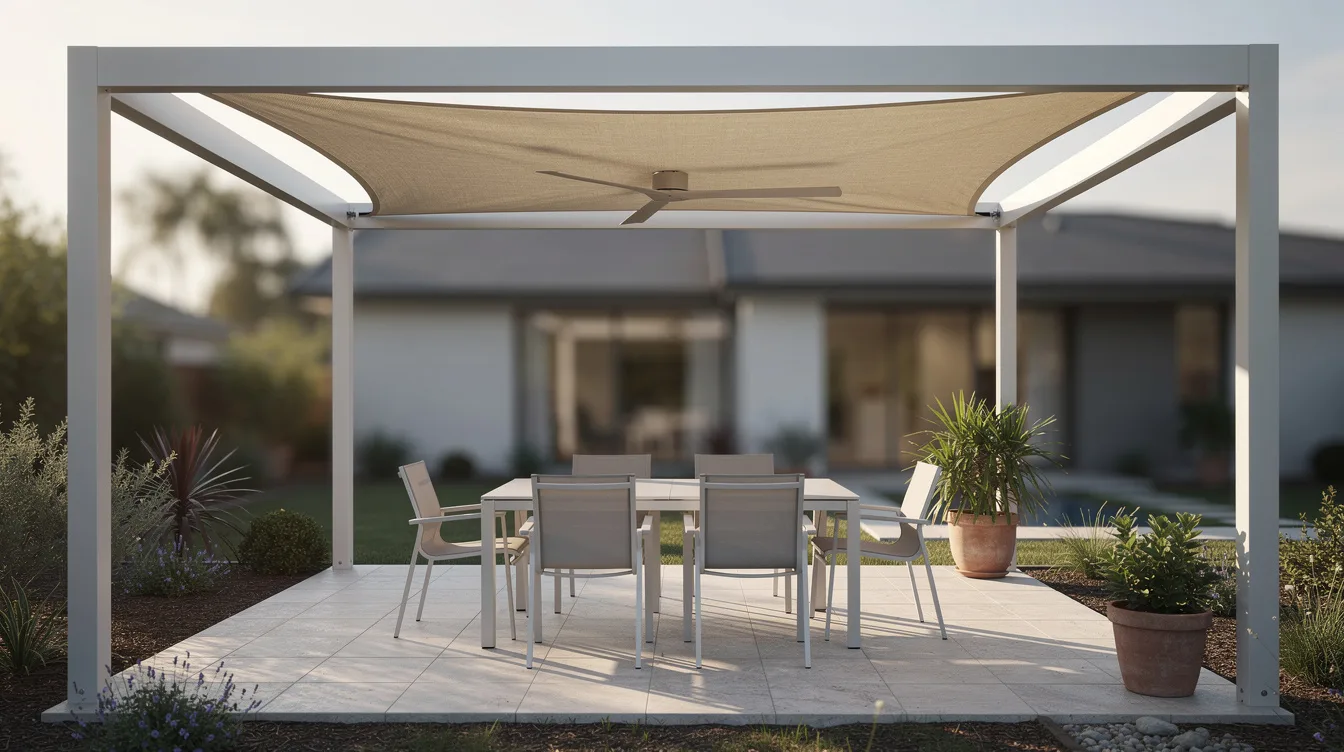
Pair A Light Aluminum Frame With A Breathable Sail
I’d start with a Home Depot aluminum pergola kit in an about 10-by-13-foot or 13-by-13-foot size. That gives you roughly 130 to 170 square feet of usable shade, which is the range where a dining set actually feels comfortable instead of cramped.
Top it with a pale HDPE shade sail in sand or off-white, because breathable fabric matters more than a thick roof in brutal sun. Typical sail fabrics in this category block about 90% to 98% of UV, and that airflow keeps the area from turning into a hot box.
For budget planning, a basic aluminum frame often lands around $900 to $2,700, and a quality sail usually adds about $60 to $500 before installation. For a simple finished setup, a typical total is around $1,600 to $3,800, which is still the cleanest entry point for a heat-heavy backyard.
Use Adjustable Louvers When The Sun Shifts All Day
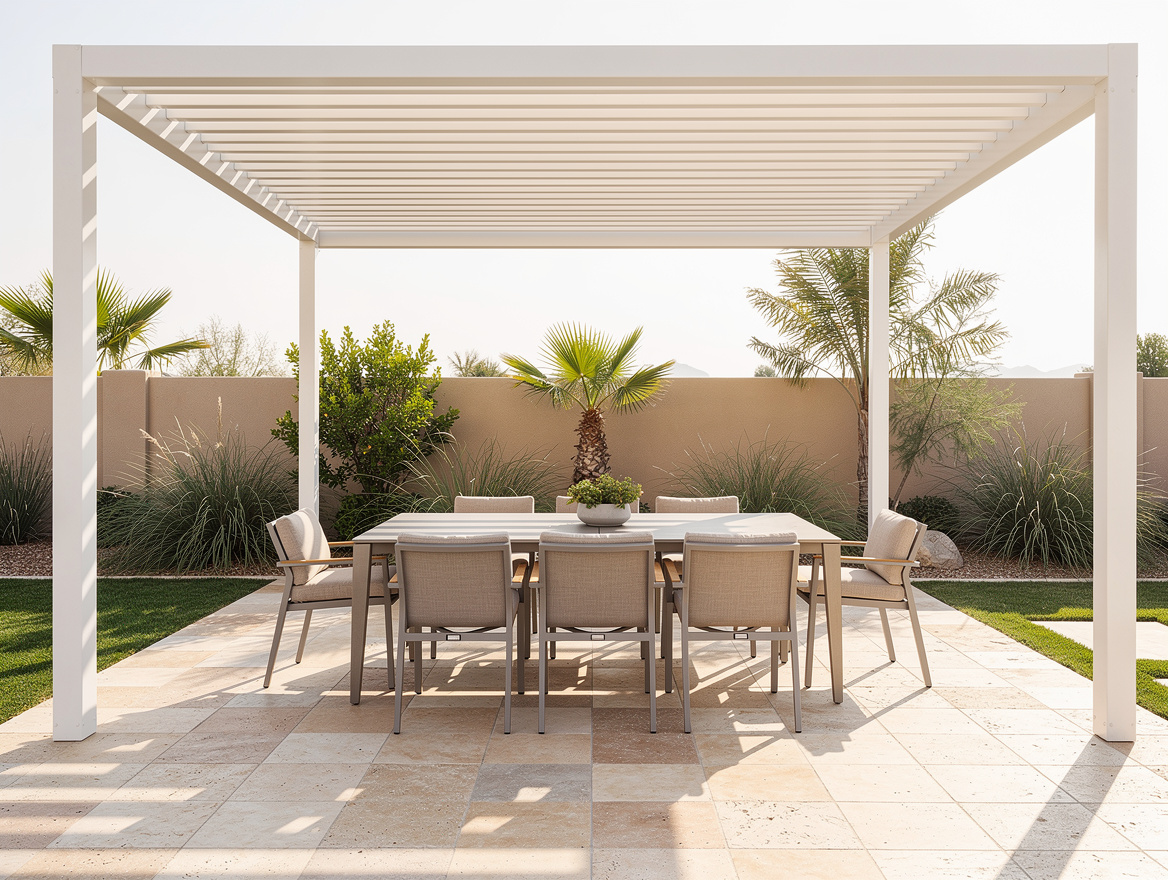
If your patio gets hard overhead sun at noon and low glare later, a Lowe’s louvered pergola is worth the jump in price. Adjustable slats let you block the worst heat while still venting trapped air, and that’s the part fixed solid roofs never do well.
A 10-by-10-foot or 10-by-13-foot powder-coated aluminum pergola is the sweet spot for most homes. It covers enough space for a table and a couple of lounge chairs without making the whole yard feel overbuilt.
Typical DIY louvered kits run around $3,300 to $6,600, while installed custom versions with drainage and motorized controls can climb to about $8,800 to $16,500 or more. Expensive, yes, but in places with long hot seasons, louvers are the upgrade I’d call justified.
Layer Two Shade Sails Instead Of One Huge Sheet
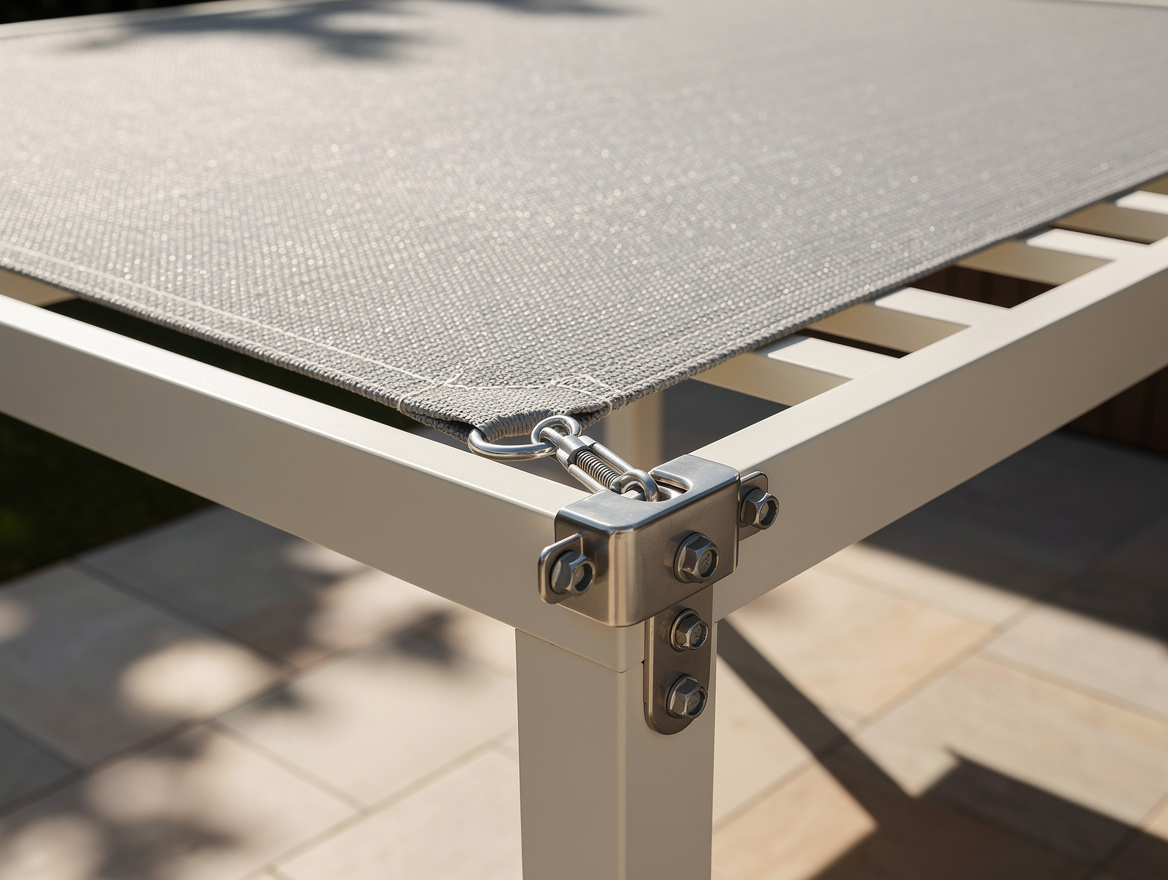
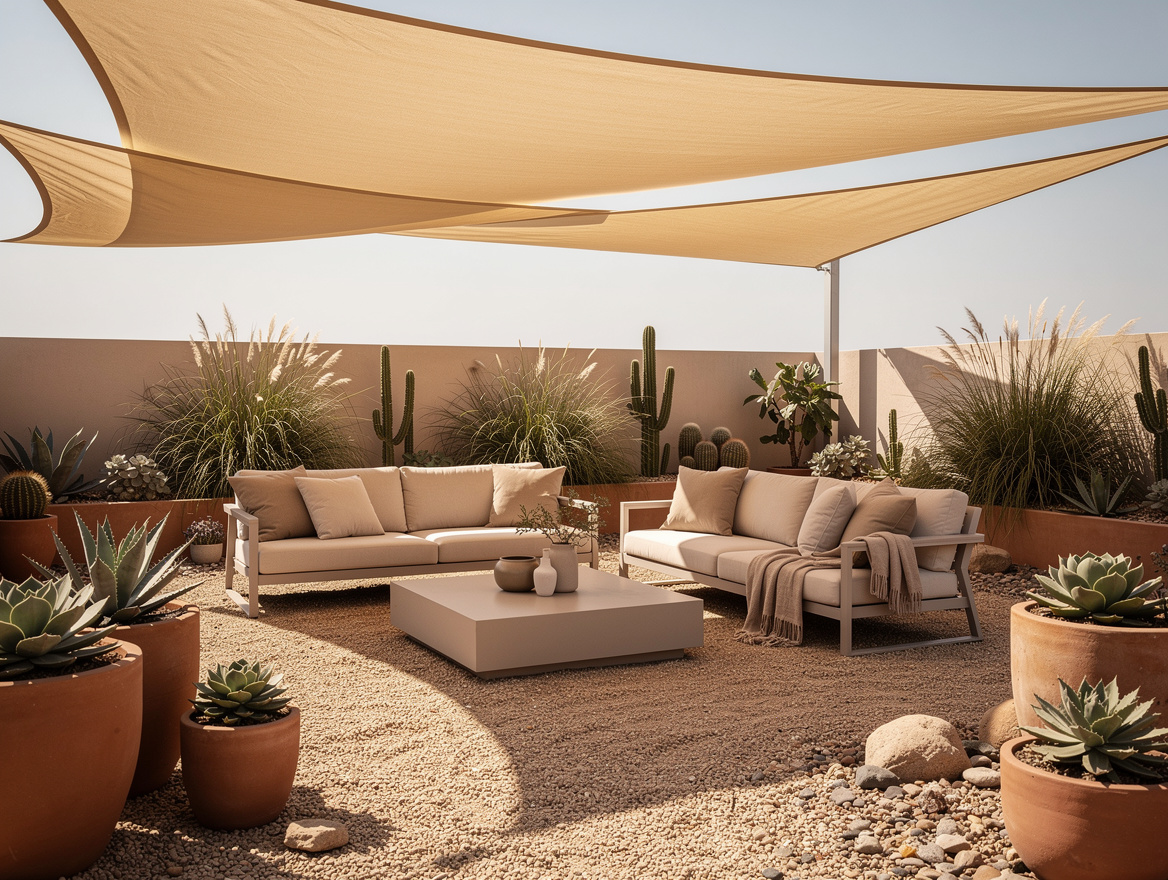
One giant sail often sags, catches wind, and looks clumsy. Two overlapping triangle shade sails, bought through Amazon or Wayfair, usually give you better tension, better airflow, and a more intentional look.
I like this approach with steel posts or a simple metal pergola frame, especially over a pool deck or a wide seating zone. A staggered layout also lets you block the harshest western exposure without making the whole ceiling feel heavy.
Typical installed sail pricing in 2026 is about $165 to $3,850 per sail depending on size, hardware, and custom work. For a mid-size setup with two quality sails and proper stainless mounting hardware, most homeowners should expect a real-world bill in the midrange, not the bargain-bin end.
Choose Pale Fabrics And Matte Finishes On Purpose
This is where a lot of outdoor setups go wrong: dark roofing looks sharp online and feels terrible in July. A light gray or sand shade cloth reflects more heat than black or deep charcoal, and it keeps the whole zone visually cooler too.
The same logic applies to the frame. A white aluminum pergola or soft taupe finish from Costco, Wayfair, or Home Depot usually feels less oppressive than a dark metal box sitting in full sun.
I’d skip glossy finishes in very bright climates because they bounce glare back at you. Matte powder coating and breathable woven fabric are the safer call if you actually plan to sit outside for more than ten minutes.
Size The Shade For Dining First, Then Lounge Space
People often buy a pergola based on what fits the patio slab, not what fits real furniture. For hot climates, I’d plan for at least 130 to 195 square feet of shade if you want a dining table plus circulation space that doesn’t feel tight.
A 10-by-13-foot roof or sail zone is usually enough for a six-seat table, while a 13-by-13-foot layout gives you more breathing room for mixed seating. That extra coverage matters because the edge of the shade is always the first place the sun creeps in.
If you’re piecing it together yourself, use IKEA outdoor seating or Target patio furniture dimensions as your measuring guide before you buy the structure. I’d rather overshade by a foot than watch chair backs bake in direct sun all afternoon.
Add Screens, Fans, And Gravel To Cut Stored Heat
The overhead shade is only half the job. If heat bounces off concrete and surrounding walls, even a good pergola still feels warm, so I’d add a roll-down exterior screen on the west side whenever the patio faces late-day sun.
A basic outdoor ceiling fan from Lowe’s or Home Depot helps more than decorative string lights ever will. Moving air across skin makes a bigger difference than most people expect, especially under a sail where heat can still collect on still days.
Underfoot matters too. Pea gravel, light pavers, or a pale outdoor rug from Target absorb less visual and thermal weight than dark stone, and they make the whole setup feel cooler before you even turn on the fan.
Start with the footprint first: map out a real 10-by-13-foot zone with painter’s tape, then decide whether you need a breathable shade sail or adjustable louvers. Getting the size and airflow right at the start saves more regret than any accessory purchase later.
Mia Carter writes about small-space living and budget home makeovers. She has restyled three rentals and tests most ideas in her own 45 sqm flat.