
I used to stop the paint at the baseboards, then wonder why a roughly 108-to-140-square-foot bedroom felt chopped into pieces. Carrying one shade across the walls, door, trim, and often the ceiling gives a room around a 63-by-79-inch bed a quieter outline.
The effect is intimate, but it needs discipline. A strong color looks polished when the finishes, lighting, and bedding give it somewhere to breathe.
Carry One Shade Over Every Edge
Paint the walls, ceiling, baseboards, window trim, and door in the same color family. Warm taupe is an easy starting point because it softens corners without making the bedroom feel flat.
Keep the formula identical, then change the sheen: very matte on broad walls and ceiling, eggshell on trim and doors. That slight shift catches light and makes wipeable surfaces practical.
A color-drenched room should look deliberate from the doorway. Leaving bright white trim around one window breaks the whole spell.
Test the Undertone in Two Corners
Paint at least two roughly 20-by-20-inch test areas, one near the window and one beside the bed. Olive-gray can read calm in morning light and surprisingly brown under a bedside lamp.
Look at the samples during daylight and after dark before buying gallons. Home Depot and Lowe’s can provide sample-size paint and color matching, but a match deserves its own test because the undertone can shift.
My firm opinion: never choose a drenching shade from a phone screen. This is wall-to-ceiling color, so a small mistake becomes very loud.
Use Deep Color Where Nighttime Wins
A bedroom used mostly after sunset can handle ink blue, tobacco brown, forest green, or aubergine. These shades make a plain room feel closer and more restful when the lights are low.
Choose warm bulbs around roughly 2,200 to 2,700 K, especially with green or blue paint. Cool white bulbs drain warmth from the room and make rich paint look stern.
Add a linen shade, an oak nightstand, and one brass lamp rather than piling on contrast. The paint already supplies the drama.
Let Texture Keep Soft Schemes Alive
In a brighter bedroom, a dusty blue or muted terracotta drench needs tactile materials. Natural linen curtains, a woven wool blanket, and wood furniture create depth while the color stays continuous.
Mount the curtain rod roughly 6 to 8 inches beyond the window opening so the fabric clears the glass. That wider span makes the window feel more generous without introducing another paint color.
IKEA has simple wood and woven-fiber pieces that work especially well here. Skip shiny synthetic bedding, which can make a soft monochrome scheme feel costume-like.

Size the Furniture Before You Paint
Color drenching calms architecture, but it cannot fix a cramped layout. Leave a minimum of roughly 24 inches beside the bed, with 28 to 32 inches feeling far more comfortable.
Choose oak bedside tables about 14 to 20 inches wide and near mattress height, commonly around 18 to 24 inches. A pair that is too wide turns the bed wall into a traffic problem.
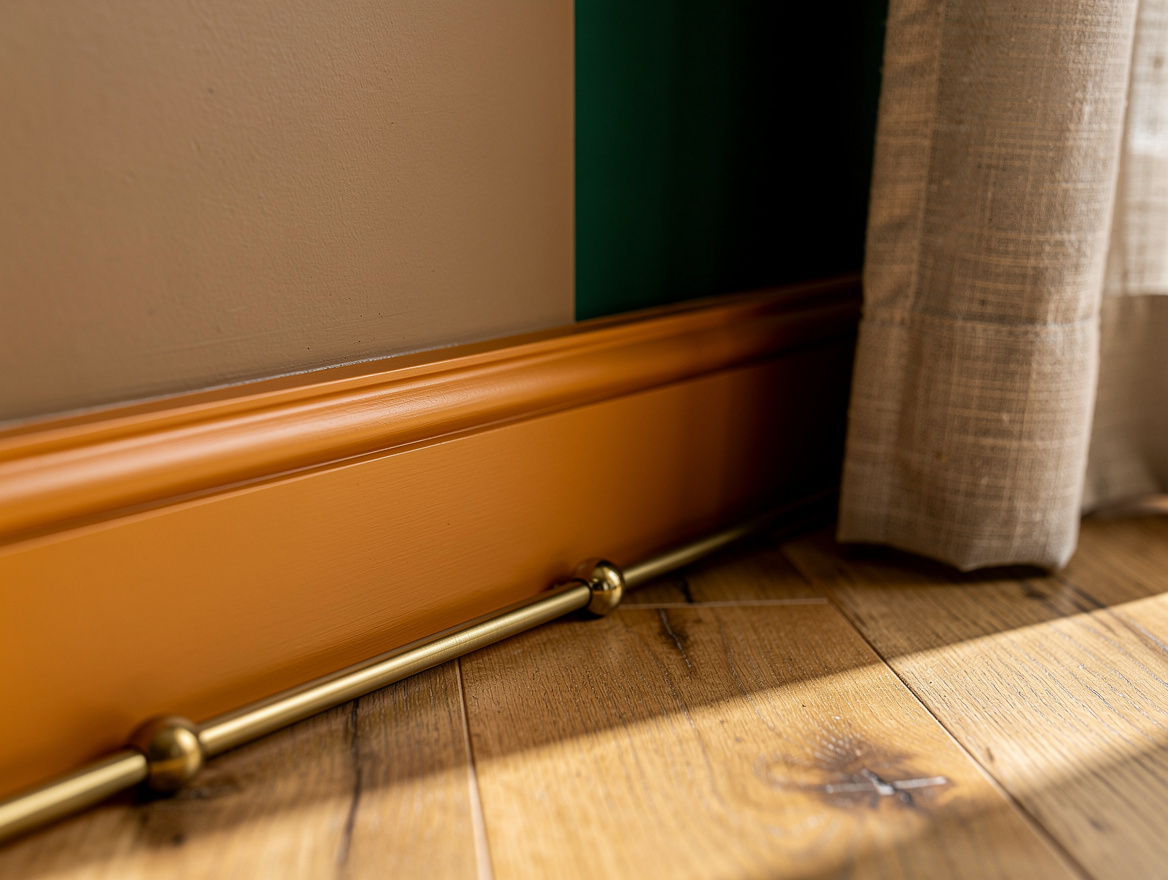
For a taller, more architectural finish, use baseboards roughly 5 to 7 inches high and paint them with the room. The stronger profile earns its place when the rest of the furniture stays lean.
Buy Enough Paint for a Continuous Finish
For a typical 108-to-140-square-foot bedroom with an approximately 8-to-8.5-foot ceiling, expect roughly 430 to 560 square feet of paintable wall and ceiling after openings. Plan for two coats and add about 10 to 15 percent for touch-ups and thirsty surfaces.
A roughly 5-gallon quantity is often a sensible starting estimate for walls and ceiling, while trim may need about 1 quart to 1 gallon depending on doors and built-ins. Home Depot paint staff can help translate your measured surfaces into the right quantity.
Use durable matte paint on the large surfaces and eggshell or satin on baseboards, radiators, and doors. Save a labeled jar for repairs, because a continuous field of color reveals every careless scuff.
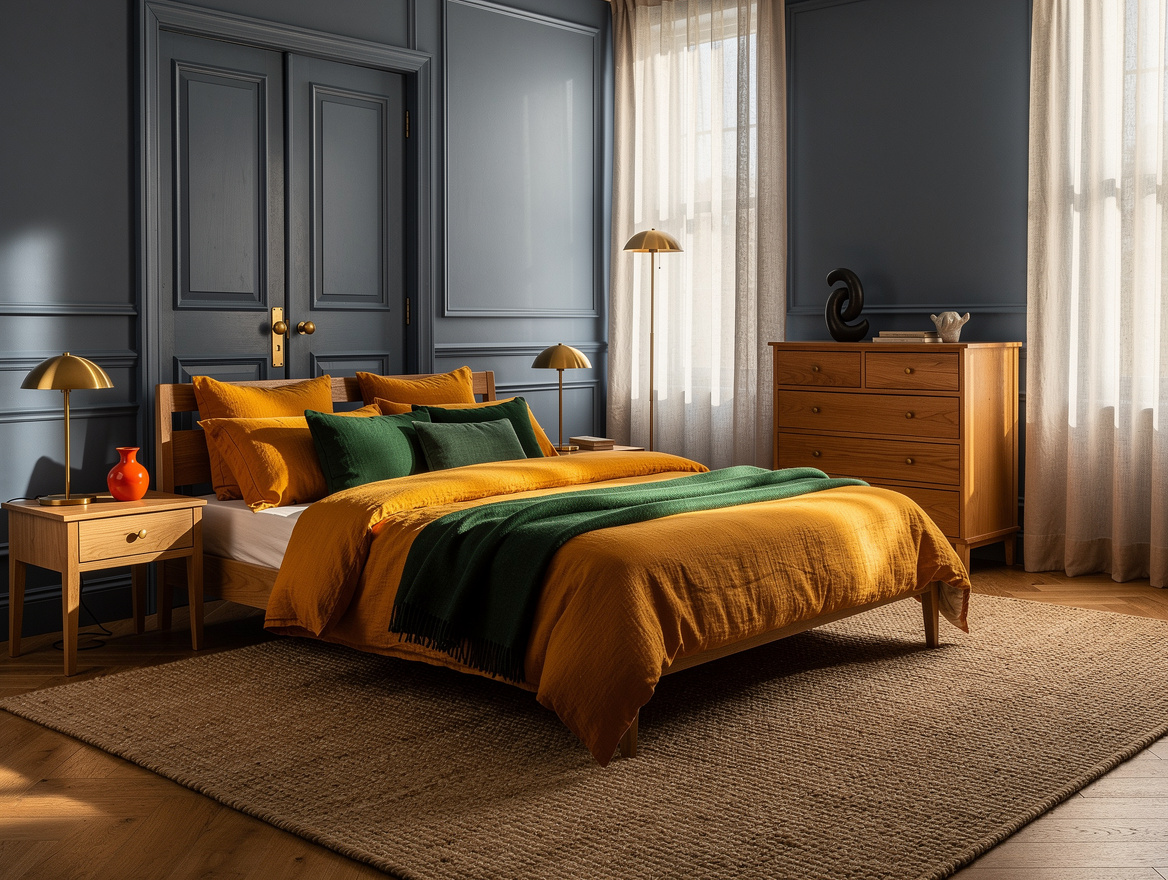
Start with the wall behind the bed and paint a large sample before committing to the ceiling. Once the shade feels right at night, carry it across the trim for the cocooning finish that makes this look work.
Mia Carter writes about small-space living and budget home makeovers. She has restyled three rentals and tests most ideas in her own 45 sqm flat.