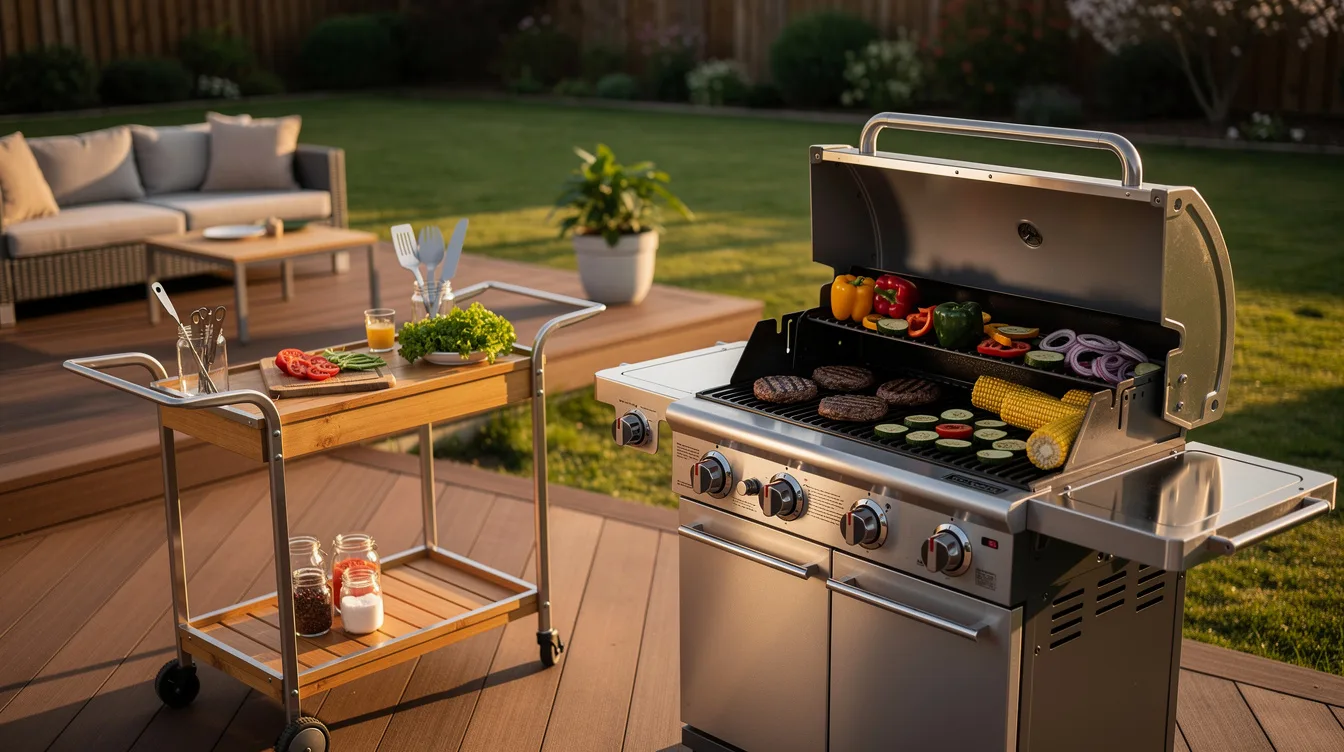
Last summer I watched a host balance a raw chicken tray on one patio chair and a platter of cooked burgers on another because the table was already full of chips, buns, and citronella candles. Nothing looked terrible at first, but the whole setup felt one bad move away from a mess.
That is what ruins a backyard BBQ most often: not one dramatic failure, just a string of avoidable mistakes with heat, layout, and gear. The good news is that most fixes are simple, and they do not require a full outdoor kitchen.
Buy a Grill That Matches the Guest List
I learned this one the annoying way, standing outside with burgers ready and nowhere to put them because the grill surface was too tight. A backyard BBQ feels chaotic fast when you have to cook in three rounds.
For 6 to 8 people, a gas grill with about 400 to 500 square inches of primary cooking space is the practical minimum. For 10 to 12, typical advice lands closer to 600 to 700 square inches, and that tracks with real life.
At Home Depot and Lowe’s, mid-size 3-burner gas grills usually sit around $500 to $800, while larger 4-burner models often run $450 to $700 depending on build and side shelf space. I would rather buy slightly bigger than play catch-up all evening.
If you prefer charcoal, a 22-inch kettle grill is fine for a smaller group, but it starts feeling cramped once you add corn, sausages, and chicken pieces at the same time. A bigger kettle or cart-style charcoal setup costs more up front, but it saves the party from turning into a waiting line.
Set Up Two Heat Zones Instead of Blasting Everything
One of the most common BBQ mistakes is cooking every item over full heat. That is how you get charred drumsticks with pink centers and hot dogs that split before anything else is done.
On a charcoal grill, bank the coals on one side and leave the other side with little or no coal. On a gas grill, keep one burner off and run one or two on medium-high so you have a safe finishing zone.
This setup costs almost nothing, and it works better than buying more accessories you will barely use. If you want the cleaner version, Amazon and Ace Hardware sell charcoal baskets for a typical $25 to $35, and they make indirect cooking much easier.
Add an instant-read thermometer and stop guessing. Typical retail prices range from about $25 to $90 at Target or Amazon, and that tool matters more than any flashy grill light.
Move the Grill Before You Light It
A bad grill location ruins more than dinner. It can stain siding, scorch railings, and turn a calm cookout into a fire-risk situation the second grease flares up.
Keep the grill at least 3 to 4 feet away from walls, deck rails, and fabric shade, with roughly 7 to 8 feet of overhead clearance from low eaves or branches. Those are practical safety distances, and they also keep smoke from trapping under a roofline.
If your setup sits on a wood deck, keep a fire extinguisher close by and never throw water on a grease fire. I also think a cheap grill mat from Walmart or Amazon, usually around $25 to $50, is worth it just to catch drips and protect the boards.
And skip the fabric umbrella near the cooking zone. It looks nice in photos, but it is the wrong item in the wrong spot.
Clean the Parts That Actually Cause Flare-Ups
Most people scrub the grates and ignore the mess underneath. Then they wonder why the flames jump every time fat hits the heat.
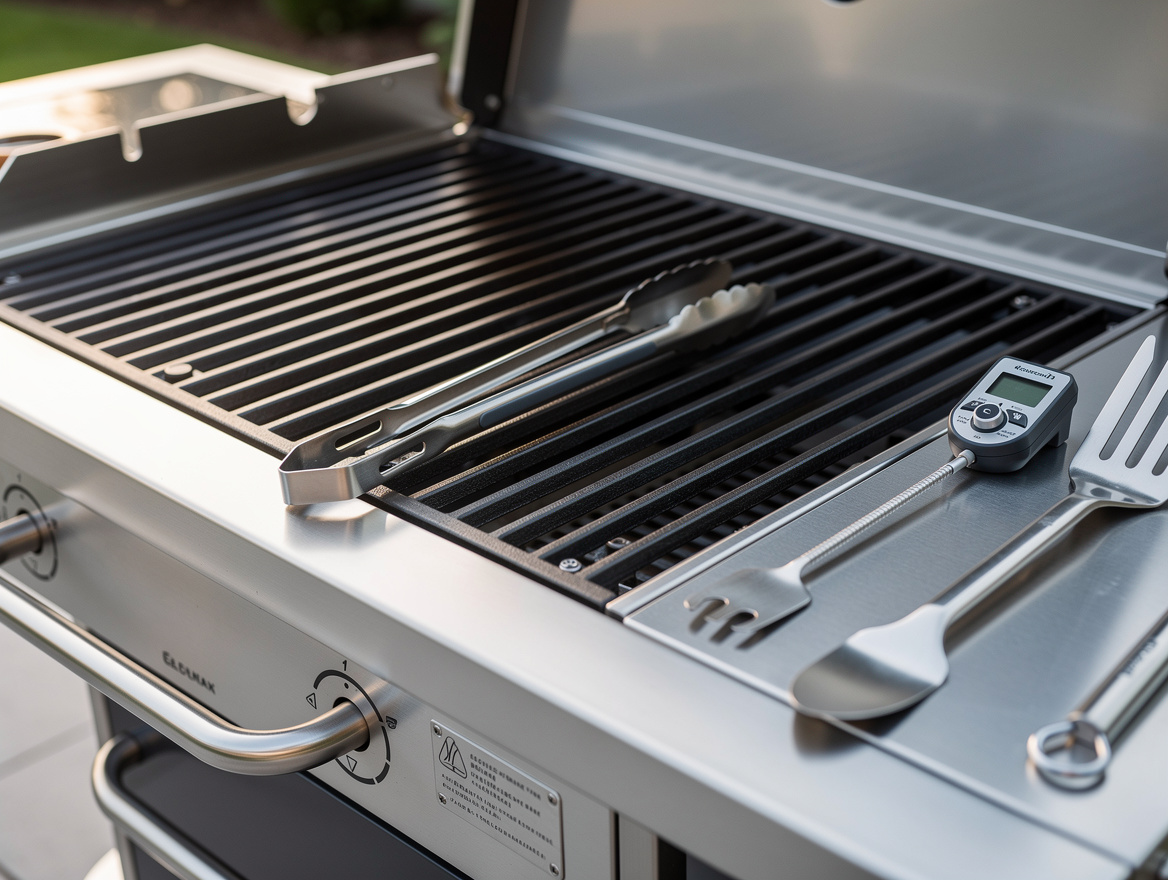
Before each cook, preheat the grates, scrape them clean, and wipe them lightly with oil using tongs and a folded paper towel. Every 3 to 5 cooks, empty the grease tray and check the drip pan, because old grease is what gives food that bitter, dirty smoke.
A bristle-free grill brush from Home Depot, Lowe’s, or Amazon usually costs about $15 to $35. Disposable or reusable drip pans often run $10 to $20 a pack, and that is a cheap fix for a very avoidable problem.
If your grill heats unevenly, check the burner tubes, heat plates, and regulator before assuming the whole unit is done. Replacement heat plates are commonly around $30 to $80 per set, and a new regulator is often in the $20 to $40 range.
Replace Worn Grates Instead of Fighting Them
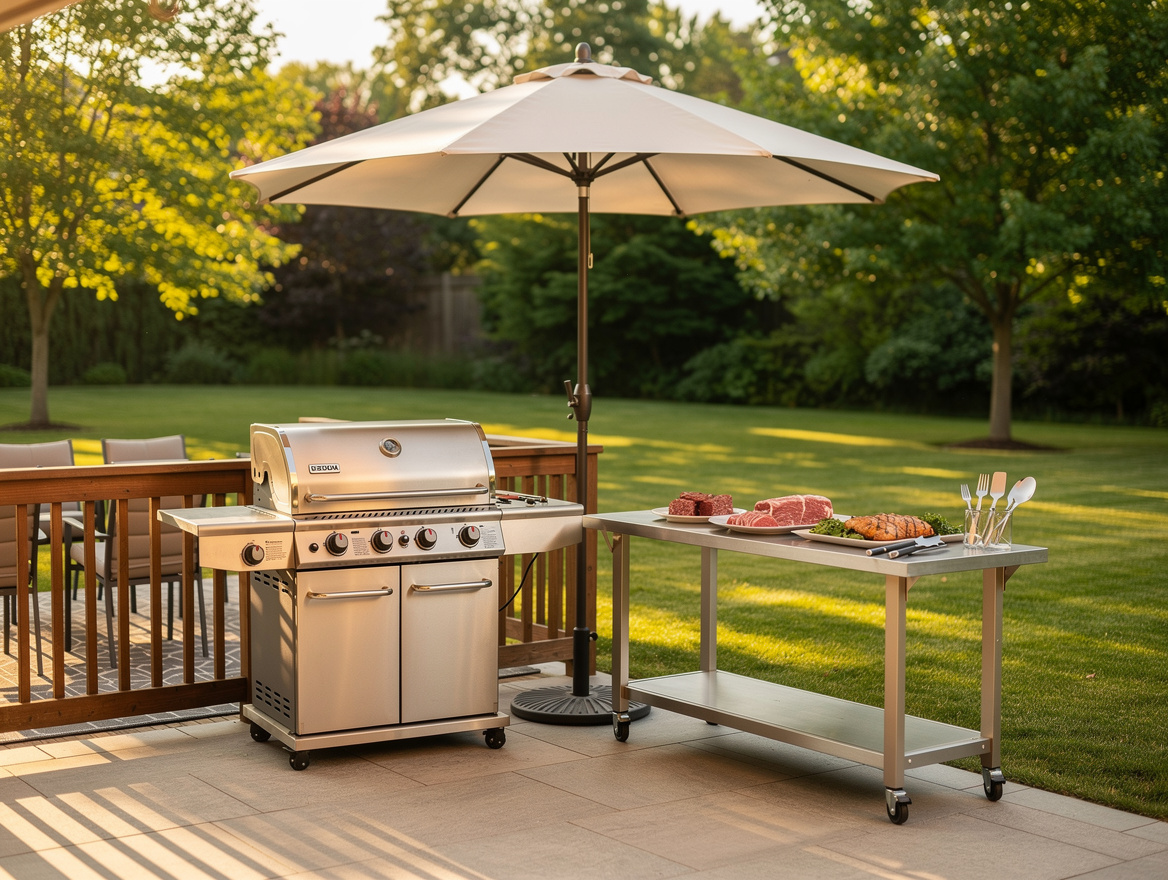
If food keeps welding itself to the surface, the grate may be the issue, not your cooking. Rust, pitting, and thin metal create bad sear marks and even worse cleanup.
For a typical 3-burner grill with a cooking area around 24 by 18 inches, replacement cast-iron grates usually cost about $60 to $120. Comparable 304 stainless steel grates tend to run roughly $90 to $180 at Amazon or through parts sellers stocked by Ace Hardware.
I like cast iron for heat retention, but stainless is easier for busy households that will not baby the grill after every use. A light rust film can sometimes come off with vinegar and baking soda, but once the grate is pitted, I would replace it and move on.
This is one of those upgrades that changes the cook immediately. Better contact, less sticking, less frustration.
Separate Raw and Cooked Food Like You Mean It
The backyard mistake that matters most is also the least glamorous. Using the same tongs and platter for raw chicken and cooked food is how a fun night turns into a health problem.
Set out two clearly different platters before you start, one for raw proteins and one for finished food. I like using a dark tray for raw items and a lighter melamine platter for cooked food, because the visual difference is obvious even when the yard is busy.
At Target, Walmart, and IKEA, outdoor-safe serving pieces usually cost about $4 to $20 each, and extra tongs are often under $15. That is a tiny spend compared with what you already paid for meat, drinks, and propane.
Keep a small prep table or rolling cart next to the grill so the safe workflow is easy to follow. A basic outdoor cart from IKEA, Wayfair, or Amazon often lands around $50 to $120, and it does more for a BBQ than another decorative lantern ever will.
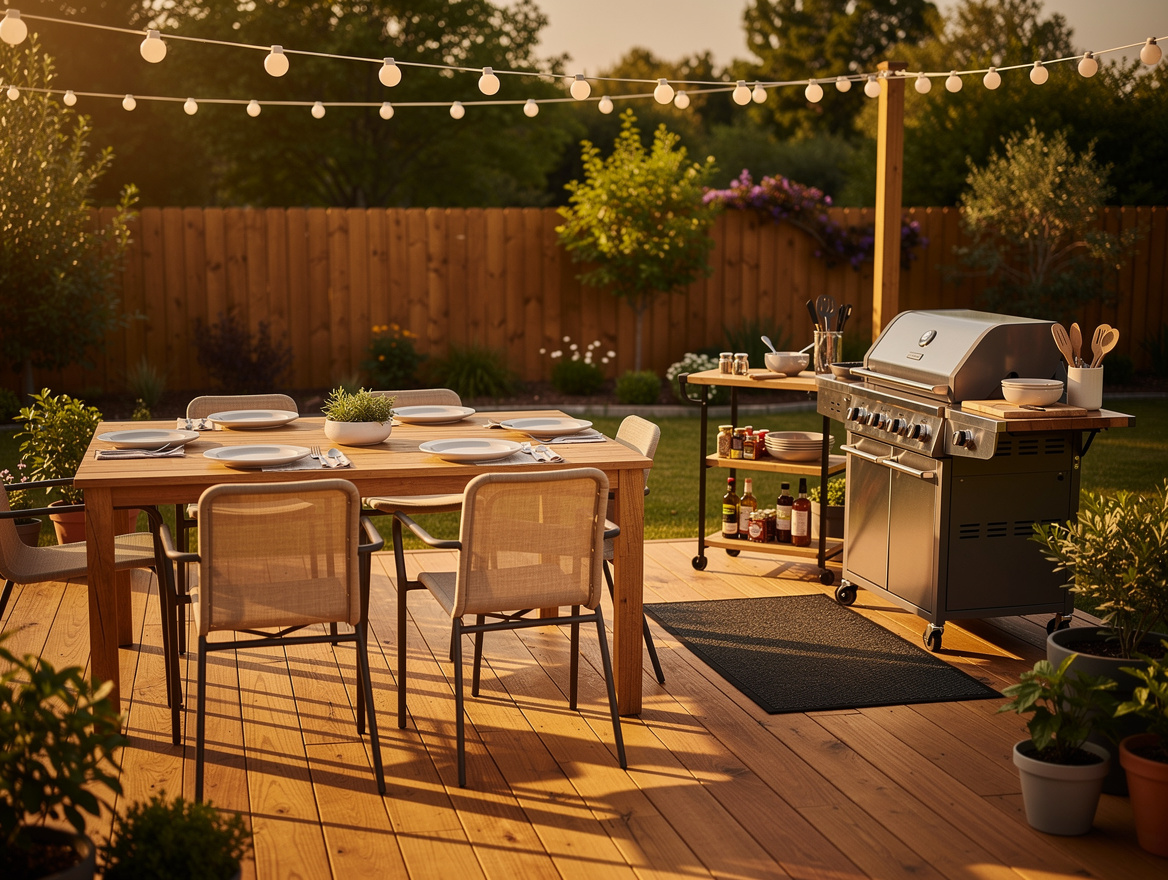
Start with the two fixes that change the night fastest: create a two-zone fire and clear a dedicated prep surface next to the grill. Once those are handled, the rest of the cookout gets calmer, safer, and a lot easier to enjoy.
Mia Carter writes about small-space living and budget home makeovers. She has restyled three rentals and tests most ideas in her own 45 sqm flat.