Last summer, I sat on a backyard patio that reflected heat like a stovetop, while a giant fire pit and too many string lights fought for attention. Nothing was technically wrong, but the whole space felt stuck in another decade.
That is the real shift for 2026: designers are not asking for fancier yards, they want backyards that work harder and look less staged. The trends falling out of favor are the ones that eat space, demand too much upkeep, or make every house feel the same.
Break Up the Big Concrete Slab
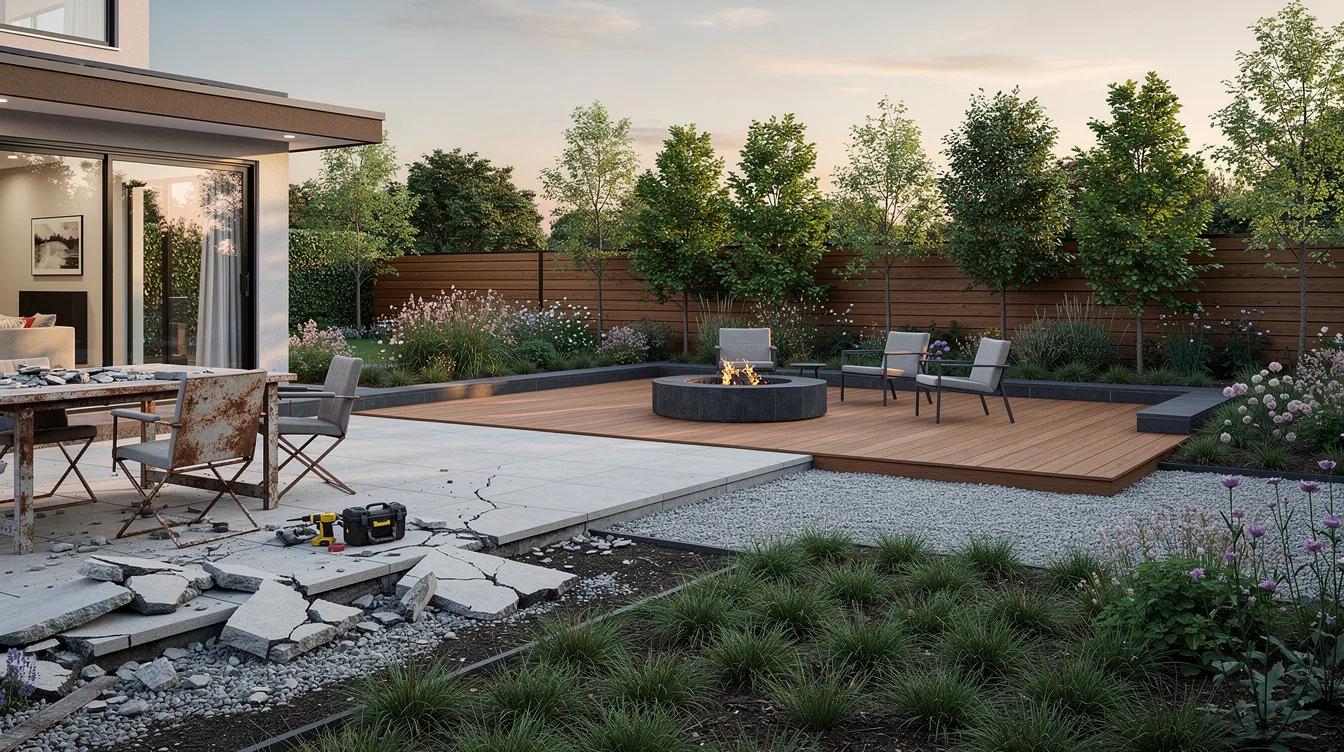
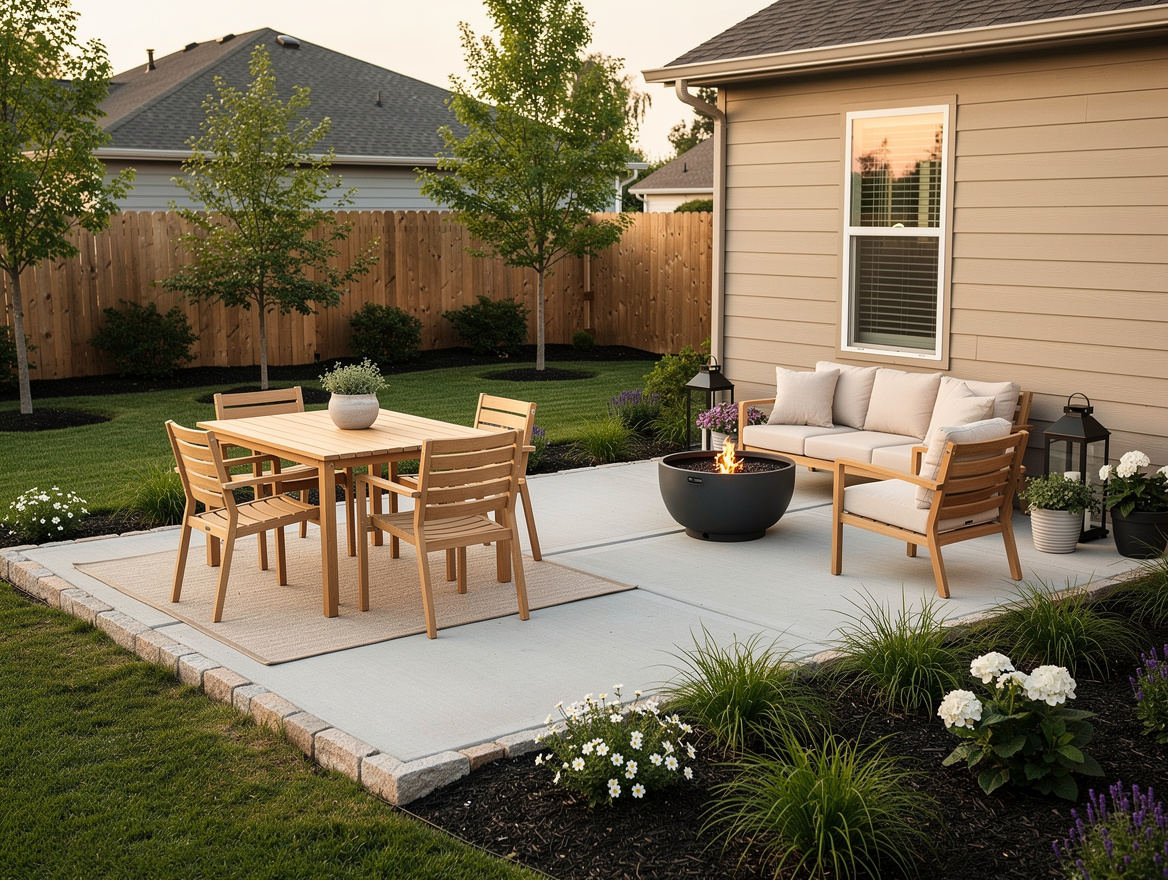
I still see backyards where one giant concrete patio takes over everything, and it always feels hotter and less useful than people expect. A typical 320 to 430 square foot slab, about 8 by 12 feet to 10 by 14 feet, turns into a holding zone for the grill, bikes, and whatever did not fit in the garage.
Designers are moving toward smaller outdoor rooms instead: a dining pad, a lounge corner, and a planted edge that softens the whole yard. That layout simply works better, especially when your main zone is around 13 by 20 feet and split into two or three real uses.
For cost, simple installed poured concrete in the US typically lands around $8 to $15 per square foot, while pavers usually run in a similar band and natural stone often starts closer to $20 per square foot and climbs fast. I would rather see a smaller hardscape mixed with gravel and planting than one giant flat surface that looks dated by itself.
Scale Down the Oversized Fire Pit
The huge built-in masonry fire pit with a fixed ring of chairs had a long run, but it now reads bulky and overplanned. When the diameter pushes roughly 5 to 8 feet, it can swallow a small yard and lock the furniture plan in place.
A compact fire feature feels smarter in 2026. A movable steel bowl or a smaller gas fire table gives you warmth without turning the whole backyard into a permanent camp circle.
A custom built-in usually costs about $2,000 to $8,000, which is a lot for something many families use only a few months each year. A Solo Stove setup from Home Depot or a simple gas fire table from Wayfair often gives you the same mood for far less, and it keeps the layout flexible.
Cut Back the Perfect Chemical Lawn
The all-lawn backyard is losing ground fast, and honestly, it should. A big sheet of turf grass that needs constant water, fertilizer, and weed control looks needy now, not polished.
The better move is a smaller lawn where people actually walk or play, with the rest handed over to meadow planting, groundcovers, or easy borders. That mix gives the yard shape, seasonal movement, and less maintenance pressure when summer gets dry.
Typical sod in the US often costs about $0.35 to $0.85 per square foot before or around installation, while artificial grass can jump to roughly $2 to $6 per square foot installed. I would spend that budget on clover seed, ornamental grasses, and a few bigger planting beds before I paid for a fake green carpet that heats up in the sun.
Loosen Up the Overstyled Instagram Garden
Those ultra-stiff beds with matching shrubs lined up like little soldiers feel tired now. A backyard full of clipped boxwood spheres and photo-ready symmetry can look expensive on day one, then strangely lifeless by month six.
Designers are leaning into controlled-wild planting: curved paths, layered heights, flowering perennials, shrubs, and grasses that still look good when everything is not blooming at once. That kind of planting has more personality, and it handles weather swings better than a one-note scheme.
Typical plant costs add up fast, so the smartest version starts small: perennials often run about $8 to $15 each, shrubs around $40 to $75, and small trees can hit $150 to $350. I like using bigger impact pieces from Lowe’s or Home Depot, then filling the gaps slowly instead of buying fifty identical plants in one stressed shopping trip.
Swap the String-Light Canopy for Layered Lighting
String lights are not banned, but the everywhere-at-once version is done. When every fence line, pergola, and corner is wrapped in bulb lights, the yard starts to feel like a restaurant patio that never gets taken down.
Cheap outdoor lighting is the bigger problem. Harsh blue-white solar stakes, exposed cords, and sagging strands make even good furniture look temporary, and they flatten the mood instead of shaping it.
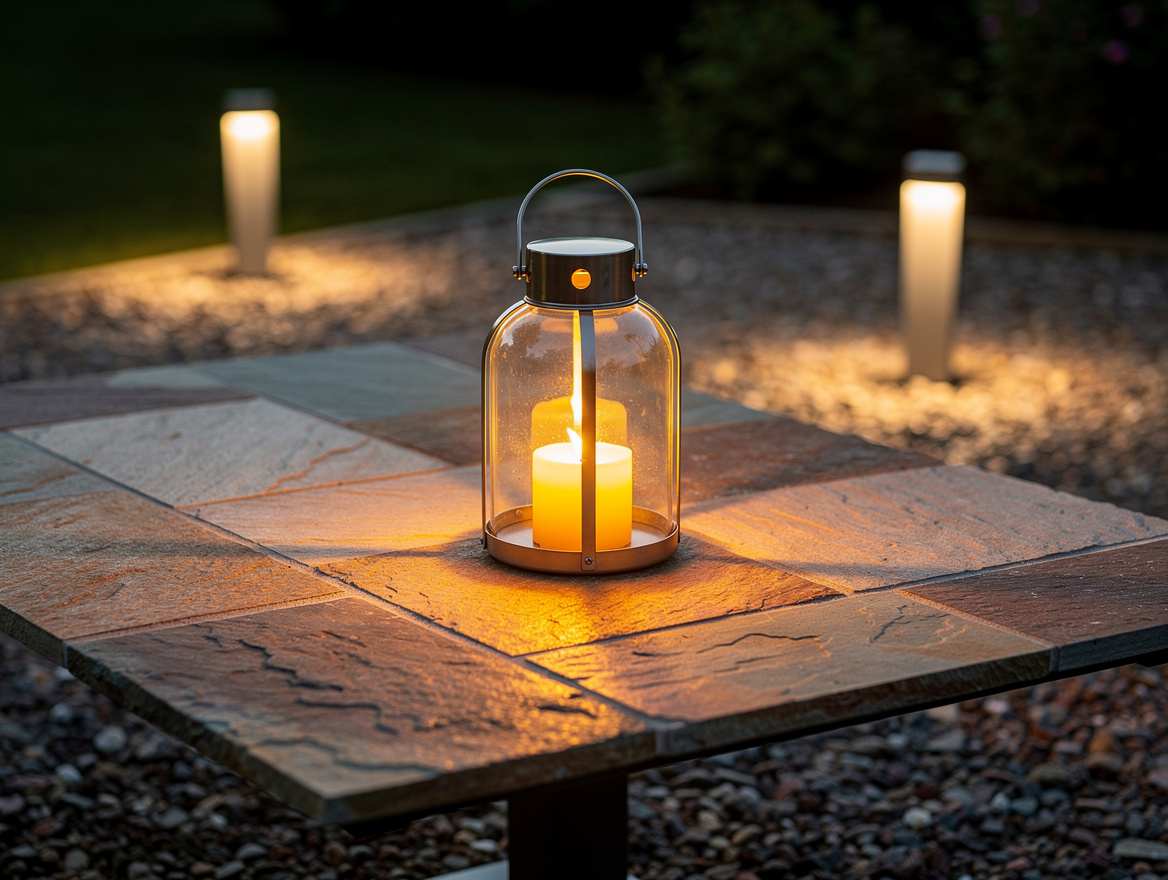
A better plan uses two or three light types: path lights near circulation, one lantern or table lamp by seating, and a soft wash near planting or the house wall. You can find decent Hampton Bay path lights at Home Depot, outdoor lanterns at Target, and rechargeable table lamps on Amazon, with typical starter costs around $30 to $80 for each layer instead of one messy overhead web.
Start with the surface under your feet before you buy one more chair or planter. A smaller patio zone, better planting, and cleaner lighting will fix more than any trendy accessory ever will.
If your budget is tight, remove one dated feature first, usually the oversized fire element or the all-lawn layout, and build from there. That order gives you the biggest visual payoff without forcing a full backyard rebuild.
Mia Carter writes about small-space living and budget home makeovers. She has restyled three rentals and tests most ideas in her own 45 sqm flat.