
I once spent about $212 on three gallons of pure bright white paint for a rental living room, and the result looked like a dentist’s office. The dreamiest white rooms of 2026 are not white at all in the strict sense: they are layered off-whites, warm creams, and texture-rich materials like linen, plaster, and pale wood. Here is where most people go wrong, and exactly how designers fix it.
Ditch the Cold Pure White on Your Walls
The number one mistake: painting every wall the brightest white on the shelf. Stark white reads flat and clinical in most homes, especially rooms with weak northern light.
Designers keep reaching for warm off-whites instead. A can of Benjamin Moore interior paint typically runs about $28 to $109 depending on the line, with Ben at the low end and Aura at the top.
Same color, different sheens: matte on walls, satin on trim. That subtle contrast is what makes one-tone rooms look intentional instead of unfinished.
Stop Pairing a White Sofa with More White Surfaces
A white sofa surrounded by white tables, white rug, white lamp. That is not dreamy, that is a waiting room. The fix is texture, not more color.
Pair a creamy sofa with boucle pillows, a nubby wool throw, and a brushed oak coffee table. Entry-level white sofas typically sit around $1,000 to $2,000 at Crate & Barrel, while RH versions often start near $3,000.
A standard three-seat, roughly 84 inches wide, is the sweet spot for most living rooms. Big enough for the cloud look, small enough to leave breathing room.
Hang Real Linen, Not Synthetic Sheers
Polyester sheers are the fastest way to make an all-white room feel cheap. They hang stiff and bounce light harshly.
White or off-white 100% linen curtain panels soften everything. Budget-friendly panels at IKEA or Target typically run about $25 to $60 per pair, while custom linen can climb past $120 a panel.
Hang the rod 4 to 6 inches above the frame and let panels just kiss the floor. That one adjustment does more than any decor object you could buy.
Layer Whites in the Bedroom Like a Hotel Does
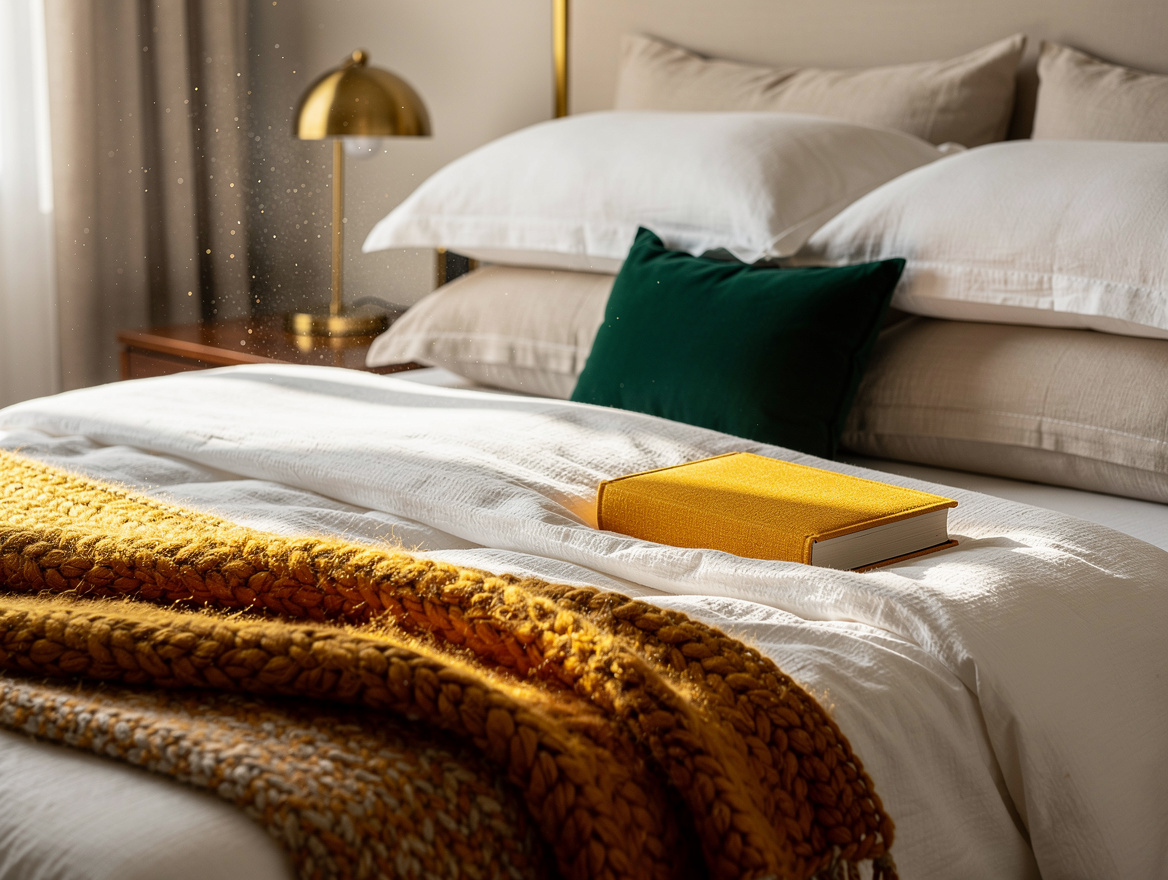
One white duvet on a white bed against a white wall. Flat. Hotels never do this, and neither should you.
Stack four textures minimum: a cotton percale sheet set, a linen sham in ivory, a chunky wool throw in oatmeal, and a slightly warmer off-white on the wall. Target’s Threshold line and Home Depot’s bedding aisle both carry these basics for under roughly $40 a piece.
The rule is simple: every white in the room should be a half-shade apart. Matching whites look accidental. Layered whites look expensive.
Mix Glossy and Matte in the Bathroom
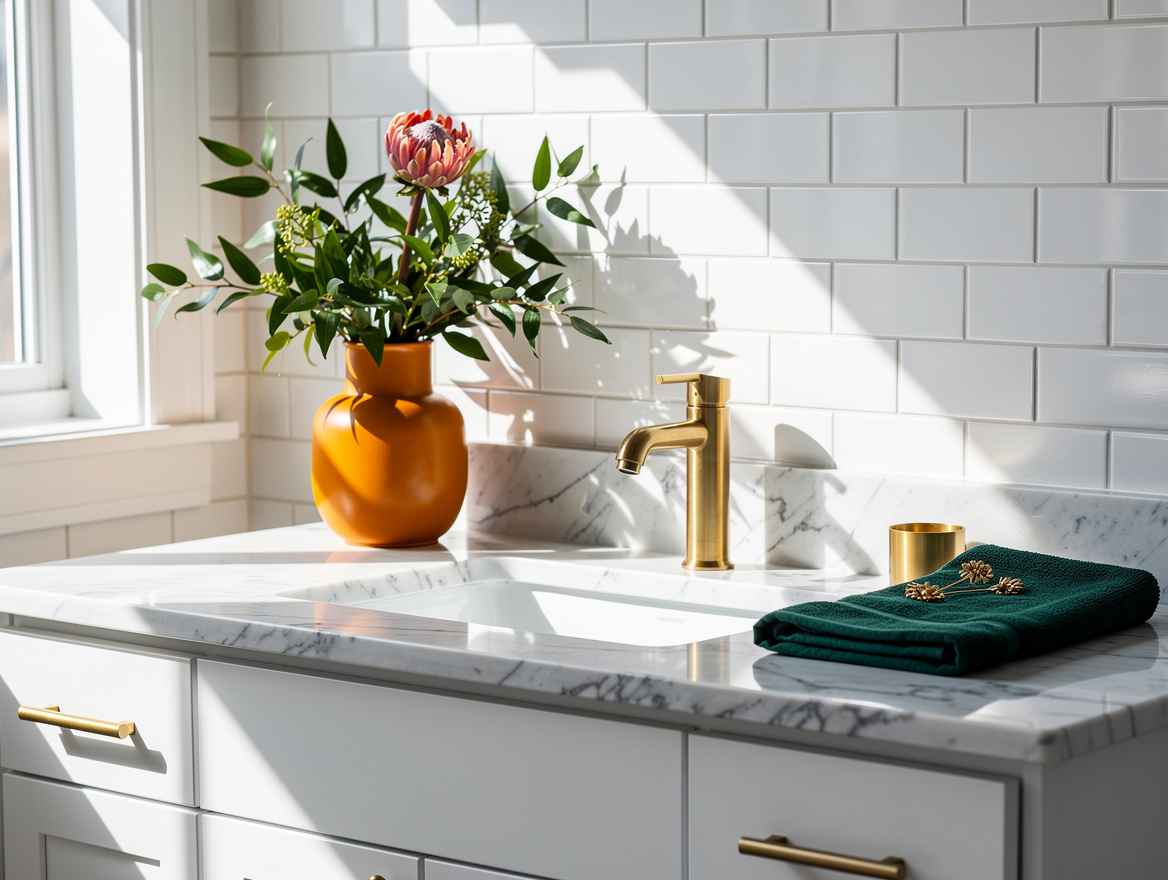
An all-matte white bathroom feels like drywall. An all-glossy one feels like a lab. The spa look lives in the mix.
Pair glossy white subway tile, typically about $2 to $5 per square foot at Home Depot or Lowe’s, with a honed marble-look countertop and one warm metal. Unlacquered brass or brushed gold, not chrome.
Two finishes on the metal max. Three starts to look like a showroom floor sample.
Ground Every White Room with One Natural Material
The mistake underneath all the others: white floating in space with nothing anchoring it. Every dreamy white room you have saved on Pinterest has a natural element doing quiet work.
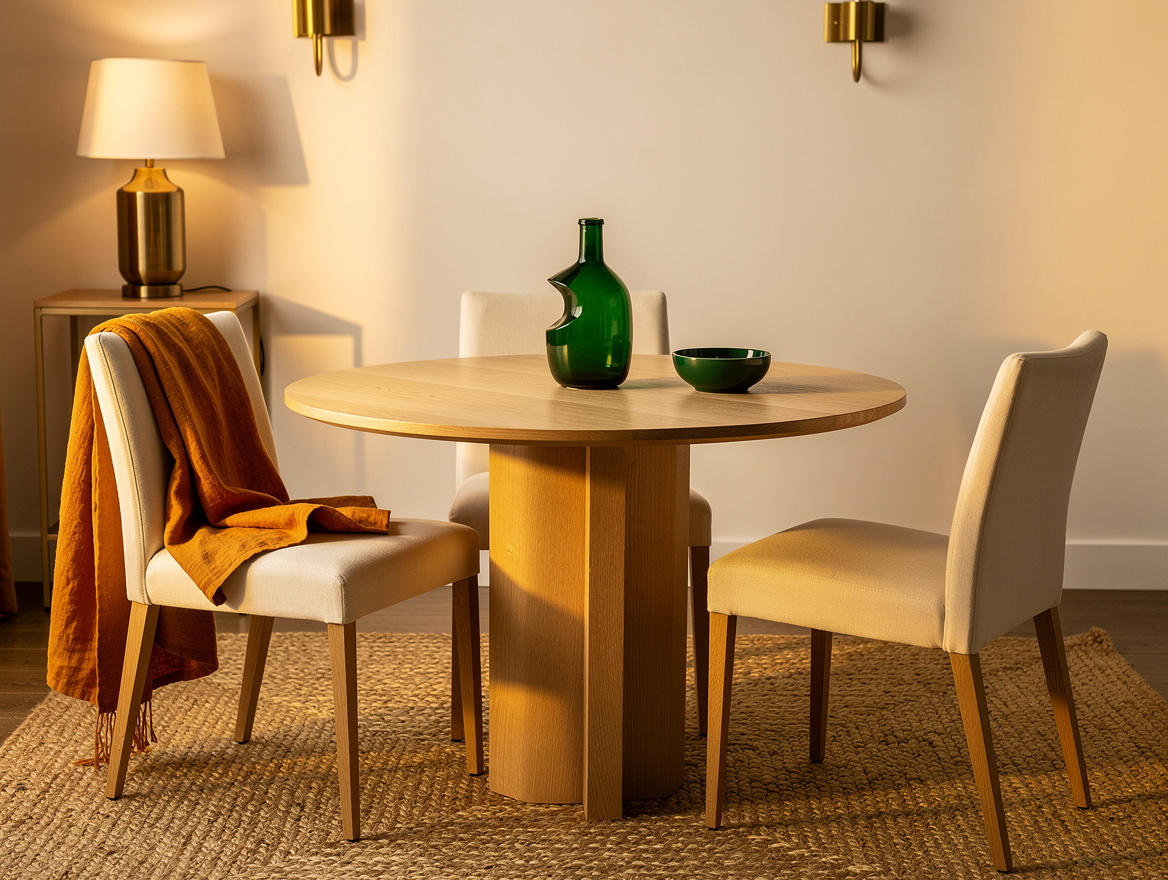
A light oak pedestal dining table, a jute rug, a travertine side table from Wayfair for roughly $150. One is enough. Two is plenty.
Woven fibers and pale wood warm the white without competing with it. That tension, soft against crisp, is the whole look.
Start with the walls, since paint is the cheapest mistake to undo at roughly $30 to $110 a can. Get the undertone right, and every white you layer on top of it will fall into place on its own.
Mia Carter writes about small-space living and budget home makeovers. She has restyled three rentals and tests most ideas in her own 45 sqm flat.