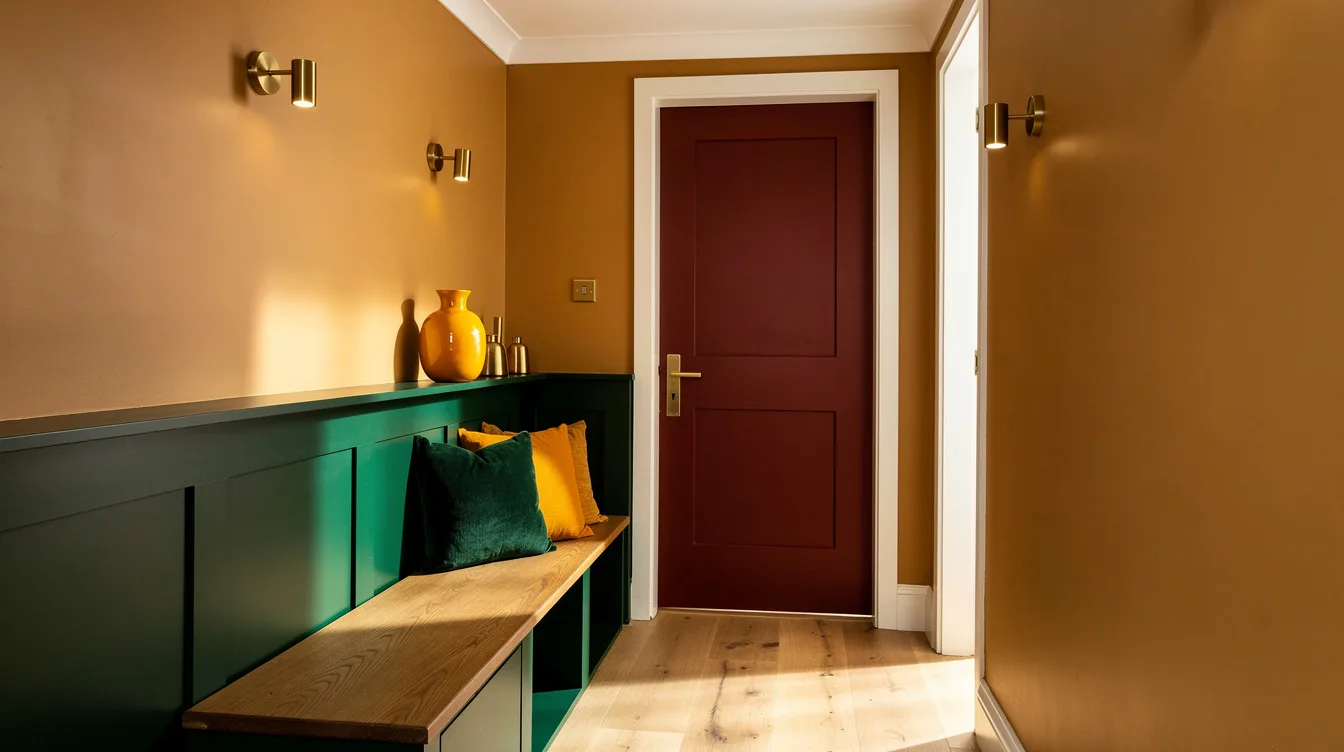
I used to think paint only mattered on the big four walls, then I watched a small 6-by-8 powder room feel twice as considered after one odd color move. That shift is why so many 2026 forecasts keep circling back to warmer, grounded shades instead of cold default neutrals.
You can feel that change in the names alone: soft khakis, baked reds, restorative darks, dusty greens. The delightful part is that the smartest ideas are not the most expensive ones, they are the ones people rarely think to paint.
Paint the Ceiling a Warm Neutral
A white ceiling can flatten a room fast, especially when the walls already lean beige or greige. A soft tone like Sherwin-Williams Universal Khaki, one of the widely discussed 2026 trend colors, makes an 8-foot ceiling feel calmer and more intentional.
I like this most in bedrooms and dining rooms, where bright contractor white has a harsh habit of bouncing light back down. Start with a flat finish from Lowe’s or Home Depot, where a typical gallon of interior ceiling paint often lands around the mid-$30s to mid-$70s, depending on line and coverage.
Wrap a Tiny Room in a Red-Brown Shade
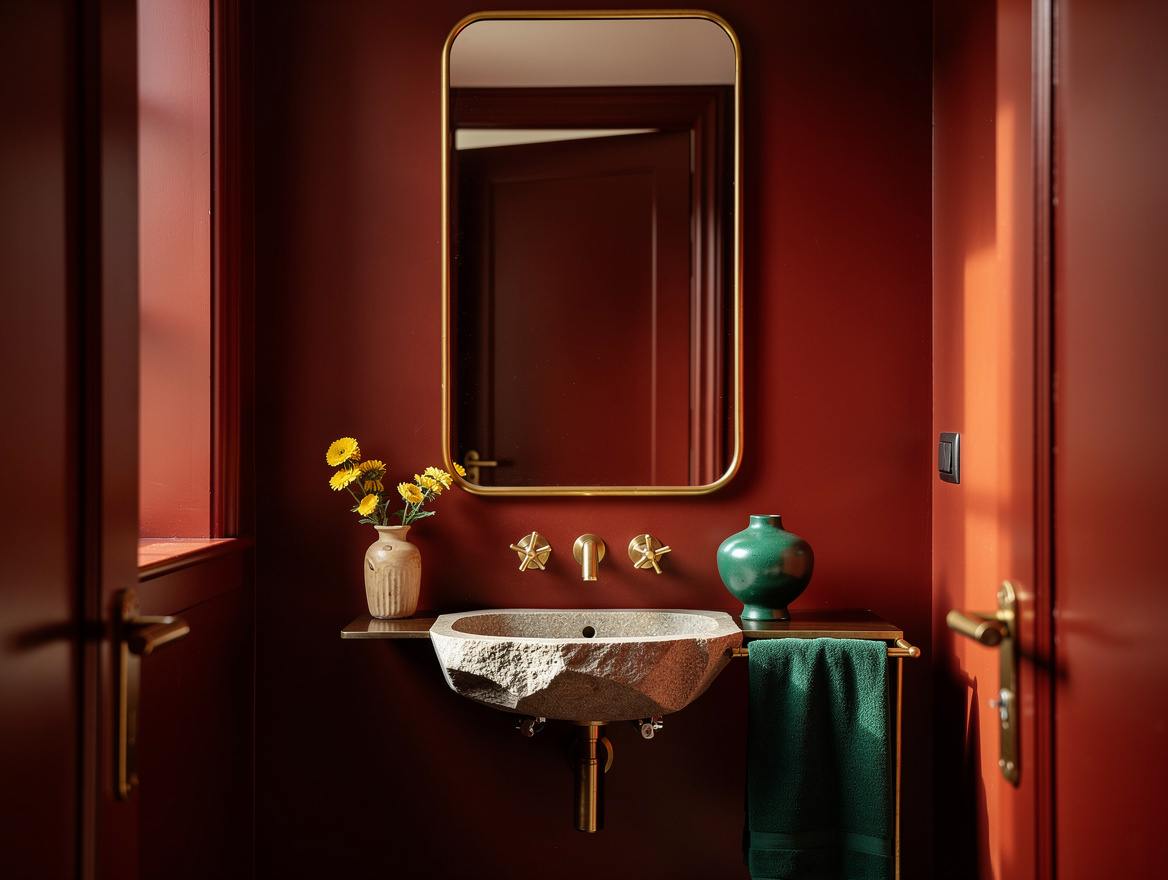
People still get nervous around reddish paint, which is exactly why it feels fresh right now. A cocooning tone like Glidden Warm Mahogany, highlighted in 2026 color coverage, gives a powder room or reading nook real depth instead of that vague builder-grade warmth everyone forgets five minutes later.
This is not the place to stay timid. Put it on the walls, trim, and even the door if the room is small enough, then let one pale stone or brass accent break it up.
Use Color on Interior Doors Only
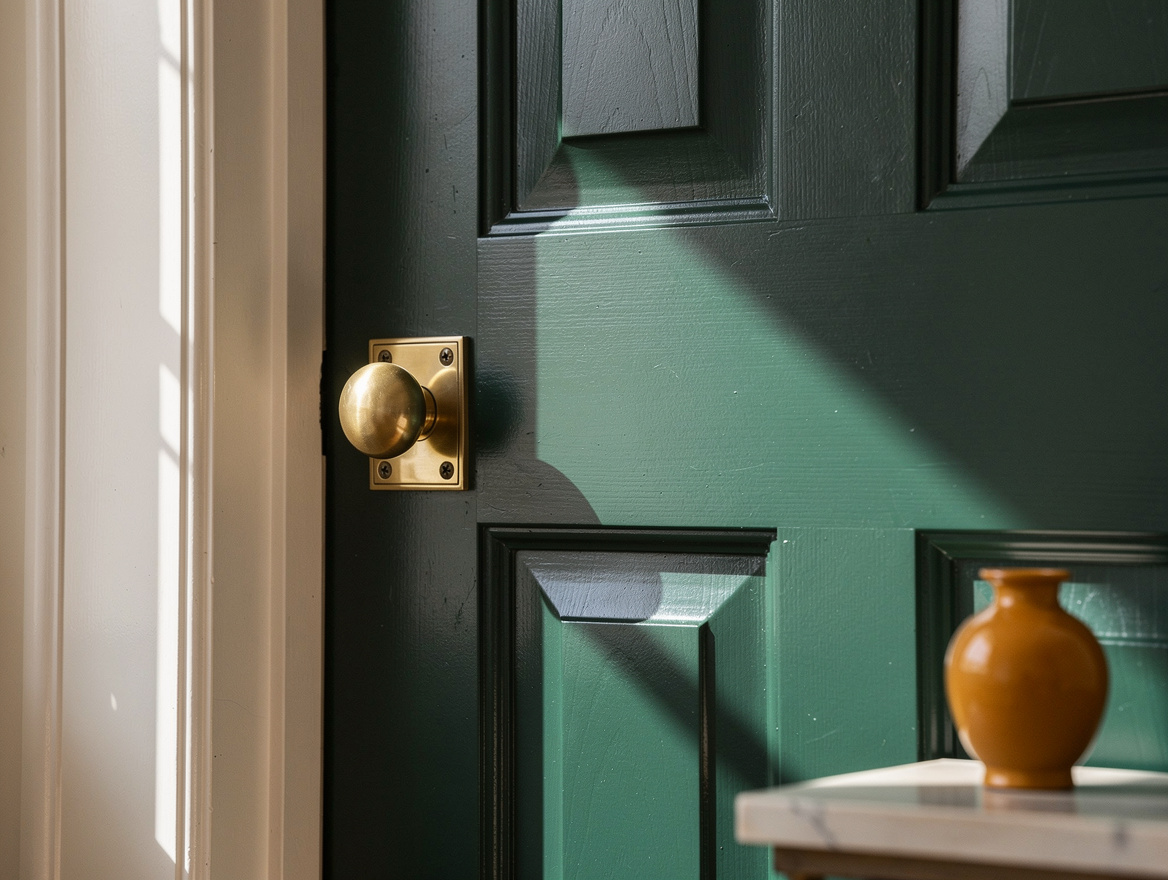
Painting every wall is a commitment, but a single interior door is low-risk and weirdly effective. A muted green or grounded blue on a solid-core door can add character in an afternoon without forcing the whole room into a theme.
I especially like this in rentals because the footprint is small and the payoff is visible from several rooms at once. Pick up a quart at Ace Hardware or Walmart, where a typical small paint project can cost around $15 to $30 before tools.
Color-Drench the Trim Instead of Leaving It White
White trim is not sacred. In a room with warm walls, matching the baseboards, window trim, and casing to the wall color in a satin or semi-gloss finish looks richer than that default bright outline most houses come with.
This works especially well with earthy palettes tied to current forecasts, think khaki, clay, olive, or toasted brown next to oak wood and natural linen. I would take tonal trim over high-contrast trim almost every time because it makes the room feel finished, not chopped up.
Paint the Inside of a Bookcase a Darker Shade
One of the easiest delightful moves is hiding color inside storage. The back panel of a bookcase in a deeper tone, even one step darker than the wall, gives ordinary shelves more shape and makes books, ceramics, and baskets read as collected instead of random.
A flat or eggshell finish on an IKEA BILLY bookcase can do the job if you prep it properly, and the visual return is bigger than most decor buys under about $100. For me, this beats buying more objects every single time.
Treat Hallways Like a Color Moment, Not a Pass-Through
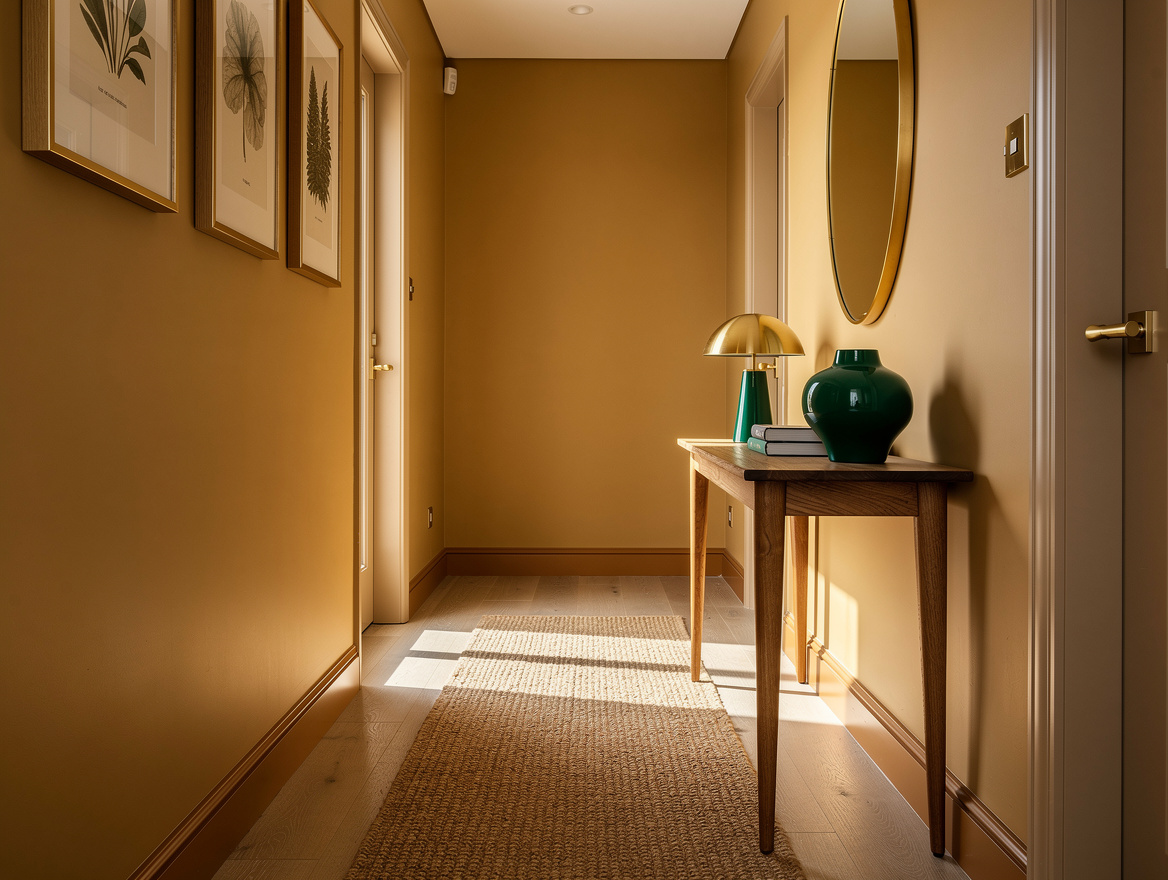
Hallways are usually painted on autopilot, which is why they often feel dead. A warm sand, dusty terracotta, or soft herb green on those long stretches gives the house rhythm before you even reach the main room.
If your hallway is narrow, skip icy shades and lean into something with a little body, especially near natural jute, black frames, or walnut furniture. A runner from Target or Wayfair looks more expensive against a colored wall than against plain white, and that is a hill I will happily die on.
Start with the smallest high-impact surface you have: a ceiling, a door, or the back of a bookcase. One gallon in a warmer tone will usually teach you more about your home than repainting an entire room in another forgettable neutral.
Mia Carter writes about small-space living and budget home makeovers. She has restyled three rentals and tests most ideas in her own 45 sqm flat.