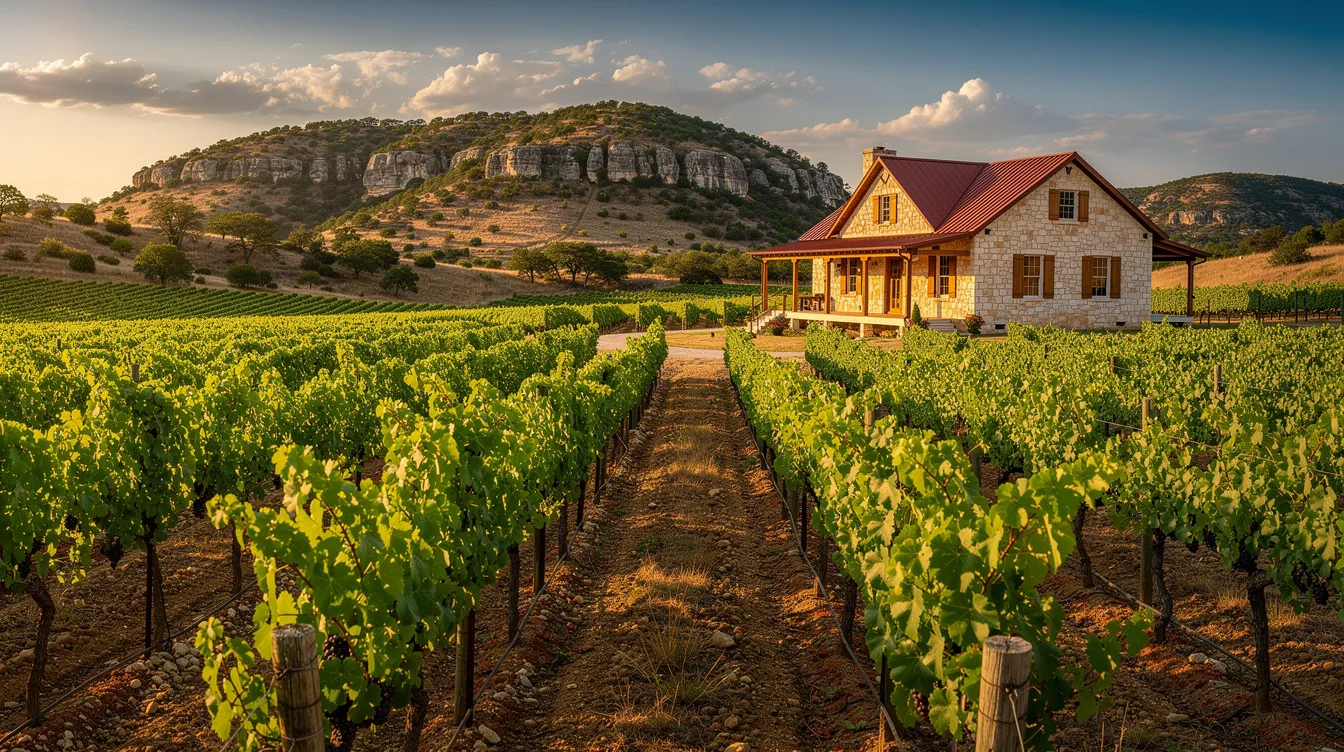
Fredericksburg was founded by German immigrants in 1846, yet its modern draw is just as much wine as heritage. More than 75 wineries now surround this Texas Hill Country town, creating a trip that moves easily between biergartens, tasting rooms, and historic streets.
And the location makes the combination practical. Fredericksburg sits about 78.3 miles west of Austin and 68.4 miles northwest of San Antonio, so you can build it into a wider Texas Hill Country journey. I’d give the town two or three nights, especially if you want time beyond the weekend rush.
Why 1846 still shapes the town
And the German-Texan story is visible before you enter a museum. Main Street brings together historic buildings, independent shops, restaurants, antiques, galleries, wine bars, and biergartens, while German names and food traditions remain part of the town’s daily character.
But Fredericksburg isn’t a preserved set piece. It’s touristy on busy weekends, yet the streets feel more relaxed when you can linger over coffee or walk between shops without checking the clock. You’ll notice the difference in the pace, especially outside the busiest hours.
The Main Street experience works because the town’s history sits alongside ordinary pleasures. Visit the Pioneer Museum and the Vereins Kirche, then leave room for a meal or a slow drink. My opinion: the heritage feels most convincing when you encounter it between errands, not only behind glass.
How more than 75 wineries changed the visit
And the wine region gives Fredericksburg a second identity. More than 75 wineries, tasting rooms, and related establishments cluster around the US Highway 290 corridor, making the area one of the main reasons travelers stop here.
But wine tasting requires a little discipline. If you’re driving, keep tastings very limited, book a tour, or arrange a designated driver before heading along Wine Road 290. The route is easy to build into a day, but spontaneity can become inconvenient when reservations fill and driving distances add up.
You don’t need to make every stop. Choose a smaller plan and stay long enough to notice the differences in the rooms, the pours, and the Hill Country air outside. That’s the better way to visit, because rushing through several tastings turns a regional specialty into a checklist.
What to do when the glasses are empty
And the town has enough history for a full day away from the vineyards. The National Museum of the Pacific War deserves several hours, while the Pioneer Museum and Vereins Kirche provide a closer look at Fredericksburg’s early community.
But the best change of rhythm comes outdoors. You can hike at Enchanted Rock State Natural Area, where a large granite dome anchors the Hill Country, or climb Cross Mountain for a short route with an open view over town.
Can you make it an easy weekend?
Yes, if you choose your priorities before arriving. And you can spend one day on Main Street and another among wineries, museums, or the area’s natural sites. I’d check reservations and access conditions for Enchanted Rock before leaving, since popular places require planning even when the town itself feels casual.
Spring and fall bring the best balance
And spring is one of the strongest times to visit, with milder temperatures, greener surroundings, and occasional Texas wildflowers. You can walk more comfortably, which matters when your day includes both downtown stops and outdoor plans.
But fall has its own pull, particularly around Oktoberfest, traditionally held during the first weekend of October. The celebration adds energy to an already popular town, so expect more traffic, higher lodging demand, and less room for last-minute decisions.
Summer remains active, though the heat changes the schedule. Start outdoor activities early and use air-conditioned tasting rooms during the hottest part of the day. The season is productive for local fruit, but it’s less forgiving if you want long afternoons outside.
Plan around the weekend, not against it
And Fredericksburg has hotels, motels, bed-and-breakfasts, and many vacation rentals, but the best options go quickly during weekends, holidays, and events. For a quieter stay, aim for Sunday evening through Thursday and use the town as a base for Austin, San Antonio, Johnson City, and nearby Hill Country stops.
But don’t mistake quiet weekdays for a lack of character. The town’s appeal is the conversation between old German-Texan traditions and a newer wine economy, with nature close enough to interrupt both. By evening, the tasting rooms empty, Main Street softens, and the last light settles over the Texas hills.