Magnetic Island sits off Townsville, yet its defining story began far offshore. In 1770, a navigator recorded a pull that interfered with his ship’s compass and named the place Magnetical Island. Nobody has identified the cause since.
That mystery is real, and it’s reason enough to look up from the ferry wake. But Yunbenun, the Wulgurukaba name for the island, isn’t a museum piece. It’s a lived-in Queensland island where dry forest meets pale bays and granite rises behind the shoreline.
The 1770 mystery is still the point
The reported compass disturbance has invited plenty of curiosity. The cause remains unidentified. You won’t find a tidy reveal at the end of a walk, which makes the story more compelling than a forced legend.
And the island’s name works best as an opening question, not a promise of spectacle. The ferry brings you into Nelly Bay, where homes, shops, rentals, and buses make the island feel practical. It’s close to Townsville, but the water immediately changes the pace.
Twenty minutes on a passenger ferry is all it takes from Townsville to Nelly Bay. A vehicle ferry also runs, though it takes longer. If you’re planning a short stay, this easy crossing is the argument for coming here instead of treating Magnetic Island as a distant reef-island expedition.
Nelly Bay gives way to quieter corners
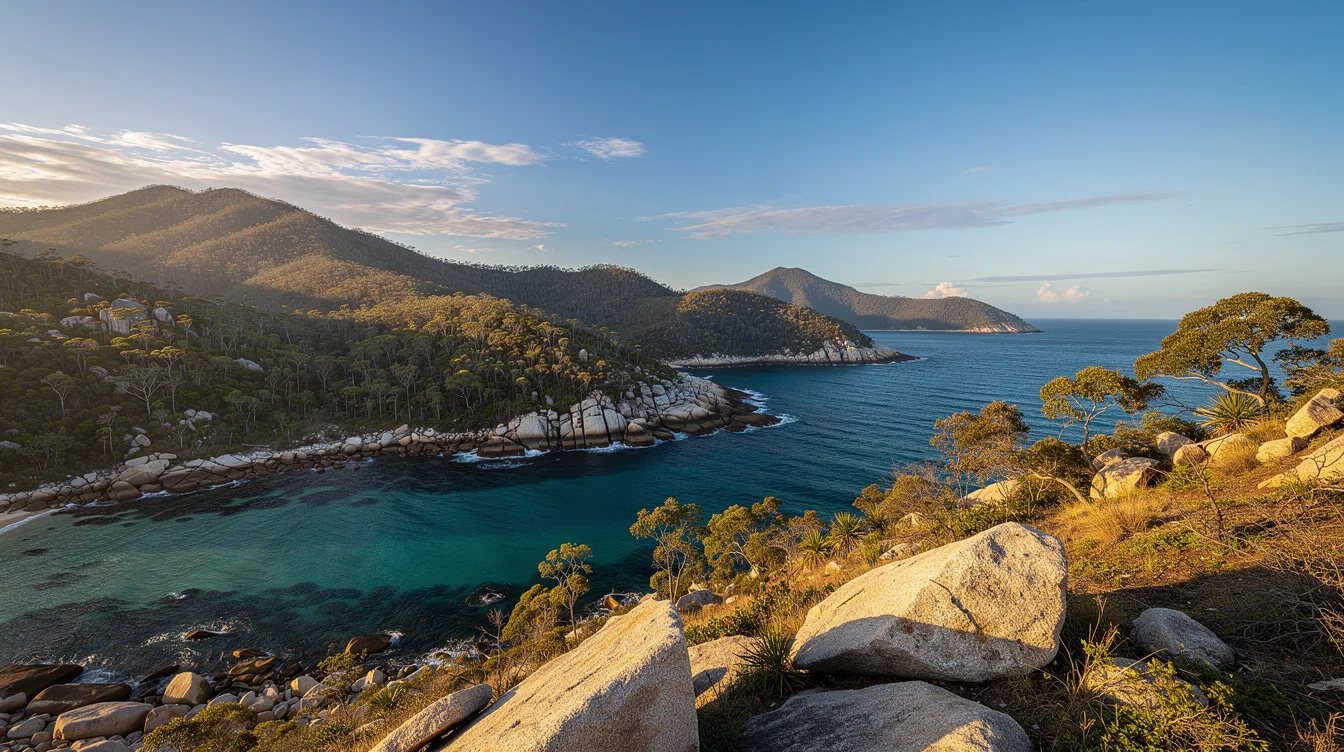
Nelly Bay is the sensible base, especially if you arrive late or expect to use the bus. But Arcadia and Horseshoe Bay feel more like the island people picture: bays edged by rocks, sandy waterlines, and paths leading toward the hills.
Arcadia is a strong choice for a first visit because it puts Geoffrey Bay and walking routes close by. You can spend less time arranging transport and more time outside. It’s calm, but not so isolated that dinner becomes a logistical project.
Horseshoe Bay has the liveliest beach mood, with places to eat and water activities including kayaking, jet-skiing, paddleboarding, and swimming. And it’s the bay to choose when you want a sunset after a day on foot. It can feel busy, though, especially compared with the island’s less developed side.
Picnic Bay offers a more relaxed rhythm, with a jetty and small places to eat. West Point is far more remote and has few services. Go there for separation, not convenience, because its access constraints are part of the deal.
The Forts Walk earns its early start
The island is about 78% national park or conservation area, so the built-up bays end quickly. The Forts Walk crosses dry forest and reaches World War II fortifications that are listed on the Queensland heritage register. It’s the most rewarding first hike here.
But start early, particularly if you visit outside the cooler season. The route offers good chances of seeing wild koalas in eucalyptus trees, and the old military structures give the walk a purpose beyond the view. You should keep your distance from any animal you spot.
Can you snorkel straight from the beach?
Yes. Nelly Bay and Geoffrey Bay have shore-access snorkeling routes with coral, fish, and underwater remains, including the Moltke noted by Queensland tourism. Geoffrey Bay also has rocks where rock-wallabies may appear, but don’t feed them.
The island is part of the Great Barrier Reef World Heritage Area, though it doesn’t require a complicated boat transfer to reach the water. And that contrast is its best feature: you can have a reef-side swim, then return to a bay with groceries and a bed nearby.
May through September makes the easy case
May to September brings cooler, drier conditions that suit walking and beach time. December through February can be hot, humid, and rainy. If you want the Forts Walk and a swim on the same day, the cooler stretch gives you more room to enjoy both.
You’ll need water, a hat, sunscreen, and closed walking shoes. Check local stinger guidance before entering the sea, because Queensland authorities specifically warn about marine stingers. There’s no camping allowed in the national park, so plan accommodation in one of the settled bays.
For two to four nights, Arcadia or Horseshoe Bay makes more sense than a rushed day trip. But even a brief stay changes after the last ferry leaves Nelly Bay, when the harbor quiets and the island’s granite hills hold the fading light.