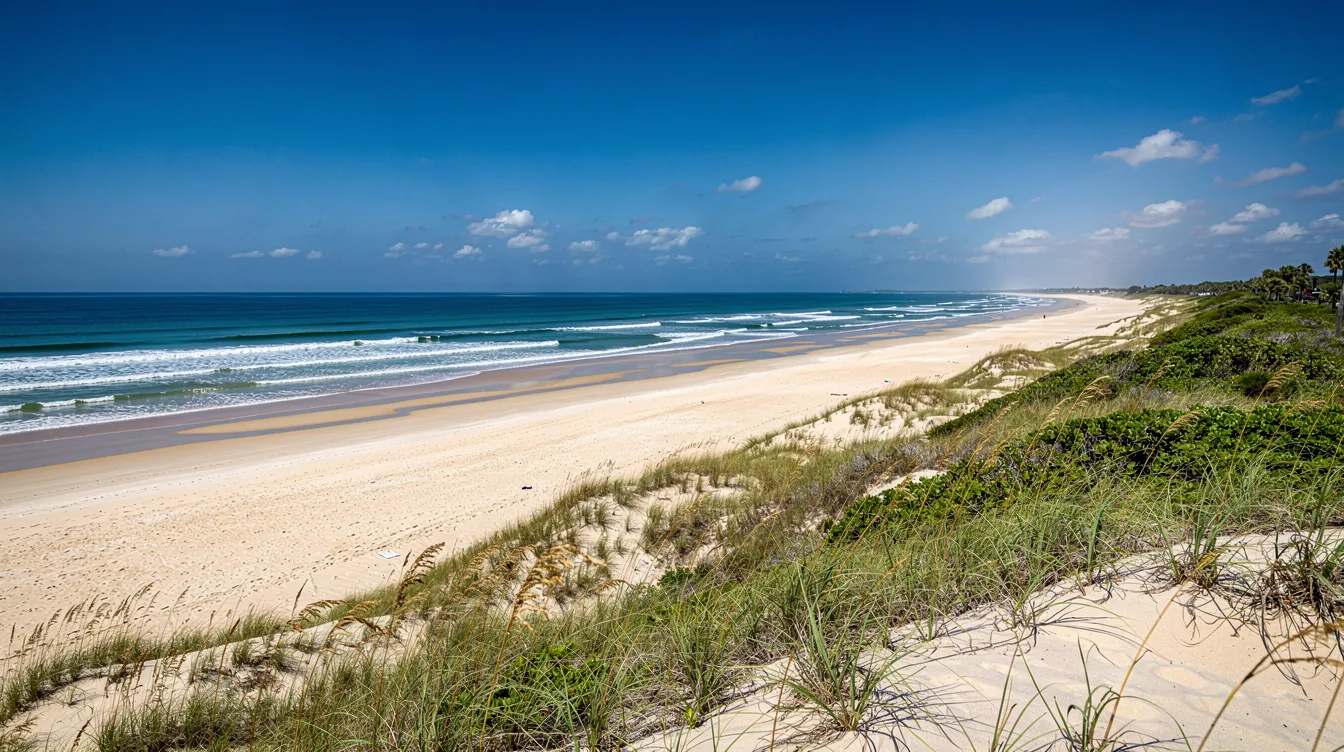
This overlooked Tybee Island is tied to a weapon the U.S. Air Force lost at sea. On February 5, 1958, a Mark 15 bomb was dropped accidentally off the coast, and it has never been found.
But Tybee isn’t a military relic with a beach attached. It’s a lived-in barrier island, about 18 miles east of Savannah, where cottages, marshes, seafood restaurants, and a long-running mystery share the same narrow strip of coast.
The 1958 bomb story is real, but incomplete
And the lost weapon gives this beach town an unusual tension. An Air Force B-47 collided with a fighter during training, and the bomber crew made an emergency landing at nearby Hunter Air Force Base after dropping the bomb.
But the details remain disputed. The Air Force has said the bomb lacked its nuclear capsule, while other accounts have raised different possibilities. A later search focused on the waters near Little Tybee Island, but the weapon was not recovered.
The search matters because it keeps the story tied to a real place. You can stand on Tybee’s shore and know the suspected area lies beyond the sand, even though no sign points dramatically toward it.
Why Savannah makes the better base
And Savannah is close enough to make Tybee an easy change of scene. The drive takes about 20 to 30 minutes by car along US-80, so you can trade historic streets for salt air before lunch.
But summer brings the island’s main trade-off. The beach is at its most useful then, while traffic, parking, and lodging become harder to manage. Stay in Savannah for convenience, or book 2-3 nights on Tybee if you want early beach walks and quieter evenings.
The island is less urban than a major Florida beach town, which is exactly its appeal. You get small streets, motels, cottages, and local restaurants instead of a giant resort strip.
A lighthouse puts the island’s history in plain sight
But Tybee’s oldest landmark is easier to understand than its missing bomb. The Tybee Island Light Station began in 1736, and the historic site sits near North Beach, where you can look toward the Savannah River’s mouth.
And the lighthouse isn’t a decorative backdrop. It reflects Tybee’s strategic position on the Atlantic coast, while Fort Pulaski preserves another chapter of coastal defense on nearby Cockspur Island.
Visit Fort Pulaski on the road between Savannah and Tybee if military history holds your attention. The fort dates to the 19th century, and its masonry walls make the island’s military past feel physical rather than abstract.
North Beach is quieter, while South Beach does the work
And South Beach is where the island feels most social, with the pier, pavilion, shops, and restaurants close together. You can spend the morning in the water, then walk toward food without turning the day into a major expedition.
But North Beach has the better mood if you prefer room to think. It faces the lighthouse and the river entrance, so boats and changing tides become part of the view. The contrast is simple: South Beach is convenient, North Beach is calmer.
Beyond the main shore, Back River Beach has an estuary feel rather than an open-ocean one. Little Tybee Island is uninhabited and reachable only by boat or excursion, making kayaking and birdwatching the more natural ways to see it.
Can you swim there in summer?
Yes, but check the sea conditions first. Tybee’s public beaches are practical for a beach day, while tides, currents, and local alerts can change what feels sensible once you arrive.
And summer is the busiest season, even though it gives you the best chance for a full day by the water. The public beaches cover more than 3 miles of the island’s main shoreline, but crowds can make that space feel smaller on weekends.
For a slower visit, arrive early and keep the afternoon flexible. You can walk the beach, climb through the lighthouse site, or take the boat out toward the marshes before the heat settles over the sand.
Tybee Island works because the mystery never overwhelms the place. By evening, the pier lights come on, the marsh darkens beyond the road, and the missing bomb remains somewhere beyond the quiet water.