Joseph, Oregon, did not always carry the name on today’s signs. The town was first called Silver Lake, then Lake City, before it adopted its current name in 1880 to honor Chief Joseph of the Nimíipuu people.
That change gives this small northeastern Oregon town a story before you even reach Main Street. It was officially incorporated in 1887, and the history matters because Joseph feels less like a resort label than a place with a deliberate identity.
But don’t come expecting an urban Oregon weekend. Joseph is in Wallowa County, about 5 hours 30 minutes from Portland by car, so the distance filters out casual day-trippers and keeps the pace pleasantly unhurried.
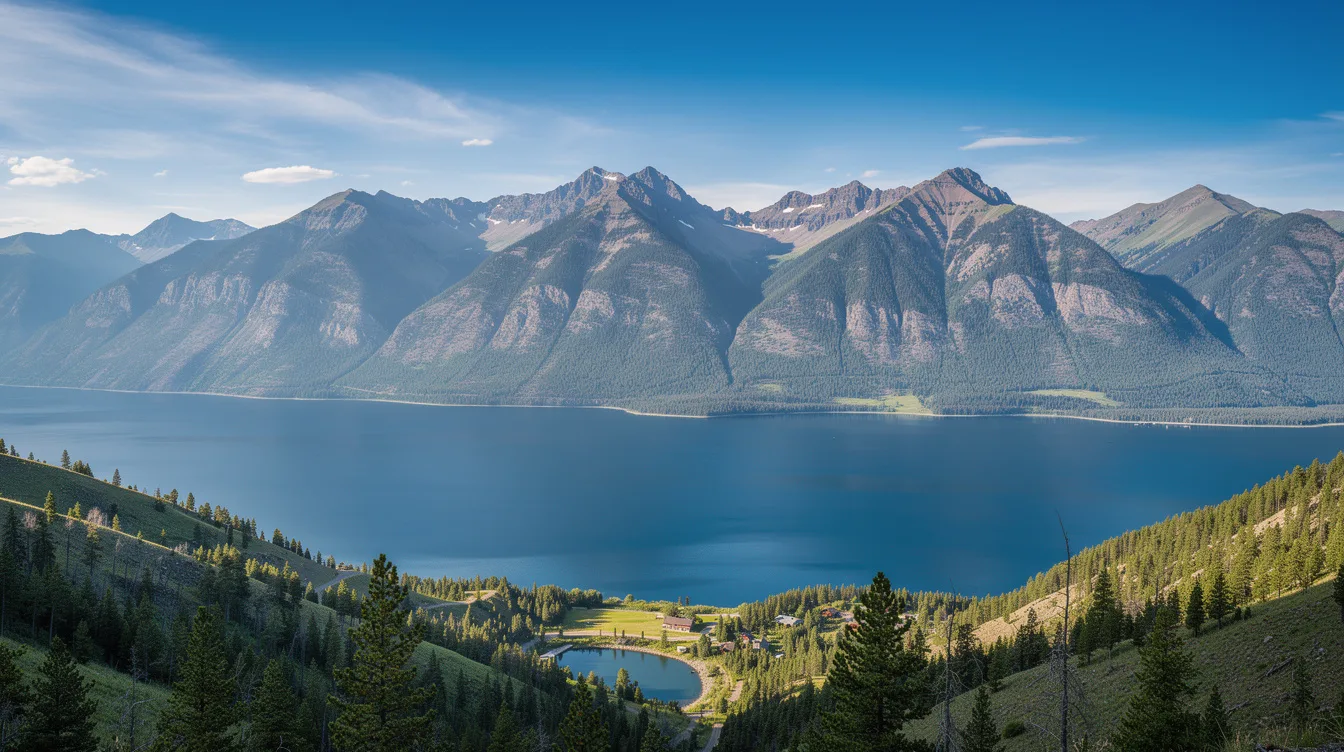
You arrive for the name, then stay because the Wallowa Mountains rise right beside town. At 1,919 feet, Joseph has cool mountain air and cold winters, which makes summer and early fall the practical windows for the lake and trails.
And that old Lake City name still makes sense once you see the setting. Wallowa Lake sits south of town, with mountain slopes drawing your eye past the last buildings and away from whatever was waiting in your inbox.
A town renamed in 1880, still shaped by the mountains
The essential fact is simple: Silver Lake became Lake City, then became Joseph. Chief Joseph is not a decorative reference here. The town’s current name connects it to the Nimíipuu leader, so visitors should treat that history as more than a caption.
Joseph has only 1,154 residents, based on the 2020 census. That small scale explains its appeal. You can walk Main Street without competing with traffic, but you also shouldn’t expect the endless choices of a larger Oregon town.
But the main street isn’t sleepy in the dull sense. Bronze sculptures stand among shops, cafes, restaurants, and galleries, while the town’s bronze-foundry tradition has been part of its character since the 1980s.
You’ll notice the Western-style facades, though Joseph works best when you don’t reduce it to a movie-set version of the West. The art gives the street texture, and the mountains keep the view from feeling overly polished.
And this is the kind of place where an afternoon can disappear between a gallery door and a cafe table. It’s artsy, but not slick. That distinction is why Joseph feels more convincing than towns built around a single souvenir strip.
Wallowa Lake is the easy reason to linger
Wallowa Lake is the immediate outdoor draw, and it earns the attention. You can swim, kayak, paddleboard, fish, or take a boat out, so the lake works for travelers who want activity without committing to a long backcountry day.
But it isn’t a beach-town setup. The water is framed by mountains, and the mood is more alpine than resort-like. Bring the gear you’ll actually use, then leave room for the simple pleasure of sitting near the shore.
The lake also gives you a useful choice. You can keep the day gentle on the water, or use Joseph as a base for the nearby Eagle Cap Wilderness, where trails lead toward high-country lakes and mountain terrain.
And the wilderness option comes with a real trade-off. Hiking is a stronger commitment than browsing downtown, so it suits travelers who want long days outdoors and are prepared to plan around changing mountain conditions.
For a quicker high-elevation perspective, the Wallowa Lake Tramway goes toward Mount Howard. Its views take in the lake, the glacial valley, and the Wallowas, which is a satisfying payoff if you want the scenery without a full trek.
Joseph rewards a slow, road-trip approach
Most visitors arrive by US or Oregon Highway 82 from La Grande, roughly 72 miles away. You can also reach the region from Boise in about four hours, although Joseph remains remote enough that driving is part of the experience.
But don’t count on commercial flights solving the logistics. The local airport handles small aircraft and has no regular commercial service, so a car is the sensible plan and gives you freedom to explore the surrounding roads.
The Hells Canyon Scenic Byway passes through this part of eastern Oregon. That makes Joseph a strong stop on a broader drive, especially if you prefer open roads and mountain towns to a tightly scheduled city itinerary.
You should book lodging early for summer. Accommodations are limited, and demand can push availability down and prices up during the busiest period. That inconvenience is real, but it’s also part of why the town hasn’t been smoothed into sameness.
And give Joseph two to four days if you can. One day catches Main Street and the lake, while extra time lets the mountains set the rhythm. By evening, the bronze along the street darkens in the fading light, and Wallowa Lake keeps pulling your attention south.