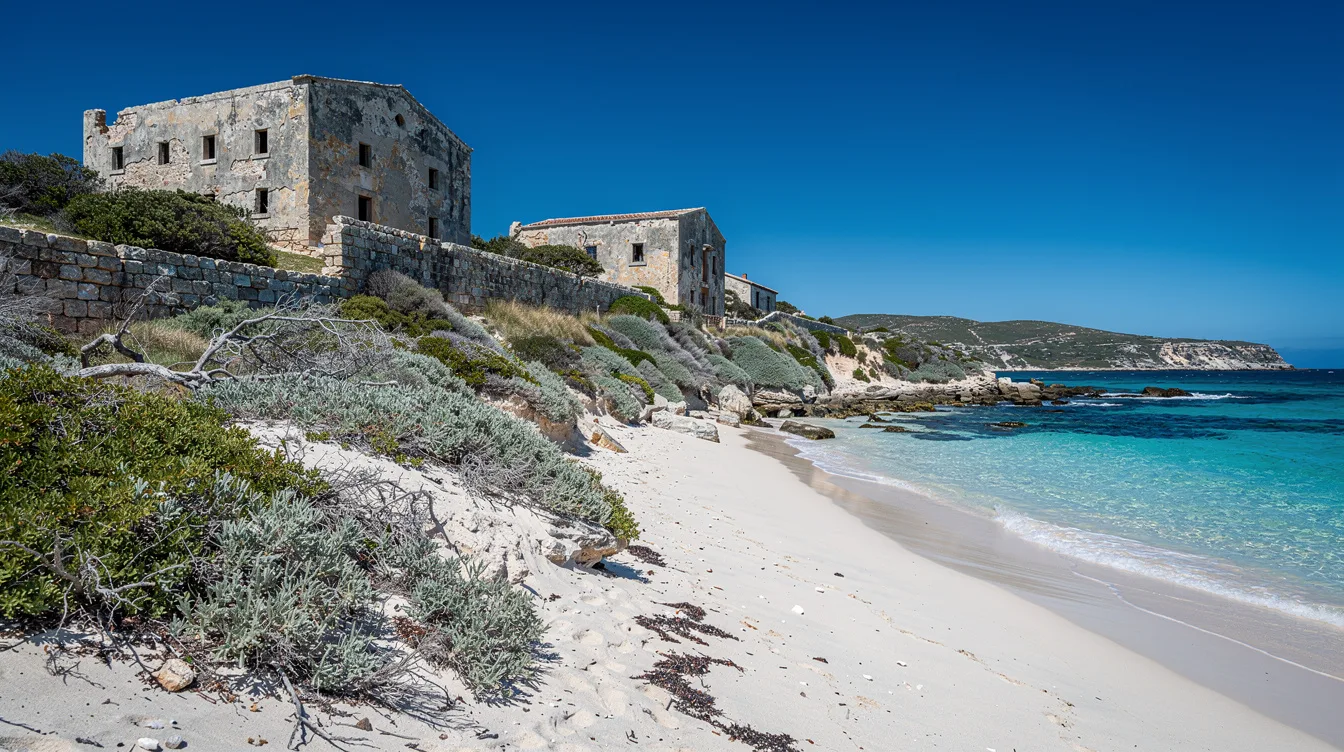
Rottnest Island held more than 3,600 Aboriginal people in forced labor from 1838 to 1931. Today, ferries bring visitors to turquoise bays and quokka-filled paths, but the island’s holiday mood can’t be separated from what happened here.
Wadjemup’s beaches sit beside a painful history
The island is also known by its Noongar name, Wadjemup, and sits about 11.8 miles off Perth. A ferry from Fremantle takes roughly 30 minutes, so the trip feels easy even when the history is not.
But Rottnest is car-free for visitors, which makes the first hours feel relaxed. You walk, cycle, hire an e-bike, or take a shuttle while salt air moves across the low island.
The Quod is a former prison building, and that history matters when you visit the nearby settlement.
And the Wadjemup Museum gives the island’s recreational appeal necessary context. Go before the beach, not after it, because the swimming stops feel different once you understand the ground beneath them.
How do you reach Rottnest Island?
You can take a ferry from Fremantle, Perth’s Barrack Street Jetty, or Hillarys Boat Harbour. The Fremantle crossing is the practical choice for a first visit because it takes about 30 minutes.
But transport can fill during Australian school holidays, weekends, and summer. Book your ferry and bicycle early, then leave enough time for check-in before the return trip.
The island stretches from end to end. If you want to cover the western side, an e-bike is my choice, since a standard bicycle can turn a beach day into a hard workout.
And you don’t need to force a full-island ride into one day. A bus works better if your priorities are swimming, viewpoints, and a slower look at Thomson Bay.
Where should you swim, cycle, and see quokkas?
Rottnest has 63 beaches and many sheltered bays. Start at The Basin or Little Salmon Bay, where clear water and reef areas make snorkeling an easy part of the day.
But don’t touch or feed the quokkas. Let one approach if it chooses, keep your distance, and remember that the small marsupials belong here more than your camera does.
Little Salmon Bay has an underwater snorkel trail. Swim first, then sit with the water brightening toward the horizon.
And if you want to walk, the Wadjemup Bidi network includes more than 28 miles of linked trails and boardwalks. Some sections cross exposed ground, so carry water and sun protection.
Can you see wildlife beyond quokkas?
Yes. Dolphins, seals, seabirds, and seasonal whales can appear around the island, while Cathedral Rocks is a known shore-viewing area for long-nosed fur seals.
But wildlife sightings aren’t guaranteed. September to November can overlap with humpback migration, though wind and conditions still decide what you actually see from shore.
When should you visit Rottnest Island?
December to March brings the best beach weather, but it’s also the busiest period. Services concentrate around the settlement, so quiet bays can feel far away once the day-trippers arrive.
And March through May or September through November offers a calmer balance. You can cycle without making heat the main event, then find the island’s trails quieter in the afternoon.
A relaxed two-night stay beats a rushed day trip if you want beaches, snorkeling, heritage sites, and sunset. For a single day, take the early Fremantle ferry, pre-book an e-bike, and choose two main stops.
But don’t leave the history until the end. When the last ferry pulls away, the water turns silver around Wadjemup, and the island’s silence carries more than a holiday postcard.