
The easiest bedtime habits for exhausted moms are a repeatable room reset, dim light, and the same short sequence every night. Many parents find that bedtime gets far too complicated. A toddler usually doesn’t need another gadget or elaborate chart. Fewer decisions, softer cues, and a room that does some of the work can help build a calmer routine.
- Anchor a Bedtime Landing Strip for Better Sleep Habits
- Dim the Three-Light Stack for Peaceful Sleep
- Swap Screens for the Two-Book Rule
- Why Does a Toddler Need the Same Last Step?
- Build a Bath-to-Bed Bridge for Sleep Tips for Moms
- Layer Sound with the Soft-Noise Rule
- Choose Cotton Over Fussy Bedding for a Calmer Sleep Space
- Paint a Calm Envelope with One Quiet Wall Color
- Place the Bed Against a Clear Sightline
- Frame the Doorway Instead of Adding More Toys
- Pack a Morning Basket Before the Day Ends
- Use the One-Question Check-In
- Time Snacks Before the Hallway
- Hang Blackout Curtains with a Clean Edge
- Practice the Boring Return Instead of Starting Over
- Track Sleep Without Turning It into Homework
- Let the Room Carry the Routine
- Make Room for Your Own Wind-Down
- Carry the Plan Through Travel and Change
1Anchor a Bedtime Landing Strip for Better Sleep Habits
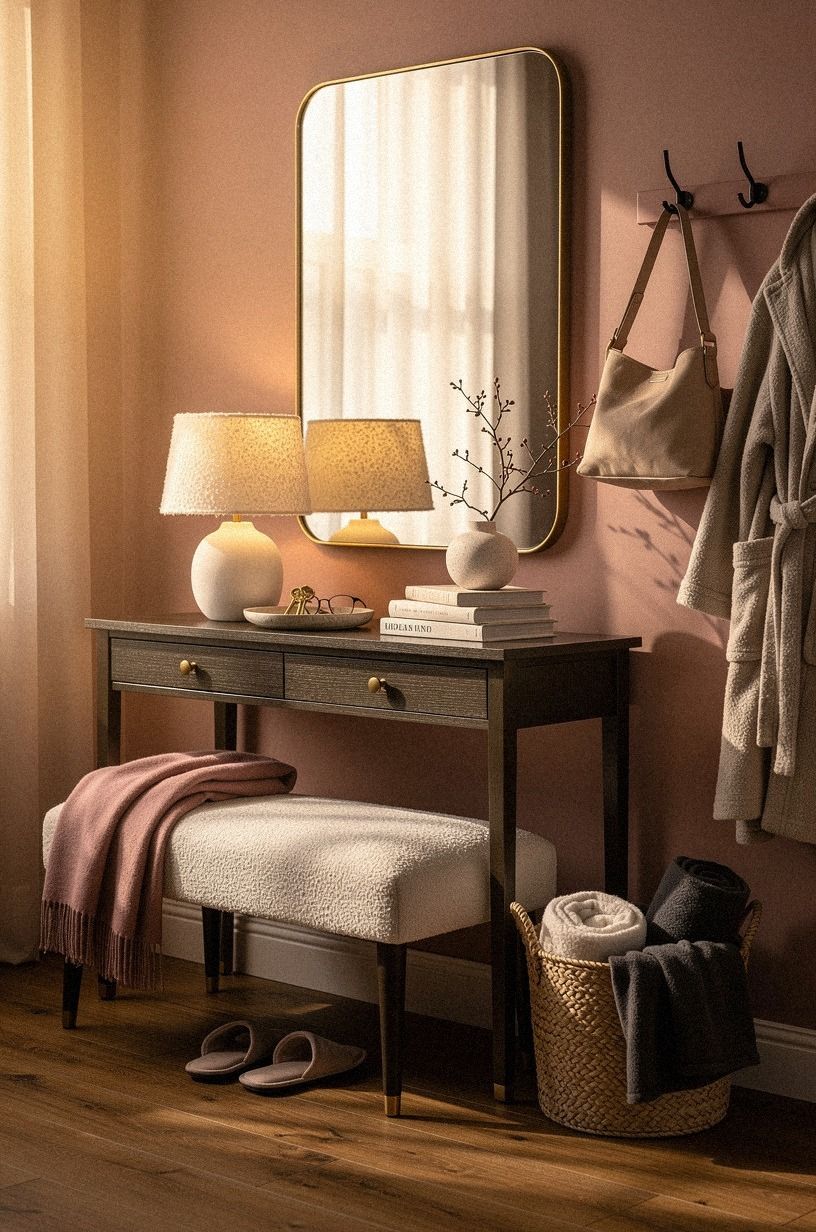
Start with one small surface near the bedroom door. A low charcoal shelf with a brass tray or a narrow basket can hold pajamas, a water cup, and the bedtime book.
You won’t need to hunt through laundry piles while your toddler is already tired. This setup works well because the visual cue starts before anyone reaches the bed.
Keep the landing strip sparse. One folded set of pajamas, one book, and one comfort item are enough.
If you’re styling a small room, leave the top open and put an organic bouclé basket underneath. The room feels calmer when your eyes don’t land on ten unfinished tasks.
And choose a location your toddler can reach without climbing. A shelf 36 to 48 inches high works for open storage at child height, but the lower end is easier for a small child.
2Dim the Three-Light Stack for Peaceful Sleep
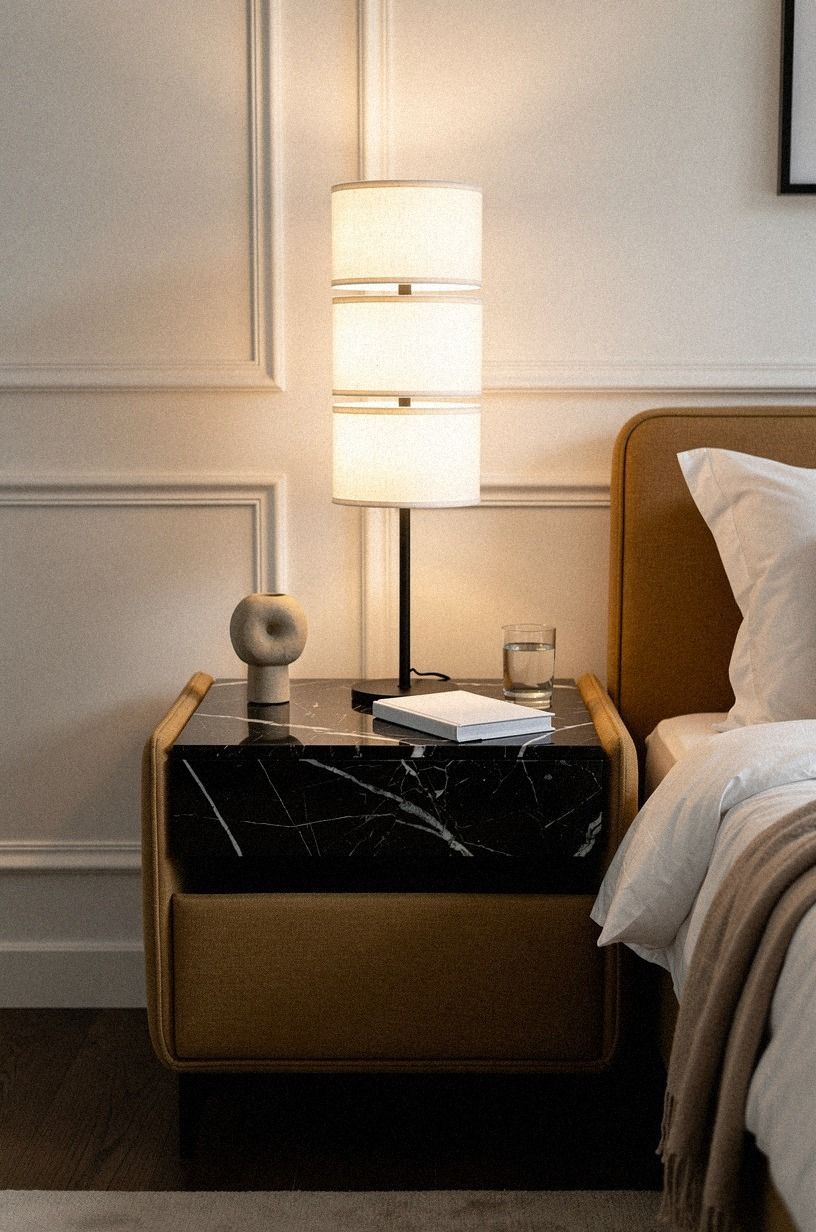
Overhead lighting makes a toddler room feel like a playroom when you need it to feel gentle. Try a warm-white LED table lamp with a Nero Marquina black-marble base first, then a small night-light near the floor, with the main ceiling light switched off before the last story. The room often feels quieter when the light changes.
The best light stack has three levels: a dim lamp for dressing, a soft night-light for reassurance, and darkness for sleep. Don’t use three bright fixtures at once. That turns a calming routine into a little stage show, and your toddler may keep performing.
A lamp with a warm-white shade throws a soft pool across the rug instead of sharp glare across the walls.
3Swap Screens for the Two-Book Rule
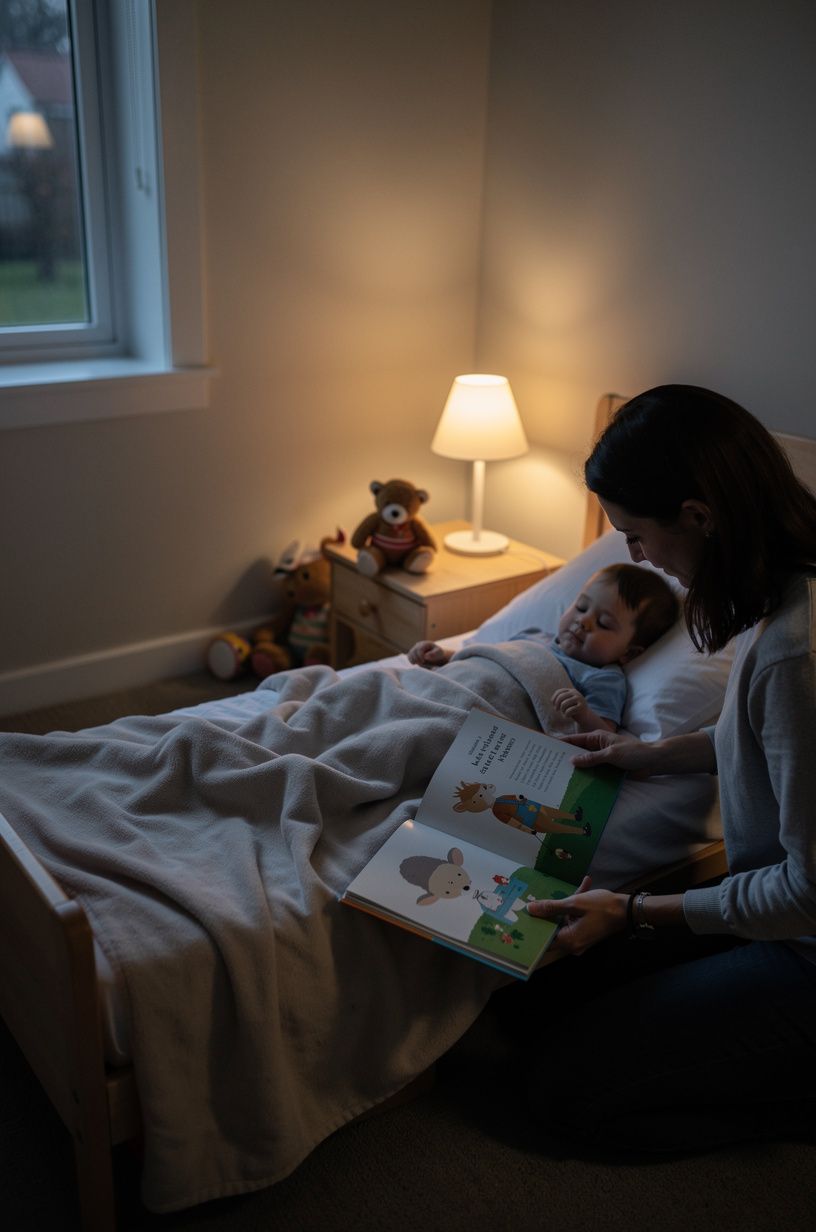
The two-book rule is simple: your toddler chooses between two books, and the choice ends when the second one ends.
4Why Does a Toddler Need the Same Last Step?
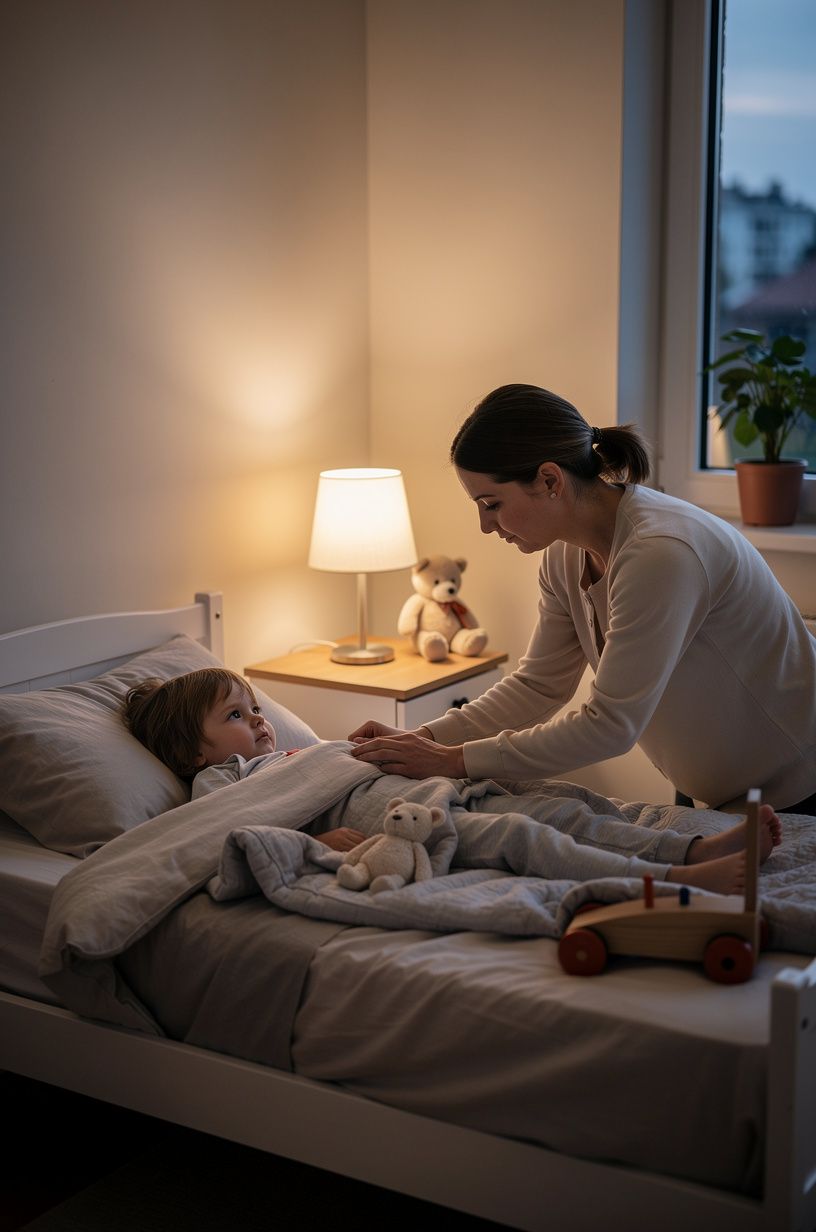
The final step should stay almost boring. A simple version is a hug, the same short sentence, and the same blanket tucked under the mattress edge. Over time, your toddler can learn that this sequence means the day is finished, even when the exact bedtime shifts.
Think of it as a last-step anchor: it tends to work better than a long speech. You don’t need to explain sleep again every night. Say the sentence calmly, keep your voice low, and avoid adding new requests after it.
What if your child asks for water, another song, or a different stuffed animal? Offer one practical response, then return to the anchor. And don’t make the final step too elaborate.
A small warm-cream cotton muslin blanket and a steady phrase can feel more reassuring than a whole parade of props.
5Build a Bath-to-Bed Bridge for Sleep Tips for Moms

A bath can help, but the transition after it matters more than the bath itself. Keep a 600gsm Turkish cotton towel and pajamas within reach so your toddler doesn’t run naked through a bright hallway. You’ll save time, laughter, and at least one dramatic escape.
Use the same order each night: dry, dress, brush, book, bed. You can change the bath toys or pajamas, but keep the sequence familiar. Soft cotton sleepwear without scratchy tags is worth choosing, because a child who is physically uncomfortable may not settle just because the room looks peaceful.
But don’t treat the bath as a magic requirement. Some toddlers get energized by water.
If yours does, move the bath earlier and use a quiet clothing change afterward.
6Layer Sound with the Soft-Noise Rule
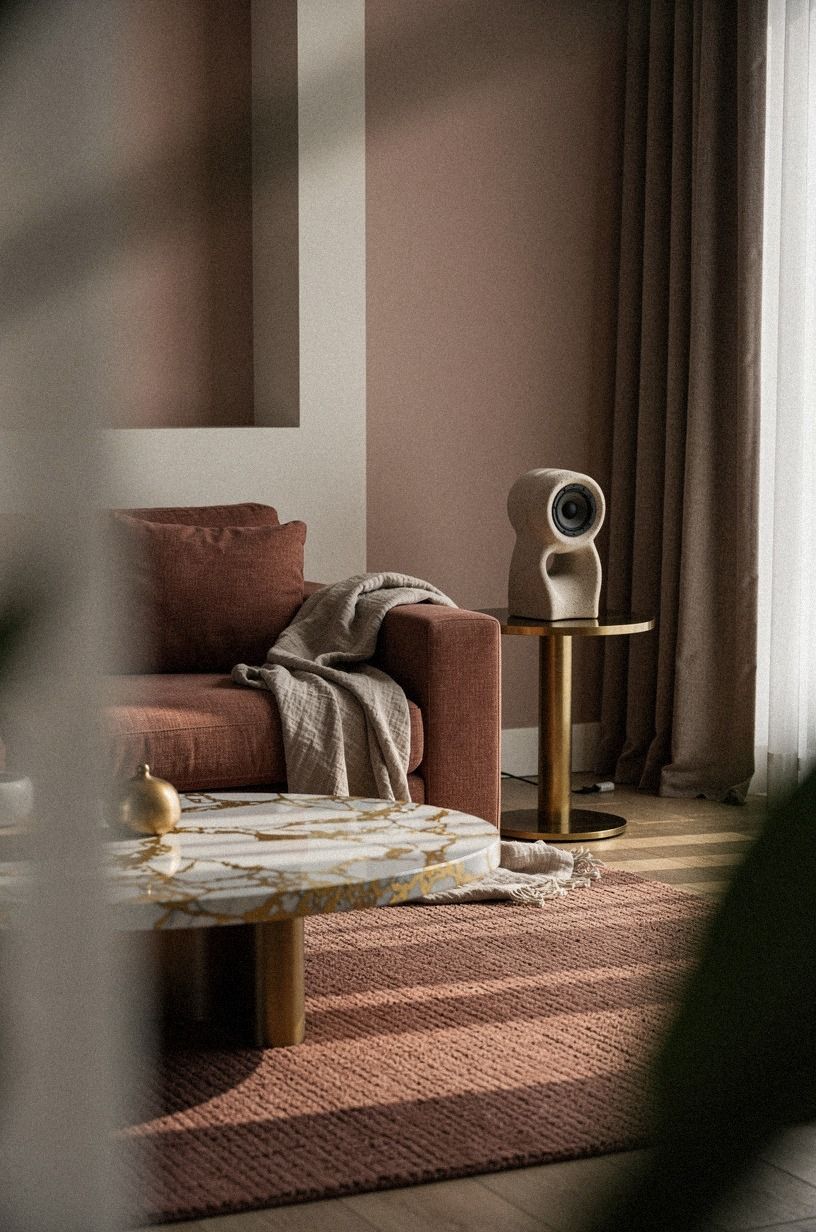
A toddler room doesn’t need complete silence. Sudden sounds are often harder than a steady, low background sound.
Consider a small white-noise machine placed across the room from the bed, never beside the pillow. It softens hallway footsteps and the clatter of a parent cleaning the kitchen.
Keep the sound gentle enough that you can speak over it without raising your voice. Your goal is consistency, not volume.
Don’t keep changing ocean sounds, rain sounds, and lullabies every night. Familiarity helps your toddler understand that the room has shifted into sleep mode.
Try the rule for a week before deciding it isn’t working. And if your child sleeps in a shared room, a steady sound can give both children a little privacy.
7Choose Cotton Over Fussy Bedding for a Calmer Sleep Space
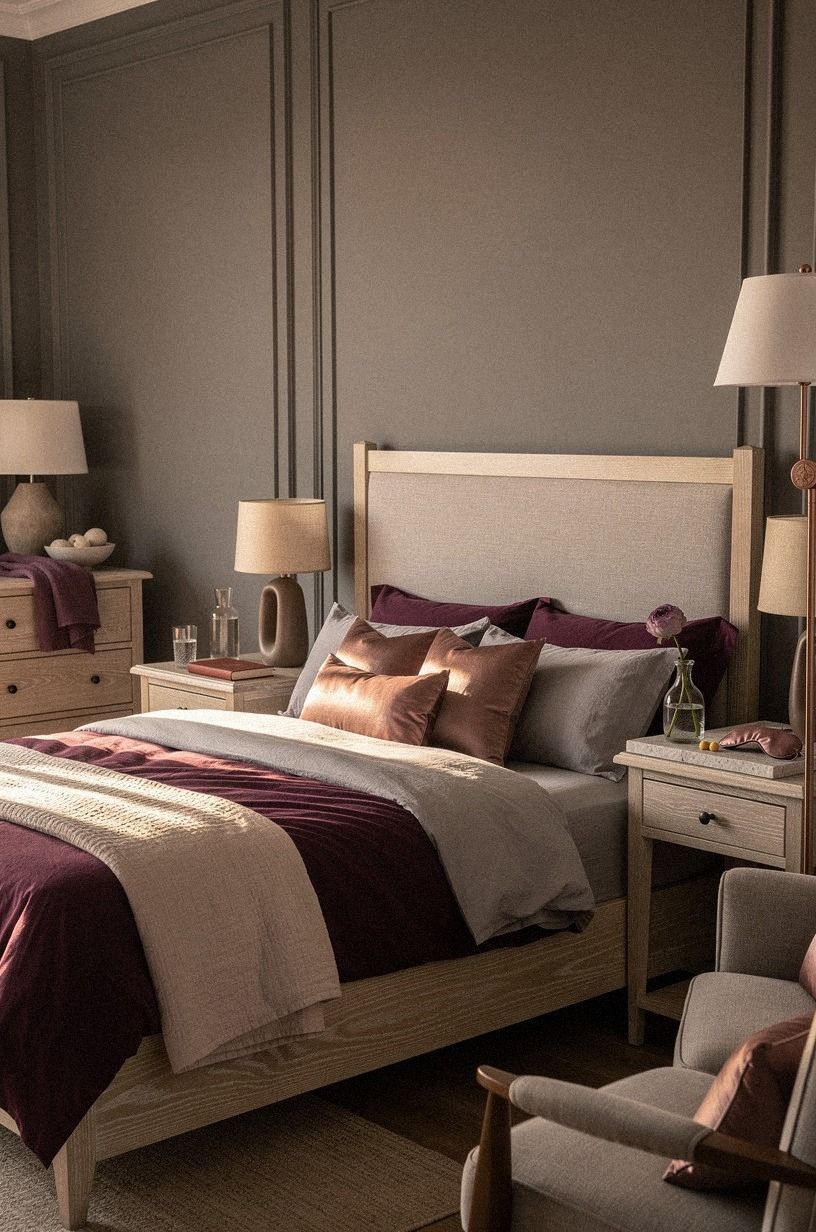
Soft bedding doesn’t need to mean fluffy bedding. A cerused white-oak bed frame with a plum or gray cotton duvet cover can feel comfortable without trapping too much heat. If your toddler kicks blankets away, use fitted layers and keep the bed visually simple.
Skip heavy decorative pillows in a toddler bed. They look charming in catalogs, but they become floor clutter, midnight obstacles, and one more thing for you to retrieve. Choose one washable comfort item instead, with a cover you can remove quickly.
The standard twin mattress is 38 by 75 inches, so measure before buying a rug, bed rail, or storage piece. You don’t want a beautiful arrangement that leaves no walking path. A washable cotton quilt with a muted rose-gold detail gives the bed texture while keeping the surface practical.
Why We Recommend This Product
Every other idea on this list is a habit to keep up. These five reasons explain why this product does not add another one.
- 1
One setup, not another habit.The connection cord and plug are included, so you set it up once and your bedtime list stays the same length.
- 2
It is for your bed, not the toddler's.The other ideas build your child's routine. This one is the part of the room that belongs to you.
- 3
No new bedding, no extra laundry.It fits beneath your existing fitted sheet, so the pile on the chair does not grow.
- 4
Built to last.Woven 316L stainless-steel fibers, with no silver to tarnish: a purchase you make once.
- 5
120-night trial, as stated on the product page.Read the terms there before you order, then judge it on your own bed.

What the research says: many tired moms add a grounding sheet to their wind-down routine to feel calmer at night. A small 2004 study (Ghaly & Teplitz, Journal of Alternative and Complementary Medicine) reported better sleep and lower night-time cortisol in grounded sleepers, and early research reviewed by Oschman et al., Journal of Inflammation Research (2015) suggests grounding may influence inflammation markers, though larger studies are still needed.1,2
Save 10% with code mattressnut
Through Nov 30: buy one sheet, get one free (per the brand)
Who It's For, and Who Should Skip It
- ✓You want a one-time upgrade to your own bed, not another nightly task.
- ✓You would rather keep the bedding you already own.
- ✓You are comfortable following the manufacturer's setup steps for the outlet connection.
- ✕You have no grounded outlet near the bed, or you are unsure about yours (ask an electrician).
- ✕You want a medical treatment. It is not one.
- ✕You would rather start with the no-cost ideas above and add a product later.
Ready to try it on your own bed? Check the sizes and the cord length against your bed and outlet, then judge it over the 120-night trial stated on the product page.
Save 10% with code mattressnut
Through Nov 30: buy one sheet, get one free (per the brand)
8Paint a Calm Envelope with One Quiet Wall Color
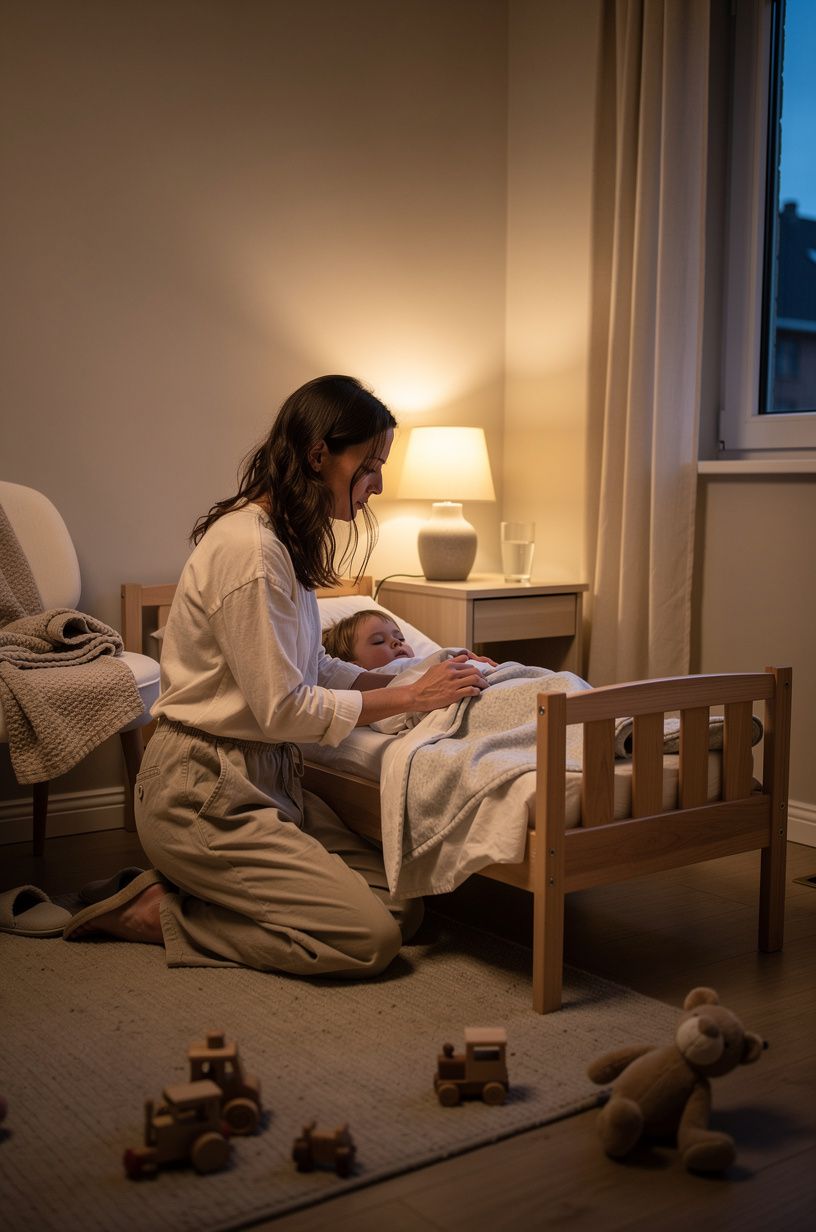
Wall color can support bedtime because it changes how much visual noise the room carries.
For this room, a deep navy wall with warm-white trim, walnut furniture, and one backlit translucent onyx accent is one option. The darker envelope can feel restful when the lights are low, while the white and walnut keep it from becoming heavy.
9Place the Bed Against a Clear Sightline

A toddler should be able to see the door without sleeping directly in its path. Place the book-matched walnut twin bed frame against the longest uninterrupted wall, then keep the route from door to bed clear. Your child gets reassurance from the sightline, while you won’t trip over a basket during a night check.
Avoid pushing the bed into a corner crowded with shelves. That arrangement may save floor space, but it makes the sleep zone feel boxed in. Aim for one open side, a low rug, and storage that stays below the window line.
If the room has bunk beds, leave 33 inches of clearance from the top bunk to the ceiling. That measurement matters for comfort and safety.
You’ll also want to keep hanging decor away from the ladder. A calm room still needs practical boundaries.
10Frame the Doorway Instead of Adding More Toys
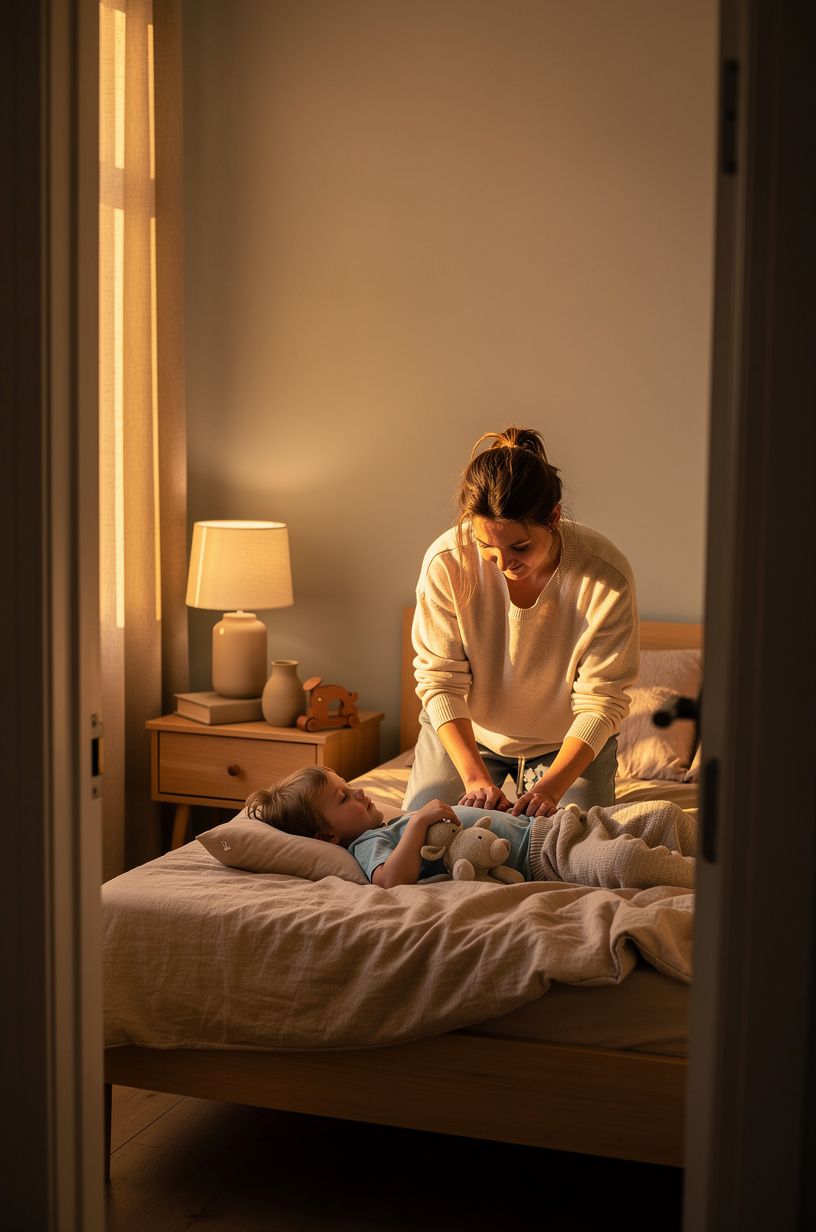
The doorway can become a transition point. Hang a forest-green washable cotton curtain across the opening or place a narrow natural-oak mat outside the bedroom.
The goal isn’t decoration for its own sake. It gives your toddler a visible threshold between active time and quiet time.
Use one repeated phrase when you cross it. “Bedroom voice now” is short enough to remember and gentle enough to repeat. Don’t turn it into a warning.
Your child is learning a cue, not being tested.
A tension rod works in a rental, and you can remove it without leaving a mark.
11Pack a Morning Basket Before the Day Ends
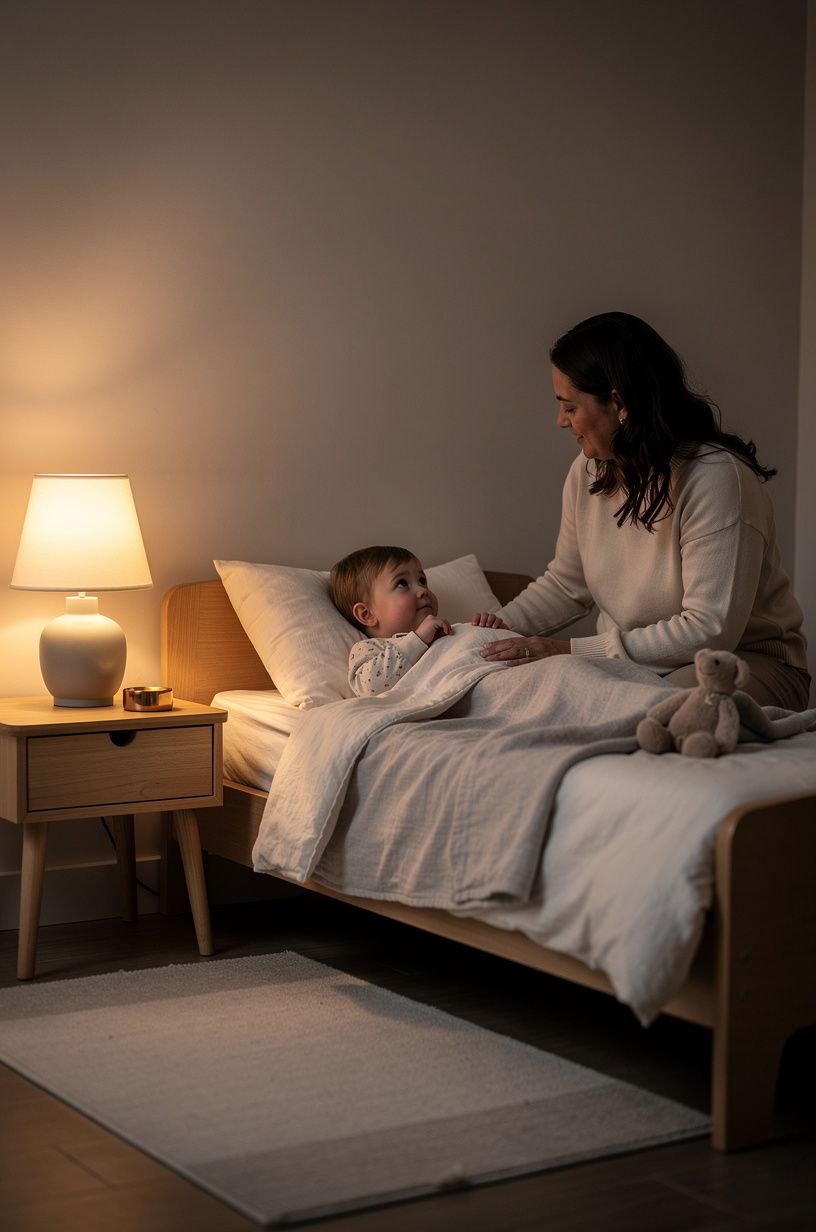
A morning basket can prevent early waking from turning into instant chaos.
Premium Grounding Sheets: what you get
Specifications as stated by the manufacturer.
| Material | Woven 316L stainless-steel fibers |
|---|---|
| Fit | Beneath your existing fitted sheet |
| In the box | Connection cord and plug |
| Trial | 120 nights, as stated on the product page |
Save 10% with code mattressnut
Through Nov 30: buy one sheet, get one free (per the brand)
12Use the One-Question Check-In
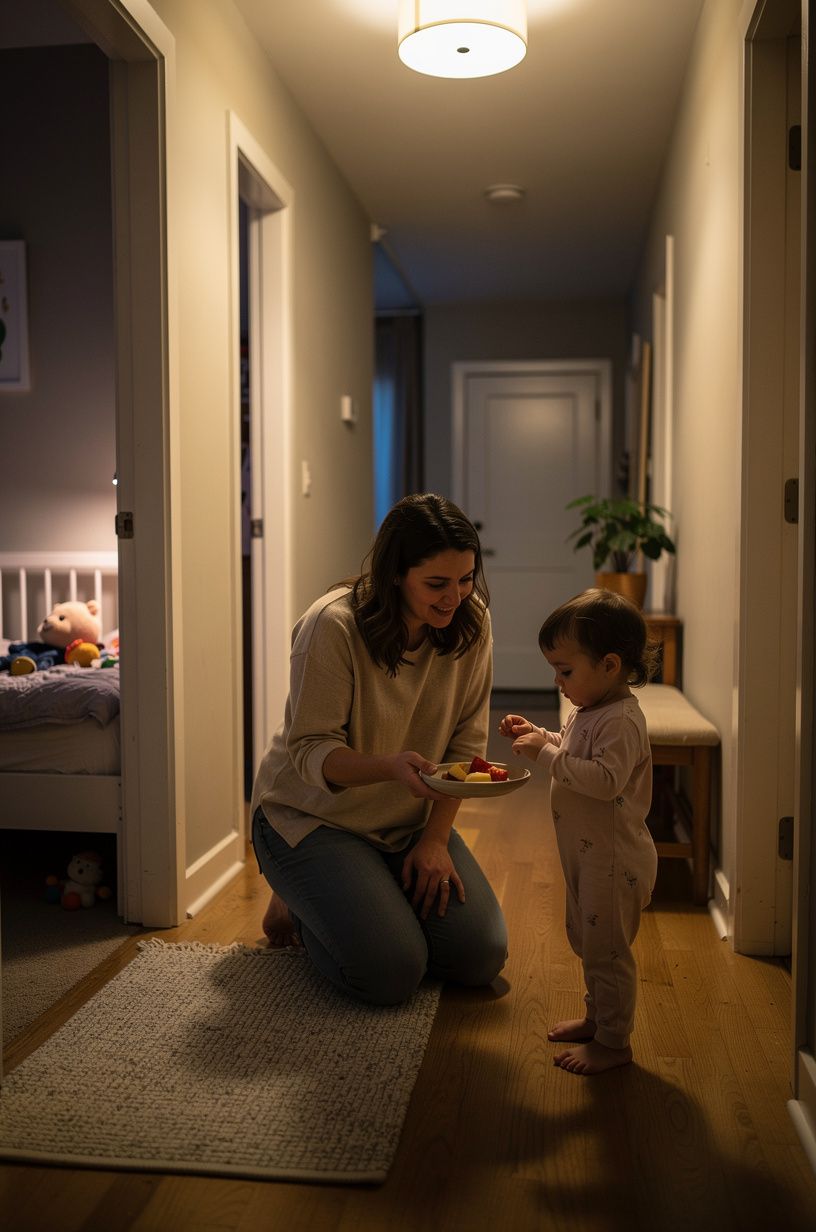
Some toddlers keep calling because they need reassurance, while others have discovered that calling brings a new conversation. The one-question check-in gives you a middle path. Ask, “Are you comfortable?” Then adjust one thing if needed and leave.
A warm-white felt wall pocket with black trim works well for the comfort check items: water, tissues, and the approved stuffed animal. Your toddler can see that the needs have a place, which reduces repeated requests. You may sound calmer when you aren’t improvising at the bedside.
But don’t ask a question that opens five new topics. “What do you need?” can become a full meeting. Choose one practical check, answer it, and return to the same closing phrase.
13Time Snacks Before the Hallway
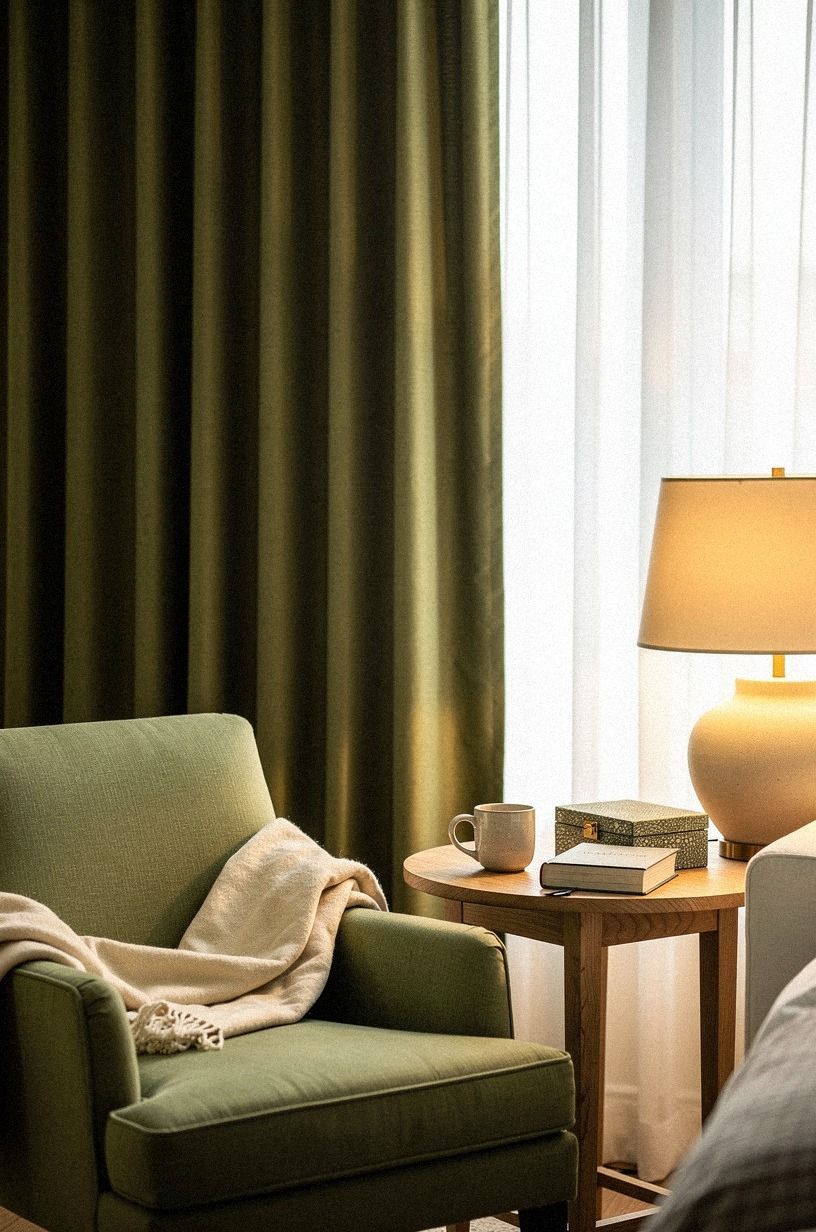
Hunger can create a real bedtime problem, but snacks belong before the final bedroom steps. Offer a predictable, filling option in the kitchen, then brush teeth and begin the quiet sequence. You won’t spend the night reopening the pantry for one more cracker.
Keep the snack simple and serve it on a small ivory silicone divided plate. A familiar food is often better than an exciting new choice at night. Follow your family’s pediatric guidance for food and allergies, especially if your toddler has a medical concern.
Use the same language each evening: snack, brush, books, bed. And don’t bring food into the bed unless your pediatrician has recommended a specific plan. Crumbs, sticky fingers, and a dark room rarely improve sleep.
14Hang Blackout Curtains with a Clean Edge
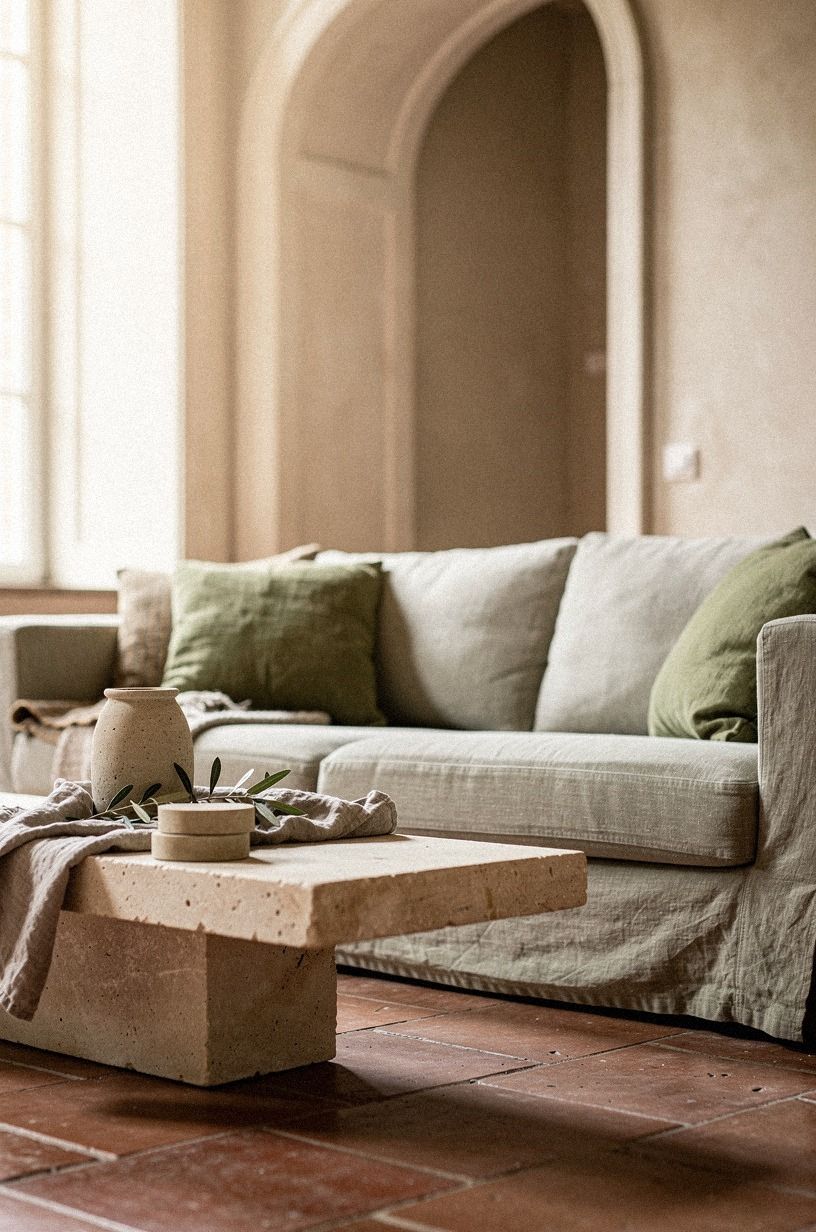
Light leaking around the window can wake a toddler early, especially during bright seasons. Choose sage-green blackout curtains with a thermal lining and mount the rod wide enough to cover the frame. You’ll get better coverage than you would from a narrow panel that leaves bright strips at both sides.
A full-length curtain can soften the room, but keep the fabric safely away from the bed and any climbing point. In a small room, a ceiling-mounted track can make the window wall feel taller without taking floor space.
Choose a quiet warm cream over a busy print. The curtain should disappear when the room is dark. If you’re renting, a removable blackout shade plus a tension rod curtain gives you flexibility without drilling.
15Practice the Boring Return Instead of Starting Over
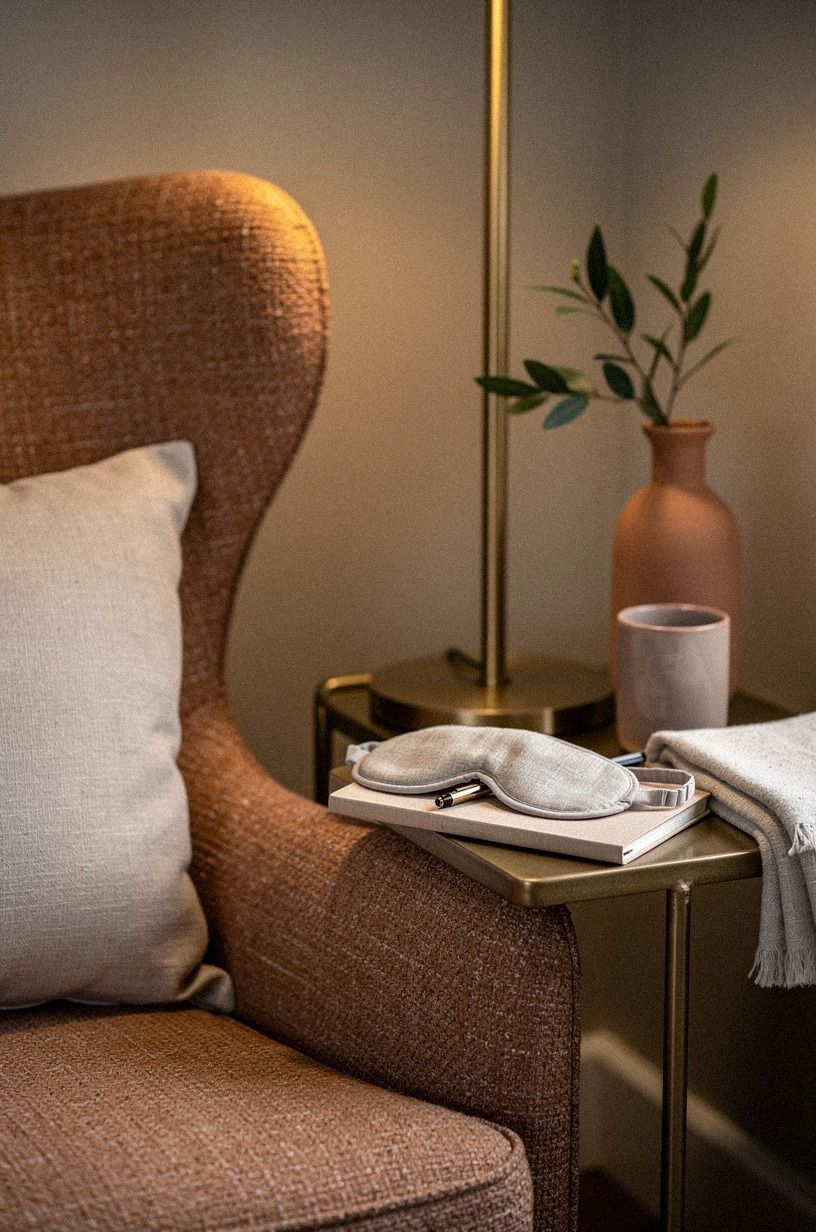
When your toddler leaves the room, return them with as little theater as possible. Use the same calm movement, the same short sentence, and no new bargain. The solid wood door sign can be a visual reminder, but your response matters more than the sign.
You may need to repeat the return several times. That doesn’t mean the routine has failed. It means your child is testing whether the new boundary stays in place.
Long explanations can give the behavior more energy, while quiet repetition tends to drain it.
But stay warm. Boring doesn’t mean cold.
A hand on the shoulder, a soft voice, and a clear path back to bed can feel reassuring. If your child seems persistently distressed, unusually tired, or physically uncomfortable, discuss the pattern with a pediatric professional.
16Track Sleep Without Turning It into Homework
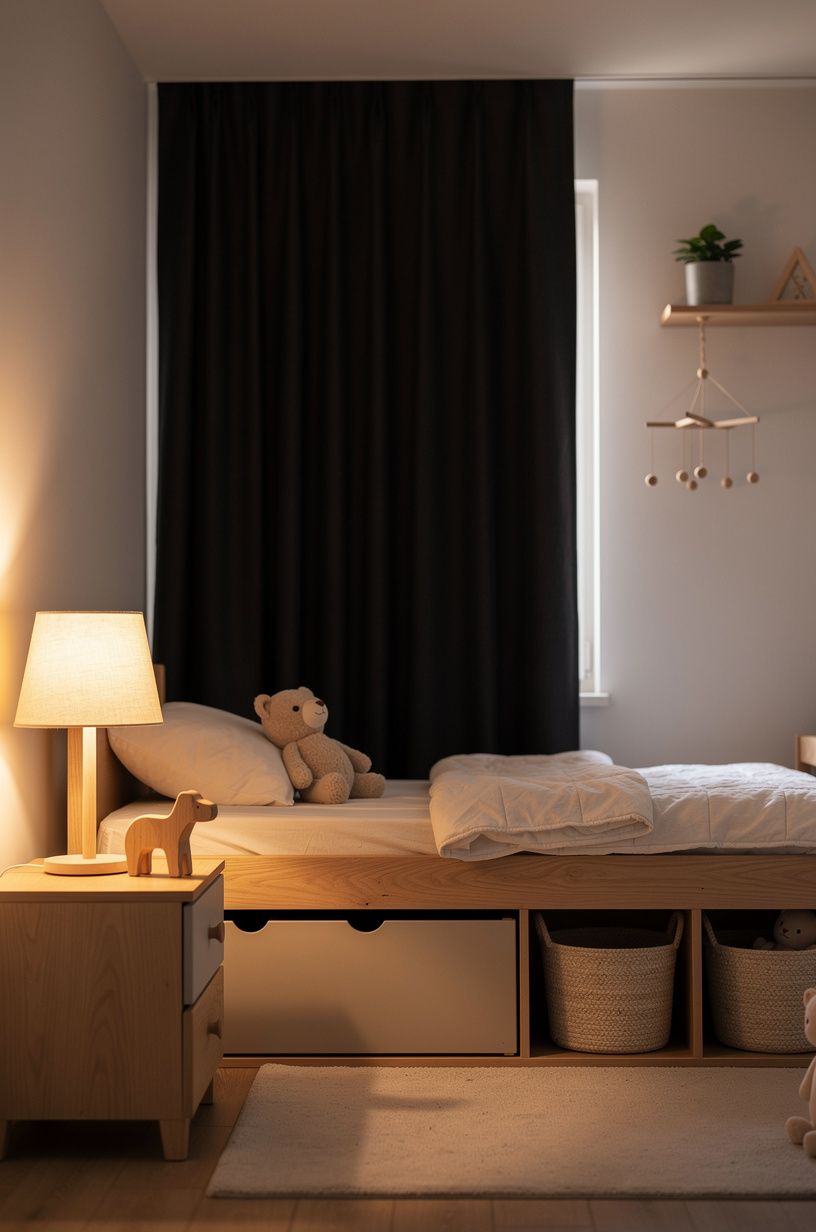
A simple sleep note can reveal patterns you miss when every evening feels identical. Write down the bedtime window, wake-up time, nap timing, and one sentence about the room. You don’t need a color-coded chart or a complicated app.
Use a paper clipboard with a pencil loop near your own bed. After a few nights, you may see that late naps, bright light, or a missing snack line up with harder evenings. Your goal is observation, not judgment.
Track for a short stretch, then stop. Constant measuring can turn into pressure, and your toddler may sense that tension. Sleep habits should make family life lighter.
If the notes create more pressure than clarity, put them away.
17Let the Room Carry the Routine
The strongest bedtime rooms repeat their signals. A Nero Marquina black-marble tray, one familiar lamp, and the same plum-gray bedding palette can tell your toddler what happens next without a lecture. Your child may not explain the pattern, but they can recognize it.
Keep active toys in a closed bin or another zone. Open shelves are useful when they hold a few calm objects, but a full display of cars, dolls, and craft supplies keeps the room visually awake. You’ll get a more inviting space by editing rather than buying.
Try a small display of three items: one small print, one rose-gold object, and one soft textile. And leave some wall empty. The empty space gives your eyes somewhere to rest when you walk in after a long day.
18Make Room for Your Own Wind-Down
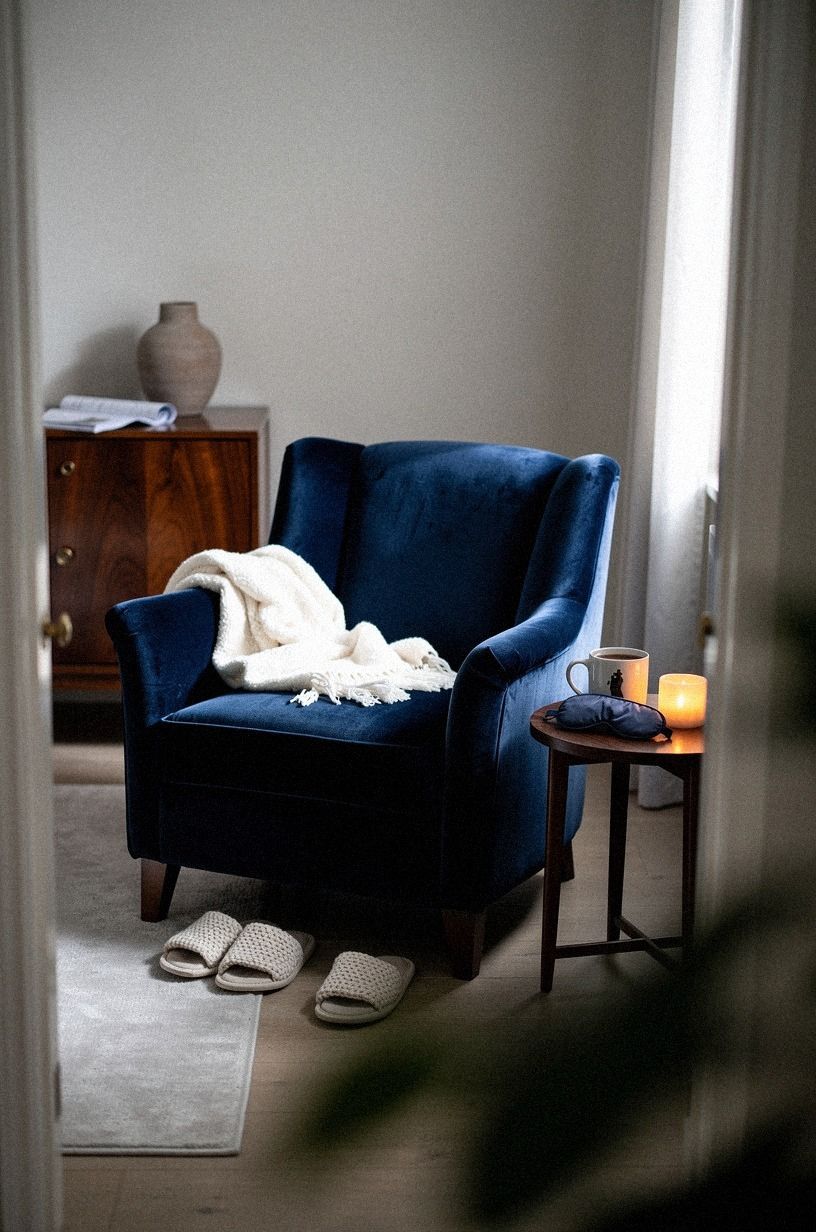
Your sleep matters too. After the toddler is settled, create a tiny adult landing place with a navy mohair velvet cushion, a book, and a glass of water.
It doesn’t need to be a full reading corner. A walnut chair beside the door can be enough.
Many parents finish bedtime and immediately start chores, which keeps the body in problem-solving mode. Try choosing one small closing action before doing anything else. You might stretch, wash your face, or sit quietly for a few minutes.
Don’t make this another standard you can fail. Some nights the laundry wins. On better nights, your own pause helps the house feel finished.
19Carry the Plan Through Travel and Change
A bedtime routine works best when its portable pieces travel with you. Pack the same cream cotton muslin sleep sack, one familiar book, and the same small phrase. You won’t recreate the whole bedroom, but you can carry the strongest cues into a new place.
Keep the order consistent even when the setting changes. Dim the light, offer the book, repeat the phrase, and keep your response steady. Your toddler may resist because travel is stimulating, so lower your expectations without abandoning the structure.
Skip bringing a suitcase of sleep products. Choose the few items your child recognizes and leave room for flexibility.
The Honest Cost of a Calmer Toddler Room
Most of a calmer bedtime comes from sequence, light, and fewer choices, not expensive furniture. A room can feel warm and orderly with what you already own, especially when the bed, books, and lamp each have a clear job. Spend first on the thing that removes the biggest nightly friction.
Here is how spending typically scales across a full kids-room update. Your own routine may cost nothing if the room already has safe bedding and workable storage.
For smaller purchases, this comparison helps you decide where to put your money:
A 5-by-7-foot play rug can define the daytime zone while leaving the sleep area clear. You don’t need to buy every item at once. Start with the routine, then make one room change that supports it.
A Paint Choice to Consider for a Toddler Room
Soft color usually works better than a themed wall packed with characters. Farrow & Ball Pink Ground No. 202 can feel gentle without becoming sugary, while Sherwin-Williams Open Air SW 6491 gives you a pale blue-green that works with warm wood.
Skip a high-contrast mural behind the bed. It may photograph well, but your toddler sees it every night in changing light. A quieter wall lets the lamp, bedding, and familiar objects become the reliable signals.
If your room needs more depth, use a soft gray-green with cream, pale oak, and muted sage. You’ll still have personality, but the room won’t ask your child to process a new visual story every time they wake.
What Repeating the Routine Can Teach You
The biggest change isn’t that every bedtime becomes easy. It’s that you can stop treating each difficult night as a brand-new puzzle. The three-cue rhythm, light, book, and closing phrase, gives you a plan you can follow even when you’re exhausted.
A toddler can also notice tiny inconsistencies. Offering a new snack after brushing teeth expands the routine.
Changing the last phrase every night makes the ending feel negotiable. You don’t have to be rigid, but you do need to be recognizable.
And the room doesn’t need to look like a catalog. A crooked book, a worn blanket, and one stuffed animal with a suspiciously large personality can make it feel lived-in. What matters is that your child knows what happens next, and you know how to guide them there.
What People Always Want to Know
What is the best bedtime habit for exhausted moms of toddlers?
The best starting point is a repeatable final sequence: dim light, one or two books, then the same closing phrase. A low charcoal shelf can hold the routine items, so you’ll spend less time searching and more time keeping the ending calm.
Where can parents buy toddler room pieces on a budget?
Look at IKEA, Wayfair, Target, Facebook Marketplace, and local thrift shops. Secondhand solid-wood furniture can be a strong value when it’s safe and sturdy. You don’t need matching pieces, only a clear place for bedding, books, clothing, and comfort items.
How much does a toddler room makeover cost?
A typical US budget update runs $150 to $600, while a mid-range room can reach $1,000 to $3,500. Free changes include editing toys, moving the lamp, creating a book basket, and repeating the same bedtime order.
Can you create a peaceful toddler room on a budget?
Yes, and you can start tonight. Move active toys away from the bed, dim the brightest lamp, choose two books, and use a basket for pajamas. A washable cotton quilt or secondhand blackout curtain can add comfort without requiring a full makeover.
Is a calmer toddler room worth it in a small space?
Yes. Small rooms can support sleep because fewer zones are competing for attention. Keep the 38-by-75-inch twin bed on a clear wall, use a 5-by-7-foot rug for play, and choose storage that stays below the child’s sightline.
Is this routine a good idea for a rental?
Yes. Use removable wall decals, a tension rod for blackout fabric, and a freestanding woven storage basket instead of built-ins. You’ll still create consistent visual cues without drilling or repainting.
Keep every item stable, washable, and safely out of climbing reach.
Why the Routine Matters More Than the Room
It’s easy to believe a better bedtime requires a better room. Many parents save images of soft nurseries, buy storage pieces, and assume the right lamp will solve the whole evening.
It usually doesn’t. A room helps most after it has a clear sequence, and that realization can change how you spend money.
A toddler doesn’t need a staged environment. They need familiar signals that arrive in a familiar order.
The dim lamp says playtime is closing. The book basket says choices are limited.
The same phrase says the day has reached its edge. Those cues work because they repeat, not because they look impressive.
Exhausted parents also need design that forgives them. A laundry basket should be easy to reach.
Pajamas should be visible. The lamp should have a simple switch.
If a system requires five perfect steps from a tired adult, it isn’t a helpful system. It’s another job wearing a pretty outfit.
That’s why the smallest useful change is a good place to start. Clear the route to the bed.
Choose two books. Dim the room before the final story.
Then watch what happens for several nights before buying anything. Some evenings will still be messy, and that doesn’t mean you failed.
A warm routine is one you can return to after a hard day.
Where to Start First
If you have to pick one, start with the final bedtime phrase. It costs nothing, gives your toddler a clear ending, and stops every request from becoming a new negotiation. Keep it calm, repeat it exactly, and save this practical sleep routine for the nights when you’re running on fumes.
World Sleep Almanac score: 7/10
- Trial and returns: 120 nights is longer than most in this category and long enough to judge your own sleep. Scored 8/10.
- Materials and construction: Woven stainless steel rather than silver thread is the more durable choice on the oxidation question. Scored 8/10.
- Price at equal size: Not scored here, since we do not quote prices; check the current figure on the product page against competitors at the same bed size.
- Public customer reviews: Not scored here, since merchant ratings are not independently audited; read recent reviews on the product page before buying.
- Evidence base: The mechanism is plausible and the two cited studies (Ghaly & Teplitz 2004; Oschman et al. 2015) are consistent in direction, but sample sizes are small and replication is limited. Scored 5/10.
Reviewed by the World Sleep Almanac editorial team. 2026.
Sources
- Ghaly M, Teplitz D. The biologic effects of grounding the human body during sleep as measured by cortisol levels and subjective reporting of sleep, pain, and stress. Journal of Alternative and Complementary Medicine. 2004;10(5):767-776. Small study of 12 adults.
- Oschman JL, Chevalier G, Brown R. The effects of grounding (earthing) on inflammation, the immune response, wound healing, and prevention and treatment of chronic inflammatory and autoimmune diseases. Journal of Inflammation Research. 2015;8:83-96. Narrative review; larger controlled studies are still needed.
Affiliate link: this article contains affiliate links. The site may earn a commission if you purchase through them.