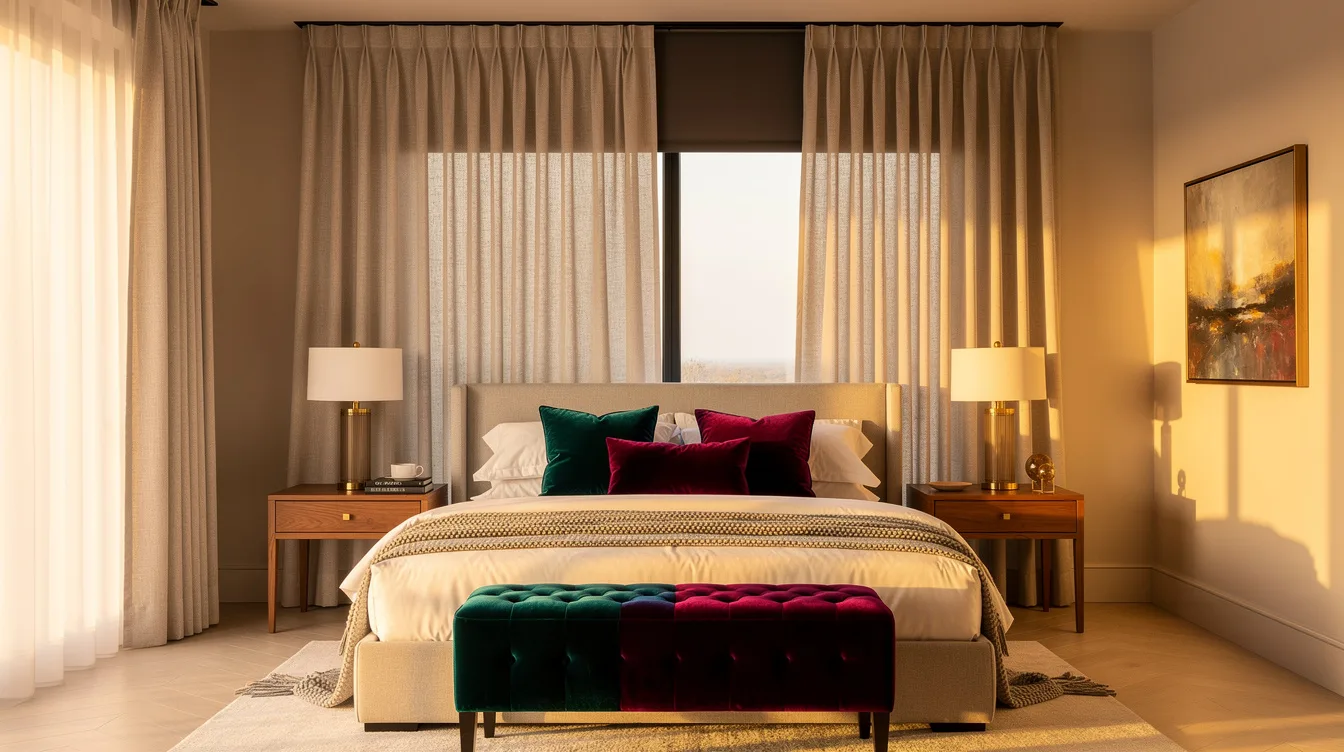
The bedroom window may be only 60 inches wide, yet its treatment can determine whether the entire room feels finished. The detail that signals luxury most reliably is full-height custom drapery that seems to emerge from the ceiling, layered over a tailored blackout shade.
That arrangement solves the bedroom’s real demands: darkness, privacy, softer acoustics, and easy daily operation. The expensive-looking part is the uninterrupted line and hidden hardware, not automatically the most expensive fabric.
Hide the Track Above the Glass
The most convincing luxury detail is a concealed ceiling track that lets drapery appear to start at the ceiling. The effect feels architectural because the eye follows one uninterrupted vertical line from ceiling to floor.
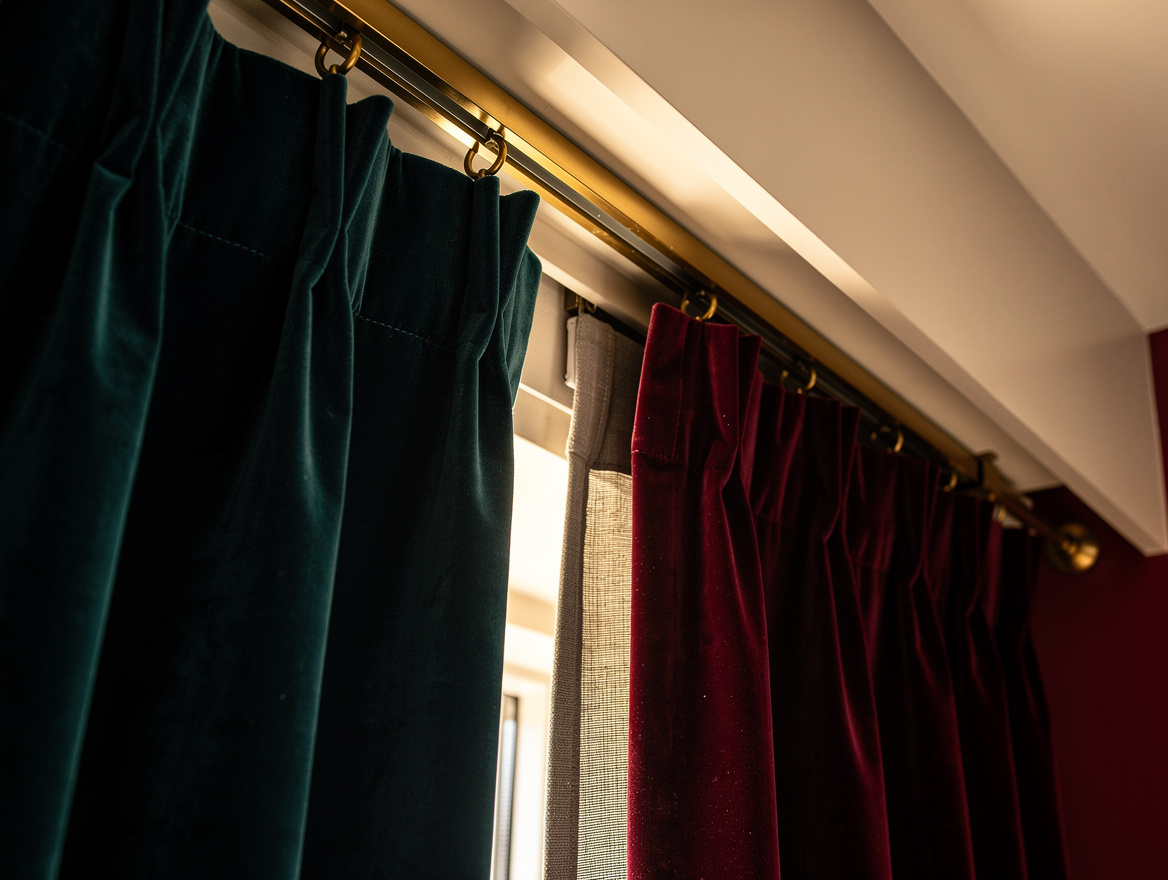
Build the track into a typical 4- to 6-inch ceiling pocket, slim painted pelmet, or clean soffit. Visible rods, brackets, and rings introduce visual noise, while hidden hardware lets the fabric carry the room.
For a rental, use a ceiling-mounted track painted to match the ceiling. It will not create a true recess, but the quiet finish still looks more intentional than a short rod mounted directly above the frame.
Layer Darkness Behind the Drapery
Place a blackout Roman shade or cassette roller shade closest to the glass, then hang decorative drapery on the room side. This two-layer system handles darkness and privacy without forcing the curtains to look heavy all day.
A shade also protects the bedroom from the visual problem of closed drapes. Open the panels during daylight and leave the tailored shade raised when you want the window to read as a clean architectural opening.
For a practical upgrade, IKEA offers simple roller shades that can work as the functional inner layer, while custom outer panels provide the finished look. The combination is far more useful than decorative fabric alone.
Extend Fabric Past the Frame
Run the ceiling track about 12 inches past each side of the window whenever the wall allows. That typical 24-inch total extension gives the panels somewhere to stack, so they clear more glass instead of stealing daylight.
Use side returns of roughly 4.75 to 6 inches where blackout performance matters. The return wraps the fabric toward the wall and closes the bright sliver that often makes an otherwise expensive bedroom feel unfinished.
For a typical 60-inch window, an approximately 84-inch track is a useful starting point: the window width plus about 12 inches on both sides. Go wider when the layout gives you room, especially on a primary bedroom wall.
Choose Folds That Hold Their Shape
Ripple-fold linen drapery is the strongest choice for a contemporary bedroom because its regular waves look calm and deliberate. Plan on roughly 1.8 to 2.2 times fullness for lined linen or a similar medium-weight fabric.
Choose pinch pleats when you want a classic hotel feeling. They need about 2.5 times fullness, creating deeper folds and a more formal silhouette that suits traditional wood furniture and upholstered beds.
Keep sheers separate from the blackout layer, and allow about 2.5 to 3 times fullness if you use them. A flat panel looks economical; consistent fullness gives the window actual depth.
Finish the Drop With Weight
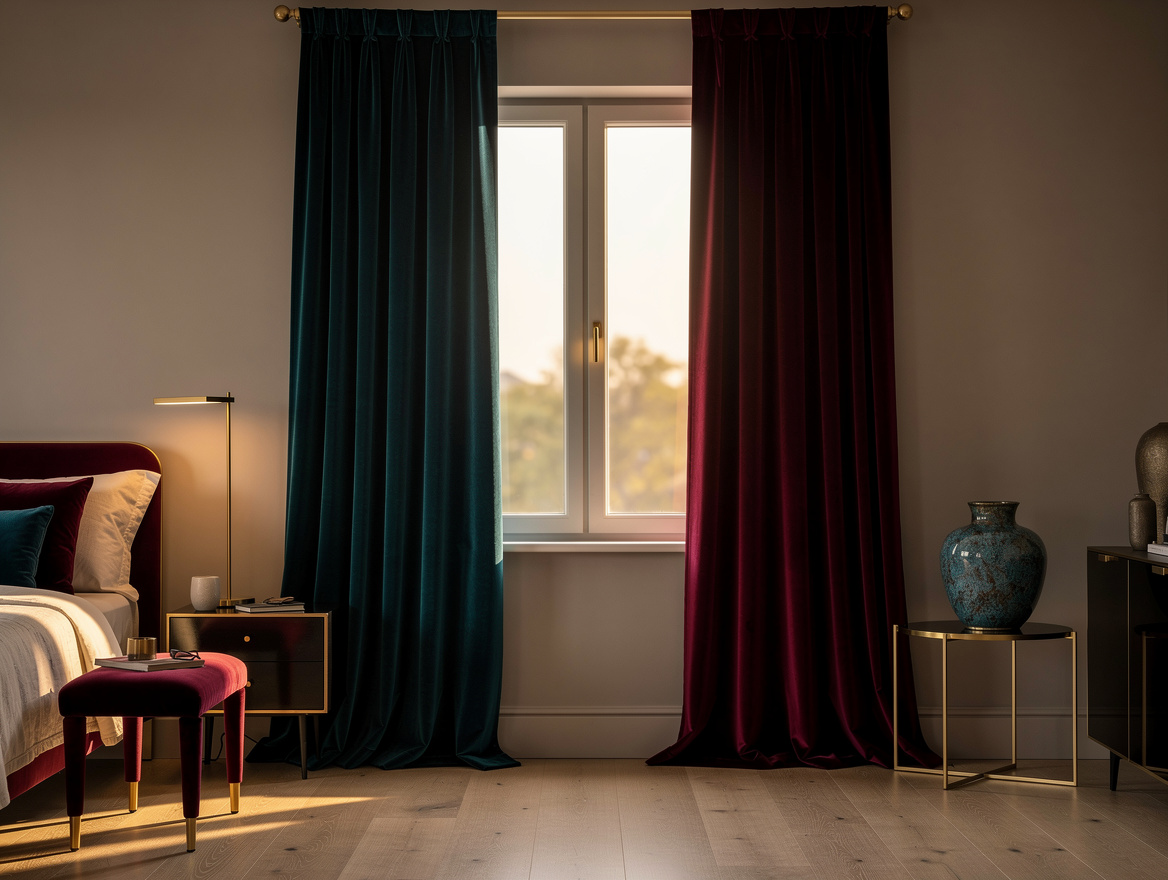
Specify a weighted hem with a hand-finished edge, and let the panels finish from the ceiling to about 0.25 to 0.5 inch above the floor. That slight float creates a crisp contemporary line and avoids the ready-made curtain look.
If you prefer a softer, more traditional room, add roughly 1 to 2 inches for a gentle break. Reserve visible puddling for deliberately romantic interiors, because excess fabric quickly looks accidental around a bed.
With a typical 9-foot ceiling, a finished drop of about 107.5 to 108 inches suits a ceiling-level installation. Measure from the actual track position to the finished floor, not from the top of the window.
Match the Hardware to the Architecture
Use matte black hardware, dark bronze, antiqued brass, or a track painted to blend with the ceiling. The finish should support the architecture quietly instead of becoming a shiny accent above the bed.
Fabric choice still matters, but velvet cannot rescue exposed brackets or an awkwardly short drop. Lined linen, cotton sateen, or a substantial blend can look remarkably polished when the proportions are right.
Before ordering, confirm the stack direction, wall clearance, return depth, and whether the panels need to open manually or with a motor. A well-made treatment should operate easily every morning, not require careful arranging after every use.
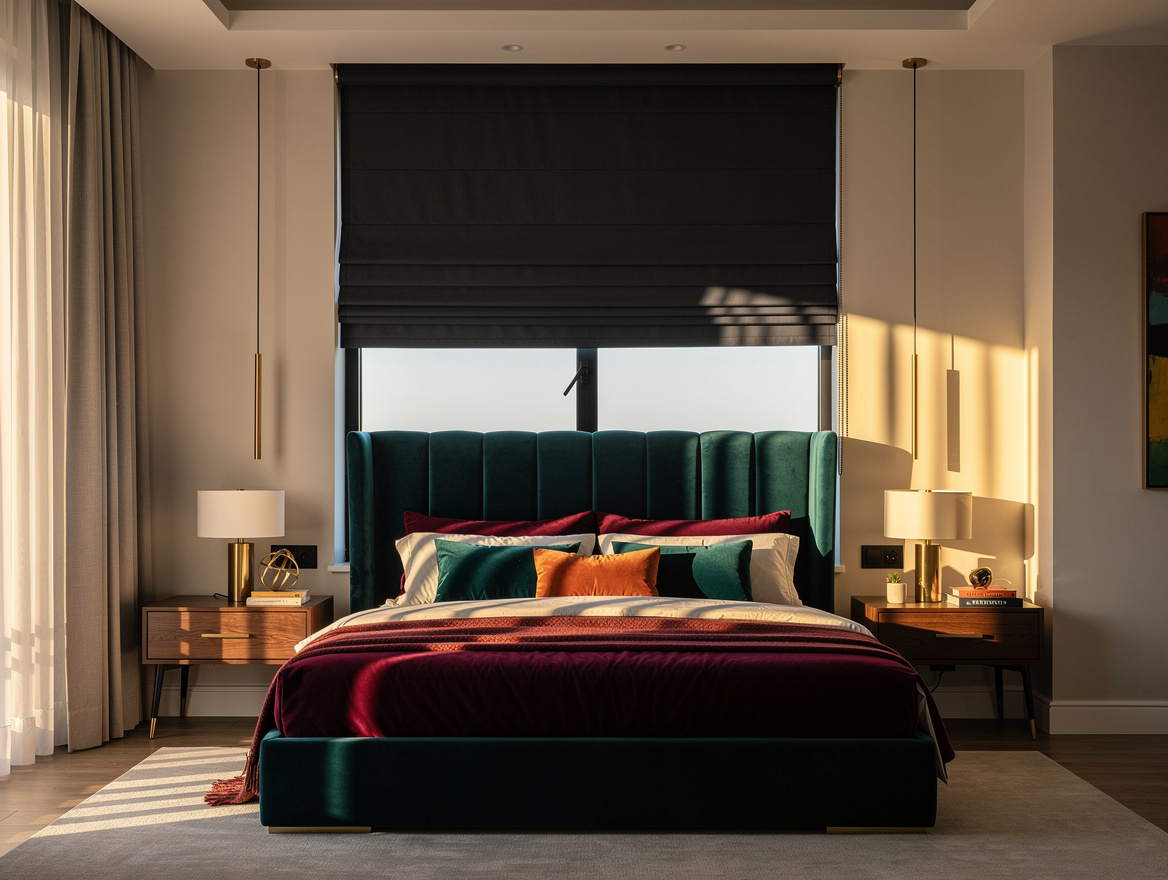
Start by deciding where the concealed track will sit, then measure the ceiling-to-floor drop and the extra 12 inches on each side of the frame. Those proportions set the foundation; fabric and color come afterward.
Mia Carter writes about small-space living and budget home makeovers. She has restyled three rentals and tests most ideas in her own 45 sqm flat.