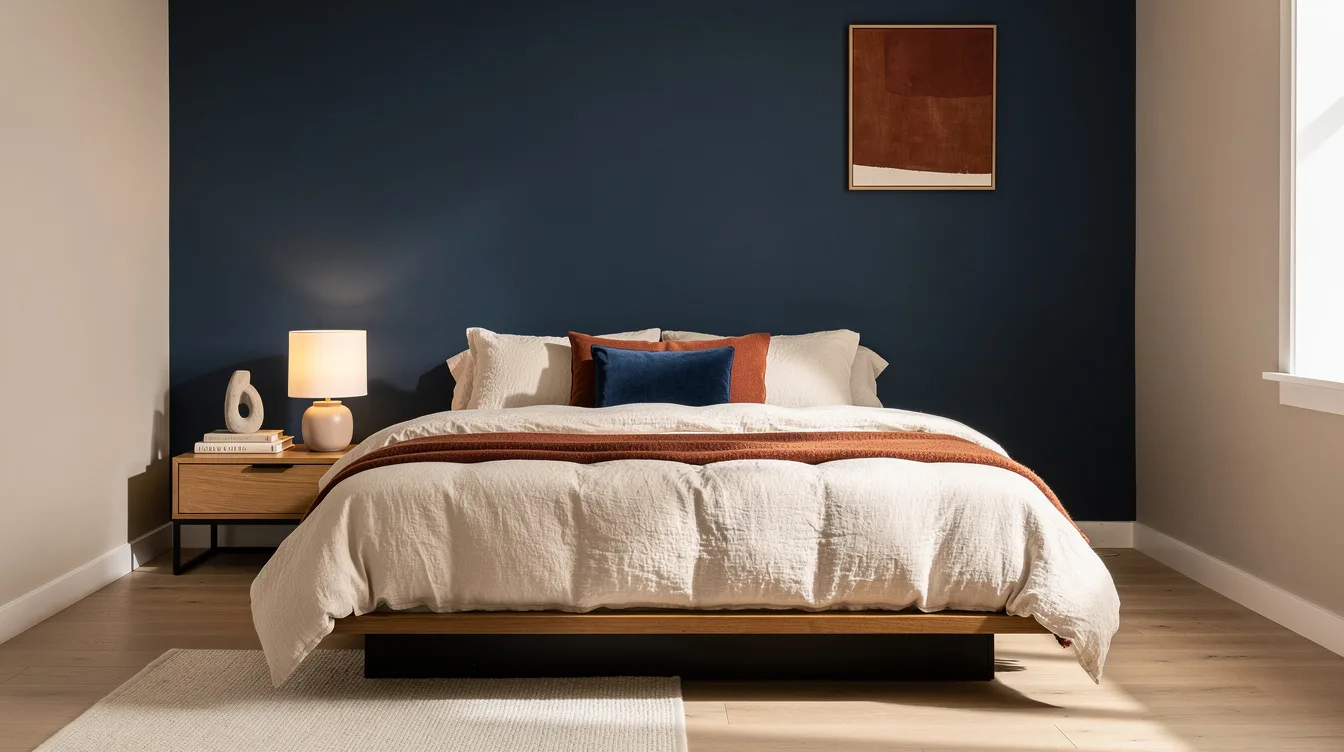
It seems easy: pick a light paint color, and your small room will magically feel bigger. In practice, that’s where a lot of tiny spaces go wrong, especially in a room that’s roughly 8 by 10 feet, where every sharp contrast shows up immediately.
What designers are favoring now is less icy gray and more warmth, more softness, and colors that let the walls fade back. A better paint finish, a warmer undertone, and smarter trim choices usually matter more than chasing the palest chip on the card.
Warm up the white you already love
Bright white can flatten a small room fast, especially when it bounces hard light off every wall. A softer warm white keeps the room open but takes away that chilly, builder-grade glare.
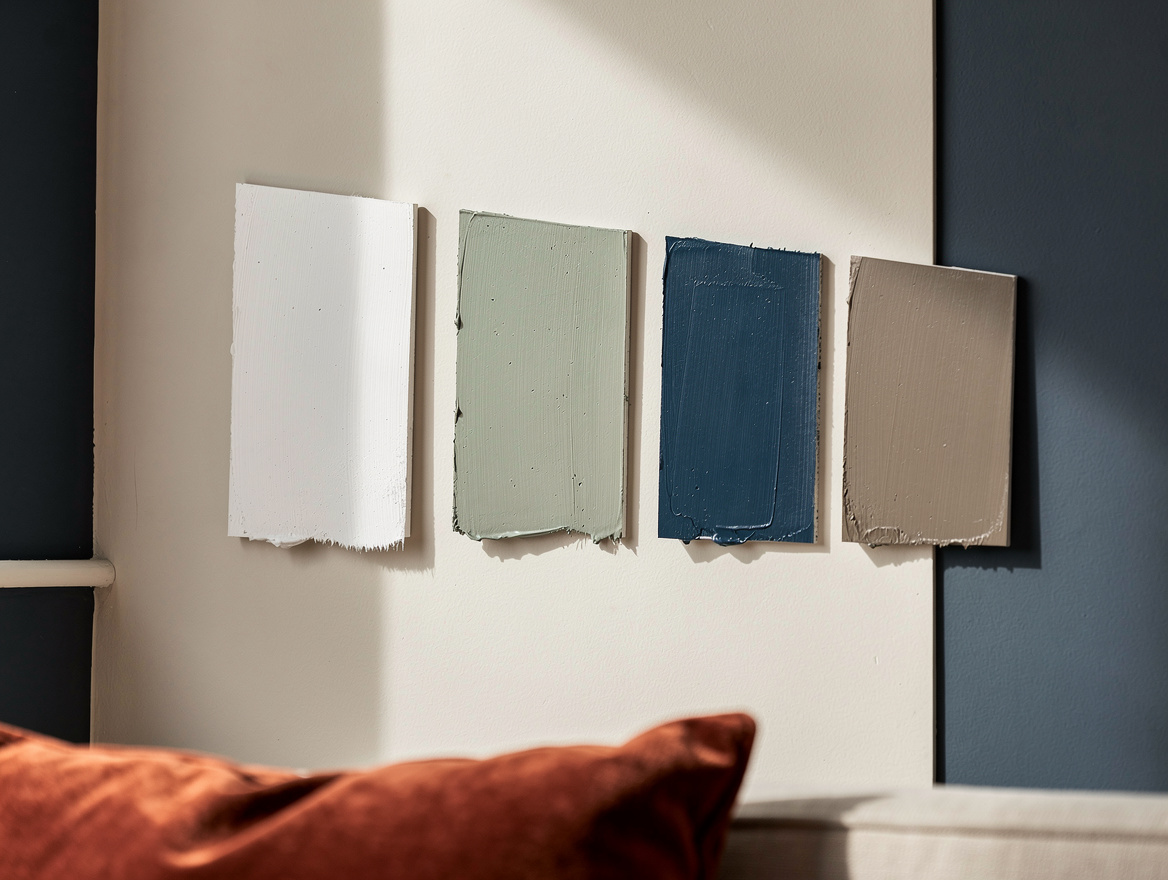
I’d skip stark white in a room that gets little daylight and go creamier instead. Sample boards from Home Depot are usually an affordable starting point, and a few test swatches are worth it before you commit to gallons.
Use greige to blur hard room edges
If you want a color that quietly makes walls recede, greige is still one of the best tools. Designers keep coming back to it because it softens corners and makes trim, doors, and wall planes feel less chopped up.
This is also why cool gray feels dated in many small spaces now. A warmer neutral from Lowe’s reads calmer, more current, and far less harsh once the lamps are on at night.
Pull in muted green instead of default beige
Soft green is one of the smartest color moves for a cramped room because it feels natural without getting loud. A dusty sage green can make a boxy office or guest room feel deeper, especially next to wood, linen, and warm metal.
Design-wise, this tracks with the broader 2026 shift toward grounded, nature-led palettes. I like it best when the room already has an oak nightstand, a jute rug, or a simple IKEA dresser that needs a calmer backdrop.
Drench the trim so the room reads larger
One of the oldest designer moves still works: paint the walls, trim, and door in the same soft taupe. You remove the stop-start visual lines, and the room feels smoother and a little taller right away.
This works especially well in older homes where the trim is chunky and cuts up the walls. A typical gallon of interior paint from Ace Hardware can cost around the mid-$30s to mid-$60s depending on finish, so keeping one color throughout can also simplify the buy.
Choose mid-tone color when the room gets washed out
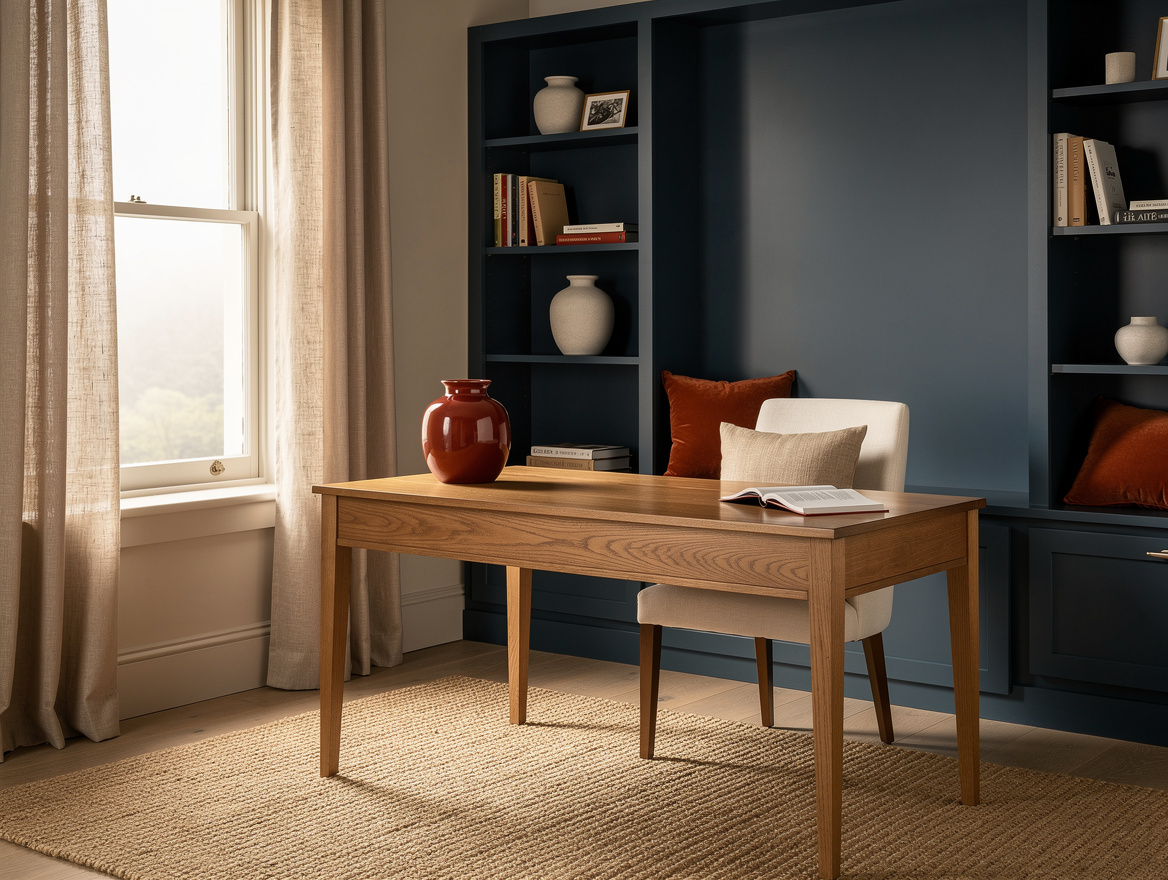
People assume pale paint is always the answer, but that’s not true in every tiny room. In a space blasted by daylight, a muted clay beige or softened mushroom can create more depth than another nearly-white wall.
The reason is simple: a little contrast gives the eye something to measure, which can make the perimeter feel farther away. If you’re testing shades, peel-and-stick samples from Amazon are convenient for checking morning light versus evening lamplight.
Keep the ceiling in the same family, not a random white
A bright ceiling paired with darker walls can slice a small room in half. A lighter version of the wall color, like a pale mushroom ceiling, keeps the whole envelope connected and makes the room feel less chopped.
This matters even more in rooms with ceilings around 8 feet high, which is typical in many apartments and smaller houses. If you’re buying paint and supplies in one run, Target or Walmart can cover the rollers, trays, and drop cloths while you focus your budget on the finish you actually want.
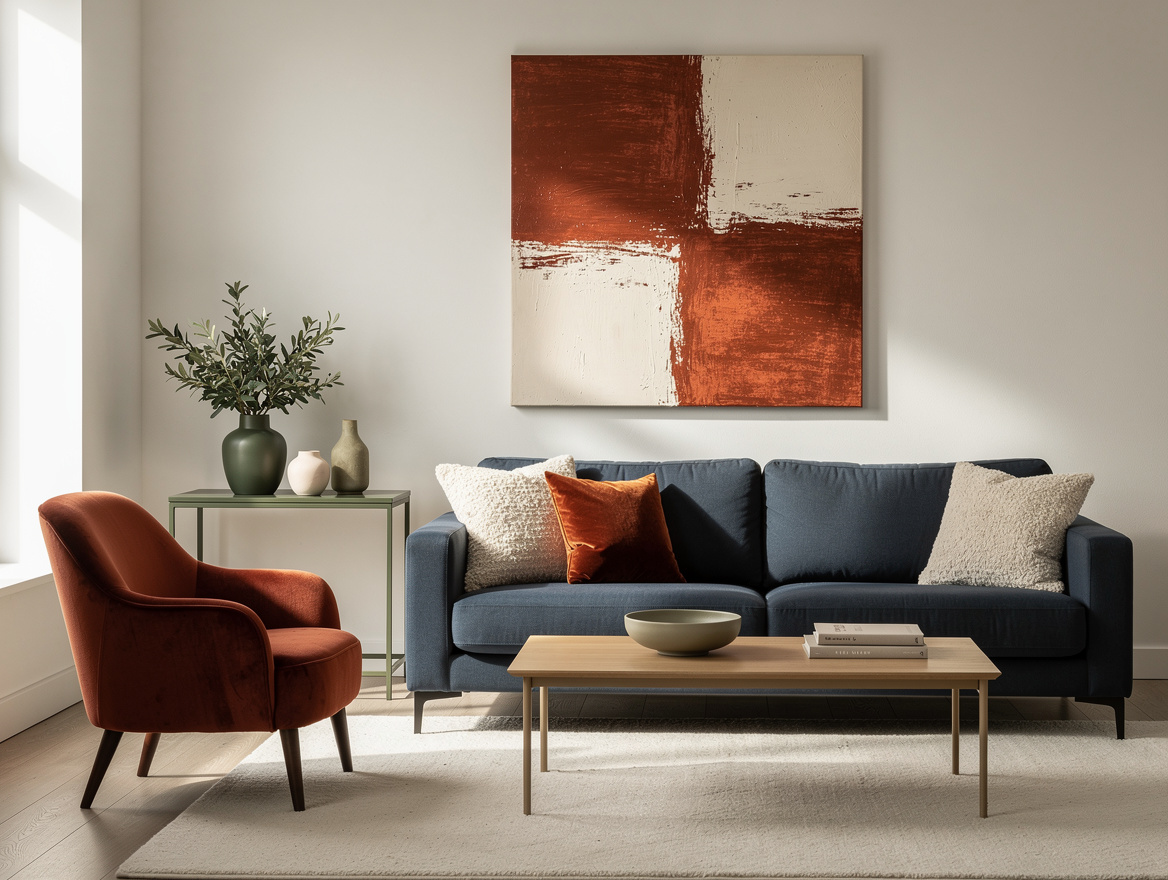
Start with one wall sample in a warm neutral or muted green, then check it in daylight and lamplight for two days. The first smart move is usually the least dramatic one: pick the shade that makes the corners disappear, then paint the trim to match with a low-sheen finish.
Mia Carter writes about small-space living and budget home makeovers. She has restyled three rentals and tests most ideas in her own 45 sqm flat.