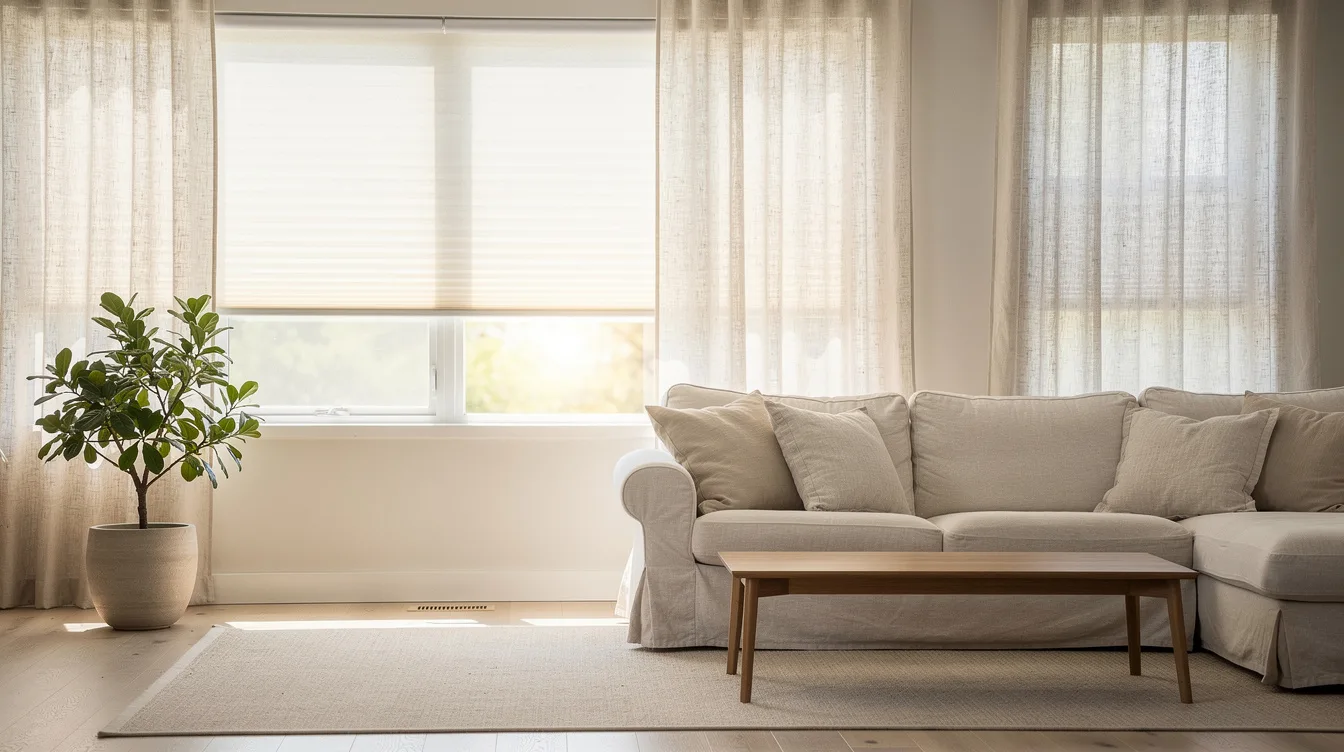
I learned this the sweaty way: by 4 p.m., my west-facing living room felt hotter than the porch, and the sofa fabric was warm to the touch. The worst part was realizing the house itself had been storing heat for hours before I even thought about closing a shade.
So I stopped treating heat prep like a last-minute errand. Designers usually focus on three things first, exterior shading, insulation, and thermal mass, and most of the useful fixes are more practical than fancy.
Start outside, not at the glass
The biggest shift I made was putting shade on the outside of the window instead of fussing with the inside after the room was already hot. Designers push this first because exterior shading can cut window heat gain by up to 80%, and that tracks with what I felt almost immediately.
I looked for outdoor roller shades in UV-resistant polyester, the kind usually sold in widths around 31 to 94 inches with a drop of roughly 79 to 118 inches. A typical 2026 budget is about $100 to $120 per window with basic hardware from Home Depot or Lowe’s, which is far cheaper than running the AC harder all week.
The sizing detail matters more than people think. I went slightly wider than the opening, about 4 to 8 inches extra overall, because angled late-day sun will sneak around a shade that fits too neatly.
Keep a cheap emergency shield in the closet
I used to assume emergency window covers were ugly panic moves. Now I think they are the smartest backup item to have ready before the forecast turns nasty.
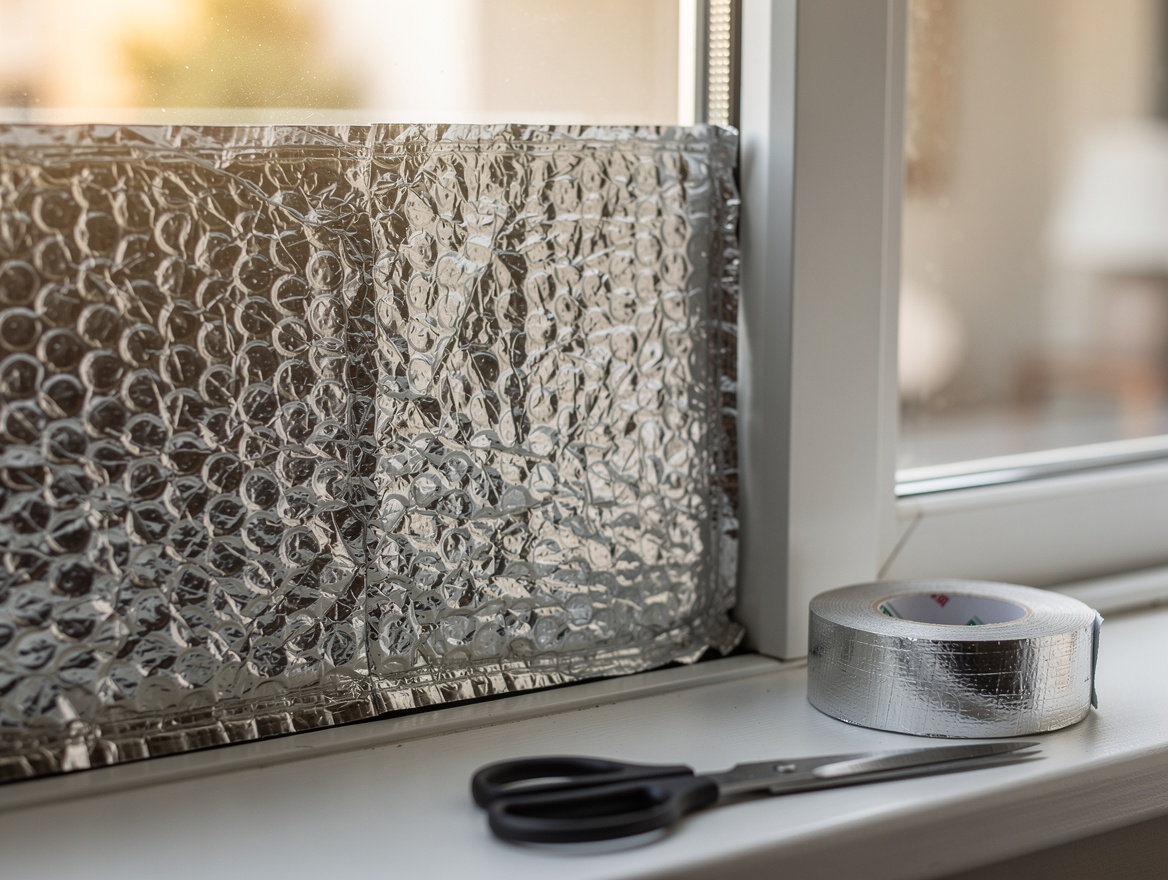
A roll of aluminum foil, some tape, and basic weather-stripping can cost about $10 to $20 per window, and it works for short bursts if you use the shiny side outward. I would only do this as a temporary layer, and I would never seal it into a tight pocket against the glass because trapped heat is a bad idea.
I also like pre-cut Mylar emergency blankets for awkward windows. Typical sheets run about 51 to 83 inches by 79 inches, and a reusable setup usually lands around $10 to $15 per window from Amazon or Walmart.
For a neater option, I bought a roll of reflective bubble insulation and cut panels to fit the frame. A typical roll wide enough for several windows runs about $50 to $55, and it looks less chaotic than foil when the heat wave lasts more than a day.
Add a sacrificial layer on the hottest side
The most underrated move at my place was giving the sun a cheap first target. South- and west-facing windows need a layer you do not mind replacing after a rough season.
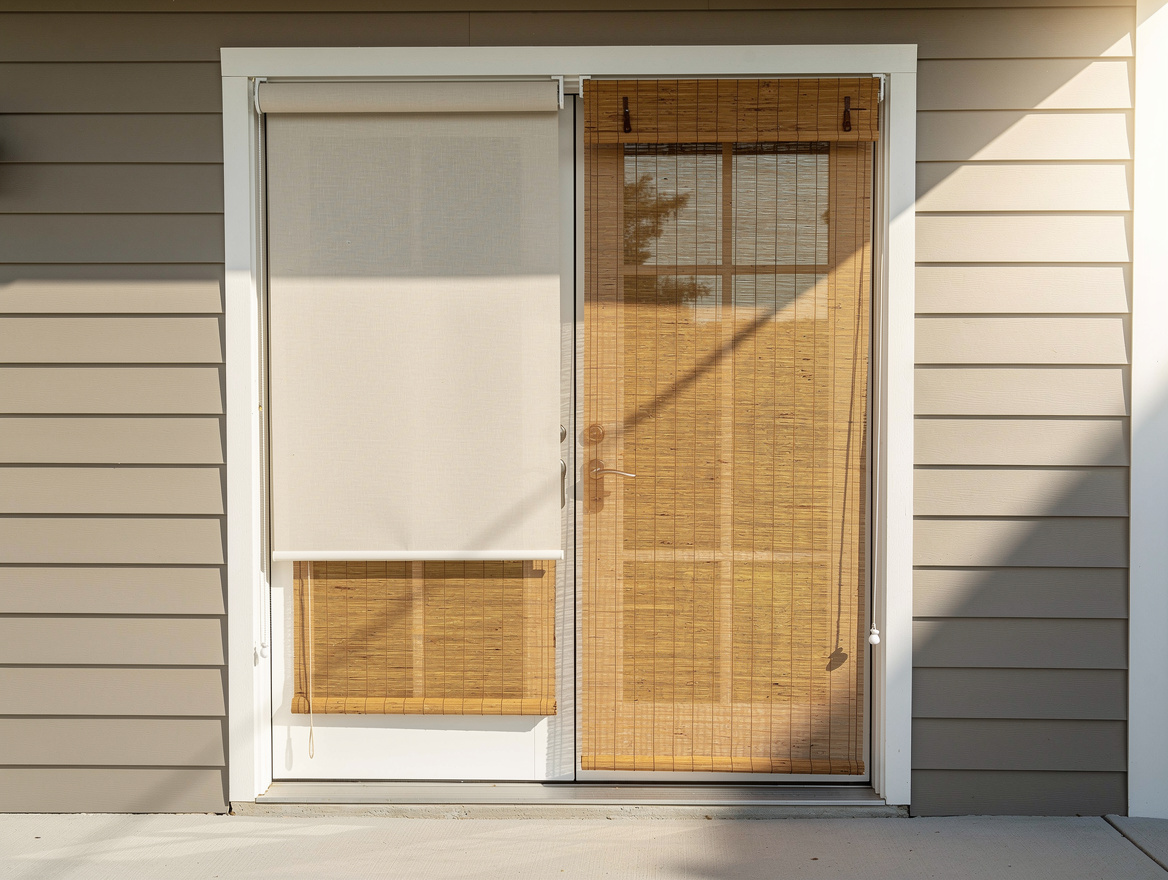
Basic bamboo roll-up shades or PVC outdoor shades are still one of the best low-cost options I found. Typical sizes are about 35 to 71 inches wide with a 71 to 94 inch drop, and many budget versions at Amazon, Ace Hardware, or Walmart cost only $15 to $25 per window.
I like them because they do not need to be perfect to help. They simply block a chunk of direct sun before it cooks the glass, and for that job, pretty is less important than coverage.
If you have a patio door or a brutal west window, a small manual awning is even better. Typical manual units for a standard opening run about $250 to $600, with projections around 28 to 47 inches, and that is one of the few upgrades that feels useful the minute it is installed.
Fix insulation before the forecast gets scary
This is the unsexy part, and I think that is why people keep postponing it. But once I started checking for hot-air leaks around the attic hatch, door edges, and older window trim, the whole house felt less reactive.
I did the easy stuff first: weather stripping, a door sweep, and a bead of caulk where trim had opened up. These are boring purchases from Lowe’s or Home Depot, but boring wins when the goal is keeping superheated outdoor air from leaking in all afternoon.
For the attic access, I added a simple insulated cover and stopped ignoring it. A lot of homes have decent wall shade plans and then leak heat through one flimsy ceiling opening, which is ridiculous once you notice it.
I am opinionated here: fancy cooling gadgets come after air sealing. If the shell leaks, every other dollar works harder than it should.
Use thermal mass where the room actually bakes
I used to think thermal mass sounded academic. In practice, it just means giving a room a few dense surfaces that absorb heat more slowly and help smooth out temperature swings.
In my hottest room, I swapped a light side table for a heavier ceramic garden stool and added a large stoneware planter near the window. You can find both at Target, Wayfair, or Costco, and they make more sense than flimsy decor that heats up fast and does nothing.
Tile, brick, stone, and thick plaster all help if your home already has them. I would not renovate just for this, but I would absolutely stop covering every naturally cool surface with layered fabric in summer.
The key is placement. Thermal mass works best where sun pressure is real, not tucked into a shady corner for looks.
Stage the room for heat before you need it
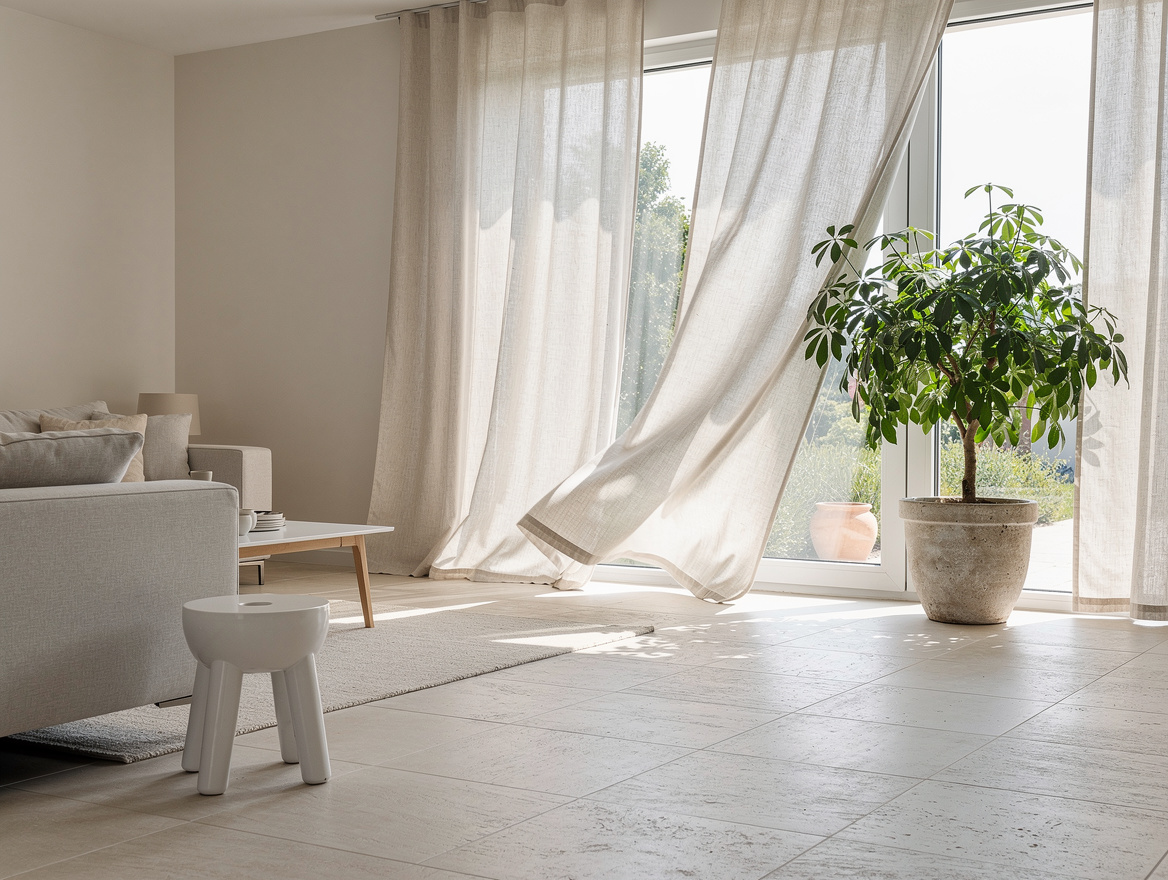
The last thing that helped was treating the room like it had a summer mode. That meant lighter layers, less clutter near windows, and a few items stored together so I could switch fast when the forecast jumped.
I keep a bin with linen curtains, cut window panels, painter’s tape, and extra clips in one spot. The average homeowner waits until the first brutal weekend to buy all this, and by then the good sizes are picked over.
I also pulled dark, heavy throws off the sofa and moved a bulky wool rug out of the sunniest zone. Soft decor can hold warmth longer than people expect, and I would rather the room look a little spare than feel stale and overheated by dinner.
A final small move: I leave floor space clear in front of the worst windows so temporary shades can drop cleanly. Prep only works when it is easy to deploy half-awake at 7 a.m.
Begin with the window that gets hit hardest after lunch and solve that one completely. Once you feel the difference in a single room, the rest of the checklist gets a lot easier to justify.
Mia Carter writes about small-space living and budget home makeovers. She has restyled three rentals and tests most ideas in her own 45 sqm flat.