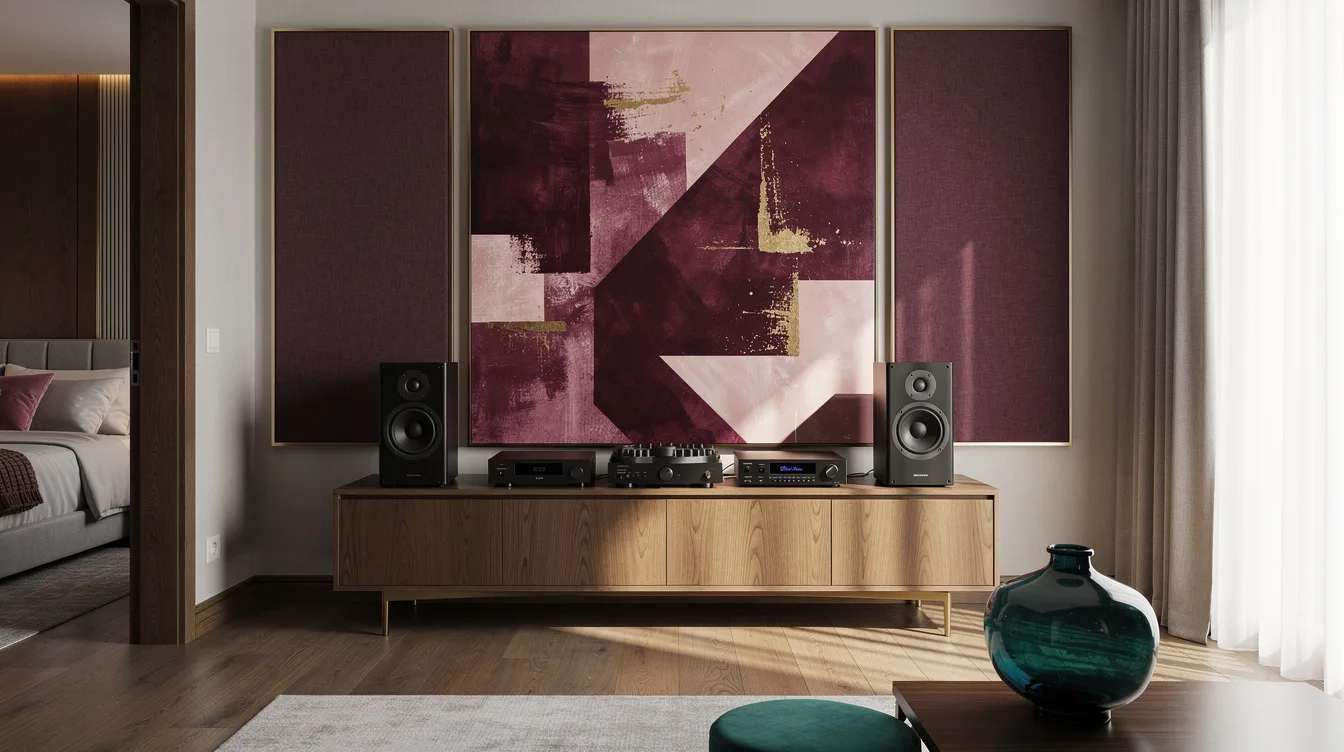
The best bedroom-adjacent music rooms do not look like recording booths. A printed acoustic panel about 24 by 48 inches and priced around $279 can read as a large photograph while helping control reflections near the speakers.
The catch is easy to miss: acoustic art improves sound inside the music room, but it does not automatically keep music out of the bedroom. The design has to solve the visual problem and set honest expectations about isolation.
Start With a Full-Scale Art Panel
A bedroom-adjacent music room needs visual calm as much as acoustic control. A GIK Acoustic Art SpotPanel measures about 24 by 48 inches, is roughly 2 inches thick, and lists around $279 per panel in its Full Range configuration.
That scale gives the wall the presence of a photograph or oversized abstract painting. Choose artwork with a quiet palette, then let the instruments provide the stronger color.
Match Panel Depth to the Room’s Role
Thickness changes how the treatment reads inside the room. The GIK Acoustic Art 242 is about 3.5 inches deep and lists around $349, while the deeper 244 version reaches roughly 5.5 inches and lists around $449.
Use the slimmer profile when the music room also works as a reading or guest space. Choose the deeper panel when recording, mixing, or long listening sessions matter more than a shallow picture-like silhouette.
Compose a Gallery-Style Wall
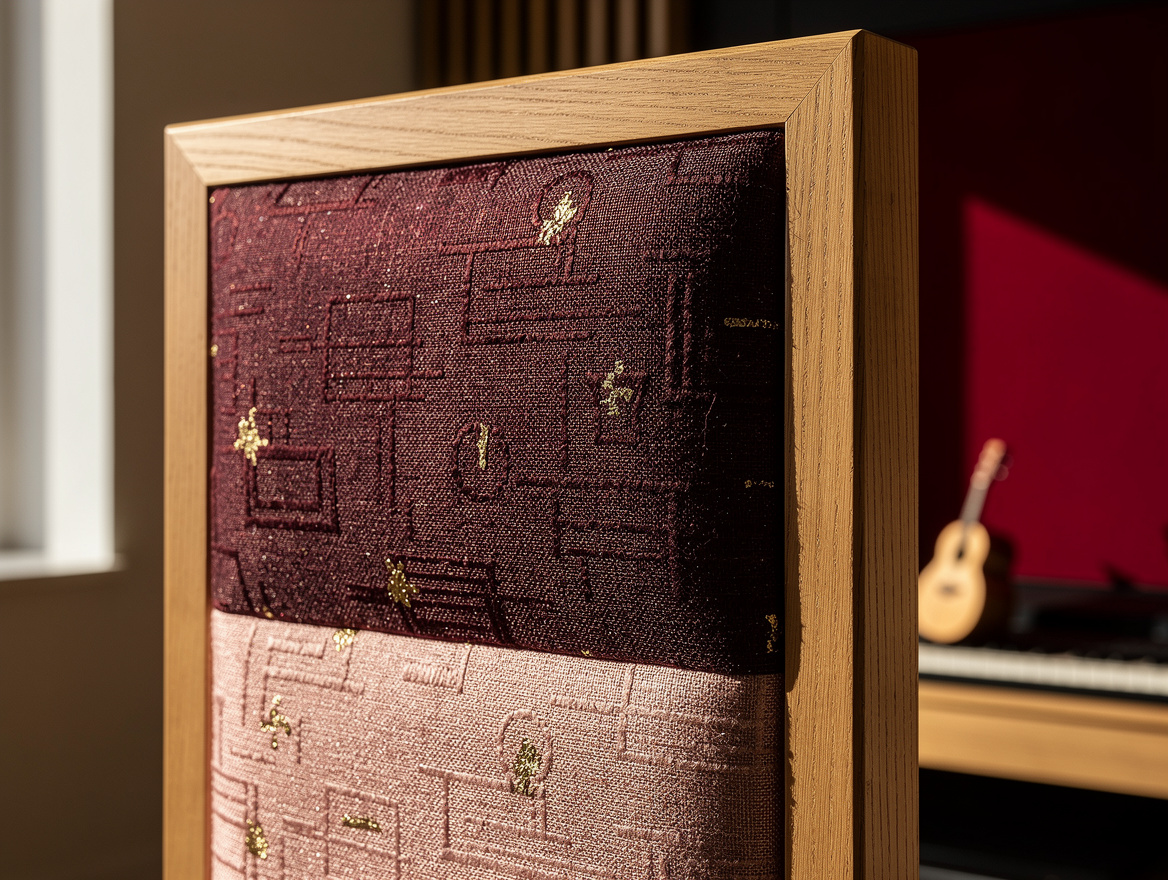
Arrange two matching panels as a deliberate diptych behind the listening position instead of scattering small squares around the room. The printed fabric of AcousticSoundPanels.com Custom Acoustic Art can be ordered in common face sizes such as about 24 by 24 or 24 by 48 inches.
Keep the spacing even and align the outer edges with a console, keyboard, or sofa below. A single visual field feels residential; a random grid quickly announces studio treatment.
Separate Reflection Control From Isolation
Printed acoustic art absorbs reflections inside the music room, which can make playback feel more controlled. It does not, by itself, prevent music from reaching the neighboring bedroom through the shared wall, door, ceiling, or floor.
That distinction should guide the budget before any artwork is selected. A rigid fiberglass core can improve the panel’s acoustic role, but stopping sound transfer requires attention to the room’s construction and sound paths beyond the decorative panel.
Choose a Custom Image With Restraint
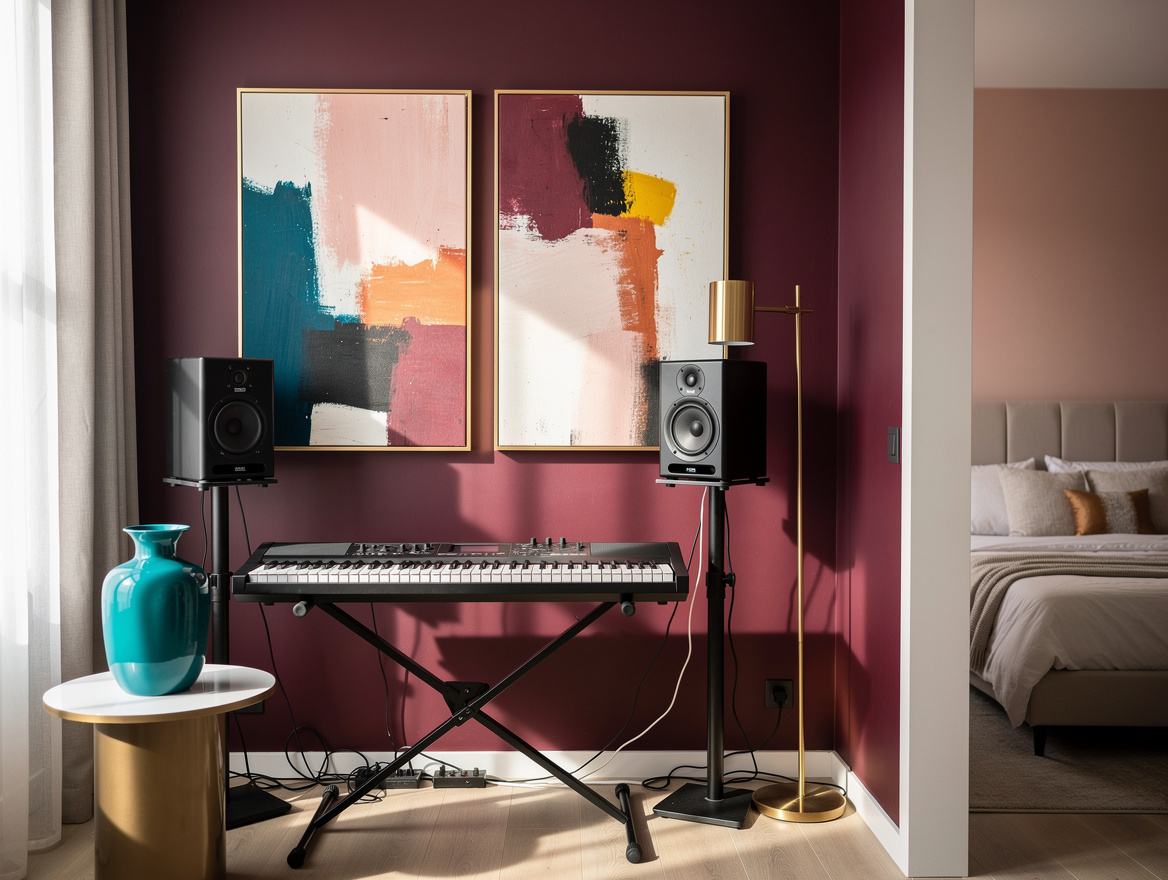
Custom artwork works best when it supports the room’s mood instead of competing with the instruments. Acoustimac AcousticART lists artwork collections from about $59.95, but that entry price does not confirm the cost of a large, thick panel.
Ask for a fabric sample or inspect the image at full size before ordering. Soft landscape photography, tonal geometry, and monochrome line work tend to sit comfortably beside wood, black metal, and warm speaker finishes.
Compare Identical Panel Specifications
Price comparisons become useful only when every supplier quotes the same build. Request about 61 by 122 centimeters, roughly 4 inches thick, custom printed, with mounting hardware, then compare the final totals rather than a small advertised starting price.
A custom-printed acoustic fabric panel may look similar across brands while using different cores, frames, and depths. Confirm the selected absorber, artwork option, shipping, local taxes, and installation before treating the number as a real room budget.
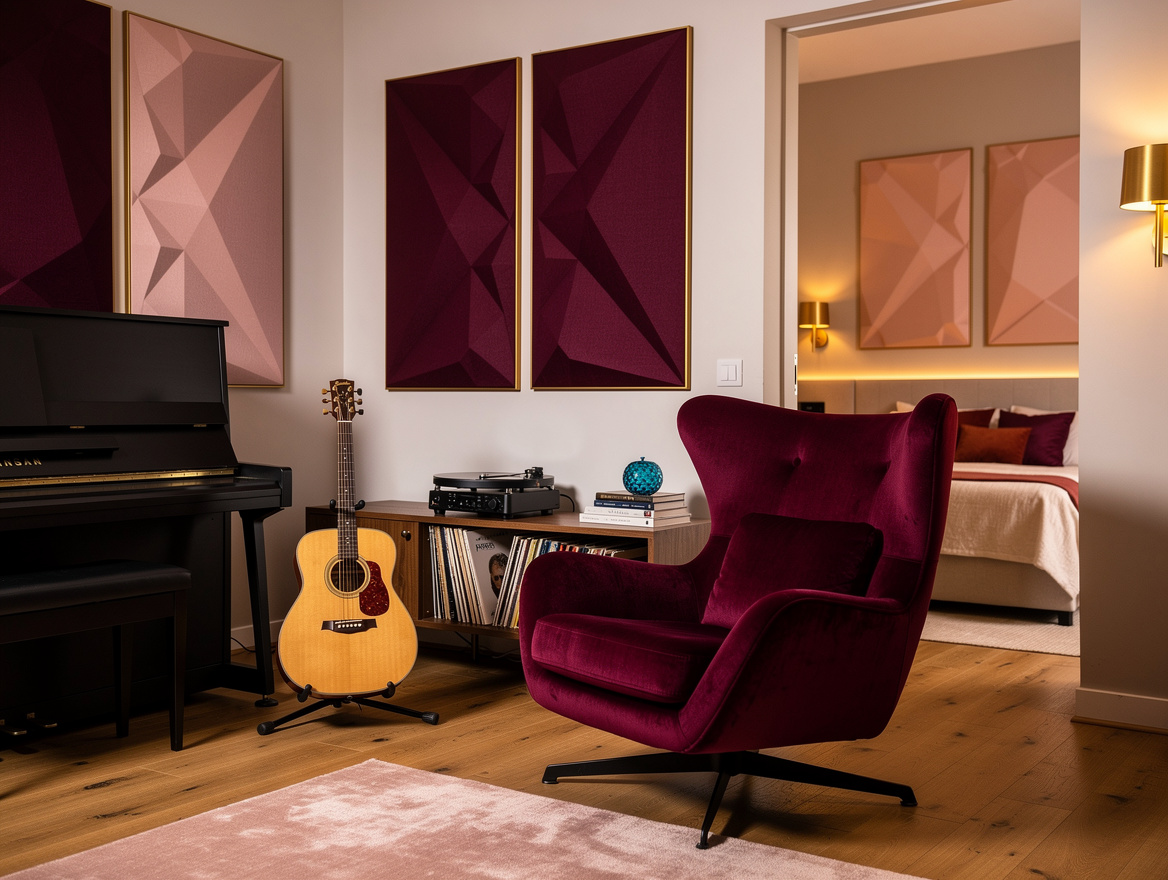
Begin with the shared wall, choose the panel depth that fits the room’s actual use, and request one matching quote from each supplier. The right artwork should disappear into the decor while the room’s sound gets easier to live with.
Mia Carter writes about small-space living and budget home makeovers. She has restyled three rentals and tests most ideas in her own 45 sqm flat.