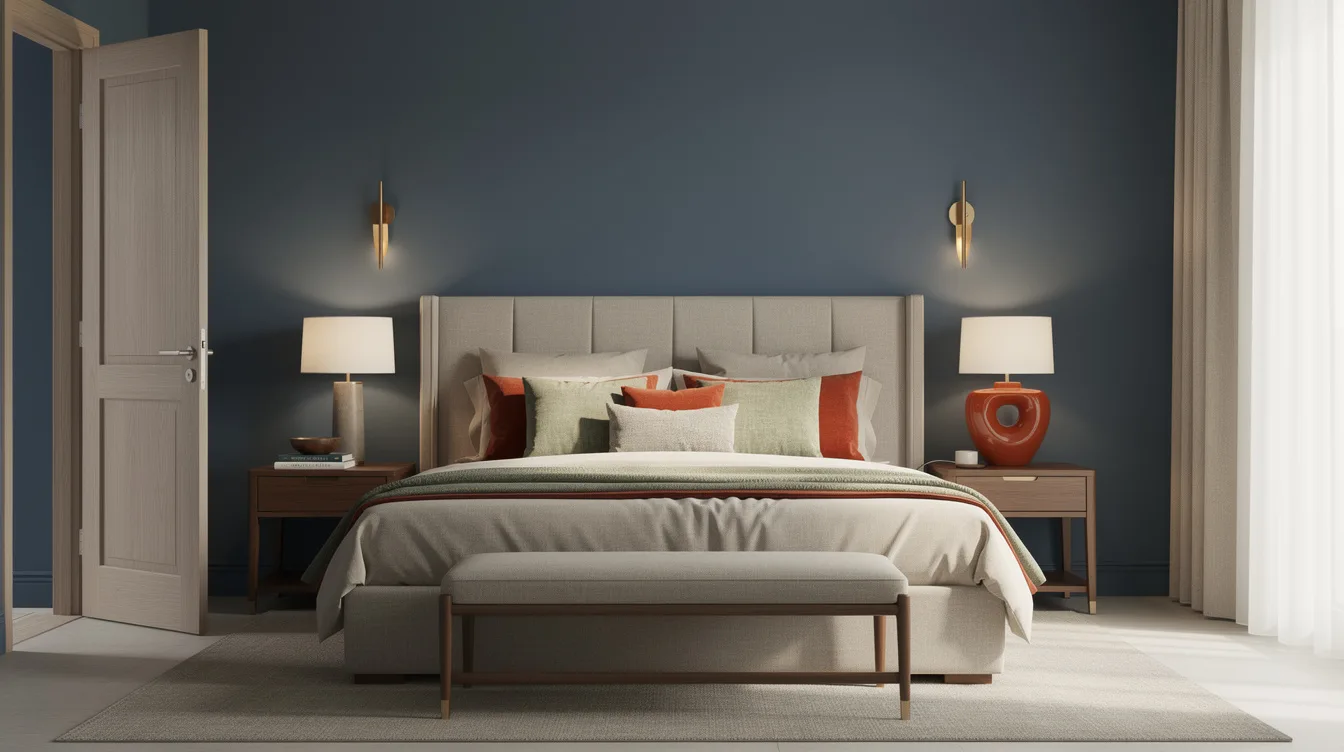
I have seen bedrooms with a solid bed wall and bedrooms with the mattress shoved straight in line with the door, and the difference is obvious before you even sit down. In a queen setup that is about 60 by 80 inches, layout mistakes show up fast because every pathway and every piece around the bed starts to matter.
Feng shui is often treated like a list of rigid rules, but the best version feels practical. You want support behind you, clear movement around you, softer color, and fewer things asking for your attention at midnight.
Anchor the Bed on the Right Wall
The bed should sit on the longest unbroken wall, with a solid surface behind a headboard and a diagonal view of the door. That setup tends to feel calmer the second you walk in, and designers keep coming back to it because it gives the room a clear center.
If your room is roughly 10 by 11.5 feet, center a queen bed on the long wall and keep the path from the door to the bed corner open. A typical IKEA IDANÄS queen bed runs around $400 to $500, and the shape works well because it reads sturdy without looking heavy.
Keep Both Sides Open and Balanced
Feng shui gets very practical here: leave both sides of the bed usable, even if you sleep alone. Two matching or closely related nightstands make the room feel finished, and they stop one side from looking like an afterthought.
For a smaller bedroom, narrow tables around 12 to 14 inches wide can still do the job. A typical Wayfair nightstand costs about $80 to $180, and I would rather use two slim ones than one chunky piece that blocks circulation.
Clear the Floor and Calm the Storage
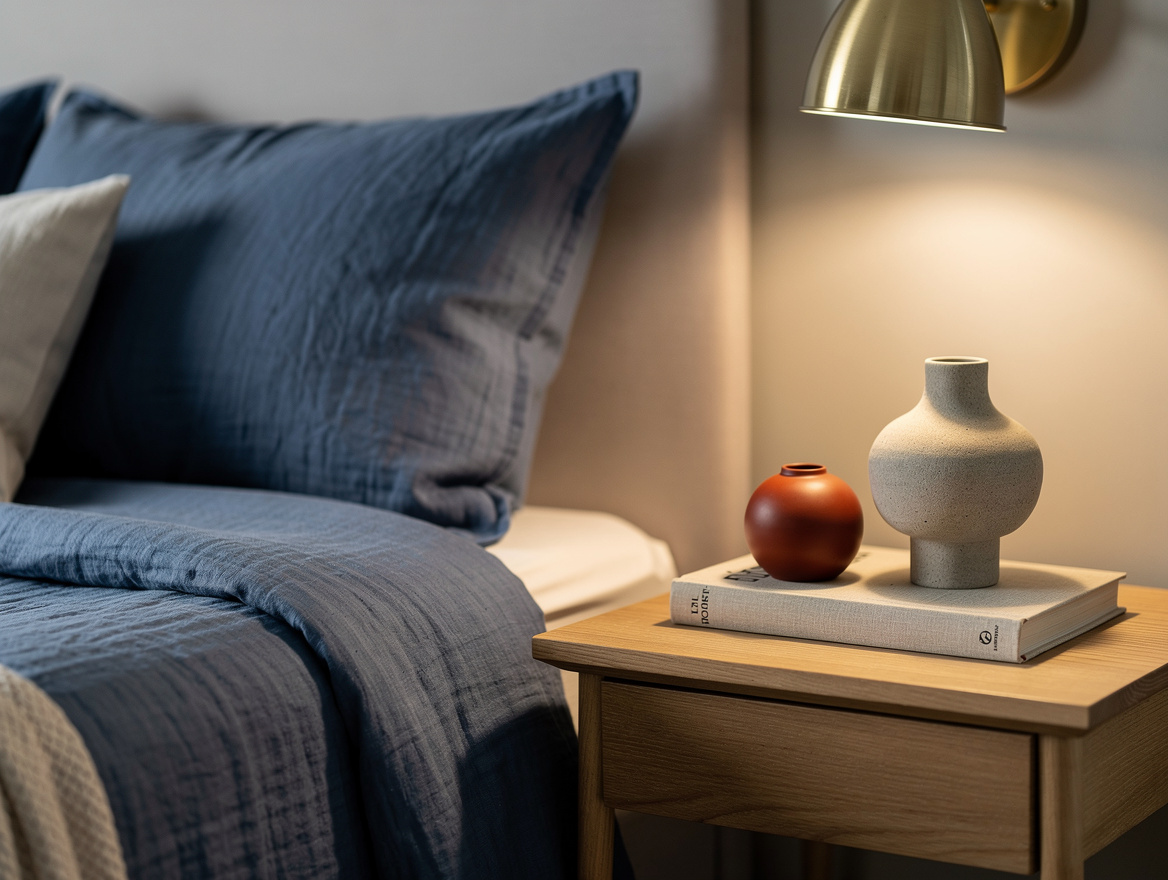
A feng shui bedroom falls apart fast when the walkway is crowded. Shoes, baskets, random chargers, and piles of laundry create visual pressure, and that pressure follows you right into bed.
Use under-bed storage lightly and keep it to soft items like extra cotton bedding, not cords, files, or old electronics. If you need hidden storage, a simple lidded bin from Target for about $20 to $35 is far better than letting the floor become a holding zone.
Lower the Energy With Soft Color
Bedrooms usually feel better when the biggest surfaces stay quiet. Think sand, clay, beige, sage, or a muted blue-gray on walls, curtains, and bedding, with a slightly deeper tone on the rug or floor to make the room feel supported.
I like a warm neutral paint paired with a natural-fiber rug because it grounds the bed without adding noise. A typical 6-by-9 Home Depot area rug in jute or a jute-look weave costs around $120 to $250, and that size is often enough to define the sleep zone in a standard primary bedroom.
Layer Light Instead of Relying on One Lamp
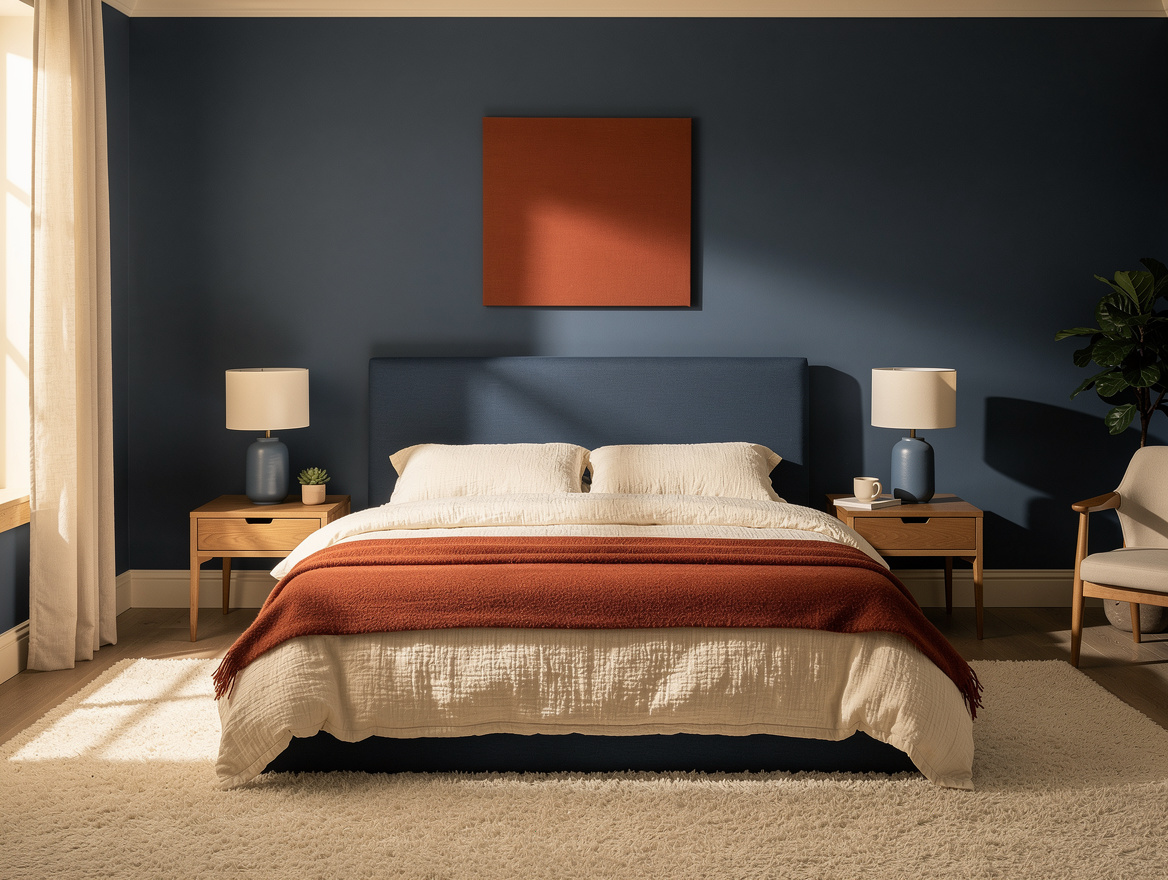
One harsh ceiling bulb can ruin an otherwise peaceful room. Feng shui leans restful, so the better move is layered light: an overhead fixture, two bedside sources, and warm bulbs in roughly the 2700K to 3000K range.
Wall sconces are especially smart in tight rooms because they free up table space and make the layout feel less cramped. A pair of plug-in Amazon sconces often runs about $40 to $90, and I think they look more intentional than oversized lamps squeezed onto tiny nightstands.
Use Natural Materials and Cut the Tech
The room should feel soft to the eye and quiet to the nervous system. That is why wood, linen, cotton, and a small dose of greenery work so well, while a TV, a glowing router, and a nest of cables tend to keep the space mentally switched on.
Try a linen duvet, a wood bench, or one healthy plant placed with restraint, not a mini jungle on every surface. A typical Costco sheet set in breathable cotton can cost around $60 to $100, and that kind of basic upgrade usually does more for the room than another decorative object ever will.
Choose Art That Supports the Mood
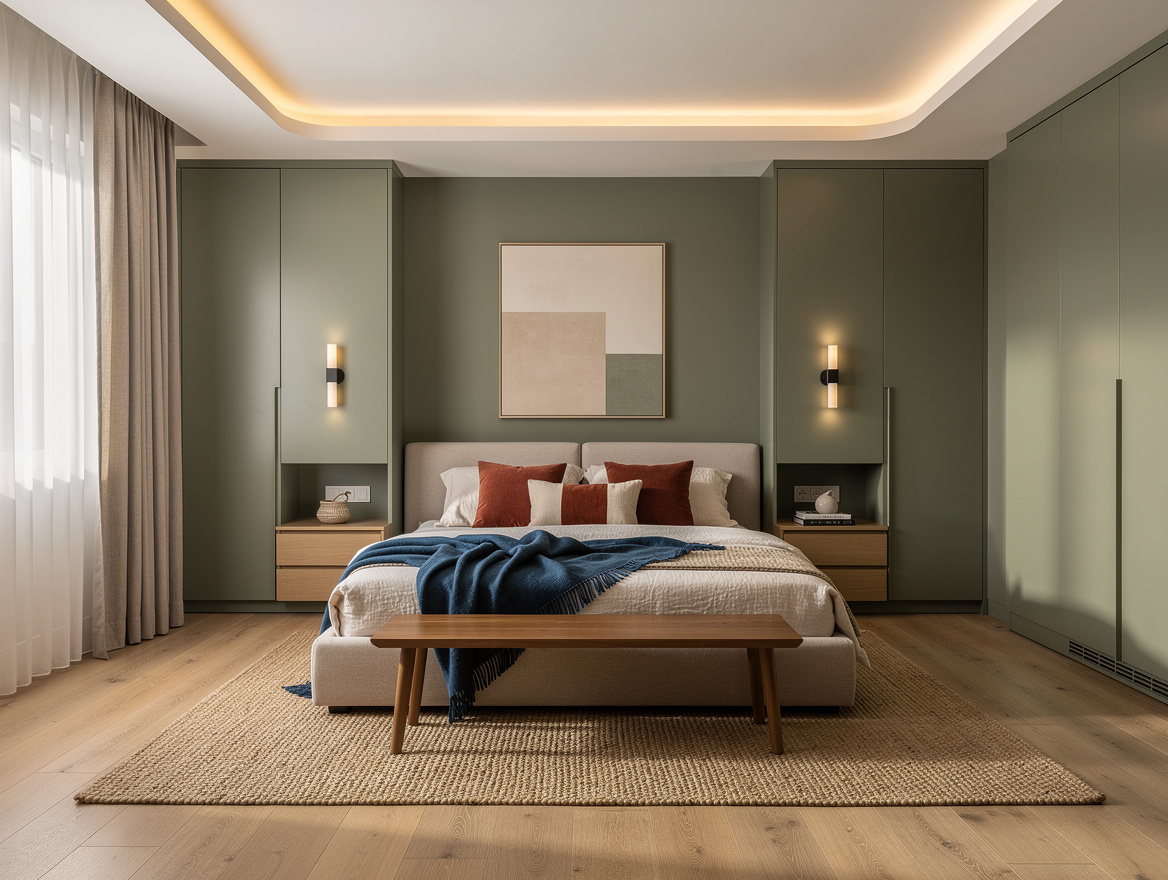
Art matters more than people think because it sets the emotional tone from across the room. Calm landscapes, abstract forms, and gentle botanical prints usually make more sense here than intense faces, stormy scenes, or anything that feels lonely and sharp.
Keep the scale right over the bed and avoid cluttering every wall with frames. A large Target canvas or framed print typically lands around $50 to $150, and one good piece is stronger than a busy gallery wall in a room meant for rest.
Start with the bed wall first, then clear the path to it before you buy a single extra accessory. Once the layout feels settled, the right lamps, bedding, and art become much easier to choose.
Mia Carter writes about small-space living and budget home makeovers. She has restyled three rentals and tests most ideas in her own 45 sqm flat.