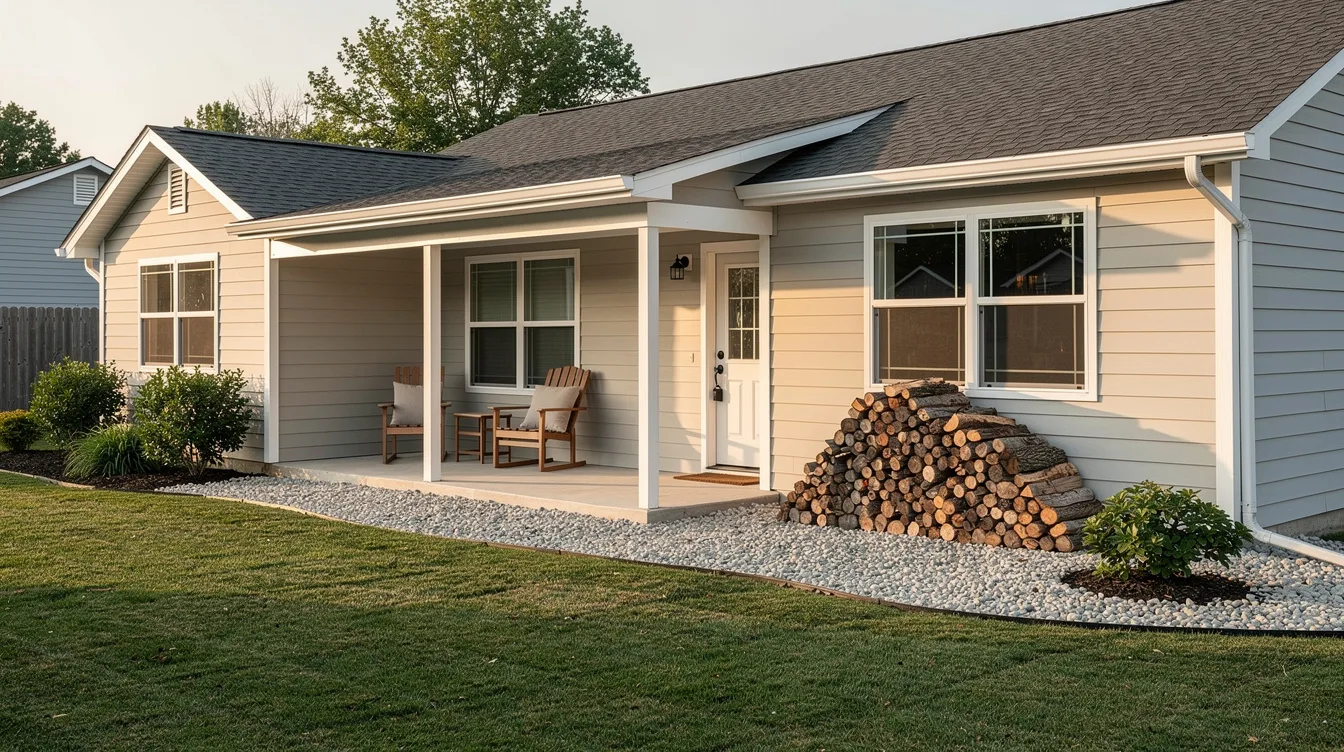
I know why this one gets delayed. The side yard still has the grill tank, two trash bins, a stack of split logs, and a row of planters that looked harmless all winter.
Then the weather turns, the wind picks up, and suddenly every soft, dry, plastic, or wooden thing near the wall starts looking like a bad decision. Experts are pretty consistent here: you do not protect a house before fire season by adding more stuff, you protect it by moving the wrong stuff away.
Strip the first 5 feet down to hard surfaces
The biggest shift experts push is simple: the first 5 feet around your house should read more like a walkway than a planted border. Gravel, pavers, bare soil, and concrete are the materials that make sense here, because this Immediate Zone is where embers usually find easy fuel.
I would pull out bark mulch first. A bagged gravel option from Home Depot or Lowe’s is typically one of the cheapest upgrades you can make, and concrete pavers sold at those stores usually land in the low-to-moderate price range per piece, depending on size and finish.
Move firewood and fuel tanks off the wall
A stacked firewood rack tucked beside the garage looks tidy until you remember what it does in wind-driven fire: it gives flames something dense and dry to work with. Experts usually want wood piles moved at least 5 feet away, and many recommendations push that farther, up to 30 feet from the house.
The same logic applies to a propane cylinder for the grill. A standard 20-pound tank should not live against siding or beside the back door, and moving it 10 feet or more away is the kind of boring fix that matters more than any decorative upgrade.
Clear porches and decks of anything soft or plastic
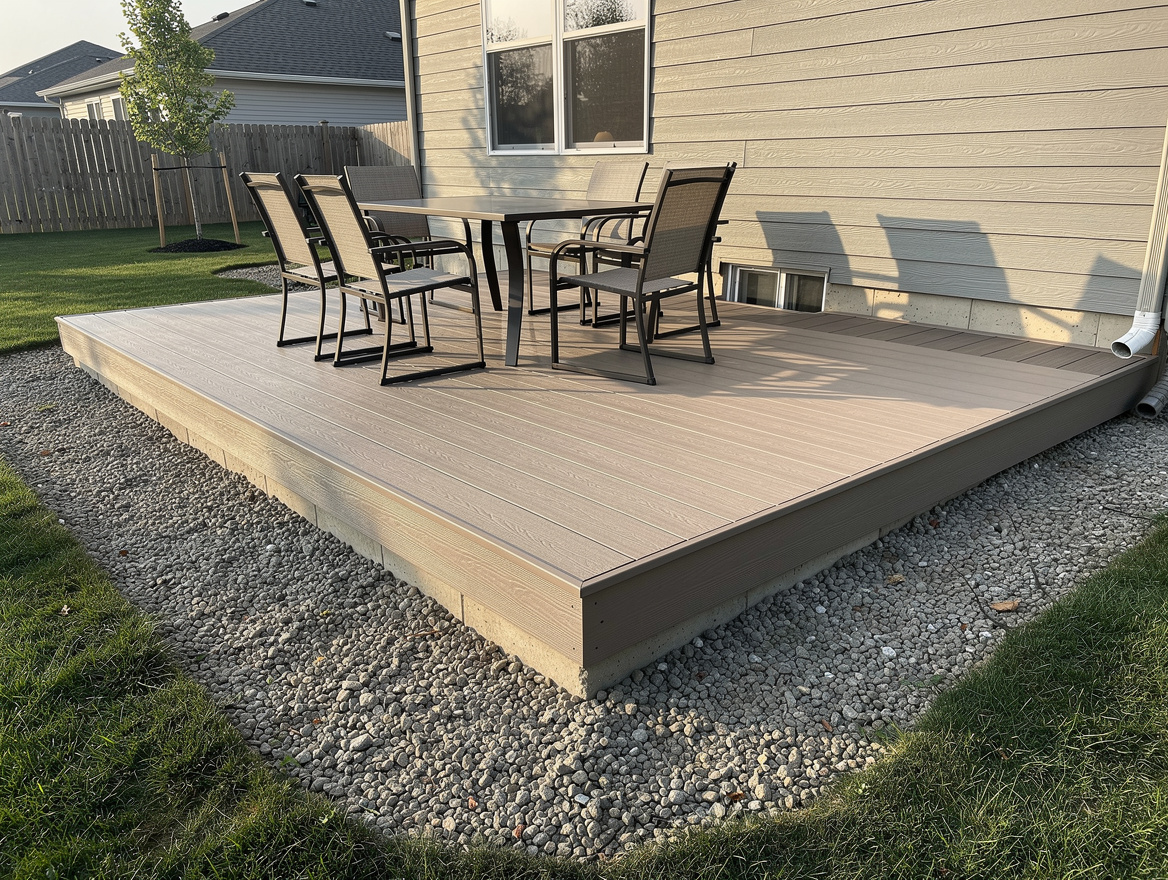
This is the part a lot of people resist because the porch starts looking less inviting. Still, cushions, resin chairs, wicker seating, and umbrellas are exactly the items experts tell you to bring inside or move well away from the house when conditions get hot and dry.
I would treat a wood deck like a staging area, not long-term storage. A Target patio chair or a Walmart outdoor cushion is fine for normal use, but it should not stay packed against the door, under a window, or beside stored boxes once fire season is close.
Replace the front-door mat and rethink planters
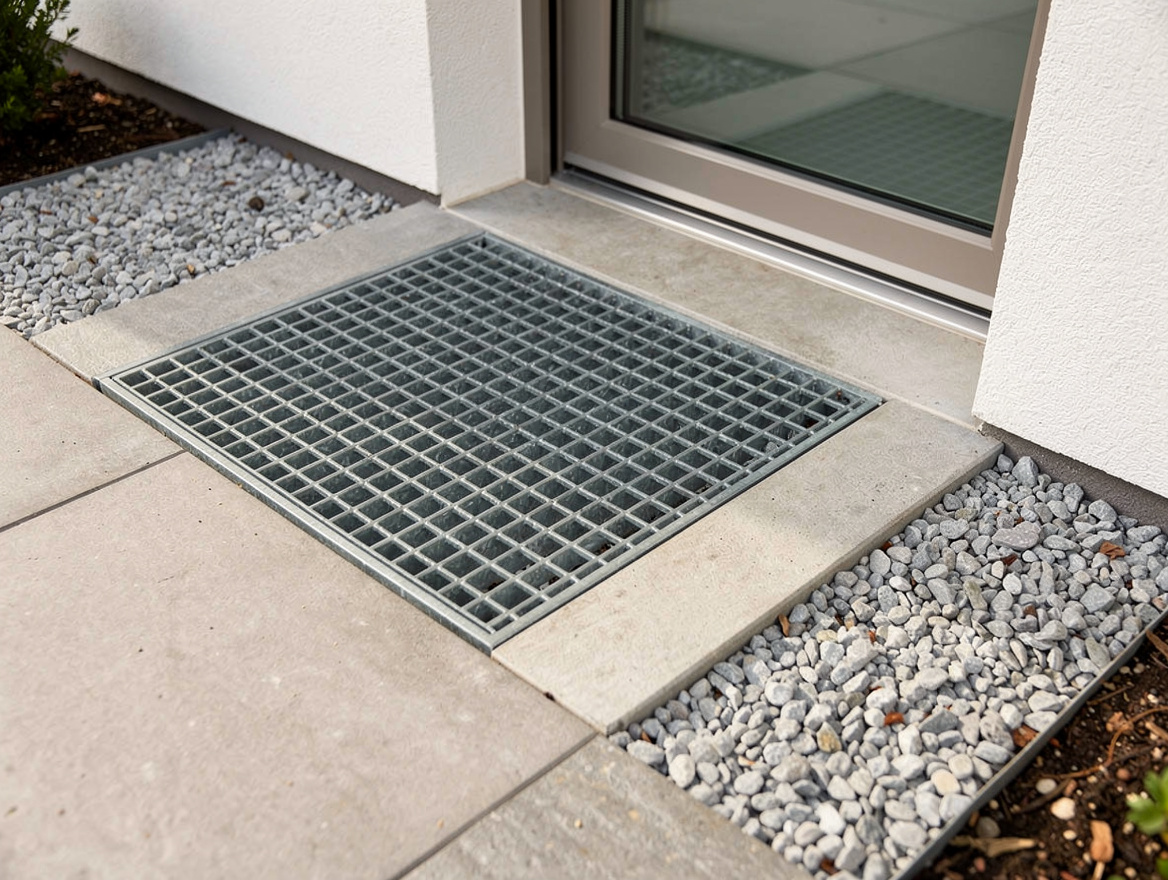
A coir doormat is one of those things people forget because it feels permanent, but experts keep calling out door thresholds as a bad place for combustible material. If a mat is dry, fibrous, or rubber-backed, I would move it inside and leave the entry cleaner and harder.
A small galvanized steel grate from Amazon, Ace Hardware, or Home Depot is a smarter substitute, and typical pricing often runs around $40 to $100 depending on width and weight rating. Potted plants also need attention: if they sit in dry soil or mulch right against the wall, move them beyond that 5-foot zone or top-dress them with stone instead.
Push bins, vehicles, and stored gear farther out
Trash and recycling bins love to migrate back toward the garage because that spot is convenient. It is also a weak spot, and experts often advise keeping trash bins well away from the house, especially if a fire is approaching, with 30 feet used as a common target when space allows.
The same goes for vehicles, boats, trailers, and the random folding table parked beside the fence. They count as standing fuels or clutter that can catch, radiate heat, and spread the problem, so I would stop treating the side yard like overflow storage.
Break up shrubs and prune the low fuel ladder
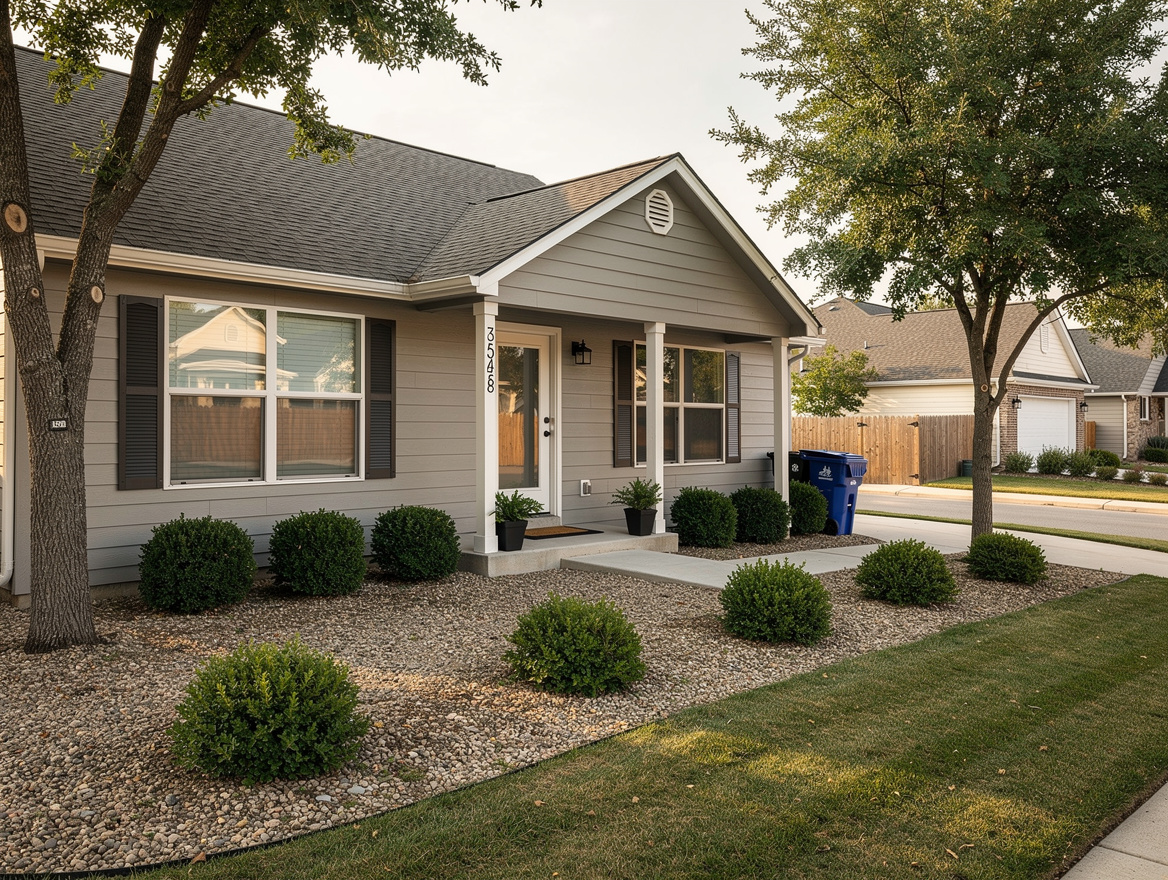
The goal from 5 to 30 feet is not a bare yard. It is separation. Experts usually want shrubs grouped in smaller islands with space between them, often somewhere in the 5- to 20-foot range depending on plant size and slope, instead of one continuous hedge that carries fire straight to the house.
Then look up. Low branches under trees create the classic ladder fuel problem, so pruning limbs up to about 10 feet above ground, where appropriate, and keeping branches roughly 10 feet from chimneys is the kind of maintenance that does more than any cute planter ever will.
Mow the outer zone and thin what feeds intensity
From 30 to 100 feet, the job changes from ignition prevention to reducing fire intensity before it reaches the structure. That means cutting grass down to under about 4 inches, thinning trees so the crowns are not touching, and removing brush that sits under bigger canopies.
This is also where people waste time buying decorative fixes instead of doing the blunt work. A Lowe’s mower blade, an Amazon pruning saw, or a basic Ace Hardware lopper will help more than another string of patio lights if your outer zone is still dense and dry.
Start at your front door and work outward in rings. If the first 5 feet still has mulch, mats, cushions, or firewood in it by the end of the day, that is the first problem to fix.
Mia Carter writes about small-space living and budget home makeovers. She has restyled three rentals and tests most ideas in her own 45 sqm flat.