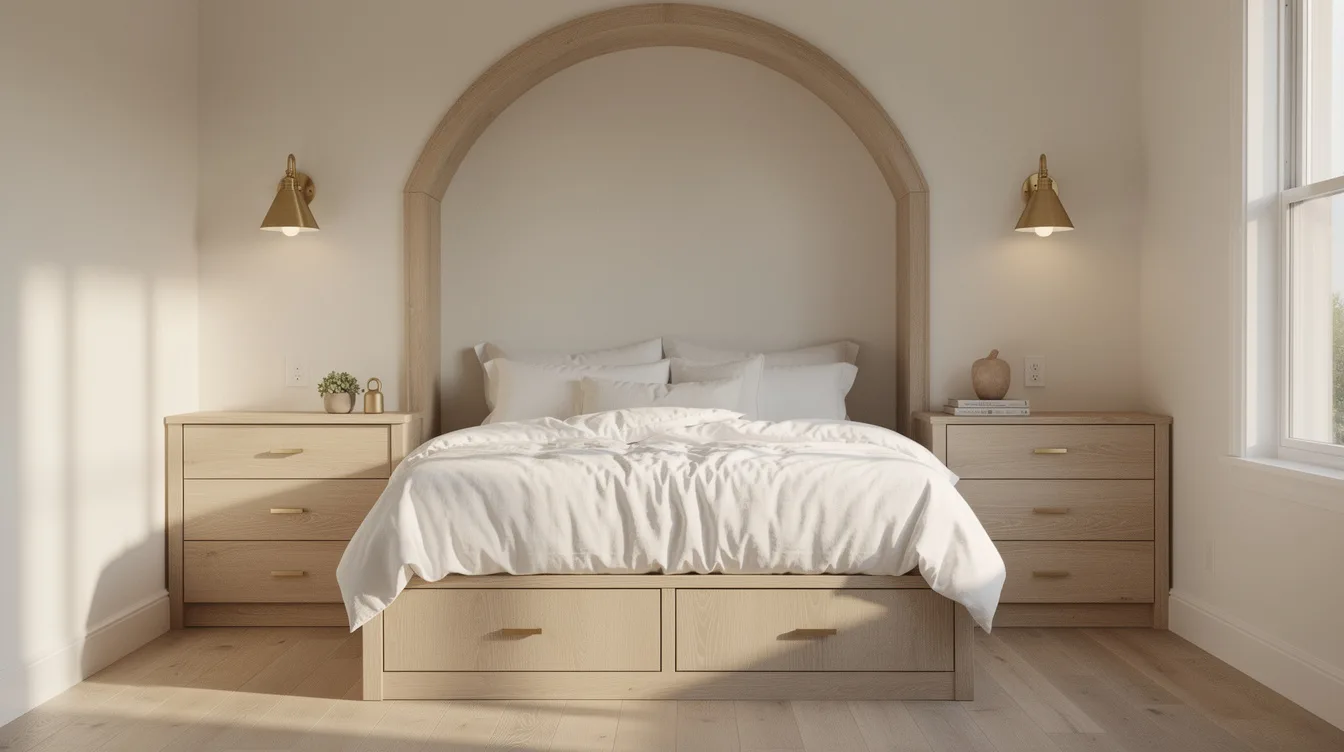
I love an alcove bed when a bedroom has one awkward wall that never quite works with a normal headboard and two nightstands. You know the kind: a shallow recess, a sloped ceiling, or a blank wall that feels too flat once the bed goes in.
The charm comes from treating that spot like architecture, not just furniture. A little depth, a little fabric, and better lighting can make the bed feel tucked in on purpose.
Build a shallow niche behind the headboard
A decorative niche is the fastest way to make the bed feel custom. A drywall or wood-framed surround with about 8 to 12 inches of depth is usually enough to create that tucked-in look without stealing too much floor space.
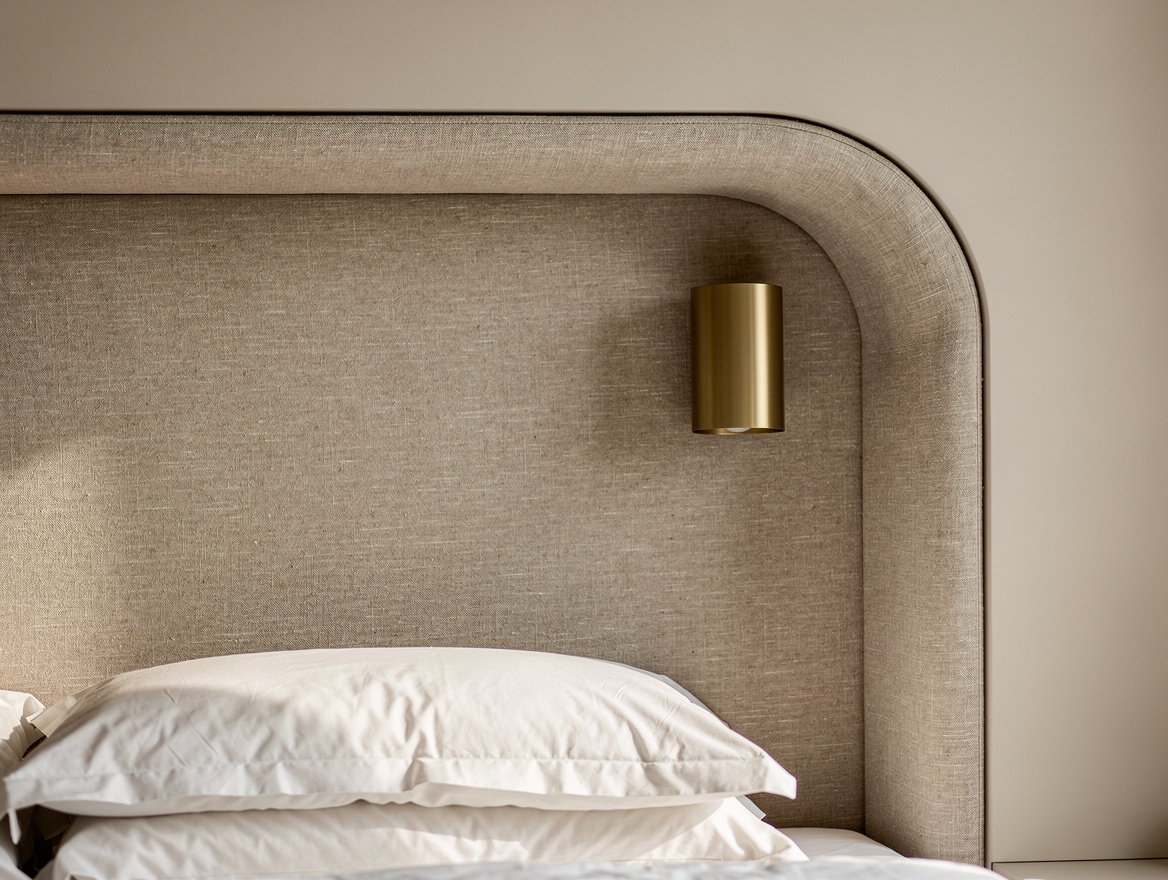
I’d pair it with a softly rounded upholstered headboard in linen, boucle, or velvet, because that shape feels warmer than a sharp rectangle. A typical headboard in this style often rises about 43 to 55 inches above the mattress, and that extra height makes the alcove read as intentional.
Skip bulky side tables if the niche is tight. Two small wall sconces from Home Depot or Lowe’s, often around $40 to $90 each, keep the bedside zone clear and make the whole setup feel more expensive than it is.
Frame the bed with overhead storage
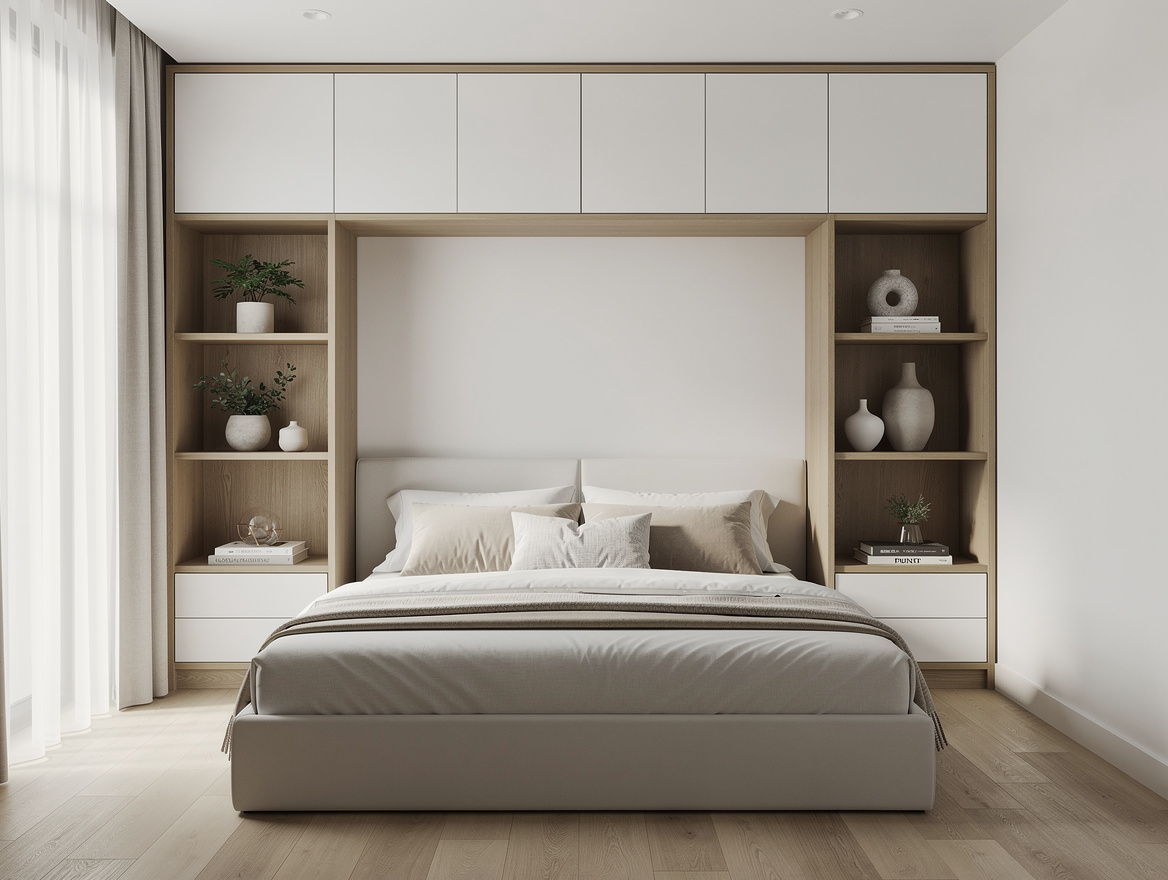
If your room needs every inch to work harder, build the alcove with storage instead of plain walls. A bridge cabinet layout, with upper boxes and side towers around the bed, turns a basic wall into something closer to built-in millwork.
This works especially well with a queen bed. In the US, a standard queen mattress is typically 60 by 80 inches, and an inside alcove width of roughly 68 to 76 inches usually feels comfortable instead of cramped.
I like a light oak-look finish mixed with white fronts because it keeps a storage-heavy wall from looking heavy. IKEA and Wayfair both sell modular pieces that can get you close to the look, and a typical budget can land anywhere from about $500 for a semi-DIY setup to well over $1,500 for a fuller wall.
Add one or two open shelves near pillow height for books and a charging spot. That detail matters more than extra decor, because an alcove bed should feel useful first.
Raise the bed on a platform and screen it lightly
A platform alcove is my favorite answer for a studio or a small bedroom that needs clearer zones. A low wood platform bed with drawers or a solid plinth gives the sleep area more presence, even before you add anything else.
Then use a slatted room divider or a light metal screen to separate the bed without boxing it in. Target and Wayfair sometimes have simple dividers in the $80 to $250 range, and the airy versions look far better than anything too ornate.
I’d keep the palette quiet here: white walls, pale wood, one warm accent. The charm comes from the shape and the shadow lines, not from stuffing the corner with too many objects.
Soften the alcove with ceiling-mounted curtains
When the structure is already there, fabric is often the smartest move. A ceiling track or slim curtain rod with washed cotton or linen panels can turn a recess into a cabin-like sleep nook in one afternoon.
This idea works beautifully for guest rooms, kids’ spaces, and narrow alcoves where a solid door would feel fussy. I’d buy plain linen curtains from IKEA, Target, or Amazon and keep the color close to the wall so the bed area feels calm instead of theatrical.
The price is also kind. A basic track and two panels can often come in around $60 to $180 total, which is far cheaper than custom millwork and still changes the mood immediately.
Don’t overdo the pattern if the opening is small. Soft texture is usually enough, and it ages better than trend-heavy prints.
Use the space under stairs or eaves properly
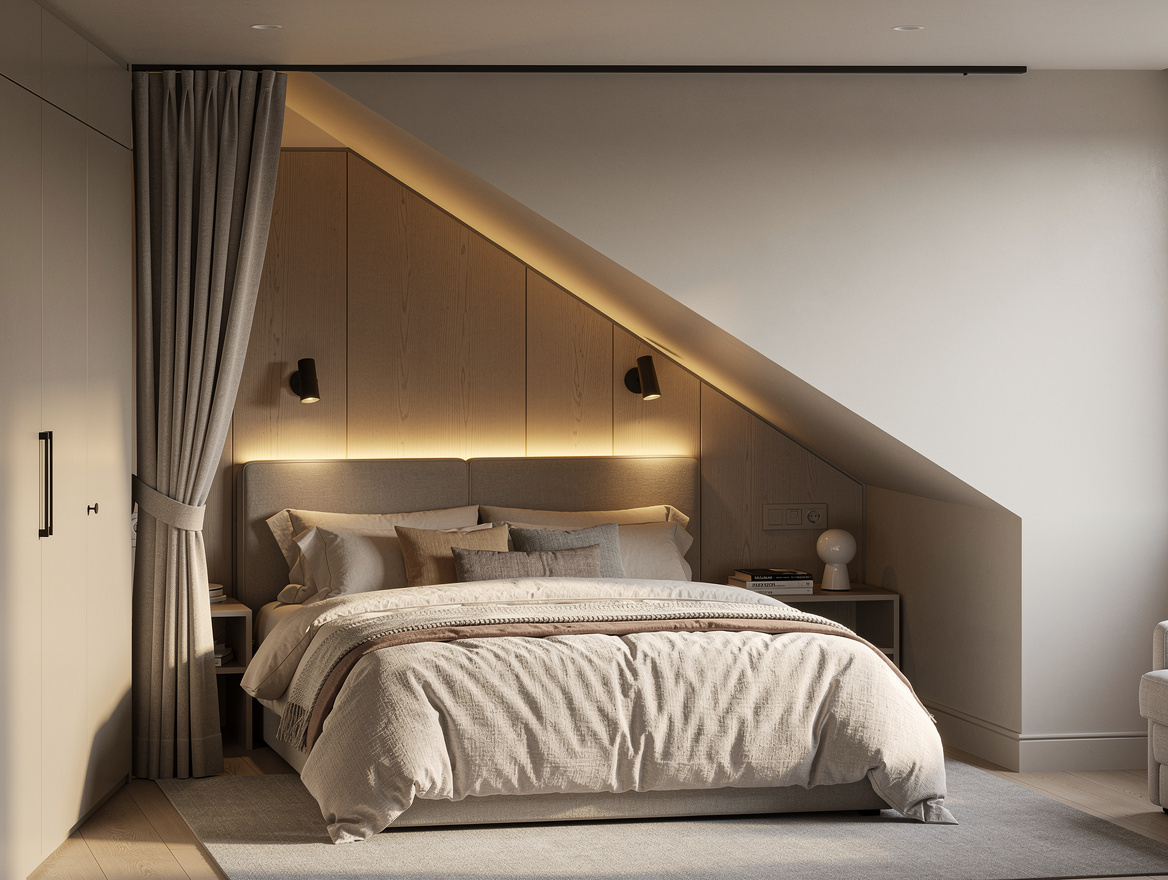
An alcove bed under stairs or under a sloped ceiling can be incredibly cozy, but only if you respect comfort. I always look for roughly 35 inches of head clearance near the pillow area, because anything much lower starts to feel annoying fast.
This is where a simple painted wood paneling finish really helps. It gives the odd architecture a cleaner outline, and it reflects more light than a dark stain in a spot that already gets less daylight.
Add compact recessed lights or adjustable reading lamps so the bed doesn’t feel cave-like. Lowe’s and Ace Hardware both have small LED options, often around $20 to $60 each, and this is one place where lighting is not optional.
For a narrow guest alcove, a twin mattress is often the easier fit. For a main bedroom, I’d only use a sloped alcove if the entry and exit path still feels natural every day.
Paint the inside of the alcove like a frame
The simplest alcove makeover is color. Painting just the inside of the niche in a deep forest green, terracotta, or dusty blue gives the bed a framed, cocooned feel without adding any construction at all.
I like to keep the outer walls in soft white paint so the recess reads clearly. Home Depot and Lowe’s both stock solid interior paint lines, and a typical gallon often runs around $35 to $70 depending on the finish.
If you want more energy, line the back wall with wallpaper instead. Target, Walmart, and Amazon all carry peel-and-stick options, and this is one of the few places where a graphic print can look sharp rather than busy.
Be disciplined with the bedding if you choose a strong backdrop. One quilt, two sleeping pillows, maybe a lumbar cushion, done.
Start with the feature your room actually needs most: storage, privacy, or better shape around the bed. Once that call is made, the charming part is easy, because even one good move, color inside the niche, a curtain track, or built-in lighting, can make the whole bed area click.
Mia Carter writes about small-space living and budget home makeovers. She has restyled three rentals and tests most ideas in her own 45 sqm flat.