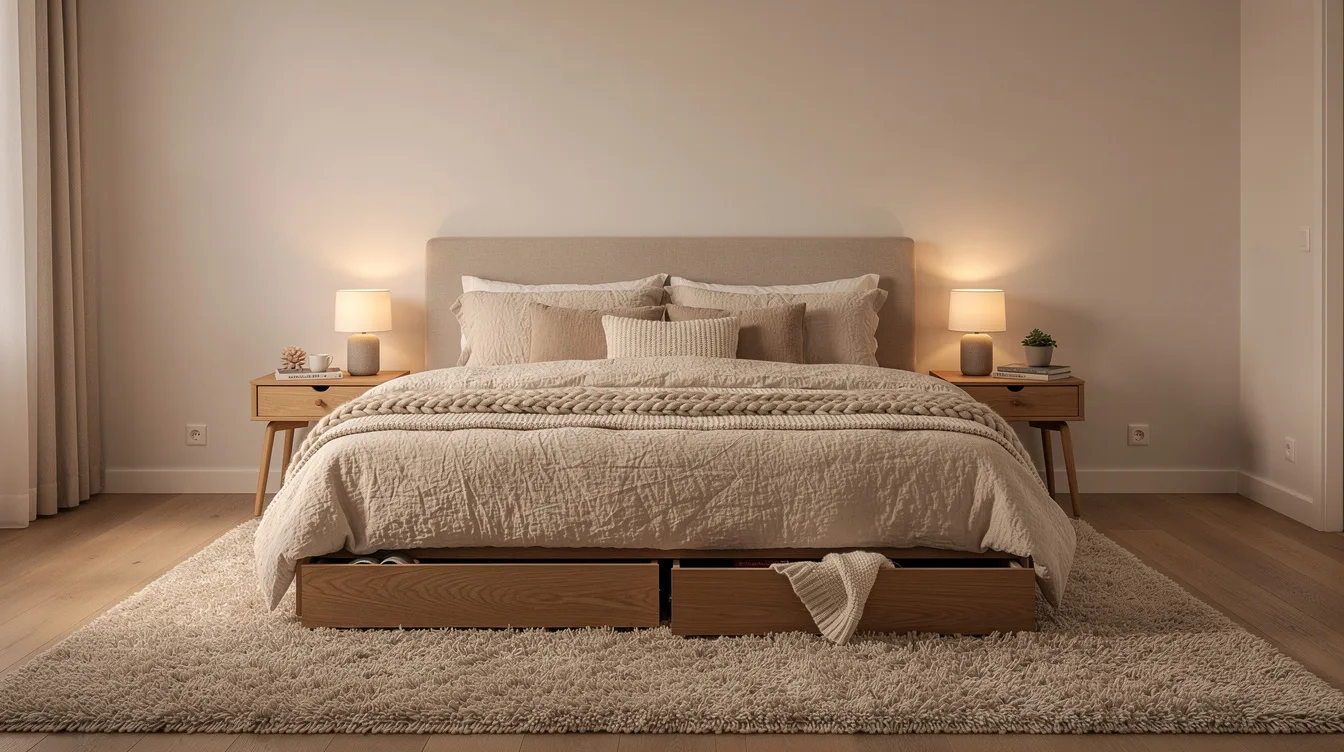
The most awkward couple bedrooms usually fail in the same place: one person has a glowing charger, the other has a pile of extra blankets, and the bed somehow ends up squeezed between furniture that never quite fit. When the lamp light is harsh and your feet hit bare floor on both sides, “romantic” starts feeling like a stretch.
If I wanted this room to feel dreamy in 2026, I’d go for a warm cocoon look with soft lighting, natural texture, and storage that disappears. The goal is simple: a bedroom that feels good at 10 p.m. And still works at 7 a.m.
Start With a Warm Neutral Shell
I’d build the room around beige paint, sand bedding, and one deeper greige note before adding anything decorative. That tone-on-tone mix feels softer in real life than bright white, especially at night when lamp light hits the walls.
A typical couple’s room feels easiest to plan at about 130 to 150 square feet, with the bed on the longest wall. If you want the room to feel calm instead of cramped, keep the palette narrow and let texture do the work.
Center the Bed and Protect the Walkways
The fastest way to make a shared bedroom feel romantic is to stop fighting the layout and center a queen bed or king bed properly. A queen is typically 60 by 80 inches, a king is about 76 by 80 inches, and both work better when you leave roughly 24 to 30 inches of clearance on each side.
I like a simple IKEA MALM bed when the budget is tight because the shape stays quiet and lets textiles carry the mood. If the room is small, don’t cram in oversized nightstands, a slimmer pair gives you breathing room and makes the bed look more expensive.
Layer Bedding Until the Room Feels Soft
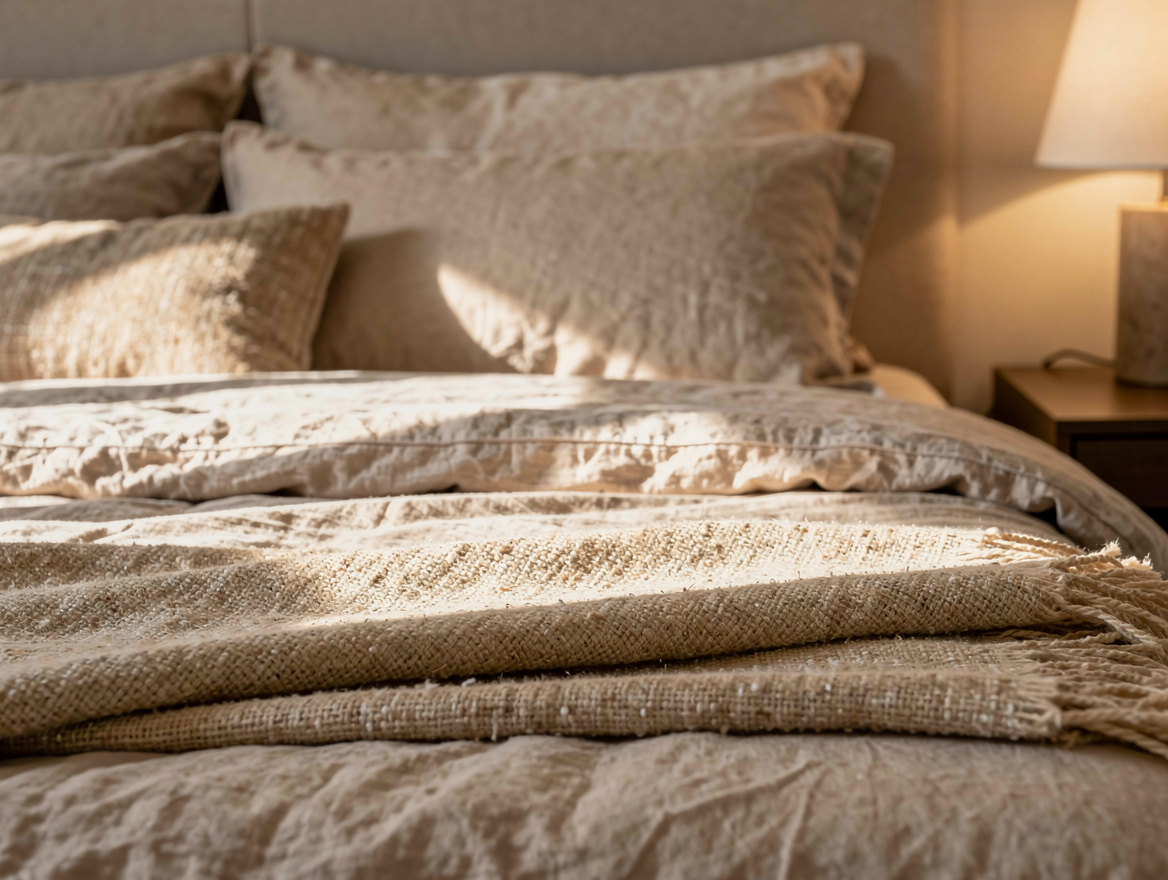
This is where the dreamy part really happens: a washed linen duvet cover, a cotton quilt, and one heavier throw at the foot of the bed. Couples usually need the bed to feel flexible, not overly styled, so I’d skip a mountain of pillows and keep it to two sleeping pillows plus two or three accent cushions.
Brooklinen sheets and duvet sets are a solid starting point if you want that soft, slightly relaxed look without guessing at fabric quality. A typical bedding refresh with sheets, duvet cover, pillows, and a throw can easily land around $300 to $800, and I think that money is better spent here than on trendy wall decor.
Don’t ignore the floor, either. A 200 x 300 cm rug, roughly 6.5 by 10 feet, should extend past the sides and foot of the bed so your feet land on something soft in the morning.
Build Low, Warm Light From Multiple Spots
Overhead light alone kills the mood, every time. I’d use two bedside lamps or sconces with fabric shades, then add one indirect source so the room glows instead of looking fully lit.
Target table lamps or a pair from Walmart can do the job if the shades are soft and the bulbs stay warm, ideally around 2200K to 2700K. For invisible tech, smart bulbs from Amazon work well because you can dim both sides from bed and set a low evening scene without adding visual clutter.
A typical lighting update with two to four light sources and smart bulbs often runs about $150 to $400. That’s money well spent, because warm layered light changes a room more than a new dresser does.
Add Natural Materials So the Room Feels Grounded
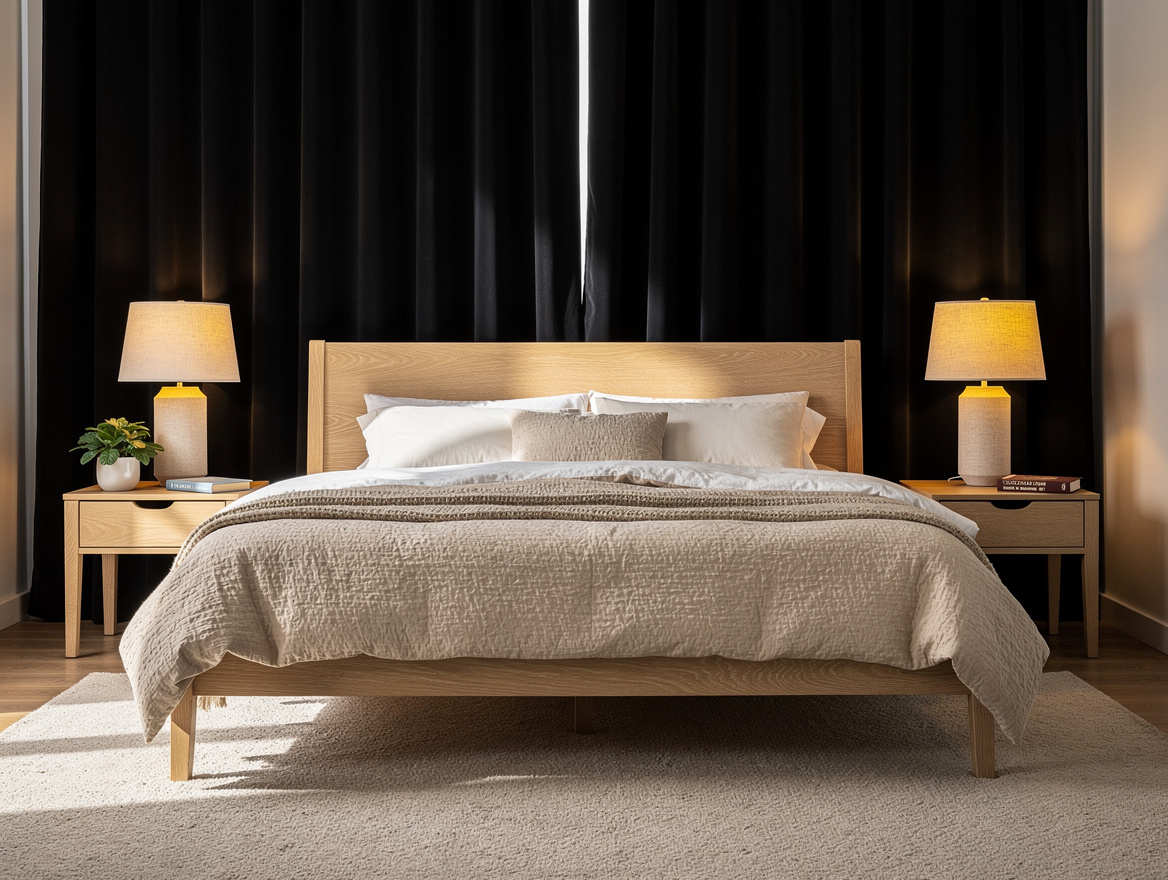
A dreamy bedroom gets flat fast if every surface is smooth and synthetic. I’d bring in oak veneer, washed cotton, wool, and maybe one woven piece so the room feels warm even before you turn on the lamps.
IKEA nightstands in light wood, a woven bench from Wayfair, or a simple rattan tray from Amazon all work because they break up the soft upholstery with something tactile. My hard opinion: mirrored furniture looks cold in most couple bedrooms unless you’re fully committing to a glam look.
One wool throw in oatmeal or camel does more than five tiny accessories. If you’re trying to make the room feel expensive, fewer materials with better texture always win.
Hide Storage and Keep Tech Nearly Invisible
Nothing ruins a cozy bedroom faster than chargers, laundry piles, and backup pillows taking over the corners. A bed with under-bed storage, a low dresser, and matching baskets will make the room feel calmer than any new paint color.
Home Depot blackout curtains are worth it if one of you wakes earlier, and they also make the room look fuller from floor to ceiling. I’d pair them with a discreet phone charging pad on each nightstand and call it done, because visible cables instantly cheapen the atmosphere.
A full refresh with bed, mattress, lighting, rug, and textiles often lands around $1,300 to $3,000 in a realistic mid-range setup. That range sounds broad, but bedrooms get expensive only when you buy too many statement pieces instead of fixing function first.
Create One Shared Spot That Is Not the Bed
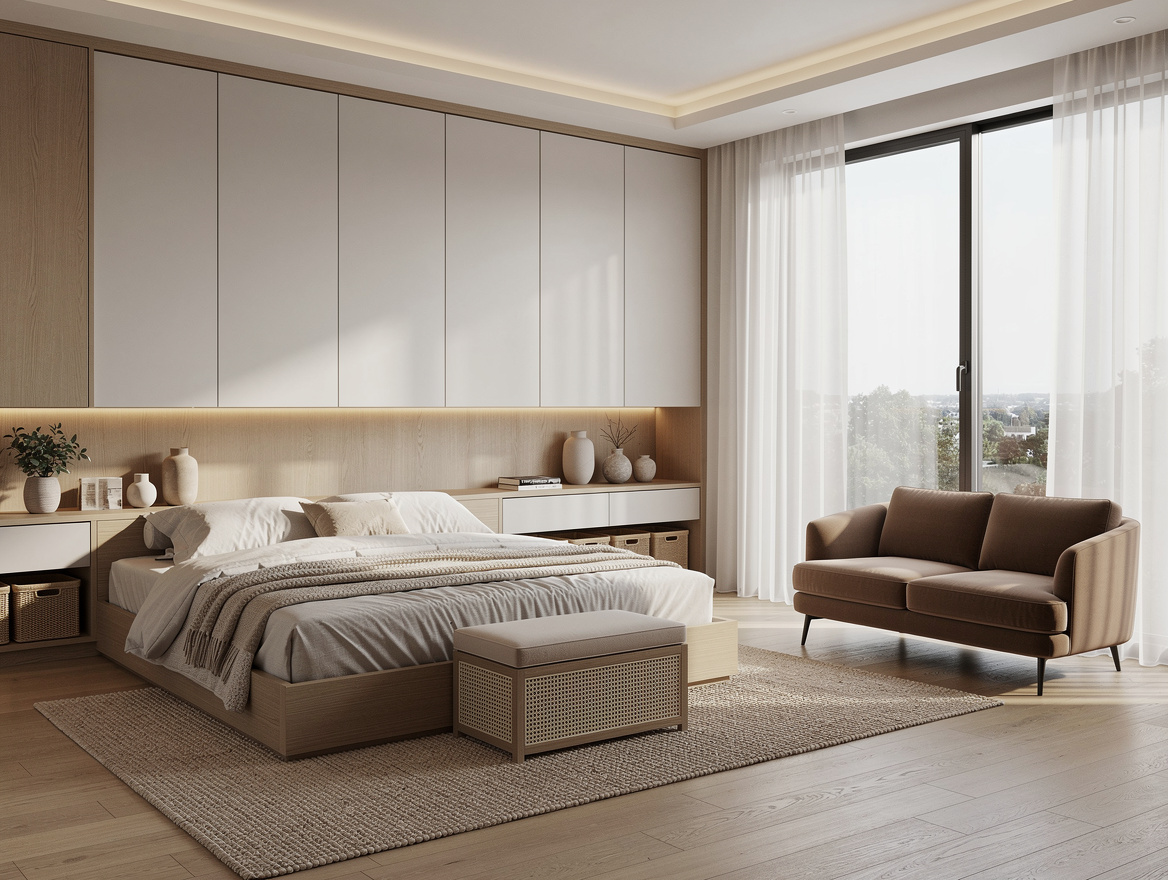
If you have the floor space, give the room one small zone for the two of you that isn’t just sleeping. A loveseat about 48 to 55 inches wide, or even two compact chairs, can fit at the foot of the bed or near a window if the room leans closer to 150 square feet.
Wayfair seating works well here because you can find compact upholstered pieces that don’t overpower the room. I’d rather see one good chair, one lamp, and a small drink table than a crowded bench with piles of clothes on it by day three.
This little zone gives the room a suite feeling without major remodeling. It also helps a couple’s bedroom feel intentionally shared, not just like a place where two people store their stuff and collapse at night.
Begin with the bed placement and the lighting, then spend on bedding before accessories. If those three pieces feel right, the whole room will read softer, warmer, and much more connected.
Mia Carter writes about small-space living and budget home makeovers. She has restyled three rentals and tests most ideas in her own 45 sqm flat.