
Small daily habits may support healthier cortisol patterns without requiring a spa appointment. Useful changes are practical, visible, and tied to routines already happening. A water bottle by the school bags, a ready breakfast, or softer evening light can reduce decision fatigue. Support becomes part of the day rather than another task.
- Place a water bottle beside the school-bag station with The Two-Anchor Reset
- Batch-cook breakfasts before the morning rush using The First-Meal Buffer
- Could a phone-free chair near natural light create The Rose-Gold Pause?
- Hang a weekly reset checklist by the door through The Doorway Decision Grid
- Keep grab-and-go snacks in a visible basket with The Visible-Fuel Rule
- Create a five-minute stretching corner beside the bed with The Five-Minute Floor
- Why dim kitchen lights after the children’s bedtime with The After-Bedtime Light Stack?
- Store calming tea beside the evening dishes using The Evening Landing Shelf
- Schedule outdoor walks around school pickup through The Pickup Loop
- Prepare tomorrow’s outfits in one open basket with The Open-Basket Forecast
- Use a timer for protected quiet minutes with The Nero Marble Pause
- How can a shared responsibility board support The Shared-Load Map?
1Place a water bottle beside the school-bag station with The Two-Anchor Reset
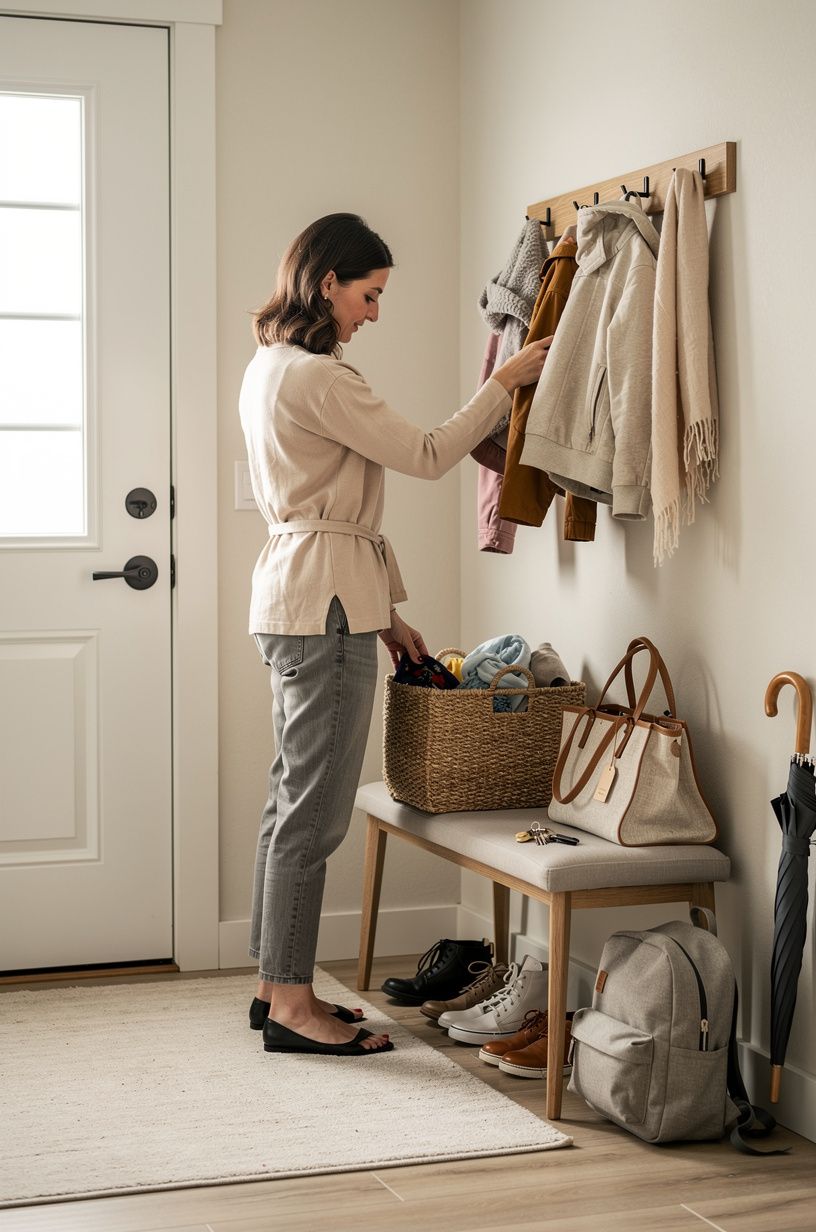
A water bottle beside the school-bag station creates two reminders in one busy zone. When you reach for a backpack, your hand also meets water. Choose a bottle with a wide opening and a cerused white oak tray underneath so drips stay contained.
A Klean Kanteen bottle, a shallow stone dish, and a washable olive linen cloth can do the work. Keep the bottle visible, not tucked behind shoes or coats. If you’re styling an entry, place it where your eye naturally lands before leaving.
The best version is the one your household can refill easily. A hidden bottle becomes forgotten clutter.
An open bottle beside the bags becomes part of the departure sequence. The setup may also pair well with these exhausted mom bedtime routines, especially when mornings begin after a restless evening.
Choose a bottle that feels pleasant to use. A narrow neck may look tidy, but a wide opening makes cleaning easier. That small detail matters when the bottle needs daily attention.
2Batch-cook breakfasts before the morning rush using The First-Meal Buffer
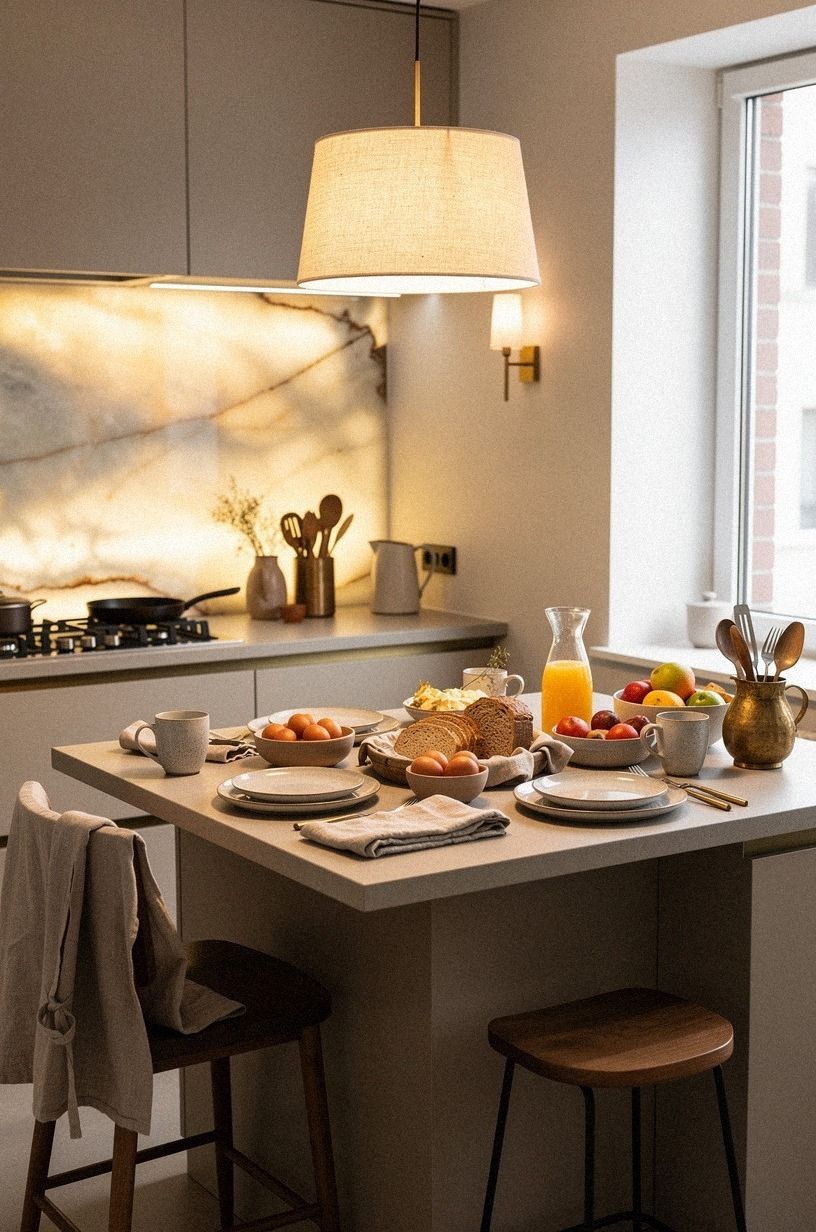
A prepared breakfast can remove one early decision from the day. Set linen napkins, clay bowls, and aged brass utensils against a backlit translucent onyx backsplash. Overnight oats, boiled eggs, fruit, or yogurt can wait in the refrigerator while the morning stays calm and bright.
You’re not chasing a perfect menu. You’re creating a reliable first meal. Use labeled glass containers with a clear front edge so the household can see what’s available.
A Pyrex FreshLock container works well beside a small wooden board, while a warm clay bowl keeps the station tactile rather than clinical.
Don’t make the system too elaborate. A breakfast plan that requires several pans won’t survive a rushed weekday.
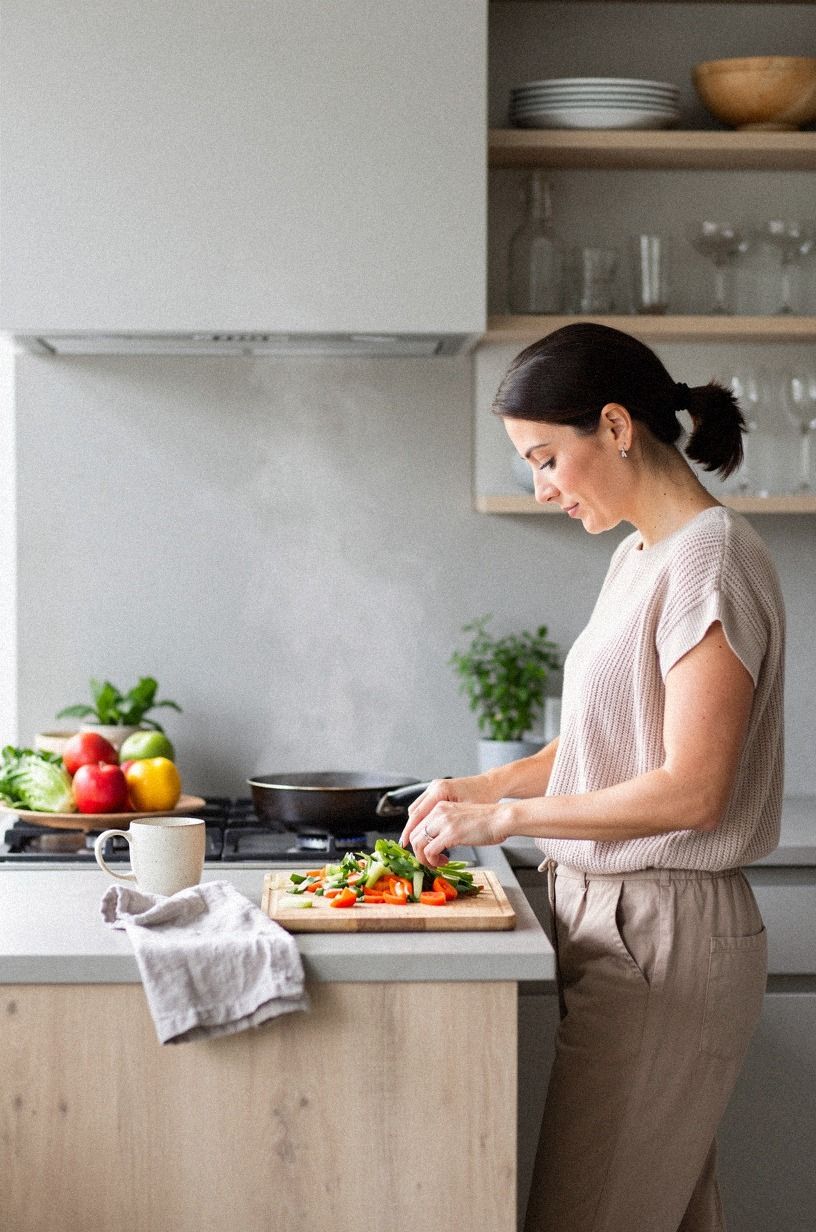
Choose one repeatable base, one protein, and one fresh item. A prepared option may also make it easier to eat before the school run.
For broader food planning, these dietitian-approved breakfast strategies offer useful context. The goal remains simple: fewer choices, less rushing, and a nourishing start that fits the actual kitchen.
3Could a phone-free chair near natural light create The Rose-Gold Pause?
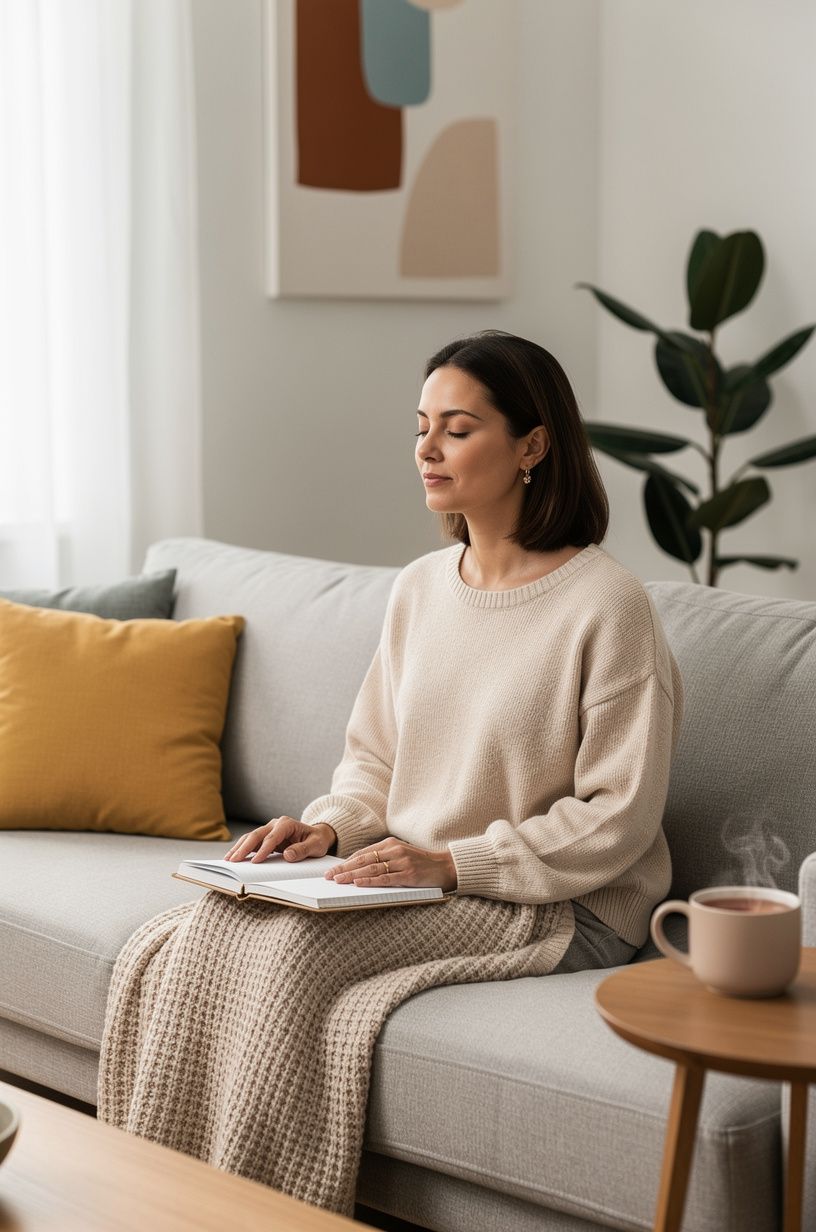
A chair near natural light gives the nervous system a clear place to pause. It doesn’t need to be a special reading nook. A plum-upholstered chair, a compact rose-gold floor lamp, a grey cotton cushion, and a book-matched walnut side table can define the boundary.
Place the chair away from the television and charging cables. Keep one book, a notebook, or a pair of glasses nearby.
When the phone stays in another room, the pause becomes more noticeable. You’re not trying to create a silent retreat.
You’re creating a visible alternative to automatic scrolling.
A West Elm slipper chair or a secondhand bentwood seat can work equally well. Choose comfort over decoration, especially when the chair will be used for five minutes between errands. If the fabric is pale, a washable throw makes the corner more forgiving.
The chair may support a calmer transition when used at the same time each day. Morning daylight can suit a short breathing pause.
Late afternoon light can create a softer bridge between work and family tasks. Either way, the cue should remain easy to reach.
4Hang a weekly reset checklist by the door through The Doorway Decision Grid
A weekly checklist by the door catches household decisions before they become morning emergencies. Use a Farrow & Ball Hague Blue frame, warm white paper, and a warm travertine ledge with walnut details. The pale paper surface keeps the list easy to scan.
Keep the checklist short enough for one glance. School events, meal preparation, laundry timing, and one personal appointment may be enough. A Pottery Barn Teen corkboard or a framed dry-erase board can serve the same purpose.
Your goal isn’t to schedule every breath. It’s to move recurring decisions out of your head.
Hang the center of the board around eye level, and keep the writing area uncluttered. If you’re building a broader entry system, these French kitchen habits for busy nights connect visual order with easier meal routines.
Don’t let the board become a guilt wall. A useful list supports the household; it doesn’t grade anyone.
If a task keeps moving forward, remove it or make the wording smaller. The most effective checklist is clear, forgiving, and genuinely used.
5Keep grab-and-go snacks in a visible basket with The Visible-Fuel Rule
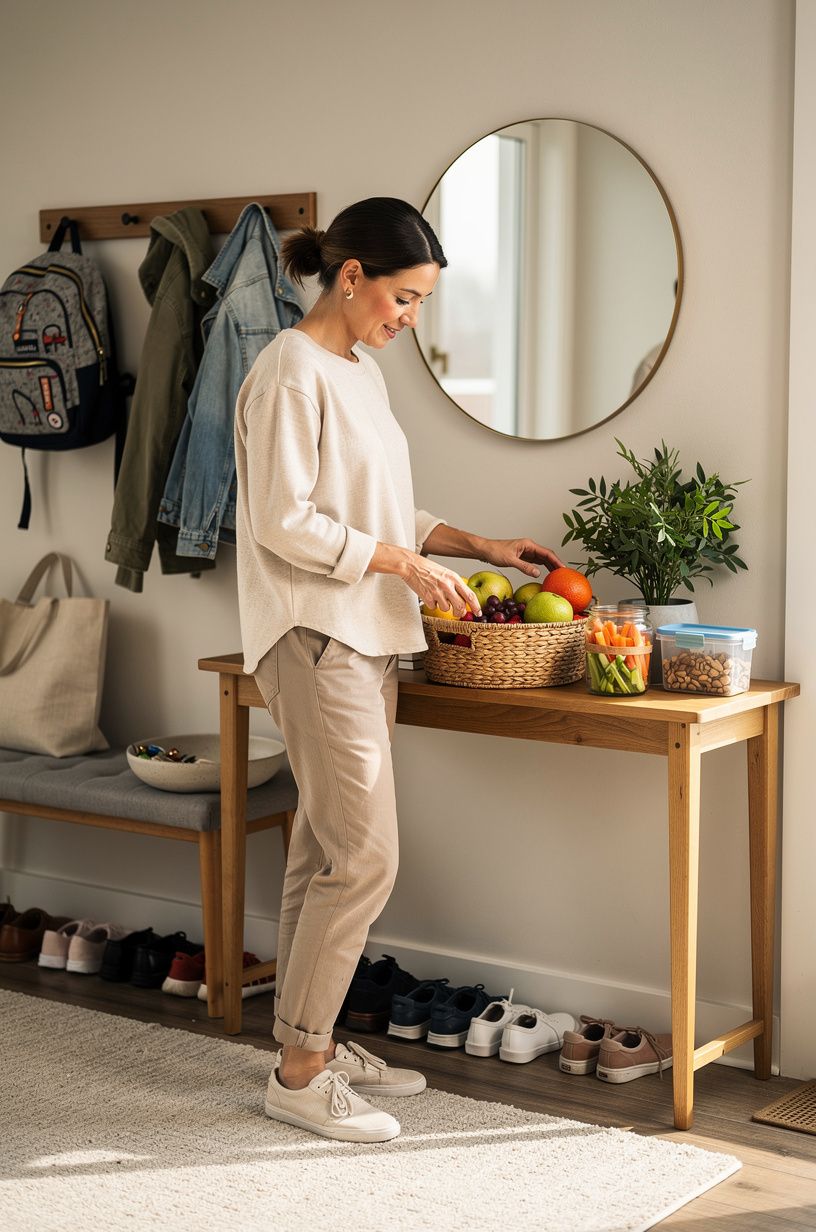
A visible snack basket can make eating between tasks more realistic. Choose an emerald basket with a cream liner, gold accents, and an unlacquered brass tray underneath. The brass can develop a warm patina while keeping the station polished.
Place it near the kitchen path rather than inside a crowded cabinet. Nuts, fruit, crackers, or sealed yogurt can stay within easy reach. A visible option may help prevent long stretches without food during busy afternoons.
6Create a five-minute stretching corner beside the bed with The Five-Minute Floor
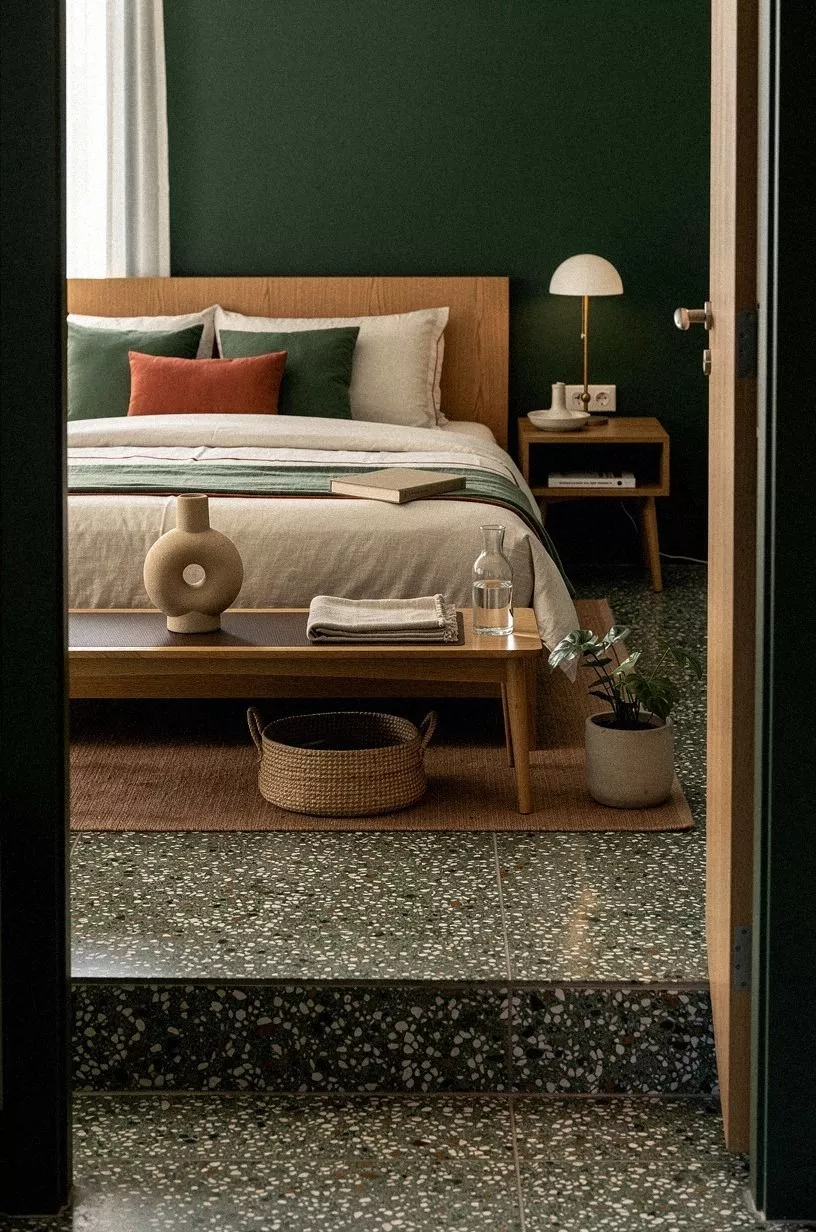
A small stretching corner can turn the space beside the bed into a gentle transition zone. Use a forest-green mat, rust-colored linen, a low natural-oak basket, and an oversized-chip terrazzo stool. The palette feels earthy and warm, while the arrangement gives the eyes one calm focal point.
Choose a mat that rolls easily and remains visible. A Manduka Begin mat or a clean secondhand exercise mat can work if the surface feels stable.
You don’t need a large room or a complicated sequence. A few comfortable movements for five minutes may be enough to reconnect with the body before messages and chores take over.
Keep the corner free from laundry piles, because visual friction can cancel the invitation to pause. You’re more likely to use the mat when it’s ready, clean, and easy to reach.
Don’t force movement through pain or unusual symptoms. A clinician or qualified movement professional can provide more appropriate guidance when needed.
Outdoor alternatives may also suit the routine. These forest bathing cost comparisons show how a low-pressure outing can fit different budgets. The useful choice is the one that feels repeatable.
7Why dim kitchen lights after the children’s bedtime with The After-Bedtime Light Stack?
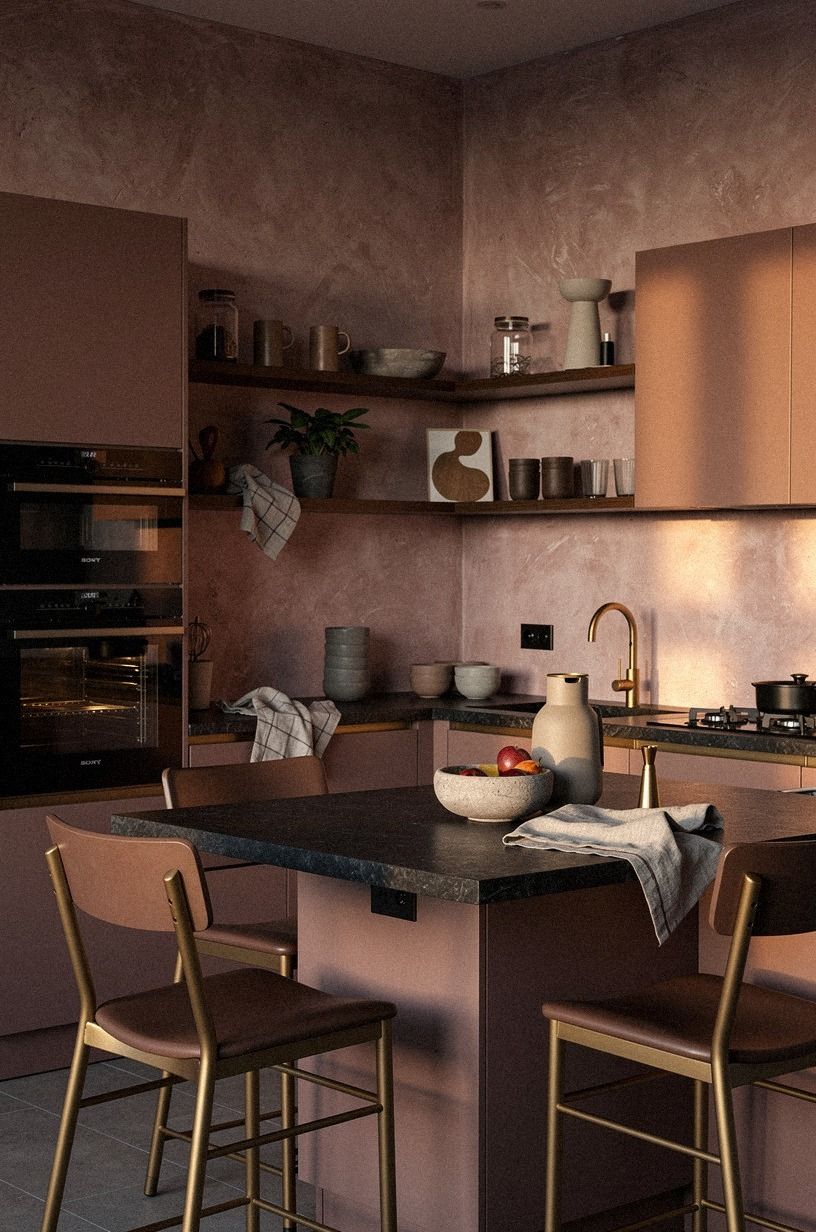
Bright overhead lighting can make the kitchen feel like a workplace after bedtime. Shift to a dusty-rose wall in hand-applied Venetian plaster, charcoal accents, and a small aged-brass lamp for a softer evening atmosphere.
Use dimmable bulbs and keep task lighting available for cleanup. The aim is a gentler transition, not a kitchen that becomes difficult to use. A warm light cue may help signal that the active part of the evening is ending.
8Store calming tea beside the evening dishes using The Evening Landing Shelf
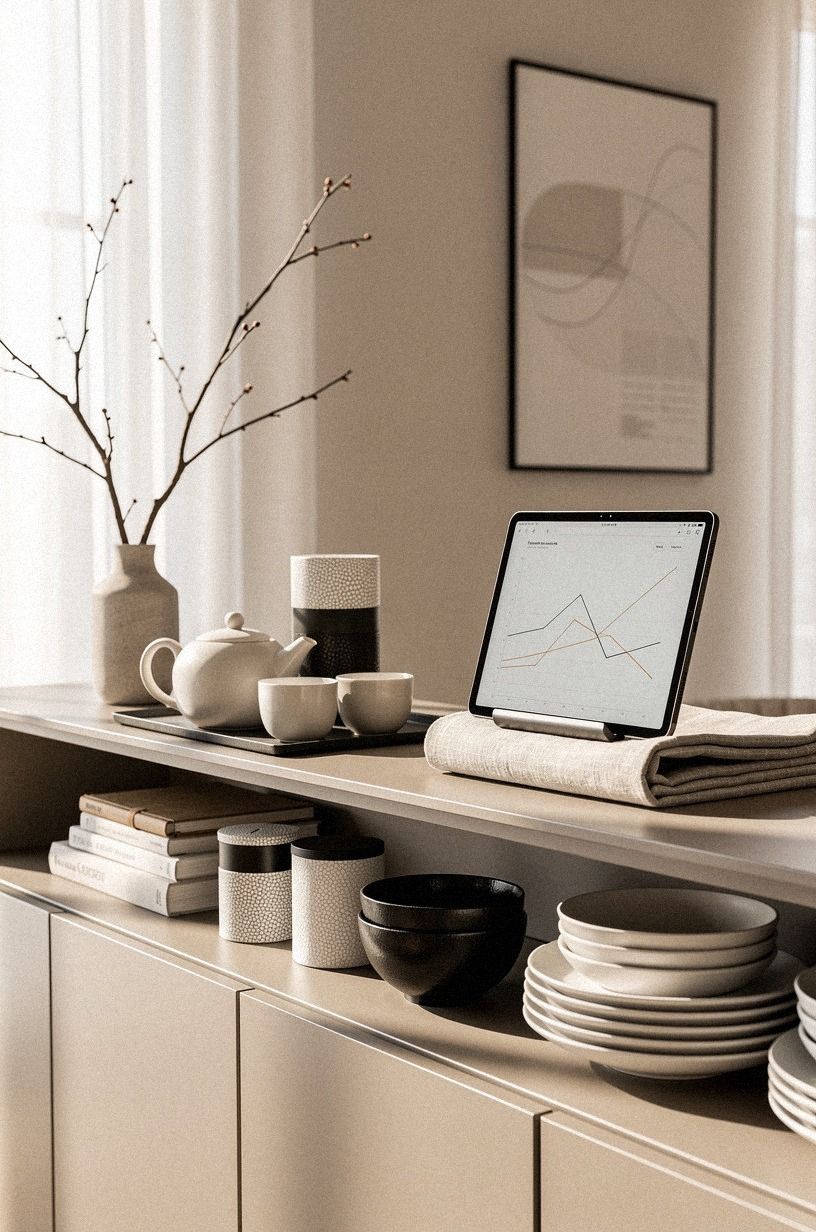
Tea becomes easier to remember when it lives beside the dishes used at night. Use a warm white shelf, camel-colored linen, black accents, and a shagreen storage box for tea bags or loose-leaf supplies. A Benjamin Moore White Dove wall can keep the station light without making it feel stark.
A KUNGSFORS rail or narrow shelf can hold a small tin, a heat-safe cup, and a spoon. Keep the surface restrained so the station feels peaceful rather than crowded. You’re giving the evening a consistent pause that may support a calmer transition.
Choose caffeine-free options if caffeine affects the evening. Follow personal medical guidance for ingredients that may interact with medication. Herbal products can have active effects, so labels and clinician advice matter.
If the shelf becomes a storage dump, edit it back to one cup, one tin, and one cloth. The best setup feels soft, refined, and usable when attention is already low. A small ritual can be welcoming without becoming another rule.
9Schedule outdoor walks around school pickup through The Pickup Loop
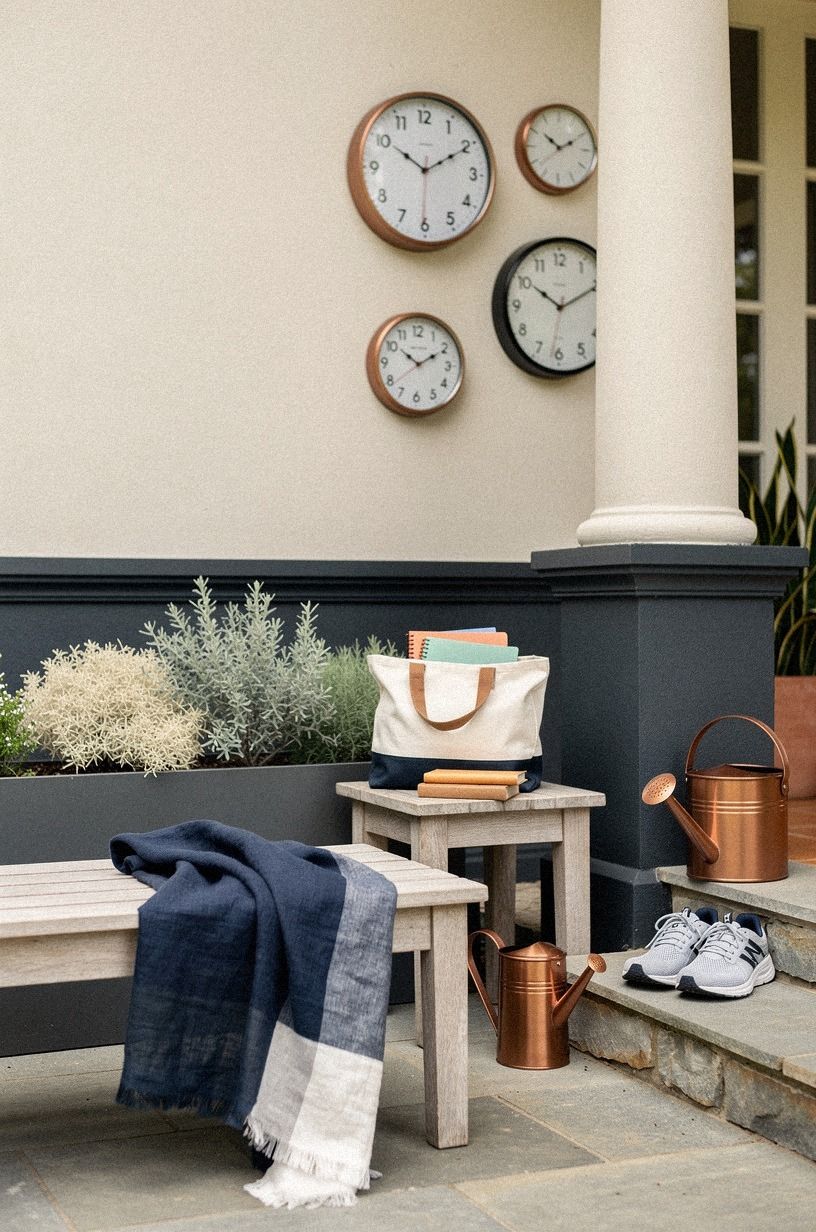
Outdoor walking can fit more naturally around school pickup than into a separate wellness appointment. Build the route around midnight-blue outerwear, copper details, ivory textiles, and washed Belgian linen in the entryway. A basket for shoes and a hook for a light jacket make the transition visible.
A Patagonia Nano Puff or another weather-ready layer can stay near the door with walking shoes. You don’t need to turn every walk into exercise tracking. A slower route, natural light, and a few minutes without a crowded schedule may support stress regulation.
Children can walk alongside the household, or the route can happen after drop-off. If weather changes, keep a fallback route indoors or around a covered area. Consistency matters more than a picturesque path.
The entry should make the outdoor option easy to start. Hidden coats and buried shoes create unnecessary resistance. A small bench, an open hook, and one dependable pair of shoes can make the habit feel surprisingly accessible.
For another low-pressure evening option, these calm bedtime habits for tired mothers may help connect movement, transition, and rest.
10Prepare tomorrow’s outfits in one open basket with The Open-Basket Forecast
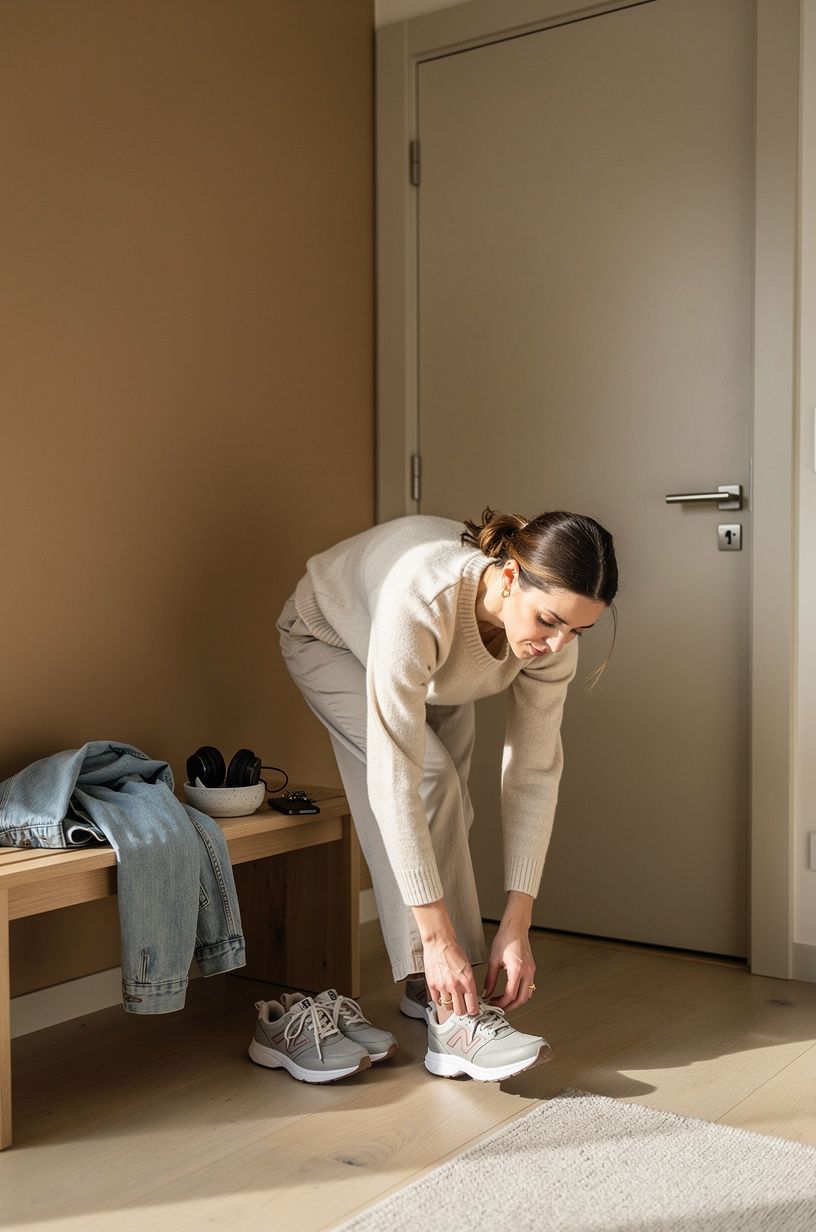
Preparing clothing in one open basket can reduce the number of morning choices waiting for the household. Use sage green, warm cream, and natural wood around the basket, with an organic bouclé bench or cushion nearby.
Keep tomorrow’s outfits together rather than scattering pieces across a bedroom. A low basket with a wide opening makes the routine easy for children to follow. The setup can remain attractive while still being practical enough for rushed mornings.
11Use a timer for protected quiet minutes with The Nero Marble Pause
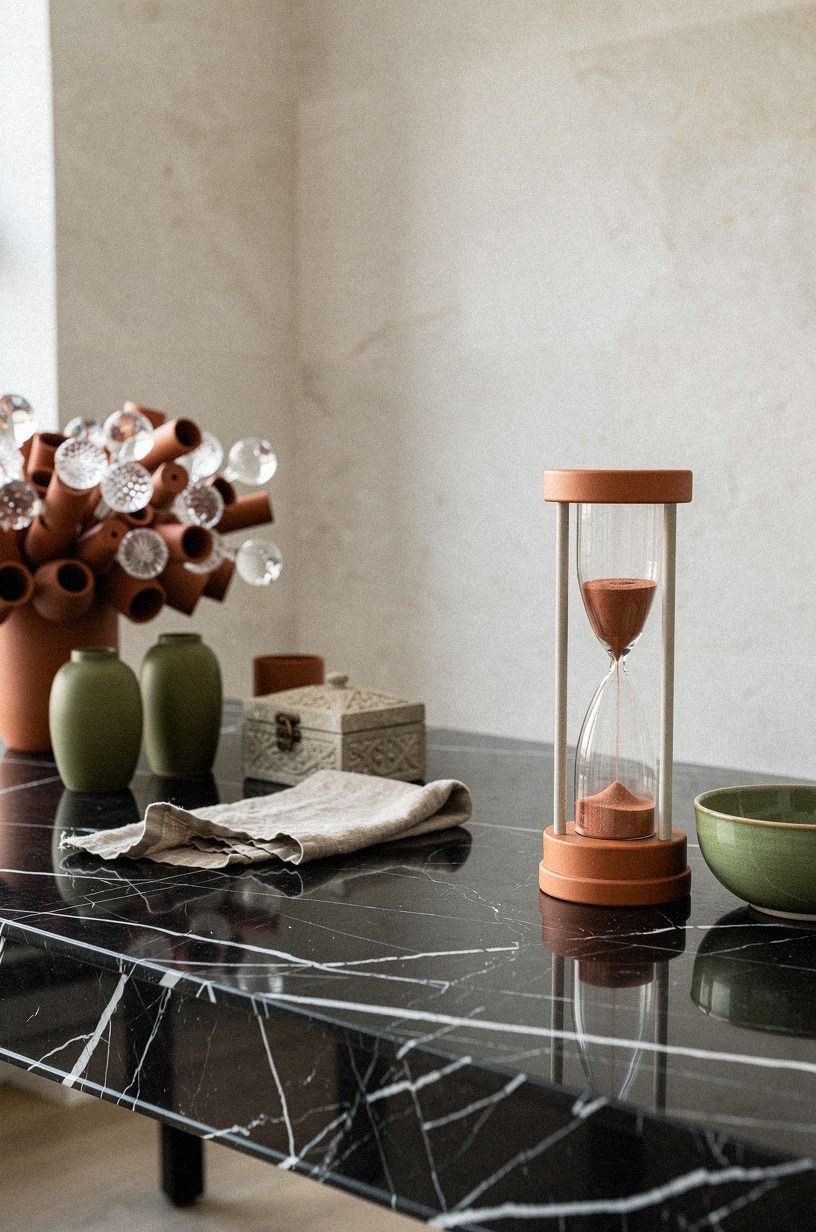
A timer gives quiet time a clear beginning and end, which can make the request feel more realistic for a busy household. Place a simple timer on a Nero Marquina black marble tray with terracotta, stone, and olive accents. The visual cue should be obvious enough that the household understands the area is temporarily protected.
A Time Timer MOD can show the passing minutes without constant checking. You don’t need to claim that a timer changes cortisol by itself. It simply creates a boundary around a short pause, reading period, breathing exercise, or cup of tea.
Quiet minutes may happen beside the kitchen, in a bedroom, or in the chair near the window. Set the timer for a period that fits the actual household, then protect the boundary as consistently as possible. If interruptions are unavoidable, shorten the plan rather than abandoning it.
These daily routine and cortisol changes offer another reminder that small, repeatable actions can matter more than dramatic resets. The timer is a boundary, not a performance score.
12How can a shared responsibility board support The Shared-Load Map?
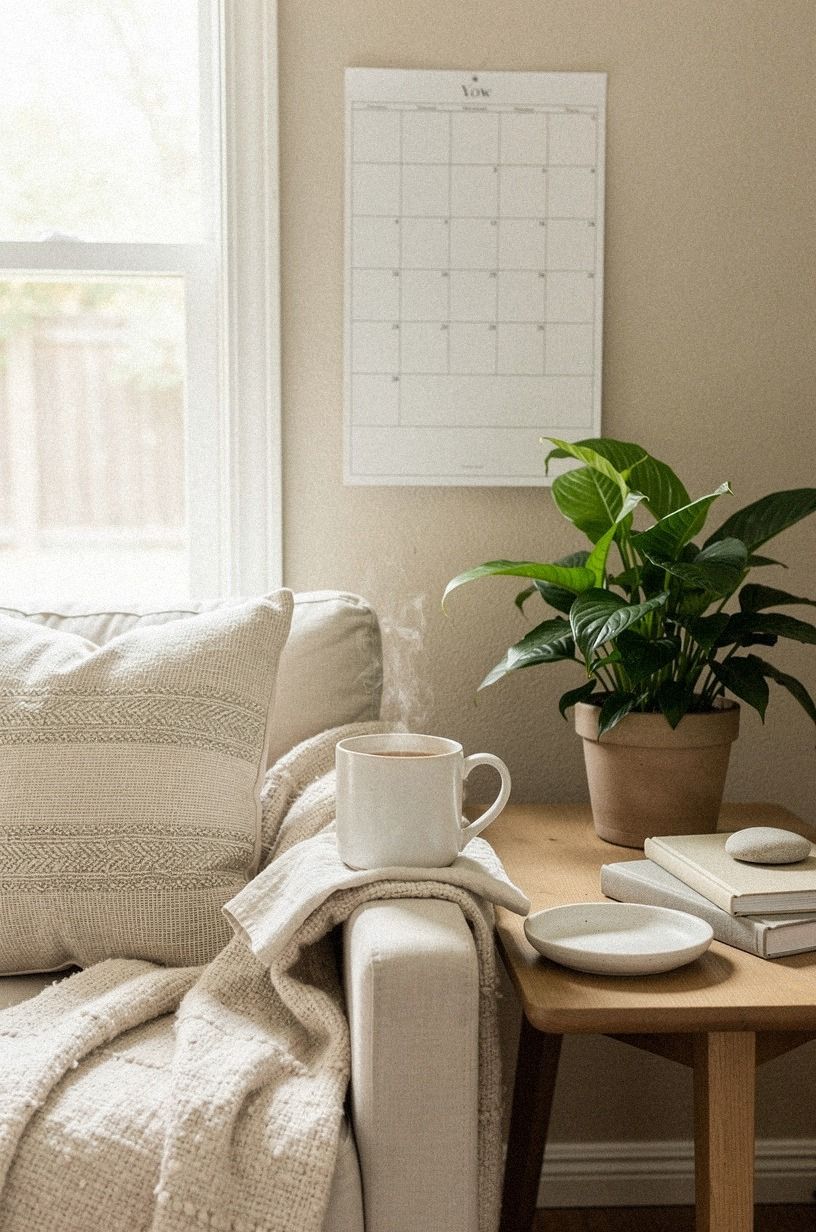
A shared responsibility board makes invisible work easier to see. Use a clay-toned frame, linen backing, aged brass clips, and a deep-pile mohair velvet pinboard. Keep the design clear enough for a quick glance.
A Command wall strip can hold a lightweight board in a rental, while a freestanding easel suits a larger kitchen. Use symbols, initials, or simple color blocks if younger children need to participate. The system should show ownership, not create another place for blame.
You’re not required to assign every household task permanently. Review the board once a week and move responsibilities when schedules change. A flexible system stays useful longer than a rigid one.
If the board becomes crowded, keep only recurring work and urgent events. One visible page can be more effective than a detailed planner hidden in a drawer. Shared information may ease repeated questions and make the day feel more coordinated.
What These Habits Can Realistically Cost
These habits can cost nothing when existing furniture, containers, and paper supplies do the work. If a room refresh becomes part of the plan, the following typical US figures provide useful boundaries. They’re decor benchmarks, not requirements for supporting a calmer daily routine.
A few material categories also have broad typical ranges:
You don’t need to spend within any tier to begin. Start with the action that removes the most friction from the day. A visible basket, a chair near daylight, or a checklist by the door can carry more practical value than a costly decorative purchase.
A thrifted tray, reused jar, or existing lamp may be enough. The most useful investment is often placement, not price. If a purchase adds maintenance, refill costs, or visual clutter, it may not support the routine at all.
The Editorial View: Make Stress Support Ordinary
The most useful approach to cortisol support for a busy mom is ordinary by design. A spa day can feel wonderful, but it’s often disconnected from the moments that create the most pressure. School departure, an empty refrigerator, late kitchen cleanup, and a missing permission slip are the places where a realistic system earns its keep.
That’s why visible placement matters. A bottle beside the bags is more useful than a bottle hidden in a cabinet.
A snack basket near the kitchen path is more useful than a beautifully labeled pantry that requires extra effort. Your home should help you remember what supports you.
It shouldn’t ask you to become a different person before the system works.
The strongest habits also have an exit point. A timer ends.
A checklist closes. A lamp dims.
A basket holds the next outfit. Those boundaries keep supportive actions from becoming another endless project.
You’re not trying to optimize every hour or control every physical response. You’re creating small signals that may help the day feel less reactive.
Medical concerns deserve medical guidance. Persistent symptoms, medication questions, or worries about hormone health belong with a licensed clinician.
Home routines can support daily wellbeing, but they don’t replace assessment or individualized care. That distinction matters when online advice presents one habit as a universal answer.
A warm home can still be practical. Linen, walnut, brass, clay, and soft light aren’t merely decorative choices here.
They make useful actions easier to notice. When an environment lowers the number of decisions required, a routine has a better chance of lasting.
That’s a meaningful win.
The Questions Worth Answering First
What is the best cortisol-support habit for a small home?
The best starting point is a visible station near an existing routine, such as a water bottle beside the school bags or a phone-free chair near daylight. Less decision-making is the goal. A compact cube shelf or one open basket can hold the needed items without crowding the room.
Where can budget-friendly pieces for these habits be found?
Target, Wayfair, and thrift stores offer baskets, trays, lamps, and small storage pieces at varied prices. Facebook Marketplace can provide solid wood furniture and baskets for less. Secondhand containers work especially well when function matters more than matching finishes.
How much can a realistic room refresh cost?
A habit-based refresh can cost nothing when existing supplies are reused. A broader decor update may range from $200 to $800 for paint, textiles, art, and organization, while larger furniture and lighting projects can cost more. A daily routine doesn’t require a full room makeover.
Can a busy mom create this routine on a budget?
Yes. The first steps can be free: move a chair near natural light, write a weekly checklist, and place tomorrow’s clothing in one open basket.
A thrifted tray or reused glass container can add structure without creating a new expense. Start with one visible change.
Is this approach worth it in a small space?
Yes, because a small room can make useful cues easier to see. Choose one wall, one basket, or one chair rather than spreading supplies across the home. Clear visual boundaries help a routine stay practical when storage and floor space are limited.
Is this approach suitable for a rental?
Yes. Use removable hooks, a tension rod, peel-and-stick surfaces, and freestanding baskets.
A small Target Threshold lamp can replace hardwired lighting, while a framed checklist can lean on a shelf instead of being mounted. Always follow rental rules and remove products carefully.
Where to Start First
If one habit deserves the first try, choose the visible water bottle beside the school-bag station. It connects hydration with a task already happening, costs little, and doesn’t require extra time. Keep the setup simple, repeat it for a week, and adjust the station around real mornings.