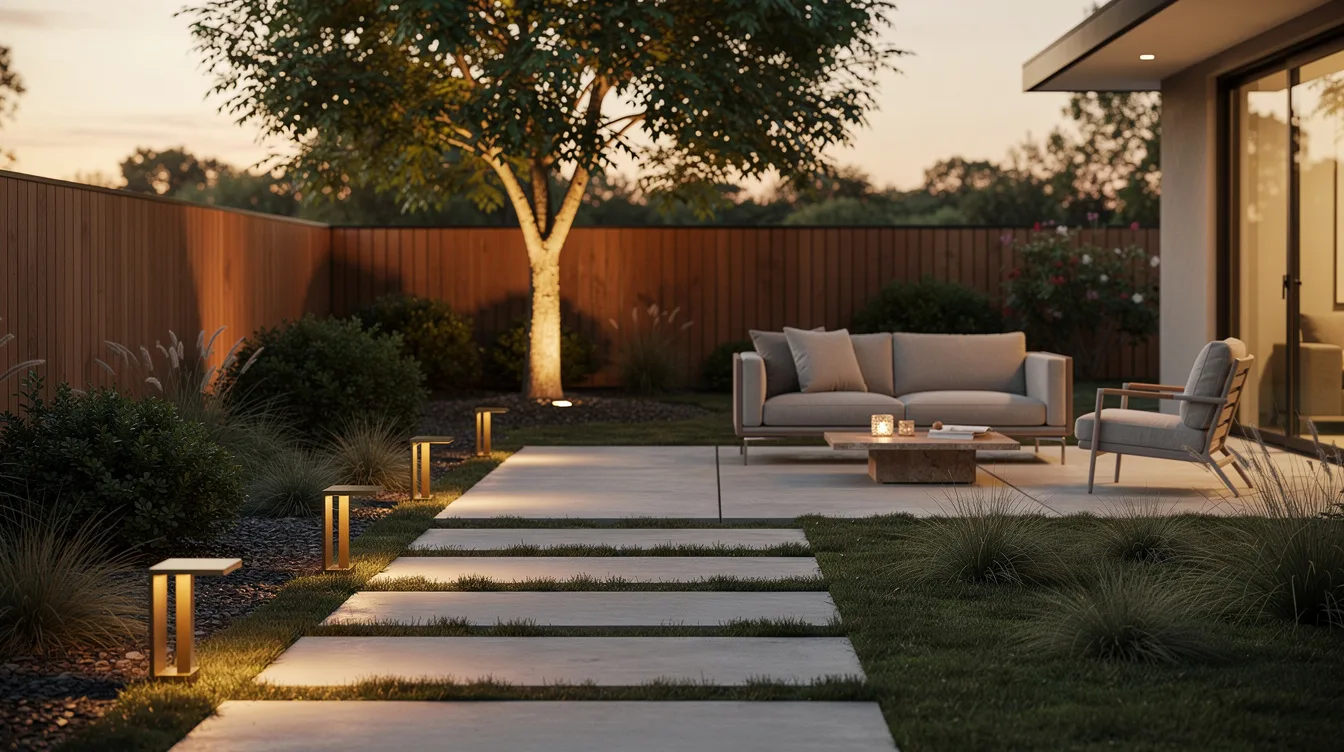
My backyard used to look like a carnival graveyard. Strings of dead fairy lights, one blinding floodlight, and a dozen solar spikes leaning at drunk angles. Three designers later, I learned that summer 2026 lighting is about what you remove, not what you add.
Here are the mistakes they’re actively begging homeowners to stop, and the specific fixtures, prices, and materials that actually hold up.
Stop Blasting the Whole Yard with One Floodlight
My neighbor’s backyard looked like a gas station at midnight. One Home Depot floodlight mounted high on the siding, throwing harsh shadows across every bush. Designers call this the “car park effect” now, and it’s the first thing they beg homeowners to lose.
The fix is targeted, low-level layers. A Lowe’s 3-watt LED path light runs about $45, $75 in solid brass. You’ll need six to eight for a typical patio perimeter, spaced roughly 12, 14 feet apart.
That’s the difference between a yard you endure and one you actually want to sit in after dark.
Ditch the Random String Light Draping
I used to wrap fairy lights around every railing and call it ambiance. Designers in 2026 see that as visual clutter, not charm. The “string lights everywhere” look is officially dated, especially when they’re sagging, half-dead, or tangled with last year’s spider webs.
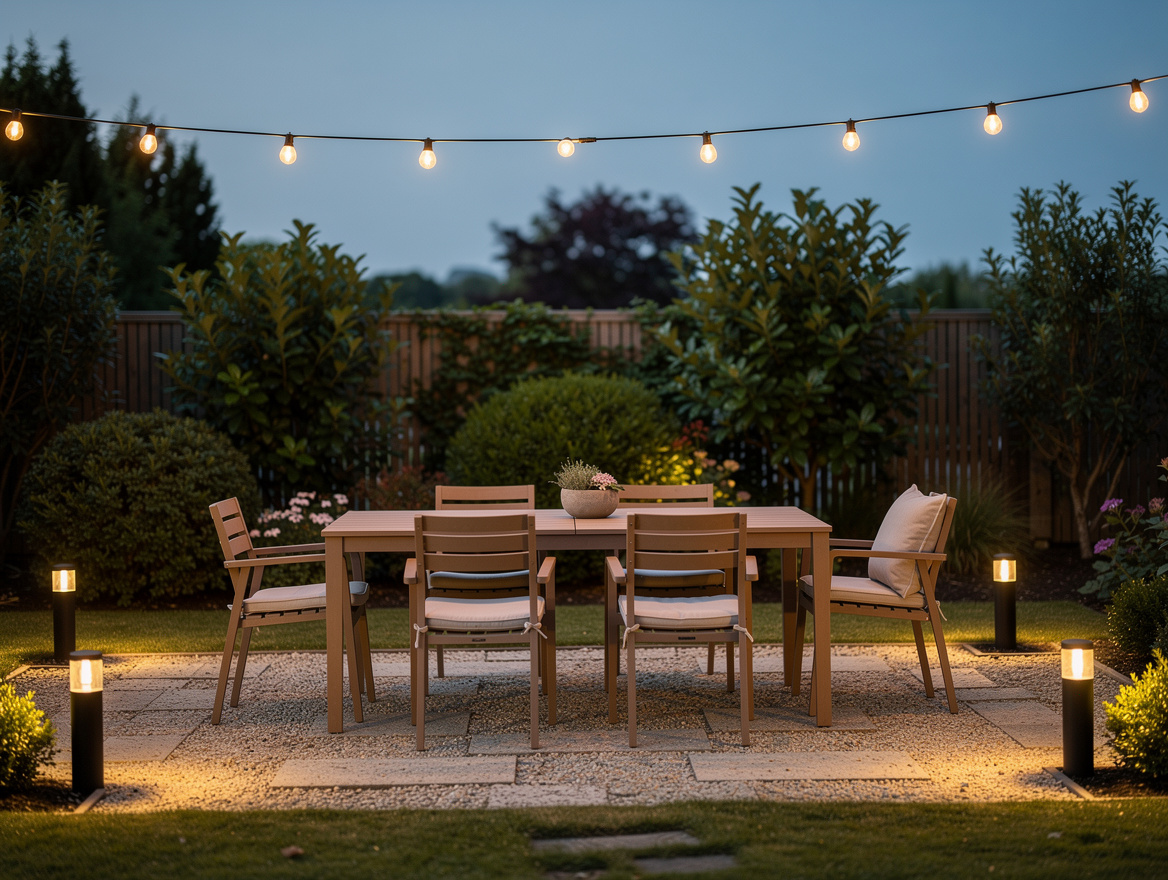
If you want overhead glow, commit to one deliberate line. A Target solar café string in warm 2200K, about $35 for a 24-foot strand, stretched taut over a dining area beats chaotic draping. One zone.
One purpose. Done.
Swap Cool White for Warm, Dark-Sky-Friendly LEDs
That icy 4000K, 6000K light makes your garden look like a hospital parking lot. It also spills upward, annoys neighbors, and kills night-sky visibility. The standard now is 2200K, 2700K, shielded and aimed.
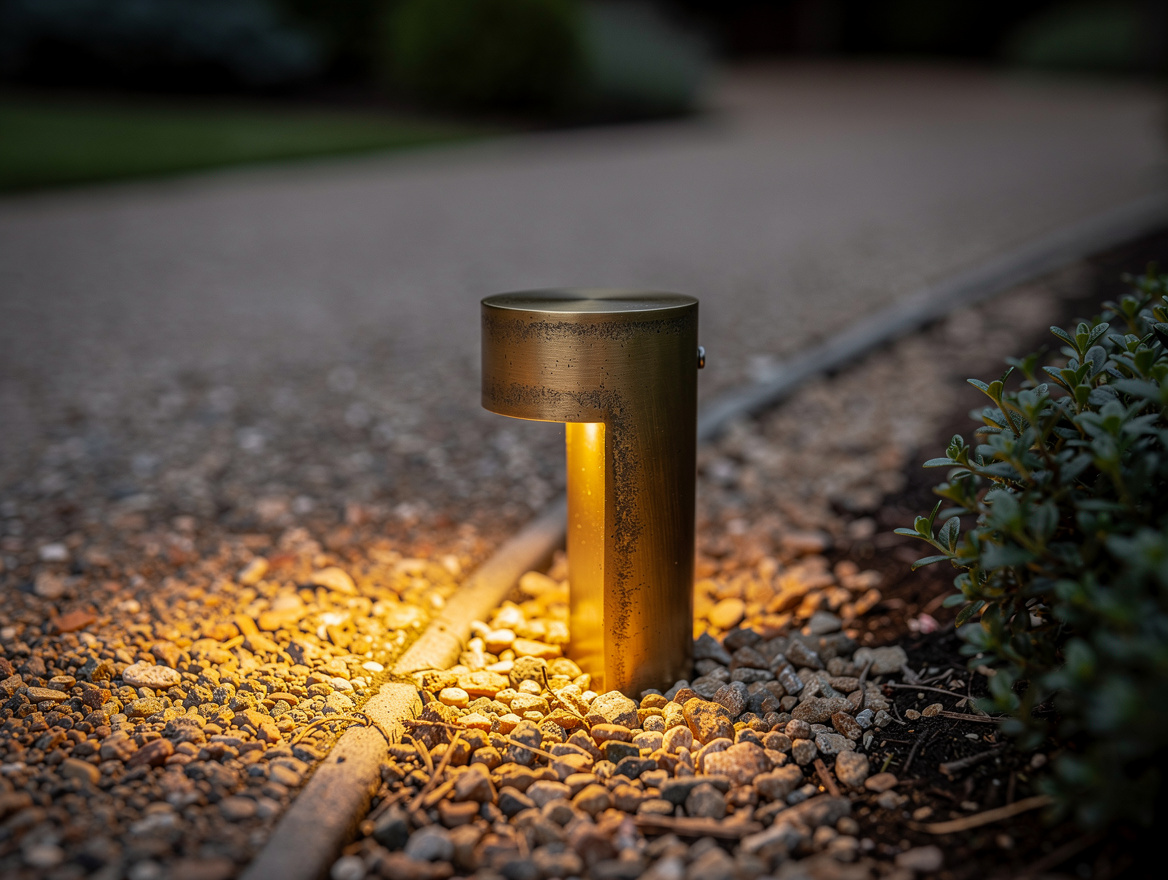
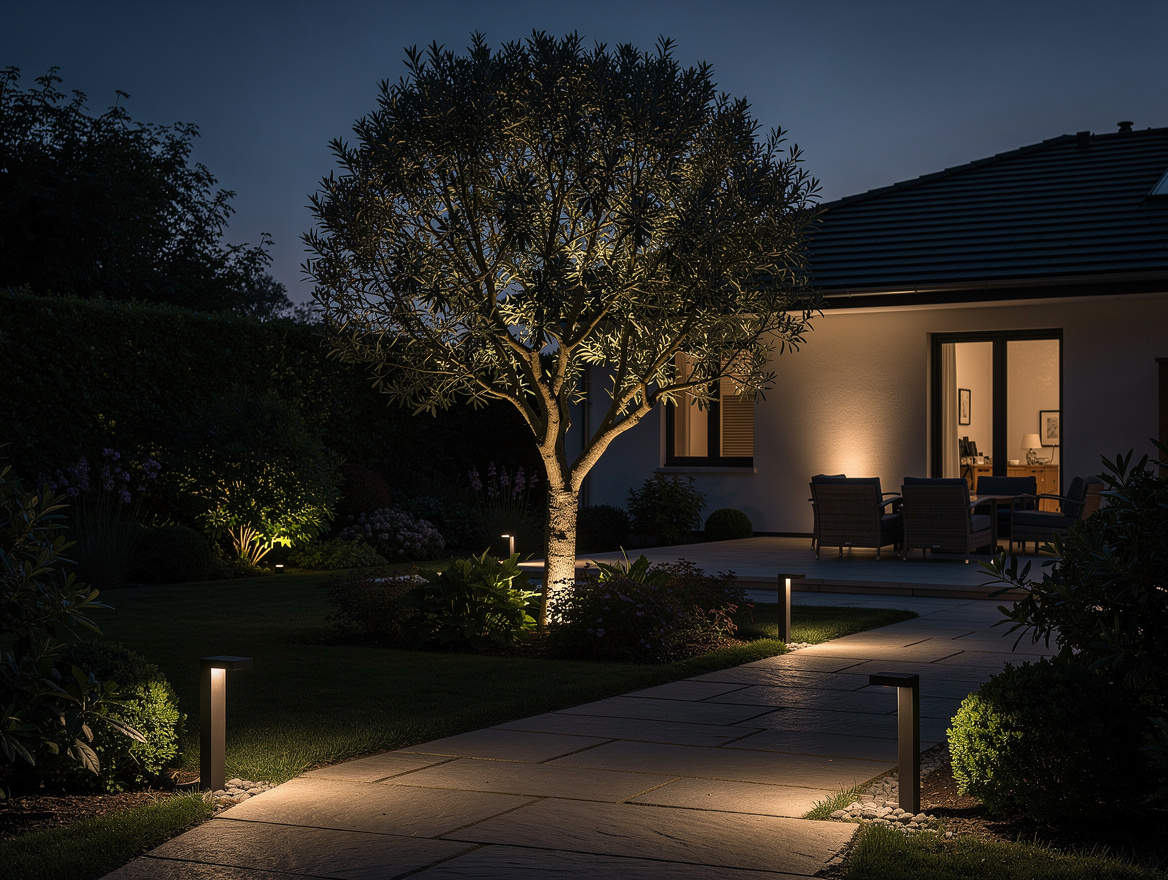
Amazon carries VOLT brass path lights at roughly $89 each with built-in 2700K LEDs and hooded tops. For accent uplighting on a tree trunk, a Wayfair 5-watt well light with a 30-degree beam, typically $60, $95 in bronze, keeps the source hidden while the bark gets the glow. The fixture disappears.
The plant becomes the feature.
Quit Over-Lighting and Learn to Edit
More fixtures don’t mean more atmosphere. Pros now treat backyard lighting like editing a photograph: pick three focal points and let the rest go dark. A stone wall.
One Japanese maple. The edge of a seating area.
A typical layered setup runs about $400, $700 total at Home Depot or Lowe’s for a modest patio: four path lights, two uplights, one dimmable wash light for the house facade. Add a Amazon smart transformer with zoning, roughly $120, $180, and you can dim the dining zone to 30% while keeping paths safely lit. The average homeowner over-lights by about 40% and pays for it in energy and lost ambiance.
Replace Plastic and Halogen with Solid Metal
Those $8 solar spikes from Walmart? Designers accept them as temporary party decor, not permanent landscape lighting. They tilt, fade, and crack within two seasons.
Halogen systems are worse: hot, hungry, and already obsolete.
The 2026 default is brass, bronze, or stainless steel with integrated LED modules. A Costco seasonal set of six aluminum path lights, powder-coated in matte black, runs about $199. That’s the budget floor for something that won’t look embarrassing in year three.
For real longevity, Wayfair carries Kichler brass fixtures starting near $130 each, or FX Luminaire grade at $150, $220 if your budget stretches. Stainless steel housings survive coastal salt; brass develops a patina that actually improves.
Kill the Matchy Theme Park Look
Repeating the same ornate lantern every six feet reads as contrived now. The “theme park” mistake, designers say, is buying a twelve-pack of matching fixtures and dotting them like fence posts. It’s the lighting equivalent of a bed-in-a-bag.
Mix forms intentionally. A Target low-profile 14-inch bollard in bronze near the steps. A Wayfair recessed well light, 4 inches across, invisible at the tree base.
One IKEA SINNERLIG bamboo pendant, about $39, over the dining table if you have a covered pergola. Different jobs, different shapes, same warm tone. The variety feels collected, not catalog-ordered.
Add Smart Controls You Will Actually Use
Manual timers are the forgotten step of backyard lighting. You set them in May, daylight saving shifts, and suddenly your lights pop on at 4:30 p.m. while you’re still at work.
Designers now specify smart transformers as standard, not luxury.
A Lowe’s DEWENWILS Wi-Fi transformer, roughly $140, $170, handles 300 watts and runs scenes through an app. Dim the path lights to 15% after 10 p.m. Kill the uplights entirely on weeknights.
The average smart-zoned system cuts energy use by 25, 30% versus always-on setups. If I had to pick one upgrade that changes daily behavior, it’s this. Everything else is just better bulbs in dumb boxes.
If I had to pick one place to start, I’d swap that single floodlight for four low brass path lights and a smart transformer. The rest can wait. But that one change redefines whether your backyard is a space you flee from or linger in.
Mia Carter writes about small-space living and budget home makeovers. She has restyled three rentals and tests most ideas in her own 45 sqm flat.