The Avocado Organic Hybrid is the brand’s straightforward latex-and-coil option for shoppers who want certified organic materials without a pillow-top or a firmness menu. The specifications show an 11-inch build combining GOLS-certified organic Dunlop latex, GOTS-certified organic wool and cotton, and up to 1,000 individually wrapped support coils, with no polyurethane foams, no memory foams, no chemical adhesives between comfort layers, and no chemical flame retardants. This is an editorial analysis of the official specifications, the listed trial and warranty terms, and how those facts map onto different sleepers.
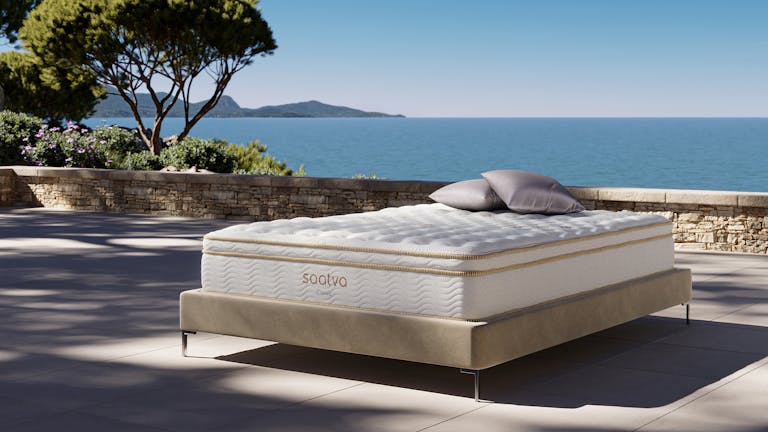
Our pick
Saatva Classic if in-room delivery and old-mattress removal matter more than Avocado’s shipping-only model
- 365-night home trial
- Free white-glove delivery and old-mattress removal
- Lifetime warranty
- Three comfort levels: Plush Soft, Luxury Firm, Firm
Who this mattress is for, in one paragraph
The Avocado Organic Hybrid suits a shopper who prioritizes certified organic latex and textiles, wants a responsive latex-and-coil feel rather than slow-sinking foam, and is comfortable with a 100-night trial that starts after delivery and requires a minimum of 30 days. Back sleepers and combination sleepers who prefer a medium, buoyant surface will find the configuration natural, as will households that weigh the material list as heavily as the feel. It is a weaker fit if you are after a deep, cradling foam embrace, if you need white-glove in-room setup with old-mattress removal, or if you want a long trial with a simple fee-free return path. Those three gaps are the ones to weigh before reading further.
What does the Avocado Organic Hybrid actually contain?
The short answer: one seamless 2-inch layer of GOLS-certified organic Dunlop latex over individually pocketed coils, wrapped in organic wool and organic cotton, with a legal tag listing 91 percent latex foam rubber pad and 9 percent wool fiber by internal weight, plus a cover of 97 percent organic cotton and 3 percent elastane. The comfort latex is D65 with a 14 to 19 ILD range, described as soft, and the wool layer is 1 ounce per square foot of GOTS-certified organic wool placed under the cotton ticking. The construction is needle tufted by hand, which the brand says avoids chemical adhesives between layers. The border coils are 16 gauge and the interior zone coils are 14 gauge, with the brand noting that thicker coils deliver greater durability. The mattress is made in California with internal materials sourced as described on the product page.
That material list is the core of the pitch. Where many mattresses lean on polyurethane foam for comfort and chemical flame retardants for compliance, this model builds its comfort layer from Dunlop latex and its fire barrier from a layer of organic wool with a thin non-woven backing. The brand states that no polyurethane foams, no memory foams, no synthetic foams, no latex blends, no chemical adhesives between the comfort layers, and no chemical flame retardants are used. For a shopper who reads legal tags, that is an unusually clean list. For a shopper who only cares about feel, it translates into a surface that responds rather than sinks.
Here is the specification table drawn only from the official product page:
| Specification | Documented fact |
|---|---|
| Height | 11 inches |
| Comfort layer | 2 inches organic Dunlop latex, D65, 14 to 19 ILD, soft |
| Support | Up to 1,000 individually wrapped coils |
| Coil gauges | 16 gauge border, 14 gauge interior zone |
| Wool | GOTS-certified organic wool, 1 ounce per square foot |
| Cover | GOTS-certified organic cotton with elastane |
| Full size | 75 x 54 x 11 inches, 95 lbs |
| Queen size | 80 x 60 x 11 inches, 110 lbs |
| King size | 80 x 76 x 11 inches, 135 lbs |
| Trial | 100 nights, begins after delivery, 30-day minimum, one per household |
| Warranty | 10-year limited warranty |
| Materials excluded | No polyurethane foam, memory foam, synthetic foam, latex blends, chemical adhesives, or chemical flame retardants |
How does the feel and support compare to what you may expect?
The specifications show a single comfort configuration: a soft-rated 2-inch Dunlop latex comfort layer over pocketed coils, with no firmness menu listed on the product page. That means the feel decision is simpler than on mattresses that offer several comfort levels, and it also means you cannot order a firmer or plusher version of this exact model. Dunlop latex, as the brand describes it, is buoyant and responsive rather than slow-sinking, which generally suits sleepers who want to change positions easily instead of feeling cradled. The brand also notes that Dunlop latex is antimicrobial, resistant to dust mites, and more durable than Talalay latex.
Support comes from the coil system, with interior zone coils at 14 gauge and border coils at 16 gauge. Zone coil layouts are typically designed to vary support across the surface, but the official page does not specify which zones are firmer or how the zoning maps to body regions, so treat the zoning claim as a construction detail rather than a promise about a specific pressure-relief outcome. If zoned lumbar support is a deciding factor for you, check the current product page for any updated zoning description before purchasing.
Because the comfort layer is rated soft at 14 to 19 ILD but sits only 2 inches deep over a firm coil unit, the overall impression is likely to be buoyant rather than plush. A soft latex layer that thin cradles at the surface and then hands you over to the coils, which is a different experience from a thick foam comfort layer that lets you sink in. Combination sleepers who rotate through the night and want to feel supported rather than enveloped are the natural audience here. Side sleepers who need deep pressure relief at the hips and shoulders should weigh the 2-inch comfort depth carefully, since that is the variable that decides whether a soft latex layer feels cushioning or feels thin.
One more construction detail worth noting: the brand uses needle tufting by hand instead of chemical glues to bind the layers. The stated benefit is luxury and improved durability, and the practical side effect is that there are no adhesives between the comfort layers to off-gas. For households sensitive to indoor air quality, that is a meaningful part of the material story.
See the Saatva Classic price in your size →
Will it sleep cool, and what does the material list say about temperature?
The cooling case rests on three material choices rather than on any active technology: Dunlop latex described as naturally temperature-controlling and cooler than memory foam, wool described as keeping you cool and dry in summer and warm in winter, and individually pocketed coils described as allowing effective airflow. The organic cotton cover is described as cool and moisture-wicking.
Buyer guidance: if you sleep hot, the useful checks are the material descriptions you just read and the absence of polyurethane foam, since foam-free builds are commonly associated with less heat retention. Hot sleepers should also confirm the current product page for any updated breathability claims, and should note that a latex-and-coil build is a different temperature profile from an all-foam mattress. This matters most for people who wake up overheating, since the difference between a foam comfort layer and a latex comfort layer is one of the more visible temperature variables in a mattress.
How do motion transfer, edge support, and noise work on this model?
The official product page does not document motion isolation, edge support, or noise performance for the Avocado Organic Hybrid, so this review does not describe how the mattress behaves on those three points.
If edge support matters because you sit on the side of the bed or sleep near the edge, look for a stated edge-support construction, since coil gauges and border coil design are the details that usually appear there. If noise matters, note that this is a coil mattress, and check the current product page for any stated coil encasement or noise-related detail. These three checks are quick and worth doing before you commit.
What do the trial and warranty terms actually promise?
The trial is 100 nights, begins after you receive the mattress, is limited to one mattress per household, and requires a minimum of 30 days according to the brand’s stated policy terms and conditions. The warranty is a 10-year limited warranty. The brand also notes a foundation requirement: for Queen and King slatted frames, slats must be no more than 5 inches apart to provide adequate structural support. The trial is shorter than the 365-night terms some competing brands list, and the warranty term is shorter than the lifetime warranties some competitors publish, so weigh both against how long you want to evaluate the mattress and how long you want coverage.
Two practical points sit inside those terms. First, the 30-day minimum means the trial is not a quick decision tool; you are expected to live with the mattress for a month before any return conversation. Second, the one-mattress-per-household limit matters in multi-bedroom households where you might want to try the model in two rooms. Read the full sleep trial policy on the brand’s site before ordering so the conditions are clear from the start.
What does the price look like, and how should you compare it?
Prices for latex-and-coil mattresses vary by size and by any comfort or cover options selected, so compare like with like: the same size, the same configuration, and the same delivery terms. The brand lists free shipping with a surcharge for Alaska and Hawaii on its mattress pages, and the trial terms note the one-mattress-per-household limit, both of which affect the effective cost of trying the mattress.
When you compare, line up four numbers: the size price, the trial length, the warranty length, and any return fee or shipping surcharge. A lower sticker price with a shorter trial and a shorter warranty is a different value proposition than a higher price with a year-long trial and lifetime coverage.
The weight figures also matter for delivery planning. A Queen weighs 110 lbs and a King weighs 135 lbs, so factor in stairways, tight turns, and who will be moving the box into the room. The Full comes in at 95 lbs. These are two-person jobs in most homes, and the brand’s shipping model is curbside-style delivery rather than in-room setup, so plan the last stretch of the move before the truck arrives.
Who should buy the Avocado Organic Hybrid, and who should not?
Buy the Avocado Organic Hybrid if you want certified organic latex, wool, and cotton in the build, you prefer a buoyant latex-and-coil feel over slow-sinking foam, and you are comfortable with a 100-night trial that begins after delivery and requires a 30-day minimum. Combination sleepers who rotate through the night and like a medium, responsive surface will feel at home, as will households that read the material list before the marketing copy and anyone who wants a foam-free construction with no chemical adhesives between comfort layers and no chemical flame retardants. The 11-inch profile, the 2-inch soft Dunlop latex comfort layer, and the pocketed coil support with 14 gauge interior and 16 gauge border coils describe a mattress built for even support and easy position changes rather than deep contouring.
Skip the Avocado Organic Hybrid if you are chasing a deep, cradling foam embrace, since this model has no foam comfort layer and no firmness menu to choose from. Skip it if you need white-glove in-room setup with old-mattress removal, because the brand’s model here is shipping-based delivery. Skip it if you want a long trial with a simple fee-free return path, since the trial is 100 nights with a 30-day minimum and one mattress per household, and the warranty is a 10-year limited term rather than lifetime coverage. Side sleepers who need deep pressure relief at the hips and shoulders should also weigh the 2-inch comfort depth before ordering, since that is the spec that decides how much cushion the surface gives you.
How does it compare with other Avocado options and rivals?
The Avocado lineup covers several organic constructions, and the right choice depends on which material story you want. If you are deciding between Avocado models, our Avocado Green Mattress review covers the brand’s flagship, and the Avocado Eco Organic review looks at the more budget-oriented organic option. For a direct Avocado-versus-rival comparison, our guides to Saatva vs Avocado, PlushBeds vs Avocado, Casper vs Avocado, Helix vs Avocado, Avocado vs Nectar, and Avocado vs Birch walk through the same four comparison numbers: size price, trial length, warranty length, and delivery terms. If latex-and-coil specifically is your shortlist, the Saatva Latex Hybrid vs Avocado Green page puts the two latex builds side by side.
The honest framing is that the Avocado Organic Hybrid occupies a narrow, deliberate position: one firmness configuration, certified organic materials throughout, a foam-free build, and a coil unit that does the support work. It does not try to be a plush foam mattress, a pillow-top luxury bed, or a firmness menu. If that position matches what you want, the specs line up cleanly. If you need any of the things it deliberately omits, one of the alternatives above will serve you better.
Verdict: the Avocado Organic Hybrid earns its place for shoppers who want certified organic latex and coils with no foam and no chemical adhesives, and who are fine with a 100-night trial and a 10-year warranty. It is the wrong pick for a cradling foam feel, in-room delivery, or lifetime coverage.
World Sleep Almanac score: 7.6/10 based on these criteria: materials and construction (organic latex, wool, and cotton with hand needle tufting), trial and returns (100 nights, 30-day minimum, one per household), warranty (10-year limited), price at equal size (compare on the official site), and public customer feedback (check current owner reviews before ordering).
A useful companion to this page: our Helix vs Avocado comparison.
Frequently asked questions
Is the Avocado Organic Hybrid good for hot sleepers?
The material list points in that direction: Dunlop latex described as naturally temperature-controlling and cooler than memory foam, wool described as keeping you cool and dry in summer, and individually pocketed coils described as allowing effective airflow, all under an organic cotton cover described as cool and moisture-wicking. There is no phase-change material, gel infusion, or ventilation channel listed on this model, so the cooling story is entirely material-based rather than mechanical. Foam-free builds are commonly associated with less heat retention, which works in this mattress’s favor.
Does the Avocado Organic Hybrid come in different firmness levels?
No. The product page lists a single comfort configuration: a soft-rated 2-inch Dunlop latex comfort layer at D65 and 14 to 19 ILD over pocketed coils. There is no firmness menu on this model, so you cannot order a firmer or plusher version. If firmness choice is a priority for your household, that is a reason to look at brands that publish multiple comfort levels.
How heavy is the Avocado Organic Hybrid?
The Full weighs 95 lbs, the Queen weighs 110 lbs, and the King weighs 135 lbs, all at 11 inches tall. Those are two-person moves in most homes, so plan stairways and tight turns before the delivery arrives. The weight also reflects the coil count and the dense latex layer, both of which are part of why the mattress feels supportive rather than light.
What foundation does the Avocado Organic Hybrid need?
The brand specifies that for Queen and King slatted style bed frames, there cannot be greater than five inches between each slat in order to provide ample structural support for the foundation and users. That slat spacing requirement is a warranty-adjacent detail, so measure your frame before ordering rather than after.
Where is the Avocado Organic Hybrid made?
The legal tag states it is made in California, with internal materials by weight consisting of latex foam rubber pad at 91 percent and wool fiber at 9 percent, plus a fabric cover of organic cotton at 97 percent and elastane at 3 percent. The Dunlop latex itself is sourced from sustainably harvested rubber from the brand’s facilities in India and Guatemala.
Reviewed by the World Sleep Almanac editorial team. Updated 2026.