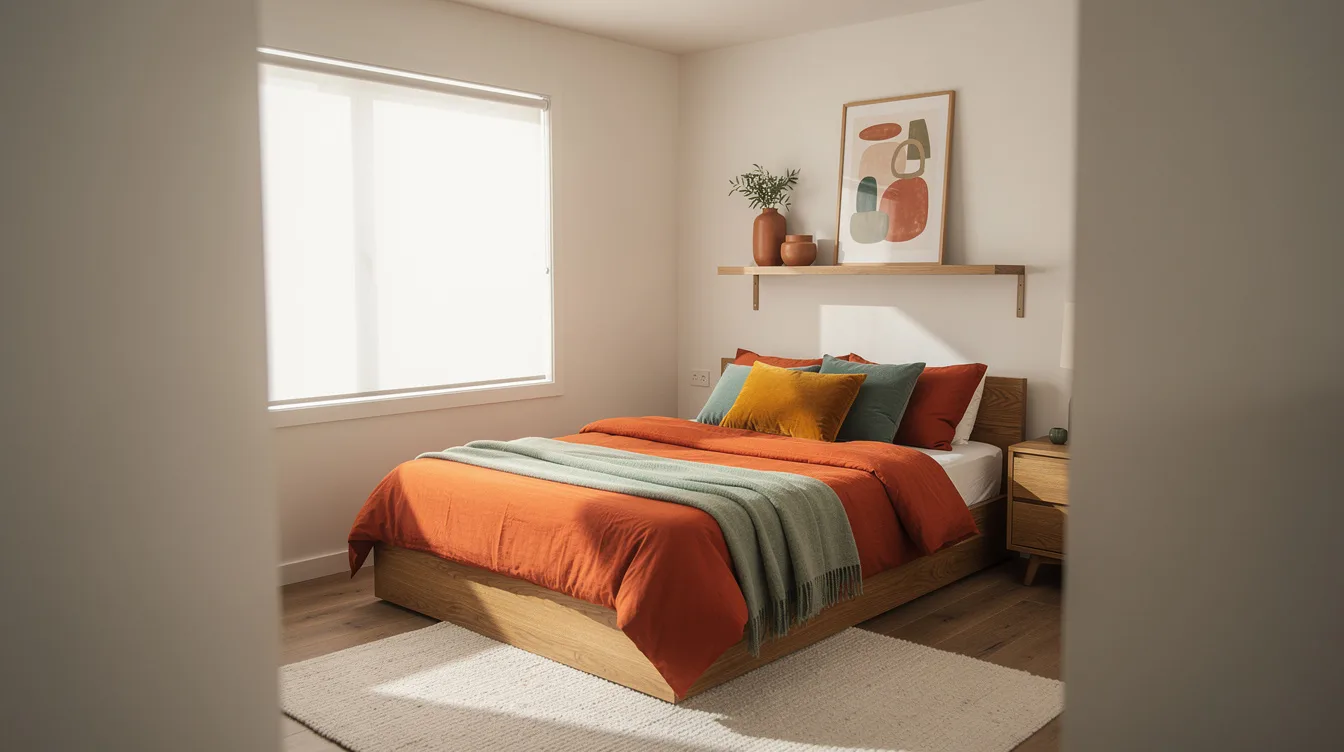
In a bedroom smaller than roughly 10 by 10 feet, moving a twin mattress into a corner can free about 15 to 25 square feet in the center. That recovered area may be enough for a desk, dresser, or clear path through the room.
The layout succeeds only when the bed leaves about 24 inches of passage on its open side and roughly 30 to 40 inches in front of drawers or closet doors. Treat those numbers as planning estimates from decorating guidance, then confirm them with painter’s tape on the floor.
These six arrangements show how to make the corner feel intentional instead of accidental.
Push a Twin Bed Into the Far Corner
Start with a twin bed pressed against the wall farthest from the door, with the head and long side meeting at the corner. In a room measuring roughly 10 by 10 feet, this arrangement can leave about 82 inches of usable wall for a wardrobe or narrow dresser.
Keep the open side clear by roughly 24 inches, then place a slim piece of furniture along the opposite wall. A 72-inch wardrobe can fit the remaining stretch in many square rooms, but measure the door swing before buying anything.
This is the strongest layout for a child’s room, guest room, or single sleeper because the bed footprint stays compact. A queen bed in the same room usually erases the central floor area you were trying to recover.
Leave the corner visually calm with one wall color and a simple headboard. The goal is a clean walking route, not a packed wall of storage.
Turn the Open Side Into a Work Zone
An 8-by-10-foot room can often fit a full-size bed, and sometimes a queen, in one corner while leaving roughly 5 feet of open floor along the opposite side. That space can hold a narrow desk, a folding chair, or a small reading spot without crowding the bed.
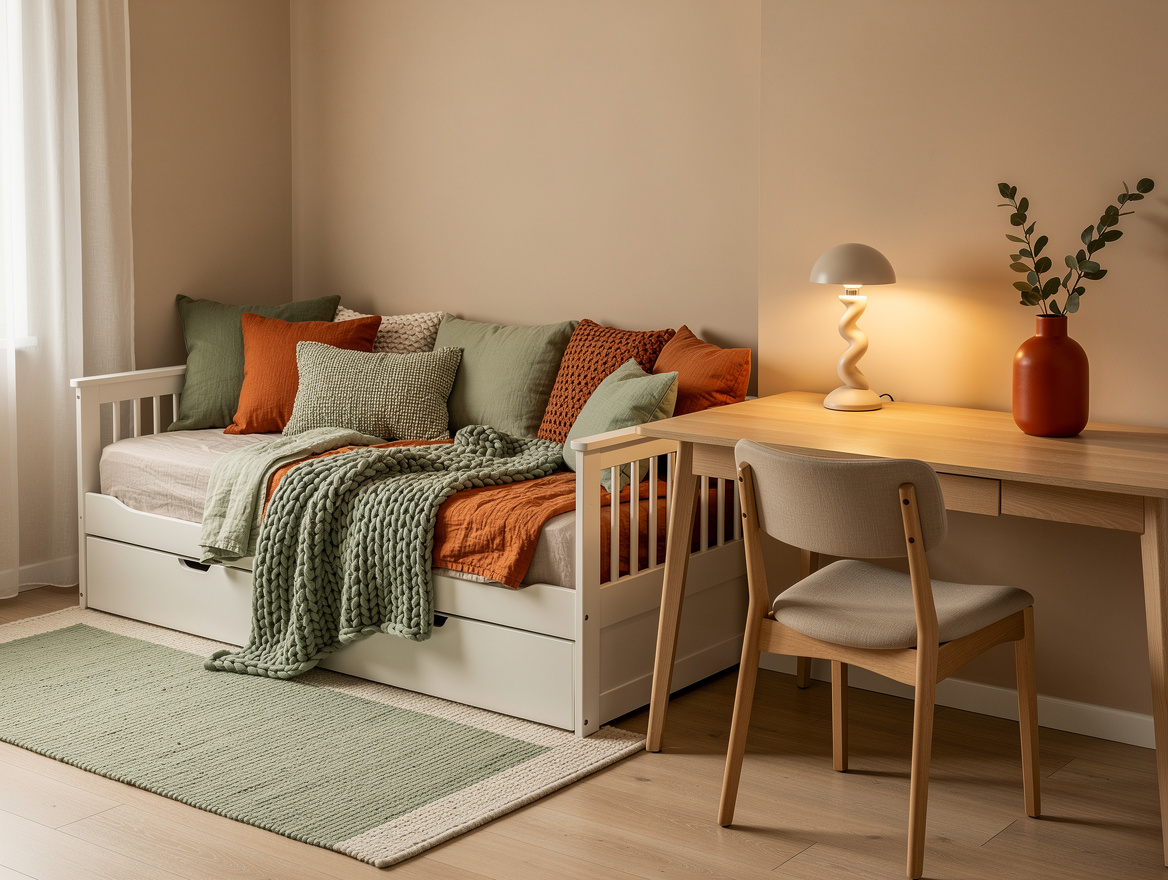
An IKEA Hemnes daybed costs around $329 and works especially well when the room also serves as an office or guest space. Its compact profile gives the center more breathing room than a deep upholstered bed.
Use a slim stool instead of a bulky nightstand, and mount the task light on the wall. A folding desk can disappear against the wall when you need the room for guests, exercise, or laundry sorting.
Keep about 30 to 40 inches in front of any dresser or closet opening. If that clearance disappears, the layout may look open from the doorway while functioning badly every morning.
Replace the Nightstand With Wall Storage
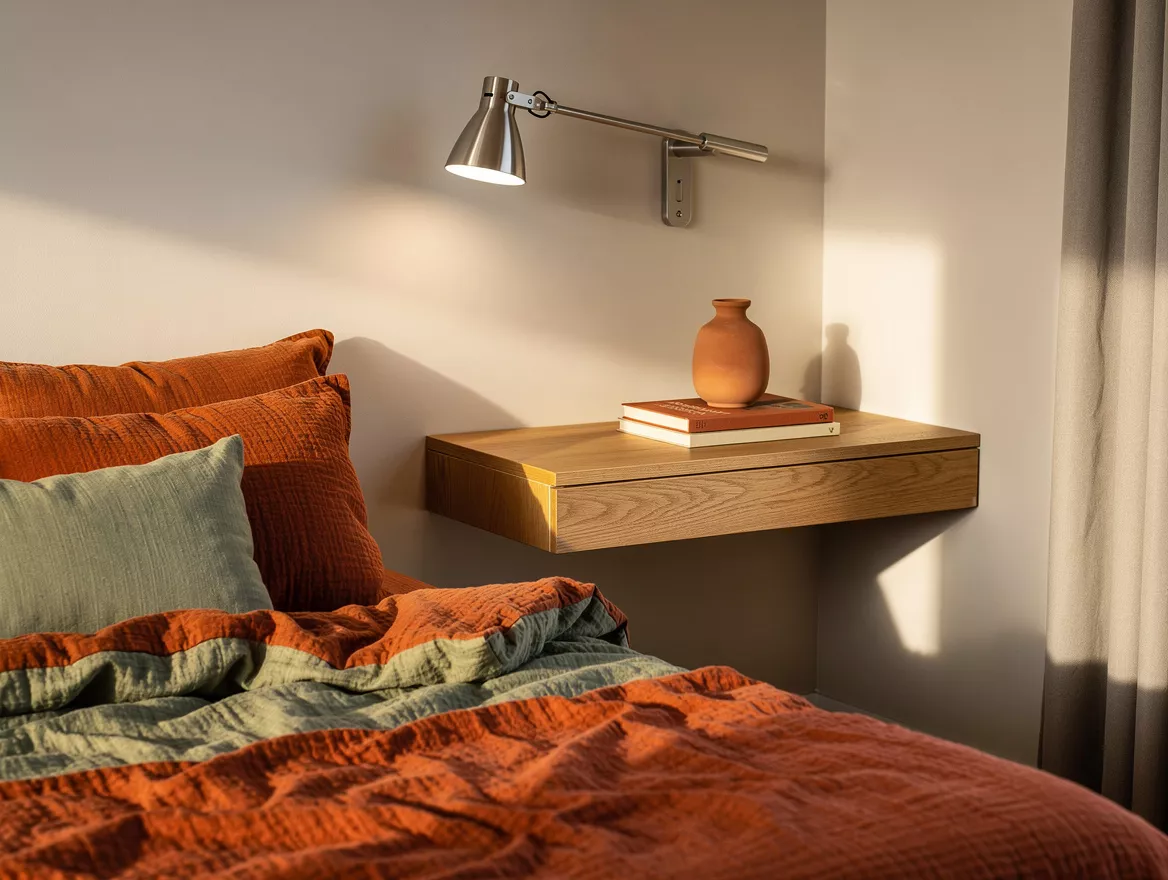
When every inch matters, install a 10-inch floating shelf beside the open side of the bed. It holds a phone, book, and small lamp while preserving the floor area that a conventional nightstand would consume.
Pair the shelf with an articulating wall sconce so the light can move over the mattress instead of occupying a tabletop. A renter-friendly refresh with a shelf, basic light, and simple headboard panel can land around $30, depending on what you already own.
Choose a shelf depth that leaves the walkway comfortable, especially if the bed sits close to the door. Keep cords tucked behind the shelf or inside a paintable cable channel, since loose cords make a small room feel cluttered quickly.
For a warmer finish, use oak veneer or stained plywood against a quiet wall color. The contrast gives the corner a deliberate focal point without adding another piece of furniture.
Lift the Bed and Claim the Floor Below
A loft bed makes the most dramatic change in a bedroom under roughly 100 square feet because the desk or dresser moves beneath the mattress. It is a practical choice for a teenager’s room, studio, or narrow sleeping area where a standard bed blocks the center.
A loft bed with dependable rails and a stable ladder typically costs about $400 to $800 or more. Spend on a solid frame before adding decorative details, because movement and noise become irritating when the structure is lightweight.
Place the loft in a corner with the ladder facing the widest part of the room. Below it, use a compact desk or a low dresser rather than several loose storage pieces that interrupt the walkway.
For a custom version, plywood panels and pine cleats can create a built-in look, but the frame must be secured to the wall correctly. Check ceiling height, window access, and the route to the door before committing to the raised platform.
Frame the Corner as a Soft Alcove
Two tall IKEA Billy bookcases can flank the head of the bed and connect with an overhead shelf, creating an alcove without building a full wall. Keep the shelving shallow enough to préservé the required passage on the open side.
For more concealed storage, use IKEA Pax units along one wall and stop them before the door swing. Their height draws the eye upward, while the corner bed keeps the center available for dressing, stretching, or a small chair.
A ceiling-mounted rail with linen curtains can close the sleeping corner at night and open it during the day. This is one of the best options for renters because the fabric adds privacy without making the room permanently dark.
If you want a stronger architectural effect, cover three sides with wood slats or painted MDF. Materials for a simple slat treatment can cost under about $300, but the installation should remain light enough to avoid overwhelming the small room.
Build Storage Under a Low Platform
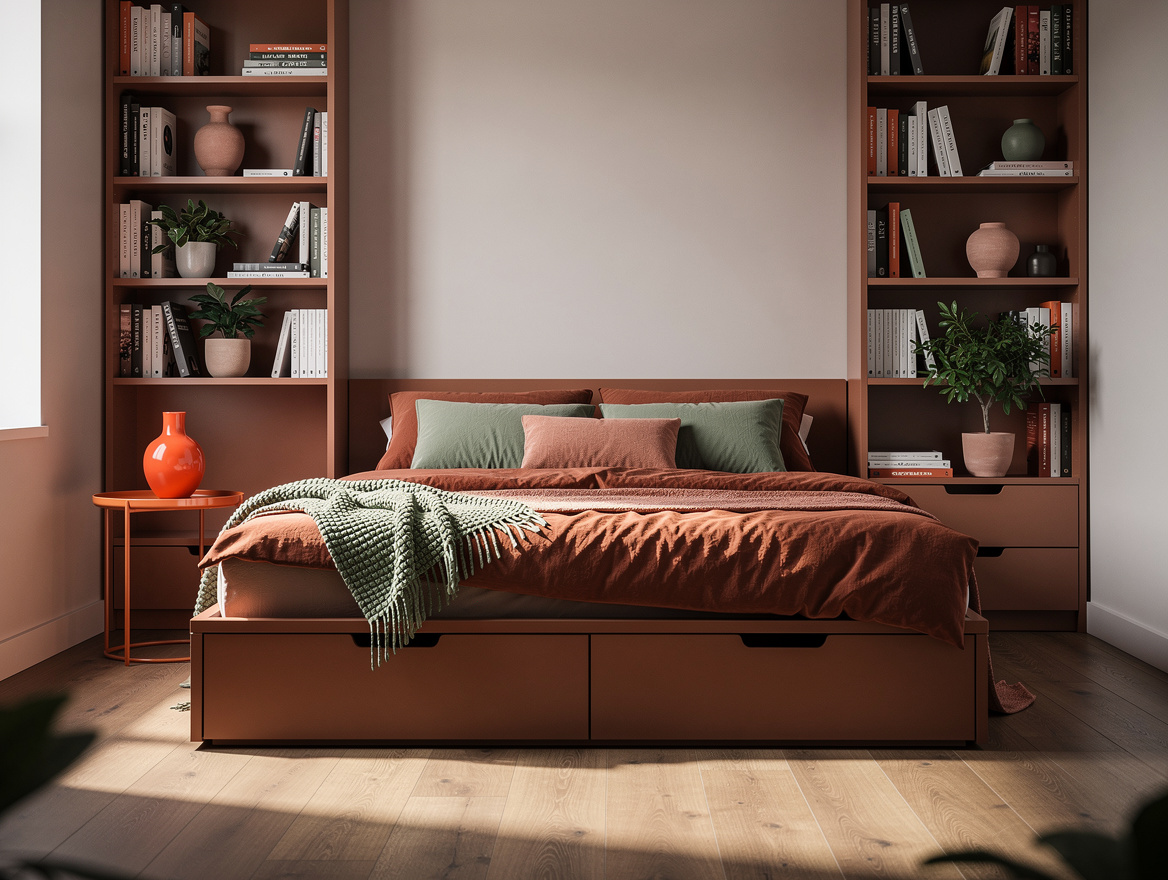
A low platform places the mattress close to the floor and turns the unused cavity below into deep drawers. Use white oak veneer over a plywood platform for a warm finish that looks calmer than a collection of mismatched plastic bins.
For a built-in version, set IKEA Sektion cabinets on a sturdy 2-by-4 base and top them with a reinforced plywood deck. A custom bed with integrated storage typically starts around $800 and rises with hardware, finish work, and installation.
Choose soft-close drawer slides so the storage operates quietly in a tight room. Wide drawers are useful for bedding and clothing, while lift-up access can hold bulky seasonal items that do not need daily access.
Around 12 to 18 inches of space beside the bed can fit a plant or wall light, but that gap reduces the floor savings. Keep it only where the room needs visual breathing space or access to an outlet.
Measure the doorway, tape out the bed, and test the walking route before ordering furniture. Start with a twin or full-size bed, then add storage only after the center path remains comfortable.
Mia Carter writes about small-space living and budget home makeovers. She has restyled three rentals and tests most ideas in her own 45 sqm flat.