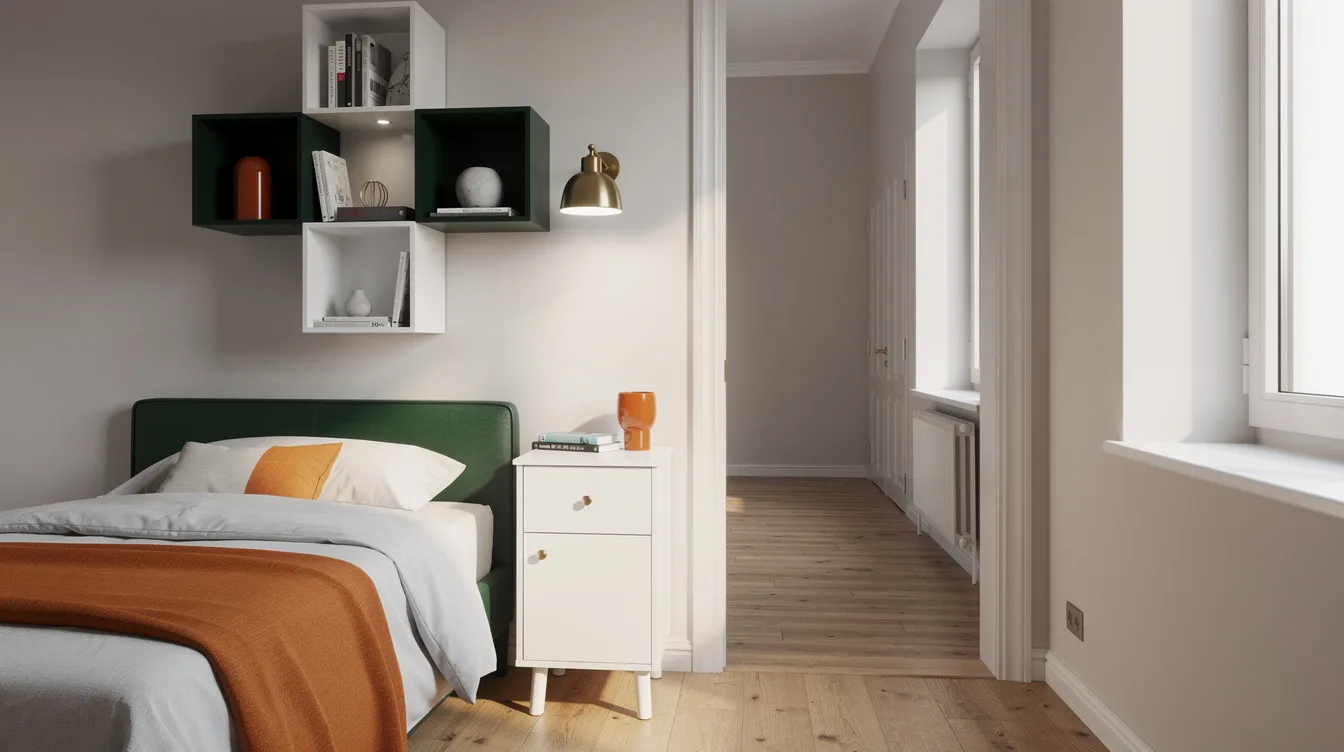
A 20 cm-wide bedroom gap can look useless until you notice what it interrupts: the closet door, the path around the bed, or the only place to charge your phone. I wanted bedside storage without turning that corner into a daily obstacle.
The fix started with one measurement, not a style decision. A wall-mounted IKEA EKET can be 25 cm deep, while a freestanding cabinet that fits the width may project 35 cm.
That difference changes everything when the bed sits close to the wall. The right piece is the one sized for the dimension that actually limits the room.
Measure the Part That Actually Stops You
I began with the gap at floor level, then checked the wall and baseboard instead of trusting the room’s widest point. A 20 cm-wide opening sounds generous until a cabinet projects 35 cm into the walkway.
A compact MDF-and-bamboo cabinet listed at €34.94 can fit that narrow slot, with one drawer above open storage. The width works beautifully when the bed is the obstacle, but the depth decides whether you can still walk past it.
Measure beside the bed frame, at the baseboard, and near the mattress edge. Leave a little fitting room, because a nominal 20 cm gap leaves no practical margin for a cabinet that is also 20 cm wide.
Keep the Passage Clear With Less Depth
When a closet door or bedroom passage is the real problem, depth matters more than width. A wall-mounted IKEA EKET cube measures 35 × 25 × 35 cm and is listed at €22.99, while the standalone cube is listed around €17.99 and is a different configuration.
A shallow two-tier metal shelf measuring 40 × 20 × 20 cm gives you separate levels for a phone, book, or small lamp. Its listed price is €41.95, which feels reasonable when preserving the door swing matters more than having drawers.
Use painter’s tape to mark the footprint before drilling. Open the closet fully, walk through the passage, and reach from the bed before deciding where the unit belongs.
Build a Charging Spot Into the Cabinet
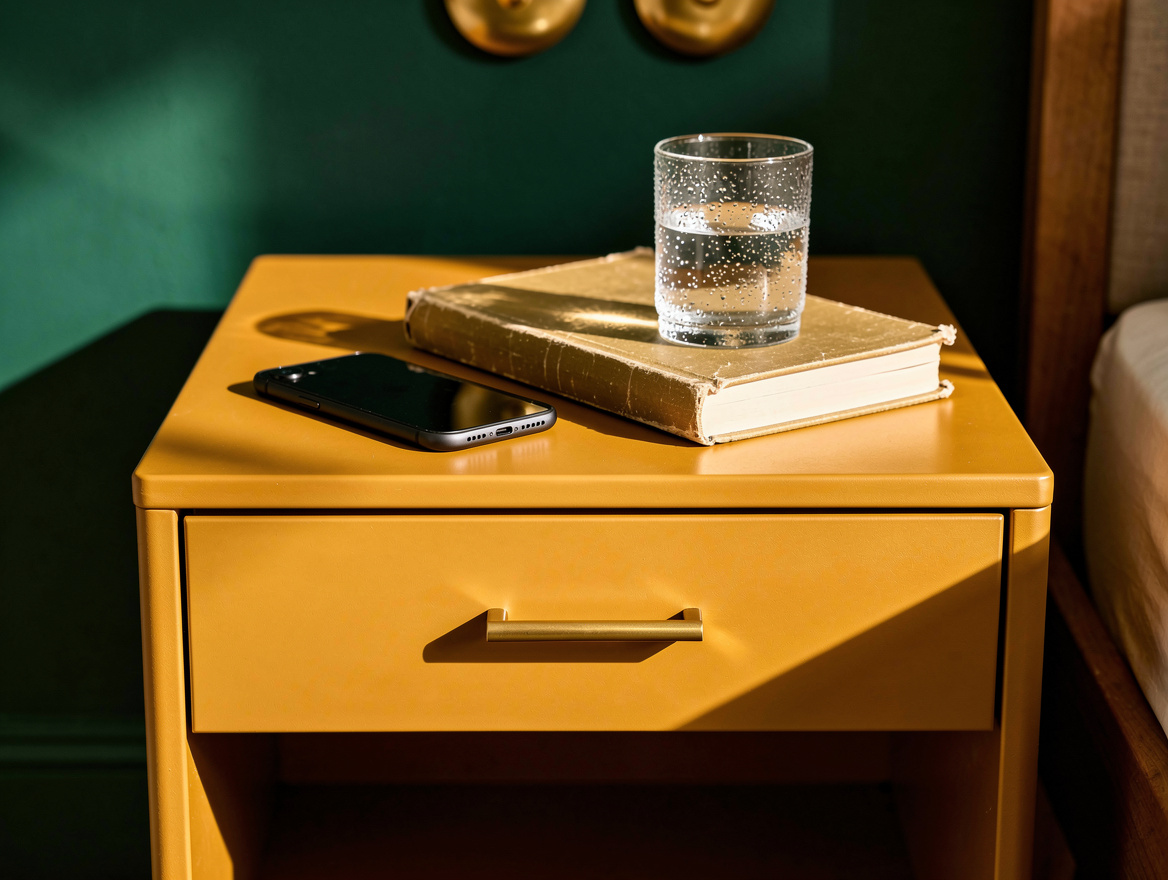
The best narrow bedside cabinet earns its footprint by handling several small tasks. Place your phone and water on top, keep glasses and charging cables in the drawer, and reserve the lower shelf for one book.
The open shelf on an MDF-and-bamboo cabinet keeps the items you use nightly visible without turning the top into a pile. I prefer this arrangement to a tall stack of baskets because the bed remains easy to approach.
Add a wall reading light beside the cabinet when the top is too small for a lamp. A plug-in fixture keeps the surface free, though the cord should run along the wall rather than across the walking path.
For basic measuring and mounting supplies, Home Depot is a practical place to compare anchors, cable clips, and compact lighting. Match every fastener to the wall material instead of assuming one package works everywhere.
Float Storage Beside the Closet
A freestanding nightstand can make a tight corner feel permanently occupied. A rustic brown and black finish on a 38 × 28 × 60 cm two-drawer model adds hidden storage, and its 28 cm depth is 7 cm shallower than the 35 cm cabinet.
If you want real wood and a cleaner silhouette, a floating solid oak cabinet listed at €97.49 on promotion, with a €129.99 reference price, gives you one drawer without legs on the floor. Check the product sheet and wall support details before ordering.
A premium handmade oak nightstand with a 30 × 30 cm or 40 × 30 cm footprint can cost around €300. That price only makes sense when the exact timber, drawer construction, and custom width solve a problem a cheaper unit cannot.
Use Light Finishes to Open the Corner
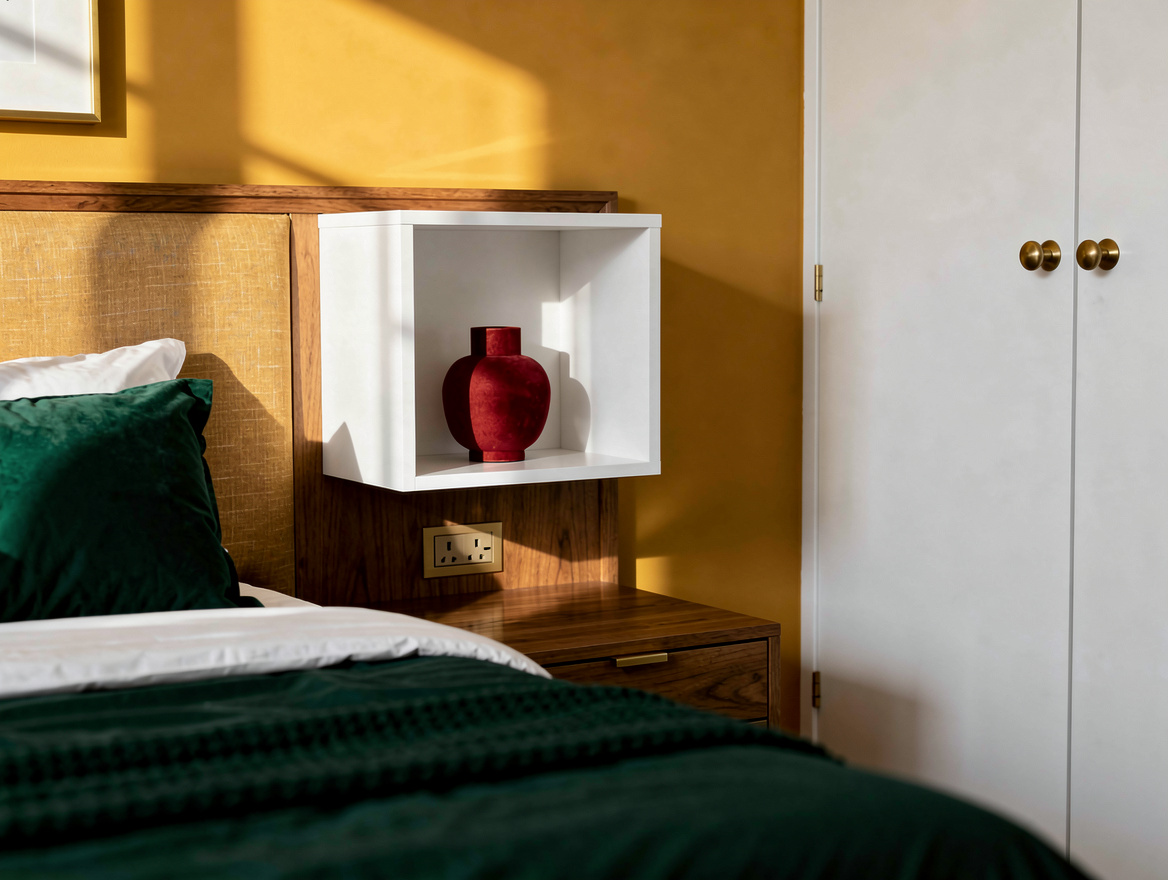
Small corners show every shadow, so finish matters almost as much as size. A white finish reflects more light around the bed and visually recedes against a pale wall.
Warm wood can keep the area from looking clinical, especially beside white bedding or a painted wall. Use one strong material, then repeat it in a frame or handle rather than mixing several unrelated finishes.
A slim lamp with a black metal arm gives the corner definition without adding much visual weight. Keep the shade close to the wall and aim the light toward the book, not directly into your eyes.
For a softer note, a small linen shade works better than a bulky fabric lamp on a narrow cabinet. The corner should feel useful at night, not crowded with accessories you have to move before sleeping.
Leave the Tiny Gap Empty on Purpose
If the available floor width is less than 20 cm, or a door sweeps through the space, skip the cabinet. A wall shelf can still hold a phone and book, but only if there is enough wall width for secure mounting.
Use an IKEA EKET only after confirming the wall can carry the mounted configuration and the reachable height feels comfortable from bed. The cheapest option is not useful if it forces you to stretch or blocks the closet.
When you shop at Lowe’s for mounting hardware, bring the wall type and the unit’s loaded weight into the decision. Delivery and hardware can change the final cost, so leave room in the budget for both.
Across these examples, a typical compact option lands around €23 to €50, while a solid oak floating cabinet is roughly €100 to €130 and a handmade version can reach about €300. Those are listing-based ranges, not market averages, and promotions may move them.
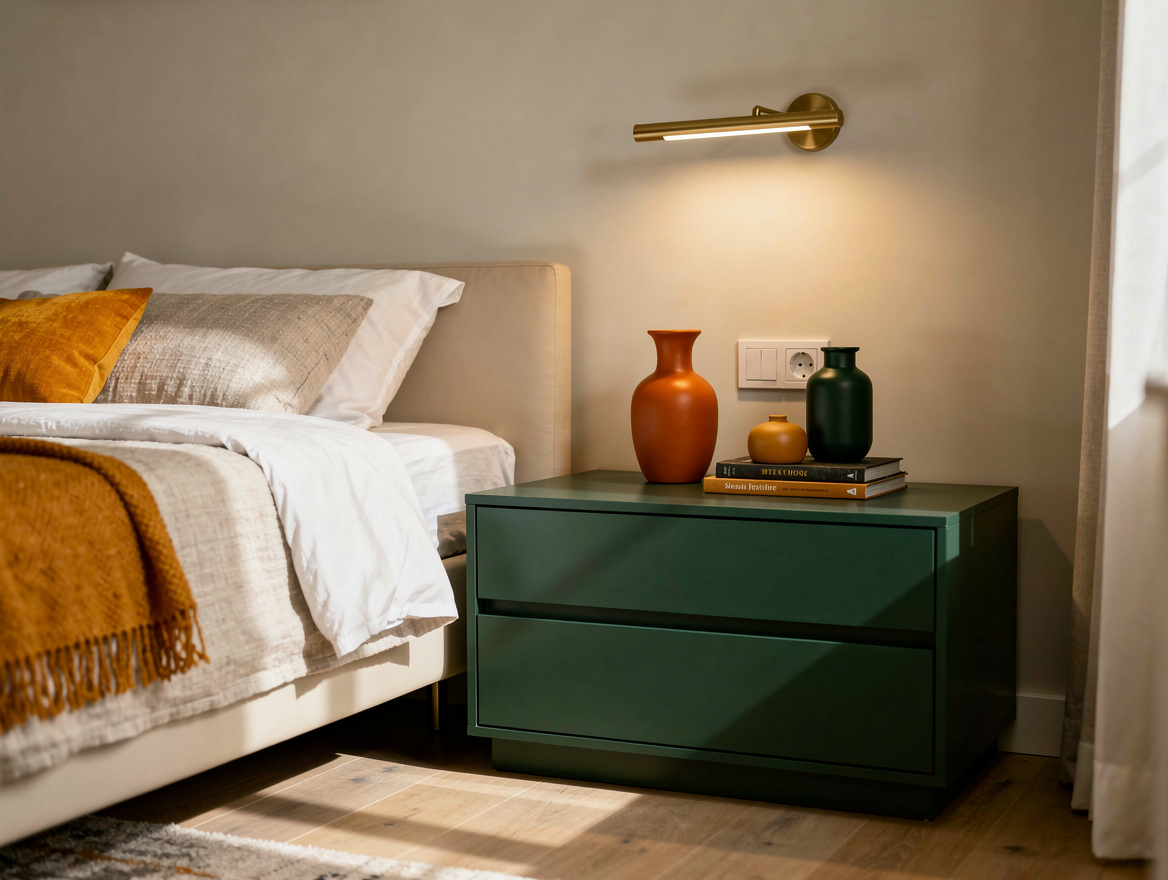
Measure the door swing and the narrowest walking line first, then choose the shallowest storage that still holds your nightly essentials. That order keeps the reclaimed corner useful instead of turning it into another obstacle.
Mia Carter writes about small-space living and budget home makeovers. She has restyled three rentals and tests most ideas in her own 45 sqm flat.