
A light sleeper may handle loud snoring more naturally by changing sleep position, adding steady sound, practicing nasal breathing, and separating sleep schedules when necessary. These steps won’t silence every snorer, but they may limit sudden disruptions and give both partners a clearer nighttime plan.
- Light Sleeper, Try Side Sleeping Beside a Loud Snorer
- Light Sleeper, Set a Natural Sound Mask for Snoring
- Married to a Loud Snorer? Try Nasal Breathing
- Sleep Through Anything Naturally With a Bedtime Wind Down
- Loud Snorer Nearby? Use Slow Exhalations Before Sleep
- Light Sleeper? Schedule Quiet Sleep Separately When Needed
The essentials for a calmer bedroom
The five pieces we recommend for a calmer bedroom.

Premium Grounding Sheet
Premium Grounding · woven 316L stainless-steel fibers, goes under your fitted sheet
Save 10% with code mattressnut
Through Nov 30: buy one sheet, get one free (per the brand)
 THE MATTRESS
Saatva Classic
Saatva
- THE TOPPER
Graphite Topper
Saatva
- THE PILLOW
The Saatva Pillow
Saatva
- THE COMFORTER
Down Alternative Comforter
Saatva

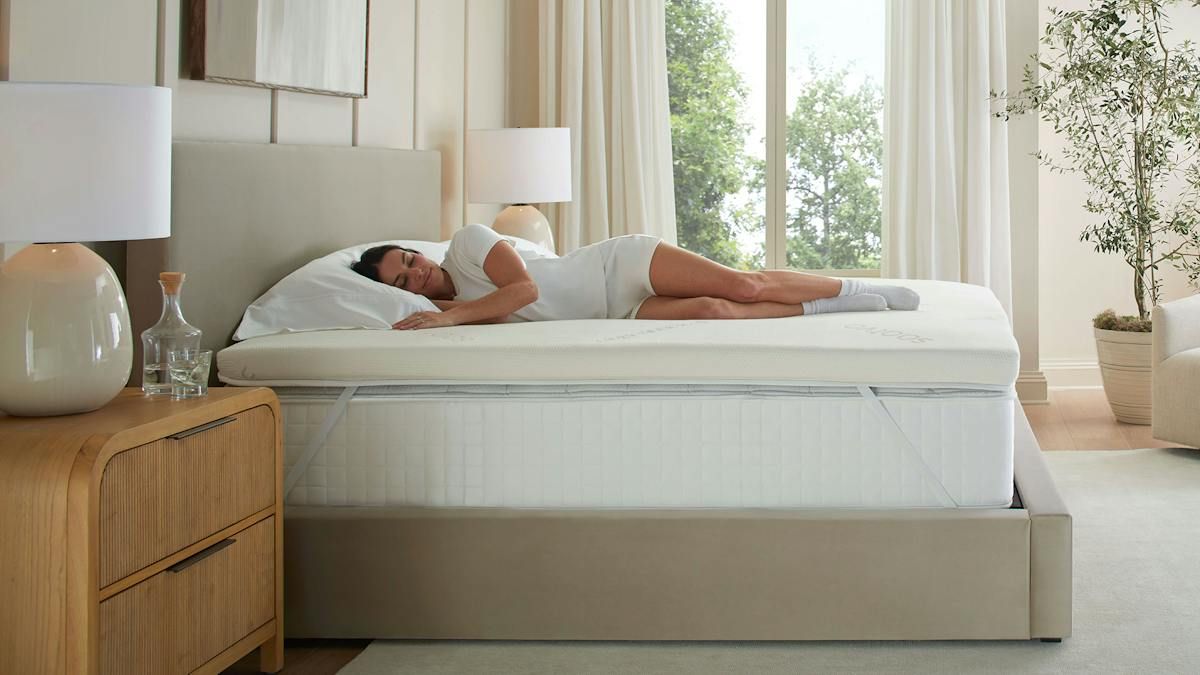


1Light Sleeper, Try Side Sleeping Beside a Loud Snorer

Ask the loud snorer to begin the night on one side, with the head aligned so the neck stays straight. Back sleeping can allow the tongue and soft tissues to shift toward the airway, which may make snoring louder for some people. A pillow between the knees can make side sleeping easier to maintain, while a second pillow behind the back may discourage rolling over.
Test the position for the first 30 to 60 minutes, when snoring often becomes noticeable. If the snorer rolls onto the back, a gentle reminder may be enough. Repeated pushing or shaking won’t create a lasting solution, and it can make both partners more alert.
This approach suits people whose snoring is clearly louder on the back. It doesn’t address every cause, including nasal congestion, alcohol, certain medications, or an underlying breathing disorder. If loud snoring comes with gasping, choking, or repeated pauses, professional assessment matters more than another pillow arrangement.
For a practical test, keep the side position for three nights and note whether the sound begins later, becomes quieter, or stays unchanged. If there’s no meaningful difference, move to a sound strategy or a separate sleep plan.
2Light Sleeper, Set a Natural Sound Mask for Snoring

Run a steady, low-volume sound source near the light sleeper, such as a fan, air purifier, soft rainfall audio, or basic white-noise machine. Choose one consistent tone rather than changing tracks throughout the night. Sudden changes can pull attention back toward the snoring.
Place the sound source closer to the light sleeper than the snorer, but keep the volume comfortable. A useful setting should soften the contrast between silence and a sudden snore without becoming another disturbance. If conversation across the room would require raised voices, the volume is too high.
Start the sound 10 to 15 minutes before bedtime and leave it running through the first sleep cycle. A timer can work if continuous sound feels unnecessary, though some light sleepers find that an abrupt stop wakes them. The best option depends on whether silence afterward feels calming or noticeably different.
This method won’t block every sound, and it doesn’t address breathing pauses. It may help when the main problem is the sharp change from quiet to loud noise. A fan or purifier can also support a consistent bedroom environment, but the device shouldn’t blow directly across a dry or irritated face.

3Married to a Loud Snorer? Try Nasal Breathing

Practice slow nasal breathing before sleep, with the lips gently closed and the tongue resting comfortably against the roof of the mouth. Breathe in through the nose for about four seconds, then breathe out for six seconds. Continue for three to five minutes without forcing a deep breath or tightening the jaw.
This routine gives the light sleeper a quiet focus point while the partner settles. Keep the shoulders loose and let the breath remain small and natural. If counting becomes irritating, use five gentle breaths followed by a short pause, then repeat the sequence.
A saline nasal spray may be useful when dry air or mild congestion makes nasal breathing difficult, provided the product is suitable for the person using it. Nasal strips can also create a more open feeling around the nostrils for some people, though they won’t address every cause of snoring.
Stop if breathing feels restricted, dizzy, or uncomfortable. Nasal breathing practice isn’t a substitute for evaluation when snoring includes choking, gasping, or long pauses. For a partner with allergies or persistent congestion, the underlying issue deserves attention rather than repeated nighttime reminders.
Why We Recommend This Product
If the ideas in this article speak to you, here is why this one product belongs next to them.
- 1
It goes where your routine already is.The sheet sits beneath your existing fitted sheet, so nothing else about your bed has to change.
- 2
Built to keep going.The seller lists woven 316L stainless-steel fibers and says there is no silver to tarnish.
- 3
Easy to try without a long commitment.The product page states a 120-night trial. Read the terms for your country.
- 4
Your own bedding stays on top.You keep the sheets, pillowcases and blankets you already like.
What you get: a woven 316L stainless-steel sheet that goes under your fitted sheet, the connection cord and plug, and a 120-night trial as stated on the product page.
Save 10% with code mattressnut
Through Nov 30: buy one sheet, get one free (per the brand)
4Sleep Through Anything Naturally With a Bedtime Wind Down

Begin a 20-minute wind-down before getting into bed, using the same three steps each night: lower screen brightness, finish urgent conversations, and use slow breathing or quiet reading. A predictable sequence can help the light sleeper arrive in bed before irritation builds around the snoring.
Keep the routine short enough to repeat on difficult nights. Put phones on silent, avoid checking the clock repeatedly, and decide in advance whether the snorer will start on one side or whether separate sleep will be used. This removes decision-making when tiredness has already made small noises feel overwhelming.
Try the sequence at the same time for five nights. During the first five minutes, reduce light and stop scrolling.
During the next five, settle practical questions such as alarms or morning plans. Use the final 10 minutes for breathing or quiet reading.
A wind-down won’t make loud snoring disappear, and it can’t replace a practical backup plan. If one partner needs absolute quiet while the other falls asleep quickly, different bedtimes may be more useful than trying to create perfect silence.
5Loud Snorer Nearby? Use Slow Exhalations Before Sleep
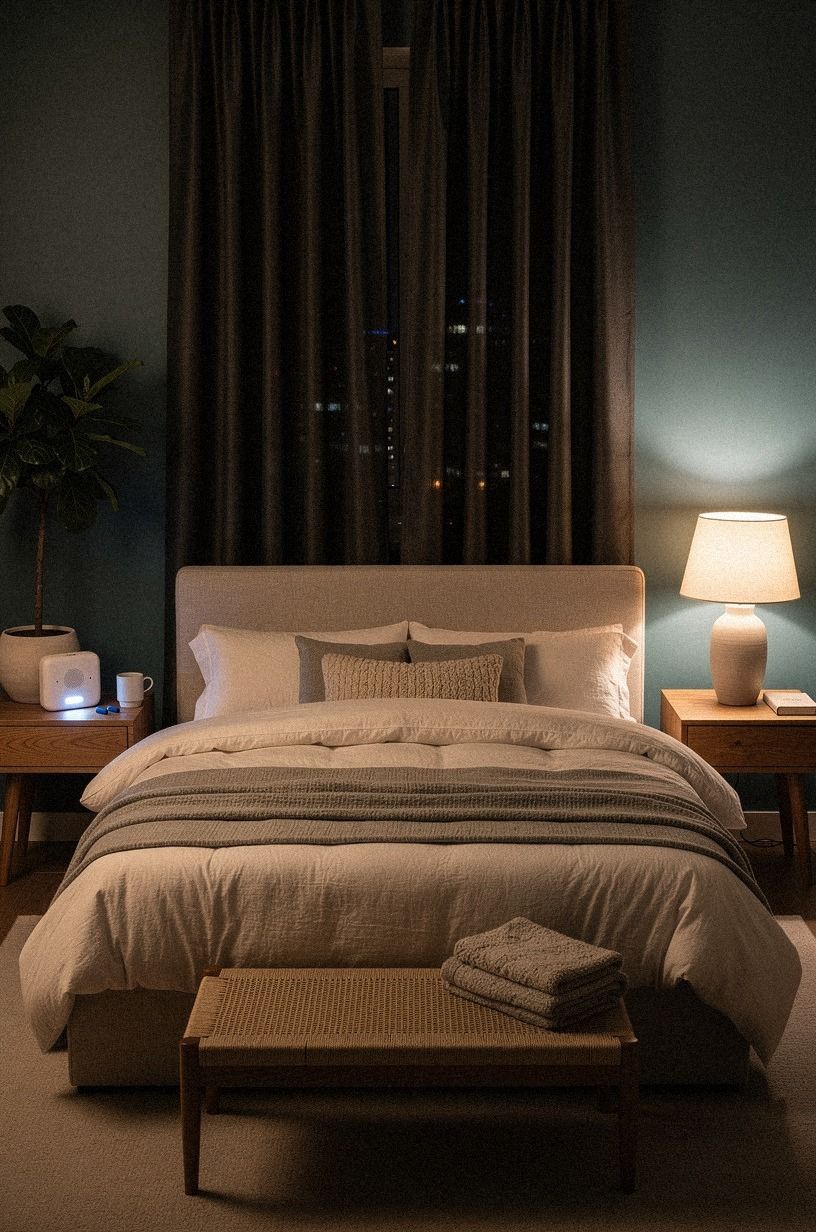
Use a longer exhalation as soon as snoring begins to pull attention away from rest. Breathe in gently for three or four seconds, then breathe out for five or six seconds. Repeat for 10 cycles while keeping the shoulders loose and the jaw unclenched.
The longer out-breath gives the light sleeper a quiet rhythm to follow without tracking every sound from the other side of the bed. If counting feels irritating, repeat a neutral phrase silently or match the rhythm to a low, steady fan. Keep breathing natural rather than taking unusually large breaths, since overbreathing can create discomfort.
For a concrete routine, complete five cycles while lying on the side, pause for a normal breath, and complete five more. Keep the eyes relaxed and avoid checking the clock between cycles. This works best when the snoring is present but doesn’t involve severe disturbance.
The technique won’t be enough when the partner is gasping, moving constantly, or waking repeatedly. In that situation, a daylight conversation and a clear plan for clinical advice deserve priority. Snoring with choking sounds or breathing pauses should receive professional attention.
Premium Grounding Sheets: what you get
Specifications as stated by the manufacturer.
| Material | Woven 316L stainless-steel fibers |
|---|---|
| Fit | Beneath your existing fitted sheet |
| In the box | Connection cord and plug |
| Trial | 120 nights, as stated on the product page |
Save 10% with code mattressnut
Through Nov 30: buy one sheet, get one free (per the brand)
6Light Sleeper? Schedule Quiet Sleep Separately When Needed

Set a planned quiet-sleep window when one partner goes to bed earlier or sleeps in another room for part of the night. Treat the arrangement as a shared schedule rather than a punishment. The goal is to protect a reliable block of uninterrupted rest while leaving room for closeness at another point in the evening.
Choose the start time before bedtime, then decide how the transition will happen. One partner might sleep separately for the first two hours, when the snorer is settling, or use another room after a first awakening. Keep bedding, alarms, chargers, and water ready so the move doesn’t become a long interruption.
Test the schedule for three to five nights and record only practical details: start time, number of awakenings, and whether returning to the shared bed felt workable. Don’t change the plan every few hours. A predictable arrangement is easier to follow when both partners are tired.
Separate sleep isn’t a failure of the relationship, and it doesn’t need to become permanent. It’s a useful option when sound masking, side sleeping, and breathing routines haven’t created enough quiet. If snoring includes gasping or pauses, the schedule should support professional evaluation rather than replace it.
A Practical Starting Plan
Begin with side sleeping and a steady sound source, then test each change for several nights instead of switching everything at once. Keep a short note of bedtime, sleep position, sound setting, and awakenings. That record can show which adjustment deserves another trial.
If snoring includes gasping, choking, or breathing pauses, seek clinical guidance. Quiet sleep matters, but the breathing pattern deserves attention too.
Where to Start First
Start with side sleeping because it costs nothing and gives the clearest first test. Pair it with low, steady sound if sudden snoring still breaks through, then use scheduled quiet sleep when both partners need a dependable backup.
Affiliate link: this article contains affiliate links. The site may earn a commission if you purchase through them.