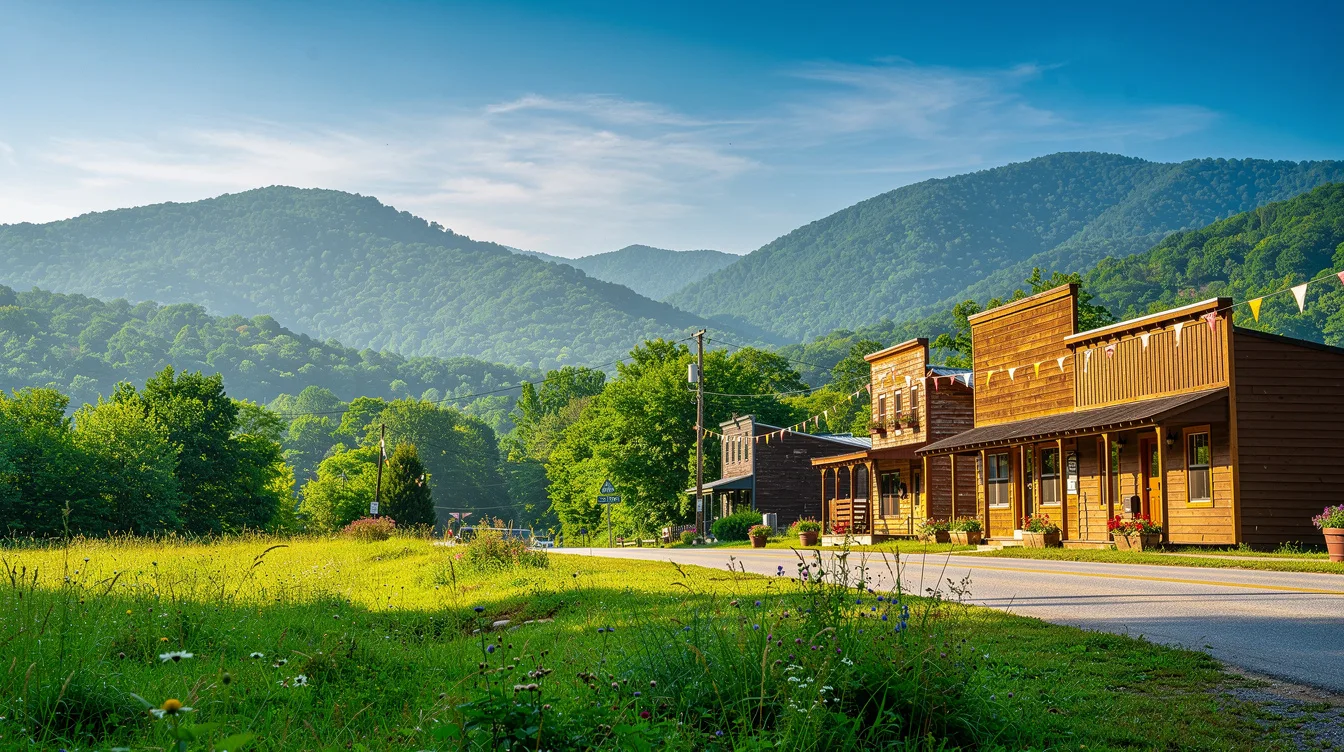
Banner Elk is a small North Carolina town with a very specific October appointment: since 1978, it has hosted the Woolly Worm Festival every third weekend of October. That is the hook, but the town is more than a fall event. You can build a weekend around its cool summers, winter slopes, and nearby Watauga Lake.
Why October feels different in Banner Elk
At 1,049 residents in the 2020 census, Banner Elk is small enough for the festival to feel tied to the town itself. The event isn’t a one-time novelty. It has returned annually since 1978, giving October a dependable place on the local calendar.
But don’t arrive expecting a giant city festival with endless distractions. The appeal is the focus: one town, one recurring weekend, and a woolly worm at the center of the story. And if you like travel that feels specific rather than overproduced, this is my kind of fall stop.
Watauga Lake is only 30 minutes away
Watauga Lake is just 30 minutes from Banner Elk, which makes the town a useful base for a day near the water. In summer, the lake draws visitors for boating, fishing, and wakeboarding. You can stay in town and still reach a larger outdoor setting without changing hotels.
Can you reach the lake easily?
Yes, the lake is listed as a 30-minute trip from Banner Elk. But the town and lake serve different moods. Banner Elk gives you restaurants, lodging, a post office, and a bank, while Watauga Lake gives the day a more open, water-centered rhythm.
And that contrast is exactly why I like the pairing. Spend the morning near the lake, then return to town for dinner and a quieter evening. The practical limit is that you shouldn’t treat Banner Elk as a lakeside town.
The water is close, but it isn’t on your doorstep.
Summer is the easy season to explore
Summer in Banner Elk is built around hiking, whitewater rafting, and fishing. The town’s elevation gives it mild summers, with a climate compared to a mountain lake town in New Hampshire. If lower-elevation North Carolina feels too hot, this is the season I’d choose.
Summer outdoor activities are varied enough to shape the whole trip, but they aren’t interchangeable. Hiking keeps you on foot, rafting adds speed and cold water, and fishing slows the day down. And you can choose your pace without leaving the Avery County area.
Winter brings two ski areas
Winter changes Banner Elk’s character. The area has two ski slopes, Beech Mountain and Sugar Mountain, with skiing and snowboarding as the main cold-weather activities. The town’s humid continental climate helps explain the difference: winters are cold and snowy, while summers stay mild.
But winter travel here comes with a clear trade-off. Snow gives the area its strongest seasonal identity, yet road conditions and mountain weather can make plans less flexible. And if you prefer watching the season from town, Banner Elk has enough lodging and restaurants to keep the trip simple.
A small town with a longer history
Banner Elk’s first permanent settlement was established in 1848, and the town was incorporated in 1911. Its name was shortened from Banner’s Elk, connecting the modern town to the area’s early settlement history without turning the visit into a museum-only experience.
The town covers about 1.9 square miles, all land, and is home to Lees-McRae College. Historic properties include the Banner Elk Hotel and the Robert Chester and Elsie H. Lowe House, both listed on the National Register of Historic Places.
When should you go?
Choose October if the Woolly Worm Festival is your reason for coming. Choose summer for hiking, rafting, and fishing, or winter for skiing and snowboarding. And if you want the broadest choice of activities, summer is the safer bet.
My opinion is simple: October gives Banner Elk its most memorable identity, while summer gives you the most room to explore. But the town’s real strength is the change between seasons. By the time the October festival weekend arrives, the mountain town has already begun turning toward winter.