
The short answer: the warmest Christmas mantel feels layered and breathable. You can build one with greenery, pillows, lighting, and paint already in your room. I once covered a mantel with matching red decor and regretted it by dinner. These ideas use height, texture, and restraint instead. Your fireplace will feel inviting, intimate, and ready for a long evening.
Editor’s note: Start with the room you already have. Keep one element that feels familiar, add one beautiful surprise, and leave enough empty space for the firelight to matter. A mantel should feel collected, rather than delivered in one matching box.
- Layer the Evergreen Ribbon Rule
- Build the Three-Height Light Stack
- Frame the Fireplace With the Two-Wood Rule
- Hang Stockings Below the Sightline
- Paint a Deep Backdrop for Christmas Mantel Decor
- Mix Soft Fabric With Aged Metal
- Anchor the Arrangement With One Large Wreath
- Which Three-Color Christmas Mantel Palette Feels Right?
- Float the Mirror Above the Mantel
- Arrange Village Houses With Breathing Room
- Swap Red for Warm Metallics
- Style the Mantel for a Small Space
- Choose Asymmetry Over Perfect Symmetry
- Repeat One Detail Across the Room
1Layer the Evergreen Ribbon Rule
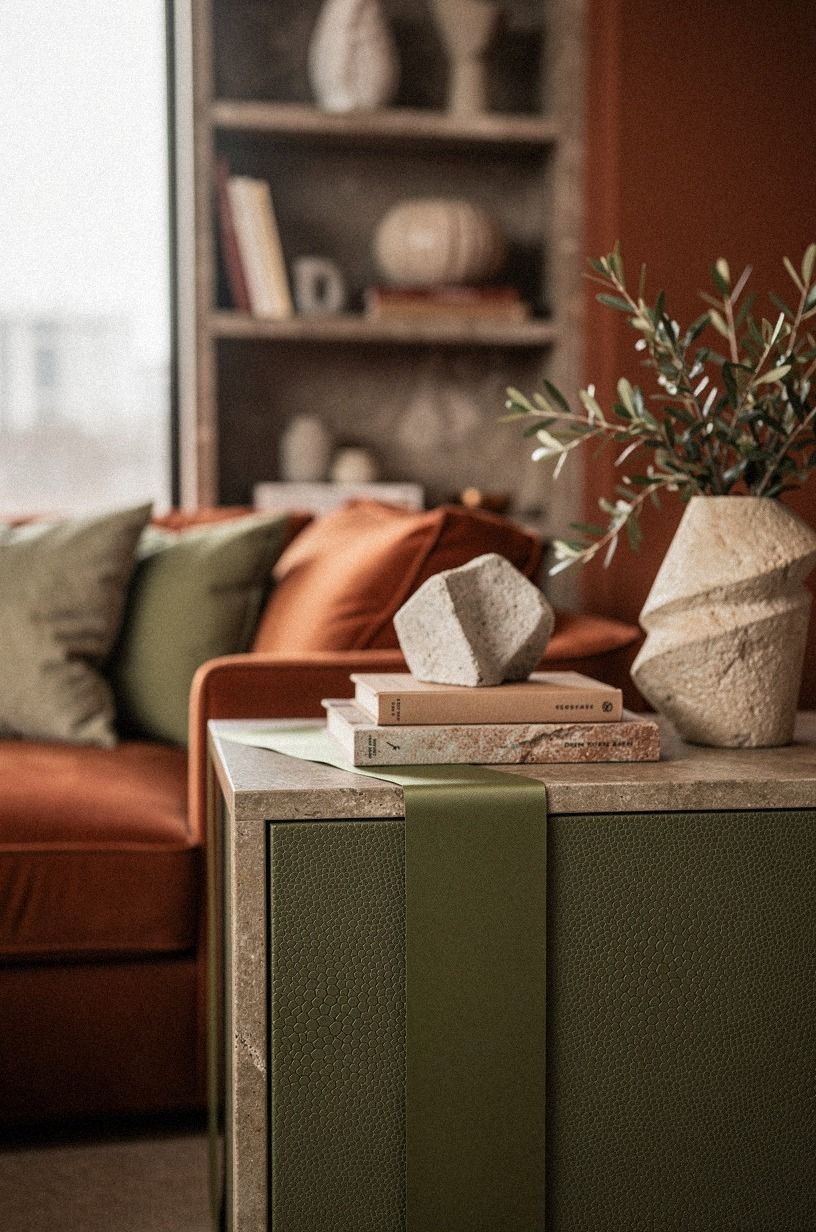
Start with one loose line of olive-toned greenery that dips slightly in the center, then let the branches fall past the mantel edges. Faux olive branches keep their shape through the whole season, while fresh greenery brings a soft, woodsy scent. If you’re styling a narrow mantel, use two shorter pieces instead of forcing one thick strand across the shelf.
Your eye needs a quiet place to rest, so don’t cover every inch. I like greenery that leaves small patches of stone or painted wall visible.
That gap makes the mantel feel collected and personal. Tuck in terracotta accents, dried orange slices, or small shagreen details, but choose one accent and repeat it three times.
A dense garland can swallow your artwork and make the room feel smaller. For more restraint, study this Christmas mantel decor arrangement with a single focal point, then adapt the spacing to your own shelf. The 8×10 focal-point rule for living rooms can also help you judge the visual weight from across the room.
2Build the Three-Height Light Stack
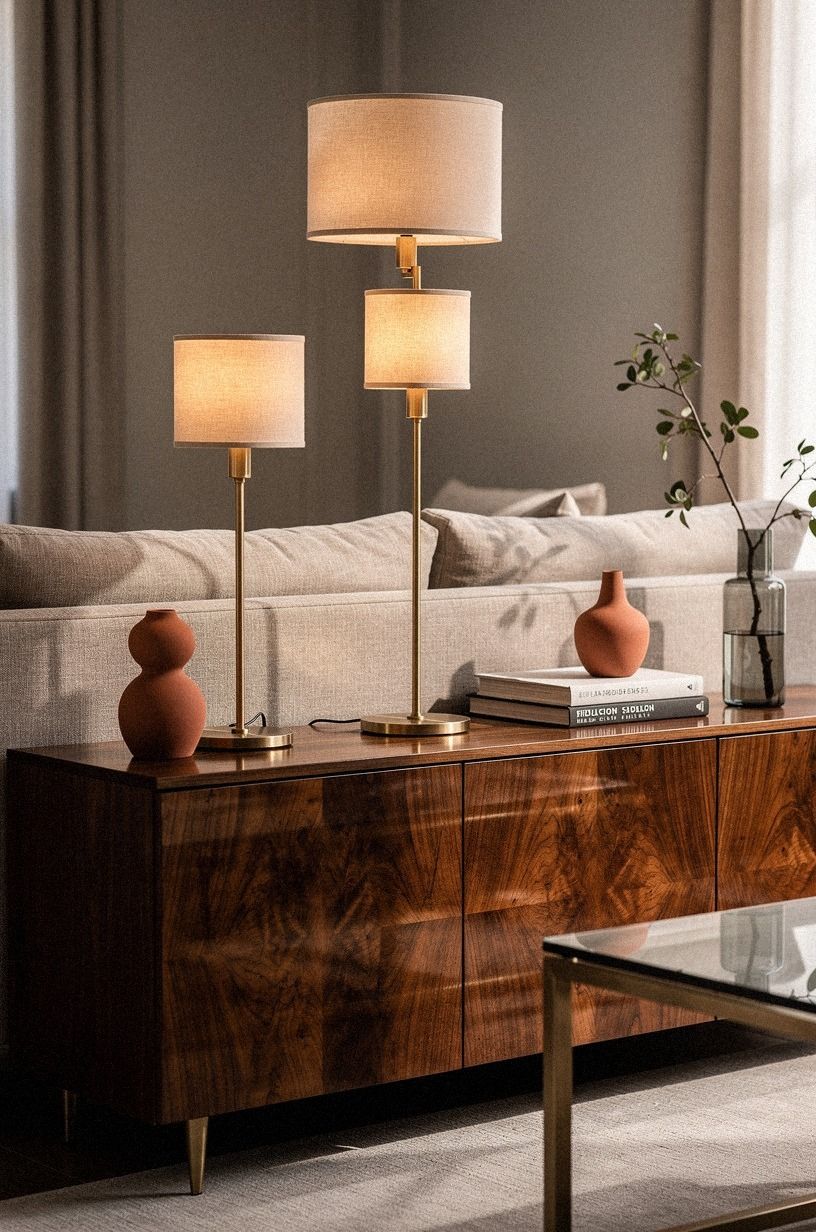
A mantel looks more dimensional when its light sources sit at three different heights. I usually start with one tall aged-brass candleholder, add a medium clay vessel, and finish with a low strand of warm lights. A piece of book-matched walnut beneath the arrangement gives the eye somewhere to travel without requiring a dozen decorations.
Choose lighting with a gentle amber tone. Blue-white bulbs can make greenery look gray and leave a cold cast on cream walls. Battery candles work beautifully in a rental, especially when you hide them behind a branch or inside a small linen-wrapped votive.
You don’t need three identical objects. In fact, variation makes the stack feel relaxed and organic. Use height as the organizing principle.
Leave a few inches between pieces so each glow has room to breathe. The result is warm, luminous, and especially lovely after the overhead lights go off!
3Frame the Fireplace With the Two-Wood Rule
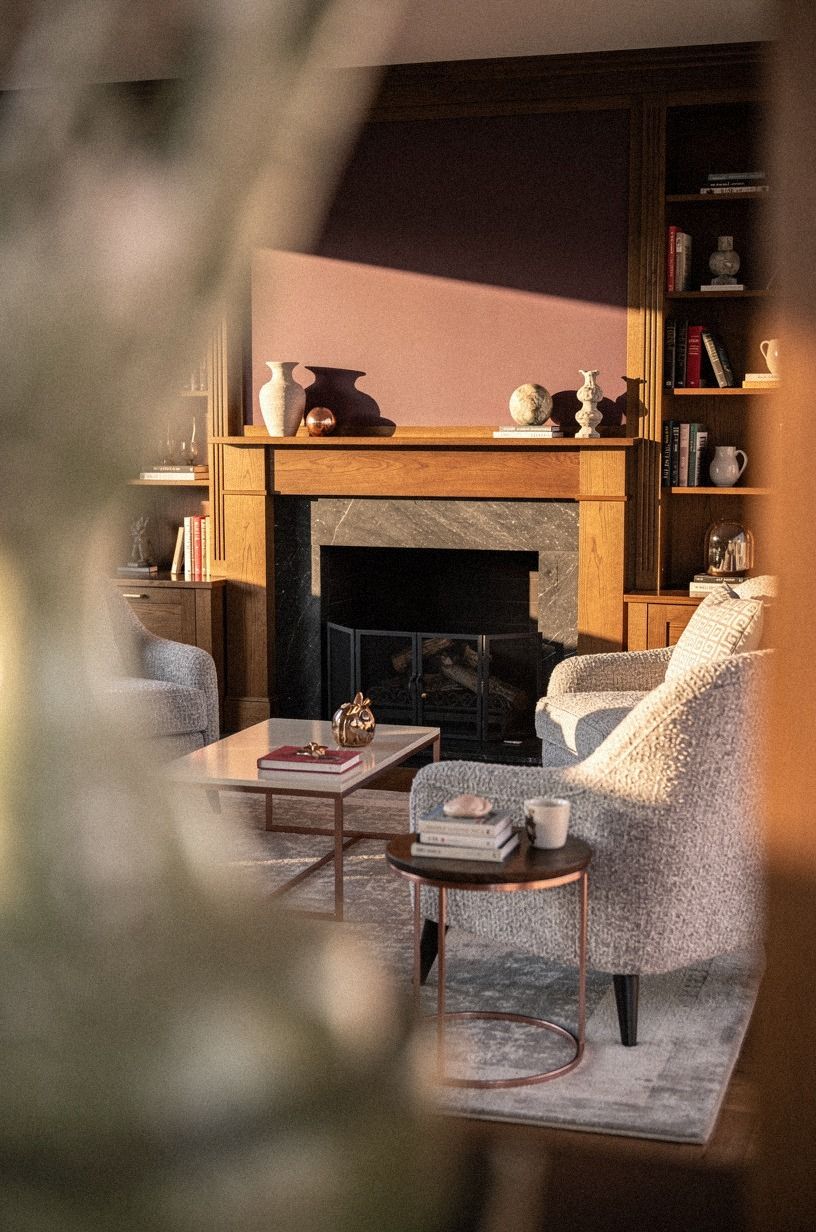
Use plum, grey, and rose gold for contrast. An organic bouclé accent beside a rose-gold bowl gives your Christmas fireplace decor enough depth without turning the mantel into a sample wall. Repeat the lighter grey tone in a small vessel or a soft ornament below the firebox.
The first color should connect to something already in your living room. Look at your coffee table, floor, or chair legs before shopping.
If your room has strong warm tones, I’d bring in cooler grey and muted plum instead. That slight tension keeps the display from looking overly matched.
You can also use a rose-gold bead strand, a plum carved star, or a slim grey frame as the second tone. Keep accessories low enough that you still see the fire.
For a larger room, return to this 8×10 focal-point rule and let the mantel relate to the rug and seating area. A second look at the rule is worthwhile because scale is usually what makes a holiday display feel either gracious or cramped.
4Hang Stockings Below the Sightline
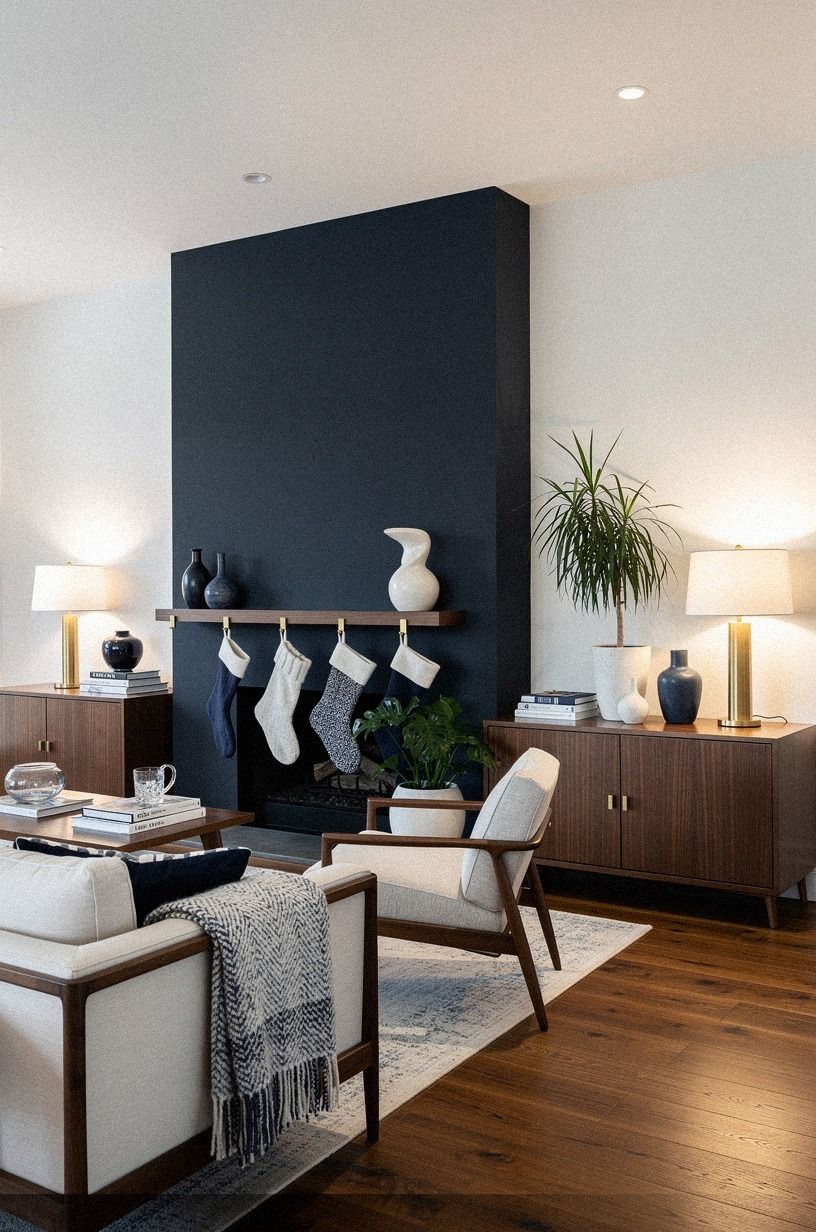
Hang stockings low enough to feel useful, but high enough to avoid the heat of the firebox. A simple navy stocking looks beautiful beside a traditional white style, especially when the difference is repeated in the ribbon or throw across the room.
I prefer a slightly irregular line. Put the largest stocking closest to the seating side, then let the others step down subtly.
That movement feels more natural than arranging every cuff at exactly the same height. If you have children, leave enough space between stockings for names, small gifts, and curious hands.
Check the hooks before decorating. Unlacquered brass hardware develops a gentle patina and can hold an empty stocking without looking fussy.
For a rental, use removable hardware rated for the weight you need. The stockings should look charming, secure, and ready for Christmas morning.
5Paint a Deep Backdrop for Christmas Mantel Decor
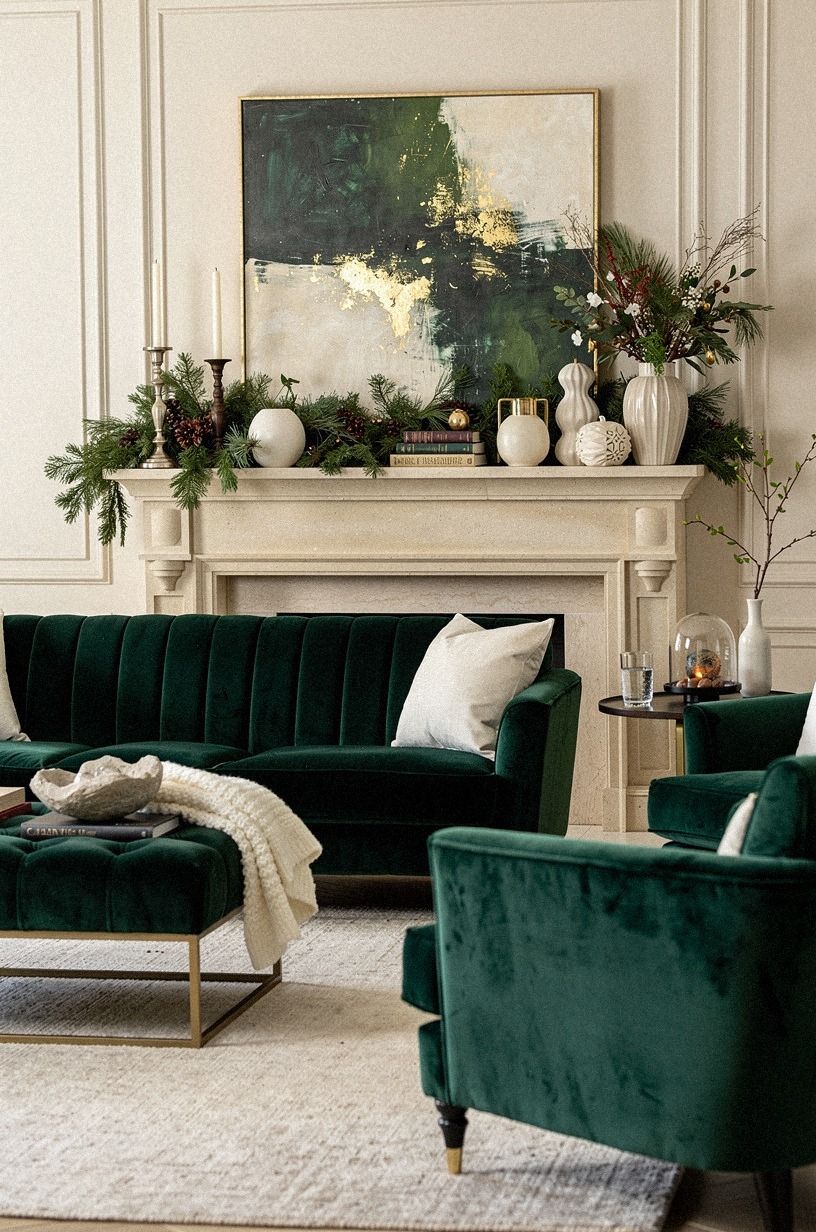
A dark wall behind the mantel can make pale greenery and candlelight look richer. Farrow & Ball Studio Green No.93 is a deep emerald with enough depth for gold, cream, and natural wood. If you’re working with a small living room, sample the paint first because evening light can make dark colors appear much stronger.
I once chose a gray that looked gentle on the card but turned icy beside green branches. Your fireplace needs warmth behind it, along with a grounded and welcoming atmosphere. Benjamin Moore White Dove OC-17 is a calmer cream if you want the same layered effect without committing to a deep color.
Add a touch of deep-pile mohair velvet for softness.
Paint only the wall behind the mantel if you want a lower-risk update. You can leave the side walls light and still create a focused holiday corner.
These Christmas door decorating ideas show how the same palette can travel beyond the living room. For a more refined mood, this guide to quiet Christmas elegance offers a useful lesson in restraint.
6Mix Soft Fabric With Aged Metal
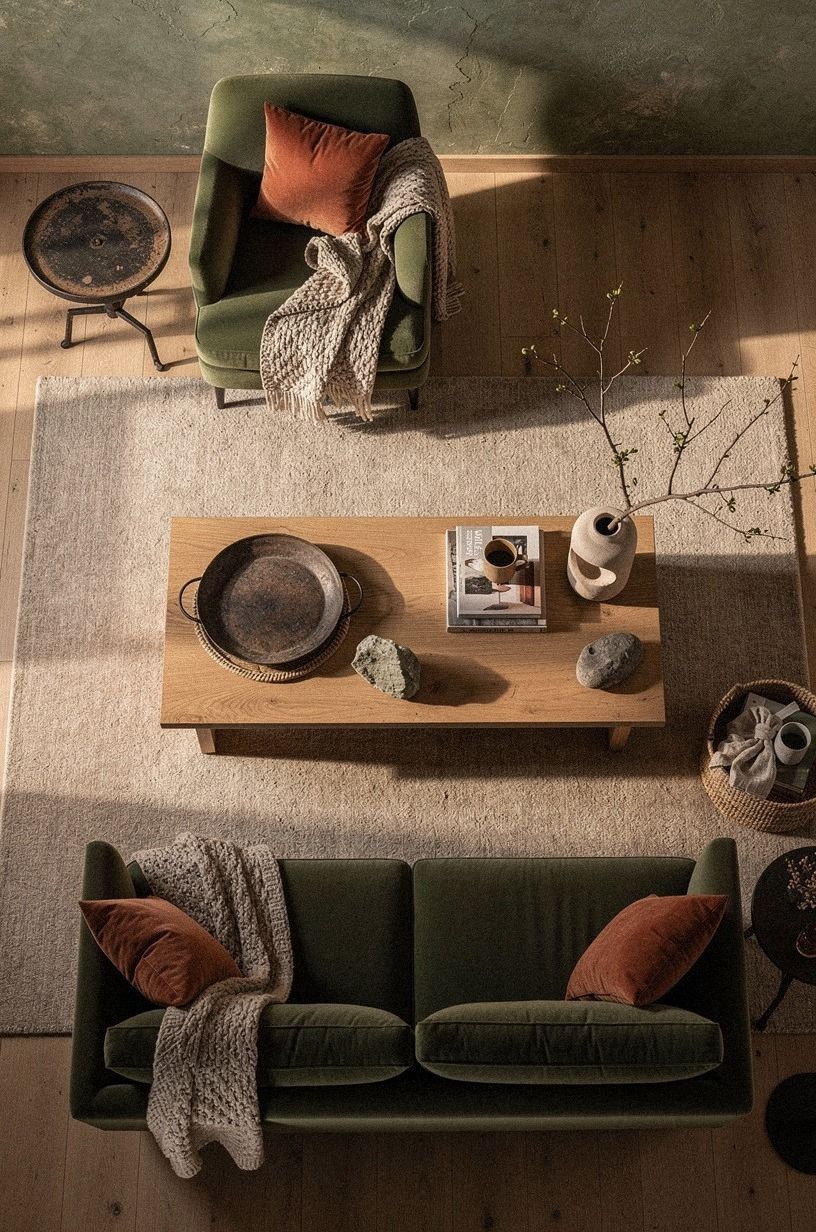
Christmas mantel decorating ideas often lean hard into greenery, but fabric is what keeps the display from feeling sharp.
7Anchor the Arrangement With One Large Wreath
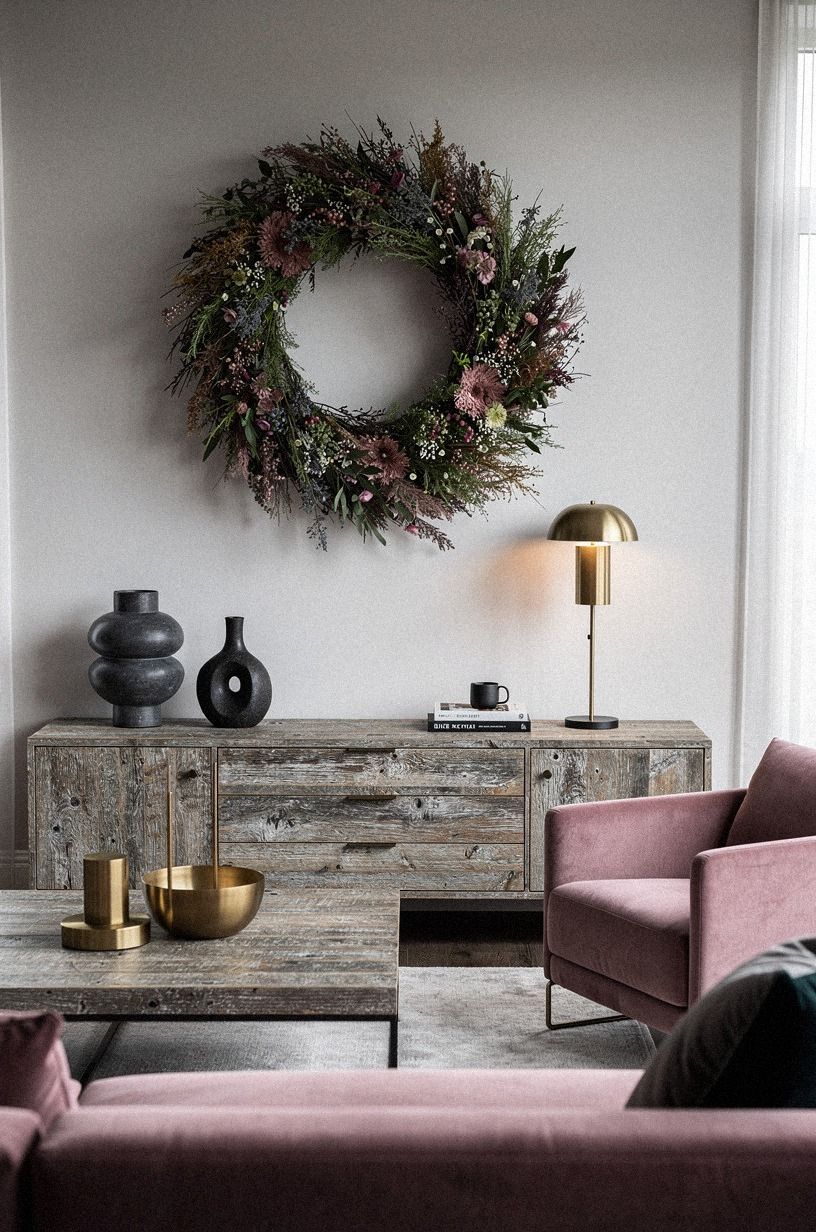
One large wreath gives your holiday mantel a clear center, especially when the fireplace wall has no artwork. Dusty-rose foliage brings a muted color that works after Christmas, while a charcoal-and-brass arrangement gives you a richer mood for a shorter season. Your choice depends on whether you want longevity or atmosphere.
Hang the wreath slightly above the mantel instead of resting it directly on the shelf. That small gap creates a shadow, and the shadow gives the greenery more depth. I like a wreath that takes up about half the visible wall area above the mantel, but I wouldn’t crowd a low ceiling with a very wide form.
Don’t fill the wreath with every ornament in your box. Pick one material, such as brass ribbon or small weathered-teak details, and repeat it around the circle.
This single-focal-point mantel arrangement keeps the composition legible. You can also borrow the wider lesson from these living-room focal points: one memorable center is stronger than a dozen competing ones.

8Which Three-Color Christmas Mantel Palette Feels Right?
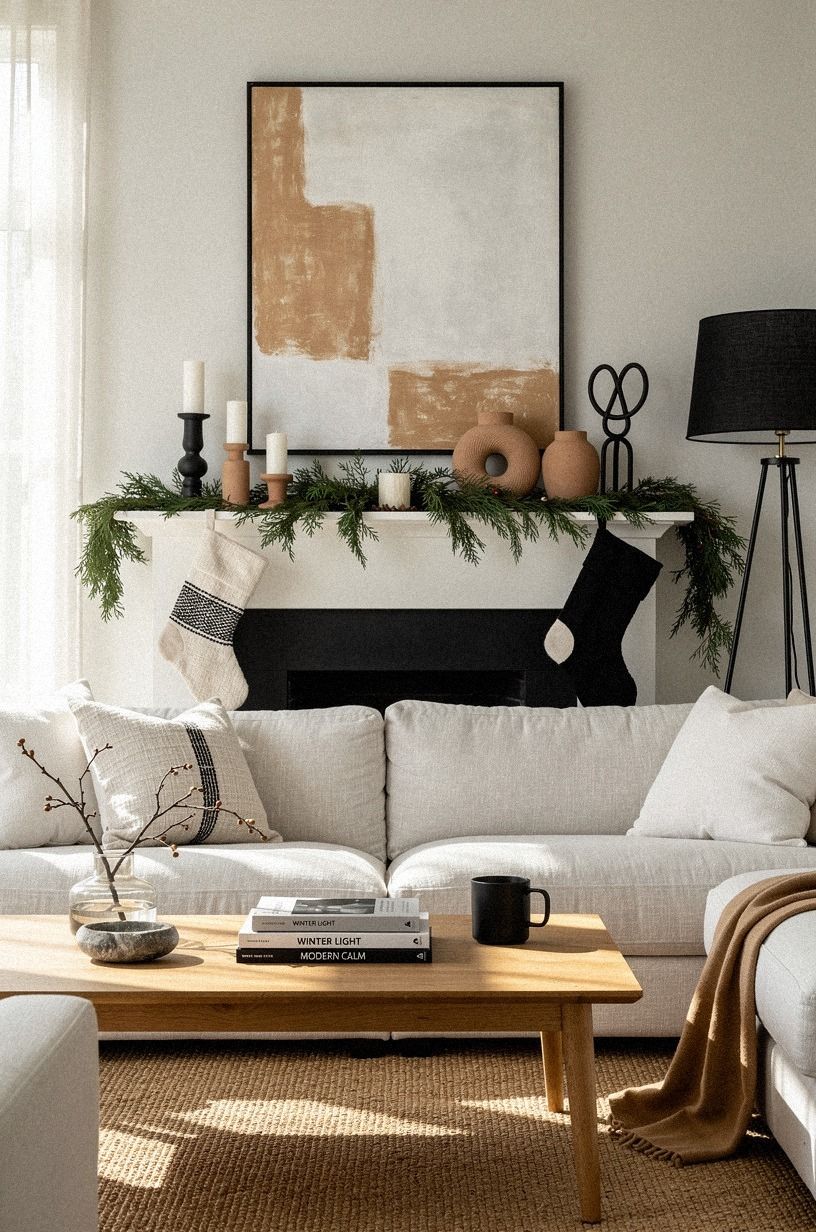
Choose one light, one earthy middle tone, and one dark accent. My favorite combination is warm white, camel, and black accents because it feels festive without looking loud. A charcoal accent can add definition, while a washed Belgian linen ribbon makes the palette more generous and welcoming.
If your room already has colorful art, let the mantel echo only one shade from it. Repeating too many colors will make the display compete with the rest of the room. A pale mantel can handle darker greenery, while a dark wall benefits from cream ceramics and soft camel textiles.
The palette should also work in daylight. Hold your ribbon, ornaments, and paint samples together beside the window before committing.
If one color disappears or looks harsh, replace it now. You’ll save yourself an awkward trip to the store and end up with a more harmonious, atmospheric corner.
9Float the Mirror Above the Mantel
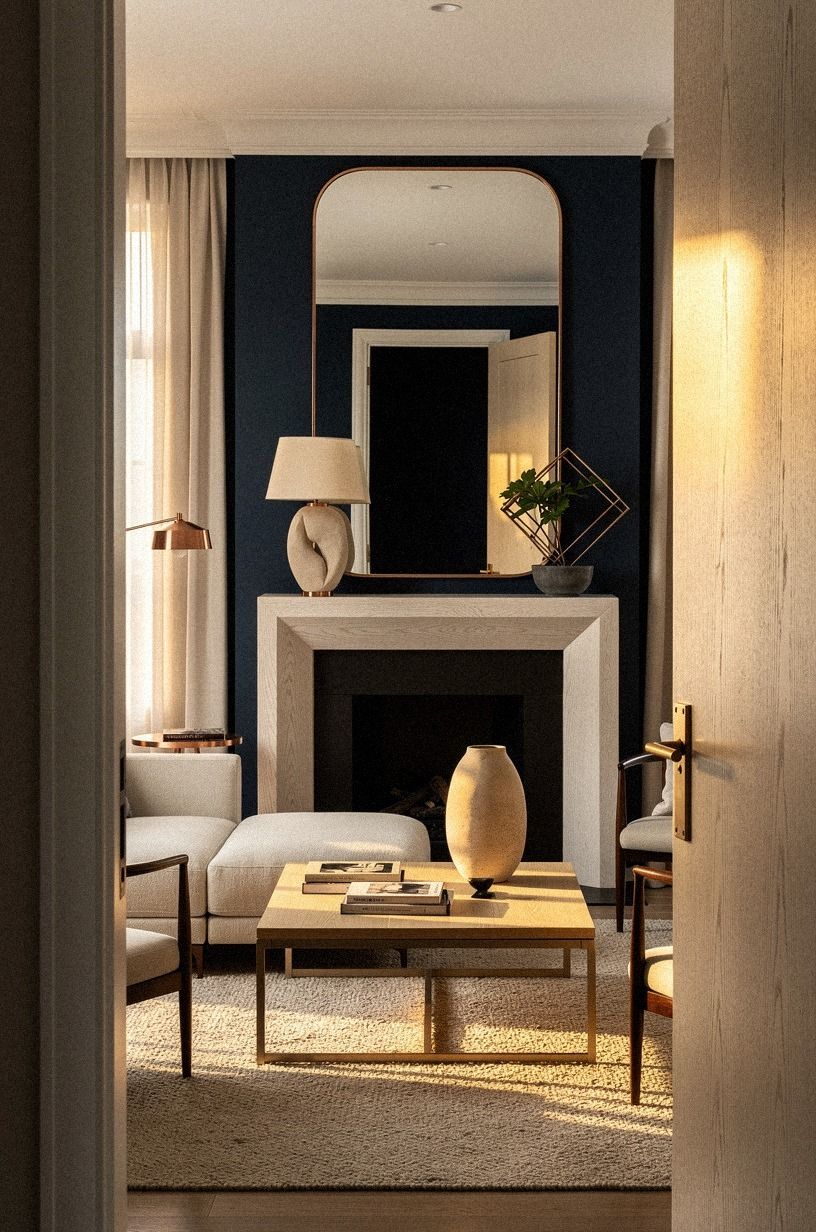
A mirror can make a small living room feel brighter, but the frame matters more than the reflection.
10Arrange Village Houses With Breathing Room
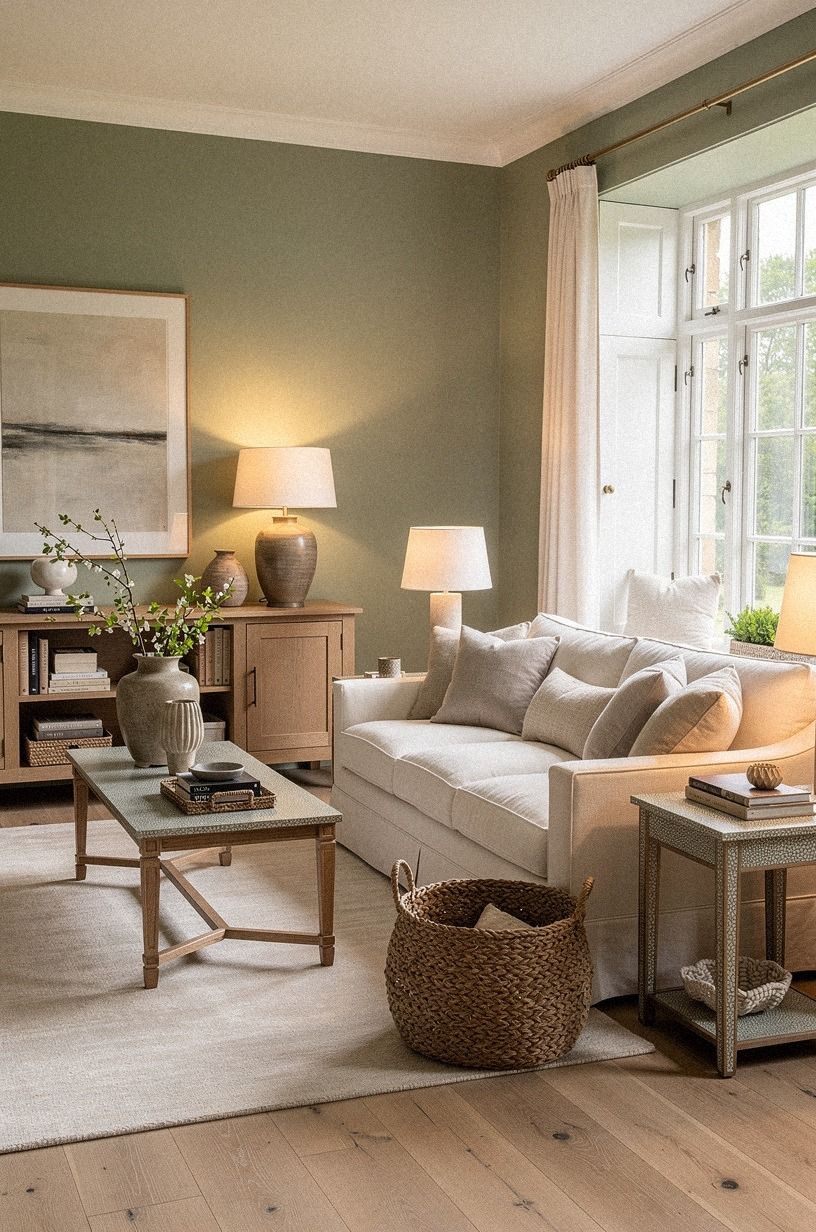
A row of small houses can make your mantel feel like a winter street, but spacing is everything. Sage-green ceramic buildings have enough variation to look collected, especially when their windows catch candlelight. Place the tallest house near one side, then let the forms step down toward the center.
Your display needs empty space between the houses. If every piece touches, the scene loses its depth and becomes a solid strip of white.
I use a short strand of warm lights behind the houses, then hide the wire under a narrow shagreen runner. That glow gives the scene a quiet, storybook quality after dinner.
Skip the urge to add miniature people, cars, trees, and signs all at once. One small natural-wood tree is enough. If you want a more natural holiday arrangement, combine the village with warm cream ceramics and two wood accents rather than more figurines.
For a larger room, compare the arrangement with these living-room focal-point ideas before adding anything else.
11Swap Red for Warm Metallics
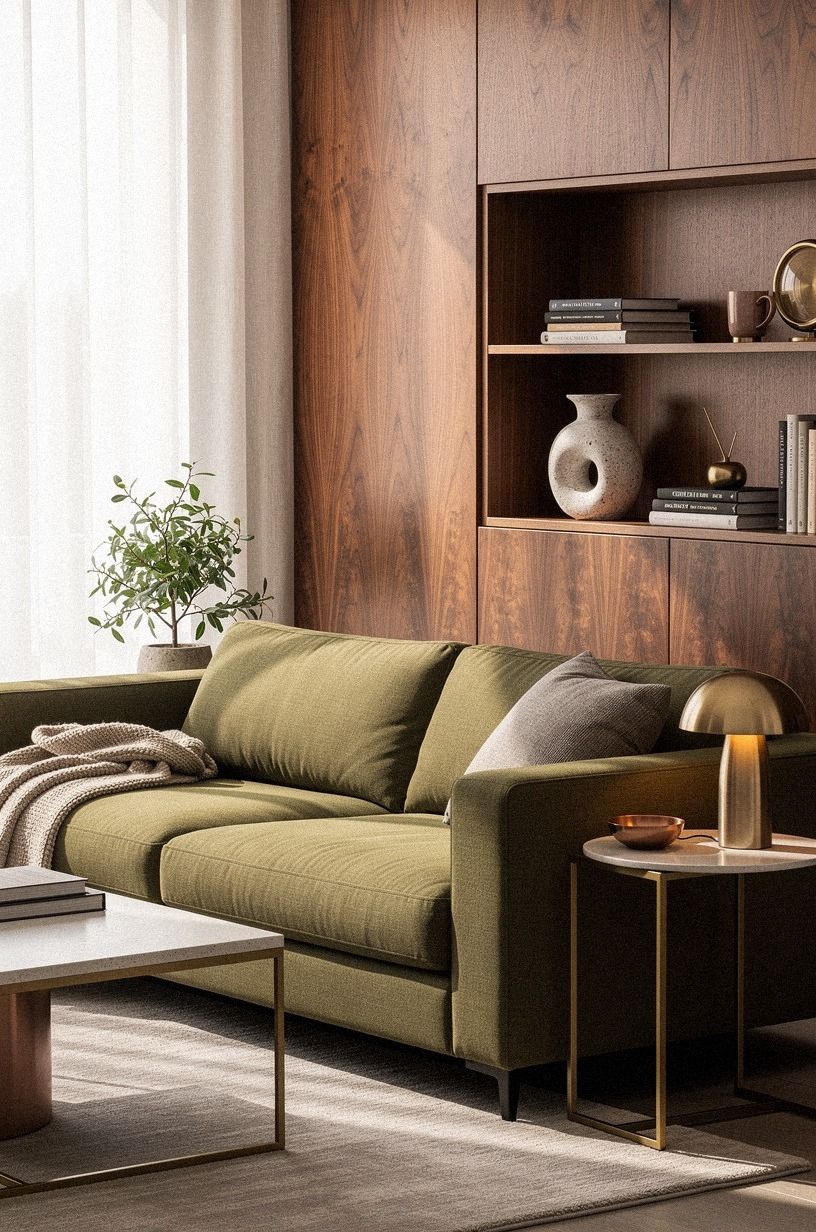
Red is traditional, but it isn’t your only route to a welcoming holiday mantel. Terracotta, stone, and olive can create a rich, nostalgic mood without making the room feel themed. I especially like book-matched walnut against stone-colored walls and olive branches.
Use the palette as punctuation rather than coverage. A pair of small terracotta bells, one walnut frame, or an olive bowl is enough to create warmth. Too many contrasting pieces can make the mantel feel busy during the day and heavy at night.
If you miss the warmth of red, bring it in through one small object or a faded ribbon. Terracotta velvet feels softer and more grown-up than bright lacquered ornaments.
You can also repeat that earthy note in a pillow or artwork across the room. The result is festive, handsome, and easy to live with after December.
12Style the Mantel for a Small Space
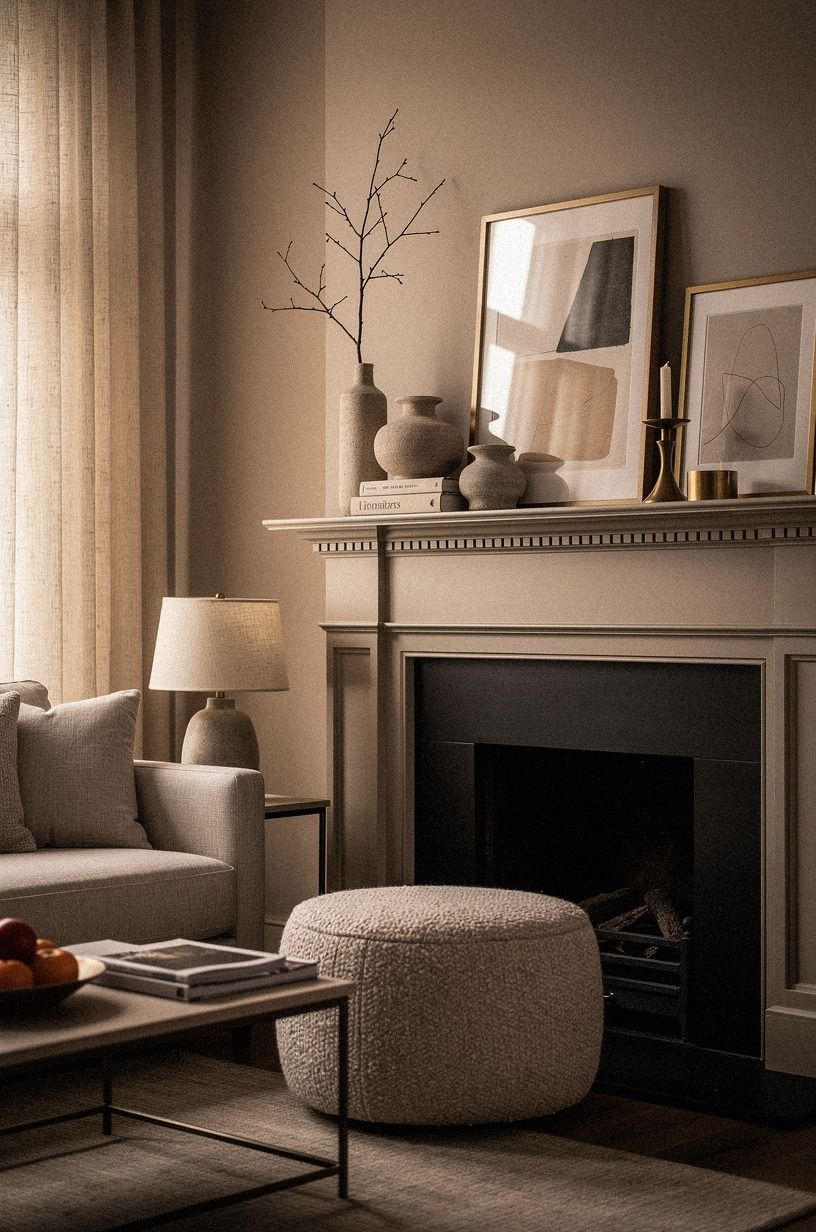
Small rooms need vertical movement, along with careful editing.
13Choose Asymmetry Over Perfect Symmetry
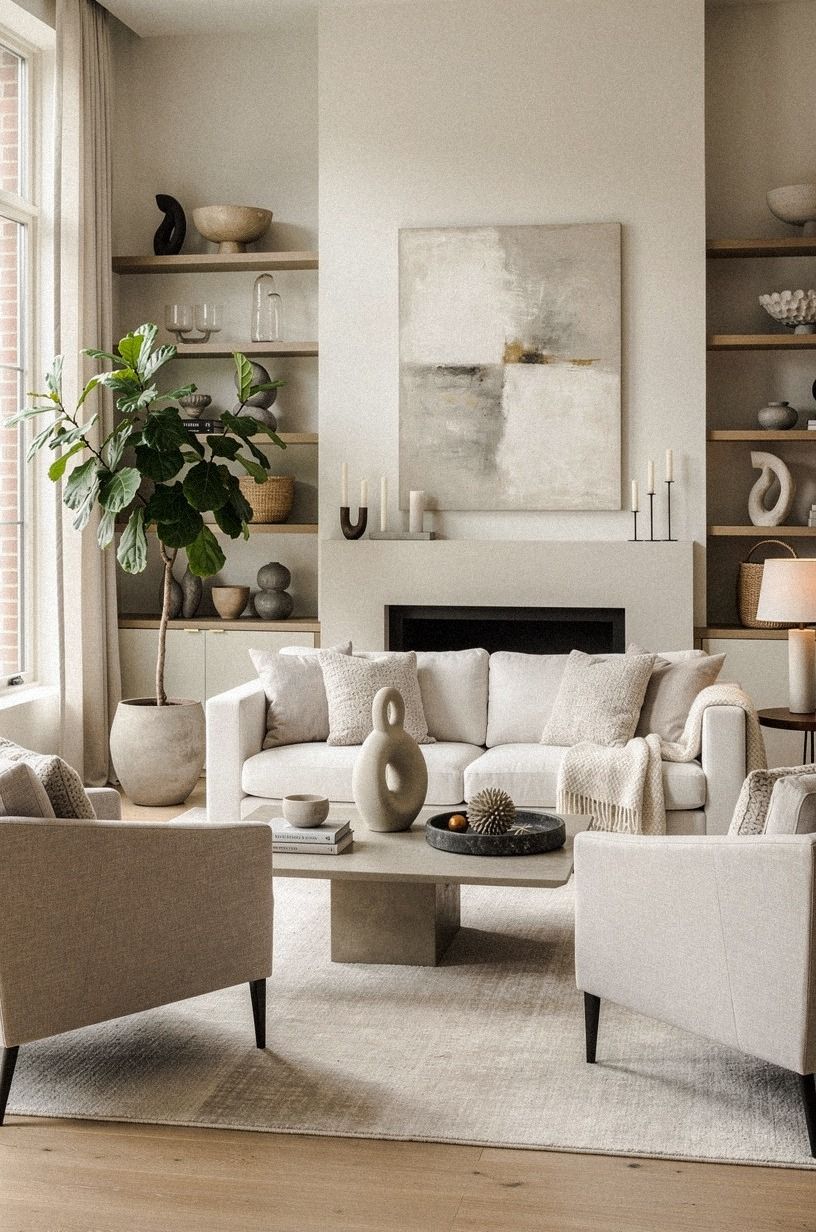
A balanced mantel doesn’t require matching objects on both sides. Start with one substantial piece, such as a rose-gold vase, on one end. Then balance its visual weight with several smaller pieces on the other side instead of searching for an identical pair.
Asymmetry gives the display movement. A branch that leans left, a grey vessel, or a low bowl can lead the eye across the shelf.
Keep the overall height controlled, though. An arrangement can be irregular and still feel calm when the tallest point has a clear relationship to the firebox.
I like to take a quick phone photo after styling. The camera reveals crowded corners that are easy to miss when you’re standing close to the mantel.
If one side feels heavy, remove something before adding another object. That small edit often creates the most elegant improvement.
14Repeat One Detail Across the Room
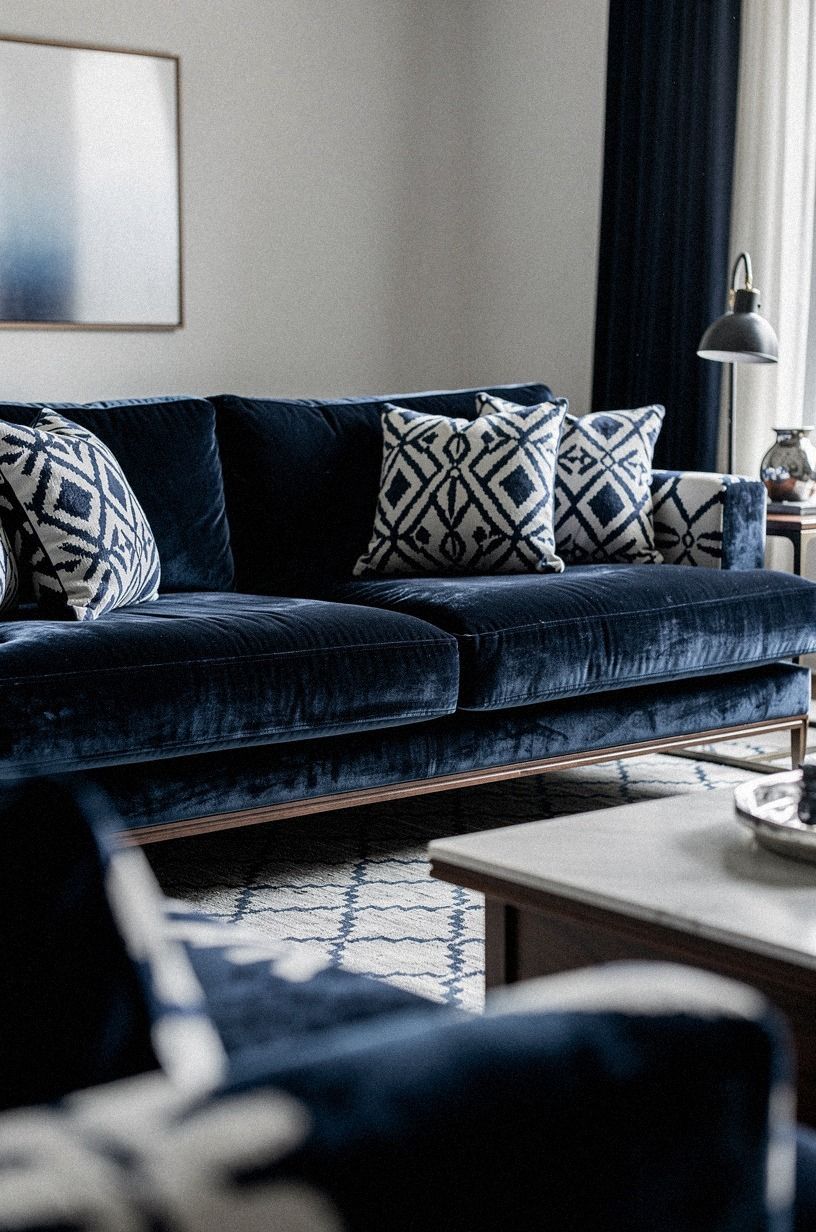
Your mantel will feel more connected when one small detail appears somewhere else. Repeat the deep-pile mohair velvet in a pillow, carry the walnut into a side table, or echo the white ceramic in a simple entryway arrangement.
The repeated detail doesn’t need to match exactly. A similar texture or related color is enough to create a thoughtful visual thread. I’ve found that this small connection makes a room feel finished without making it feel overly coordinated.
Look for the detail from the sofa, the doorway, and the dining area. If it appears naturally from more than one angle, you’ve created a warm and cohesive seasonal rhythm.
The Opinion I’d Keep After Christmas
The strongest Christmas mantels aren’t the ones with the most holiday symbols. They’re the ones that understand proportion, light, and the way your room is used on an ordinary evening.
I learned that after removing half my decorations one December. The mantel looked calmer, but it also looked more personal.
I prefer greenery with visible gaps, warm light instead of blue-white bulbs, and one material that feels a little imperfect. Cerused white oak, aged brass, linen, and hand-thrown ceramic all carry small variations that matching sets often miss. Your room doesn’t need to look staged to look considered.
The most useful decision is choosing what to leave out. If your firebox is the focal point, don’t cover it with a giant sign.
If your mantel is narrow, don’t build a deep village across the shelf. And if your wall is already dark, let pale textures do the work.
Those choices create a warm, inviting composition without making the room feel heavy.
You can also make the mantel seasonal without making it disposable. Choose a wreath that works through winter, a ribbon you can reuse, and candleholders that stay after the ornaments return to storage.
That approach costs less over time, and it gives your living room a gathered, lived-in quality that photographs well because it feels true. For another restrained seasonal direction, revisit these Christmas door decorating ideas.
The Questions Worth Answering First
What is the best Christmas mantel decorating idea for a small living room?
The Three-Height Light Stack is my first pick because it adds depth without using much shelf space. I combine one tall candleholder, a medium ceramic tree, and low greenery from IKEA or Target. Keep the pieces shallow, and your room won’t feel crowded.
Where can I buy Christmas mantel pieces on a budget?
I’d start with IKEA, Target, thrift shops, and Facebook Marketplace for frames, brass candleholders, baskets, and ceramic pieces. I’ve found that buying fewer, stronger objects usually looks more intentional than filling the mantel with inexpensive seasonal sets.
How much does a Christmas mantel makeover cost?
I’d budget about $50 to $150 for a simple refresh if you reuse what you own. New greenery, ribbon, candles, and one focal object may bring the total closer to $200 or $300. Paint or custom millwork will raise the cost considerably.
Can I create Christmas mantel decor on a budget?
Yes, and I’d make the first move free. Gather branches, reuse glass jars as candleholders, and rearrange objects from another room. A $20 to $50 ribbon, thrifted frame, or Target Threshold ceramic piece can give you a fresh focal point without rebuilding the mantel.
Is Christmas mantel decorating worth it in a small space?
Yes, because a small mantel gives you a naturally contained focal point. I’d use one wreath, one light source, and a low garland instead of several large objects. Your room will feel more intentional when the fireplace carries the seasonal mood without taking over the seating area.
Is Christmas mantel decorating a good idea for a rental?
Yes. I’d use removable hooks, lightweight frames, battery candles, and a tension rod for stockings.
Peel-and-stick options can work when the wall finish allows them, but test a hidden spot first. You can create a warm display without drilling into the wall or changing the fireplace permanently.
Where I’d Start First
If I had to pick one, I’d start with the Three-Height Light Stack. It gives your mantel depth after the overhead light goes off, and it costs less than replacing one statement object. Begin with the pieces you already own, then add only what the arrangement genuinely needs.
For a broader room reset, save these focal-point ideas for later.